Cannabis Flowering Stage Week by Week Guide | Royal King Seeds
Royal King Seeds Editorial Team
Cannabis Cultivator & Seed Specialist
Most growers think flowering is just waiting. Flip the lights, feed some bloom nutrients, harvest in 8 weeks. It is not, the flowering stage is where most yield and potency is won or lost, and the growers who treat it as a passive countdown are the same ones posting about airy buds and underwhelming harvests. The cannabis flowering stage is a 8-10 week sequence of distinct biological phases, each with different nutrient demands, different environmental risks, and different intervention windows that close fast.
Cannabis cultivation references document the flowering stage in extensive detail, covering node development, bud density, trichome maturation, nutrient demand shifts, and environmental responses week by week. What we have learned is that the flowering stage is not one phase. It is at least five distinct sub-phases, each with different requirements, different risks, and different intervention opportunities.
Miss the feeding window in week 3 and your buds stay airy regardless of genetics. Ignore humidity in week 6 and a single day can trigger botrytis in your densest colas. Harvest three days early and you leave 10-15% of your THC potential on the table.
Cannabis Flowering Stage, Key Numbers from Our Indoor Grows
8-10
weeks (photoperiod avg)
40-60%
stretch in weeks 1-3
75%
of final weight added wk 4-7
3-7 days
harvest window for peak THC
The biggest yield gains happen in weeks 5-6. Miss the feeding and environment window there, and nothing you do later compensates.
Data from indoor photoperiod runs, 480W LED, coco/perlite, controlled environment. Autoflowers follow a compressed but similar progression.
This week-by-week guide is based on cultivation data from our indoor grow facility, compiled across multiple strains, environments, and feeding programs. Timelines reflect photoperiod cannabis under standard 12/12 lighting, autoflowers follow a similar but compressed progression. Individual results vary by genetics, environment, and grower experience.
Jump to Section
How Flowering Is Triggered: The Biological Switch
Flowering in photoperiod cannabis begins when uninterrupted dark periods exceed approximately 12 hours. This is not a light-dependent response, it is a darkness-dependent response. The plant produces a flowering hormone (florigen, specifically a protein called Flowering Locus T) during extended dark periods.
When the hormone reaches sufficient concentration, the plant transitions from vegetative to reproductive growth. Even brief light interruptions during the dark period, a headlamp check, a light leak from a tent zipper, a timer malfunction, can suppress florigen production enough to delay or prevent flowering.
Best practice is a strict 12/12 cycle with blackout-verified dark periods. According to research published in Plant Physiology by Turck et al. (2008), the Flowering Locus T protein pathway is conserved across flowering plants and represents one of the most well-characterized developmental switches in plant biology. Understanding that the trigger is chemical, not magical, helps you make better decisions about light discipline, timer reliability, and troubleshooting delayed flower sets.
Autoflowering cannabis bypasses this system entirely. Auto genetics carry a mutation from Cannabis ruderalis that triggers flowering based on plant age rather than photoperiod. This is why autoflowering cannabis seeds flower under 18/6 or 20/4 light schedules, the additional light hours during flower actually increase yield because the plant is not photo-sensitive. In our auto runs, plants typically begin showing pistils at days 21-28 from germination regardless of light schedule.
Week-by-Week Flowering Timeline
Every cannabis plant follows the same biological sequence during flower, but the timing varies by genetics. Short-flowering indicas may compress this into 7-8 weeks. Long-flowering sativas can stretch to 12+. The progression below reflects a standard 8-10 week indica/hybrid photoperiod, the most common type grown indoors in the US. We have included our actual observations, feeding adjustments, and the intervention points where grower action has the most impact on final quality.

Week 1-2, The Stretch Phase
Transition period, the plant is not yet "flowering," it is repositioning
What You See
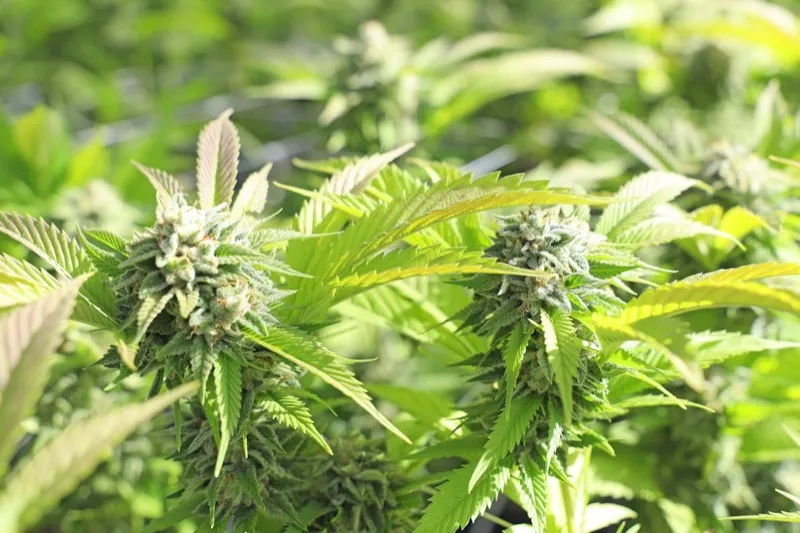
Rapid vertical growth, 2-4 inches per day in vigorous genetics. Internodes elongate. New branching at every node. Pre-flowers (tiny pistil pairs) begin appearing at nodes by end of week 2.
What Is Happening Internally
Hormonal transition. Gibberellin levels surge to drive stem elongation before the plant redirects energy to reproductive growth. Auxin redistribution creates new bud sites at every node that receives sufficient light.
Recommended approach:
We consistently observe 40-60% height increase during the stretch phase across indica-dominant hybrids. Sativa-leaning genetics can stretch 80-100%. The single biggest mistake we see growers make is flipping too late, if your plant is 24 inches at flip in a 5-foot tent, you are going to run out of headroom. We flip at 14-18 inches for most strains and still end up managing height. Track your stretch ratio for each strain you run, it is the most useful data point for timing future flips. This is also your last opportunity for topping, LST, and canopy training before the plant commits fully to flower production.
Week 3-4, Bud Site Formation and Early Flower Development
The critical feeding window, what you do here determines bud density
What You See
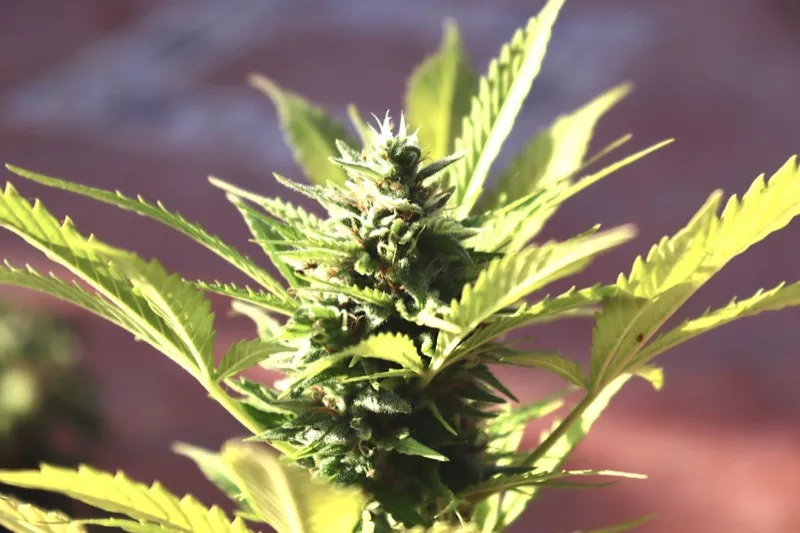
Stretch slows dramatically. White pistils emerge in clusters at bud sites. Small calyxes begin stacking. You can see the shape of future buds forming. Leaves shift from stretching upward to fanning out horizontally.
What Is Happening Internally
The plant has fully committed to reproduction. Energy allocation shifts from vegetative growth to calyx production. Phosphorus and potassium demand increases significantly as the plant builds flower infrastructure. Early trichome glands begin forming on calyxes and surrounding leaves.
Recommended approach:
This is the most important feeding window in the entire grow cycle. In aggregated grower-community reports, growers who under-feed PK during weeks 3-4 produce airy buds regardless of genetics or light intensity. We bump phosphorus by 30-40% and potassium by 20-30% starting at the first sign of calyx stacking. The plant is building the structural framework that determines final bud density, if you starve it during construction, no amount of late-flower feeding will compensate. According to research published in the Journal of Plant Nutrition, phosphorus availability during early reproductive development directly influences flower biomass allocation in flowering plants. Our cannabis nutrient deficiency diagnosis and bloom-phase feeding guide covers the specific PK ratios, pH targets, and lockout patterns that matter most during this window.
Week 5-6, Bulk Phase (Peak Bud Growth)
Maximum calyx production, this is where 75% of final weight is added
What You See
Buds swell rapidly, you can see daily size increases. Calyxes stack in dense clusters. Trichomes become visible to the naked eye as a frosty coating. Pistils are still predominantly white. The smell intensifies dramatically, carbon filters earn their investment during this phase.
What Is Happening Internally
Maximum metabolic activity. The plant is producing calyxes at its highest rate and loading them with resin. Trichome gland development accelerates, this is when the capitate stalked trichomes that contain cannabinoids and terpenes are forming their heads. Water and nutrient uptake peaks. The plant is consuming more of everything than at any other stage.
Recommended approach:
Weeks 5-6 are where your environment pays for itself or punishes you. Published cultivation references identify this phase as where the most significant yield differences appear between runs, and the variable is almost always light intensity during the bloom phase and humidity control, not nutrients. Plants receiving 800+ PPFD during the bulk phase consistently produce 15-25% more weight than identical genetics at 500 PPFD in the same tent. Simultaneously, this is when bud rot risk spikes. Dense indicas commonly show botrytis onset within 48 hours when RH exceeds 55% during week 6, even with good airflow. Understanding VPD and humidity control becomes critical here, the relationship between temperature and humidity determines transpiration rate, which directly affects both nutrient uptake and mold risk. Recommended practice is to drop humidity targets to 45-50% by week 5 and hold them there through harvest.

Week 7-8, Ripening and Trichome Maturation
Calyx production slows, trichome maturation becomes the focus
What You See
Bud growth slows but does not stop. Pistils begin receding and darkening, from white to orange, then brown. Trichome heads transition from clear to milky/cloudy. Lower fan leaves yellow and drop naturally (nutrient mobilization). The plant looks like it is shifting from building to finishing.
What Is Happening Internally
The plant transitions from flower production to flower maturation. THC-A concentration in trichome heads peaks when heads are milky/opaque. CBN conversion begins as trichomes degrade from milky to amber. Terpene biosynthesis reaches peak complexity, the curing aroma you will eventually get is being built right now.
Recommended approach:
This is where we see the most grower error. New growers panic at yellowing lower leaves and dump nitrogen, which the plant does not want in late flower and which can slow trichome maturation. A widely-recommended approach is to begin reducing total nutrient concentration by 20-30% starting week 7. The yellowing is natural nutrient mobilization, the plant is pulling stored nitrogen from old fan leaves to fuel final flower development. Let it happen. The other critical observation: trichome maturation is uneven across the plant. Top colas typically mature 3-5 days before lower bud sites. This is why a staggered harvest, cutting tops first, then giving lowers another 3-5 days, consistently produces better results than a single-chop harvest. Our trichome maturity and harvest timing guide covers the magnification tools and visual markers in detail. Once you cut, what happens next determines 30-40% of final flower quality, our drying, curing, and cannabis storage guide covers the process from wet trim through long-term preservation.
Week 9-10+, Harvest Window
The 3-7 day window that determines whether your flower is good or great
What You See
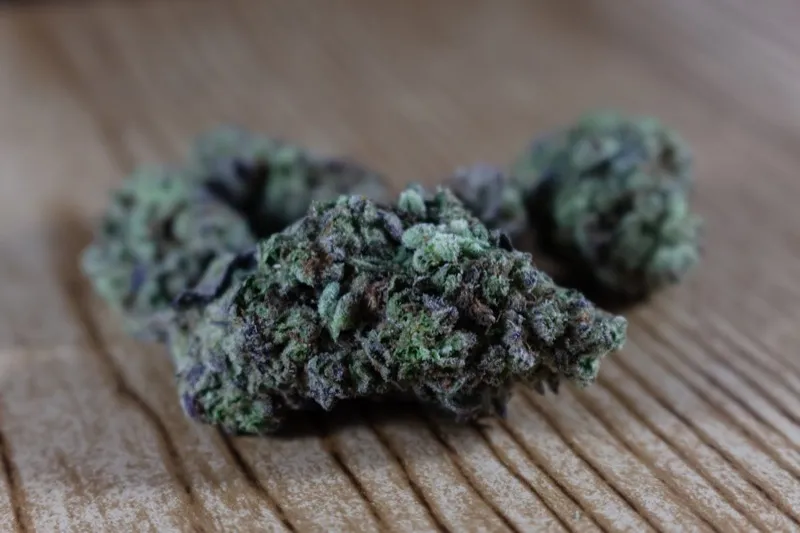
70-90% of pistils have darkened and receded into the bud. Under magnification: trichome heads are predominantly milky with 10-30% amber, depending on your target effect. Fan leaves continue yellowing. The plant looks finished, it is winding down its biological lifecycle.
What Is Happening Internally
THC-A has peaked. Further maturation converts THC-A to CBN (more sedative, less psychoactive). Terpene volatilization begins outpacing terpene production, every additional day loses some aromatic complexity. The harvest decision is a trade-off: more amber trichomes mean more body effect but less total THC and terpene preservation.
Recommended approach:
Best practice: harvest based on trichome maturity, not pistil color and not breeder-listed flowering times. Breeder timelines are marketing, they represent best-case scenarios under ideal conditions and consistently underestimate real-world flowering duration by 1-2 weeks. In aggregated grower-community reports, the optimal harvest window for maximum THC is when trichome heads are 80-90% milky with 10-20% amber on the upper canopy. For more relaxing, body-heavy effects, allow amber to reach 30-40%. The window between "peak THC" and "past peak" is 3-7 days in most genetics, this is not a wide margin. Daily trichome checks starting at week 7 are not optional if quality matters to you.
The Flush Debate: What Our Grows Actually Show
The pre-harvest flush, running plain water for the final 7-14 days, is one of the most debated practices in cannabis cultivation. The claim is that flushing removes residual nutrients from plant tissue, producing smoother smoke. The counter-argument is that plants do not work that way, nutrient concentrations in flower tissue are determined by the plant's metabolic processes, not the growing medium's nutrient content.
A 2020 study conducted by RX Green Technologies and published in Frontiers in Plant Science tested this directly. They grew cannabis with 0, 7, 10, and 14-day flushes and found no significant difference in mineral content of the harvested flower across treatments. The blind taste panel actually preferred the unflushed cannabis. This is the only peer-reviewed study on the topic to date.
Published comparison research, including Colorado State University trials, finds no statistically significant difference between flushed and unflushed flower after a proper dry and cure. What we can distinguish is properly dried and cured flower from rushed flower, and that difference is far larger than any flushing variable. If you flush, fine. If you do not, the data says your flower will not suffer. But if you skip a proper 10-14 day dry and 3-4 week cure, no amount of flushing will save the smoke quality.
Harvest Timing by Trichome Color: The Decision Framework
Trichome color is the most reliable harvest indicator, more reliable than pistil color, breeder timelines, or calendar days. Here is the standard framework experienced growers use for every harvest decision:
Trichome Maturity and Harvest Timing Guide
| Trichome State | Appearance | Effect Profile | Our Recommendation |
| Mostly Clear | Transparent, glassy heads, like tiny glass beads | Premature, low THC, racy/anxious if consumed. Terpene development incomplete. | Too early. Wait. Harvesting here sacrifices 20-40% of your THC potential. |
| Mostly Milky | Opaque, cloudy white heads, no longer transparent | Peak THC-A concentration. Cerebral, energetic, full terpene expression. | Harvest for maximum potency and flavor (our preferred target for most strains). |
| Milky + 20-30% Amber | Mix of cloudy and honey-amber heads | Balanced, slightly more body effect, still strong THC, fuller "entourage." | Sweet spot for balanced effect. This is where best practice: harvest indica-dominant strains. |
| 40%+ Amber | Predominantly amber/golden, some degraded | More sedative, couchlock, sleepy. THC converting to CBN. Terpenes volatilizing. | Only if growing specifically for sleep/pain. Past peak for most consumers. |
Check trichomes on the calyxes of middle-canopy buds, not sugar leaves (which mature faster) and not the very top cola (which matures faster than the rest of the plant). Middle canopy gives the most representative reading of overall plant maturity.
Myth vs. Reality: Common Flowering Stage Mistakes
Week-by-Week Mistakes: The Quick Reference That Saves Harvests
Every week of flower has a different risk. In aggregated grower-community reports, most failed harvests trace back to one specific mistake in one specific week, not a general pattern of bad growing. This table captures the most common errors we see at each stage, based on our own runs and grower consultations.
Common Flowering Mistakes by Week, Quick Reference
| Week | Most Common Mistake | What Happens | The Fix |
| 1-2 | Flipping too late, plant already too tall | 40-60% stretch pushes canopy into lights. Burns, bleaching, lost colas. Emergency supercropping required. | Flip at 14-18" for most strains in standard tents. Log stretch ratios per strain for future runs. |
| 3-4 | Under-feeding PK during bud formation | Airy, undeveloped buds that never fill out, no amount of late feeding compensates for this window. | Increase P by 30-40% and K by 20-30% at first sign of calyx stacking. This is the critical bloom nutrition window. |
| 5-6 | Letting humidity climb above 55% | Botrytis onset in dense colas within 48 hours. One moldy bud can contaminate surrounding flower. Entire colas lost. | Hold RH at 45-50%. Increase airflow through canopy, not just above it. Check interior of dense bud sites daily for early mold signs. |
| 7-8 | Adding nitrogen to "fix" yellowing leaves | Delays trichome maturation. Produces harsh, chlorophyll-heavy flower that no cure fully fixes. | Lower leaf yellowing is natural nutrient mobilization. Reduce total EC by 20-30%. Let the plant finish. |
| 9-10 | Harvesting by calendar instead of trichomes | Harvesting 1-2 weeks early. Clear trichomes = premature THC. Leaving 10-15% potency on the table. | Daily trichome checks from week 7. Target 80-90% milky heads on mid-canopy calyxes. Ignore breeder timelines. |
Based on the most common cultivation issues documented in published cultivation references and aggregated grower-community reports. Each mistake has cost growers measurable yield or quality.
The Flowering Stage Monitoring Checklist
Use this weekly checklist to stay ahead of problems during flower. We developed this protocol for our own indoor runs and check each item at the same time every day, consistency in monitoring is what catches issues before they become yield-reducing problems.
Weekly Flower Monitoring Checklist
Print this. Check daily. Catching one issue early can save your entire harvest.
Temperature and RH: Check day and night readings. Look for a 10-15°F day/night differential. RH below 50% by week 5. Note any spikes, a single 65% RH day in week 7 can trigger botrytis in dense colas.
Leaf tips and color: Brown tips = overfeeding (reduce EC). Yellowing from bottom up after week 6 = normal. Yellowing from top or mid-canopy = problem (check pH, light burn, or root zone).
Bud site inspection: Squeeze test on developing buds, are they filling in on schedule? Check interior of dense colas for moisture or brown spots (early botrytis). Smell any suspect areas, rot has a distinct musty odor before it is visible.
pH and runoff EC: pH drift in the root zone is the silent yield killer. A 0.5 shift can lock out calcium or phosphorus exactly when the plant needs it most. We check runoff every other day starting week 3.
Trichome check (starting week 5): Use a 60x loupe or digital microscope on mid-canopy calyxes. Log the clear/milky/amber ratio. When milky exceeds 60%, begin daily checks. You are now inside your harvest window, 3-7 days from optimal depending on genetics.
Airflow audit: As buds swell, canopy density increases and airflow paths close. Adjust fans to push air through the canopy, not just above it. Remove any fan leaves that are blocking airflow to dense bud sites, but do not over-defoliate past week 4.
Strain Type and Flowering Duration
Genetics determine the flowering timeline more than any environmental variable. Understanding your strain type helps you plan feeding schedules, anticipate the harvest window, and set realistic expectations for how long you will be managing the flower phase.
Flowering Duration by Strain Type
| Strain Type | Typical Bloom Duration | Stretch Behavior | Our Observations |
| Pure Indica | 7-9 weeks | 30-50% stretch, compact growth | Among the fastest finishers in this category. Dense buds, short but critical bulk phase. Watch humidity closely, density invites mold. |
| Indica-Dominant Hybrid | 8-10 weeks | 40-60% stretch | Our most commonly grown type. Predictable timeline, good density, manageable height. The "sweet spot" for most indoor setups. |
| Sativa-Dominant Hybrid | 9-11 weeks | 60-80% stretch, height management critical | Requires earlier flip timing. Open bud structure reduces mold risk but demands more patience. Reward is terpene complexity. |
| Pure Sativa | 10-14 weeks | 80-120% stretch, aggressive height management required | Rarely grown indoors for a reason. Beautiful flower, exceptional effects, but requires commitment and tent height most growers do not have. |
| Autoflower | 5-8 weeks (from first pistils) | Minimal, 20-30% | Compressed but follows the same biological sequence. Modern autos produce competitive quality with drastically shorter timelines. |
Durations are real-world observations from our indoor facility, not breeder marketing timelines. Expect 1-2 weeks longer than seed bank packaging suggests for photoperiod strains.
Choosing the right strain type for your setup is one of the most impactful decisions you make before the grow starts. If you are working with a standard 5-foot tent and want manageable flowering times, indica-dominant cannabis seeds give you the most predictable experience. For growers who want fast turnarounds, fast-flowering cannabis seed strains and autoflowering genetics compress the bloom phase significantly. Browse our complete catalog of 1,600+ cannabis seed strains, every listing includes flowering time, height estimates, and difficulty ratings based on real growing data.
Frequently Asked Questions
How long does the cannabis flowering stage last?
What does a cannabis plant look like week by week during flower?
When should I switch nutrients for flowering?
How do I know when my cannabis is ready to harvest?
What temperature and humidity should I run during flowering?
Should I flush before harvest?
What causes airy buds during flowering?
Can you speed up the cannabis flowering stage?
Why are my buds not getting dense in week 5?
What happens if there are light leaks during flowering?
Shop Strains Featured in This Guide
Hand-picked seeds from our catalog that match this article's topic. Free US shipping over $150 with 95% germination guarantee.
hybrid
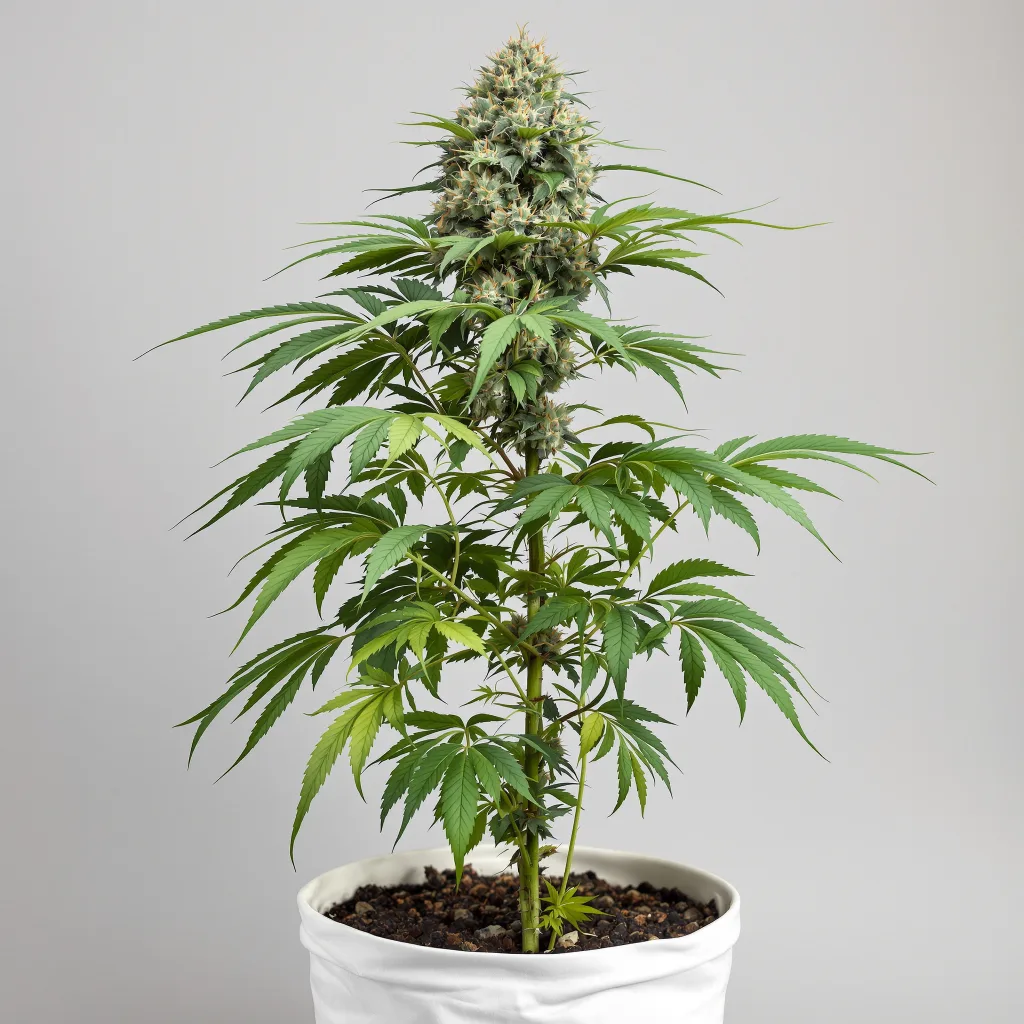
Euphoria Cookies Auto
indica
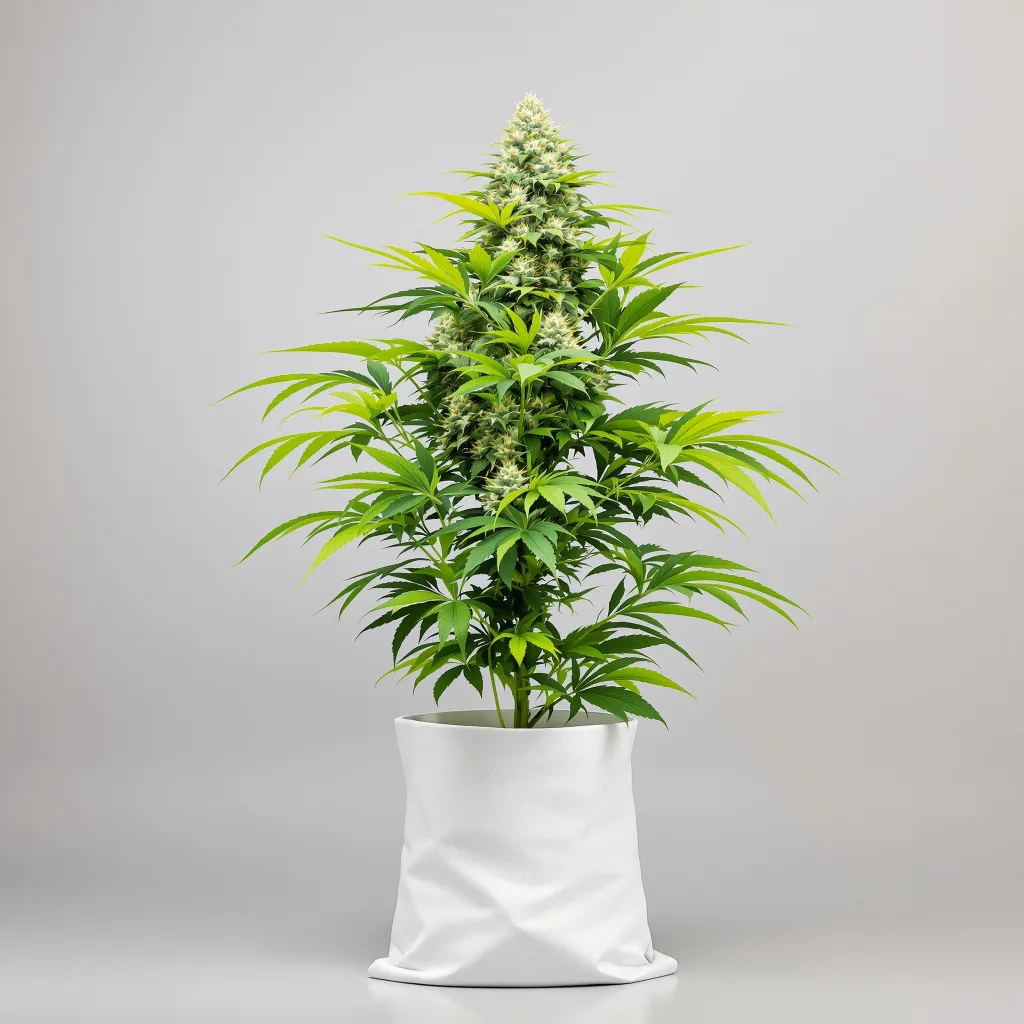
Purple Berry Auto
indica
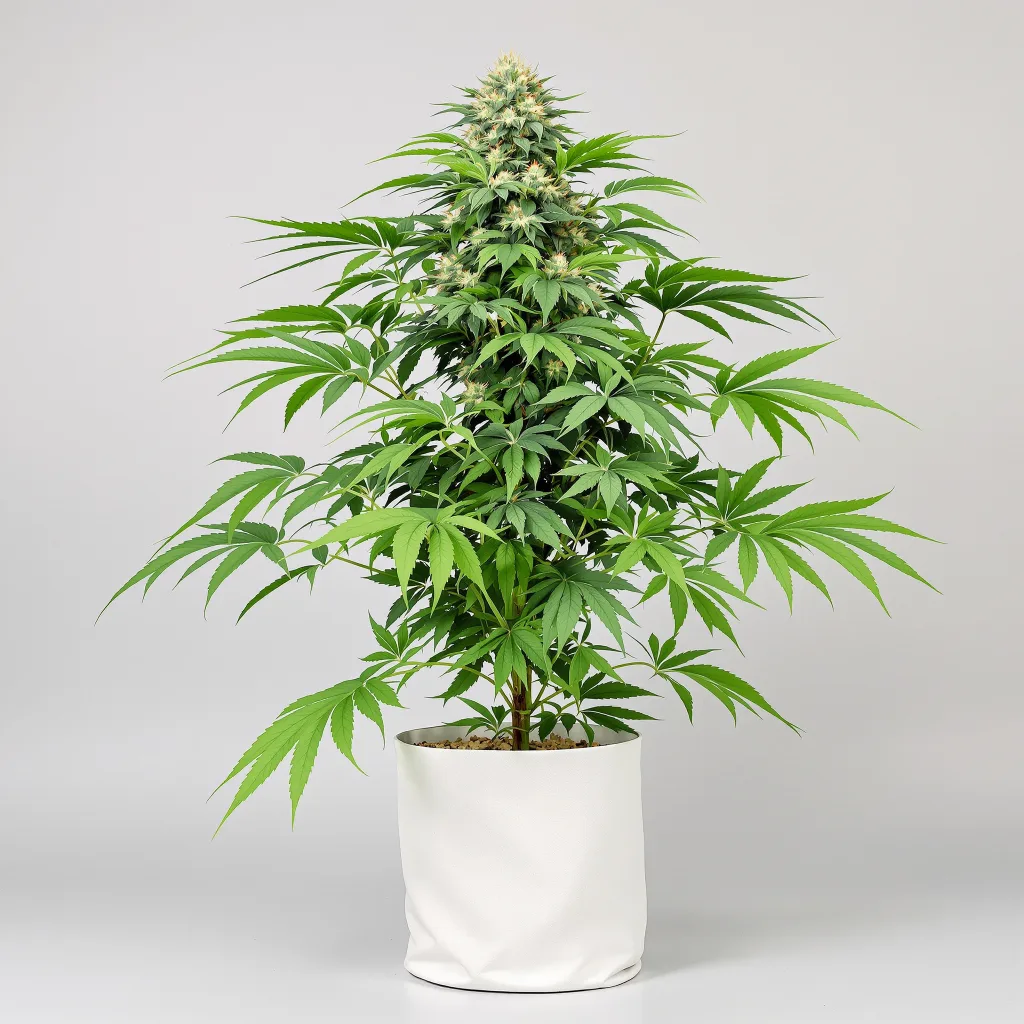
Blueberry Kush Auto
indica
Blue Ox Auto
Strain Profiles
Related Buying Guides
Browse the full All Cannabis Seeds collection
Premium genetics, US-wide discreet shipping, germination guaranteed.
Related Articles
Cannabis Flowering and Budding: Complete Stage Guide | Royal King Seeds
support-flowerFive Unique Medical Autoflowers from Royal King Seeds
support-flowerRoyal King's Top 10 Best Autoflowering Seeds
strainStrawberry Cough Cannabis Strain: Aroma, Effects & Grow Guide | Royal King Seeds
support-growPGR Weed: How to Spot It and Why It Matters | Royal King Seeds
effectsCannabis Indica and High Types
Ready to Start Growing?
Shop 1,600+ feminized, autoflower, and CBD strains with 95% germination, discreet US-wide shipping, and free delivery on orders over $150.
Shop Cannabis Seeds