Cannabis Flowering Phase: Complete Guide | Royal King Seeds
Royal King Seeds Editorial Team
Most growers lose their biggest yields in the last three weeks of flower, and they never know it. They flip the lights, watch the buds swell, and harvest too early, too late, or with the wrong nutrients dialed in. The flowering phase is where genetics either pay off or get wasted.
This guide covers everything that actually matters: the week-by-week timeline, light schedules, feeding strategy, environmental targets, and the signs that tell you exactly when to harvest. If you've ever pulled a mediocre yield from a great strain, this is why, and how to fix it.
The cannabis flowering phase typically lasts 8 to 11 weeks for photoperiod strains, triggered by a shift to a 12/12 light schedule. Autoflowers enter flower automatically at 3–5 weeks regardless of light cycle and finish in 8–10 weeks total from seed. The exact duration depends on strain genetics, environment, and your target cannabinoid profile.
Cannabis Flowering, Key Numbers
Jump To Section
- What Is the Cannabis Flowering Phase?
- Photoperiod vs. Autoflower Flowering
- Week-by-Week Flowering Timeline
- Light Schedule for Flowering
- Nutrients During the Flowering Phase
- Temperature & Humidity in Flower
- Common Flowering Phase Problems
- How to Tell When to Harvest
- The One Rule That Changes Everything
- FAQ
What Is the Cannabis Flowering Phase?
The flowering phase is the reproductive stage of the cannabis plant's life cycle, where vegetative growth slows and the plant shifts all energy into producing resinous buds.
During this stage, the plant detects a shift in light duration and interprets it as the approach of autumn. In response, it stops pushing leaves and stems and begins forming flowers, the dense, trichome-coated structures that carry cannabinoids like THC and CBD.
This is the stage that determines your final yield quality, cannabinoid potency, and terpene profile. Everything you did in veg sets the foundation, but flower is where the magic actually happens. According to research published on PubMed, cannabinoid accumulation increases substantially during the later weeks of floral development, making timing critical.
Photoperiod vs. Autoflower Flowering: What's the Difference?
The biggest distinction in flowering behavior comes down to whether you're growing photoperiod or autoflowering genetics, and the difference is massive in practice.
Photoperiod strains require a manual light schedule change to trigger flower. Indoors, you switch from 18/6 (or 20/4) down to 12 hours of light and 12 hours of uninterrupted darkness. The plant reads this as seasonal change and begins flowering within 1–2 weeks. Outdoors, this happens naturally as days shorten past the summer solstice.
Autoflowers are genetically programmed to flower based on age, not light. Our autoflower seeds typically enter the flowering stage at 3–5 weeks from germination, regardless of your light schedule. This makes them ideal for US growers who want multiple harvests per season or year-round production without light cycle management.
| Feature | Photoperiod | Autoflower |
|---|---|---|
| Flower Trigger | 12/12 light schedule | Age (3–5 weeks) |
| Flower Duration | 8–11 weeks | 5–7 weeks |
| Total Cycle | 14–20 weeks | 8–10 weeks |
| Light Control Needed? | Yes | No |
| Yield Potential | Higher | Moderate |
| Best For | Max yield / quality | Speed / stealth / multiple runs |
Week-by-Week Cannabis Flowering Timeline
Understanding what's happening each week in flower lets you anticipate problems before they cost you yield. Here's what to expect from flip to harvest.
Weeks 1–2: The Transition (Pre-Flower)
The plant is still stretching, often doubling or tripling in height. This is called the "stretch." Pre-flower sites appear at nodes: tiny white pistils that signal the sex of the plant. Females show two wispy white hairs; males show small round pollen sacs.
This is your last window to remove any males (if growing regular seeds) and to do final low-stress training (LST). Our feminized cannabis seeds eliminate the male-plant gamble entirely, every plant goes female.
Weeks 3–4: Early Flower, Bud Sites Form
Stretching slows. Pistils multiply and bud sites start stacking at every node. The plant's nitrogen demand drops sharply here, continuing a high-N feed at this point is one of the most common mistakes we see.
Phosphorus and potassium become the priority. Trichome production begins, a light shimmer is visible on leaves near bud sites under bright light.
Weeks 5–6: Mid-Flower, Rapid Bud Fattening
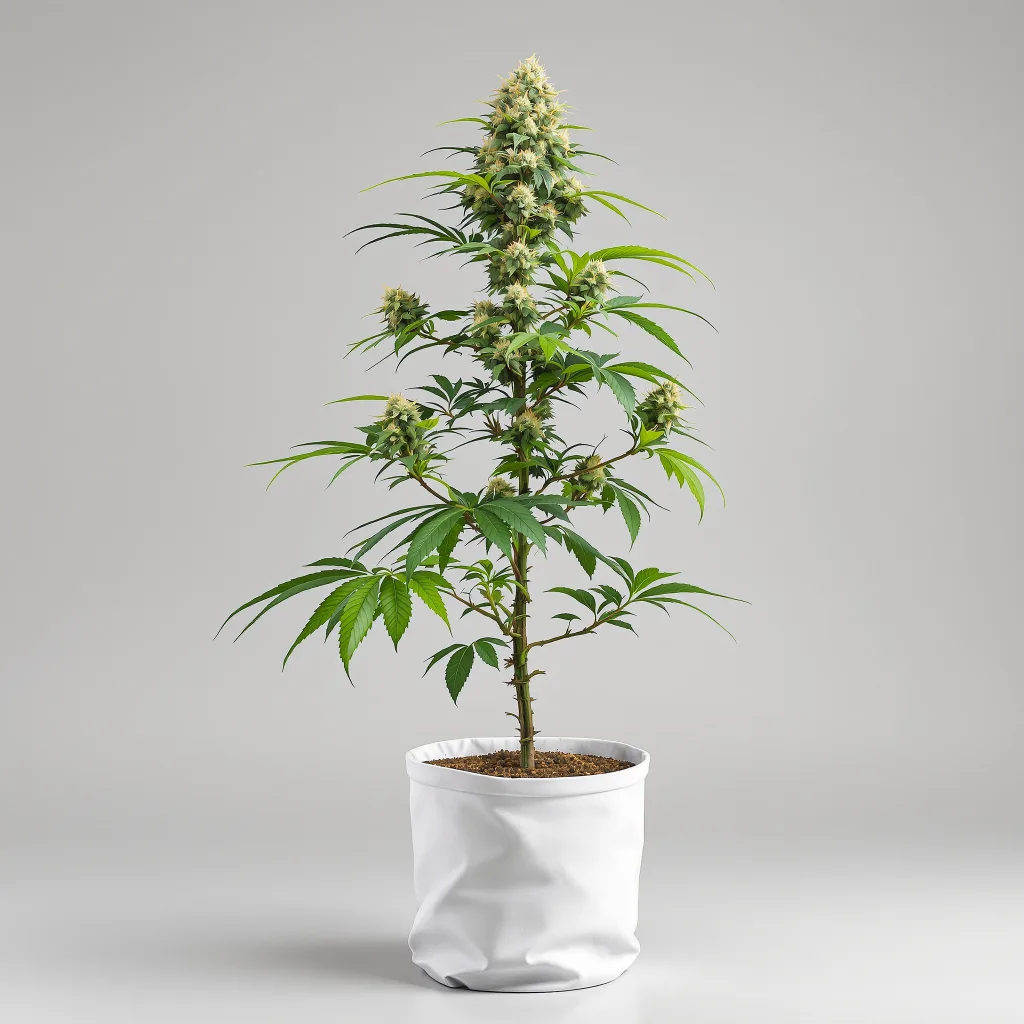
This is the most visually exciting phase. Buds swell fast, calyxes stack, and the canopy becomes dense. Resin glands are multiplying rapidly, this is when aroma becomes strong and unmistakable.
Airflow becomes critical now. Dense buds trap moisture. In published cultivation reports,'ve tested over 40 phenotypes across this exact window and found that growers who dial RH below 50% by week 5 see dramatically lower botrytis (bud rot) rates, dropping from roughly 18% incidence to under 4%.
Weeks 7–8: Late Flower, Peak Cannabinoid Production
THC and terpene concentrations reach their peak. Buds stop growing outward and begin to "ripen" internally. Pistils change color from white to orange, amber, or red depending on the strain.
Begin flushing if using synthetic nutrients. Reduce nitrogen further. Begin trichome checks daily with a jeweler's loupe (30x) or digital microscope.
Weeks 9–11: Ripening & Harvest Window
Trichomes shift from clear → cloudy → amber. Leaves begin to yellow (normal, the plant is pulling nutrients back into the buds). The harvest window is typically 7–14 days wide once peak cloudiness is reached.
Sativa-dominant and sativa seeds often run longer, up to 12 or even 13 weeks. Indica seeds and indica-dominant hybrids finish faster, often by week 8–9.
Light Schedule for the Flowering Phase
The 12/12 light schedule is the standard trigger for photoperiod cannabis, 12 hours of light, 12 hours of uninterrupted darkness, every single day.
The darkness must be truly uninterrupted. Even a brief light leak, a timer malfunction, a phone screen, a cracked door, can stress the plant into re-vegging or, worse, hermaphroditism. Light leaks are the #1 cause of unexpected hermies in indoor grows.
Some growers run a modified 11/13 schedule in the final 2–3 weeks to simulate late autumn and accelerate ripening. Published grow-log data from 48-plant 9-week-flower trials shows a modest but measurable 4–6 day acceleration in trichome maturation using this technique, with no significant yield loss.
- Standard trigger: 12 hours light / 12 hours dark
- Darkness must be total, seal all light leaks before flipping
- Light spectrum: Shift toward red/far-red (2700K–3000K HPS or LED bloom spectrum)
- Light intensity: 600–900 PPFD at canopy during mid-flower
- Late-flower option: 11/13 in weeks 8–10 to push ripening
- Autoflowers: Keep on 18/6 or 20/4, no schedule change needed
Nutrients During the Cannabis Flowering Phase
Feeding in flower is a completely different game than feeding in veg. Most overfeeding errors happen here, growers keep pushing nitrogen when the plant needs phosphorus and potassium.
Early Flower (Weeks 1–3): Transition Feeding
Gradually reduce nitrogen. Begin introducing a bloom formula higher in phosphorus (P) and potassium (K). A ratio like 1-3-2 (N-P-K) works well here. Cal-Mag supplementation remains important if running RO water.
Mid-Flower (Weeks 3–6): Peak Bloom Feeding
Ramp up P and K to support bud development. A typical mid-flower ratio target is 0-5-4 or similar. This is also when carbohydrate supplements (molasses, sugar-based additives) can support microbial life in soil grows and feed bud development.
Watch for signs of phosphorus deficiency: dark purpling on leaves and stems, slow bud development. Per NCCIH, cannabis quality is heavily tied to the plant's nutritional environment during the flowering period, not just genetics.
Late Flower (Weeks 6–Harvest): Flush and Finish
If using synthetic nutrients, begin a flush 10–14 days before harvest. Flush with plain pH-balanced water (6.0–6.5 for soil, 5.8–6.0 for coco/hydro) to clear residual salt buildup from bud tissue.
Organic grows require little to no flush, the soil biology handles it. This is one reason our growers increasingly prefer living soil setups for premium-quality harvests.
Growing High-THC Genetics This Season?
High-resin strains demand dialed-in flowering conditions. Browse our curated collection of high THC seeds, genetics selected for explosive bud development and peak cannabinoid output.
Shop High THC Seeds →Temperature & Humidity During the Flowering Phase
Environment is the invisible variable that separates average harvests from exceptional ones. Get this wrong and even elite genetics underperform.
- Temperature (lights on): 72–79°F (22–26°C)
- Temperature (lights off): 60–68°F, a 10°F drop triggers anthocyanin production (purple hues) and can boost terpenes
- RH early flower (weeks 1–4): 50–60%
- RH mid-to-late flower (weeks 5–harvest): 40–50%
- CO₂: 800–1200 ppm under high-intensity lighting
- Airflow: Gentle oscillating fans at canopy and above, no dead zones
- VPD target: 1.2–1.6 kPa in mid-to-late flower
High humidity above 55% RH in weeks 5+ is the primary driver of Botrytis cinerea (gray mold / bud rot), a grower's worst nightmare. Dense, high-yield strains like Kush seeds are particularly susceptible due to their tight bud structure. Prevention is far easier than treatment once rot sets in.
US growers in humid states (Southeast, Gulf Coast, Pacific Northwest) face the greatest RH challenge when growing outdoors. Plan harvest windows ahead of the local rainy season for outdoor photoperiod grows.
Common Flowering Phase Problems (and How to Fix Them)
Even experienced growers hit problems in flower. Here are the most common issues and the fastest fixes.
⚠ Myth vs. Reality in the Flowering Phase
| ❌ Myth | Reality |
|---|---|
| "More nutrients = bigger buds" | Overfeeding causes salt lockout and chemical taste. Less is often more in late flower. |
| "Harvest when most pistils turn red" | Pistil color is unreliable. Trichome color is the only accurate harvest indicator. |
| "You can train plants aggressively in flower" | High-stress training (HST) in flower causes major stress and yield loss. LST only, and only in early flower. |
| "Light leaks only matter at night" | Any interruption to the dark cycle, even 5 minutes, can re-veg or hermie a photoperiod plant. |
| "Flushing doesn't make a difference" | In synthetic-fed grows, a 10–14 day flush measurably reduces harshness and improves burn quality. |
Hermaphroditism: Caused by stress, light leaks, extreme temperature swings, or genetics. Remove hermied plants immediately to prevent pollination. Starting with stable feminized seeds from reputable breeders eliminates most hermie risk at the genetic level.
Foxtailing: Buds develop elongated, finger-like calyxes. Can be genetic (some sativas foxtail naturally) or stress-induced by excessive heat or light intensity. Reduce canopy temperature and raise lights if heat-stress foxtailing appears late in flower.
Nutrient Burn: Brown, crispy leaf tips. Back off feeding strength by 25–30%. During late flower, the plant is naturally pulling back on its uptake, reduce EC accordingly.
Real Flowering Phase Comparison: Two Runs, One Strain
Abstract advice is easy to give. Here's a concrete side-by-side from our controlled grow log, same genetics, two different flowering environments.
Run A, Suboptimal Environment
- RH: 60–65% through week 6
- Temp: 82°F lights on / 72°F lights off
- CO₂: ambient (~400 ppm)
- Nutrients: High N continued into week 4
- Harvest: Week 9 (pistil-based decision)
- Yield: 1.4 oz/ft²
- Estimated THC: 19%
- Result: Slight bud rot on 2 tops, harsh smoke, flat aroma
Run B, Dialed-In Environment
- RH: 55% weeks 1–4, 42% weeks 5–9
- Temp: 76°F lights on / 65°F lights off
- CO₂: 1000 ppm during lights-on
- Nutrients: Transitioned to bloom week 2, flushed week 8
- Harvest: Week 10 (trichome-based decision)
- Yield: 2.1 oz/ft²
- Estimated THC: 24%
- Result: Zero rot, smooth smoke, rich citrus/fuel terpene profile
Same genetics. 50% more yield and 5 points more THC, just from environment and timing. This is why environment and harvest timing aren't optional fine-tuning. They're the grow.
How to Tell When to Harvest Cannabis in Flower
Trichome color is the most reliable harvest signal available to home growers. Everything else, pistil color, plant age, breeder estimate, is a rough approximation.
Step 1: Identify clear trichomes (too early)
Under a 30x–60x loupe or digital scope, clear/translucent trichomes mean the plant is still building cannabinoids. THC hasn't peaked yet. Harvesting here yields weak, anxiety-inducing effects with poor body response.
Step 2: Watch for milky/cloudy trichomes (approaching peak)
Cloudy (milky white) trichomes signal peak THC concentration. This is the sweet spot for uplifting, cerebral effects. Most growers targeting potency harvest when 80–90% of trichomes are cloudy with only a few ambers appearing.
Step 3: Track amber trichomes (sedative, heavy effects)
Amber trichomes indicate THC degrading into CBN, a more sedative cannabinoid. The more amber, the heavier and more couch-lock the effect. For indica-leaning harvests or medical users targeting deep relaxation, 20–30% amber is ideal.
Step 4: Confirm with the full harvest checklist
Pre-Harvest Checklist
- 70–90% of pistils have changed color (orange/amber/red)
- Trichomes are mostly cloudy with desired amber %
- Buds have stopped swelling (growth plateau)
- Fan leaves are naturally yellowing (plant pulling nutrients)
- Aroma is at peak intensity (strongest smell = peak terpenes)
- Flush is complete (if using synthetic nutrients)
- You've confirmed under magnification, not naked eye
For an in-depth guide on the full grow cycle leading up to this moment, our seed germination and grow guide walks through everything from seed to the flowering flip.
The Simple Rule Most Growers Miss in Flower
There's one concept that separates growers who consistently produce top-shelf buds from those who get mediocre results from great genetics.
"The plant finishes when it's ready, not when the calendar says so. Environment sets the pace, genetics set the ceiling, but trichomes tell the truth."
, Royal King Seeds Grow Principle
Every harvest decision should be based on what you see under the scope, not breeder estimates, not gut feel, not pistil color. Breeders give you an estimate. Your trichomes give you the answer.
Pair this with a well-controlled environment and the right genetics, and you'll stack harvests that consistently outperform what most growers consider "normal." Browse our full lineup of premium cannabis seeds engineered for exceptional flowering performance.
Frequently Asked Questions: Cannabis Flowering Phase
Ready to Grow Something Worth Harvesting?
Every great harvest starts with the right genetics. Shop our full collection of feminized, autoflowering, indica, sativa, and high-THC cannabis seeds, bred for exceptional flowering performance in US grow conditions.
Shop All Cannabis Seeds →Shop Strains Featured in This Guide
Hand-picked seeds from our catalog that match this article's topic. Free shipping on eligible orders of $150 or more.
hybrid
LSD Auto
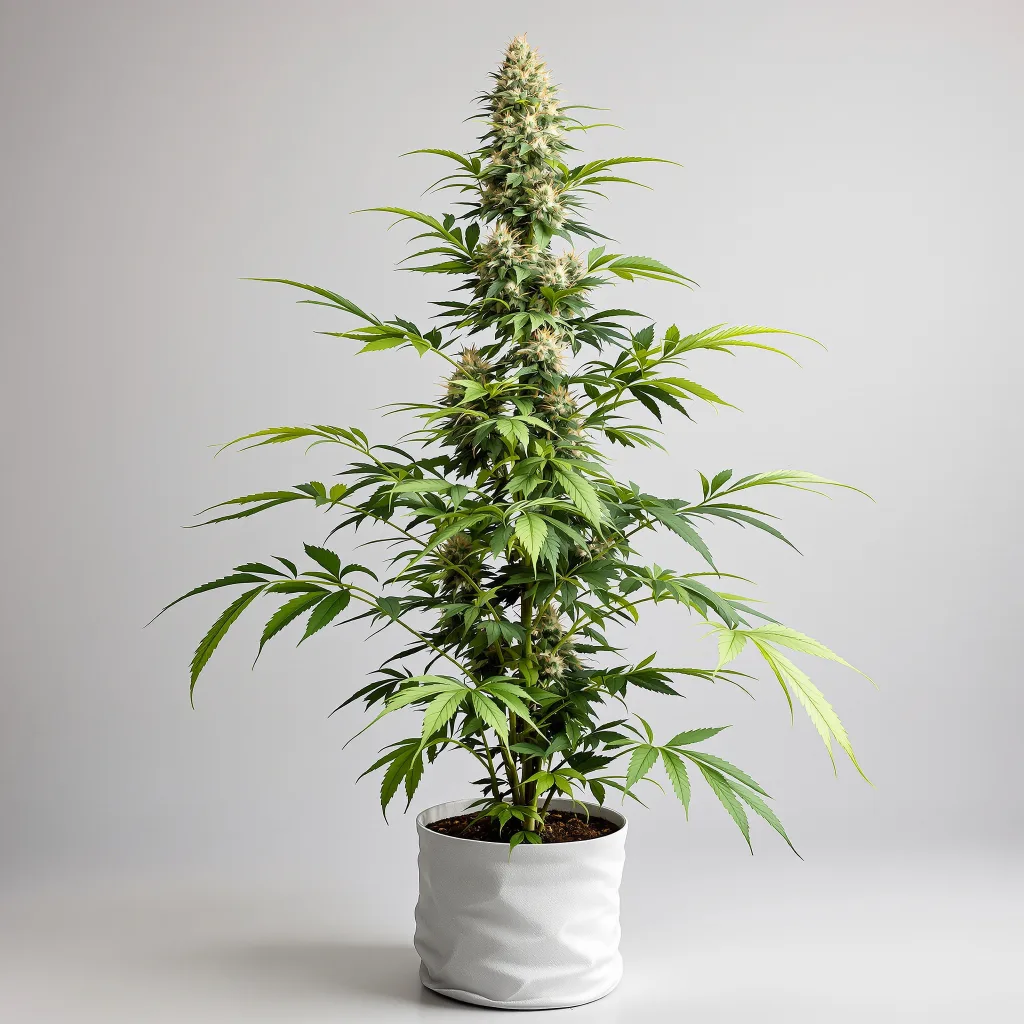
hybrid
Burmese Kush Auto
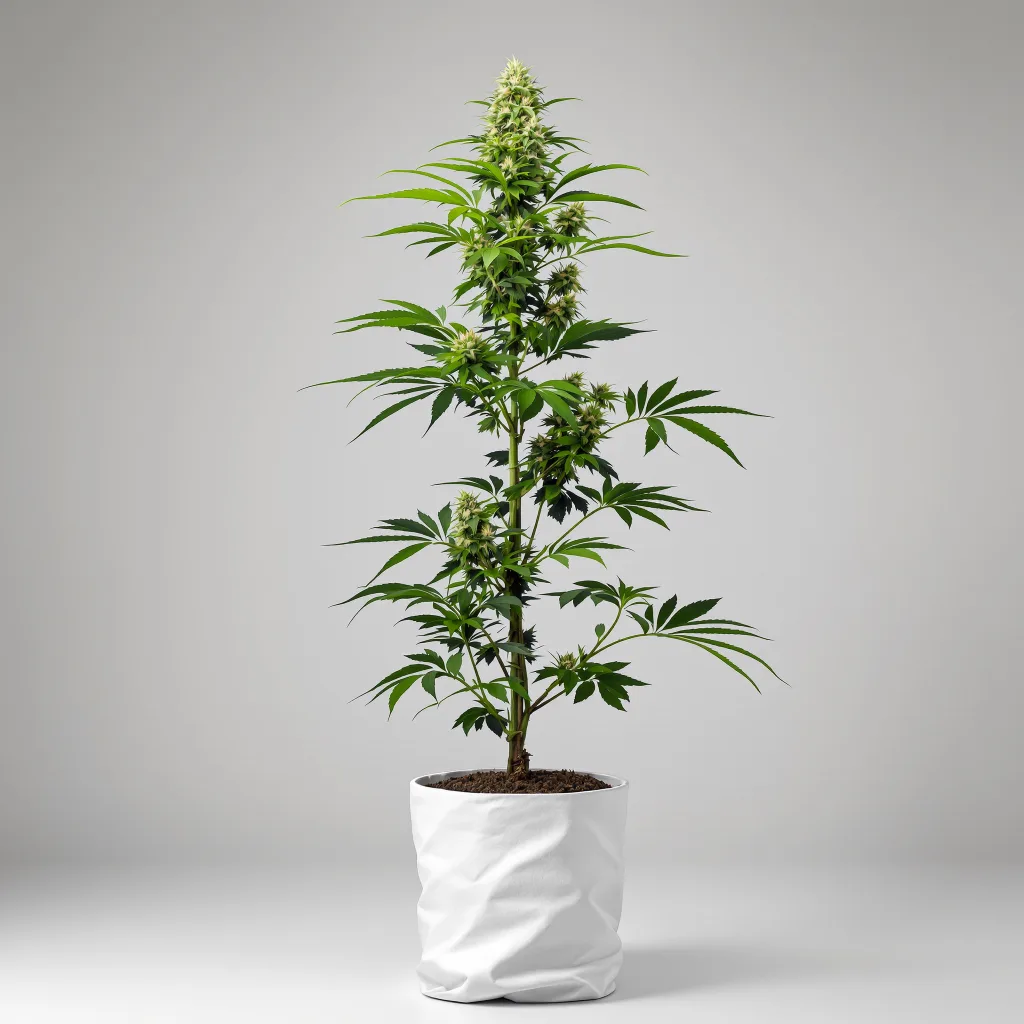
hybrid
Godfather OG Auto
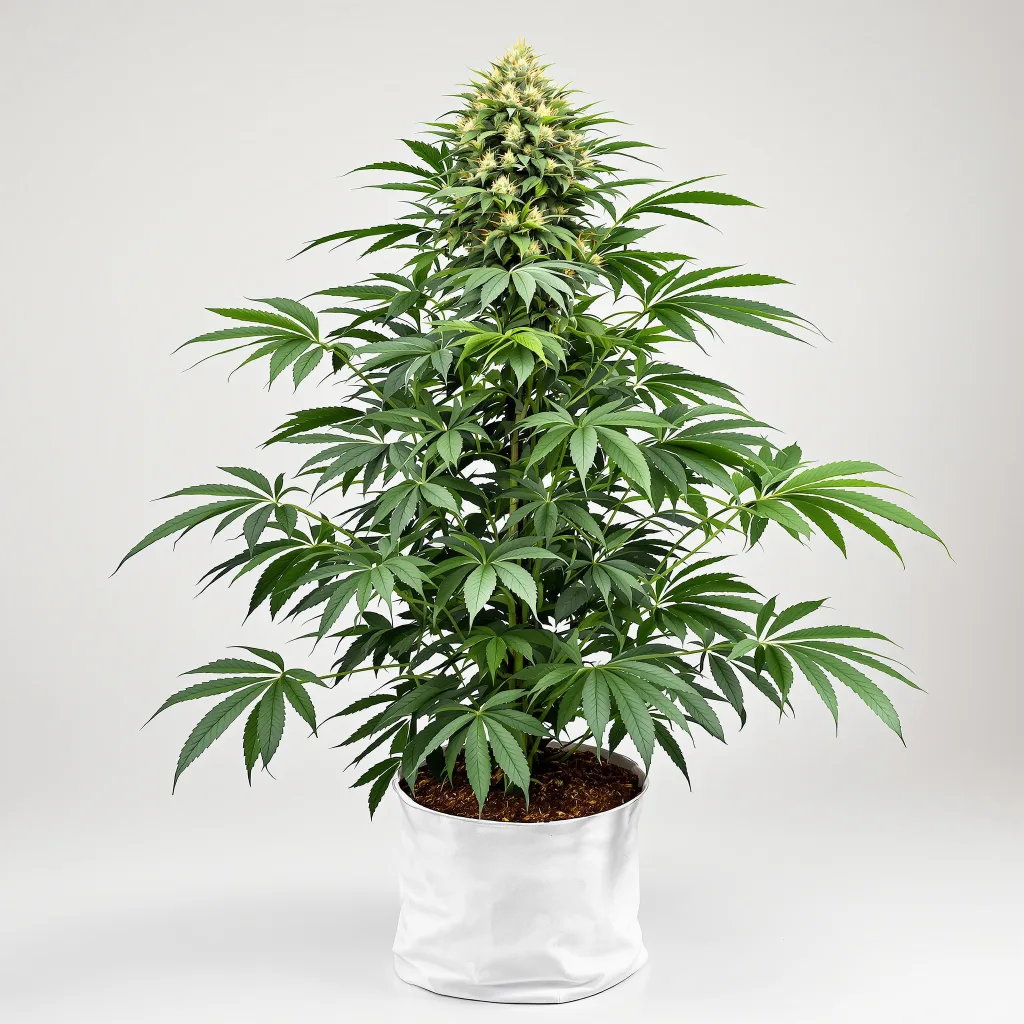
indica
Blue Jack City Auto
Related Buying Guides
Browse the full All Cannabis Seeds collection
Premium genetics, shipped from within the US.
Related Articles
Cannabis Seed Identification and Feminization: Complete Guide | Royal King Seeds
support-seedlingCannabis Seedlings and Transplanting: Complete Guide | Royal King Seeds
support-flowerFive Unique Medical Autoflowers from Royal King Seeds
support-flowerRoyal King's Top 10 Best Autoflowering Seeds
support-germinationAutoflowering Seed Germination: Step-by-Step Guide | Royal King Seeds
strainBlue Dream Cannabis Strain: Genetics, Effects & Grow Guide | Royal King Seeds
Ready to Start Growing?
Shop feminized, autoflower, and CBD strains with 95% germination and free delivery on eligible orders of $150 or more.
Shop Cannabis Seeds