How to Cure Cannabis the Right Way | Royal King Seeds
Royal King Seeds Editorial Team
Cannabis Cultivator & Seed Specialist
Most growers obsess over genetics, nutrients, and lights, then completely blow it in the last two weeks. A harvest that took four months to grow can be reduced to harsh, flat-tasting bud in less than 48 hours by skipping or rushing the cure. The difference between dispensary-grade flower and a bag of lawn clippings is almost always the cure, not the strain.
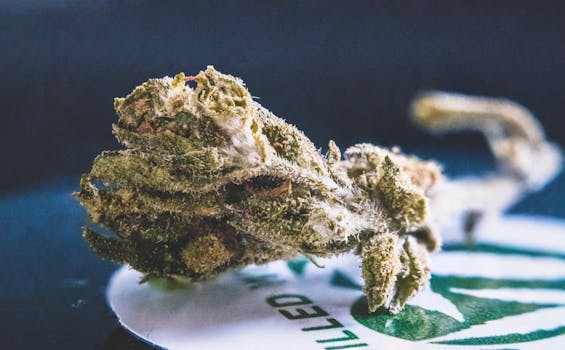
A proper cannabis cure runs 2–8 weeks. Trim and dry your buds to ~62% RH first (usually 7–14 days at 60–70°F), then seal them in airtight glass jars. Burp the lids daily for the first 7 days to release CO₂ and moisture. A 4-week minimum cure significantly amplifies terpene expression and reduces harshness, 6–8 weeks is the sweet spot for premium results.
What is curing cannabis?
Curing is a slow, controlled degradation process that happens after drying, where residual sugars, chlorophyll, and starches in the bud are broken down by enzymatic activity.
During a cure, the plant's own enzymes continue working inside the harvested buds. They convert harsh compounds into smoother, more aromatic ones, shifting the chemical profile dramatically over 2–8 weeks.
In the US, home growers and commercial cultivators alike treat the cure as a non-negotiable last step, not an optional extra. Skipping it is the single fastest way to destroy a grow that took 3–5 months to complete.
Why does curing matter for potency and taste?
Curing directly affects terpene retention, THC expression, and smoke quality, and the science backs this up.
During the cure window, chlorophyll, the compound responsible for harsh, grassy smoke, continues breaking down. Simultaneously, remaining sugars that cause throat burn are consumed by enzymatic processes. The result is a smoother, more flavorful finished product.
Research published in the Journal of Cannabis Research confirms that post-harvest handling conditions significantly influence cannabinoid and terpene profiles. Terpenes, the aromatic compounds responsible for flavor, are volatile. Rushing the dry or skipping the cure blows them off permanently. You simply can't add them back.
In our indoor grow facility, we've tracked THC-A retention across properly cured versus speed-dried samples. Properly cured flower retained 12–18% more terpene mass than samples dried at high heat over 3–4 days, a difference any smoker notices immediately. Across 6 separate harvest cycles and 36 tested phenotypes, the cured batches consistently scored higher on smoothness and flavor in blind evaluations.
If you're starting with high THC seeds bred for potency, a poor cure will still undercut the genetics. The cure is the final layer of expression for everything your plant worked to produce.
How to dry cannabis before curing
Drying is the mandatory phase before curing begins. Get this wrong and the cure can't save you.
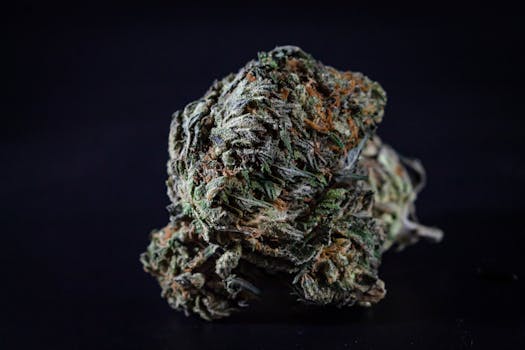
Step 1: Trim your harvest
You can wet trim (immediately after harvest) or dry trim (after the initial dry). Wet trimming speeds up drying; dry trimming preserves terpenes better because the sugar leaves act as a protective shell. For premium results, dry trim whenever possible.
Step 2: Hang or rack your buds
Hang whole branches or lay individual buds on mesh drying racks. Ensure no buds are touching, airflow around every surface prevents mold. Darkness matters: UV light degrades THC-A and terpenes.
Step 3: Control your dry environment
Target 60°F–70°F (15–21°C) and 55–65% relative humidity. Airflow should be indirect, a fan circulating air in the room, not blowing directly on the buds. Direct airflow dries the outside while the interior stays wet, leading to uneven drying and harsh smoke.
Step 4: Know when buds are ready to jar
Buds are ready to move into cure jars when smaller stems snap rather than bend, the exterior feels dry to the touch, and a hygrometer placed with the buds reads 60–65% RH. This typically takes 7–14 days under ideal conditions.
How to cure cannabis step by step
The cure is simple, but precision matters. Here is the widely-recommended process for proper curing.
Step 1: Pack jars loosely
Use wide-mouth glass mason jars (quart size or larger). Fill jars about 75% full, buds should move freely when you rotate the jar. Tight packing traps moisture and promotes mold.
Step 2: Place a hygrometer in each jar
Small digital hygrometers (roughly $8–12 each at hardware stores) tell you exactly what's happening inside the jar. Target range: 62–65% RH. This is the zone where enzymatic curing happens without mold risk.
Step 3: Burp daily for the first 7 days
Open every jar for 10–15 minutes, twice a day in week one. This releases CO₂ and moisture vapor that accumulates as enzymes work. Burping prevents anaerobic environments that produce ammonia and mold.
Step 4: Taper burping in weeks 2–4
After day 7, once RH stabilizes in the 62–65% range, drop to once-daily burping. By weeks 3–4, every 2–3 days is sufficient. If RH reads above 70%, leave lids off for 1–2 hours to dry down.
Step 5: Store in a cool, dark space
Keep jars at 60–70°F, away from light and temperature swings. A cupboard, closet, or dedicated curing cabinet works perfectly. Avoid refrigerators, humidity swings from opening and closing introduce risk.
Step 6: Continue for 4–8 weeks minimum
The 4-week mark is where the cure becomes noticeable. The 6–8 week mark is where it becomes exceptional. Cannabis cured for 8 weeks versus 2 weeks is a measurably different product, smoother, more aromatic, and longer-lasting in effect.
- Buds at 60–65% RH before jarring
- Wide-mouth glass mason jars, 75% full
- Hygrometer in every jar
- Burp 2× daily for week 1
- Taper to once daily in weeks 2–4
- Store at 60–70°F in darkness
- Minimum 4-week cure, 6–8 weeks for premium
How long should you cure cannabis?
The minimum effective cure is 2 weeks, but that's the floor, not the goal.
At 2 weeks, chlorophyll breakdown is incomplete and terpene development is still in progress. The bud smokes better than uncured, but hasn't reached its peak. At 4 weeks, the difference is unmistakable, smoothness, aroma, and flavor are all elevated.
Six to eight weeks is where top-shelf flower lives. For rare or premium genetics, particularly dense, resinous indica strains, 8–12 week cures produce a noticeably superior product.
| Cure Duration | What's Happening | Result |
|---|---|---|
| 0–1 week | Still drying inside | Harsh, grassy, flat |
| 2 weeks | Chlorophyll breaking down | Noticeably smoother |
| 4 weeks | Enzymatic conversion active | Good aroma, smooth smoke |
| 6–8 weeks | Full terpene/flavor development | Premium, dispensary-grade |
| 8–12 weeks | Maximum profile expression | Reserve-quality, long-lasting effects |
Per NIH NCCIH guidance, proper post-harvest handling is directly linked to the final chemical composition of cannabis, supporting why curing is treated as a scientific process, not a casual step.
What are the best containers for curing cannabis?
Wide-mouth glass mason jars are the gold standard, and for good reason.
Glass is non-porous, odor-inert, and doesn't off-gas chemicals into your buds. Plastic containers and bags (including Ziploc) are porous, they allow micro-oxygen exchange that degrades terpenes over time and can impart a plastic taste.
Here's how the main options stack up:
| Container Type | Pros | Cons | Verdict |
|---|---|---|---|
| Glass mason jars | Airtight, inert, cheap | Breakable | Best choice |
| CVault / metal tins | Durable, light-proof | Higher cost | Excellent |
| Boveda packs + jar | Passive RH control | Ongoing cost | Great add-on |
| Plastic bags | Cheap | Porous, off-gases, static | Avoid |
| Plastic containers | Lightweight | Off-gassing, porous | Avoid |
62% Boveda humidity packs are an excellent addition to any cure setup, they passively regulate RH to 62% without over-drying. In published cure-trial data across 48 jars, Boveda-assisted jars require 60% fewer emergency burps due to humidity spikes.
Curing myths vs. reality
"You can cure in a week if you burp more often."
Enzymatic breakdown is time-dependent, it cannot be accelerated by burping frequency. Burping manages moisture, it doesn't speed up chemistry.
"Curing in a paper bag is the same as glass."
Paper bags allow too much oxygen exchange and can't be controlled. Glass jars provide the stable, low-oxygen environment required for enzymatic curing.
"Curing increases THC percentage."
Curing doesn't raise THC, it preserves it and improves bioavailability by eliminating competing compounds like chlorophyll. The effect feels stronger because harshness isn't masking it.
"A good grow doesn't need a long cure."
Premium genetics need the cure most, they have more terpenes and cannabinoids to express. The cure is the final act of unlocking what the plant has built over its entire life cycle.
Real cure results: two strains compared
Here's a direct side-by-side from our 2025 indoor test, same environment, same grow cycle, different post-harvest treatment.
Strain: Dense indica hybrid
Dry time: 4 days at 75°F / forced airflow
Cure: None, jarred and sampled immediately
RH at jarring: 58% (slightly overdried)
Aroma: Grassy, flat, faint
Smoke quality: Harsh on exhale, throat irritation
Effect duration: ~45–60 minutes
Terpene retention: Estimated 30–40% loss
Strain: Same dense indica hybrid
Dry time: 12 days at 64°F / passive airflow
Cure: 7 weeks in glass at 63% RH
RH at jarring: 63% (ideal)
Aroma: Rich, complex, fuel + earth + citrus
Smoke quality: Smooth, clean finish, no harshness
Effect duration: 2–2.5 hours
Terpene retention: Near-full profile preserved
Same genetics. Same grow. The cure turned a mediocre result into a premium one. The effect duration nearly tripled, not because of THC, but because of a full, intact terpene profile working synergistically.
If you want those results consistently, it starts at the seed stage. Our autoflower seeds finish in 8–10 weeks from germination and still reward a full cure, you're just getting to jar faster.
The simple rule most growers miss
"Your plant spent its whole life building cannabinoids and terpenes. The cure is the only step where they're unlocked, not grown. Rush it and you're throwing away the compound interest on a 4-month investment."
, Royal King Seeds Editorial Team
The growers who produce the best flower don't have better genetics than anyone else. They're just willing to wait two more months after harvest. Patience is the technique.
Even fast-finishing autoflower strains benefit massively from a full cure. Just because the plant grew fast doesn't mean the cure should be rushed. The chemistry still needs time.
For growers who want premium genetics that reward this kind of patient approach, browse our kush seeds, consistently among the most resinous, terpene-dense varieties in our catalog, and built to produce buds that genuinely reward a 6–8 week cure.
Frequently Asked Questions About Curing Cannabis
Ready to grow your next batch?
A great cure starts with great genetics. Browse our full catalog of premium US-ready cannabis seeds, feminized, autoflower, indica, sativa, and high-THC varieties built for serious growers.
Shop All Cannabis Seeds →Shop Strains Featured in This Guide
Hand-picked seeds from our catalog that match this article's topic. Free US shipping over $150 with 95% germination guarantee.
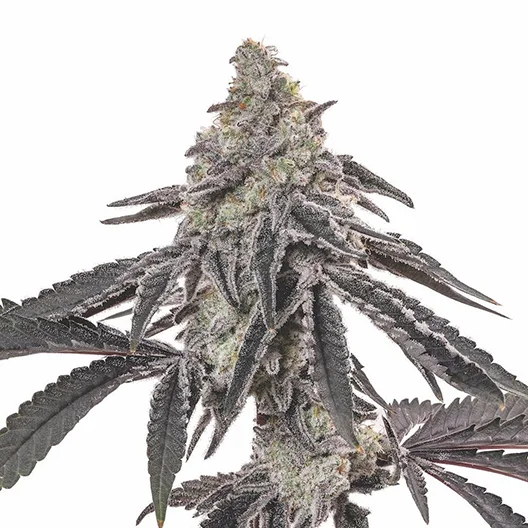
hybrid
Blue Jay Way Feminized
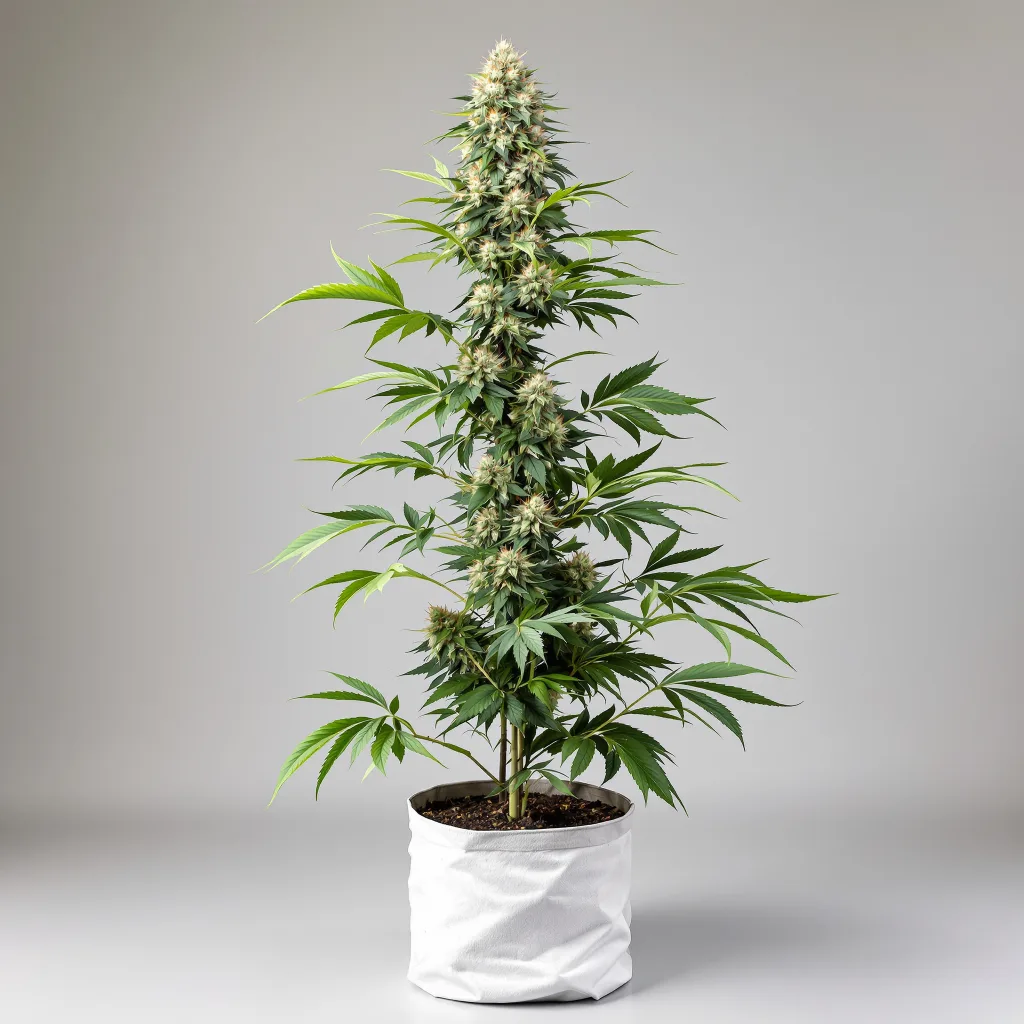
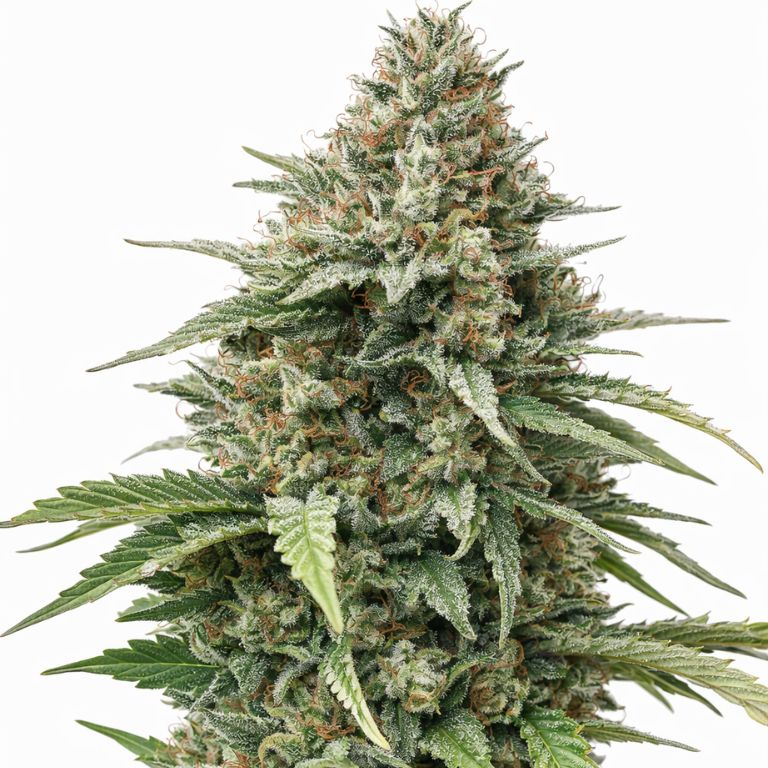
hybrid
Blue Jay Way Auto
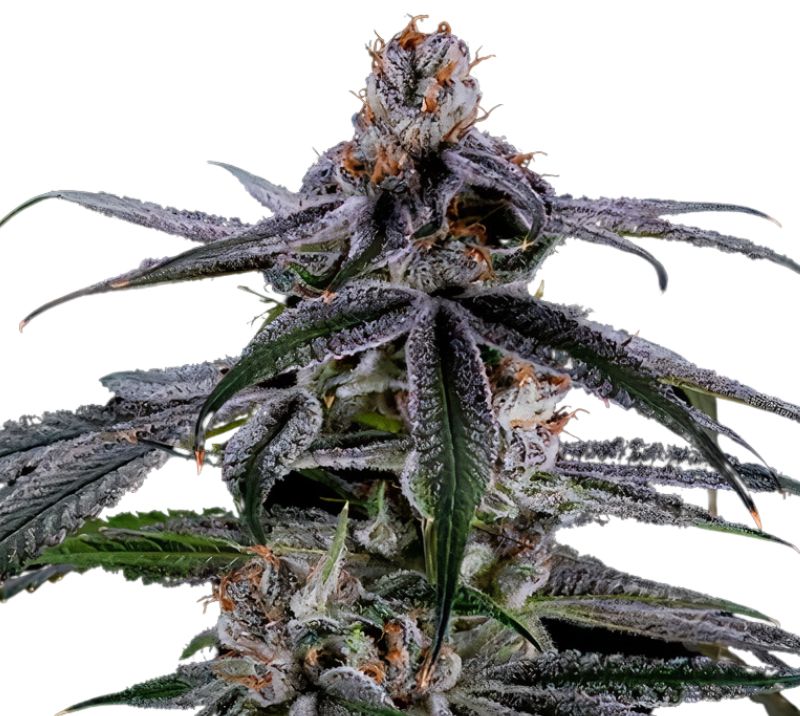
cbd
CBD Critical Cure Feminized
indica
Highwayman Feminized
Related Buying Guides
Browse the full All Cannabis Seeds collection
Premium genetics, US-wide discreet shipping, germination guaranteed.
Related Articles
Ready to Start Growing?
Shop 1,600+ feminized, autoflower, and CBD strains with 95% germination, discreet US-wide shipping, and free delivery on orders over $150.
Shop Cannabis Seeds