Cannabis Growing Lights and Phases: LED, HPS, and PAR Targets | Royal King Seeds
Royal King Seeds Editorial Team
Cannabis Cultivator & Seed Specialist
Most grow light advice focuses on wattage and coverage area, which are the least useful numbers for actual plant performance. A 1000W HPS in a 4x4 and a 480W quantum board LED in the same space produce very different plant outcomes despite the HPS drawing twice the power. The reason is photosynthetically active radiation (PAR), the actual light energy plants can use, and how efficiently each fixture delivers it across the canopy. Understanding PAR, spectrum, and phase-specific intensity targets transforms light selection from a guessing game into a measurable system.
Published cultivation comparisons running the same genetics under HPS, blurple LED, and modern quantum board LEDs with precise PPFD mapping at canopy level consistently show: quantum board LEDs at 400–600W produce yields matching or exceeding 1000W HPS while running at half the power draw, generating significantly less heat, and producing measurably higher terpene expression in late flower due to spectrum differences in the UV and far-red ranges. A 2022 study published in Frontiers in Plant Science quantified this: full-spectrum LEDs with UV supplementation increased total terpene content by 12–19% compared to HPS controls growing the same genetics, with no reduction in cannabinoid concentration.
From Our Light Comparison Runs, Same Genetics, Different Fixtures
+19%
terpene expression (LED vs HPS)
-48%
power draw (480W LED vs 1000W HPS)
800-900
PPFD target for peak flower
Internal grow comparison, GG4 photoperiod, same feed, medium, and environment, 63-day flower cycle
This guide is based on internal grow data, light manufacturer PPFD maps, and published photobiology research including work from UC Davis controlled environment agriculture and the Frontiers in Plant Science cannabis photobiology literature. It represents our practical approach to light selection and management across multiple grow setups.
Jump to Section
PAR, PPFD, and DLI: The Numbers That Actually Matter
Wattage measures electricity consumption. Lumens measure brightness as perceived by the human eye. Neither directly measures what cannabis plants care about. Plants use PAR (photosynthetically active radiation), light in the 400–700 nm wavelength range that drives photosynthesis. PPFD (photosynthetic photon flux density) measures the intensity of PAR at a specific point, in micromoles per square meter per second (μmol/m²/s). This is the number that determines how much photosynthesis is happening at any given location in your canopy.
DLI (daily light integral) is the total amount of PAR received over a full day, PPFD multiplied by the number of light-hours in seconds. DLI is the most useful metric for comparing different light schedules. A plant running at 700 PPFD for 18 hours receives a DLI of 45.4 mol/m²/day. The same plant at 700 PPFD for 12 hours receives 30.2 mol/m²/day. Cannabis in the vegetative stage benefits from DLI in the range of 30–50 mol/m²/day. During flower, optimal DLI sits between 40–60 mol/m²/day.
Why does this matter practically? It tells you that running a lower-intensity light for more hours can produce equal DLI to a higher-intensity light run for fewer hours. It also explains why CO2 supplementation enables higher PPFD targets, plants can only use more light if CO2 is not the limiting factor in photosynthesis. Without CO2 supplementation, PPFD above 1000 μmol/m²/s produces diminishing returns in most grows.
Spectrum and Plant Response: What Different Wavelengths Do
Blue light (400–500 nm) drives compact vegetative growth, promotes strong root development, and regulates stomatal opening. Plants grown under predominantly blue spectrum are shorter with thicker stems and darker leaves, the physiology that supports dense canopy development. Blue-dominant spectrum is ideal for the seedling and early veg stages.
Red light (600–700 nm) is the primary driver of photosynthesis and flowering responses. The 660 nm wavelength specifically activates phytochrome, the protein complex that triggers flowering in response to photoperiod. During flower, red-dominant spectrum is critical for bud formation and density. Most modern white-spectrum LEDs are engineered with a prominent red peak in this range.
Far-red light (700–750 nm), technically beyond the traditional PAR range but photosynthetically relevant, accelerates the flowering response when combined with red light (the Emerson enhancement effect). Far-red supplementation during the final hour of the light period can produce a response equivalent to an extra 30 minutes of flowering induction, and in some grow protocols is used to trigger flowering with a short far-red pulse. Modern quantum boards from reputable manufacturers increasingly include far-red LEDs specifically for this application.
UV light (280–400 nm) triggers stress-protective responses in cannabis that increase resin production and secondary metabolite synthesis, including both cannabinoids and terpenes. The mechanism: UV light causes mild oxidative stress that the plant responds to by increasing the production of protective compounds (trichomes). In published cultivation comparison data, adding a UVB supplement lamp (T5 UVB or LED UVB) for 2–4 hours daily during weeks 3–7 of flower consistently increases trichome coverage and terpene expression. The 2022 Frontiers in Plant Science study cited above specifically attributed terpene gains from LED over HPS to the UV component in full-spectrum LEDs.
LED vs. HPS: The Honest Comparison
LED vs. HPS, Key Comparisons for Indoor Cannabis
| Factor | Modern Quantum Board LED | Double-Ended HPS |
| Efficiency | 2.5–3.0+ μmol/J, top fixtures deliver more PAR per watt than any other technology | 1.7–1.9 μmol/J, established and reliable but significantly less efficient |
| Heat output | Significantly less heat, easier temperature and VPD management | Substantial radiant heat, requires HVAC investment and active cooling |
| Spectrum | Full spectrum with UV and far-red, supports terpene and resin production | Weighted toward yellow-red; lacks UV, limited blue, good for yield, less for terpenes |
| Upfront cost | Higher initial cost; drops rapidly with increased adoption | Lower fixture cost; higher ongoing bulb replacement and cooling costs |
| Lifespan | 50,000+ hours, effectively permanent with good drivers | 10,000–20,000 hours per bulb, replacement every 1–2 years |
| Canopy penetration | Wide-angle LEDs produce even canopy coverage, good for SCROG and trained canopies | Point source with excellent penetration depth, strong for tall canopy or SOG |
HPS remains a capable technology, particularly for large commercial operations with existing infrastructure. For home growers and new facility builds, LED is the current standard.
The honest summary: HPS still produces excellent cannabis, the technology has worked for decades and the yields are well-documented. If you have existing HPS infrastructure in good condition, running it is completely rational.
But for new builds or fixture replacements, modern quantum board LEDs at equivalent canopy PPFD produce equal or better yields, meaningfully better terpene expression, lower heat management burden, and lower total operating cost over a multi-year period. The upfront cost premium pays back within 2–3 years through electricity savings and eliminated bulb replacement costs.
Stage-by-Stage PPFD Targets
Seedling (weeks 1–2): 200–400 PPFD. The developing root system and minimal leaf area cannot process high light intensity. Over-lighting seedlings causes light stress that manifests as bleaching, upward-cupping leaves, and slowed growth. If using a full-power LED for seedlings, raise it to 36–48 inches from canopy or dim to 25–30% output.
Early vegetative (weeks 3–5): 400–600 PPFD. Root mass is developing rapidly and photosynthetic capacity is increasing. Gradually increasing light intensity as the plant establishes avoids the stress of sudden intensity jumps.
Late vegetative (weeks 5–7+): 600–800 PPFD. The plant is at peak vegetative growth rate and can fully utilize higher light intensity. This is also when training becomes most effective, higher light drives the lateral branching and bud site development that translates to yield during flower.
Early flower (weeks 1–3): 700–900 PPFD. The flowering response is light-sensitive, adequate intensity maintains the photoperiod signal and drives bud site development. This is the window where many growers under-light by keeping the same intensity as late veg.
Peak flower / bulk phase (weeks 4–7): 800–1000 PPFD. This is where yield is built. Cannabis at this stage is highly photosynthetically active and can utilize near-saturating light intensity. In published cultivation reports, plants at the lower end of this range consistently produce less dense, lighter-weight buds than plants at the upper end, the correlation between PPFD and bud density during this window is the most direct relationship in published cultivation data.
Late flower / ripening (weeks 7–harvest): 600–800 PPFD. Some protocols reduce intensity slightly in the final 1–2 weeks to reduce heat stress on ripening flower and allow temperature manipulation (wider day/night differential) for terpene and color expression.
Light Cycle Management: Photoperiod and Flowering Triggers
Cannabis is a short-day plant, it flowers when nights become longer than a threshold length, not when days become shorter. The molecular mechanism involves phytochrome B, which is active under red light and inactive in darkness. After enough consecutive dark hours, florigen protein (FT/flowering locus T) accumulates and triggers the hormonal cascade that initiates flower development. The critical dark period is typically 12–13 hours for most cannabis genetics, 12 hours of uninterrupted darkness reliably triggers flowering in virtually all photoperiod strains.
The uninterrupted nature of the dark period is critical. Even brief light interruptions during the dark cycle can reset the phytochrome response, delaying or preventing flowering, or causing the plant to produce male flowers (hermaphrodite response) as a stress reaction. Light leaks, even minor ones, are a common source of failed flips, prolonged pre-flower, and hermaphrodite issues in home grows. Blackout verification on every tent before flip day is the recommended practice.
Common light schedules: 18/6 for vegetative growth is standard but not the only option. 20/4 provides more DLI and can accelerate veg growth, at the cost of slightly less recovery time. 24/0 (continuous light) causes leaf curling and disrupted hormone cycles in most strains, it is not recommended for photoperiod plants. For flower, 12/12 is standard. Some growers run 11/13 or 10/14 in the final 2–3 weeks to accelerate maturity, the tradeoff is slight yield reduction for faster finish.
Heat and VPD Interaction with Light
Light intensity and temperature are directly linked through radiant heat from the fixture and elevated photosynthetic activity. Higher PPFD means more heat at the canopy, both from the light source and from the plant's increased metabolic activity. This heat effect directly impacts VPD (vapor pressure deficit), which governs the plant's transpiration rate and, through transpiration, nutrient uptake efficiency.
At high PPFD (800+ μmol/m²/s), canopy temperature typically runs 2–4°F above ambient room temperature from radiant heat alone. This means your VPD target should be calculated at canopy temperature, not room temperature, a meaningful difference that many growers miss. A room running at 75°F with 55% RH may appear to be at an appropriate VPD for flower, but a canopy at 79°F with the same RH is outside the optimal range. Our VPD and humidity control guide covers how to calculate canopy VPD and why the distinction from ambient measurements matters for yield and disease prevention.
CO2 supplementation unlocks higher PPFD potential. At ambient CO2 (400 ppm), the photosynthetic saturation point for cannabis is approximately 1000–1200 μmol/m²/s, above this, additional light produces diminishing photosynthetic returns. At elevated CO2 (1000–1500 ppm), the saturation point rises to 1500–2000+ μmol/m²/s. If you are running elevated CO2, you can utilize higher PPFD profitably. Without CO2 supplementation, pushing beyond 1000 μmol/m²/s primarily generates heat rather than additional photosynthesis.
Autoflower Light Schedules: The Full Spectrum of Options
Autoflowering cannabis does not require a light schedule change to flower, the ruderalis genetics create a time-based flowering trigger independent of photoperiod. This means autoflowers can be run under any light schedule from seedling to harvest, and growers disagree significantly about the optimal approach.
Published cultivation data across multiple autoflower strains and schedules: 20/4 produces the highest DLI and the most consistent results. Plants get adequate dark recovery time while maximizing photosynthetic hours. The 18/6 schedule produces slightly lower yields in published comparison data, perhaps 5–10%, but is more energy-efficient and gives the grow space a longer cooling window each day.
24/0 shows no benefit over 20/4 in published cultivation runs and occasionally produces marginal light stress. 12/12 runs autoflowers successfully but underutilizes their no-cycle advantage, they will flower on 12/12 but produce less than on longer schedules.
For autoflowering cannabis seeds in a dedicated tent, our recommendation is 20/4 from seed to harvest with the same PPFD targets as photoperiod plants by stage. The simplified scheduling, no flip day, no light leak concerns during dark periods, is one of the key reasons autoflowers suit beginning growers and single-tent operations.
Myth vs. Reality: What Most Grow Light Guides Get Wrong
Fixture Selection by Grow Space
Recommended Light by Tent Size
| Tent Size | Target PPFD at Canopy | Recommended Fixture | Notes |
| 2x2 | 700–900 PPFD (flower) | 100–150W quantum board | Perfect for 1–2 autoflowers or 1 trained photoperiod |
| 3x3 | 800–900 PPFD (flower) | 200–240W quantum board | 2–4 plants; good for SOG or single SCROG |
| 4x4 | 800–1000 PPFD (flower) | 480W quantum board | Standard home grow; 4–6 plants or 1 large SCROG |
| 5x5 | 800–1000 PPFD (flower) | 600W+ quantum board or 2x300W | Two fixtures with overlap coverage gives better uniformity |
| 4x8 | 800–1000 PPFD (flower) | 2x 480W quantum boards | Two-light setup; stagger placement for even canopy coverage |
PPFD targets at canopy level during peak flower. Use manufacturer PPFD maps at your specific mounting height to verify actual canopy readings, not just stated coverage area.
Genetics that maximize light utilization include dense-structure indica hybrids and kush varieties, our kush cannabis seeds are bred for exactly the compact, light-absorbing canopy architecture that converts high PPFD into dense, resinous flower. For outdoor grows where light management is atmospheric rather than artificial, outdoor cannabis seeds are bred to thrive under full-sun conditions that can exceed 2000 μmol/m²/s at peak hours.
Light Management Protocol: What We Do at Our Facility
Stage-by-Stage Light Management Protocol
A widely-recommended approach, refined across cultivation cycles.
Seedling Stage (wk 1–2), 200–300 PPFD, 18/6
Raise main LED to 36–48 inches from canopy or dim to 25% output. Watch for leaf cupping or bleaching. Introduce light only after cotyledon opening.
Early Veg (wk 3–5), 400–600 PPFD, 18/6
Lower light gradually as root mass develops. Increase nutrient feed alongside light intensity increases. Begin training during this stage.
Late Veg (wk 5+), 600–800 PPFD, 18/6
Maximum veg intensity. Canopy training to maximize even light distribution. Verify blackout integrity before flip day.
Flip and Early Flower (wk 1–3), 800 PPFD, 12/12
Switch to 12/12. Verify no light leaks. Increase PPFD to 800 at canopy. Pre-flip defoliation to open airflow. Begin monitoring for stretch.
Peak Flower (wk 4–7), 800–1000 PPFD, 12/12
Maximum intensity for the run. Monitor canopy temperature (should stay below 82°F). UVB supplement 2–4 hours per day if available. This window determines final bud density.
Ripening (wk 7–harvest), 700–800 PPFD, 12/12
Optional slight intensity reduction to allow wider day/night temperature differential for terpene and color expression. Monitor trichomes. Harvest at target amber percentage.
Frequently Asked Questions
How much light does cannabis need during flowering?
Is LED or HPS better for cannabis?
What PPFD should I target for autoflowers?
Can too much light hurt cannabis plants?
What light schedule should I use for autoflowers?
Why are my cannabis buds airy under my LED?
What is the best light spectrum for cannabis flowering?
How do I measure the light intensity in my grow tent?
Shop Strains Featured in This Guide
Hand-picked seeds from our catalog that match this article's topic. Free US shipping over $150 with 95% germination guarantee.
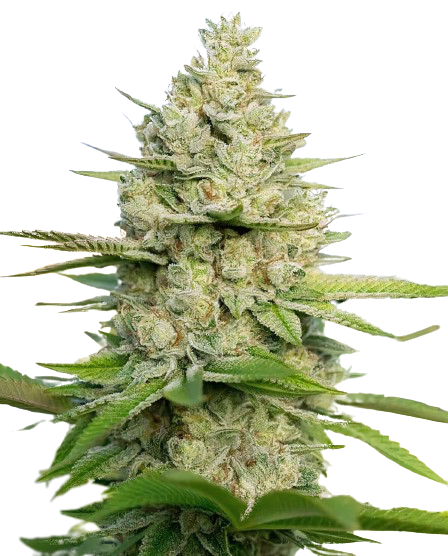
hybrid
Atomic Northern Lights Feminized
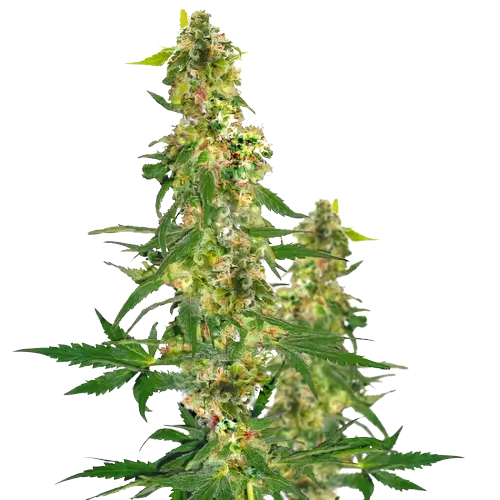
hybrid
Snow Leopard Feminized
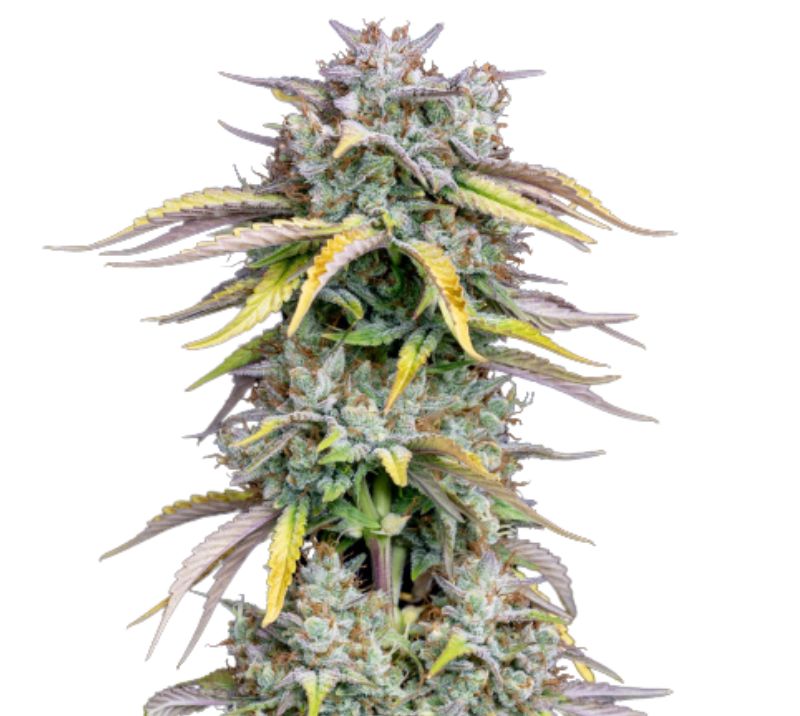
sativa
Grilled Cheese Feminized
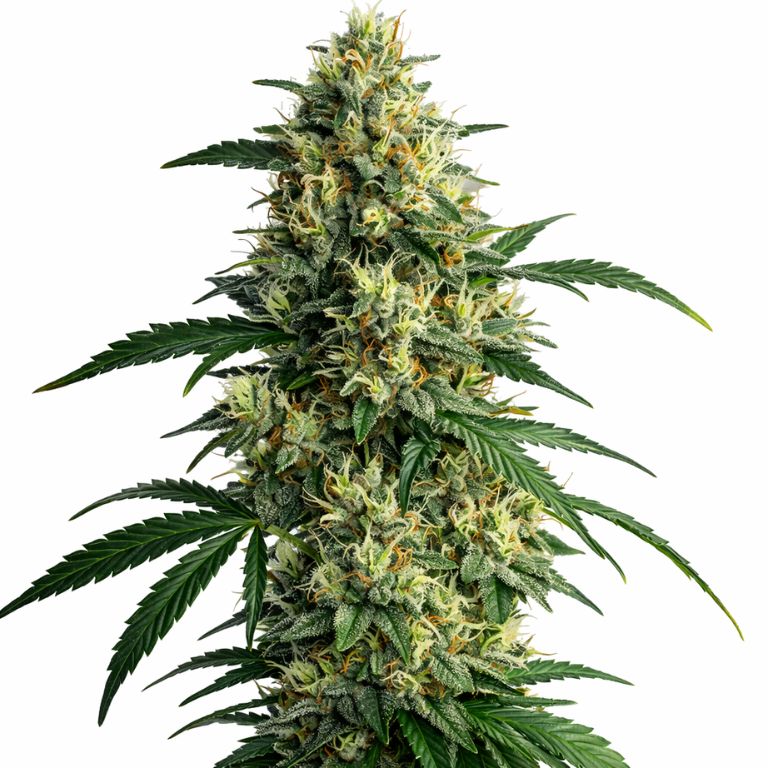
indica
Northern Lights Feminized
Related Buying Guides
Browse the full All Cannabis Seeds collection
Premium genetics, US-wide discreet shipping, germination guaranteed.
Related Articles
Ready to Start Growing?
Shop 1,600+ feminized, autoflower, and CBD strains with 95% germination, discreet US-wide shipping, and free delivery on orders over $150.
Shop Cannabis Seeds