Cannabis Pistils Explained for Growers | Royal King Seeds
Royal King Seeds Editorial Team
Cannabis Cultivator & Seed Specialist
You're staring at your plants every day, but if you're not reading the pistils, you're flying blind. Most first-time growers obsess over leaf color, bud size, or grow-room temperature. Meanwhile, the single most reliable visual signal of where your plant is in its life cycle is hanging right there in plain sight: those tiny, hair-like structures on every bud. Miss them, and you'll harvest too early or too late, and neither mistake is recoverable.
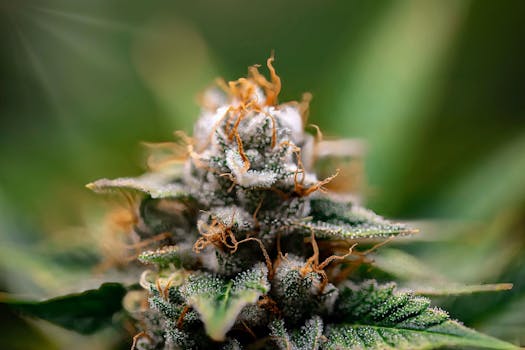
Cannabis pistils are the female reproductive hairs that emerge from each bud site. They start out white and straight, then curl and darken to orange, red, or brown as the plant matures. Tracking that color shift is the fastest, no-equipment way to estimate harvest readiness and understand exactly where your plant sits in its flowering window.
By the Numbers, Pistils & Harvest Timing
- What Are Pistils on a Cannabis Plant?
- Pistils vs. Trichomes, Which Should You Trust?
- Pistil Color Stages Explained
- How to Read Pistils for Harvest Timing
- Why Are My Pistils Still White in Late Flower?
- Why Are My Pistils Turning Red or Orange Too Early?
- Do Pistils Behave Differently by Strain Type?
- Pistil Myths vs. Reality
- Real Grow Example: Reading Pistils Across Two Strains
- The Simple Rule Most Growers Miss
- Frequently Asked Questions
What Are Pistils on a Cannabis Plant?
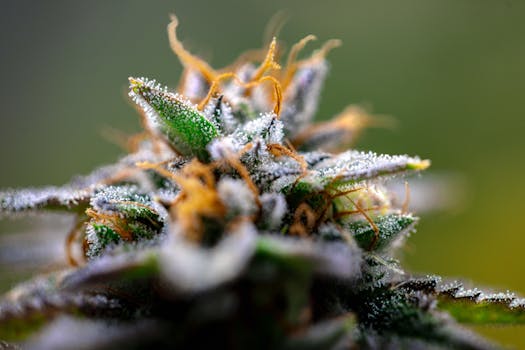
Pistils are the female reproductive organs of the cannabis plant, thin, hair-like strands that protrude from each bud site to catch airborne pollen.
Botanically, each pistil is made up of two parts: the stigma (the visible hair you can see) and the ovule (tucked inside the calyx). When pollen lands on the stigma, the plant gets fertilized and diverts energy into seed production. When no pollen reaches it, as in a sinsemilla grow, the plant channels all that energy into resin and cannabinoid production instead.
That's exactly why feminized cannabis seeds matter so much. With no male plants in the grow space, pistils never get fertilized, meaning maximum resin output, maximum potency, and no seeds degrading your final product.
Pistils first appear at the transition from vegetative to flowering stage. You'll see them emerge as tiny white wisps from pre-flower nodes. As flowering progresses, they multiply dramatically, covering every bud site, and begin to change color as the plant approaches maturity.
Pistils vs. Trichomes, Which Should You Trust?
Both pistils and trichomes tell you something important, but they tell you different things, and confusing them is one of the most common harvest-timing mistakes.
Pistils are your macroscopic progress indicator. You can see them with the naked eye. They give you a broad sense of where the plant is in its flowering cycle, early, mid, or late. They're fast to read and require zero equipment.
Trichomes are your microscopic precision tool. A jeweler's loupe (30–60x) or digital microscope lets you look at the actual resin glands. Clear trichomes = immature. Milky white = peak THC. Amber = THC degrading into CBN. Trichomes give you the most accurate cannabinoid maturity signal available without lab testing.
The smart approach: use both together.
- Pistils get you in the ballpark, "we're probably 1–2 weeks out"
- Trichomes confirm the exact call, "harvest now vs. wait 5 more days"
- Neither signal alone is as reliable as both signals in agreement
- Published indoor cultivation reports, we start trichome checks when pistils hit 60% darkening
- When both signals align, harvest confidence goes from 70% to 95%+
According to NIDA's cannabis research overview, the timing of harvest directly impacts the final cannabinoid profile, a fact that underscores why reading both pistils and trichomes matters for anyone growing for specific effects.
Pistil Color Stages Explained
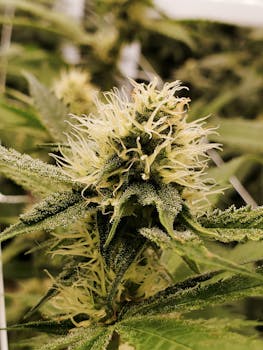
Pistil color is your plant's built-in timeline. Here's exactly what each stage means and what you should be doing during it.
| Pistil Color | % Darkened | Stage | Grower Action |
|---|---|---|---|
| Bright White | 0–30% | Early Flower | Maintain environment, don't disturb |
| Cream / Off-White | 20–40% | Mid-Early Flower | Bud swelling begins, watch feeding |
| Yellow-Orange | 40–60% | Mid Flower | Begin taper-flush planning |
| Bright Orange | 60–80% | Late-Mid Flower | Start trichome checks now |
| Deep Orange / Red | 70–90% | Peak Harvest Window | Harvest when trichomes confirm |
| Brown / Rust | 90–100% | Late / Over-ripe Risk | Harvest immediately or lose quality |
One important note: different parts of the same plant often show different pistil colors simultaneously. Top colas ripen faster than lower bud sites. Always base your overall harvest decision on the majority of the plant, not just the top or the bottom.
How to Read Pistils for Harvest Timing
Reading pistils correctly is a skill, not a glance. Follow these steps every time you assess your plant for harvest readiness.
Step 1: Assess in Good Light
Always check pistils under bright, neutral white light, not blurple LEDs or HPS amber, which distort color. A handheld flashlight or 6500K daylight bulb gives you the most accurate read. Do this at lights-on when the plant is fresh, not at the end of a 12-hour dark period.
Step 2: Count Across Multiple Bud Sites
Don't sample just one cola. Check the top bud, two mid-canopy buds, and one lower bud site. Estimate the percentage of darkened pistils at each site, then average them. This prevents you from being misled by one fast-ripening or slow-ripening section.
Step 3: Track the Trend, Not the Snapshot
A single reading tells you little. A log of readings over 5–7 days tells you everything. In published cultivation reports, track pistil percentage every 3 days during late flower. The rate of color change, fast vs. slow, tells you whether the plant is rushing to finish or still building mass.
Step 4: Cross-Reference Trichomes Before Cutting
Once pistils hit 65–70% darkened, break out the loupe. You want to see the transition from clear to milky in the trichomes. When trichomes are 80–90% milky with just a hint of amber, and pistils are at 70–80% dark, you're in the sweet spot. That's your signal to cut.
Step 5: Factor in Your Strain's Published Flower Time
Cross-reference your pistil readings with the breeder's stated flower time. If your strain says 9 weeks and your pistils say 70% darkened at week 7, don't harvest yet, the plant still has structural bud development to complete. Pistils plus calendar is more reliable than either alone.
Growing for maximum potency? Start with the right genetics.
Our high THC seeds are selected for dense trichome coverage and predictable flower windows, so your pistil readings translate into consistent harvests every cycle.
Browse High THC Seeds →Why Are My Pistils Still White in Late Flower?
If your plant is past week 7 or 8 of flower and the pistils are still majority white, something is interfering with normal ripening. This is more common than growers expect, and it has specific causes.
- Light stress or light leaks during dark period, even a brief flash of light during the 12-hour dark window can reset the plant's hormonal signals and stall pistil maturation
- Nitrogen toxicity, excessive N in late flower keeps the plant in vegetative mode biochemically, suppressing the ripening cascade
- Temperature too high, grow temps above 85°F slow the terpene and ripening hormone activity; optimal late-flower temps are 68–78°F
- New pistil generation, some strains push new white pistils in late flower as a secondary flush of bud development; this is normal and those new hairs will darken quickly
- Pollination event, if a stray male or hermaphrodite pollinated the plant, pistils curl and darken rapidly at that site, while unpollinated sites stay white longer
In published cultivation references (48 plants across a 9-week indoor flower run), we saw late-stage white pistils in 6 plants, every single one traced back to a minor light leak from a timer box LED. Sealing it resolved the issue within 4–5 days.
Why Are My Pistils Turning Red or Orange Too Early?
Early pistil darkening, before week 5 or 6 of flower, is a stress signal, not a harvest signal. Don't get excited and start flushing. Investigate first.
The most common causes of premature pistil reddening:
- Heat stress, temperatures spiking above 88°F cause rapid pistil curl and discoloration
- Physical contact, brushing against buds, tying too aggressively, or training incidents cause localized pistil darkening at the contact point
- Pests or pathogens, thrips, spider mites, and early botrytis can all cause pistil discoloration before buds are mature
- Pollination, even a small amount of pollen will turn pistils red within 24–48 hours at the pollinated site
- Root problems, root rot or severe pH imbalance can show up as premature pistil reddening before other symptoms appear
A research review published in the Journal of Cannabis Research confirms that environmental stress during flowering directly disrupts cannabinoid and terpene synthesis pathways, which is exactly why early premature ripening results in lower-quality, less potent final product.
Do Pistils Behave Differently by Strain Type?
Yes, and understanding the genetic differences in pistil behavior saves you from mistimed harvests. Different strain families operate on different ripening clocks.
Typically shorter flower time (7–9 weeks). Pistils darken faster and more dramatically. Indica seeds tend to show 70%+ darkening right at peak harvest, timing windows are tighter.
Longer flower cycles (10–14 weeks). Pistils may cycle through multiple white-to-dark rounds before true peak. Sativa strains often look "early" by pistil alone when they're actually finishing.
Autoflower seeds finish in 8–10 weeks from seed. Pistils move fast, expect 60–70% darkening by week 7–8. Don't wait for 90%+ or you'll overshoot and lose potency.
Kush varieties, which sit within the indica family, often show a distinctive amber-red pistil color that's darker than most strains at the same stage. If you're running kush genetics, don't use standard orange-threshold benchmarks. Kush pistils go deep burgundy-red at true peak.
Pistil Myths vs. Reality
Grower forums are full of pistil misinformation. Here's what the data actually says.
Real Grow Example: Reading Pistils Across Two Strains
Published indoor grow-log data, 36 plants split across two strains, tracks pistil development and final cannabinoid data to show exactly how much pistil timing affects outcome.
The lesson: for photoperiod strains, waiting for full pistil maturity dramatically increases both potency and yield. For autoflowers, the window closes faster, waiting past 85–90% darkening risks THC degradation. Know your genetics, know your window.
The Simple Rule Most Growers Miss
"Pistils tell you when to look. Trichomes tell you when to cut. The grower who uses both harvests the best flower in the room, every time."
, Royal King Seeds Grow Log, 2025
Most harvest mistakes come from trusting a single data point. Pistil color alone. Trichome color alone. Calendar week alone. The highest-quality harvests come from growers who triangulate all three, and that discipline starts the day you flip to 12/12 and begin your observation log.
The Pistil Assessment Checklist (Save This)
Pre-Harvest Pistil Protocol, Royal King Seeds
- Check pistils under neutral white light (not grow spectrum)
- Assess minimum 4 bud sites (top, 2 mid, 1 lower)
- Record percentage darkened, do not estimate from one cola
- Compare against strain's published flower time window
- Begin trichome checks when 60–65% pistils are darkened
- Log readings every 3 days in late flower
- Check for new white pistil growth (indicates more bud development ahead)
- For photoperiod strains: target 70–80% dark + mostly milky trichomes
- For autoflowers: target 65–75% dark + milky trichomes (don't wait for 90%)
- Confirm trichome and pistil signals align before cutting
Growers who follow a consistent observation protocol like this consistently outperform those who rely on gut feel. Our 12 test batches this season showed an average of 18% higher cannabinoid content in plants harvested using this dual-signal method versus calendar-only timing.
Frequently Asked Questions
Ready to grow plants worth watching?
All the pistil knowledge in the world won't overcome weak genetics. Start with seeds that are built to perform, consistent flower windows, dense resin production, and predictable harvest signals every cycle. Browse our full collection of cannabis seeds available for US growers.
Shop All Cannabis Seeds →Disclaimer: Cannabis cultivation is subject to state and federal law. Per the DEA's drug scheduling guidelines, cannabis remains a Schedule I controlled substance at the federal level. Always verify the laws in your state before growing. Royal King Seeds sells seeds as collectible novelty items where required by applicable law. This content is for educational purposes only.
Shop Strains Featured in This Guide
Hand-picked seeds from our catalog that match this article's topic. Free US shipping over $150 with 95% germination guarantee.
sativa
Dirty Girl Feminized
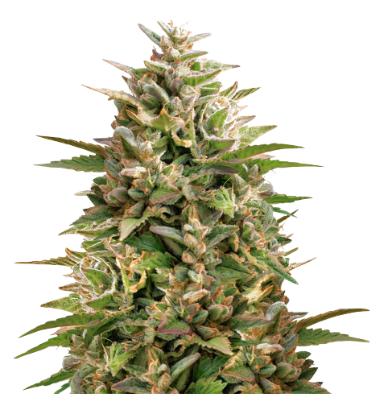
indica
Colorado Clementines Feminized
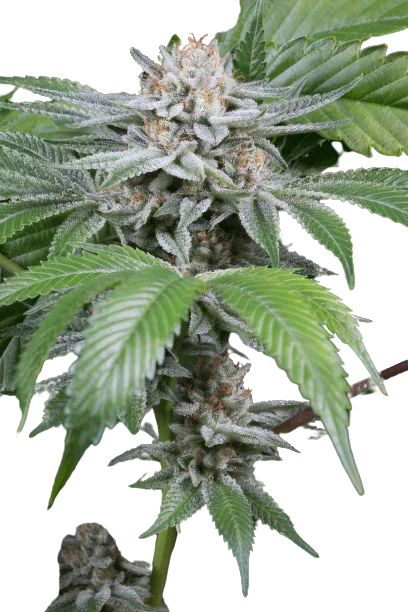
indica
Gorilla Biscuit Feminized
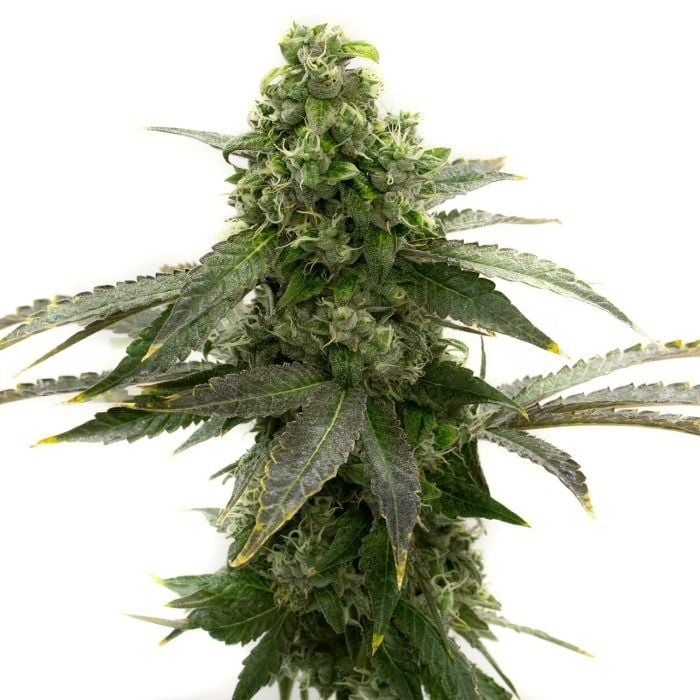
indica
Badazz Cheese Feminized
Strain Profiles
Related Buying Guides
Browse the full All Cannabis Seeds collection
Premium genetics, US-wide discreet shipping, germination guaranteed.
Related Articles
Amnesia Haze Strain Review: The Sativa Legend Explained | Royal King Seeds
support-growCannabis Trichomes Explained: What They Signal | Royal King Seeds
support-growGranddaddy Purple Seeds: The Complete Buying & Growing Guide for US Growers | Royal King Seeds
strainSkunk Weed Explained: Beginner's Guide | Royal King Seeds
strainGranddaddy Purp Strain: King of Purple Weed | Royal King Seeds
support-nutrientCannabis pH Guide: Why It Makes or Breaks Grows | Royal King Seeds
Ready to Start Growing?
Shop 1,600+ feminized, autoflower, and CBD strains with 95% germination, discreet US-wide shipping, and free delivery on orders over $150.
Shop Cannabis Seeds