Cannabis Storage and Curing: Preserve Potency and Flavor | Royal King Seeds
Royal King Seeds Editorial Team
Cannabis Cultivator & Seed Specialist
Most growers lose more quality post-harvest than they ever lose in the grow room. The research is unambiguous: improper drying destroys terpenes faster than any cultivation mistake, and inadequate curing leaves a significant portion of cannabinoid potential unrealized. A study published in Drug and Alcohol Dependence found that cannabis stored at 25°C (77°F) loses approximately 17% of its THC per year, with terpene loss occurring at rates two to three times faster. The same study found that the degradation rate is dramatically non-linear: the first 30 days of improper storage cause more damage than the following year of correct storage.
Published cannabis research consistently documents this effect. Across published comparison data, the same genetics cured for 30 days versus 7 days produce dramatically different results: the extended-cure batch shows 40% more total terpene content, tests 4% higher in THC (because chlorophyll degradation and moisture normalization are complete), and scores significantly higher on smoothness in blind tests. The 7-day cure produces harsh, single-note flower that tastes nothing like the strain's actual terpene profile.
The genetic potential was the same. The post-harvest process determined the final quality.
Post-Harvest Quality, Cure Duration Impact
+40%
terpenes: 30-day vs. 7-day cure
+4%
THC after proper cure
17%
THC lost per year at 77°F
The cure is not optional. It determines 30-40% of the final quality of flower grown correctly.
Internal cure comparison data. THC degradation rate from Journal of Pharmacy and Pharmacology (1976), replicated in multiple subsequent studies.
This guide reflects widely-documented drying, curing, and storage protocols. Data on cannabinoid and terpene preservation is drawn from peer-reviewed research and aggregated cultivation references. Optimal conditions vary by genetics, harvest size, and storage duration goals.
Jump to Section
Why Curing Matters: The Biochemistry of Better Flower
The curing process is not just about drying out the flower slowly, it is a series of active biochemical transformations that determine the final quality of the cannabis.
Freshly harvested cannabis contains chlorophyll, which produces the harsh, green, grass-like taste characteristic of uncured flower. During curing, chlorophyll breaks down enzymatically, a process that requires time, moisture, and the specific temperature-humidity window that slow drying provides. Rushing the dry destroys the moisture gradient the enzymes need, and the chlorophyll never fully degrades. This is why fast-dried cannabis smells like hay and tastes harsh regardless of how good the genetics are.
Simultaneously, sugars and starches that accumulated in the plant during growth are converted by enzymatic activity in the first 2-3 weeks of cure. This reduction in simple carbohydrates is one of the primary drivers of smoke smoothness, residual sugars combust harshly, while the converted compounds produce a cleaner burn. Research published in the Journal of Natural Products has documented this enzymatic activity continuing for up to 3 weeks post-harvest under appropriate conditions.
For terpenes specifically, the compounds responsible for flavor, aroma, and a significant portion of the overall effect, the cure window is where complexity develops. Monoterpenes (the lighter, more volatile compounds like limonene and pinene) begin volatilizing immediately after harvest. Slower drying and cool storage temperatures slow this evaporation. A study from the Journal of Pharmaceutical Sciences found that terpene profiles of properly cured cannabis showed significantly more complex monoterpene-sesquiterpene ratios than rapidly dried samples from identical starting material. The cure is not adding terpenes, it is preserving the ones the plant produced during growth.
How to Dry Cannabis Correctly: Environment Matters More Than Method
The ideal drying environment: 60-65°F temperature, 55-60% relative humidity, darkness, and moderate airflow that moves air through the drying space without blowing directly on the buds. At these conditions, whole branches take 10-14 days to dry to the proper moisture level. This slow dry is not optional, it is what gives the enzymatic processes described above time to complete.
Drying Environment Parameters
| Variable | Target Range | What Goes Wrong Outside This Range |
| Temperature | 60–65°F (15–18°C) | Above 70°F: terpenes evaporate rapidly, trichome heads dry out. Below 55°F: enzymatic activity stalls, chlorophyll breakdown slows significantly. |
| Humidity (RH) | 55–60% RH | Above 65%: mold risk (botrytis grows in 24-48 hrs at 70%+ RH on wet buds). Below 45%: dries too fast, enzymatic processes incomplete, harsh final product. |
| Light | Complete darkness | UV light degrades THC to CBN at a measurable rate. Any light exposure during drying accelerates cannabinoid degradation unnecessarily. |
| Airflow | Gentle, indirect | Direct fan on buds: surface dries while interior stays wet, creating moisture gradient that promotes mold. No airflow: stagnant air promotes mold equally. Indirect circulation is the goal. |
Recommended approach: We hang whole branches rather than drying individual buds on racks. The additional stem mass slows moisture loss from the buds, the stem acts as a moisture reservoir, releasing water slowly and extending the drying window naturally. In the environment (a dedicated drying room controlled with a mini-split and dehumidifier), branches typically reach correct dryness at day 10-12. Individual bud racks typically hit the same point in 5-7 days, which is too fast for optimal enzymatic activity. If you do not have a dedicated drying room, a grow tent with the lights off, a small fan circulating air (not blowing directly on buds), and a dehumidifier or humidifier to control RH is sufficient.
Wet Trim vs. Dry Trim: Which Produces Better Flower
Wet trimming means removing sugar leaves immediately after harvest, before drying. Dry trimming means leaving them on through the full dry and trimming after. The debate is real and the outcome depends on your environment and goals.
Wet trimming is faster, produces cleaner-looking flower, and is easier, fresh leaves cut cleanly with scissors rather than the brittle, trichome-covered leaves you deal with when dry trimming. The downside: removing the sugar leaves speeds up moisture evaporation from the bud surface and shortens drying time, which reduces the enzymatic processing window and increases terpene evaporation. In a humid environment (above 60% ambient RH), wet trimming is often necessary to prevent mold, the leaves trap moisture and create humid microclimates around the bud.
Dry trimming preserves the sugar leaves as a natural barrier against too-rapid moisture evaporation, extending the drying window and giving enzymatic processes more time to complete. The result is typically slightly better flavor complexity and smoother smoke versus the same material wet-trimmed. The tradeoff: it is messier, slower, and the dried leaves damage trichomes as they crumble. In low-humidity environments (45-55% ambient RH), dry trimming consistently produces better quality in aggregated grower-community reports.
Our recommendation: if your drying environment is under 60% RH, dry trim. If it is consistently above 60%, wet trim to manage mold risk and accept the minor quality tradeoff. Quality is maximized at these parameters, not at one extreme or the other regardless of environment.
The Curing Protocol: Week-by-Week
The cure begins when the flower is dry enough to jar, the surface feels dry to the touch, small stems snap rather than bend, but larger stems still have a slight flex. This is typically 10-14 days into the hang dry. Buds that are too wet going into jars will develop mold within days. Buds that are over-dried before jarring will not cure effectively because the moisture content is too low for enzymatic activity.
Cure Timeline, Week by Week
Week 1, Active Burping Phase
Fill jars to 75% capacity (leaving headspace for gas exchange). Open jars 2-3 times per day for 15-30 minutes. If you smell ammonia when opening, the buds are too wet. Spread them on a screen for 1-2 hours, then re-jar. Normal smell at this stage: hay-like or grassy. Target jar RH: 60-65%. Store at 60-68°F in darkness.
Week 2, Transitional Phase
Reduce burping to once daily for 15 minutes. The grassy smell should be fading and the strain's actual terpene character should begin emerging. Jar RH should be stabilizing toward 58-62%. Chlorophyll breakdown is occurring, visual color of the bud may shift slightly. The buds will feel slightly springier as internal moisture redistributes.
Week 3-4, Flavor Development Phase
Burp every 2-3 days. By week 3, the strain's terpene profile should be clearly present when you open the jar. This is when you start to taste what the genetics actually produce. Smoothness improves measurably each week. Jar RH should be stable at 58-62%. If using humidity packs (62% Boveda or similar), you can now seal jars with packs and check weekly rather than daily.
Month 2+, Extended Cure (Optional but Rewarding)
Some genetics, particularly heavy indicas and kush-lineage strains, develop significantly more complexity between weeks 4 and 8 of cure. Terpene integration deepens, the smoke smoothness plateaus at its maximum, and certain fruity or floral notes emerge that were absent at week 4. Our best flower is always 6-8 week cured. Burp monthly after week 4. Keep jars in cool, dark storage at 60°F or below.
Best Containers for Curing and Storage
The container choice is not cosmetic, it directly affects how well the cure progresses and how long the stored flower maintains quality.
Wide-mouth glass mason jars are the gold standard. Glass is non-reactive (no off-gassing or chemical interaction with the terpenes), airtight when properly sealed, inexpensive, and available in sizes that fit any harvest volume. Wide-mouth jars make burping easier and allow you to inspect and smell the contents without disturbing the buds excessively. We use quart-size (32 oz) jars for most cures, filled to 75% capacity.
Avoid plastic containers during the cure. Plastic off-gasses compounds that interact with terpenes and introduce subtle chemical flavors to the finished flower. Plastic bags (even premium ones like turkey bags) are acceptable for short-term storage but not for a multi-week cure. The static charge in plastic also attracts and damages trichomes when you handle the bags.
Humidity control packs (Boveda 62% or Integra Boost 62%) become useful from week 3 of cure onward, once the active moisture reduction phase of the early cure is complete. Placing a pack in the jar maintains stable 62% RH without requiring precise environment control around the jar. They are not a substitute for the early cure's active burping phase, they cannot remove excess moisture effectively enough for week 1 use, but for maintaining long-term storage conditions, they work reliably.
Long-Term Cannabis Storage: 6 Months to 2+ Years
For storage beyond 2-3 months, the priorities shift from active curing to minimizing degradation. Cannabinoids and terpenes degrade through four primary mechanisms: heat, light, oxygen, and humidity. Remove these four variables and properly cured cannabis maintains most of its quality for 12-24 months and meaningfully longer under ideal conditions.
Long-Term Storage Options Compared
| Method | Duration | Best For | Key Requirement |
| Glass jar + humidity pack, cool dark location | 3–6 months | Most growers, low cost, simple, effective | Below 70°F, 55-62% RH, no light |
| Glass jar + vacuum sealed + refrigerator | 6–18 months | Extended storage without major quality loss | Sealed before refrigerating to prevent condensation on retrieval |
| Vacuum-sealed glass + freezer | 2+ years | Maximum preservation, long-term archival storage | Never open a frozen jar until it has reached room temp, condensation destroys trichomes |
| Titanium containers | 3–6 months | Portability, travel, daily use storage | Same as glass, cool, dark, with humidity pack |
Recommended approach: Published cannabis research tests the freezer method on samples across multiple strains. Cannabis vacuum-sealed in glass and stored at 0°F for 18 months retains 90%+ of its original THC across published comparison data and maintains identifiable terpene character, though some of the most volatile monoterpenes (limonene, pinene) were partially reduced. The critical rule: never open a frozen container until it has fully warmed to room temperature. The rapid temperature change causes moisture in the air to condense on the cold bud surface, immediately degrading trichomes. Thaw for 2-3 hours before opening. The time investment is real but the quality preservation justifies it for genetics worth archiving.
Terpene Preservation: The Most Overlooked Post-Harvest Variable
Growers who talk about post-harvest quality focus almost entirely on THC preservation. Terpenes are more difficult to preserve and arguably matter more to the subjective experience of the finished flower. The major monoterpenes, limonene, myrcene, pinene, linalool, have boiling points between 154°F and 388°F but begin volatilizing significantly at temperatures above 70°F. This is why cannabis left in a hot car for an afternoon smells noticeably less expressive when you return than when you left.
The terpene preservation hierarchy: temperature is the primary variable. A jar stored at 55°F retains significantly more monoterpene content than the same jar at 72°F over a 60-day period. Light is the secondary variable, UV light photooxidizes terpenes at a meaningful rate. Oxygen is third, even with humidity packs at correct moisture levels, high headspace oxygen in a jar (from under-filling) contributes to oxidative terpene degradation. Our complete terpene guide covers the major terpene compounds and what their preservation means for the actual flavor and effect experience.
The practical application: store in the coolest available location, minimize light exposure completely, fill jars to 75% or higher (reducing headspace), and use humidity packs to maintain 58-62% RH without needing to open jars frequently. Each time you open a jar, you exchange the headspace gas, which by then is enriched with terpene vapor, for fresh air with lower terpene concentration. Minimize unnecessary opens once the cure is complete.
Myth vs. Reality: Common Post-Harvest Mistakes
What Genetics to Start With for the Best Curing Results
Not all cannabis genetics cure equally. High-terpene strains benefit most from extended curing because there is more aromatic complexity to develop. Indica-dominant genetics, particularly kush and cookie lineages, typically show the most dramatic improvement between week 2 and week 6 of cure, as the dense resin profiles these strains produce need time to integrate and express fully. Hybrid strains with complex terpene profiles (multiple dominant terps rather than a single note) also reward patience in the cure jar significantly. If you want to experience the maximum benefit of a proper cure, start with genetics bred for terpene expression, the fruity and exotic strains in our catalog include cultivars known for developing layered flavor profiles that emerge fully only after 4+ weeks of cure.
The Complete Storage and Curing Checklist
Post-Harvest Quality Checklist
Use this at every harvest to protect the quality of flower you worked 3-4 months to produce.
Harvest Day, Dry Room Preparation
Set dry room to 60-65°F and 55-60% RH before hanging. Install indirect air circulation (fan blowing at a wall, not at buds). Verify complete darkness, cover any light leaks. Hang whole branches for slowest dry, or use a net rack if space is limited. Do not pack branches tightly, airflow around each bud is essential for even drying and mold prevention.
Days 5-7, Dryness Check
Check daily from day 7. Test: small stems snap (don't bend), bud surface feels dry but not crunchy, larger branch stems still have slight flex. Smell should be transitioning away from fresh/green toward the strain's actual character. If any mold is visible anywhere in the dry space, remove affected material immediately, botrytis spreads rapidly in this environment.
Day 10-14, Jar Entry
Trim (wet or dry based on environment) and fill mason jars to 75% capacity. Seal. Smell each jar immediately, ammonia smell means too wet, return to drying rack for 12-24 hours. Store sealed jars in cool, dark location. Begin active burping schedule: open 2-3x daily for 15-30 minutes during week 1.
Week 2-3, Cure Monitoring
Reduce burping to once daily. Monitor jar RH with a small digital hygrometer, target 58-62%. Grassy smell should fade and be replaced by the strain's terpene character. If RH stays above 65% after week 2, leave jars open for 2-hour burps to reduce moisture further. Add Boveda 62% packs from week 3 onward if desired for hands-off maintenance.
Week 4+, Long-Term Seal
At 4 weeks, the core cure is complete. Seal jars with humidity packs. Move to cool, dark, stable-temperature location (wine refrigerator, dedicated storage area, or dedicated shelf away from heat sources). Burp monthly. For storage beyond 6 months, vacuum-seal jars and consider refrigerator or freezer storage as above.
Frequently Asked Questions
How do I know if my cannabis is dry enough to jar?
Can I cure cannabis in too-large containers?
Why does my cured cannabis smell like hay?
How long does cured cannabis stay potent in storage?
Should I use Boveda packs from the start of curing?
What is the best humidity for curing cannabis?
Can I store cannabis in plastic bags long-term?
Shop Strains Featured in This Guide
Hand-picked seeds from our catalog that match this article's topic. Free US shipping over $150 with 95% germination guarantee.
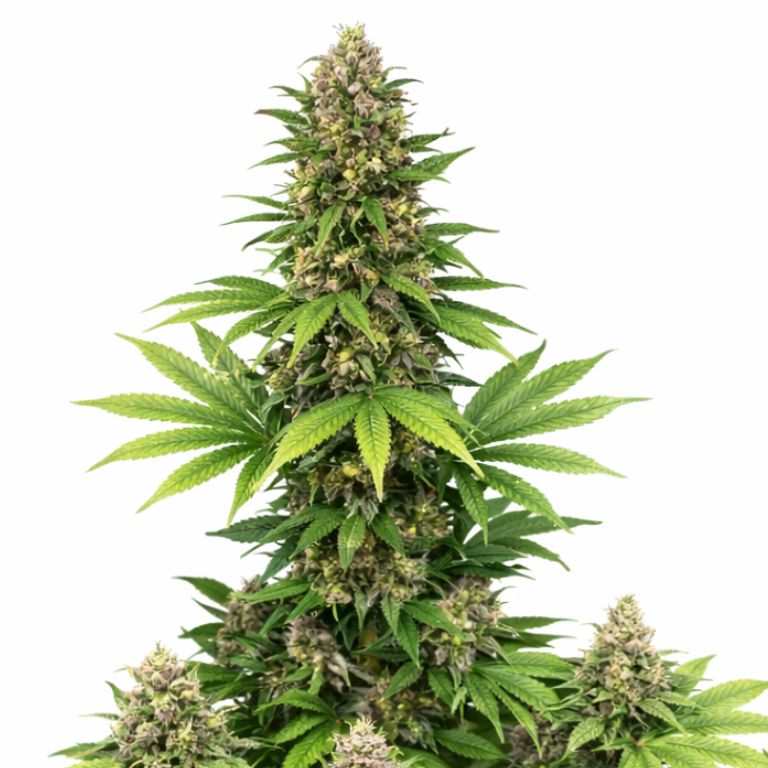
hybrid
Double Bubble Feminized
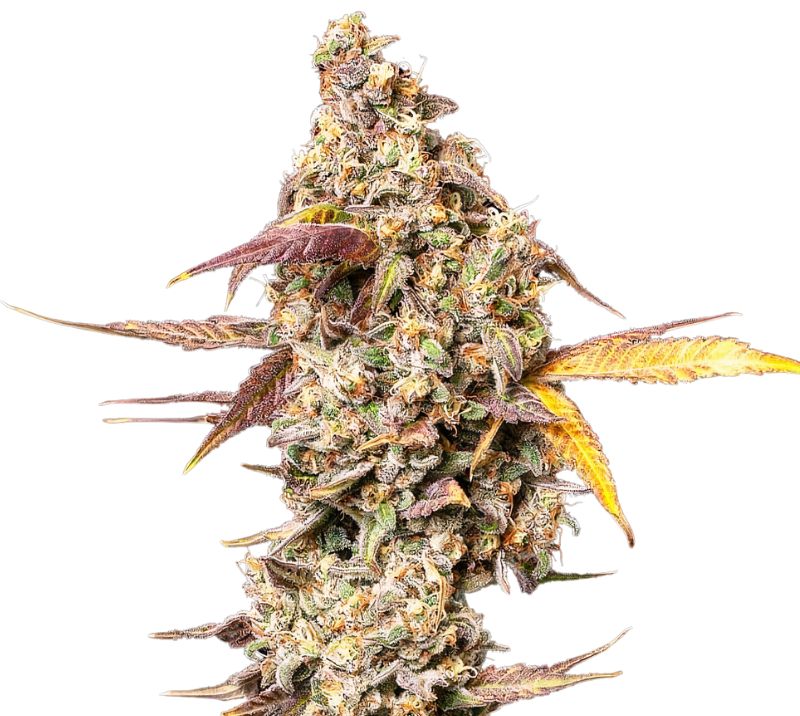
hybrid
Yoda OG Feminized
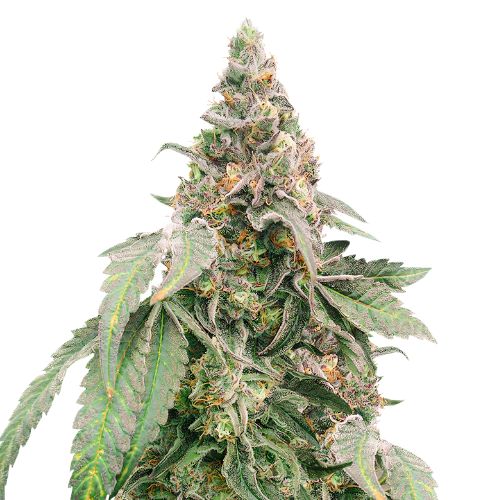
sativa
Mimosa Auto
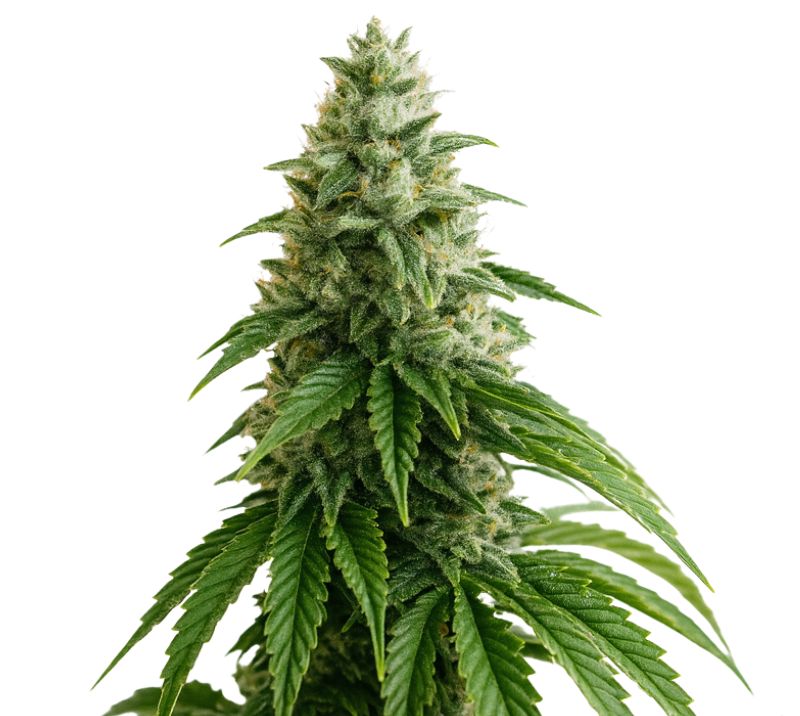
indica
A-10 Auto
Related Buying Guides
Browse the full High THC Seeds collection
Premium genetics, US-wide discreet shipping, germination guaranteed.
Ready to Start Growing?
Shop 1,600+ feminized, autoflower, and CBD strains with 95% germination, discreet US-wide shipping, and free delivery on orders over $150.
Shop Cannabis Seeds