Cannabis Pruning and Topping: Complete Training Guide
Royal King Seeds Editorial Team
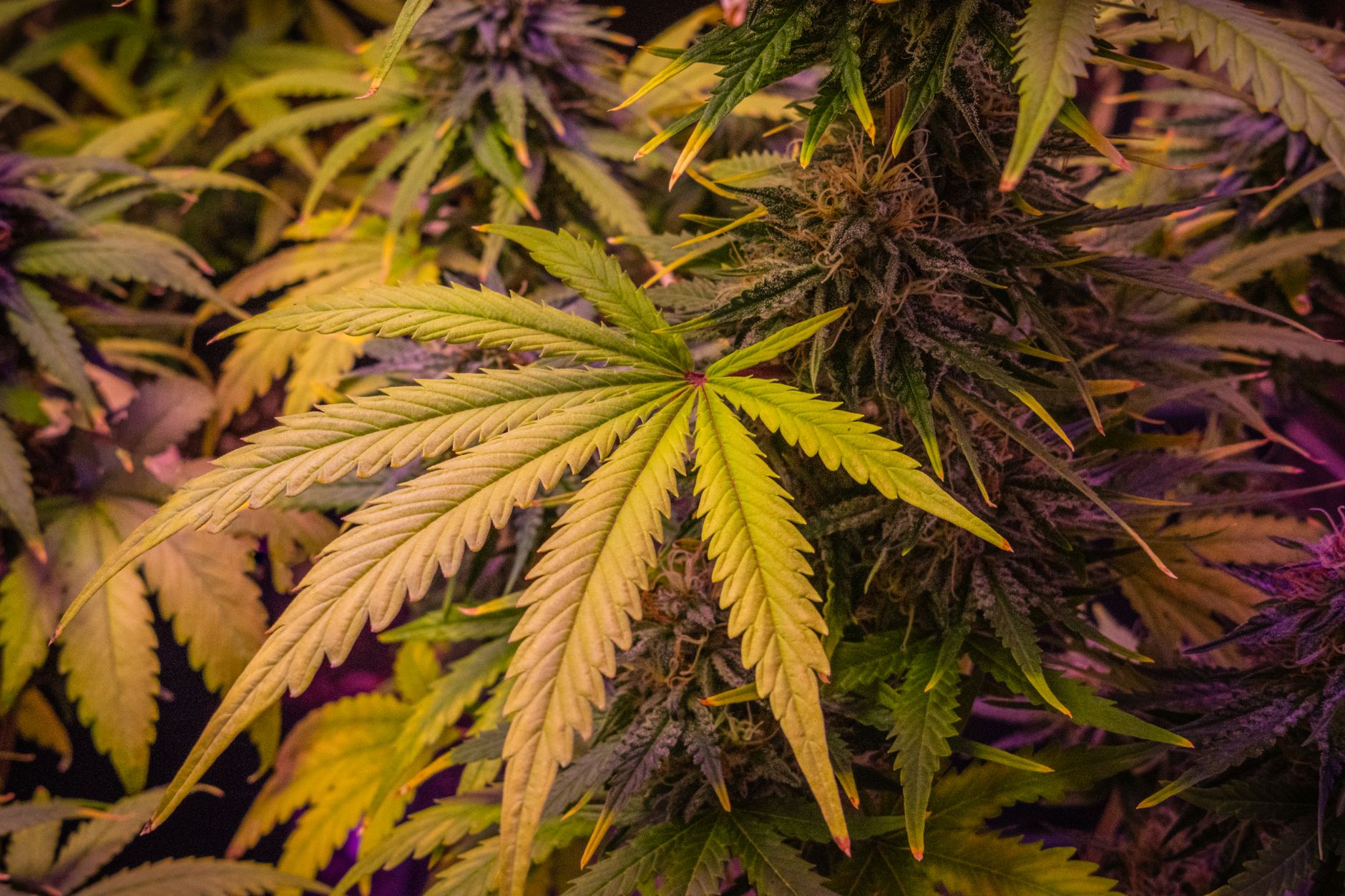
Training adds yield when it improves light distribution, and costs yield when it takes more recovery time than it gives back in growth. That single sentence decides almost every training question. A photoperiod plant that is topped early and trained flat fills a tent far more evenly than one grown as a single spire. An autoflower topped in its short fixed veg window usually ends up smaller, because the days it spends recovering are days it does not get back.
This guide covers each technique, the biology it exploits, and the timing rules that separate the two outcomes. Where numbers appear they are illustrative ranges that vary widely with genetics, environment and grower skill, not measurements taken by this company.
Jump to Section
Why Train Cannabis Plants at All?
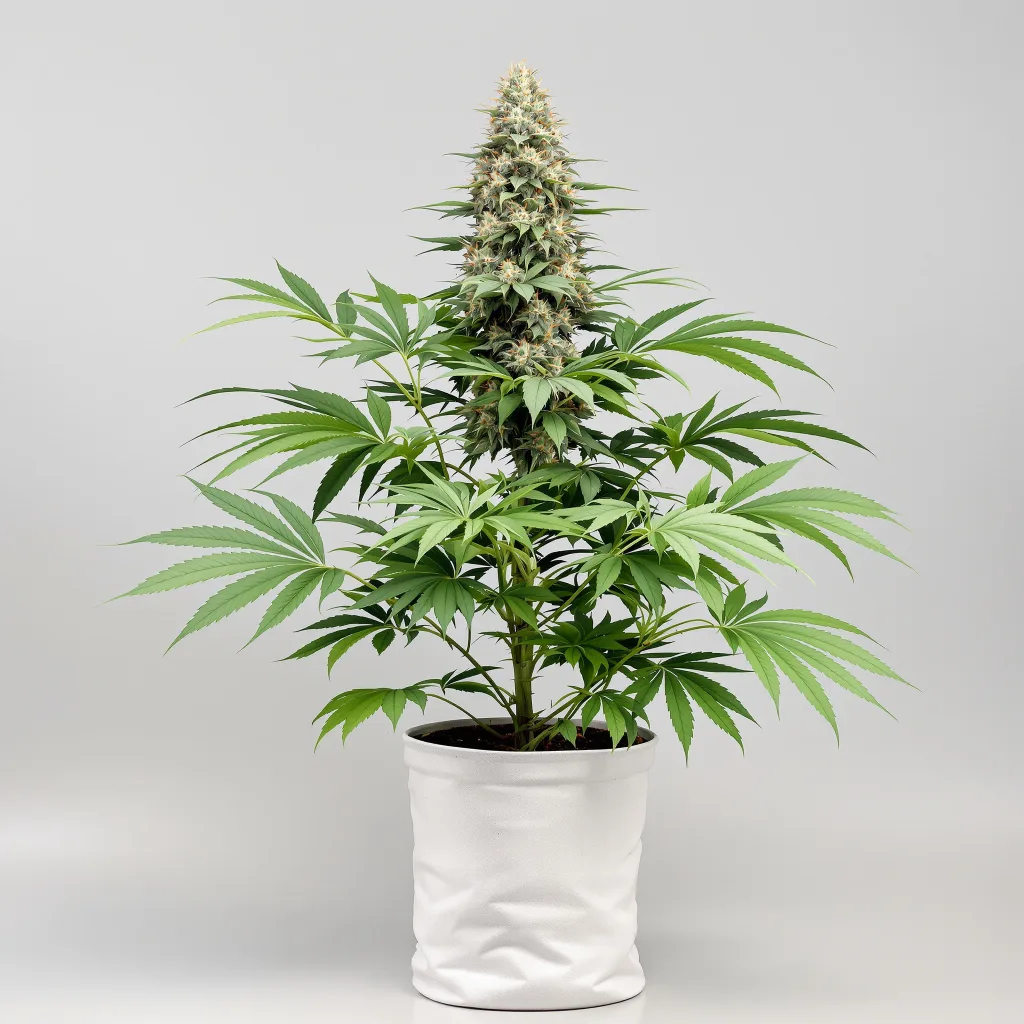
Untrained cannabis grows as a Christmas tree: one dominant central cola with progressively smaller branches below it. That architecture is efficient for a plant competing in the wild, because it puts the primary flower where the light and the wind are. It is poor architecture for a fixed rectangle of LED.
Under a single fixed light, an untrained plant puts one cola directly under the brightest part of the footprint and leaves everything else in its shadow. The lower branches get a fraction of the intensity and produce small, airy flowers, what growers call larf. Training breaks the tree shape and builds a flat, even canopy where every bud site sits at a comparable distance from the light. The result is not only more total flower, it is more uniformly dense flower across the whole plant.
Training also controls height, which matters in a tent where the stretch after the flip can put a plant into the fixture. And it lets you fill a space with fewer plants, which is relevant in states that cap plant counts.
Apical Dominance: The Biology Behind Every Technique
Every training technique targets the same mechanism. The growing tip of a cannabis plant produces auxin, a hormone that moves down the stem and suppresses the lateral buds below it. While that apex is intact, lower branches stay subordinate. Remove or redirect it and the suppression lifts, so the laterals accelerate and compete to become new apexes.
That is why topping works: taking off the dominant tip removes the dominant auxin source, and the branches at the node below become two new tips, each producing auxin of its own in smaller amounts. Ongaro and Leyser reviewed the hormonal control of shoot branching in the Journal of Experimental Botany in 2008, describing apical dominance as one of the most conserved developmental control systems in flowering plants; more recent work has added strigolactones and the sugar-demand signal to the picture. The practical point is unchanged, and it is why the same interventions work on cannabis, tomatoes and fruit trees.
The mechanism also explains why the techniques differ. Topping removes the apex outright. LST bends it below the height of the laterals so geometry does the redirection without any tissue loss. Supercropping damages the internal structure of a stem to slow flow through it. Defoliation does not touch hormonal signaling at all; it only removes shade.
Topping: The Highest-Impact High-Stress Technique
Topping means cutting the main growing tip, taking off the newest growth and the internode below it. Done at the fourth or fifth node it converts a single-apex plant into a two-topped plant. Top each of those again when they have developed enough nodes and you have four. Some growers go to eight, though returns diminish and each round adds recovery days to total veg time.
Topping Timing and Node Guide
| When to Top | What to Cut | What Happens Next |
| First top: 4th-5th node | Remove the main shoot above the 4th or 5th node, cutting above the internode and leaving two lateral branches below to become the new tops | Growth pauses for 1-3 days, then two new dominant shoots develop from the nodes below the cut. The plant stays shorter and doubles its number of leading colas. |
| Second top: when new shoots reach their 3rd node | Top each of the two dominant shoots, same technique, above the 3rd node from that shoot's base | Four dominant colas, with 3-5 days of recovery. The plant is now short, wide and multi-topped: a good screen candidate or a wide canopy for a multi-plant setup. |
| When not to top | Within 2 weeks of the flip, on any plant showing stress, on autoflowers, or when veg time is too short to recover | Topping late leaves no time to fill out the new structure before flower, so the stress is paid for without the benefit. An untrained or LST-only plant usually finishes ahead. |
How to do it well. Top at the fourth node first, then again when the secondary shoots reach their third. That produces four leading colas of nearly identical height, which is what even light penetration wants. The second top adds roughly a week of veg compared with a single top, and buys noticeably better canopy fill. Sterilize the blade with 70% isopropyl alcohol and let it dry before every cut; a fresh wound is an entry point, and unsterilized tools are a recurring cause of stem rot in grower accounts.
FIMming: Topping's Imprecise Cousin
FIMming leaves part of the growing tip in place instead of removing it cleanly. You pinch or cut roughly three quarters of the newest growth, and the result is usually three or four new growth points rather than the two a clean top gives.
The trade-off is precision. FIM sites often develop unevenly, and the new shoots do not always reach the same dominance a properly topped branch does. It is useful when you want more bud sites without giving up as much height as a clean top costs, or on a strain that reacts sharply to stress and would benefit from a gentler intervention. For most growers, topping gives more predictable results and FIMming is a supplementary technique rather than a replacement.
Low-Stress Training: Yield Without Recovery Time
LST bends branches horizontally and ties them down with soft wire, plant ties or pipe cleaners rather than cutting anything. No tissue is removed, so there is no recovery period. Done well it reaches much the same goal as topping, because the goal is the same: flatten the canopy, put every bud site at a comparable distance from the light, and stop one tip from dominating.
The technique is simple. As the plant grows, tie the main stem sideways toward the edge of the pot. The branches beneath the bent apex are suddenly the highest points in the canopy and begin to grow upward. As those rise, bend them too. Continue through veg, building an expanding ring of even-height branches. By the flip the plant should look like a flat, wide umbrella rather than a tree.
LST is the training technique that suits autoflowers, within limits. Because autos flower on age, they have a fixed development window. Bending started early, around days 10-14, and done gently, works with that window instead of eating into it. Topping does the opposite.
On photoperiods, LST pairs extremely well with topping. Top once, then train every resulting branch outward as it grows. Reduced apical dominance plus a physically equalized canopy gives the most even light distribution available short of a screen, and it is the most common approach for photoperiod plants outside SCROG setups.
SCROG: The Highest-Yield Method for a Fixed Footprint
SCROG uses a horizontal screen, typically 2-inch mesh, set 8-12 inches above the pot. Through veg you weave the growing shoots under and through the mesh, building a flat canopy that fills the screen. When roughly 70-80% of the screen is covered in green, you flip. Through the first week or two of stretch you keep tucking anything that pushes above the screen; after about week 2 of flower you stop tucking and let the bud sites climb into the light.
SCROG Setup Reference, Indoor Tent
Screen Setup
| Screen height | 8-12" above pot rim |
| Mesh size | 2" squares |
| Screen fill before flip | 70-80% green coverage |
| Plants per 4x4 | 1-2 (topped) or 4 (untrained) |
| Tuck until | Week 2 of flower only |
Illustrative Relative Yield (4x4)
| Untrained (4 plants) | baseline |
| Topped + LST (2 plants) | meaningfully above baseline |
| SCROG (1-2 plants) | highest of the three |
Relative, not measured. Actual weights depend on genetics, light, feeding and grower skill, and vary enough between runs that a single figure would be misleading. SCROG also needs a longer veg to fill the screen, which adds roughly 2-3 weeks to total time from seed to harvest.
How to do it well. SCROG rewards patience with veg time. Flipping before the screen is genuinely full is the standard mistake, because the whole advantage comes from occupying every square inch of the lit footprint rather than the middle of it. Compact, low-stretch genetics are the best candidates, since tall-stretching sativas can push a foot and a half above the screen and give the structure back. Indica-dominant strains tend to suit it; for sativa-leaning plants, topped plus LST is usually more manageable in a standard tent.
Supercropping: Height Control Through Controlled Damage
Supercropping means deliberately crushing the internal structure of a branch, pinching and bending until you feel the soft interior collapse without breaking the outer skin. The branch droops at the bend, and the plant repairs it over 24-48 hours by forming a callus knuckle. It recovers upright, often thicker at the join.
It is primarily a height-management tool: when a branch outruns the canopy or approaches the light during stretch, supercropping brings it down without losing the bud sites. It is also useful for evening out a screen when some branches run ahead. Technique matters. Pinch firmly at the point you want the bend until you feel the interior give, then lay the branch over horizontally. Stake it for a day if it will not hold position. If the outer skin cracks, wrap the wound with grafting tape to keep pathogens out.
Defoliation: Two Windows, and Not Otherwise
Defoliation means removing fan leaves to improve light penetration and airflow. It is genuinely useful at two points and genuinely harmful outside them, and it is the technique most often misapplied by growers who read that it increases yield and start stripping leaves through flower.
- Pre-flip, 3-5 days before switching to 12/12. Remove the large fan leaves shading bud sites and lower branches, so the plant enters flower with every site exposed. This is the highest-impact window.
- Week 3 of flower. A light second pass for leaves that grew during stretch and are now covering bud sites. Keep it restrained; the plant needs leaf area to build flower.
- Not in late flower. From week 5 onward the plant needs its full photosynthetic capacity for bud production. Stripping leaves at this stage removes the engine driving bulk, and it is a common cause of a smaller-than-expected finish after a well-trained veg.
The rule of thumb: remove leaves that are shading something. If a leaf is not blocking a bud site, leave it. Bare stems are a sign of over-defoliation, not optimization.
One connected point worth making, because the two windows above are also your airflow windows. Opening the canopy before the flip and again at week 3 is one of the more effective things you can do against botrytis, which establishes inside dense colas where humid air sits still. If you do find bud rot, that flower is not recoverable: moldy cannabis must not be smoked, vaped or extracted, and removing the visible portion does not establish that the rest is safe. Our guide to identifying, preventing and safely disposing of mold in cannabis covers what to do.
Autoflower Training: Different Rules
Autoflowering cannabis has a fixed vegetative window, usually three to four weeks from germination, and it starts flowering regardless of what you do. Any high-stress technique that requires recovery spends days out of that window, and those days are not recoverable. Less vegetative growth means a smaller plant entering flower, and a smaller plant entering flower means less final yield.
That is the reason to avoid topping autoflowers, and it is a structural argument rather than a measured one: the plant simply does not have spare days. Grower accounts of topped autos are mixed, with some vigorous modern genetics recovering well, but the risk sits entirely on one side and the upside is small. Unless you have run a specific strain before and know how fast it bounces back, do not top it.
What does work:
- Early LST, days 10-14. Gentle bending before flowering starts. The earlier you begin, the more time the plant has to grow into the shape you are building.
- Light pre-flower defoliation. Take out large leaves shading lower bud sites in the final days before flowering. Keep it minimal.
- LST-only canopy management throughout the auto's veg period, which delivers the light-distribution benefit with no recovery penalty at all.
Our autoflowering cannabis seeds catalog includes strain-level grow notes. As a baseline, treat autos as having no spare time until you have data on how a specific strain recovers, and prefer bending to cutting.
Myth vs Reality: What Training Guides Get Wrong
The Complete Training Protocol
A sequence for photoperiod plants indoors. Adapt it to your genetics and space; the value is in sequencing the decisions rather than improvising as the plant grows.
Cannabis Training Protocol, Photoperiod Indoor
Each step builds on the previous one. Skip steps based on goals, not impatience.
Week 2-3 veg, first top
Top at the 4th or 5th node with sterilized scissors. Expect a 1-3 day pause before the two new dominant shoots take over. Begin gentle LST on those shoots as they develop, tying them outward to widen the base of the canopy. If you are running a screen, install it now at 8-12 inches above the pot.
Week 3-4 veg, optional second top plus LST
When the two dominant shoots reach their 3rd node, top each for four leading colas. Keep training all branches outward toward a flat canopy with the tips at roughly equal height. With a screen, start weaving shoots through the mesh as they arrive at it. Feed a nitrogen-forward veg program to support the growth demand.
3-5 days before the flip, pre-flower defoliation
Remove the large fan leaves directly blocking bud sites or shading a significant part of the lower canopy. Do not strip the plant. This is the highest-impact defoliation window in the cycle, and it is also the one that sets up airflow for the rest of flower.
Flower week 1-2, stretch management
Watch height closely. Supercrop any branch outpacing the canopy or approaching the fixture. Keep tucking shoots under the screen if you are running one, then stop after week 2 and let the sites climb through the mesh. Switch to bloom nutrients.
Flower week 3, light defoliation
A targeted second pass for leaves that grew during stretch and now cover bud sites. Take out no more than 10-20% of total leaf mass, focused on mid-canopy leaves shading sites below. This is the last active training intervention; everything after it is environmental.
Flower week 4 to harvest, hands off
No defoliation, no training. The plant needs every leaf for the bulk phase. Your job is environmental: hold RH around 45-50%, keep day and night temperatures in a sensible band, and make sure air is moving through the canopy rather than over it. Check the interiors of the densest colas weekly for early bud rot.
Genetics decide how much training pays. Feminized photoperiod seeds give you full control of veg length, which is what filling a screen or developing multiple tops requires. Fast-flowering seeds shorten the flower period while keeping photoperiod control. And for a hands-off run, autoflowering seeds with early LST produce a solid result without a full training program.
Frequently Asked Questions
When is the best time to top cannabis plants?
Does topping stress cannabis plants?
Can you top autoflowering cannabis?
What is the difference between topping and FIMming?
How do I know when my SCROG screen is full enough to flip?
Should I defoliate during flowering?
My plant is too tall and approaching the light, what do I do?
Is LST better than topping for beginners?
Does training make bud rot more or less likely?
Shop Strains Featured in This Guide
Hand-picked seeds from our catalog that match this article's topic. Free shipping on eligible orders of $150 or more.
indica
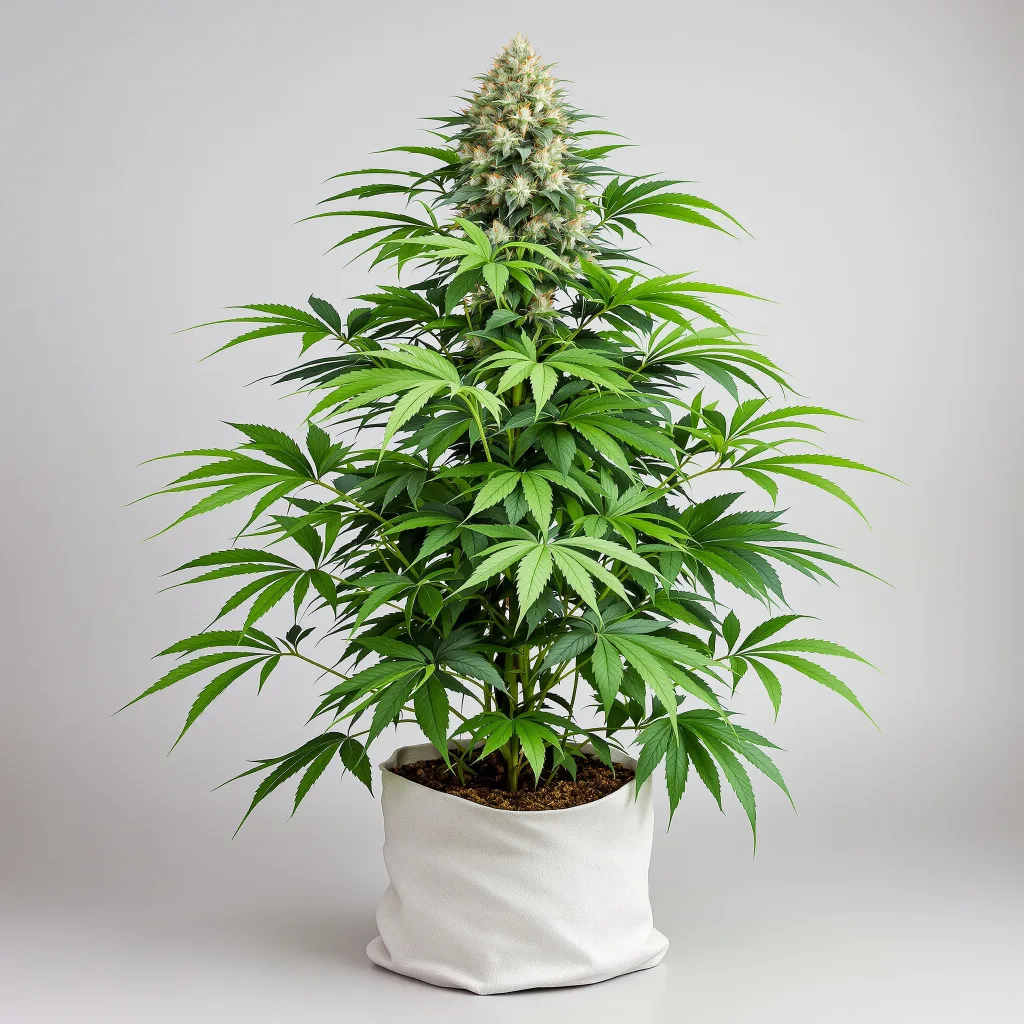
Training Day Feminized
sativa
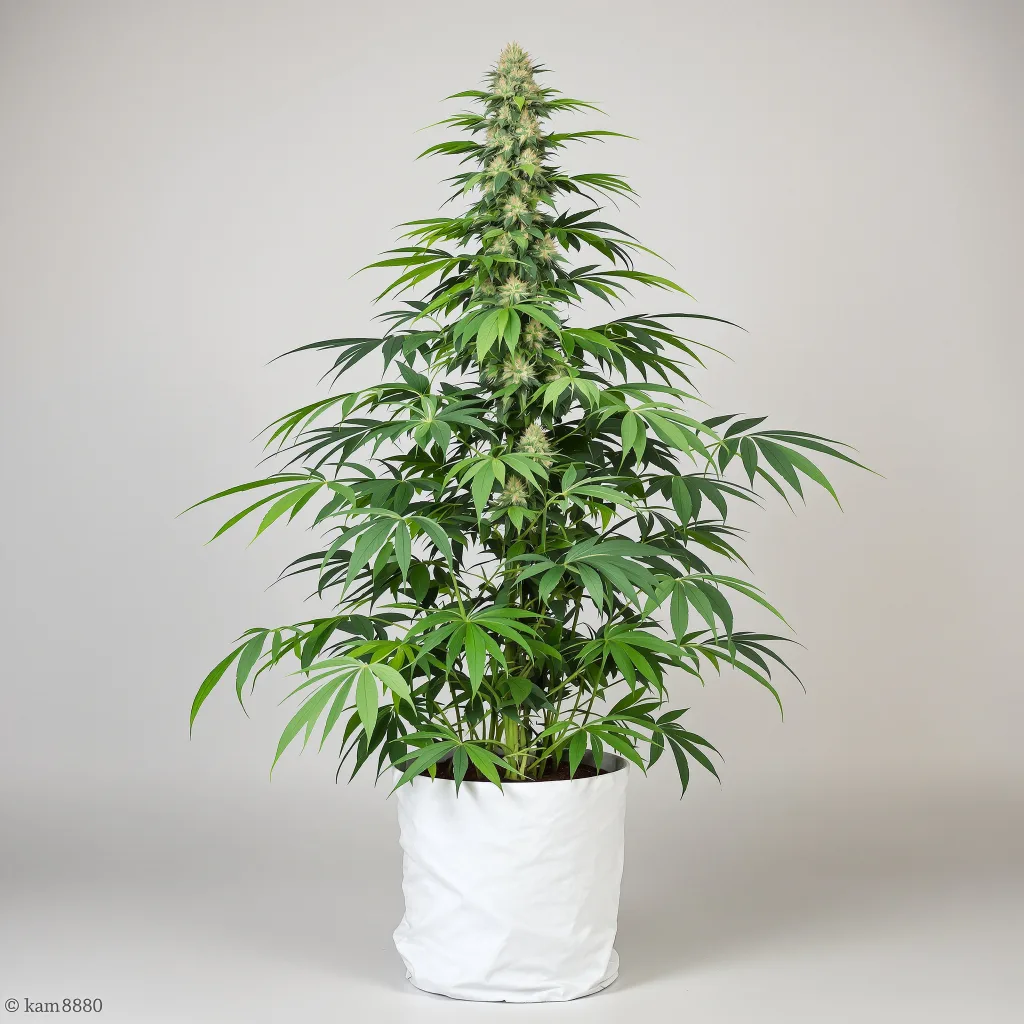
AK Auto
hybrid
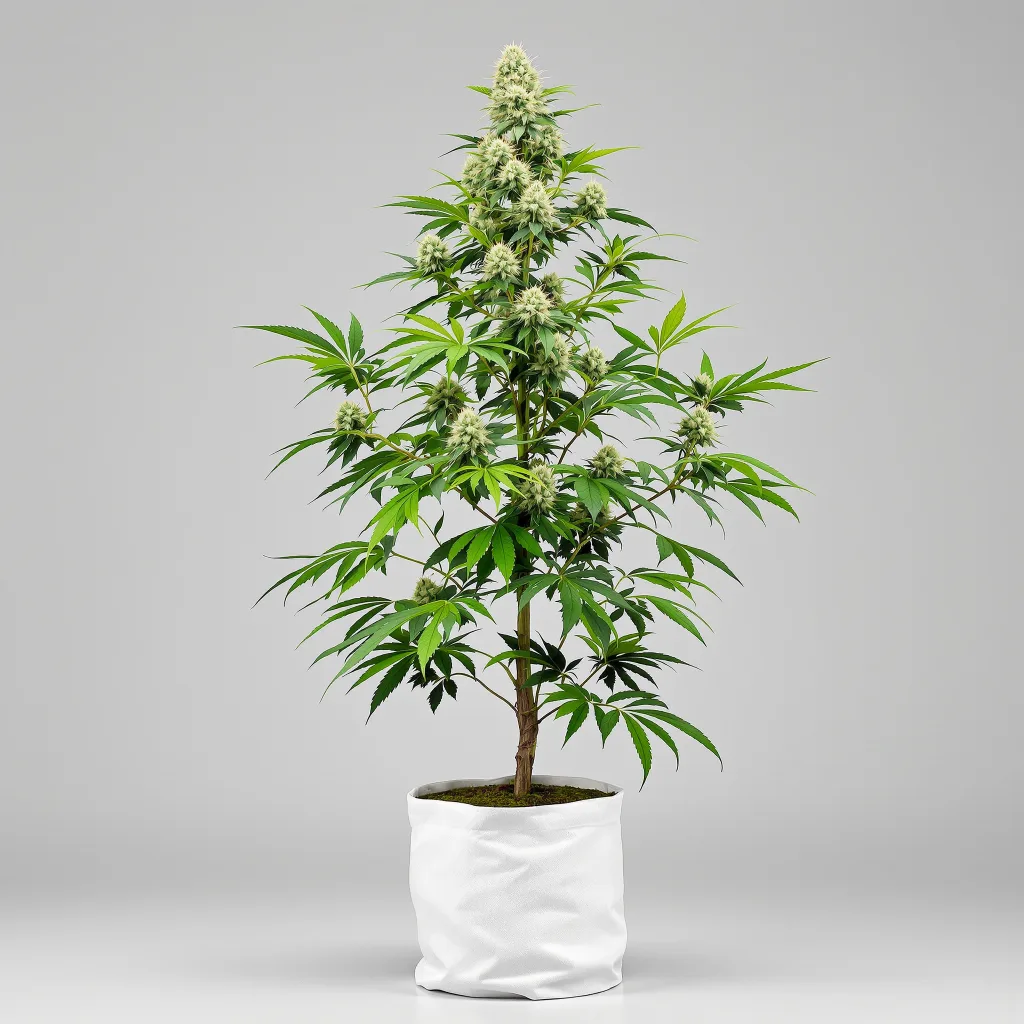
WTF Auto
indica
A-10 Auto
Strain Seeds
Browse the full All Cannabis Seeds collection
Premium genetics, shipped from within the US.
Related Articles
Best Way to Increase Yield Using Nutrition: The Complete Cannabis Feeding Strategy
support-trainEfficient Low-Stress Training for Your Cannabis
strainAfghan Big Bud Strain Review, Heavy Indica, Massive Yields
support-lightDo LED Lights Increase Yield?
pillar-vpdVPD and Humidity Control for Cannabis Grows
generalBotanical and Cannabis Buds
Ready to Start Growing?
Shop feminized, autoflower, and CBD strains with 95% germination and free delivery on eligible orders of $150 or more.
Shop Cannabis Seeds