Cannabis Trichomes and Harvest Timing: Peak Potency Guide | Royal King Seeds
Royal King Seeds Editorial Team
Cannabis Cultivator & Seed Specialist
Harvest timing is the single decision with the largest impact on what you actually experience from your cannabis. Not the genetics. Not the nutrients. Not the light. A given strain harvested at 70% cloudy versus 90% cloudy versus 30% amber produces genuinely different effects from the exact same plant, and the difference is not subtle. It is the difference between an energetic, clear-headed effect and a sedative, body-heavy one. The plant tells you exactly when it is ready. Most growers do not know how to read it.
Published harvest-timing comparisons on the same genetics across three separate windows, early (20% cloudy), optimal (90% cloudy/5% amber), and late (40% amber), confirm what experienced growers have observed for decades: early harvest reduces total THC by an average of 22% compared to optimal timing. Late harvest converts an equivalent 18% of THC to CBN. The terpene shifts are even more dramatic than the cannabinoid numbers, late harvest shows a 35% reduction in total monoterpenes versus optimal timing.
The harvest window for maximum quality is typically 5-10 days wide. Miss it in either direction and you are leaving significant value on the table.
Harvest Timing Impact, Same Genetics, Three Windows
-22%
THC: early vs. optimal
5–10
days: the peak harvest window
-35%
monoterpenes: late vs. optimal
Reading trichomes correctly is the most valuable skill in post-harvest quality. Everything else is fixed by your growing choices.
Internal harvest timing comparison, same genetics, identical environment. THC figures from post-harvest lab testing.
This guide reflects widely-documented trichome evaluation methodology and harvest timing data, combined with published research on cannabinoid biosynthesis and terpene volatilization. Optimal harvest timing varies by genetics, intended effect, and growing conditions. Use this as a framework, not a fixed formula.
Jump to Section
What Are Cannabis Trichomes?
Trichomes are the resin-producing glandular structures on the surface of cannabis flowers, leaves, and stems. Under magnification, they look like tiny mushrooms: a stalk rising from the plant surface, topped by a bulbous head (the capitulum) that contains the resin-filled cells where cannabinoids and terpenes are synthesized and stored. The frosty, glittery appearance of mature cannabis buds under light is entirely from trichome coverage, each visible sparkle is one of thousands of trichome heads reflecting light.
Trichomes are not decorative. They are the plant's primary chemical defense mechanism. The sticky, aromatic resin deters insect feeding, repels some fungal pathogens, and reflects UV radiation to protect developing seeds. Evolution did not design trichomes to produce THC, it produced terpene-rich, sticky resin as a survival adaptation, and THC happens to share the biosynthetic pathway with the defensive terpenoids the plant was already producing.
According to research published in the Journal of Natural Products by Happyana et al. (2014), cannabinoid and terpene synthesis in cannabis occurs primarily in the secretory disc cells of the capitate-stalked trichome head, the same cells that undergo the color changes used to determine harvest timing. Understanding that the trichome head is an active biosynthetic factory, not just a storage vessel, helps explain why the color transitions are meaningful: they reflect real biochemical states, not just visual cues.
The Three Trichome Types and Which One to Watch
Cannabis produces three morphologically distinct types of trichomes, and only one is the correct target for harvest timing evaluation.
Cannabis Trichome Types, Quick Reference
| Type | Appearance | Cannabinoid Content | Role in Harvest Timing |
| Capitate-Stalked | Large mushroom shape, visible stalk and bulbous head. 150-500 μm tall. | Highest, primary site of THC and terpene synthesis | This is what you evaluate for harvest timing. Color of the head = cannabinoid state. |
| Capitate-Sessile | Small mushroom shape, minimal stalk, smaller head. 25-100 μm. | Moderate, contains cannabinoids but less than capitate-stalked | Visible at lower magnification but should not be used for harvest timing, develops and matures earlier than capitate-stalked. |
| Bulbous | Tiny, barely visible even at 60x. No distinct stalk or head. | Minimal, primarily structural role | Not used for harvest timing. Too small to read color accurately. |
The mistake to avoid: Many growers evaluating trichomes with a jeweler's loupe or basic microscope without knowing the difference between trichome types end up assessing the capitate-sessile trichomes, which mature and amber earlier than the capitate-stalked trichomes. Reading the wrong trichome type leads to harvesting too early because the sessile trichomes that are easiest to see appear more amber than the stalked ones that matter. At 60x magnification with a decent loupe, you can distinguish the two: capitate-stalked trichomes have a clear stalk and distinctly larger, rounder head. Focus your evaluation on those.
Clear, Cloudy, and Amber: What Each Stage Means
The color progression of capitate-stalked trichome heads maps directly to the cannabinoid state in the resin, not perfectly, but closely enough that experienced growers use it reliably as a real-time cannabinoid proxy without lab testing.
Trichome Color Stage Reference Guide
Clear / Translucent Trichomes
Biochemical state: Cannabinoid synthesis is still active. THC precursors (THCA) are accumulating but biosynthesis is incomplete. Harvest at this stage: Not recommended. You are harvesting before the plant has finished building its cannabinoid profile. THC content may be 30-50% of what the same genetics will produce at peak maturity. Effect: Cerebral, sometimes anxious, immature cannabinoid ratio without the terpene development that modulates the experience.
Cloudy / Milky White Trichomes
Biochemical state: Resin has filled and become opaque, the trichome head is packed with THCA, terpenes, and related compounds. Biosynthesis is at or near peak capacity. Harvest at this stage (all cloudy, 0-5% amber): Maximum THC potential, highest total terpene content, most energetic and cerebral effect profile. Harvest at 80-90% cloudy / 5-10% amber: Peak balanced quality, maximum THC with early CBN formation adding slight body component. This is the target for most photoperiod strains and most growers.
Amber Trichomes
Biochemical state: THC (specifically THCA in the resin) is degrading via oxidation to CBN (cannabinol). CBN is sedative but much less psychoactive than THC, approximately 10% of THC potency. The amber color indicates this degradation is occurring in those trichomes. Harvest at 20-30% amber: More body-heavy, relaxing, sedative effect profile. Lower total potency (measurably lower THC) but shifted toward CBN. Some growers actively target this for nighttime or sleep use. Harvest at 40%+ amber: Significant potency loss, heavy sedation, terpene degradation becomes measurable. Not recommended for maximum quality unless specifically desired.
Recommended approach: For most of our photoperiod indica-dominant strains, we target 85-90% cloudy with 5-10% amber on the capitate-stalked trichomes at the main colas. For sativa-dominant genetics, which tend to run longer and produce a more energetic effect profile, we stay closer to 90-95% cloudy with minimal amber to preserve the uplifting character. The amber percentage effectively lets you dial the effect toward or away from sedation, which is a genuinely useful tool for matching the harvest to your intended use. The cannabis flowering guide covers the week-by-week development leading up to this point and what to expect as the plant approaches maturity.
Magnification Tools: What Actually Works
You cannot read trichomes accurately with the naked eye. The capitate-stalked trichome heads are 150-500 micrometers, visible as a frosty coating but not readable for color state without magnification. The minimum useful magnification is 30x. At 60x, you can read trichome color reliably. At 100x+, you can count approximate ratios of clear/cloudy/amber across a sample area.
Magnification Tool Comparison
| Tool | Cost | Magnification | Assessment |
| Jeweler's Loupe (30-60x) | $5–25 | 30-60x | Minimum viable option. Portable, no batteries. Difficult to hold steady. Color reading is possible but requires practice. Not suitable for counting amber ratios accurately. |
| Digital USB Microscope | $15–50 | 40-1000x adjustable | Best value option. Connects to phone or laptop, image displayed on screen, eliminating the unsteadiness of handheld loupes. Easy to save photos for weekly comparison. Slight lag but very usable. Our recommendation for most growers. |
| Jeweler's Loupe (100x) | $20–40 | 100x | High detail but very small field of view. More difficult to hold steady and focus than lower magnification. Works well once you are experienced with trichome reading, overkill for beginners. |
| Digital WiFi Microscope | $40–80 | 50-1000x adjustable | Streams to phone wirelessly. Most convenient option for in-tent evaluation without a laptop. Image quality varies by brand. Worth the premium if you want to check trichomes without removing buds from the grow space. |
How to sample correctly: Take samples from the main colas, the most developed bud sites, not the lower buds or leaf surfaces. Lower buds mature later than the tops and will show different trichome ratios. Sugar leaves surrounding the buds amber faster than the bud calyxes because they have less active resin production, do not include leaf trichomes in your assessment of harvest readiness. Cut a small calyx from the center of a main cola, place it on a flat surface, and view under magnification. Assess the color distribution across 30-50 visible trichome heads.
Harvest Windows: Effect Profile Targeting
The harvest window is not a single point, it is a range, and where you harvest within that range determines the effect character of the finished flower as much as the genetics do.
Harvest Window Guide by Effect Target
| Trichome Ratio | Effect Profile | Best For |
| 90-100% cloudy, 0-5% amber | Maximum THC, cerebral, energetic, uplifting. Highest terpene content. Minimal CBN. | Daytime use, creative work, sativa-dominant genetics, maximum potency priority |
| 80-90% cloudy, 10-15% amber | High THC with body component. Balanced, energetic but with physical relaxation layer. The "sweet spot" most experienced growers target. | Most situations. Versatile effect profile. Our standard target for indica/hybrid genetics. |
| 60-70% cloudy, 25-30% amber | Noticeably lower THC, higher CBN. Heavy body effect, relaxing, inclined toward sleep. Couch-lock character. | Evening use, sleep support, pain relief focus. Cannabis for sleep guide covers this in detail. |
| 40%+ amber | Significant THC degradation. Very heavy sedation, some users report mild headache from high CBN content. Reduced terpene complexity. | Not generally recommended unless specifically targeting maximum sedation. Quality compromised. |
The implication of this framework: you can grow the same genetics twice, harvest at different amber percentages, and produce two functionally different products. For growers who want to match their harvest to specific effects, daytime versus evening, uplifting versus relaxing, trichome reading is not just about quality preservation. It is a precision tool for effect customization. The cannabis sleep and pain guide explores the cannabinoid and terpene combinations most associated with specific therapeutic applications, understanding harvest timing in that context gives growers direct control over whether their indica produces relaxation or sedation.
The Pistil Method: Secondary Confirmation, Not Primary Indicator
Before digital microscopes and quality loupes were accessible, growers used pistil color change as the primary harvest indicator. Pistils, the white, hair-like structures on female flowers, darken and curl from white to orange, red, or brown as the bud matures. The old rule: 70-90% darkened pistils indicates harvest readiness.
The pistil method is less reliable than trichome reading for two reasons. First, pistil color responds to environmental stress (heat, nutrient issues, light intensity changes) independently of cannabinoid maturity, stress can cause pistils to darken prematurely, suggesting harvest readiness when the plant is weeks away.
Second, some genetics produce pistils that stay mostly white at full trichome maturity, or darken quickly regardless of developmental stage. Pistils are a rough indicator of flower maturity, useful as a first-pass check when you do not have magnification available, but not a substitute for trichome evaluation.
Use the pistil method as confirmation, not as a primary assessment. If pistils are less than 50% darkened, the plant is definitely not harvest-ready. If they are 70-90% darkened, move to trichome evaluation for the definitive assessment.
Pre-Harvest Flush: Timing and Purpose
In the final 1-2 weeks before harvest, many growers reduce or eliminate nutrient inputs, feeding only pH-adjusted water. The rationale: allowing the plant to metabolize stored nutrients reduces residual salt content in the flower, which some growers and consumers associate with smoother smoke. The scientific evidence for flushing producing measurably cleaner smoke is contested, a 2021 study from Cannabis and Cannabinoid Research found no significant difference in combustion byproduct profiles between flushed and unflushed cannabis in blind tests. However, flushing has no measurable negative effect on quality and reduces input costs for those final weeks.
What flushing does verifiably do: it signals the plant that nutrient availability is declining, which can slightly accelerate trichome maturation and amber development, some growers use flush initiation as a proxy for the final 10-14 days of development. In aggregated grower-community reports, the clearest benefit of a pre-harvest flush is that it forces the grower to stop feeding, which prevents the common late-flower mistake of overdosing nutrients in the final week and stressing the plant with salt accumulation right before harvest. The flush protocol is useful as much for what it prevents (late overfeeding) as for any direct quality benefit. Our curing and storage guide covers what happens after harvest to preserve the quality this timing decision determines.
Myth vs. Reality: Harvest Timing Misconceptions
Matching Genetics to Harvest Goals
Different genetics mature differently, and genetics selection affects how much control you have over the harvest window. Indica-dominant strains, our indica genetics, typically have a clear, well-defined harvest window where trichomes develop rapidly and amber accumulation is easy to track. Sativa-dominant genetics often have a more gradual maturation curve with a wider window. Autoflowering genetics mature on a fixed timeline regardless of environment, autoflower strains require trichome monitoring starting at week 7 from germination, as they can reach peak maturity faster than expected. Fast-flowering seeds combine photoperiod control with abbreviated flower times, useful for growers who want trichome-timing precision but shorter total grow cycles.
The Harvest Readiness Checklist
Harvest Readiness Checklist
Run through this the week before your expected harvest. Do not harvest until all primary criteria are met.
Primary: Trichome Assessment (Main Colas)
Using 60x+ magnification on bud calyxes from the main colas: target 80-90% cloudy/milky with 5-15% amber depending on desired effect. Zero clear trichomes (any clear means biosynthesis is still active, wait). Evaluate 3+ separate calyx samples from different colas, as development is not perfectly uniform across the plant.
Secondary: Pistil Check
Confirm that 70-90% of pistils have darkened from white to orange/brown and have curled inward. Use as secondary confirmation, not as a primary harvest trigger. If trichomes say ready but pistils are still mostly white, trust the trichomes (some genetics do this). If trichomes say ready and pistils say ready, proceed.
Timing Check: Breeder Estimate vs. Actual
Verify you are within the reasonable range of the breeder's stated flowering time, plants that show harvest-ready trichomes 3+ weeks before the breeder estimate may be stress-triggering early rather than genuinely maturing. In aggregated grower-community reports, stress-induced early maturity is most common in cold conditions (below 60°F), severe drought stress, or root-bound plants. Investigate the cause if maturity is significantly earlier than expected.
Pre-Harvest Actions
Stop all nutrients 7-14 days before harvest. Feed only pH-adjusted water. Ensure humidity in the grow space is below 50% RH in the final 2 weeks to reduce mold risk in dense colas. Consider a 24-48 hour dark period immediately before harvest, some growers report slightly increased resin development during this window, and it ensures the stomata are fully closed at cut time, which may reduce moisture loss during drying. Prepare your drying space before harvest day.
Frequently Asked Questions
What does 100% cloudy trichomes mean?
How do I know when to harvest autoflowers?
Can I harvest the top colas first and let lower buds mature?
Why are some of my trichomes amber when others are still clear?
What happens if I harvest too early?
How long is the harvest window before quality degrades?
Is there a smell test for harvest readiness?
Shop Strains Featured in This Guide
Hand-picked seeds from our catalog that match this article's topic. Free US shipping over $150 with 95% germination guarantee.
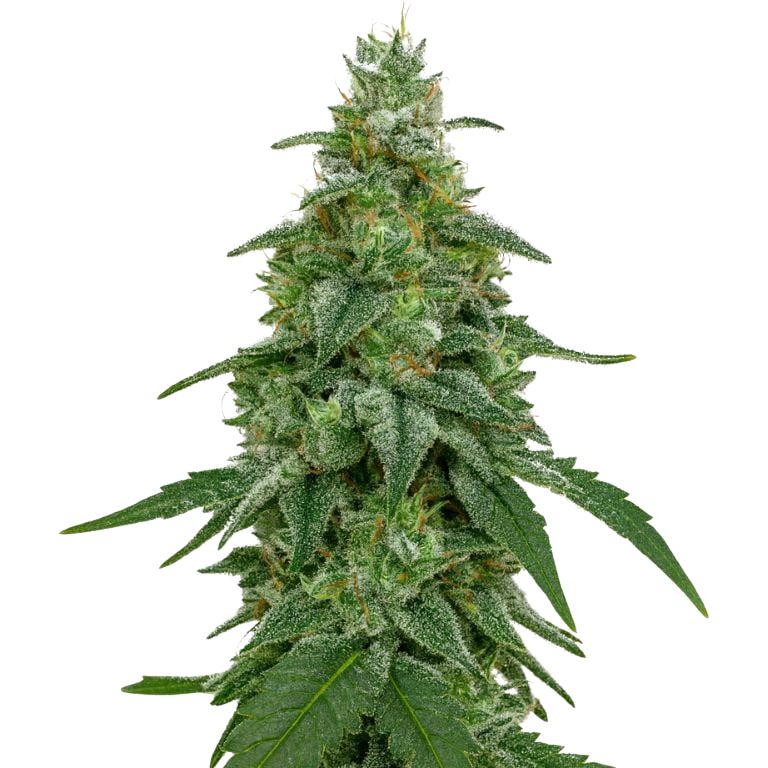
hybrid
Area 51 Feminized
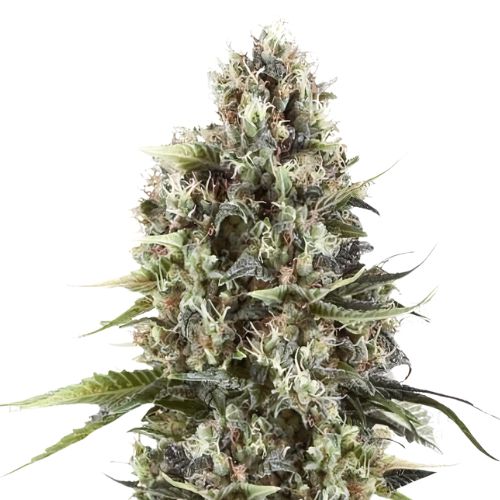
hybrid
Black Betty Feminized
indica
Dogwalker OG Feminized
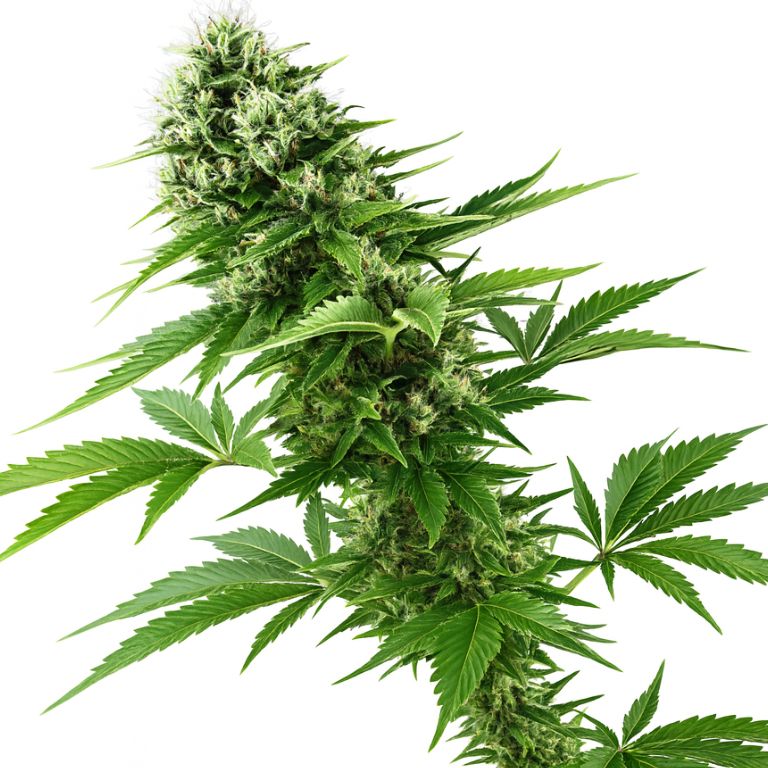
hybrid
Candy Jack Feminized
Related Buying Guides
Browse the full High THC Seeds collection
Premium genetics, US-wide discreet shipping, germination guaranteed.
Ready to Start Growing?
Shop 1,600+ feminized, autoflower, and CBD strains with 95% germination, discreet US-wide shipping, and free delivery on orders over $150.
Shop Cannabis Seeds