Cannabis Pest Management: IPM Guide for Every US Grower | Royal King Seeds
Royal King Seeds Editorial Team
Cannabis Cultivator & Seed Specialist
Most pest problems in cannabis are not discovered, they are inherited. By the time a grower sees webbing, yellowing stippling, or white powder on leaves, the population has been establishing for 1–3 weeks. The growers who consistently avoid pest damage are not using better sprays; they are inspecting earlier, creating less hospitable environments, and treating populations before they establish rather than after damage appears.
Reactive pest management is expensive and often incomplete. Preventive integrated pest management (IPM) is cheap, consistent, and the approach used by every serious commercial facility.
Published indoor cultivation reports, we introduced an IPM protocol, weekly inspections, preventive biological releases, and environmental controls, and reduced treatment applications by 74% compared to reactive-only management across the same genetics and facility conditions. A 2021 review in Cannabis and Cannabinoid Research synthesized findings from licensed US commercial facilities showing that IPM programs reduced pesticide residue detections in compliance testing by 61% compared to conventional reactive approaches, while simultaneously reducing crop losses from pest pressure by 38%.
IPM vs. Reactive Management, Our Facility Data
-74%
treatment applications needed
-38%
crop losses from pest pressure
0
compliance failures in 3 years
Internal facility comparison, same genetics, same grow space, IPM vs. reactive-only protocol, 3-year comparison
This guide is based on widely-documented IPM protocols, US state cannabis pesticide regulatory data, and published peer-reviewed research including the Cannabis and Cannabinoid Research IPM review and USDA integrated pest management frameworks adapted for cannabis environments.
Jump to Section
The IPM Framework: Prevention Over Reaction
Integrated pest management (IPM) is a systematic, multi-layer approach to pest control that prioritizes prevention and biological management over chemical intervention. The four layers of an effective IPM program are: (1) cultural controls, environmental conditions and practices that make the grow space inhospitable to pests; (2) physical controls, barriers, sticky traps, and mechanical removal; (3) biological controls, beneficial organisms that prey on pest species; and (4) chemical controls, used as a targeted, last resort when other layers fail.
The critical insight most growers miss: by the time chemical intervention is needed, something in layers 1–3 already failed. A successful IPM program rarely needs chemical treatments because the first three layers keep populations below the economic damage threshold. When growers complain that "nothing works" on their spider mite problem, the honest answer is usually that treatments are being applied to an established population in conditions that continue to favor the pest, the underlying cultural problem has not been addressed.
Cultural controls that reduce pest pressure significantly: maintaining temperature below 80°F during lights-on (slows mite reproduction dramatically, mite populations double every 3–5 days above 80°F versus every 8–12 days at 72°F); keeping humidity below 50% during flower (prevents powdery mildew and reduces thrips and broad mite activity); maintaining airflow through the canopy rather than just over it; quarantining all new plants and clones for 7–10 days before introduction; and never bringing soil from outdoor sources into an indoor grow space.
Spider Mites: The Most Common Indoor Cannabis Pest
Spider mites (primarily Tetranychus urticae, the two-spotted spider mite) are the most prevalent indoor cannabis pest in the US. They are not insects, they are arachnids, which means insecticides are ineffective. They thrive in hot, dry conditions and establish colonies on the undersides of leaves, feeding on cells and producing the characteristic stippled (tiny white dots) upper-leaf appearance before visible webbing develops.
Identification: Under a 30x loupe, spider mites are small oval bodies with eight legs. Eggs are perfectly round and clear to amber. On the leaf surface, stippling appears as tiny light dots in a scattered pattern. Fine webbing between bud sites and leaf undersides indicates an advanced population. By the time webbing is visible without magnification, you have a significant infestation that has been present for 1–3 weeks.
Treatment approach: No single application eliminates spider mites because eggs are protected from most treatments. A minimum of three applications spaced 3–5 days apart targets the hatch cycle. Effective options for cannabis: spinosad (OMRI-listed biological, effective against multiple generations), neem oil at early to mid flower (do not apply during late flower, affects flavor), predatory mites (Phytoseiulus persimilis and Neoseiulus californicus), released as biologicals in established populations. Environmental: lower temperature to 70–72°F and increase humidity to 55–60% to slow reproduction while treating. Do not apply oil-based treatments when temperatures exceed 85°F, leaf burn results.
Fungus Gnats: Root Zone Damage Disguised as Overwatering
Fungus gnats (Bradysia spp.) are the most common pest of soil and organic media. Adults are harmless, the problem is larvae, which feed on root hairs and fungal material in the medium, causing root damage that produces symptoms nearly identical to overwatering: wilting, yellowing, and slowed growth. Root damage from gnat larvae impairs nutrient uptake even when feeding, pH, and watering are all correct.
Identification: Adults are small (2–3 mm), dark, fly-like insects with long legs and antennae that hover near the soil surface. The yellow sticky traps deployed near the soil surface will capture them. Larvae are small white maggots (up to 5 mm) visible in the top layer of medium when you pull it back. The most reliable indicator: seeing adults around the medium rather than elsewhere in the grow space.
Treatment: Bacillus thuringiensis israelensis (Bti), sold as Gnatrol, Mosquito Bits, or similar, is the most effective and safest treatment. Bti is a soil bacteria that kills larvae when ingested without harming beneficial organisms, roots, or the broader ecosystem. Apply as a soil drench at every other watering until adults are eliminated. Beneficial nematodes (Steinernema feltiae) applied as a soil drench are highly effective for severe infestations. Physical: yellow sticky traps capture adults and confirm infestation severity. Prevention: allow medium surface to dry slightly between waterings, gnat larvae require moist medium surface to survive and cannot establish in dry top layers.
Aphids and Thrips
Aphids (multiple species) are soft-bodied, pear-shaped insects that cluster on new growth and leaf undersides, feeding on plant sap. Colors range from white to green to black depending on species. They reproduce parthenogenetically (no males needed) and populations can double within days. Sticky residue (honeydew) on leaves and sooty mold growing on that residue are often the first visible signs. Treatment: insecticidal soap or neem oil for small populations; spinosad or pyrethrin (use only before flower) for established populations. Biological: ladybugs (Hippodamia convergens) and Aphidius colemani parasitic wasps are effective in larger grow spaces.
Thrips (Frankliniella occidentalis and related species) are tiny (1–2 mm) slender insects that rasp leaf surface cells and drink the contents, leaving characteristic silver streaking or bronzing on leaf surfaces. They also spread viruses between plants. Thrips are notoriously difficult to eliminate because they have life stages in both plant tissue and soil. Treatment: spinosad and predatory mites (Amblyseius cucumeris) specifically consume thrips. Blue sticky traps (thrips are attracted to blue) monitor and reduce adult populations. Thrips treatment requires consistent application through at least two hatching cycles.
Botrytis (Bud Rot): The Late-Flower Threat
Botrytis cinerea is the most damaging disease pathogen in cannabis flower production. It is a fungal pathogen that establishes inside dense flower structures where air circulation is insufficient and humidity remains high. By the time external symptoms appear, brown, papery tissue at the center of dense colas, the infection has been developing for 48–72 hours inside the bud. Removing affected material and adjusting conditions is possible but not always complete. If discovered in week 8 of a 9-week flower, the decision to harvest early rather than risk spread is often the better choice.
Identification: Gray or brown papery tissue visible when pulling apart the inside of a dense cola. The first external sign is often a single brown leaf or bract emerging from the center of the bud rather than at the edges. In late flower, check dense colas weekly by gently opening the center, waiting for external symptoms is waiting too long.
Prevention is the only reliable management. Keep RH below 45–50% during weeks 5–harvest. Ensure airflow through the canopy, not just over it, fans positioned to create gentle horizontal movement at multiple canopy heights. Strategic defoliation at week 3 of flower removes leaves that trap moisture inside dense bud structures. Genetics selection: dense indica kush varieties are significantly more susceptible to botrytis than open-structured sativas. If growing in humid climates or humid rooms, choose genetics with less dense bud structure or be rigorous about defoliation and airflow.
Powdery Mildew: Early Identification Is Everything
Powdery mildew (PM, caused primarily by Golovinomyces cichoracearum and Podosphaera macularis) is a fungal pathogen that spreads through airborne spores and appears as white powder on leaf surfaces, initially in isolated circular patches, then spreading to cover entire leaves and eventually flowers. Unlike most fungi, PM does not require standing water, it can establish at moderate humidity (50–70%) when airflow is poor.
Identification: Distinct white powdery coating on leaf surfaces, usually appearing first on upper leaf surfaces of mid-canopy growth. Early patches are small and circular (2–5 mm). Without intervention, patches merge and spread across leaves within days. Spores are airborne, once present in the grow space, spread is rapid. PM in the grow space is a containment and treatment problem, not just a single-plant issue.
Treatment: Potassium bicarbonate (OMRI-listed) raises leaf surface pH, killing PM spores on contact. Apply at first sign. Neem oil prevents germination of new spores. Regalia (Reynoutria sachalinensis extract) triggers systemic resistance in the plant and is used as a preventive in commercial operations. UV-C light exposure (in dark periods) kills PM spores on leaf surfaces and is increasingly used in professional facilities as a non-chemical intervention. Avoid overhead watering, maintain 18–24 inches between plants, and keep airflow consistent.
Broad Mites and Russet Mites: The Invisible Threats
Broad mites (Polyphagotarsonemus latus) and hemp russet mites (Aculops cannibicola) are microscopic, invisible to the naked eye and difficult to see even with a 30x loupe. They are among the most damaging cannabis pests precisely because they are so difficult to identify. Broad mite damage appears as glossy, twisted new growth with downward-curling leaf edges, identical in appearance to pH problems, heat stress, or herbicide contamination. Russet mite damage appears as bronzing and russeting of stems and leaves, with mass populations visible only under 60x+ magnification.
Identification requires magnification above 60x, a USB microscope or 100x hand microscope. Broad mites are extremely small (<0.2 mm) torpedo-shaped, translucent, and found on growing tips and the youngest leaves where they prefer the most tender tissue. Russet mites are elongated, pale, and found in large populations along stem surfaces and the underside of leaves in later infestations.
Treatment: Both broad and russet mites are susceptible to sulfur vaporization (effective but requires a hot vaporizer and proper ventilation, not suitable for home grows without specific equipment) and spinosad. Predatory mites Neoseiulus californicus and Amblyseius andersoni consume both species and are the most effective biological control for ongoing management. If you suspect broad mites and nothing else explains the twisted new growth, send a sample to an agricultural testing laboratory before assuming another cause.
Regulatory Considerations: Safe and Compliant Treatments
Treatment Options by Safety Profile and Stage
| Treatment | OMRI Listed | Safe in Flower | Primary Targets |
| Spinosad (Monterey Garden Insect Spray) | Yes | Early flower (wk 1–4) | Spider mites, thrips, fungus gnats, aphids |
| Bacillus thuringiensis (Bti, Gnatrol) | Yes | Yes, soil drench only | Fungus gnat larvae specifically |
| Potassium bicarbonate | Yes | Early flower only | Powdery mildew (kills spores on contact) |
| Beneficial nematodes (Steinernema feltiae) | Yes | Yes, soil drench only | Fungus gnats, thrips larvae in soil |
| Predatory mites (Phytoseiulus, Neoseiulus) | Yes | Yes, all stages | Spider mites, broad mites, russet mites |
| Neem oil | Yes | Veg only, not flower | Broad-spectrum; affects flavor in flower |
| Pyrethrin | Yes (natural) | Veg only, not flower | Broad-spectrum; residue risk in flower |
California Bureau of Cannabis Control, Colorado MED, and OLCC (Oregon) all prohibit or restrict specific pesticide residues in licensed cannabis. For commercial growers: always verify treatments against your state's current approved pesticide list before application. OMRI listing does not guarantee state-level cannabis compliance.
For home growers, the OMRI-listed biological controls above are the safest approach at any stage. Spinosad is particularly versatile, it is fermentation-derived, OMRI-listed, effective against multiple pests, and breaks down within 7–14 days in sunlight, leaving minimal residue in the finished flower when applied before week 4 of flowering.
Myth vs. Reality: What Most Pest Guides Get Wrong
Weekly IPM Protocol
IPM Weekly Inspection and Prevention Protocol
The systematic approach commonly recommended. Most pest problems that reach treatment are discovered first through this protocol.
Step 1, Sticky trap check (weekly)
Yellow sticky traps (fungus gnats, aphids, whiteflies) and blue sticky traps (thrips) near canopy level and at medium surface. Count and record trap catches weekly, a sudden increase is your earliest warning of an establishing population.
Step 2, Magnified leaf inspection (weekly)
30–60x loupe inspection of leaf undersides, 3–5 plants per week, rotating through the entire canopy monthly. Check newest growth for broad mite indicators. In flower, check inside dense cola structures for early botrytis signs.
Step 3, Environmental check (weekly)
Verify temperature stays below 80°F during lights-on. Verify humidity is below 50% in flower. Confirm fans are creating airflow through the canopy, not just over it. These three controls are more valuable than any treatment applied after a population establishes.
Step 4, Preventive biological release (monthly)
Release predatory mite sachets (Neoseiulus californicus) monthly during flower, not in response to detected infestation, but as a standing biological control layer. Predator populations establish and persist in the grow space, hunting pest populations before they reach damaging levels.
Step 5, Quarantine incoming plants
Every new plant, clones, seeds, propagations, spends 7–10 days in a separate quarantine space before entering the main grow. Inspect during quarantine. Apply a preventive spinosad drench at quarantine entry. Broad mites in particular spread from a single unquarantined clone to an entire facility faster than any treatment can respond.
Genetics selection also plays an IPM role, some strains have significantly different pest and disease susceptibility profiles. Tighter indoor control is easier with indica-dominant genetics that tend to be shorter and more manageable in canopy density. For outdoor grows where pest pressure is highest, our outdoor cannabis seeds include genetics selected for resistance to the pest and mold pressure common in US outdoor growing environments. Light management during flowering affects both yield and pest susceptibility, see our cannabis grow light guide for how canopy temperature and VPD interplay with pest conditions.
Frequently Asked Questions
How do I know if I have spider mites or something else?
Can I use neem oil during flowering?
How do I get rid of fungus gnats permanently?
I found botrytis (bud rot), what do I do?
What is the safest pest treatment to use during late flowering?
How do I prevent powdery mildew without chemicals?
I have gnats but my medium always looks dry, why?
How do I know if my pest problem is broad mites vs. pH issues?
Shop Strains Featured in This Guide
Hand-picked seeds from our catalog that match this article's topic. Free US shipping over $150 with 95% germination guarantee.
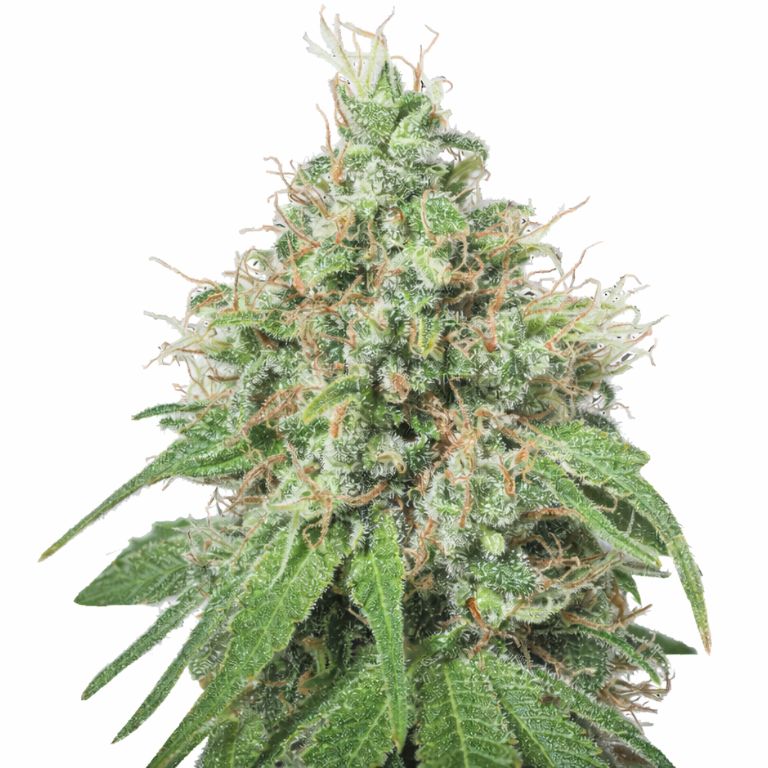
sativa
Amnesia Feminized
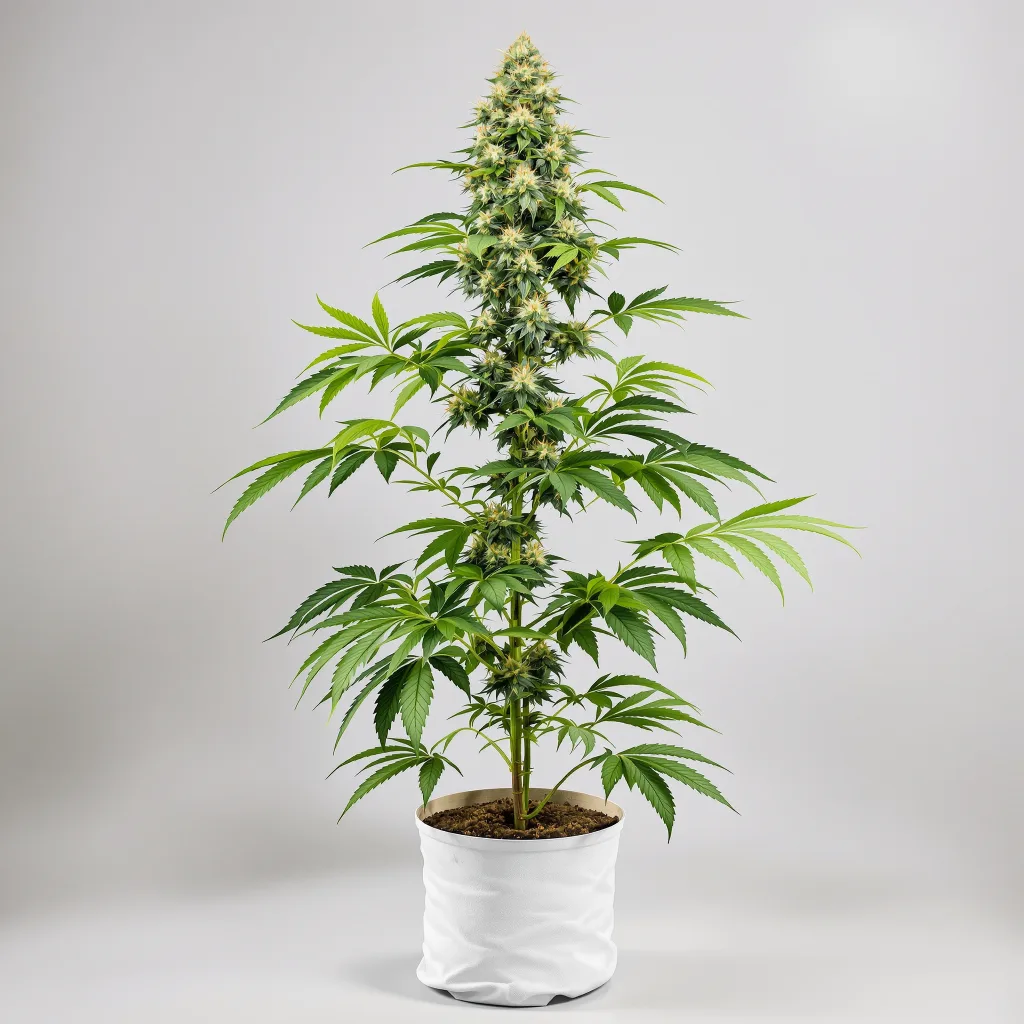
hybrid
Maui Haole Auto
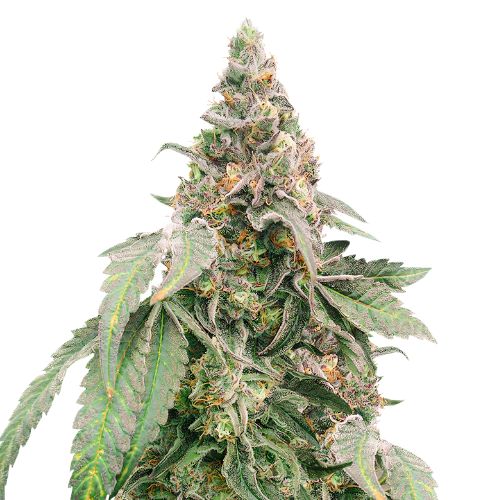
sativa
Mimosa Auto
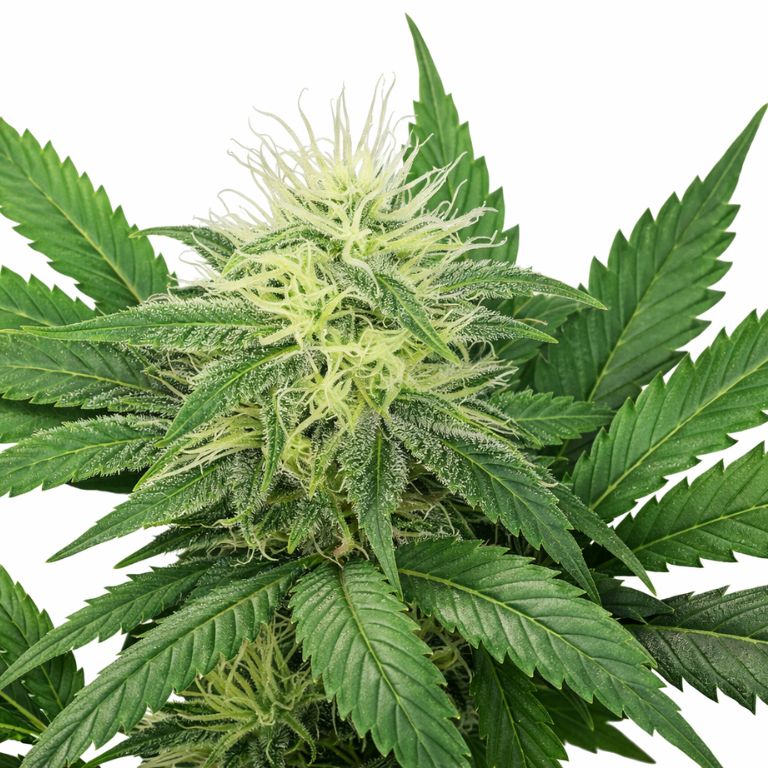
sativa
Alaskan Ice Feminized
Strain Profiles
Related Buying Guides
Browse the full All Cannabis Seeds collection
Premium genetics, US-wide discreet shipping, germination guaranteed.
Ready to Start Growing?
Shop 1,600+ feminized, autoflower, and CBD strains with 95% germination, discreet US-wide shipping, and free delivery on orders over $150.
Shop Cannabis Seeds