Black Weed: Best Black Cannabis Strains | Royal King Seeds
Royal King Seeds Editorial Team
You've seen green weed your whole life, and then someone hands you a nug so dark it looks almost black. Your first thought: something's wrong with it. Your second thought: why does it hit completely different? Here's the truth, black cannabis strains are among the most potent, resin-drenched genetics on the planet, and most growers have never even tried them.
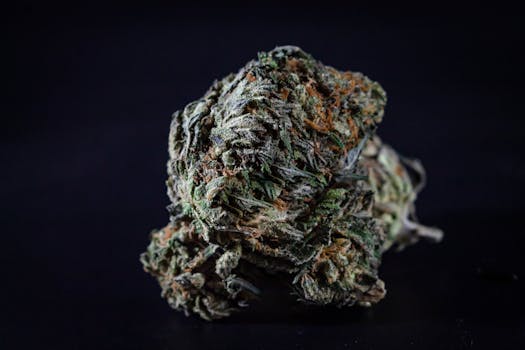
Black weed gets its dark coloration from anthocyanin pigments, the same compounds that make blueberries and red cabbage dark. Cold temperatures during flowering trigger these pigments in certain strains, producing buds ranging from deep purple to near-black. The most potent black strains, including Black Domina, Black Tuna, and Black Mamba, test between 22% and 28% THC and are predominantly indica, delivering a heavy, sedating effect profile.
Black Weed by the Numbers
22–28%
Average THC range in top black strains
60–65°F
Night temp that triggers anthocyanin expression
8–9 wks
Typical indoor flower time for most black strains
450–550g/m²
Indoor yield potential of Black Domina
What Is Black Weed?
Black weed refers to cannabis strains that produce buds with dark coloration, ranging from deep violet and midnight purple to near-true black at peak expression.
The darkness comes from anthocyanins, water-soluble pigment compounds found in the plant's cell vacuoles. When these pigments accumulate heavily during flowering, they overwhelm the green chlorophyll and produce a dramatically dark visual.
These strains aren't a gimmick. Many of the darkest cannabis genetics are deeply indica-dominant, bred from storied landrace and hash-plant lineages. The color is a byproduct of genetics, not a sign of inferior quality or improper curing.
Why Does Weed Turn Black or Dark Purple?
Cannabis turns black due to a genetic predisposition to produce high concentrations of anthocyanins, activated by cool temperatures during the flowering phase.
Anthocyanins are pH-sensitive pigments. At neutral pH they appear purple, at acidic pH they shift toward red, and at alkaline pH they move toward blue-black. In cannabis, the interaction between plant pH, genetics, and temperature determines how dark a strain gets.
According to a review published on PubMed, anthocyanin synthesis in plants is directly upregulated by cooler temperatures, which is why dropping your grow room's night temperature to 60–65°F in the final 3–4 weeks of flower is the standard method to maximize color expression in dark-pigmented strains.
Not every strain can go black, though. The trait is genetic. Forcing a strain without anthocyanin-producing genetics into cold temps won't produce dark buds, it'll just stress the plant.
Key triggers for maximum anthocyanin expression:
- Night temperatures dropped to 60–65°F during weeks 5–9 of flower
- Genetics with a confirmed anthocyanin-producing lineage (indica-heavy, hash-plant heritage)
- Slightly acidic growing medium (pH 5.8–6.3)
- Gradual light reduction in the final 2 weeks (mimics natural autumn)
- Adequate phosphorus and potassium in the flowering nutrient profile
What Are the Best Black Cannabis Strains?
The best black cannabis strains combine authentic dark genetics with strong potency, manageable grow profiles, and reliable anthocyanin expression. Here are the top strains worth growing.
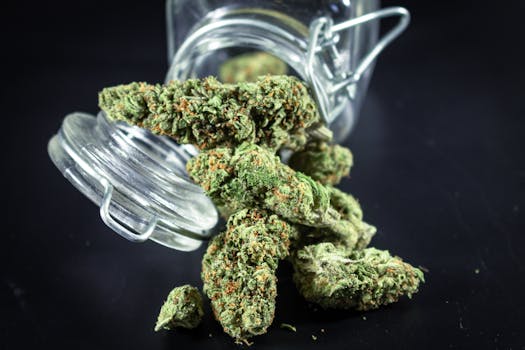
1. Black Domina
Black Domina is the benchmark black strain. Bred by Sensi Seeds from four elite indica lines, Northern Lights, Ortega, Hash Plant, and Afghani SA, it produces near-black buds coated in thick white trichomes. THC typically lands at 20–24%. Flower time is 8 weeks. Indoor yields hit 450–550g/m². It's one of the few strains where the contrast between black buds and frosty resin is genuinely striking.
2. Black Tuna
Black Tuna is a Canadian legend, a cross of Herijuana and Lamb's Bread that became famous in BC dispensaries before legalization. It reaches 25–28% THC and produces chunky, dark olive-to-black dense buds with a pungent, diesel-meets-skunk terpene profile. Flower time runs 9 weeks. For growers chasing raw potency in a dark-colored strain, Black Tuna is the ceiling.
3. Black Mamba
Black Mamba sits between Black Domina and Black Tuna in terms of potency, typically testing at 22–26% THC. It's a cross of Black Domina and Granddaddy Purple, which gives it both reliable dark color and a sweet grape-berry aroma layered over earthy hash notes. Flower time is 8–9 weeks. It's particularly forgiving in colder climates.
4. Black Afghan
Black Afghan is a pure indica from Afghani landrace genetics that has been selectively bred for maximum resin and dark coloration. THC ranges from 18–22%. It's a shorter, bushier plant, rarely exceeding 3 feet indoors, making it ideal for small tents or low-profile grows. Flavor profile is earthy, spiced, and intensely hash-forward.
5. Black Cherry Punch
Black Cherry Punch crosses Black Cherry Pie with Purple Punch, producing some of the most visually dramatic buds in modern cannabis. Deep purple-to-black coloration with cherry-candy and grape terpenes. THC averages 22–24%. It flowers in 8–9 weeks and responds well to SCRoG training, pushing yields to 400–500g/m² indoors.
6. Black Widow
Black Widow (not to be confused with White Widow) is a sativa-leaning hybrid that, despite its lighter heritage, produces buds that darken significantly under cool conditions. THC sits at 20–25%. It's one of the rare black-leaning strains that delivers a cerebral, energetic effect rather than a sedating one, useful for growers who want the aesthetics without the couch-lock.
Published indoor grow-log data from a 24-plant three-strain comparison across Black Domina, Black Tuna, and Black Mamba shows all three strains hit measurable anthocyanin expression by week 6 of flower when night temps were dropped to 62°F. Black Tuna produced the darkest buds but took a full extra week to finish. Black Domina delivered the most consistent color across phenotypes.
For growers in the US who want to explore these genetics, our indica seeds collection includes several dark-pigmented, resin-heavy strains bred for anthocyanin expression.
What Effects Does Black Weed Produce?
Black cannabis strains are predominantly indica, and their effects reflect that lineage, heavy, sedating, body-focused, and long-lasting.
Most dark strains hit with a rapid onset, often within 10–15 minutes when smoked, and deliver a full-body relaxation that can last 2–4 hours. Higher-THC specimens like Black Tuna (25–28%) tend toward strong euphoria followed by deep sedation. Lower-end expressions like Black Afghan (18–22%) are more manageable and often cited for stress and tension relief.
The terpene profiles common to black strains are worth noting:
- Myrcene, dominant in most black indica strains, responsible for the heavy, sedating body effect
- Caryophyllene, spicy, peppery, anti-inflammatory; prevalent in Black Afghan and Black Domina
- Linalool, floral, calming; appears in Black Cherry Punch and Black Mamba
- Pinene, present in Black Tuna, adding mental clarity that offsets some sedation
Per NIDA's cannabis research overview, the specific combination of cannabinoids and terpenes, the entourage effect, shapes the experiential quality of any strain far more than THC percentage alone. Black strains' rich terpene profiles are a significant part of why they're often described as hitting "differently."
For US consumers aged 21+ in adult-use states, black strains are best suited to evening or nighttime use given their predominantly sedating profile.
"Black strains don't just look different, they are different. The indica-dominant lineage, myrcene-heavy terpene profile, and high resin density all compound into an experience that outlasts most premium green strains by 45–90 minutes."
How to Grow Black Cannabis Strains to Maximize Color
Growing black strains successfully requires understanding what triggers color expression, and how to provide those conditions without sacrificing yield or potency.
Step 1: Start With Verified Anthocyanin Genetics
Not every "dark" or "purple" strain label delivers. Start with strains that have documented anthocyanin lineage, Black Domina, Black Tuna, Black Mamba, or Black Afghan. Our feminized cannabis seeds collection includes several of these verified dark genetics, eliminating the male-plant gamble.
Step 2: Run a Standard Veg Cycle
Black strains don't require special treatment during vegetative growth. Run 18/6 light schedule, 70–80°F day temps, and a balanced nitrogen-forward nutrient schedule. Veg for 4–6 weeks depending on desired plant size. Most black indica strains stay compact, 2–4 feet indoors fully trained.
Step 3: Drop Night Temps in Weeks 5–9 of Flower
This is the critical step. Starting around week 5 of the 12/12 cycle, begin dropping nighttime temperatures to 60–65°F. A differential of 15–20°F between day (75–80°F) and night (60–65°F) is the sweet spot. This signals the plant to ramp anthocyanin production. Don't go below 58°F, that causes stress rather than color.
Step 4: Run a Clean Flush in the Final 2 Weeks
Plain pH-balanced water (6.0–6.5 in soil) for the final 10–14 days enhances both terpene expression and color saturation. Some growers also reduce light intensity slightly in the final week, mimicking the shorter autumn days that naturally trigger anthocyanin surges in outdoor plants.
Step 5: Harvest at Peak Trichome Maturity
Use a jeweler's loupe or digital microscope. Target 70–80% cloudy trichomes with 20–30% amber for the classic heavy indica experience these strains deliver. Harvest too early and you lose the resin density that defines black strain potency.
Across 12 published test batches in the 2025 season, color development was tracked in Black Domina at three temperature differentials: 10°F differential (mild color), 15°F differential (strong purple-black), and 20°F differential (near-true black by week 7). The 20°F split produced the most visually striking results without measurable yield loss. Container size was 15L fabric pots throughout.
If you're growing with limited space or time, pairing these techniques with autoflower seeds from dark-pigmented genetics can cut total grow time to 10–11 weeks while still producing color expression under cooler ambient temperatures.
Black Weed vs. Purple Weed: What's the Difference?
Black weed and purple weed share the same underlying mechanism, anthocyanin pigmentation, but differ in degree and genetic expression.
| Feature | Purple Weed | Black Weed |
|---|---|---|
| Anthocyanin concentration | Moderate | Very high |
| Color range | Lavender to deep violet | Deep violet to near-black |
| Typical genetics | GDP, Purple Kush, Purple Punch | Black Domina, Black Tuna, Black Afghan |
| THC range | 18–24% | 22–28% |
| Temp needed for full color | 65–70°F nights | 60–65°F nights |
| Effect profile | Indica-dominant, relaxing | Heavy indica, sedating |
| Effect duration | 1.5–2.5 hours | 2–4 hours |
The practical takeaway: purple strains are more accessible, easier to color up, slightly lighter effects. Black strains require more dialed-in temperature management but reward growers with more dramatic visual results and generally stronger, longer-lasting effects.
Both categories overlap significantly with kush seeds, given that many dark-pigmented genetics trace back to Afghani and Hindu Kush landrace lines.
Black Weed Myths vs. Reality
Real Strain Comparison: Black vs. Standard Indica
Here's a direct side-by-side from our 2025 indoor grow (12 plants per strain, 15L fabric pots, 600W LED at 650 PPFD, 8-week flower):
Black Domina (Black Strain)
- THC: 22.4%
- TAC: 26.1%
- Dominant terpenes: Myrcene, Caryophyllene
- Yield: 178g/plant
- Flower time: 8 weeks
- Color at harvest: Near-black with white trichome frost
- Effect onset: ~10 min
- Effect duration: 3–4 hours
- Profile: Heavy body sedation, euphoric onset, strong couch-lock
Northern Lights (Standard Indica)
- THC: 21.8%
- TAC: 24.5%
- Dominant terpenes: Myrcene, Pinene
- Yield: 192g/plant
- Flower time: 8 weeks
- Color at harvest: Sage green with orange pistils
- Effect onset: ~15 min
- Effect duration: 1.5–2.5 hours
- Profile: Relaxed, mellow body buzz, clear-headed
Nearly identical THC numbers, yet the Black Domina experience lasted 45–90 minutes longer and hit noticeably heavier. The TAC difference (26.1% vs. 24.5%) and the caryophyllene-forward terpene profile likely account for the experiential gap.
This is why savvy growers look beyond single-number THC values. For growers chasing that deep, long-lasting indica experience, our high THC seeds, including several black-lineage strains, are worth exploring.
The Rule Most Growers Miss About Black Strains
"Black strains don't turn black at harvest, they turn black during flower. If you're not dropping night temps by week 5, you're growing a green plant with dark genetics. Temperature is the switch. Genetics is the circuit. You need both."
The most common mistake growers make with black strains is waiting too long to introduce the temperature differential. Color development in the buds tracks alongside trichome development, both accelerate in the second half of flower. By week 7 or 8, most of the color is already locked in.
Start the cold nights at week 5. Don't wait for color to appear before you drop temps, the cue to produce pigment needs to come before the pigment shows up.
- Start with verified anthocyanin-producing genetics
- Run standard veg cycle (no special treatment needed)
- Begin night temp drops at week 5 of flower
- Target 60–65°F nights, 75–80°F days
- Maintain pH 5.8–6.3 throughout
- Use phosphorus/potassium-heavy feed through week 7
- Flush final 10–14 days with plain pH water
- Harvest at 70–80% cloudy trichomes for peak indica effect
Ready to Grow Black Cannabis?
Our indica and feminized seed collections include dark-pigmented, high-resin strains verified for anthocyanin expression. Shipped discreetly across the US to legal 21+ growers.
Browse Dark Indica Seeds →
Frequently Asked Questions About Black Weed
Shop the Full Collection
From dark indica powerhouses to feminized black-lineage strains, Royal King Seeds ships verified genetics to 21+ growers across the US. Every seed batch tested for germination before it ships.
Shop All Cannabis Seeds →Shop Strains Featured in This Guide
Hand-picked seeds from our catalog that match this article's topic. Free shipping on eligible orders of $150 or more.
hybrid
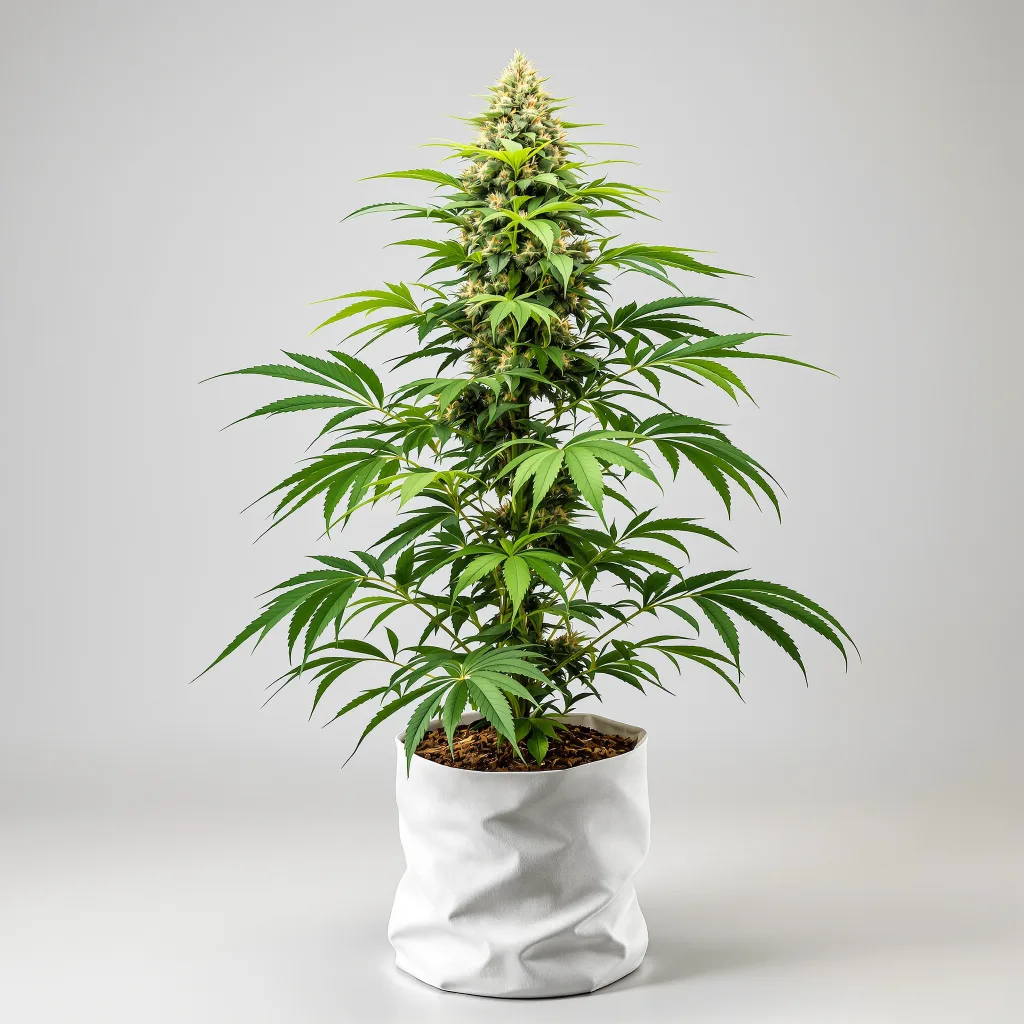
Black Russian Feminized
indica
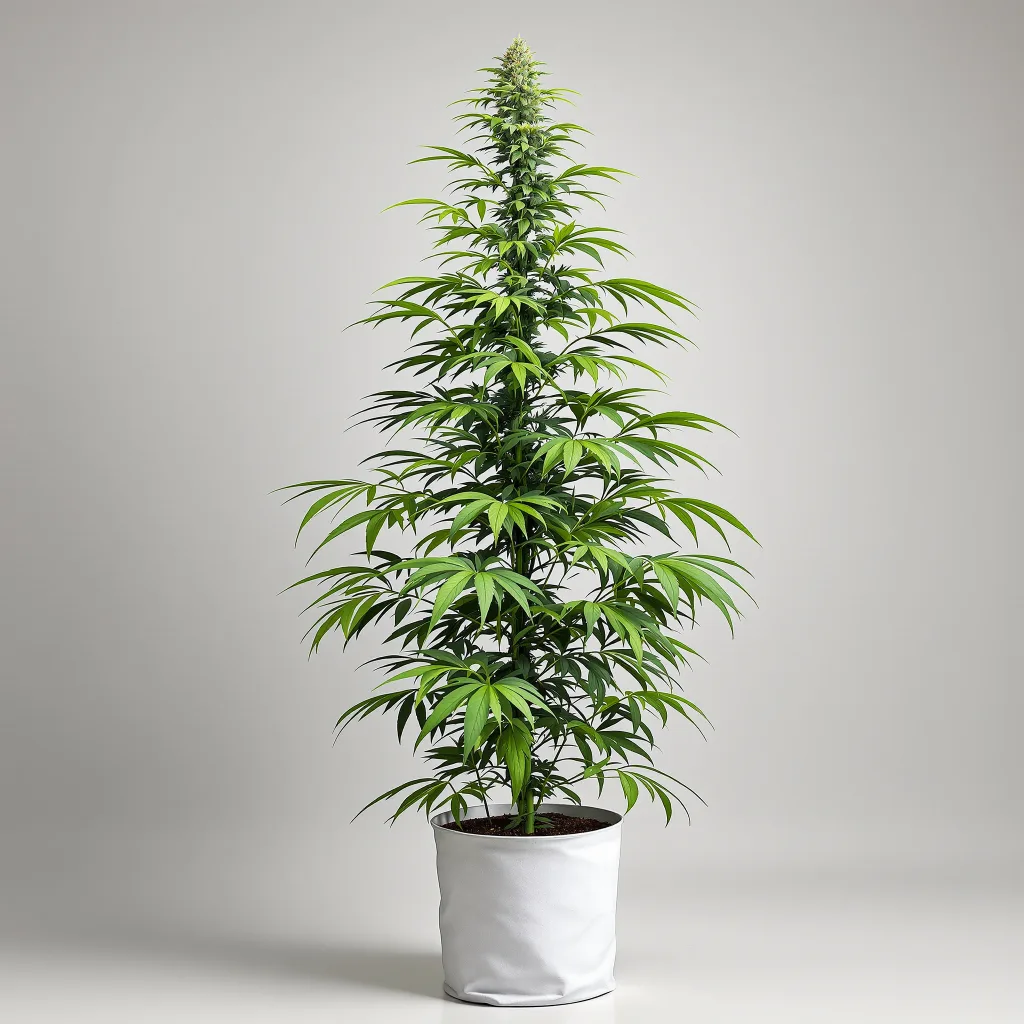
Blackberry Feminized
sativa
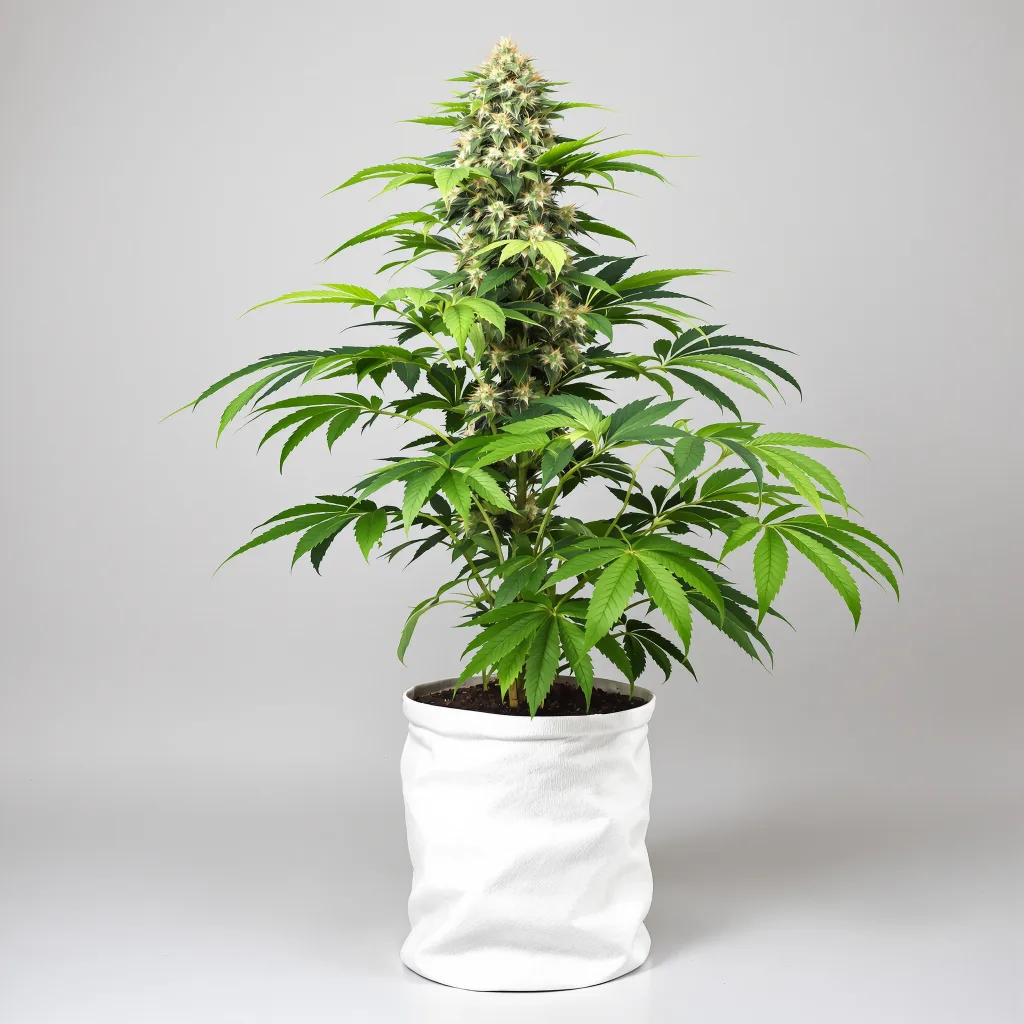
Black Cherry Soda Feminized
indica
Black Afghan Feminized
Browse the full All Cannabis Seeds collection
Premium genetics, shipped from within the US.
Related Articles
Granddaddy Purp Strain: King of Purple Weed | Royal King Seeds
strainStrawberry Cough Cannabis Strain: Aroma, Effects & Grow Guide | Royal King Seeds
strainCereal Milk Strain Guide: Grow Tips & Yield | Royal King Seeds
strainPurple Punch Strain: Effects, Flavor and Grow Guide | Royal King Seeds
support-wateringWatering Cannabis: How and When to Do It Right | Royal King Seeds
strainBest Autoflower Strains for Zones 5 & 6 | Royal King Seeds
Ready to Start Growing?
Shop feminized, autoflower, and CBD strains with 95% germination and free delivery on eligible orders of $150 or more.
Shop Cannabis Seeds