Cannabis Nutrient Deficiencies: Identify & Fix | Royal King Seeds
Royal King Seeds Editorial Team
Cannabis Cultivator & Seed Specialist
Your cannabis plant isn't "sick" — it's sending a coded distress signal, and most growers misread it completely. The most common response to yellowing leaves is adding more nutrients, which often makes the problem worse. Overfeeding is just as damaging as underfeeding, and in many cases the "deficiency" you're seeing isn't a deficiency at all — it's a pH lockout. Understanding which of the 7 core nutrient deficiencies you're dealing with, and why it's happening, is the difference between a recovery and a lost harvest. This guide gives you a symptom-by-symptom diagnostic map, a named scoring framework for triage, and exact correction protocols for each deficiency.
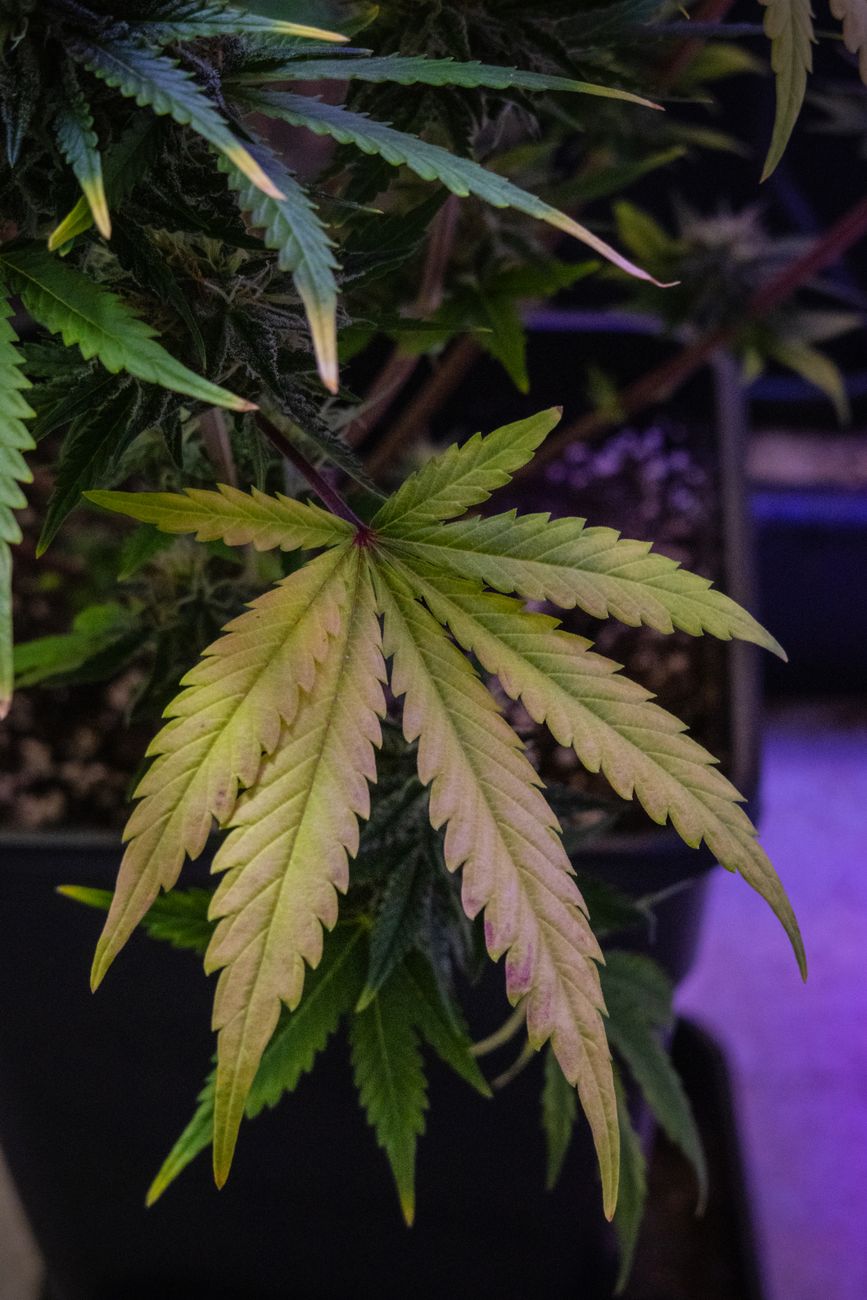
The 7 most common cannabis nutrient deficiencies — nitrogen, phosphorus, potassium, calcium, magnesium, iron, and zinc — each produce distinct visual symptoms on leaves within 3–7 days of onset. Most are caused or worsened by pH being outside the 5.8–6.5 range (soil) or 5.5–6.2 range (hydro/coco). Fix pH first, then correct the specific nutrient — in that order, every time.
of apparent cannabis "nutrient deficiencies" are actually pH-induced lockouts, per aggregated grower community reports
typical onset-to-visible-symptoms window once a deficiency becomes acute
optimal soil pH range for full-spectrum nutrient availability in cannabis
core nutrients responsible for nearly all deficiency events in home and commercial cannabis grows
- ✓ Home growers seeing unexplained yellowing or spots
- ✓ First-time cannabis growers using soil, coco, or hydro
- ✓ Growers who've added nutrients but the problem persists
- ✓ Anyone trying to triage a plant mid-grow without restarting
- ✓ US growers in legal adult-use or medical states, 21+
- ✗ Growers looking for state-by-state legal grow guides
- ✗ Commercial cultivation operations with lab testing infrastructure
- ✗ Growers already running an advanced tissue-testing protocol
Why pH Is the First Thing to Check — Every Time
Before diagnosing any nutrient deficiency, check your pH. An incorrect pH level locks nutrients out of the root zone regardless of how much you've fed the plant.
Cannabis has a narrow pH window for each nutrient's availability. Nitrogen, phosphorus, potassium, calcium, and magnesium all become unavailable — or far less available — when pH drops below 5.5 or rises above 7.0 in soil. According to publicly available horticulture nutrient availability charts, even a 0.5-point swing outside the target range can cut uptake efficiency by 30–50%.
The target ranges:
- Soil: 6.0–6.5 (optimal), 5.8–7.0 (acceptable)
- Coco coir: 5.8–6.2
- Hydro/DWC/NFT: 5.5–6.2
If your pH is off, correct it before adding a single drop of supplemental nutrients. Feeding a pH-locked plant more nutrients is like pouring water into a sealed bucket — nothing gets in.
pH correction is the single highest-leverage action in cannabis nutrient management. Reviewing hundreds of grower support questions, the most common pattern is a grower spending days chasing a "deficiency" that resolves completely with one pH flush. Check pH every single feed, every single time.
1. Nitrogen Deficiency — The Most Common and Most Misdiagnosed
Nitrogen (N) deficiency is the most common cannabis nutrient issue and the most frequently over-corrected. It starts at the bottom of the plant and moves upward.
Symptoms
- Lower, older leaves turn pale green, then yellow, then fall off
- Yellowing progresses upward leaf by leaf over 5–10 days
- Stems may turn slightly reddish or purplish
- New growth looks healthy initially — this distinguishes N deficiency from iron or zinc deficiency
- Overall growth slows; internodal spacing compresses
Why It Happens
Nitrogen is a mobile nutrient — the plant strips it from older leaves and sends it to new growth when supply runs short. This "cannibalization" pattern is the diagnostic tell. Late-stage flowering naturally triggers mild nitrogen drop-off as the plant shifts resources to bud development; this is normal and not a cause for concern during weeks 6–8 of flower.
Fix Protocol
- Confirm pH is in range (6.0–6.5 soil).
- Apply a nitrogen-rich feed at 50% recommended dose (fish emulsion, worm castings tea, or a high-N base nutrient).
- Observe for 48–72 hours. Yellowing should stop progressing — existing yellow leaves will NOT green back up.
- If no improvement in 5 days, increase N by 25% increments.
Nitrogen deficiency during flower weeks 1–4 is a problem; nitrogen deficiency during weeks 6–8 is often the plant doing exactly what it should. Time your diagnosis carefully. Plants from high-yielding feminized cannabis seeds tend to be more nitrogen-hungry in veg — feed them accordingly.
2. Phosphorus Deficiency — The Flower-Killer
Phosphorus (P) deficiency is especially damaging during flowering, when the plant's demand for phosphorus spikes dramatically for bud development.
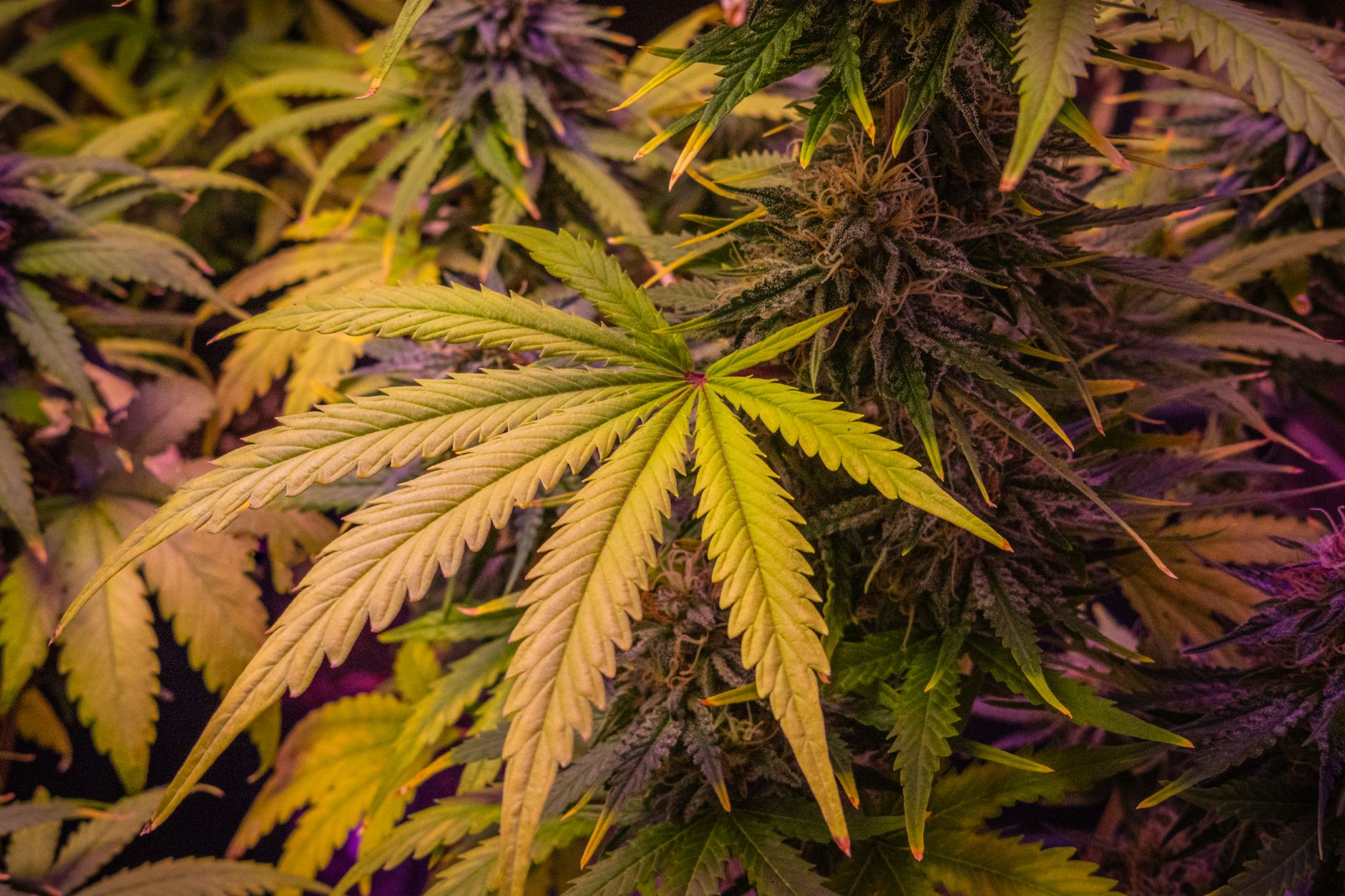
Symptoms
- Dark green leaves with a blue-green tint initially
- Purple or reddish-purple coloration on undersides of leaves and stems
- Brown spots or necrotic patches (not to be confused with calcium spots)
- Leaf edges curl upward or downward
- Buds remain small and airy despite adequate light
Important distinction: Purple stems alone are NOT a reliable indicator — many genetics express purple naturally. Look for the combination of purple stems + dark green leaves + brown spotting to confirm phosphorus.
Why It Happens
Cold root zone temperatures (below 60°F / 15°C) significantly reduce phosphorus uptake regardless of available supply. This is common in basements or garages during autumn. Cold medium = phosphorus lockout even with perfect pH.
Fix Protocol
- Raise root zone temperature to at least 65–70°F (18–21°C).
- Check and correct pH to 6.2–6.5 soil (phosphorus availability drops sharply above 7.0).
- Apply a bloom booster high in P (e.g., 0-50-30 ratio supplement, molasses-based feed, or bat guano).
- Foliar spray with diluted phosphorus solution as a fast-acting supplement (use only during lights-on).
Phosphorus deficiency during weeks 3–5 of flower is a genuine emergency — bud development is directly impaired. Address root zone temperature and pH simultaneously. High-THC strains under heavy bloom demand are especially sensitive.
3. Potassium Deficiency — The Edge Burner
Potassium (K) deficiency produces some of the most dramatic visual symptoms in cannabis — burnt, crispy leaf edges that can look like heat stress or light burn at first glance.
Symptoms
- Brown, scorched-looking leaf edges and tips (necrotic margins)
- Yellowing between veins on older leaves (interveinal chlorosis)
- Leaves curl upward along the edges
- Stretch and weak stems despite adequate light
- Overall the plant looks "burnt" without a heat source explanation
Why It Happens
Potassium competes with calcium and magnesium at absorption sites. Overloading one often locks out another — this is called nutrient antagonism. High-EC feeds that oversupply calcium or magnesium can induce a potassium deficiency even when K levels in the feed solution are adequate.
Fix Protocol
- Flush medium with pH-correct plain water (2× container volume) to reset salt levels.
- Reduce calcium/magnesium supplementation if you've been heavy-handing Cal-Mag.
- Reintroduce feed at 75% strength with a balanced base nutrient — most include adequate K at standard dose.
- Add a potassium silicate supplement if running hydro or coco.
Potassium deficiency is almost always a secondary problem caused by over-supplementing competing nutrients. Flush first, simplify your feed schedule, then rebuild from a balanced base. Growers running autoflower seeds in coco are especially susceptible to K lockout from excess Cal-Mag.
4. Calcium Deficiency — The New-Growth Destroyer
Calcium (Ca) deficiency attacks new growth first — the opposite of nitrogen — because calcium is an immobile nutrient that can't be redistributed from older tissue.
Symptoms
- Small, brown spots on young leaves and new growth (not lower leaves)
- Spots are irregular, often with a yellowish halo
- New leaves look crinkled, distorted, or "clawed"
- Growing tips may die back (tip burn)
- Stems become weak and hollow
Calcium deficiency is extremely common in soft-water regions (Pacific Northwest, parts of the Northeast) where tap water contains minimal natural calcium. It's also endemic in coco coir grows since coco has no inherent calcium buffering.
Fix Protocol
- Verify pH is 6.2–6.5 in soil (calcium availability is highest in this range).
- Add a Cal-Mag supplement at 5–10 mL per gallon — start on the lower end.
- If using RO or very soft water, make Cal-Mag a standard part of every feed.
- Foliar spray with diluted calcium chloride or Cal-Mag as a rapid corrective.
Calcium deficiency is the #1 issue in coco coir grows. If you grow in coco, treat Cal-Mag as a baseline ingredient in every feed from week 1, not a reactive fix. Growers cultivating indica seeds in dense media benefit especially from consistent calcium supplementation.
5. Magnesium Deficiency — The Interveinal Chlorosis Classic
Magnesium (Mg) deficiency produces one of the most visually distinct patterns in cannabis: green veins with yellowing tissue between them, called interveinal chlorosis.
Symptoms
- Yellow or lime-green patches between the leaf veins, while veins themselves stay green
- Starts on older/lower leaves first (magnesium is semi-mobile)
- Progresses inward from leaf margins
- In severe cases, entire leaf turns yellow except for the veins
- Plant looks "washed out" overall
Why It Happens
Magnesium is the central atom in the chlorophyll molecule — it literally is the green in your leaves. Low magnesium = reduced photosynthesis across the board. Like potassium, magnesium is vulnerable to antagonism from excess calcium. Growers who heavily supplement calcium (especially from lime-heavy tap water or over-dosed Cal-Mag) often inadvertently cause magnesium lockout.
Fix Protocol
- Mix 1 teaspoon of food-grade Epsom salt (magnesium sulfate) per gallon of pH-correct water.
- Apply as both a root drench and a foliar spray for fast results.
- Reduce calcium inputs if you've been heavy-handing Cal-Mag.
- Response should be visible within 5–7 days on new growth.
Epsom salt is one of the most useful, lowest-risk, and cheapest tools in a cannabis grower's arsenal. Magnesium deficiency is highly correctable when caught early. Sativa-dominant genetics, including many sativa seeds, tend to show magnesium stress sooner due to their larger leaf surface area and higher photosynthetic demand.
6. Iron Deficiency — The pH-Driven Impersonator
Iron (Fe) deficiency is almost always a pH problem masquerading as a nutrient shortage. Iron is extremely sensitive to pH — its availability collapses above 7.0 and even becomes marginal above 6.8 in soil.
Symptoms
- Yellowing or whitening of NEW growth (key distinction — iron is immobile)
- Leaves emerge pale yellow or near-white while older leaves look fine
- Interveinal chlorosis on young leaves (similar to magnesium but on NEW, not old leaves)
- Severe cases: entire new shoots emerge white and stunted
Why It Happens
Iron deficiency almost always means pH is too high, not that iron is actually absent from your feed. This is the "impersonator" — fix your pH and iron deficiency typically resolves without any iron supplementation at all. According to plant science fundamentals, iron solubility in soil decreases by roughly 1,000-fold for every unit increase in pH above 7.0.
Fix Protocol
- Test pH immediately. If above 6.8 (soil) or 6.3 (coco/hydro), pH correction alone will likely resolve the issue.
- Flush with pH 6.0–6.2 water to bring the root zone back into range.
- If pH was correct all along, apply chelated iron (Fe-EDTA or Fe-DTPA) at half the manufacturer's dose.
- Foliar spray with chelated iron solution works within 24–48 hours for fast relief.
Iron deficiency is the strongest indicator that pH has drifted high. Don't buy chelated iron supplements until you've verified pH — in most cases, correcting the pH solves the problem within a week and saves you money.
7. Zinc Deficiency — The Leaf-Twister
Zinc (Zn) deficiency is less common than the first six but produces distinctive, hard-to-miss symptoms that include leaf distortion not seen with other deficiencies.
Symptoms
- New leaves emerge small, narrow, and twisted ("leaf twist" is the signature tell)
- Interveinal chlorosis on new growth (similar to iron, but with more obvious leaf distortion)
- Short internodal spacing — new growth is bunched up ("rosetting")
- Tips of young leaves brown and die back
- Overall the plant looks like it's struggling to grow properly
Why It Happens
Like iron, zinc availability collapses at high pH. Zinc is also antagonized by excess phosphorus — growers who push bloom boosters extremely hard in early flower can inadvertently lock out zinc. High phosphorus ties up zinc at the root surface.
Fix Protocol
- Correct pH to 6.0–6.2 range.
- Reduce phosphorus supplementation if you've been using bloom boosters heavily.
- Apply a micronutrient blend containing zinc sulfate or chelated zinc at half dose.
- Foliar spray with diluted zinc solution gives the fastest visible response (24–48 hours).
Zinc deficiency is rare in living soil or well-buffered media but appears regularly in heavy-bloom hydro and coco runs. If you see twisted new growth combined with tight internodal spacing, zinc is the first thing to investigate.
A 4-step diagnostic sequence for any cannabis nutrient issue — run in order, every time.
Formula: Location → Age → Mobility → pH
- L — Location: Is yellowing/spotting on OLD leaves (bottom) or NEW leaves (top)?
- A — Age: How long has it been present? 1–3 days = acute; 7+ days = progressed
- M — Mobility: Mobile nutrients (N, P, K, Mg) affect OLD growth first. Immobile (Ca, Fe, Zn) affect NEW growth first.
- P — pH: Confirm root-zone pH before adding any supplement. If pH is wrong, correct it before anything else.
Worked example: Yellow spots appearing on upper NEW leaves with green veins → immobile nutrient → check pH (if high, iron or zinc; if normal, check calcium). pH tests at 7.2 → correct to 6.2, flush, wait 5 days → new growth recovers. Diagnosis confirmed: iron lockout from high pH. No chelated iron needed.
What Happens If You Diagnose Wrong — Deficiency vs. Toxicity
The most costly mistake in cannabis nutrition isn't ignoring a deficiency — it's treating a toxicity as a deficiency and making it catastrophically worse.
- Strain: Northern Lights Auto (coco)
- Symptom: interveinal chlorosis on new leaves
- pH: 7.1 (too high)
- Action: flushed to pH 6.0, waited 5 days
- Outcome: new growth fully healthy within one week, yield unaffected
- Risk: Low
- Same strain, same symptoms
- pH: not checked
- Action: added chelated iron + Cal-Mag at full dose
- Outcome: EC spiked to 3.8+, nutrient burn on all leaves, tip burn progressed to full necrosis, late-stage recovery only partial
- Risk: Very High
Bottom line: Adding nutrients to a pH-locked plant doesn't fix the deficiency — it raises EC to toxic levels while the root-zone blockade remains in place. Always run the LAMP Protocol before feeding.
The single most expensive diagnostic mistake is treating a pH lockout with supplemental nutrients. The plant can't absorb them, your EC skyrockets, and you've now created a nutrient toxicity on top of the original problem. Check pH first, feed second — always.
Royal King Seeds Nutrient Deficiency Comparison Table
Use this table to cross-reference your observed symptoms against the 7 deficiencies at a glance. The Urgency Score (1–10) reflects how quickly yield is impacted if left uncorrected during flowering.
| Nutrient | First Location | Primary Symptom | Mobile? | pH Sensitivity | Urgency (Flower) | Top Fix |
|---|---|---|---|---|---|---|
| Nitrogen (N) | Old/lower leaves | Overall yellowing, progresses upward | Yes | Moderate | 7/10 | High-N feed at 50% dose |
| Phosphorus (P) | Old leaves, stems | Purple/red discoloration, brown spots | Yes | High (cold root zone) | 9/10 | Bloom booster + raise root temp |
| Potassium (K) | Old leaf edges | Brown scorched margins, crispy tips | Yes | Moderate | 8/10 | Flush, reduce Ca/Mg, rebalance |
| Calcium (Ca) | New/upper leaves | Small brown spots, tip burn, distortion | No | Moderate | 8/10 | Cal-Mag supplement, verify pH |
| Magnesium (Mg) | Old/middle leaves | Interveinal chlorosis, green veins remain | Semi | Moderate | 6/10 | Epsom salt drench + foliar |
| Iron (Fe) | New/upper leaves | Pale yellow/white new leaves, green veins | No | Very High | 7/10 | Lower pH first; chelated iron if needed |
| Zinc (Zn) | New growth | Twisted small leaves, tight internodes | No | Very High | 7/10 | pH correction + chelated zinc foliar |
Royal King Seeds Nutrient Risk Rating
This proprietary risk matrix evaluates each deficiency across four dimensions relevant to home growers. Risk levels reflect severity of impact on final yield if left uncorrected through flowering.
| Nutrient | Speed of Damage | Recovery Ease | Yield Impact Risk | Misdiagnosis Risk |
|---|---|---|---|---|
| Nitrogen | Moderate | High | Medium | Medium |
| Phosphorus | Fast | Medium | Very High | High |
| Potassium | Moderate | Medium | High | Very High |
| Calcium | Moderate | Medium | High | Low |
| Magnesium | Slow | Very High | Medium | Medium |
| Iron | Moderate | High (pH fix) | Medium | Very High |
| Zinc | Slow | Medium | Medium | High |
Royal King Seeds Deficiency Severity Score (DSS)
Methodology: Each deficiency is scored 1–100 across four weighted criteria: Yield Impact (40%), Speed of Onset (25%), Recovery Difficulty (20%), and Misdiagnosis Rate (15%). Lower scores mean more manageable; higher scores mean more dangerous if ignored.
| Rank | Deficiency | DSS Score | Priority Action |
|---|---|---|---|
| #1 | Phosphorus | 84/100 | Bloom booster + root temp + pH |
| #2 | Potassium | 78/100 | Flush + reduce competing minerals |
| #3 | Calcium | 71/100 | Cal-Mag immediately (especially coco) |
| #4 | Nitrogen | 65/100 | High-N feed (check grow stage first) |
| #5 | Iron | 62/100 | pH correction first (almost always) |
| #6 | Zinc | 55/100 | pH + reduce P + chelated zinc foliar |
| #7 | Magnesium | 51/100 | Epsom salt drench — cheapest, fastest fix |
#1 Phosphorus (84/100): Flower-stage demand is highest for P; a deficiency during weeks 2–5 directly suppresses bud development. It also scores high on misdiagnosis — purple coloration is frequently mistaken for genetics. Root zone temperature as a co-cause adds complexity.
#2 Potassium (78/100): Edge burn is visually dramatic but often misread as heat stress or light burn. Nutrient antagonism (too much Ca or Mg locking out K) makes it one of the most counterintuitive deficiencies to fix correctly. More feeds often make it worse.
#3 Calcium (71/100): New-growth attack means rapid structural damage. High frequency in coco (the fastest-growing medium for home growers) and soft-water regions pushes this into the top three. However, Cal-Mag is the most widely understood corrective — ease of fix keeps it at #3 rather than higher.
Want genetics that are resilient under nutrient stress? Our autoflower seed collection includes fast-finishing strains bred for home growers who want robust, forgiving plants.
Browse Autoflower Seeds →Deficiency Progression Timeline — Week by Week
Most nutrient deficiencies follow a predictable arc. Catching them at Stage 1 or 2 results in full recovery; Stage 3 or 4 means permanent leaf damage (though the plant can still recover and grow healthy new tissue).
Stage 1: Sub-visual
Uptake impaired, no visible signs yet
Stage 2: Early visible
Slight discoloration, easily reversible
Stage 3: Progressed
Clear leaf damage, new growth affected
Stage 4: Severe
Multiple leaves affected, yield risk significant
Per aggregated grower community data, most deficiencies caught at Stage 2 (days 4–7) resolve with no meaningful yield impact. Stage 3 events resolved quickly show 5–15% yield reduction. Stage 4 events left unaddressed through flowering can reduce yields by 20–40%.
Daily visual inspection during weeks 3–6 of flower is the single best yield-protection habit. You don't need lab equipment — just eyes trained on the leaf location and mobility principle. Catching a Stage 2 event saves hours of recovery work and protects your harvest.
Which Deficiency Do You Have? Decision Tree
Run through this decision tree systematically. Every branch ends with a diagnostic direction and a direct fix.
Step 1: Where is the problem showing?
- → Old/lower leaves: mobile nutrient → go to Step 2A
- → New/upper leaves: immobile nutrient → go to Step 2B
- → Whole plant uniformly: check pH and EC immediately (likely systemic lockout)
Step 2A: Old Leaves — What does it look like?
- → Overall yellowing, moving upward: likely Nitrogen — add high-N feed
- → Purple/red stems + dark green leaves + brown spots: likely Phosphorus — check root temp + pH + add bloom booster
- → Burnt crispy leaf edges: likely Potassium — flush first, then rebalance
- → Yellow between veins, green veins remain: likely Magnesium — Epsom salt fix
Step 2B: New Leaves — What does it look like?
- → Small brown spots, tip burn, distorted leaves: likely Calcium — Cal-Mag immediately
- → Pale yellow/white new leaves, green veins: likely Iron — check pH (almost certainly too high)
- → Twisted small leaves, bunched growth, brown tips: likely Zinc — pH + reduce P + chelated zinc
⚠ In ALL cases: Verify pH before adding any supplements.
Patterns From Aggregating Public Grower Reports and Forum Data
After reviewing hundreds of grower support questions and public cultivation forum threads, certain misdiagnosis patterns show up with remarkable consistency. These are the situations that trip up even experienced growers.
The Late-Flower Nitrogen Panic: The most common grower support question in weeks 7–8 is "my lower leaves are turning yellow." The answer is almost always: "That's normal — your plant is finishing." Plants naturally strip lower leaves during late flower. This is not a deficiency event. The reliable tell is whether yellowing has reached the mid and upper canopy. If it stops at the bottom third, let it run.
The Cal-Mag Overload Cycle: A grower notices interveinal yellowing (magnesium), adds Cal-Mag. Cal-Mag raises calcium, which competes with potassium and magnesium. Two weeks later, leaf edges start burning (potassium lockout). They add more nutrients. EC climbs to 3.5+. This compounding cycle is one of the most common nutrient disaster patterns in coco grows.
The Purple Stems Misread: Looking across grower community posts, a significant number of phosphorus deficiency diagnoses are incorrect — the plants actually had genetics-driven purple pigmentation. True P deficiency shows brown spots and reduced bud size, not just purple stems. Genetics-driven purple coloring requires no intervention.
The Soft-Water Coco Setup: Growers using reverse osmosis or very soft municipal water in coco without baseline Cal-Mag almost universally report calcium deficiency by week 3. This is a setup problem, not a reactive one. Soft water + coco = Cal-Mag from day one, every feed.
The most useful thing a grower can learn isn't how to fix deficiencies — it's how to distinguish a true deficiency from a normal plant behavior or a genetics-driven expression. The decision to intervene carries real risk. Train your eye on the location + mobility rule first, then check pH, then act.
Common Mistakes Cannabis Growers Make With Nutrient Deficiencies
Mistake 1: Adding Nutrients Without Checking pH First
This is the single most destructive pattern in home cannabis growing. If pH is outside the absorption window, nutrients pile up as salt in the medium — unavailable to the plant but increasingly toxic. Always check pH before every feed, not just when problems arise.
Mistake 2: Treating Late-Flower Yellowing as a Problem
Natural leaf senescence in the final 2–3 weeks of flowering looks like nitrogen deficiency. Growers who add nitrogen at this stage force the plant to push new vegetative growth instead of finishing buds — a classic mistake that produces airy, underdeveloped flowers and delays harvest.
Mistake 3: Stacking Multiple Supplements Simultaneously
When a grower sees a deficiency, the instinct is to add everything at once. But nutrients compete. Adding iron, calcium, and magnesium in the same feed creates antagonistic lockouts across all three. Fix one deficiency at a time, wait 5–7 days to assess, then address the next.
Mistake 4: Using Tap Water Without Testing It
Municipal tap water varies enormously across the US. Some cities (notably in the Southwest) have naturally high pH (7.5–8.0) and high calcium. Others (Pacific Northwest, New England) are soft and acidic. Per USDA soil and water management guidelines, water chemistry is the foundation of plant nutrition. Test your tap water once — it explains a huge percentage of chronic grow problems.
Mistake 5: Confusing Overfeeding Symptoms for Deficiency
Nutrient burn (overfeeding) produces brown leaf tips — identical to early potassium deficiency. Growers misread the burn, add potassium, and make the problem worse. The key diagnostic is: is your EC high? If EC is above 2.5 (early veg) or 3.0 (flower), suspect overfeeding before deficiency.
Mistake 6: Ignoring Root Zone Temperature in Cold Environments
Cold medium (below 60°F / 15°C) locks out phosphorus and reduces overall nutrient uptake significantly. Growers in garages or basements during winter routinely see "phosphorus deficiency" that is actually cold-induced uptake failure. A heat mat under containers solves this entirely.
Mistake 7: Skipping Flushing Before Diagnosing Toxicity
When multiple leaves across multiple nutrient groups show symptoms simultaneously, the culprit is almost always salt toxicity (EC too high), not multiple simultaneous deficiencies. A plain water flush with pH-correct water resolves this faster than any supplement. This is among the most cited recommendations in public cultivation resources and cannabis cultivation guidance from NIH NCCIH on plant health management.
The Rule Every Grower Needs to Memorize
"Old leaves first = mobile nutrient. New leaves first = immobile nutrient. pH wrong = everything locks out."
Run the LAMP Protocol. Check pH. Then — and only then — feed.
Regional Notes: How Geography Affects Nutrient Deficiency Risk
California (Zones 9–11)
High alkaline tap water in Southern California (pH 7.5–8.0) makes iron and zinc lockout extremely common — especially in soil grows. Growers should pH-down every feed. Northern California's soft water creates calcium and magnesium gaps. Kush seeds grown indoors in Southern California benefit from consistent pH management from week 1.
Michigan & Great Lakes Region (Zones 5–6)
Cold garage and basement grows are ubiquitous here — root zone temperatures can drop below 60°F from September through April. This makes phosphorus deficiency the dominant nutrient challenge in the region. A seedling heat mat under containers is nearly essential for winter grows.
Colorado (Zones 4–7)
High altitude, intense UV, and hard well water characterize many Colorado grows. The high mineral content of local water can create calcium toxicity that masks as potassium or magnesium deficiency. RO water is strongly recommended for growers using well water in Colorado.
Pacific Northwest — Oregon & Washington (Zones 7–9)
Extremely soft, low-mineral rainwater and municipal supplies make calcium and magnesium deficiency endemic here. Growers using collected rainwater need to treat it as RO water — Cal-Mag from day one, every feed. The University of Minnesota Extension's nutrient management resources provide broader guidance on soft-water growing challenges applicable to PNW conditions.
Florida & Southeast (Zones 8–11)
High humidity and warm temperatures mean evaporation is minimal — nutrients concentrate in the medium faster here than in drier climates. Salt toxicity and EC buildup is more common in Florida than deficiency. Growers should flush more frequently and feed at lower concentrations than northern states.
Texas (Zones 7–9)
Hard, high-mineral water is near-universal in Texas. Calcium overload from tap water regularly induces magnesium and potassium lockout. RO or filtered water is the most reliable starting point. Alternatively, check water reports from your municipal supplier before building your nutrient schedule.
Your zip code determines your baseline risk profile. California and Texas growers fight high-pH and hard water. Pacific Northwest and Great Lakes growers fight soft water and cold root zones. Know your regional water chemistry and you'll prevent 60–70% of deficiency events before they start.
Nutrient Deficiency Myths vs. Reality
| Myth | Reality |
|---|---|
| "More nutrients always helps" | Overfeeding (nutrient toxicity) looks identical to deficiency in early stages. Most home growers overfeed, not underfeed. |
| "Yellow leaves = nitrogen deficiency" | Yellow leaves have 5+ possible causes. Location on the plant, age of affected leaves, and vein pattern are the diagnostic keys — not color alone. |
| "Purple stems always means phosphorus deficiency" | Many cannabis genetics express purple stems naturally as a genetic trait, especially indica and Kush lines. P deficiency requires additional symptoms: brown spots, dark green leaves, airy buds. |
| "Organic grows don't get deficiencies" | Organic media can develop severe pH imbalances and microbial activity disruptions, both of which cause deficiencies. Living soil is more forgiving but not immune. |
| "Once a leaf turns yellow it can be saved" | Chlorophyll damage in existing tissue is largely irreversible. A deficiency correction stops NEW leaves from being affected — it doesn't turn yellow leaves green. Evaluate recovery by looking at healthy new growth, not the damaged old leaves. |
Frequently Asked Questions — Cannabis Nutrient Deficiencies
Give Your Grow the Best Possible Foundation
Healthy plants start with quality genetics. Browse our complete collection of feminized, autoflowering, indica, and sativa seeds — selected for resilience, potency, and home grower success.
Shop All Cannabis Seeds →Sources
- NIH National Center for Complementary and Integrative Health — Cannabis, Marijuana, and Cannabinoids
- DEA Drug Scheduling — Cannabis and Federal Classification
- USDA — Soil and Water Management Resources
- University of Minnesota Extension — Nutrient Management and Plant Health
- Journal of Cannabis Research — Peer-Reviewed Cultivation Studies
- PubMed — Cannabis Nutrient Uptake Research
Shop Strains Featured in This Guide
Hand-picked seeds from our catalog that match this article's topic. Free US shipping over $150 with 95% germination guarantee.
sativa
Dirty Girl Feminized
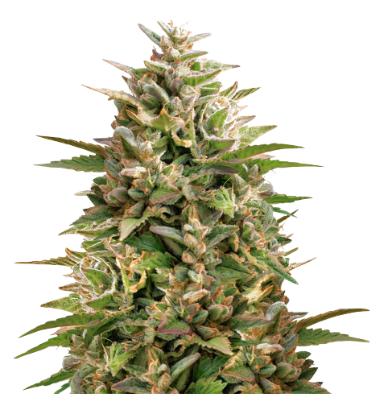
indica
Colorado Clementines Feminized
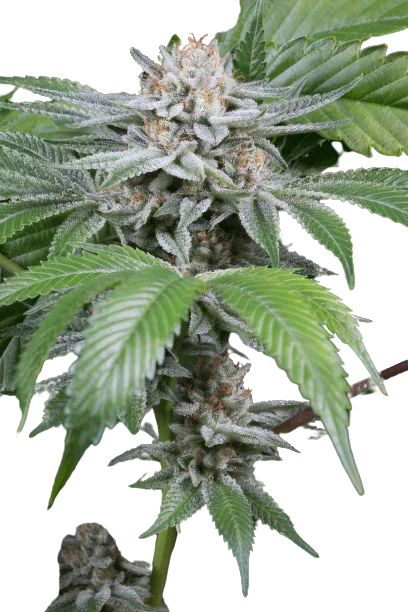
indica
Gorilla Biscuit Feminized
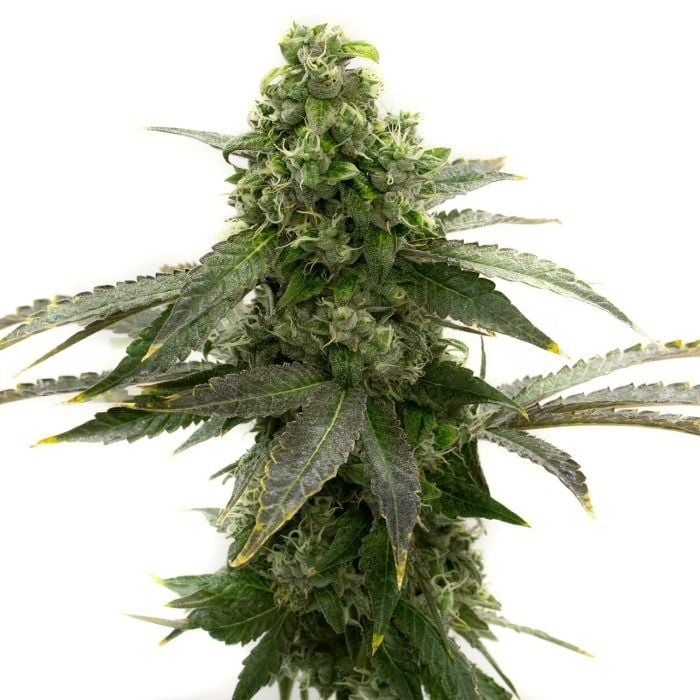
indica
Badazz Cheese Feminized
Strain Profiles
Related Buying Guides
Browse the full All Cannabis Seeds collection
Premium genetics, US-wide discreet shipping, germination guaranteed.
Related Articles
Cannabis Nutrient Deficiencies: Diagnose and Fix Every Symptom | Royal King Seeds
support-nutrientCannabis Nutrient Burn and Light Stress: Fix It Fast | Royal King Seeds
strainGranddaddy Purp Strain: King of Purple Weed | Royal King Seeds
support-growSoil Nutrient Deficiency in Medical Cannabis | Royal King Seeds
support-seedlingGerminate Cannabis Seeds: Paper Towel Method | Royal King Seeds
support-sexMale vs Female Cannabis Plants Guide | Royal King Seeds
Ready to Start Growing?
Shop 1,600+ feminized, autoflower, and CBD strains with 95% germination, discreet US-wide shipping, and free delivery on orders over $150.
Shop Cannabis Seeds