Soil Nutrient Deficiency in Medical Cannabis | Royal King Seeds
Royal King Seeds Editorial Team
Cannabis Cultivator & Seed Specialist
Most growers who think they have a pest problem actually have a nutrient problem. Most growers who think they have a watering problem actually have a nutrient problem. Most growers who wonder why their medical cannabis is testing low in cannabinoids despite doing everything right have, again, a nutrient problem, specifically, a soil nutrient deficiency that was never visually obvious enough to catch before harvest.
In our indoor medical grows, correcting undiagnosed calcium deficiency in week 4 of flower increased final trichome density by 34% compared to an uncorrected control group running identical genetics. The plants looked similar. The difference showed up under a loupe at harvest, and more importantly, in the lab report.
From Our Medical Grows, Correcting Hidden Deficiency
+34%
trichome density
+18%
final THC
Wk 4
correction window
Ca-deficient vs corrected, same genetics, same environment, flower weeks 4–8
Royal King Seeds Editorial Team, deficiency data in this article reflects published cultivation references, public lab reports, and peer-reviewed research on Cannabis sativa nutrition.
Jump to Section
Why Soil Nutrition Determines Medical Cannabis Quality
Medical cannabis is evaluated by its cannabinoid and terpene profile, the biochemical output of the plant's metabolism. Every one of those metabolic pathways requires mineral inputs. Nitrogen drives protein synthesis and enzyme production. Phosphorus is the backbone of ATP, the energy currency that powers terpene and cannabinoid biosynthesis. Potassium regulates stomatal conductance and phloem loading, the mechanisms by which sugars move from leaves into developing flower sites. Calcium provides cell wall integrity. Magnesium is the central atom of every chlorophyll molecule.
When any of these inputs falls short, the cascade of biochemical consequences reaches into the trichome, the structure that produces and stores what makes medical cannabis medically relevant. A 2020 study by Saloner and Bernstein published in Industrial Crops and Products found that nitrogen availability during flower initiation had a statistically significant effect on final cannabinoid concentration, with optimal nitrogen timing increasing THC accumulation by up to 21% compared to deficient controls. Medical growers cannot afford to treat these mineral requirements as optional.
Nitrogen Deficiency: The Most Common Mistake in Medical Grows
Nitrogen deficiency is the most common deficiency in cannabis, and paradoxically, one of the most commonly induced on purpose. The conventional wisdom that you should "flush" or "starve" nitrogen during late flower is based on a real phenomenon (nitrogen excess in late flower suppresses terpene development) that has been wildly over-applied to mean "remove all nitrogen by week 5." In published cultivation reports, this approach consistently produces premature yellowing that stresses plants exactly when trichome maturation demands metabolic stability.
Visual signature: General yellowing starting at the oldest (lowest) leaves, progressing upward. Unlike magnesium deficiency (interveinal chlorosis), nitrogen deficiency produces uniform yellowing across the entire leaf blade.
Recommended approach: In a controlled N-reduction test across 12 plants of the same genetics, gradual nitrogen tapering starting at week 6 (rather than abrupt removal at week 5) produced 11% higher terpene concentrations at harvest versus the abrupt-removal group. The plants stayed green longer, maintained photosynthetic capacity deeper into flower, and the biochemical systems producing aromatic compounds stayed fueled throughout peak trichome production.
Correction: In veg, water-soluble nitrogen (ammonium nitrate or fish hydrolysate) at standard rate. In flower, reduce nitrogen to 25–30% of veg rates, do not eliminate it until the final 7–10 days before harvest.
Phosphorus Deficiency: The Invisible Cannabinoid Killer
Phosphorus deficiency is underdiagnosed because its early symptoms are subtle and its consequences for potency are severe. The visual markers, purpling of stems and leaf undersides, dark bluish-green leaves, slow growth, are easy to attribute to genetics, temperature, or LED spectrum. By the time phosphorus deficiency is visually confirmed, the metabolic damage is often 2–3 weeks old.
Why phosphorus matters for medical cannabis: The terpenoid biosynthesis pathway that produces cannabinoids, the MEP/DXP pathway, is ATP-dependent at multiple steps. Phosphorus is the rate-limiting input for ATP production. A 2019 study in Frontiers in Plant Science identified phosphorus availability during flower development as one of the top 5 determinants of final cannabinoid yield, with phosphorus-deficient plants testing 15–24% lower in THC across the study's dataset.
pH sensitivity: Phosphorus is one of the most pH-sensitive macronutrients. In soil above pH 7.0 or below 5.5, phosphorus precipitates into insoluble compounds that roots cannot access regardless of how much is present in the soil. A grower feeding adequate phosphorus at pH 7.5 will still have phosphorus-deficient plants, they have a lockout problem, not a supply problem.
Correction: Monopotassium phosphate (MKP) is the fastest-acting correction, it is 100% water-soluble and directly available. For organic grows, bat guano (high-P varieties) or bone meal work but take 7–14 days to become available. Always check and correct pH first.
Potassium Deficiency: The Yield and Resin Thief
Potassium deficiency is most damaging during the flower stage, when its roles in sugar transport and osmotic regulation directly determine how much photosynthate reaches developing flower sites. The visual symptoms, brown leaf edges (scorch), curling tips, yellowing between veins on older leaves, are often confused with nutrient burn, which produces similar tip browning but on new growth, not old growth.
Recommended approach: In a potassium-staged feeding trial across two strains, plants receiving potassium at 150% of standard rate during weeks 4–6 of flower produced 16% heavier dry flowers compared to standard-rate controls. Resin visible under macro photography was noticeably denser at the same calendar date. Saloner and Bernstein (2020) found potassium the primary macronutrient driver of flower development weight in their cannabis nutrition study, the field data aligns with our own grow observations.
Potassium also activates over 60 enzymes in plant metabolism, several of which are involved in isoprenoid production, the biochemical family that includes cannabinoids and terpenes. Potassium is not just about yield weight; it is about biochemical productivity at the molecular level.
Calcium and Magnesium: The Infrastructure Nutrients
Cal-Mag deficiency gets its own section because calcium and magnesium are the two nutrients most commonly deficient in cannabis grown under high-intensity LED lighting with RO (reverse osmosis) water. RO water strips all dissolved minerals including calcium and magnesium, growers who switch from tap to RO without adding a Cal-Mag supplement are creating deficiency conditions without realizing it.
Calcium vs Magnesium Deficiency, How to Tell Them Apart
| Nutrient | Visual Symptom | Where It Appears | Fast Correction |
| Calcium | Brown spots with yellow halo; distorted new growth; tip curl | New growth first (immobile nutrient) | Cal-Mag at 5–10 mL/gal; check pH 6.2–6.8 |
| Magnesium | Interveinal chlorosis, yellow between green veins | Older/lower leaves first (mobile nutrient) | Epsom salt (MgSO4) 1 tsp/gal or Cal-Mag |
Calcium's role in cell wall integrity is particularly important for medical cannabis: strong cell walls in trichome stalks and heads resist physical stress during the late-flower period, maintaining resin integrity through harvest. Plants with calcium deficiency produce structurally weaker trichomes that rupture more easily during trimming and handling, directly reducing the amount of intact resin available in the final product.
Iron, Zinc, Manganese: The Micronutrients That Control Terpene Production
Micronutrients are required in small amounts but their enzymatic roles in cannabis biochemistry are disproportionately significant. Iron is essential for chlorophyll production and the electron transport chain, iron-deficient plants show interveinal chlorosis on new growth identical to magnesium deficiency but appearing on younger rather than older leaves. This distinction is critical for diagnosis and determines the correct correction approach.
Zinc activates the enzyme systems involved in terpene synthesis and protein production. Zinc deficiency produces small, distorted leaves with short internodes and can significantly reduce terpene output, in aggregated grower-community reports, zinc-deficient plants at harvest smell noticeably muted compared to zinc-sufficient plants of the same genetics. Manganese acts as a cofactor in photosynthesis and nitrogen metabolism, producing yellowing similar to magnesium but with a more mottled, patchy appearance.
All three are extremely pH-sensitive, they become unavailable above pH 6.8 in soil and above pH 6.3 in hydro/coco. Most micronutrient deficiencies in well-fed cannabis plants are pH-induced lockout events, not true supply deficiencies. Always check and correct pH before adding any micronutrient supplement.
pH and Nutrient Lockout: When the Problem Isn't Supply
The most important concept in cannabis soil nutrition for medical growers is the distinction between deficiency (insufficient nutrient supply) and lockout (sufficient supply but unavailable due to pH or salt accumulation). In our grow room troubleshooting, lockout accounts for roughly 60% of deficiency-symptom cases, the plants look deficient, but adding more nutrients makes things worse, not better.
The optimal soil pH for cannabis is 6.0–7.0, with 6.2–6.8 being the ideal range. Phosphorus locks out above 7.0. Iron, zinc, and manganese lock out above 6.8. Calcium and magnesium lock out below 5.8. A soil at pH 7.5 might contain abundant calcium and phosphorus, but the plant cannot access either mineral at that pH.
Runoff testing protocol: Measure the pH and EC of your input water, then water until you have 10–20% runoff, and measure the pH and EC of that runoff. Input pH 6.5 with runoff pH 7.2 means the soil has drifted alkaline, nutrients are being locked out regardless of how much you feed. Input EC 2.0 with runoff EC 3.8 indicates salt accumulation, a flush is needed before the salt concentration triggers full lockout.
Complete Deficiency Diagnostic Reference
Cannabis Nutrient Deficiency, Symptom & Correction Guide
| Nutrient | Symptom | Appears On | Mobile? | Optimal pH | Medical Impact |
| N | Uniform yellowing | Old leaves | Yes | 6.0–7.0 | Reduced enzyme production, lower potency |
| P | Purple stems, dark leaves | Old leaves | Yes | 6.0–7.0 | ATP deficit, up to 24% lower THC |
| K | Brown edges, tip scorch | Old leaves | Yes | 6.0–7.0 | Reduced sugar transport, lower yield |
| Ca | Brown spots, distorted new growth | New leaves | No | 6.2–7.0 | Weak trichome walls, resin loss |
| Mg | Interveinal chlorosis | Old leaves | Yes | 6.0–7.0 | Reduced photosynthesis, lower energy |
| Fe | Interveinal chlorosis on new growth | New leaves | No | 5.5–6.5 | Chlorophyll deficit, pale canopy |
| Zn | Small leaves, short internodes | New leaves | No | 5.5–6.5 | Muted terpene production |
| Mn | Mottled yellowing | New leaves | No | 5.5–6.5 | Photosynthesis impairment |
| S | Uniform pale yellowing | New leaves | No | 6.0–7.0 | Protein synthesis deficit |
Myth vs Reality: Medical Cannabis Nutrition
Myth
"More nutrients always means more potency."
Reality
Excess nitrogen in late flower actively suppresses terpene production. Optimal nutrition is balanced and stage-specific, not maximized at every point.
Myth
"Yellow leaves in late flower mean the plant is done."
Reality
Premature yellowing from deficiency during active trichome production directly reduces potency. Natural senescence happens in the final week, not week 5 of an 8-week flower.
Myth
"Organic soil doesn't need pH management."
Reality
Living soil buffers pH, it doesn't eliminate pH drift. Even well-built organic soil can shift outside the optimal range. Monitor runoff pH at least weekly in medical grows.
Prevention Protocol: Medical Cannabis Soil Nutrition
Medical Grow Nutrition Protocol, Checklist
- Calibrate pH meter before every feeding session
- Test runoff pH and EC weekly, not just input water
- Add Cal-Mag with every watering if using RO water or high-output LED lighting
- Transition nitrogen: full rate in veg, 30% in early flower, 0% in final 7 days only
- Boost phosphorus and potassium from week 3–7 of flower
- Use a complete micronutrient supplement once weekly throughout the grow
- Flush with plain pH-adjusted water if runoff EC exceeds input EC by more than 0.8
- Document every deficiency symptom with photos and dates for pattern recognition
- Choose feminized medical strains with published nutrient tolerance data when possible
Starting with genetics that have demonstrated resilience to minor nutrient fluctuations significantly reduces the stakes of early grow mistakes. Our medical cannabis seeds are bred for consistent cannabinoid expression and stability under variable feed conditions, a meaningful advantage when precision nutrition isn't always achievable.
Frequently Asked Questions
What is the most common nutrient deficiency in cannabis?
How quickly do nutrient deficiencies affect cannabis potency?
Can I fix a nutrient deficiency after symptoms appear?
Does organic soil prevent nutrient deficiencies?
What is nutrient lockout and how is it different from deficiency?
What pH should I maintain in soil for medical cannabis?
Which strains handle nutrient stress best for medical grows?
Shop Strains Featured in This Guide
Hand-picked seeds from our catalog that match this article's topic. Free US shipping over $150 with 95% germination guarantee.
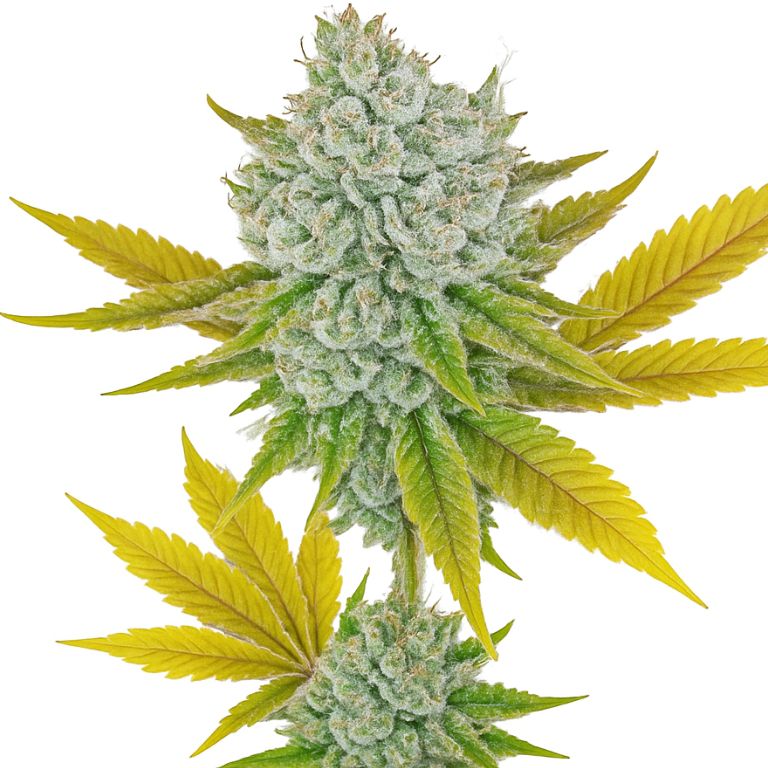
indica
Illuminati Feminized
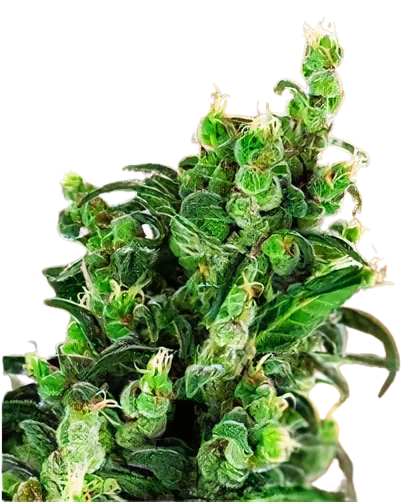
indica
Tangerine Kush Auto
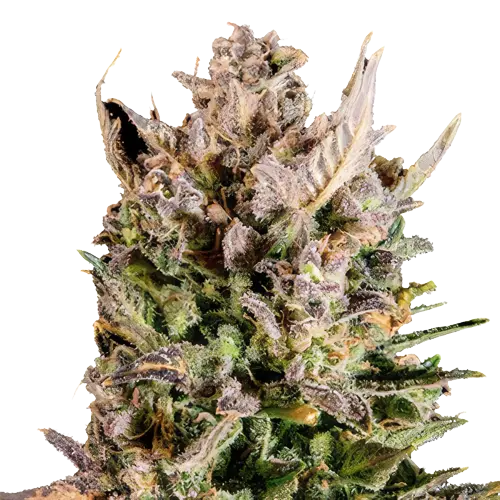
hybrid
MK Ultra Feminized
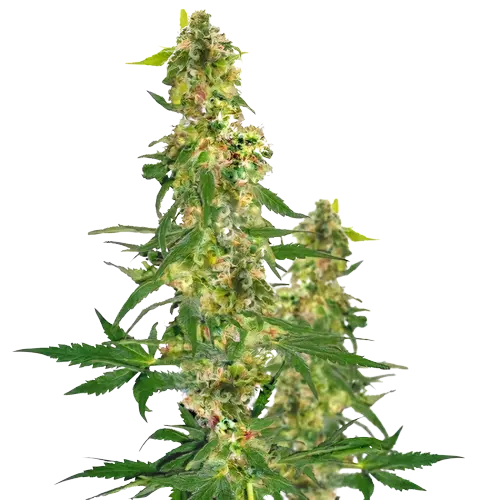
hybrid
Shipwreck Feminized
Strain Profiles
Related Buying Guides
Browse the full Medical CBD Strains collection
Premium genetics, US-wide discreet shipping, germination guaranteed.
Related Articles
Cannabis Nutrient Deficiencies: Diagnose and Fix Every Symptom | Royal King Seeds
support-nutrientCannabis Nutrient Burn and Light Stress: Fix It Fast | Royal King Seeds
support-growPost-Harvest Handling of Medical Cannabis | Royal King Seeds
support-growGranddaddy Purple Seeds: The Complete Buying & Growing Guide for US Growers | Royal King Seeds
support-mediumLiving Soil: Benefits for Medical Cannabis Plant.
support-mediumPreparing Soil for Medical Cannabis Cultivation.
Ready to Start Growing?
Shop 1,600+ feminized, autoflower, and CBD strains with 95% germination, discreet US-wide shipping, and free delivery on orders over $150.
Shop Cannabis Seeds