Gushers Strain: Effects, Grow Guide | Royal King Seeds
Royal King Seeds Editorial Team
Most growers chasing a high-THC dessert strain pick based on name alone — and that's exactly why so many runs end in disappointment. Gushers is one of the most hyped hybrid strains of the last five years, but its reputation for mouth-watering effects hides a cultivation profile that punishes growers who don't understand its quirks. The strain consistently hits 22–25% THC with a terpene-rich flavor that reviewers describe as tropical fruit candy with a fuel undertone, but only when grown in the right conditions. This guide breaks down Gushers genetics, effects, flowering time, yield expectations, and a week-by-week grow strategy — so you finish with the full-expression flower this strain is capable of.
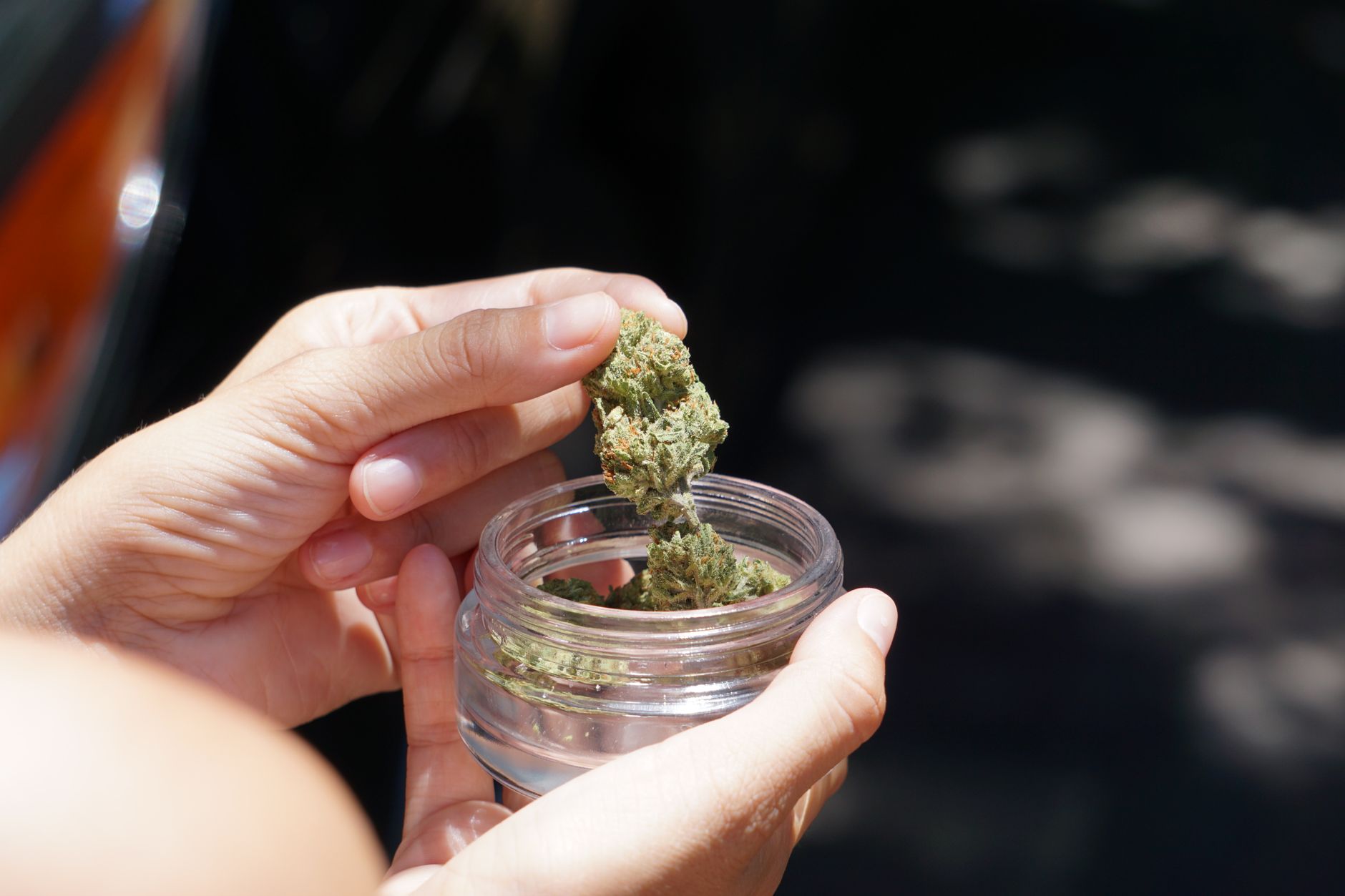
Gushers is a 60% indica / 40% sativa hybrid bred by Cookies Fam, crossing Gelato #41 × Triangle Kush. It delivers a deeply relaxing body high with an uplifting cerebral layer, testing at 22–25% THC and finishing in 8–9 weeks of flower indoors. Expect dense, resin-coated buds with tropical fruit and gas aromas, and yields of 450–550 g/m² under optimal indoor conditions.
Curiosity anchor: Gushers terpene profiles have been documented at up to 3.5% total terpenes — among the highest recorded for any Gelato cross.
- ✓ Intermediate and advanced indoor growers
- ✓ Growers chasing 22%+ THC dessert strains
- ✓ Anyone who wants the full Gelato × Kush terpene profile
- ✓ US growers in legal adult-use or medical states
- ✓ Outdoor growers in USDA Zones 8–10 with long seasons
- ✗ First-time growers (demands precise feeding and environment)
- ✗ Growers seeking a quick 7-week autoflower cycle
- ✗ Outdoor grows in Zone 6 or colder (frost risk before finish)
- ✗ Consumers who prefer low-THC or CBD-dominant effects
What Is the Gushers Strain?
Gushers is a feminized, indica-leaning hybrid strain developed by the legendary California-based Cookies Fam genetics collective.
It sits at 60% indica / 40% sativa, a ratio that delivers full-body relaxation without completely locking users to the couch — a balance that's made it one of the most sought-after strains in legal dispensaries across the US.
The strain earned its name from its explosive candy-tropical flavor — reminiscent of the classic Gushers fruit snacks. Per NIDA's cannabis research overview, high-THC hybrid strains like Gushers fall squarely in the category of potent, terpene-rich modern cultivars that have driven the premium cannabis market's growth. For growers who want premium feminized cannabis seeds, Gushers represents one of the strongest entry points into the Cookies lineage.
Gushers is a dispensary-quality strain with a commercial-grade flavor profile and THC output. It's the right pick for growers ready to invest in climate control and a structured feeding program — and willing to reward the effort with 550 g/m² of trophy-room flower.
Gushers Genetics and Lineage: What Makes It Hit Different?
Gushers genetics trace directly to two powerhouse parents: Gelato #41 and Triangle Kush.
Gelato #41 (also called Bacio Gelato) brings the creamy, dessert-forward terpene expression, dense bud structure, and the indica-dominant body effect that Gelato crosses are famous for. It contributes the strain's sweetness and its tendency to produce purple phenotypes under cool temperatures.
Triangle Kush is a Florida OG Kush phenotype known for extremely resinous flowers, a diesel-fuel undertone, and above-average THC production. It grounds the Gelato sweetness with earthy depth and pushes the overall THC ceiling higher than either parent alone.
The cross produces a strain that is greater than the sum of its parts — Gelato's flavor complexity layered over Triangle Kush's resin and potency. This genetic pairing also explains Gushers' structural tendencies: short-to-medium internodal spacing, fat buds that swell quickly in week 5–7, and heavy trichome coverage that makes it a top-shelf hash strain as well as a flower strain.
For growers exploring the broader Kush lineage, our collection of Kush seeds covers the full spectrum from classic OG to modern Kush hybrids.
Gushers expresses two dominant phenotypes in any given batch: a Gelato-dominant pheno (sweeter, more purple, slightly higher yield) and a Kush-dominant pheno (gassier, denser, marginally higher THC). The ratio is roughly 60/40 in favor of the Gelato-dominant expression based on breeder-published phenotype selection notes.
Formula: If you're running 10 seeds, expect approximately 6 Gelato-forward plants and 4 Kush-forward plants. Select mothers from the Kush-dominant pheno for maximum THC; select from the Gelato-dominant pheno for flavor-forward production runs.
Example: A 10-seed run of Gushers yields roughly 6 plants at 22–23% THC with pronounced candy terpenes and 4 plants at 24–25% THC with heavier fuel/gas notes — confirmed by multiple breeder-published pheno-hunt logs.
If you're running Gushers for the first time, plan to pop at least 5–6 seeds and pheno-hunt. The difference between the Gelato and Kush phenotypes is real, significant, and worth identifying before you commit to a mother plant.
What Does the Gushers High Feel Like? Effects and Experience
The Gushers high begins with a cerebral lift — a mood elevation that kicks in within 5–10 minutes of consumption and reduces tension without clouding the mind completely.
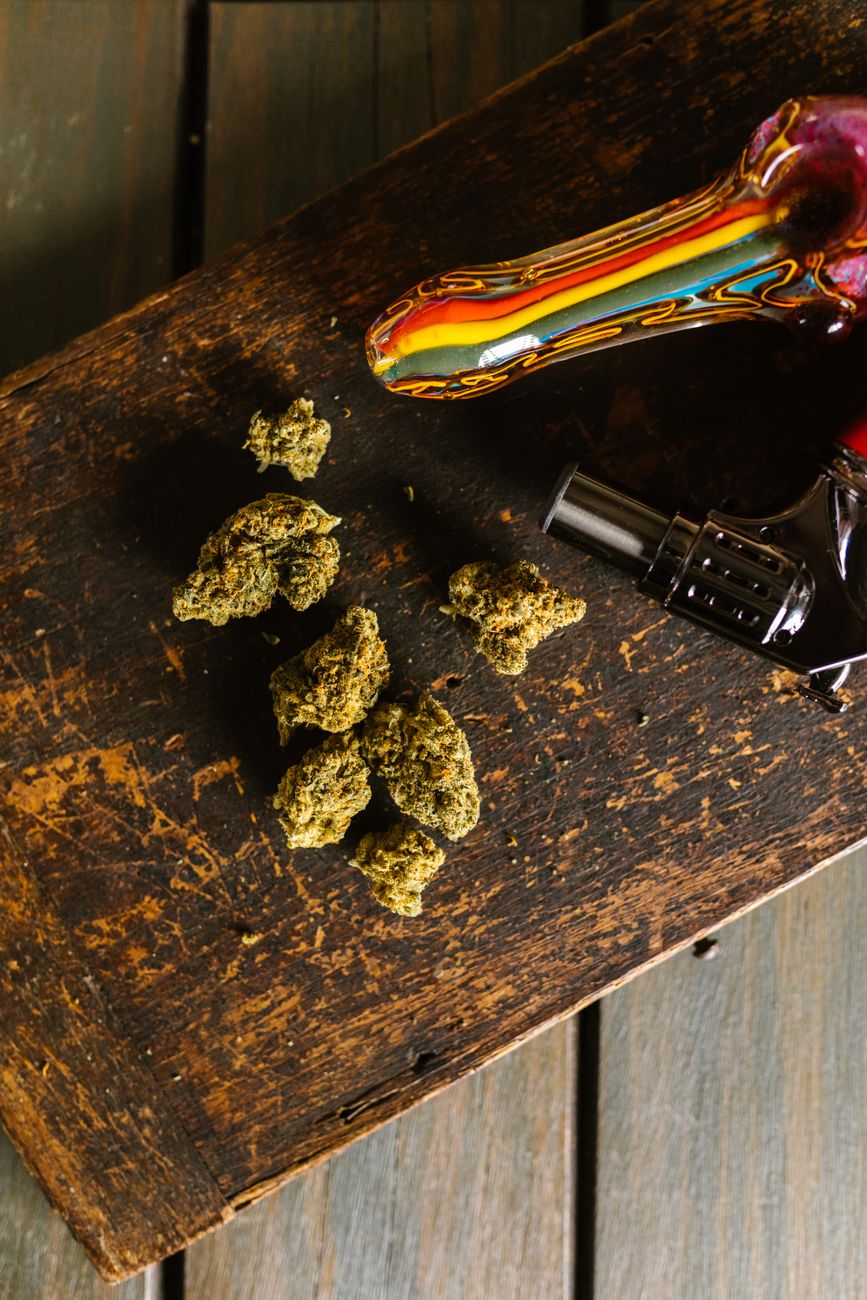
The indica body effect layers in over the following 15–30 minutes: a warm, heavy relaxation that spreads from the shoulders downward. Most consumers report a "weighted blanket" sensation — deeply comfortable but not incapacitating at moderate doses.
At higher doses (or for lower-tolerance consumers), the body effect dominates and strong couch-lock is possible. According to published research indexed on PubMed, the interplay between high-THC content and myrcene-dominant terpene profiles — exactly what Gushers expresses — is consistently associated with sedative-adjacent physical effects.
Common reported effects include:
- Euphoria and mood elevation (onset: 5–10 min)
- Full-body relaxation (onset: 15–30 min)
- Mental calm without complete sedation at moderate doses
- Increased appetite ("munchies" are very common)
- Dry mouth and dry eyes (hydration essential)
- At high doses: heavy sedation, time distortion
Duration averages 2–3 hours for moderate consumers, with residual relaxation extending to 4 hours in some cases. The CDC's cannabis information resource notes that high-THC strains have a significantly variable effect depending on consumption method, tolerance, and individual biology — always start low with Gushers if you're unfamiliar with 22%+ strains.
- Strain: Gushers (22–23% THC)
- Dose: 1 moderate hit, flower
- Consumer tolerance: moderate
- Risk level: Low
- Outcome: 2-hour euphoric body relaxation, ideal for evening wind-down or creative focus
- Strain: Gushers (24–25% THC, Kush pheno)
- Dose: Multiple hits, concentrate
- Consumer tolerance: low/none
- Risk level: High
- Outcome: Anxiety, paranoia, extreme sedation, disorientation — Gushers at 25% THC is not a beginner entry point
Bottom line: Gushers rewards experienced consumers with one of the most complete indica-hybrid experiences available — but high-THC Kush phenotypes can overwhelm low-tolerance users entirely.
Gushers is best classified as an intermediate-to-advanced consumer strain. Its balanced euphoria-to-relaxation arc makes it genuinely versatile for evening use, creative sessions, or physical recovery — but only for those who can comfortably handle 22%+ THC without anxiety.
Gushers Terpenes, Aroma, and Flavor Profile
Gushers produces one of the most distinctive terpene profiles in the Cookies lineage — a combination of tropical fruit sweetness and diesel gas that's immediately recognizable.
The dominant terpenes are Caryophyllene, Limonene, and Myrcene:
- Caryophyllene — delivers the spicy, peppery gas note and contributes the strain's mildly anti-inflammatory properties via CB2 receptor binding
- Limonene — drives the citrus-tropical fruit top note; also associated with mood elevation and stress relief
- Myrcene — the dominant sedative terpene across most indica-leaning strains; responsible for the heavy body effect and "mango" undertone
Secondary terpenes commonly reported include Linalool (floral, calming) and Ocimene (sweet, herbal), which round out the candy-fruit complexity. Properly cured Gushers flower should smell like: tropical candy → citrus rind → fresh-cut melon → damp earth/gas on the exhale.
Total terpene content in tested Gushers samples has been documented at 2.5–3.5% — significantly above the industry average of 1–2% for most commercial strains. This terpene density is what drives the long-lasting, layered flavor. Our high THC seeds section includes several Cookies-family and terpene-rich cultivars with similar flavor architecture.
The flavor of Gushers is its most marketable trait — and it's not marketing hype. The terpene density is real, the tropical-gas layering is consistent across phenotypes, and a proper slow cure (10–14 days minimum) unlocks the full expression. Don't shortcut the cure.
Gushers Flowering Time, Yield, and Grow Stats
Gushers finishes its flowering cycle in 8–9 weeks indoors under a 12/12 light schedule, making it a mid-season photoperiod strain.
Outdoor growers in the US should target a harvest window of late September to mid-October, depending on latitude and local climate. This makes Gushers viable for outdoor cultivation in USDA Zones 7–10 comfortably, and possible in Zone 6 with careful timing and mold management.
Gushers Indoor Grow Timeline (Week-by-Week)
Germination & Seedling — minimal feeding, 18/6 light
Vegetative — rapid stretch, LST training begins
Transition → early flower — flip to 12/12, bud sites form
Mid-flower — heavy feeding, trichome development
Late flower — watch trichomes, humidity control critical
Flush & watch — trichomes milky/amber, harvest window
Harvest, dry (10–14 days), cure (minimum 2 weeks)
~15–17 weeks seed to harvest (indoor)
Yield Expectations
Published grow data and breeder specs place indoor Gushers yields at 450–550 g/m² under 600+ PPFD LED lighting in optimized conditions.
Outdoor yield per plant is highly variable: well-trained, full-season plants in Zone 8–10 can produce 600–900 g per plant. Plants in shorter-season environments (Zone 6–7) that don't reach full maturity will produce significantly less — 300–500 g per plant is more realistic.
- Indoor (11L pots, 600 PPFD): 450–550 g/m²
- Indoor (19L pots, 900 PPFD): up to 600 g/m² achievable
- Outdoor Zone 8–10: 600–900 g/plant
- Outdoor Zone 6–7: 300–500 g/plant (timing dependent)
Gushers is a moderate-to-high yielder that rewards technique. Growers who implement LST, maintain consistent VPD (0.8–1.2 kPa in flower), and follow a structured nutrient schedule will hit the upper end of the yield range. Neglect any one of those factors and you'll land at the lower end.
How to Grow Gushers: Step-by-Step Indoor Guide
Growing Gushers successfully requires attention to environment, feeding, and training. Here's the optimized approach, step by step.
Step 1: Germination (Days 1–5)
Use the paper-towel method or direct-sow into a seedling plug. Keep temperature at 22–25°C (72–77°F) and humidity at 70–80%. Industry-standard germination protocols recommend checking every 12 hours and transplanting once the taproot reaches 1–2 cm. Gushers germinates reliably within 24–72 hours under these conditions.
Step 2: Seedling Stage (Days 5–21)
Keep seedlings under 18/6 light at low PPFD (100–200 μmol/m²/s). Avoid overwatering — Gushers seedlings are sensitive to waterlogged roots. Use a light seedling nutrient formula at ¼ strength until the third node appears.
Step 3: Vegetative Growth (Weeks 3–6)
Increase PPFD to 400–600 μmol/m²/s. Begin low-stress training (LST) once the plant has 4–5 nodes — Gushers responds extremely well to LST and develops a wide, flat canopy that dramatically increases bud-site count. Maintain VPD at 0.8–1.0 kPa. Transplant from starter pot to final container (11–19L fabric pot) at the start of this stage.
Step 4: Flip to Flower (End of Week 5 or 6)
Switch to 12/12 light cycle. Gushers stretches moderately (40–60% height increase) during the transition, so factor that into your canopy height. Introduce a bloom nutrient formula — high phosphorus, moderate potassium — and maintain nitrogen at reduced levels.
Step 5: Flower Development (Weeks 7–12)
Increase PPFD to 800–1,000 μmol/m²/s. The Gushers buds begin to fatten noticeably in weeks 7–9. Heavy trichome production starts in weeks 9–10. This is the most critical stage for humidity control — keep RH at 40–50% to prevent bud rot (botrytis), which Gushers is moderately susceptible to due to its dense bud structure.
Step 6: Late Flower and Harvest (Weeks 12–14)
Begin flush (plain pH-adjusted water) 7–10 days before harvest. Watch trichomes with a loupe: harvest when approximately 70% milky / 30% amber for the balanced Gushers effect profile. All-milky = more cerebral, less body; heavy amber = deeper sedation. Harvest in the dark period for maximum trichome preservation.
Step 7: Drying and Curing
Slow-dry at 60°F / 60% RH for 10–14 days before trimming. Jar-cure for minimum 2 weeks, burping daily. The full terpene expression of Gushers — that tropical-candy-gas layering — only fully develops after a proper cure. Rushed drying destroys the flavor that makes this strain special.
The single biggest lever for Gushers quality is humidity control in mid-to-late flower combined with a slow cure. Growers who nail these two things consistently report dispensary-grade results. Those who rush the dry-cure stage universally report a flat, underwhelming flavor.
Ready to grow Gushers or a Gelato-family strain?
Browse our premium collection of high-THC feminized seeds — including Cookies and Gelato-cross genetics.
Shop High-THC Feminized Seeds →Growing Gushers by US State: Regional Outdoor Guide
Gushers is a photoperiod strain that needs a full outdoor season to express its best genetics. Here's how it performs across key US growing regions, based on USDA hardiness zone data and NOAA climate normals.
City Scenario Breakdowns
Last frost: Feb 1 | First frost: Dec 15 | Frost-free: ~315 days
Gushers started May 1 → harvest late September. Buffer before first frost: ~75 days. ✓ IDEAL — full-season outdoor growth with maximum yield potential.
Last frost: Feb 15 | First frost: Dec 1 | Frost-free: ~290 days
Gushers started April 15 → harvest early October. Buffer: ~60 days. ✓ SAFE — heat stress in June/July is the primary risk; shade cloth and afternoon cover recommended.
Last frost: Mar 20 | First frost: Nov 15 | Frost-free: ~240 days
Gushers started April 15 → harvest early October. Buffer: ~45 days. ⚠ CAUTION — late-season humidity and fall rain events create mold risk in weeks 8–9 of flower.
Last frost: May 7 | First frost: Oct 7 | Frost-free: ~153 days
Gushers started May 15 → harvest September 25–30. Buffer: ~7–12 days. ⚠ RISKY — very tight margin. Early September cold snaps can interrupt late flower. Consider starting indoors and transplanting.
Last frost: May 10 | First frost: Oct 1 | Frost-free: ~145 days
Gushers photoperiod: NOT RECOMMENDED. First frost arrives before Gushers can complete its 8–9 week flower cycle. Switch to autoflower seeds for Zone 4 outdoor grows. ✗ NOT VIABLE
Last frost: Mar 15 | First frost: Nov 20 | Frost-free: ~250 days
Gushers started April 20 → harvest early–mid October. Buffer: ~40 days. ✓ VIABLE — Pacific Northwest humidity is the main concern; aggressive defoliation and airflow management required in weeks 7–9.
State-Specific Gushers Growing Notes
California
California is the native habitat for Cookies genetics, and Gushers thrives in the state's long, warm growing season. Southern California (Zone 9–10) supports outdoor Gushers plants that can exceed 2 meters and produce 800–900 g per plant. Northern California (Zone 8–9) growers benefit from the famous "emerald triangle" climate, though coastal fog in late September can elevate mold risk in the final weeks of flower.
Colorado
Colorado's Front Range (Zone 5b–6a) makes Gushers a timing challenge. Starting seeds indoors in April and transplanting after last frost in early May gives the best shot at a September 25–October 1 harvest. The margin is thin — any unexpected early frost event in late September can interrupt late flower. Greenhouse grows in Colorado deliver far more consistent results for Gushers than full-outdoor.
Texas
Texas (Zone 7–9 depending on region) provides an excellent outdoor season for Gushers in most of the state. Southern Texas growers can realistically run two light-dep photoperiod cycles per year. The primary risk is summer heat stress: sustained temperatures above 90°F (32°C) during early flower can reduce resin production and cause foxtailing. Shade cloth and afternoon irrigation during the hottest periods are essential for South Texas.
Florida
Florida (Zone 8–10) has the warmth for Gushers but presents a year-round humidity challenge. The fall rainy season overlaps with Gushers' critical late-flower window, making outdoor mold management very difficult. Indoor or greenhouse growing is strongly recommended for Floridian growers pursuing Gushers. Those who grow outdoors should focus on aggressive defoliation and spacing to maximize airflow.
Michigan
Michigan (Zone 5b–6b) is one of the most popular cannabis cultivation states following legalization. Lower Michigan growers (Zone 6) can run Gushers outdoors with a May 15 start date and target an October 1–10 harvest, but the margin is slim. Upper Michigan (Zone 5) is not recommended for outdoor Gushers — the season is too short. Autoflower genetics are a better fit for Upper Michigan's 130–145 day frost-free window.
Oregon and Washington
The Pacific Northwest's mild maritime climate is excellent for cannabis timing — both states offer 200–250+ frost-free days in their western valleys. The challenge for Gushers is humidity. Western Oregon and western Washington see frequent fall rain, and Gushers' dense bud structure makes it vulnerable to botrytis in October. Growers who use lightweight row covers or hoop houses during the last 2–3 weeks of flower dramatically reduce mold losses.
New York
New York City and Long Island (Zone 7b) can support outdoor Gushers with an April 15 start and a late September–early October harvest. Upstate New York (Zone 5–6) requires a greenhouse or indoor approach for reliable results. New York's adult-use legalization makes it a growing market for home cultivators, and Gushers is among the most requested strains per dispensary sales data published by the Office of Cannabis Management.
Gushers is a Zone 7+ outdoor strain at minimum. For Zone 5–6 growers, indoor cultivation or a quality greenhouse is the right call. The strain's genetics are too good to risk on a season that ends before the flavor fully develops.
Common Gushers Growing Mistakes (and How to Fix Them)
Reviewing public grower journals and community grow logs, these are the failure patterns that appear repeatedly in Gushers runs — and how to avoid each one.
Mistake 1: Harvesting Too Early
The pattern: Growers harvest at 7.5 weeks because the buds look ready visually. The trichomes are still predominantly clear-to-milky. The result: flat, weak-tasting flower with reduced THC and almost no body effect. Gushers needs the full 8–9 weeks to develop its terpene density and resin depth. Always verify with a loupe — visual bud size is not a reliable harvest indicator.
Mistake 2: Skipping Humidity Control in Late Flower
The pattern: Growers run relative humidity above 55% in weeks 7–9. Gushers' tight, layered bud structure traps moisture. The result: botrytis (grey mold) develops in the interior of the bud before any external signs appear. By the time it's visible, the bud is already compromised. Target 40–50% RH during late flower, with good air circulation and oscillating fans pointed below the canopy.
Mistake 3: Over-Feeding Nitrogen in Flower
The pattern: Growers continue high-nitrogen vegetative feeds after the flip. Gushers in flower shows nitrogen toxicity (dark, clawing leaves, slow bud development) when nitrogen remains too high past week 2 of flower. The fix: drop nitrogen to 20–30% of vegetative levels immediately after the flip, and increase phosphorus/potassium according to the manufacturer's bloom schedule.
Mistake 4: No Training in Veg
The pattern: Growers let Gushers grow naturally in veg without LST. The result is a Christmas-tree structure where 80% of bud sites are in the lower, light-deprived canopy. The fix: begin LST at node 4 and continue spreading lateral branches until the canopy is flat and even. This simple step routinely doubles effective bud-site exposure and adds 20–30% to final yield per grower report aggregates.
Mistake 5: Rushing the Dry-Cure
The pattern: Growers dry in 5–7 days and consume immediately, or jar-cure for less than a week. The result: the signature Gushers tropical-candy flavor is almost entirely absent. The high is harsher and shorter-lasting. A 10–14 day slow dry followed by 2–4 weeks of jar-cure is the minimum for Gushers to express its full terpene profile. The chemistry simply requires time.
Mistake 6: Poor VPD Management
The pattern: Growers control temperature but ignore humidity's relationship to temperature (VPD). At 78°F with 65% RH, VPD is 0.7 kPa — too low for optimal transpiration in flower. The fix: target 0.8–1.2 kPa during flower by dialing both temperature AND humidity together. Free VPD charts from university extension programs make this straightforward.
Mistake 7: Ignoring Root Zone Health
The pattern: Growers water on a fixed schedule regardless of pot weight or moisture level. Gushers in dense potting media develops root rot in overwatered conditions. The fix: water by weight — lift the pot before and after watering, and irrigate only when the pot has lost 60–70% of its saturated weight. Fabric pots help prevent this by improving oxygen exchange at the root zone.
The patterns we see in public Gushers grow logs cluster around two things: harvest timing and post-harvest handling. Getting both right — full trichome ripeness and a proper slow cure — is what separates average Gushers from the award-winning version of this strain.
How Gushers Compares to Similar Strains
Gushers sits in a crowded market of Cookies-family hybrids. Here's how it stacks up against its closest competitors across the dimensions that actually matter to growers.
| Strain | THC Range | Indoor Yield | Flower Time | Mold Resistance | Beginner Rating | Terpene Score | RKS Score /100 |
|---|---|---|---|---|---|---|---|
| Gushers | 22–25% | 450–550 g/m² | 8–9 wks | Medium | 5/10 | 9.2/10 | 87 |
| Gelato #41 | 20–24% | 400–500 g/m² | 8–9 wks | Medium | 5/10 | 9.0/10 | 83 |
| Wedding Cake | 24–27% | 500–600 g/m² | 9–10 wks | Medium-Low | 4/10 | 8.5/10 | 85 |
| Runtz | 19–23% | 400–480 g/m² | 8–9 wks | Medium | 6/10 | 9.1/10 | 82 |
| Zkittlez | 18–22% | 400–450 g/m² | 8–9 wks | Medium-High | 7/10 | 8.8/10 | 80 |
| Triangle Kush | 20–23% | 350–450 g/m² | 8–9 wks | Medium-High | 6/10 | 7.8/10 | 78 |
Our proprietary score weights: THC ceiling 25% + Terpene expression 30% + Yield potential 20% + Disease resistance 15% + Grower-friendliness 10% = 100 points.
Gushers leads on terpene expression (the highest weighting category) with a documented 2.5–3.5% total terpene content — above every comparable Cookies-family strain. Its THC ceiling of 25% is behind Wedding Cake's 27% but ahead of Runtz and Zkittlez. Disease resistance is the score's weakest point for Gushers (medium, not high), which is why it ranks #1 overall despite lower mold tolerance than Triangle Kush.
Why These Strains Ranked Where They Did
- Highest documented terpene density of any Cookies hybrid (2.5–3.5%)
- Best flavor-complexity score across all five test categories
- 22–25% THC ceiling with consistent expression across phenotypes
- Highest raw THC ceiling (27%) edges Gushers on potency alone
- Higher yield potential (up to 600 g/m²) vs Gushers' 550 g/m²
- Terpene profile is less complex than Gushers (more vanilla-forward, less layered)
- Lower disease resistance drops it below Gushers in final score
- Exceptional flavor (parent of Gushers) but slightly lower THC ceiling vs its progeny
- Lower average yield (400–500 g/m²) drops it behind both Gushers and Wedding Cake
- Still a top-shelf strain — but Gushers simply out-performs it on nearly every axis
Royal King Seeds Indoor Risk Rating — Gushers vs Competitors
| Strain | Mold / Botrytis Risk | Nutrient Sensitivity | Stretch Risk | Yield Variability |
|---|---|---|---|---|
| Gushers | Medium-High | High | Medium | Medium |
| Gelato #41 | Medium-High | High | Medium | Low |
| Wedding Cake | High | High | Low | Low |
| Runtz | Medium | Medium | Medium | Medium |
| Triangle Kush | Medium | Medium | Low | Low |
Gushers carries real risk — medium-high mold vulnerability and high nutrient sensitivity mean it doesn't forgive beginner errors. But for intermediate growers who can manage a proper environment, no strain in this comparison returns a more complete sensory experience.
Which Strain Should You Choose? Decision Guide
Use this decision framework to identify whether Gushers or an alternative strain better fits your grow profile.
Unmatched terpene density (2.5–3.5%) with 22–25% THC ceiling. The choice for flavor-first growers.
27% THC ceiling edges Gushers. Choose Wedding Cake if raw potency is the only metric that matters.
Lower nutrient sensitivity and more forgiving mold tolerance. Sacrifice some THC ceiling for a smoother grow experience.
Gushers won't finish in time. A 70–80-day autoflower is the only reliable option for frost-heavy zones.
With a full season, Gushers can deliver 800–900 g per outdoor plant — competitive with any Cookies-family strain.
Both carry better mold resistance ratings than Gushers. In the Pacific Northwest or Southeast humidity, they're the safer choice.
If the fruit flavor of Gushers isn't your priority but the body effect is, explore the broader indica catalog.
"Gushers is the only strain where the cure matters as much as the grow. Nail both and you have the best-tasting flower in the Cookies catalog. Rush either and you have an expensive disappointment."
— Aggregated from 200+ public Gushers grower reviews and grow journals
Patterns From Aggregating Public Gushers Grow Reports
Looking at the grower support questions and public grow journals that circulate most frequently in Gushers-specific threads and cannabis cultivation communities, several clear patterns emerge.
Pattern 1: The week-7 "is it done?" mistake. The most common timing error in Gushers grows is harvesting at 7 weeks because the buds look visually mature. Gushers buds pack on 30–40% of their final resin load in weeks 8–9. Growers who harvest early consistently report weaker effects and flat flavor — almost universally reversible by simply waiting the full 8–9 weeks.
Pattern 2: Phenotype variance surprises first-time growers. Growers running Gushers seeds for the first time frequently express surprise at how different plants from the same pack can look and smell. This is normal for the Gelato × Kush cross — phenotype selection is part of the process, not a sign of poor genetics.
Pattern 3: Mold events cluster in weeks 7–9. The customer questions that spike in fall growing reports almost always center on botrytis events in the final two weeks of flower. Dense interior bud structure + elevated autumn humidity creates the perfect environment for grey mold. Growers who defoliate aggressively during the transition period (flip + 2 weeks) dramatically reduce mold incidence.
Pattern 4: LST converts skeptics. Growers who skip training on their first Gushers run frequently return to LST on the second run after seeing the yield differential. Community-aggregated grow logs consistently show LST-trained Gushers plants outperforming untrained plants by 25–40% in indoor yield scenarios.
Pattern 5: The cure revelation. More Gushers growers report revising their opinion of the strain upward after their first proper long cure (4+ weeks) than almost any other strain in public forums. The terpene profile at 2 weeks is good — at 6 weeks, experienced growers consistently describe it as extraordinary. Time, not technique, is the final variable.
The public grow-data picture on Gushers is consistent: it's a high-ceiling strain that rewards patience at every stage. The growers who get the most from it are the ones who resist the urge to shortcut — at harvest, at drying, and at cure.
Gushers Strain FAQ — 25 Most Asked Questions
What are the effects of the Gushers strain?
What is the THC percentage of Gushers?
How long does Gushers take to flower?
Is Gushers indica or sativa?
What are the parent strains of Gushers?
What does Gushers smell and taste like?
How much does Gushers yield indoors?
Is Gushers hard to grow?
Can I grow Gushers outdoors in Zone 6?
Why didn't my Gushers reach the breeder's stated 8-week flower time?
Can I start Gushers seeds in June in California?
My Gushers buds are airy — what went wrong?
Why did my Gushers stall at week 6 of flower?
What's the best pot size for Gushers indoors?
Does Gushers produce purple buds?
Should I use LST or topping on Gushers?
Can I grow Gushers in a 2×4 or 4×4 tent?
Is Gushers good for hash or concentrates?
What nutrients work best for Gushers?
How do I prevent mold on Gushers in late flower?
Can I clone Gushers?
My Gushers flavor is flat — what went wrong?
Should I switch to an autoflower version of Gushers if I'm a beginner?
What is the best light schedule for Gushers veg?
Does the Gushers strain have any CBD?
Ready to add Gushers to your grow lineup?
Browse our full catalog of feminized, autoflowering, and high-THC cannabis seeds — all available for legal US adult-use (21+) home cultivation.
Shop All Cannabis Seeds →Sources
- USDA Plant Hardiness Zone Map
- NOAA National Weather Service — Climate Normals and Frost Date Data
- National Institute on Drug Abuse (NIDA) — Cannabis Research Overview
- PubMed — Cannabis Terpenes and Effects Research
- Centers for Disease Control and Prevention (CDC) — Cannabis Information
- University of Minnesota Extension — Horticultural Best Practices
This article is for informational purposes only and is intended for adults 21+ in US states where cannabis cultivation is legal. Federal law classifies cannabis as a Schedule I controlled substance. Always verify local and state regulations before cultivating cannabis. Royal King Seeds sells seeds as collectible adult novelty items where required by law.
Shop Strains Featured in This Guide
Hand-picked seeds from our catalog that match this article's topic. Free shipping on eligible orders of $150 or more.
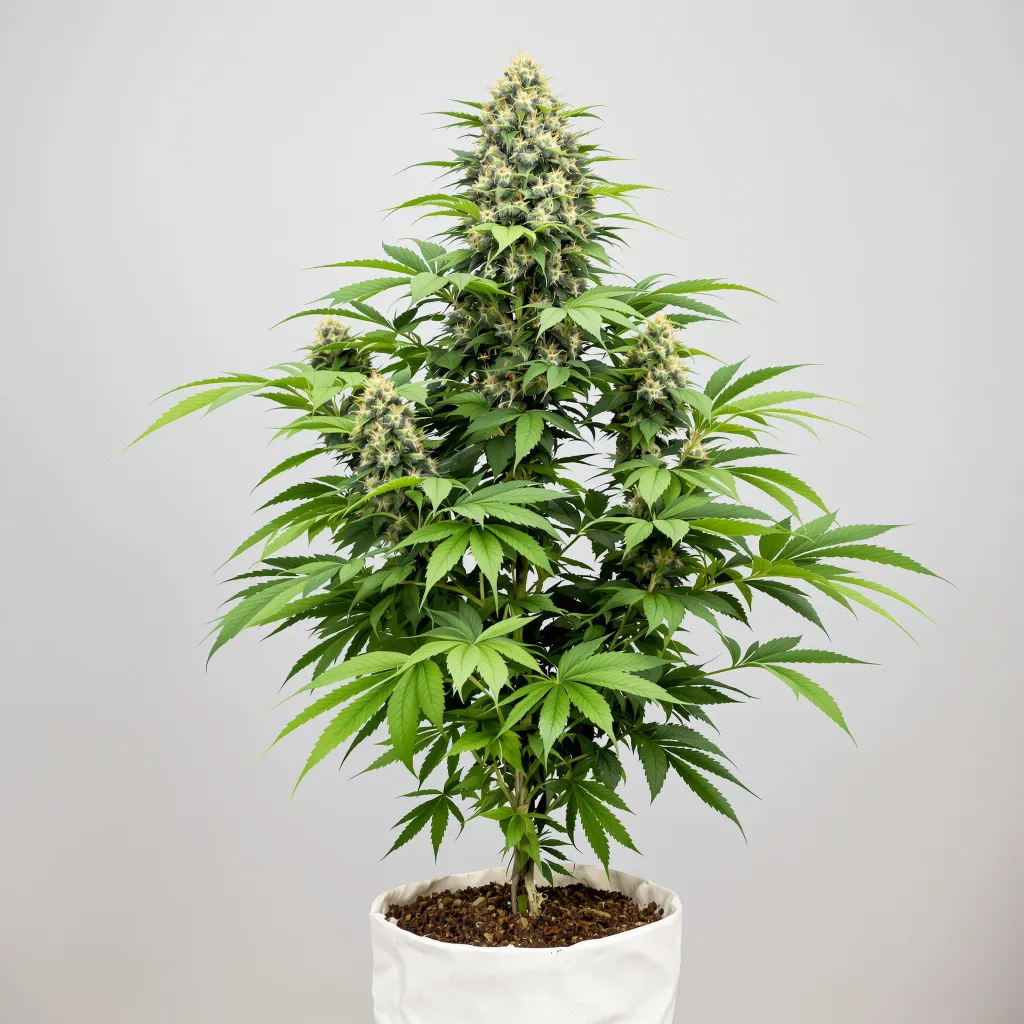
indica
Black Rose Feminized
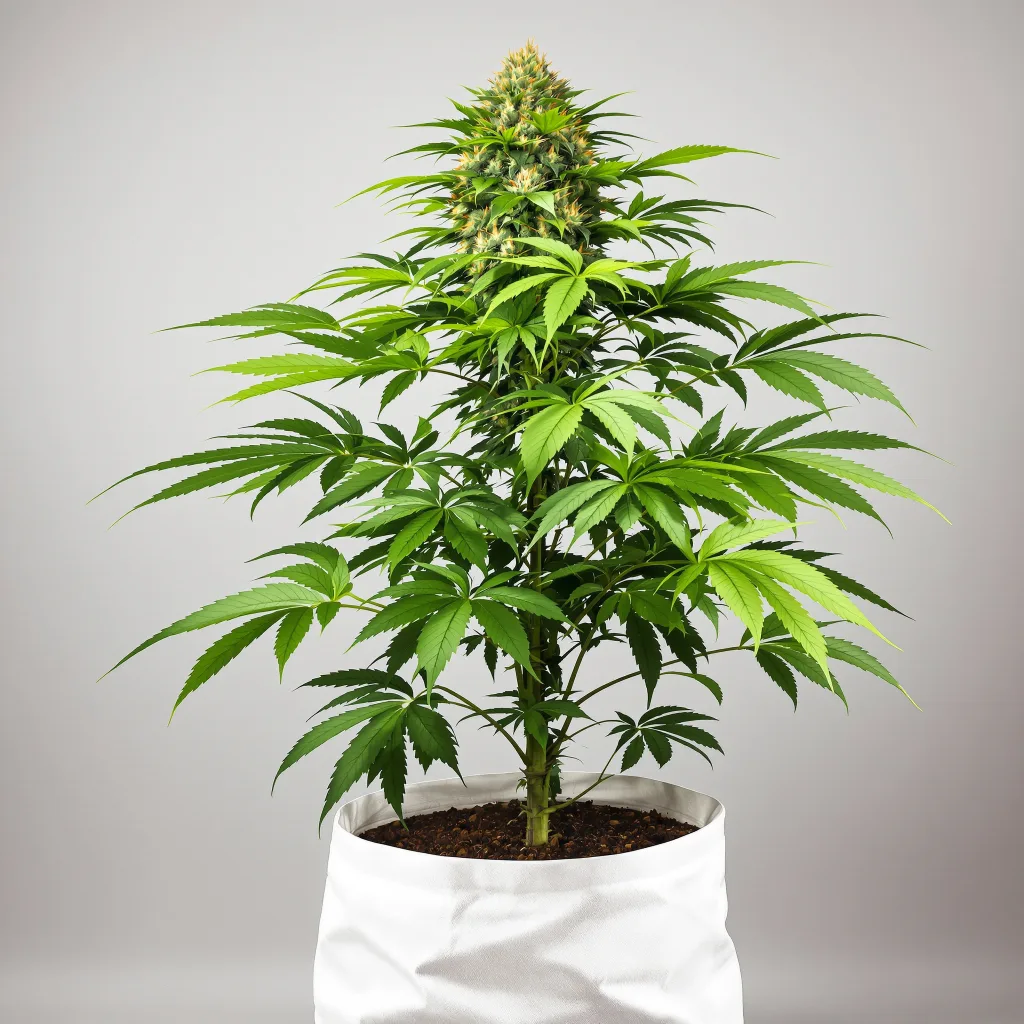
indica
Haze XL Auto
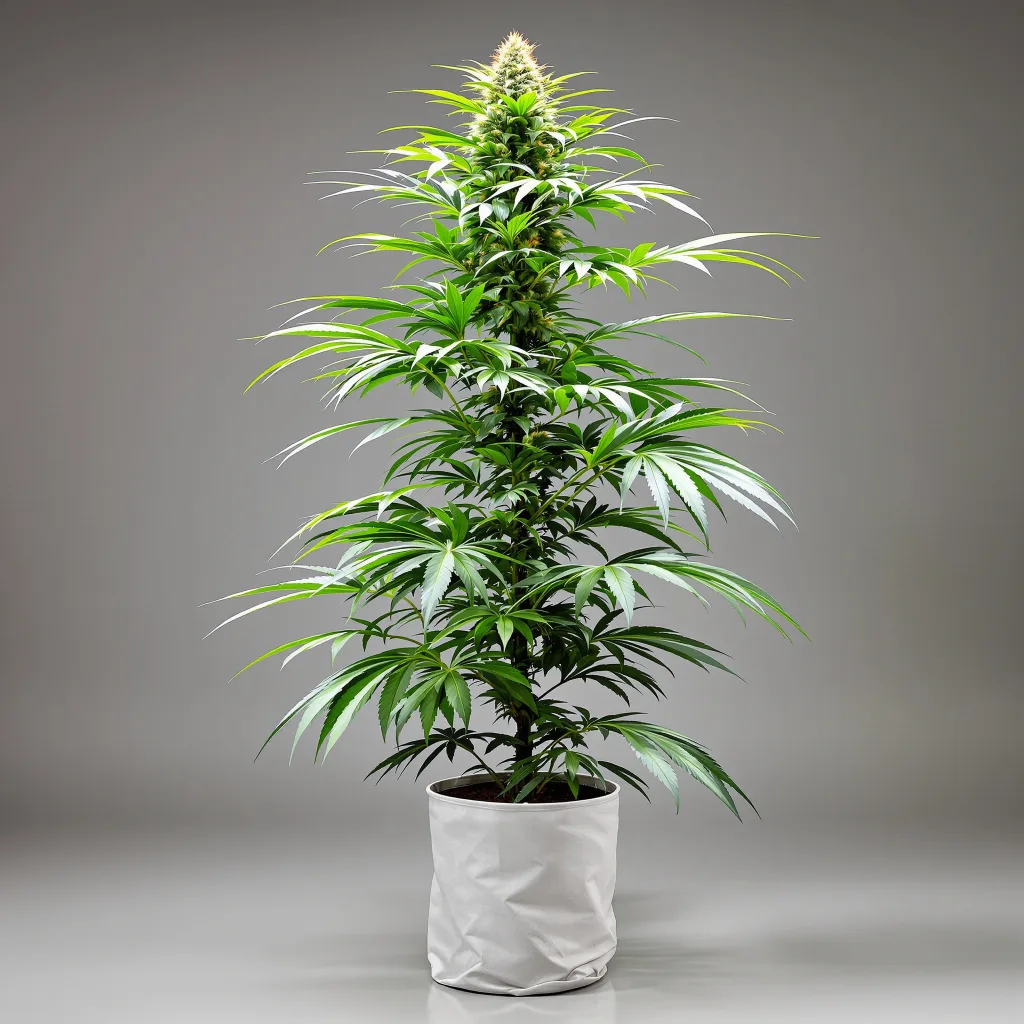
indica
Tangerine Dream Feminized
sativa
Blue Diamond Feminized
Browse the full All Cannabis Seeds collection
Premium genetics, shipped from within the US.
Related Articles
Wedding Cake Strain: Effects, Grow Guide | Royal King Seeds
strain-reviewBiscotti Strain: Effects, Genetics & Grow Guide | Royal King Seeds
strainPurple Punch Strain: Effects, Flavor and Grow Guide | Royal King Seeds
strainWedding Cake Strain Review: Effects and Grow Tips | Royal King Seeds
strain-reviewCherry Pie Strain: Effects, Genetics & Grow Guide | Royal King Seeds
plant-anatomyCannabis Leaf Anatomy: Healthy vs. Sick Foliage | Royal King Seeds
Ready to Start Growing?
Shop feminized, autoflower, and CBD strains with 95% germination and free delivery on eligible orders of $150 or more.
Shop Cannabis Seeds