Cannabis Seedling Stage Guide | Royal King Seeds
Royal King Seeds Editorial Team
The seedling stage kills more cannabis grows than any other phase — not because it's difficult, but because most growers do too much. Overwatering, excessive light intensity, and the wrong humidity swing are responsible for the majority of seedling failures documented across public grower forums and breeder grow guides. The fix is specific: 200–400 PPFD of light, 5–10 mL of water every 2–3 days, and humidity locked between 70–80% for the first three weeks. This guide breaks down exactly what your seedlings need week by week, flags every common problem before it kills your plant, and gives you a named decision framework to keep your seedlings on track from sprout to vegetative growth.
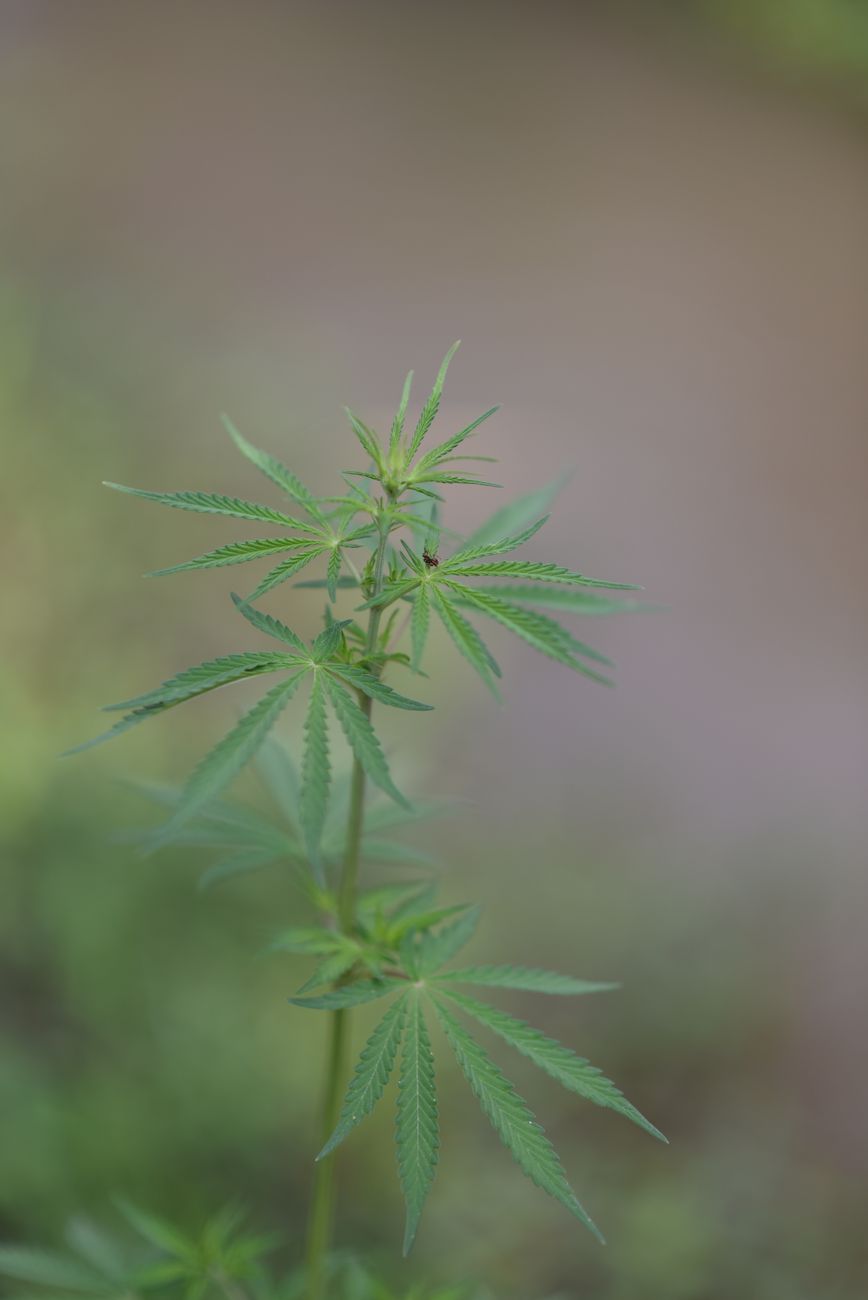
Cannabis seedlings thrive at 18–20 hours of light per day delivered at 200–400 PPFD, temperatures of 22–26°C (72–79°F), relative humidity of 70–80%, and minimal watering — roughly 5–10 mL per feeding every 2–3 days. Nutrients are not needed until the first true fan leaves appear. The biggest killers are overwatering, light burn, and humidity that's too low.
- ✓ First-time growers starting from seed indoors
- ✓ Growers troubleshooting drooping or yellowing seedlings
- ✓ Anyone unsure how much light, water, or heat to give seedlings
- ✓ Growers running autoflower seeds or feminized seeds for the first time
- ✓ Intermediate growers who've lost seedlings and want to know why
- ✗ Growers past week 3 (in full vegetative stage)
- ✗ Cloners (clones have different humidity/light needs)
- ✗ Outdoor-only growers starting in full summer sun
- ✗ Advanced growers who already have a dialed-in seedling protocol
What Should Cannabis Seedlings Look Like Week by Week?
Cannabis seedlings follow a predictable developmental arc in weeks 1–3. Knowing what "normal" looks like in each window lets you catch problems the moment they appear — not a week later when the plant is struggling to recover.
Cotyledons open. Taproot anchors. No true leaves yet. Minimal water need. HIGH sensitivity to overwatering. Light at 200 PPFD max.
First true leaves appear (serrated). Slight increase in water demand. Begin monitoring for stretch. Light can increase to 250–350 PPFD. Watch for damping-off.
Second set of true leaves. Root system actively expanding. Begin transitioning toward veg watering habits. Light up to 400 PPFD. Humidity can begin dropping to 60–70%.
Week 1: Germination Exit — Handle With Care
In week 1, the seedling has just cracked the seed shell and is operating almost entirely on stored energy from the cotyledons. The root system is fragile and tiny. This is when most growers destroy their plants with too much water or too much light.
Keep the environment humid (70–80% RH), warm (24–26°C / 75–79°F), and lightly lit. A gentle CFL, T5, or LED dialed down to 200 PPFD at 30–40 cm from the canopy is ideal.
Week 2: First True Leaves — Your First Real Signal
The appearance of the first serrated true leaves is your signal that photosynthesis is ramping up. The seedling now needs slightly more light — bump to 250–300 PPFD — and you can begin watering in slightly larger volumes.
Still no nutrients at this stage. The cotyledons are yellow or falling off? That's normal — they've done their job. If true leaves yellow early, that's a different problem (discussed in the Common Problems section).
Week 3: Transition Into Vegetative Growth
By day 18–21, a healthy seedling has 2–3 sets of true leaves and a visible root structure. Light demand climbs to 350–400 PPFD. You can begin a very light nutrient dose (¼ strength) if growing in a low-nutrient medium like coco or hydroponics.
Soil growers typically skip feeding until week 4–5. A seedling with rich, green, uniformly-sized leaves at this point is ready for the vegetative stage.
Each week has a single job. Week 1: survive. Week 2: establish. Week 3: grow. Don't skip ahead by adding nutrients or cranking light too early. Patience here is what separates growers with 90%+ germination-to-veg success from those who wonder why they keep losing seedlings.
What Is the Right Light Schedule and Intensity for Cannabis Seedlings?
Cannabis seedlings need light at 200–400 PPFD on an 18-hours-on, 6-hours-off schedule. Too little causes stretch; too much causes light burn and bleaching before the plant can defend itself.
PPFD (photosynthetic photon flux density) measures the actual photons hitting your canopy per second. Most modern LED grow lights display or allow you to calculate this. For seedlings, the target window is tight: under 200 PPFD and you get etiolated, stretched stems; over 500 PPFD in week 1 and you risk leaf curl, bleaching, and stress that slows development by 3–5 days.
For reference, a 600W HID at 90 cm above a seedling delivers approximately 400–500 PPFD — already at the edge of tolerance. LED panels vary significantly. Use a PPFD meter or manufacturer DLI chart to dial in the distance.
Which Light Type Is Best for Seedlings?
- CFL (6500K): Forgiving, low heat, ideal for beginners. Place 5–10 cm above the seedling.
- T5 fluorescent: Industry standard for seedling trays. Wide, even spread. Low risk of burn at 15–20 cm.
- LED full-spectrum: Best long-term option — dim to 20–30% power for seedlings, or raise to 50–60 cm.
- HID (HPS/MH): Too intense for seedlings unless raised significantly (90+ cm). Not recommended for weeks 1–2.
18/6 is the universal indoor seedling schedule for both autoflowering seeds and photoperiods. Keep PPFD between 200–400 across weeks 1–3. LED growers should dim to 20–30% or raise the fixture — most seedling burns we see in public grow journals are caused by full-power LEDs hung at veg height.
How Much and How Often Should You Water Cannabis Seedlings?
Water cannabis seedlings with 5–10 mL around the base of the stem every 2–3 days. The goal is to keep the growing medium barely moist — not wet, not dry.
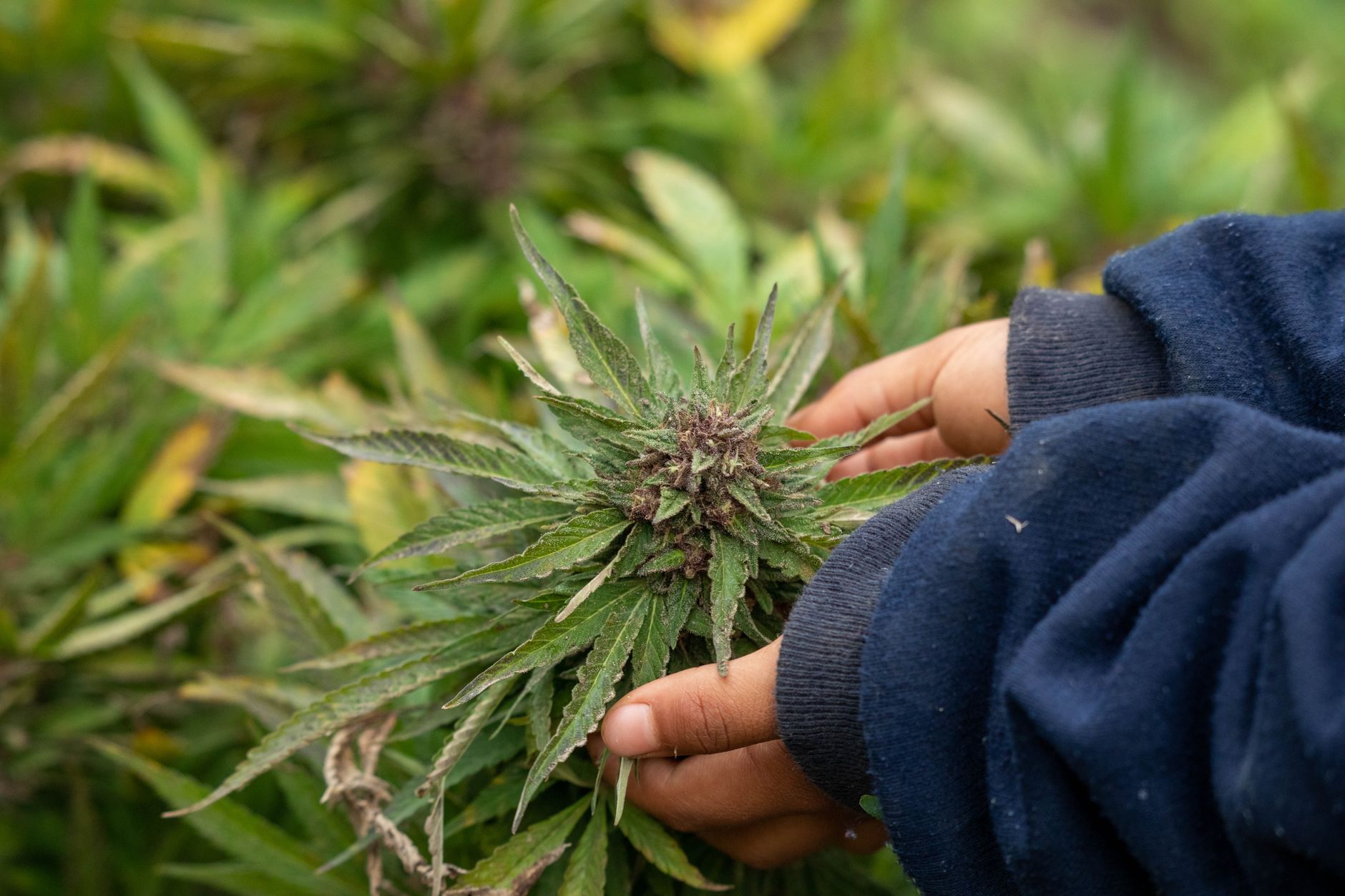
The most reliable method is the "finger test": push your fingertip 2 cm into the soil. If it feels dry, water. If it feels moist, wait another day and test again. Cannabis seedlings in solo cups or small containers (1–3L) need less frequent watering than plants in larger pots because there's less soil volume acting as a moisture buffer.
Step 1: Choose a Precision Watering Tool
Use a syringe, squeeze bottle, or small watering can with a narrow spout. This lets you deliver 5–10 mL directly around the stem without flooding the medium. Pouring from a cup almost always overdelivers.
Step 2: Water Around the Stem, Not at the Stem
Seedling roots grow outward from the taproot. Water in a 3–5 cm ring around the stem rather than directly at the base. This encourages horizontal root expansion, which builds a stronger root system faster.
Step 3: Match Frequency to Environment
In high-humidity environments (70–80% RH), evaporation is slower and the medium stays moist longer. You may only need to water every 3–4 days. In drier climates or with strong grow room airflow, you may need to water every 2 days. The medium's moisture, not the calendar, determines when to water.
Step 4: pH Your Water
pH the water to 6.0–7.0 for soil, or 5.5–6.5 for coco and hydro. Even tap water that seems fine can be pH 8.0+ in some US cities, which locks out micronutrients the seedling's cotyledons are trying to supply. A basic pH meter (under $20) is non-negotiable for consistent seedling success.
Less is almost always more in weeks 1–3. A seedling that looks slightly thirsty will bounce back within hours of watering. A seedling that has been sitting in wet soil for 72 hours may not recover at all. When in doubt, wait one more day.
What Temperature and Humidity Do Cannabis Seedlings Need?
Cannabis seedlings need 22–26°C (72–79°F) daytime temperature, 18–22°C (64–72°F) at night, and 70–80% relative humidity throughout weeks 1–3.
High humidity is critical because seedlings absorb much of their early moisture through their leaves — their root system is not yet developed enough to keep up with transpiration demand. Dropping humidity below 50% in week 1 creates rapid wilting that many growers misread as overwatering.
Using a humidity dome over seedling trays is standard practice endorsed by published cultivation references. Prop the dome slightly open in week 2 to begin acclimation, and remove it entirely by day 18–21 as the plant transitions into vegetative growth.
Seedling Environment Targets: Week-by-Week Comparison
| Parameter | Week 1 (Days 1–7) | Week 2 (Days 8–14) | Week 3 (Days 15–21) | Risk if Too High | Risk if Too Low | Priority |
|---|---|---|---|---|---|---|
| Light (PPFD) | 150–200 | 200–300 | 300–400 | Leaf burn, bleaching | Stretch, weak stems | 🔴 Critical |
| Humidity (RH%) | 75–80% | 70–80% | 65–75% | Damping-off, mold | Wilt, slow growth | 🔴 Critical |
| Temp Day (°C/°F) | 24–26°C / 75–79°F | 23–26°C / 73–79°F | 22–26°C / 72–79°F | Heat stress, wilt | Slow root growth | 🟡 High |
| Watering Volume | 5 mL / 2–3 days | 5–10 mL / 2–3 days | 10–20 mL / 2 days | Root rot, damping-off | Wilt, nutrient lockout | 🔴 Critical |
| pH (Soil) | 6.2–7.0 | 6.0–7.0 | 6.0–7.0 | Nutrient lockout | Iron/zinc deficiency | 🟡 High |
| Nutrients | None | None (soil) | ¼ strength (coco/hydro only) | Nutrient burn, tip curl | N/A (cotyledons provide) | 🟢 Lower |
A humidity dome is one of the highest-ROI tools in a seedling setup. It costs under $5, maintains 75–80% RH passively, and reduces the humidity management burden dramatically. Low humidity in week 1 is a bigger killer than most growers realize — it mimics overwatering symptoms, triggering a feedback loop of more water and faster deterioration.
Definition: Any environmental correction made to a struggling seedling takes a minimum of 72 hours to show visible improvement. Intervening more frequently than every 72 hours almost always makes the problem worse.
Formula: Symptom appears → identify single most likely cause → make ONE correction → wait 72 hours before reassessing → repeat.
Worked Example: A seedling shows drooping leaves in week 1. Grower suspects overwatering, stops watering, and raises the humidity dome. After 48 hours, leaves are still drooping. Grower resists the urge to change anything. At 72 hours, the seedling is visibly recovering and new growth is green and upright. The single change — stopping water — was correct. A grower who changed 3 variables in 48 hours would have no idea what fixed it (or broken it further).
What Are the Most Common Cannabis Seedling Problems in Weeks 1–3?
Reviewing publicly shared grower journals, forum threads, and breeder grow guides, five seedling problems appear repeatedly across weeks 1–3. Each has a distinct visual signature and a specific fix.
Problem 1: Damping-Off
What it looks like: The stem collapses at the soil line. The plant topples over and dies rapidly, often within 24 hours of the first visible symptom.
Cause: Fungal pathogens (Pythium, Fusarium, Rhizoctonia) that thrive in wet, poorly-oxygenated growing media. Almost always triggered by overwatering combined with poor airflow.
Fix: Prevention only — damping-off has no cure. Use sterile, well-draining medium, water sparingly, and ensure airflow around the base of the stem. A gentle oscillating fan on low reduces damping-off risk significantly. According to research indexed on PubMed, pathogen pressure is highest when substrate oxygen levels are depleted by waterlogging.
Problem 2: Seedling Stretch (Etiolation)
What it looks like: A long, thin, weak stem reaching upward with wide internodal spacing between the cotyledons and first true leaves.
Cause: Insufficient light. The plant is reaching for the light source. This is the #1 sign that your light is too far away or too weak.
Fix: Move the light source closer, or increase intensity to 200+ PPFD. For severely stretched seedlings, carefully bury the extra stem up to the cotyledons when transplanting — the buried stem will develop roots.
Problem 3: Yellowing Leaves (Cotyledon Drop vs True Leaf Yellowing)
What it looks like: Yellow leaves — but the location matters. Cotyledon yellowing in week 2–3 is normal; they've exhausted their stored energy. True leaf yellowing is a problem.
Cause of true leaf yellowing: pH out of range (most common), overwatering causing root oxygen deprivation, or nutrient burn from feeding too early.
Fix: pH your water. Stop any nutrients. Let the medium dry slightly and resume with pH-correct water. Most yellowing in weeks 1–3 resolves within 72 hours once pH is corrected.
Problem 4: Leaf Curl / Clawing
What it looks like: Leaves curl downward at the tips (the "claw"). In seedlings, this almost always indicates heat stress, overwatering, or nitrogen toxicity from feeding too early.
Fix: Check the temperature at canopy level (not room temperature). Ensure no nutrients are being applied in weeks 1–2. Move the light up 5–10 cm if running hot.
Problem 5: Wilting / Drooping
What it looks like: Entire plant droops, stem bends, leaves hang limp. The two causes are opposite: overwatering OR underwatering. The difference? Overwatered seedlings have firm, turgid leaves that still droop. Underwatered seedlings have thin, papery leaves that fold.
Fix: Check medium moisture with the finger test before adding more water. If moist, stop watering and improve airflow. If dry, water 5–10 mL and the plant should recover within 2–4 hours.
Growing from seed? Genetics matter as much as technique.
Our feminized cannabis seeds are bred for consistent germination and seedling vigor — eliminating the guesswork of unknown genetics from day one.
Browse Feminized Seeds →Damping-off and overwatering together account for the overwhelming majority of seedling losses in the first 10 days. If you can nail watering volume and airflow, you've eliminated the top two killers before they even appear. Every other problem has a slower onset and more recovery time.
Common Mistakes Cannabis Seedling Growers Make (And How to Fix Them)
Looking across public grower forums, community grow logs, and the customer questions our team fields most often, a clear pattern emerges: the same 6 mistakes appear again and again. Each one is preventable with a small behavioral change.
Mistake 1: Starting Nutrients in Week 1 or 2 (Soil)
Seedlings in pre-amended potting soil have 4–6 weeks of nutrients available. Adding additional feed creates nitrogen toxicity — the number one "I thought I was helping" failure. The symptom: dark green, clawed leaves within days of feeding. Fix: don't feed soil seedlings until week 4–5, or until the cotyledons have fully dropped.
Mistake 2: Using Full-Power LED From Day 1
Modern full-spectrum LEDs often deliver 800–1200 PPFD at their designed hanging height. At 100% power 30 cm above a seedling, that's 3–6x the safe ceiling. Bleached, white-tipped leaves and stunted new growth are the result. Fix: run LED at 20–30% during weeks 1–2 and step up gradually.
Mistake 3: Not Adjusting Light Height as Plant Grows
A light positioned correctly in week 1 may be too close by week 3 as the canopy rises. Many growers set the light once and forget. Fix: measure canopy-to-light distance at least every 3–4 days and adjust accordingly.
Mistake 4: Transplanting Too Early
Transplanting before the seedling has 3+ sets of true leaves risks disturbing a fragile root ball and triggering transplant shock that can set growth back by a week. Fix: wait until the seedling's leaves reach the edge of the container before transplanting up. Autoflowers — especially autoflowering seeds — are best started in their final container to avoid transplant stress entirely.
Mistake 5: Low Humidity Without a Dome
Grow rooms running 40–50% RH (typical for vegetative setups) are too dry for seedlings. Growers who don't use a dome and don't raise RH specifically for seedlings often see wilting, slow growth, and tip browning that they incorrectly attribute to overwatering. Fix: a $3 humidity dome raises effective RH around seedlings to 70–80% immediately.
Mistake 6: Checking and Adjusting Variables Too Frequently
The most anxious growers produce the weakest seedlings. Moving lights, adjusting pH, changing watering schedules, and adding supplements every 24 hours creates a constantly shifting environment the seedling can never adapt to. Fix: the 72-Hour Seedling Reset Rule (see above). Make one change and wait.
Every mistake on this list has one root cause: doing more than the seedling needs. This stage rewards restraint. Set your environment, establish your watering cadence, and let the plant grow. Intervention is only warranted when a symptom has been present for 72+ hours.
Seedling Myths vs Reality
| Myth | Reality |
|---|---|
| "More light = faster growth" | Past 400 PPFD, seedlings experience photoinhibition. More light ≠ more growth in weeks 1–2. |
| "Water daily to keep medium moist" | Daily watering is overwatering for most seedlings. The medium should approach dryness between waterings. |
| "Add nutrients as soon as leaves appear" | Soil seedlings have 4–6 weeks of stored nutrients. Early feeding causes burn, not better growth. |
| "24/0 light is better for seedlings than 18/6" | Cannabis benefits from a dark cycle even as a seedling. 18/6 is universally recommended in breeder grow guides. |
| "Yellow cotyledons mean nutrient deficiency" | Cotyledon yellowing in week 2–3 is a normal developmental process, not a deficiency. Adding nutrients makes it worse. |
| "Autoflowers don't need a seedling stage" | Autoflowering seeds have the same seedling requirements as photoperiods. The difference starts when flower is triggered by age, not by your actions in week 1–3. |
Royal King Seeds Seedling Health Score: Is Your Plant On Track?
This scoring rubric was built by cross-referencing published cannabis cultivation protocols, university extension growing guides, and breeder-published seed-bank specifications to give growers a fast, objective way to assess seedling health at the end of each week.
Scoring dimensions:
- Stem integrity (upright, internodal spacing appropriate): 25 points
- Leaf color (uniform green, no yellow or brown tips): 25 points
- Growth rate (leaf sets appearing on schedule): 20 points
- Root development (visible root tips if transparent cup, or healthy transplant ball): 15 points
- Environment compliance (temp, humidity, PPFD all within target): 15 points
Scoring: 90–100 = Elite | 75–89 = On Track | 60–74 = Watch Closely | Below 60 = Intervention Needed
| Checkpoint | Ideal Sign | Warning Sign | Points Available |
|---|---|---|---|
| Stem (Week 1) | Thick, upright, ≤1 cm internode | Thin, leaning, >2.5 cm internode | 25 |
| Leaf Color (Week 2) | Uniform medium green | Yellow margins, brown tips, dark clawing | 25 |
| Growth Rate (Week 2) | 2nd set of true leaves by day 14 | Still on first set at day 14 | 20 |
| Root Development (Week 3) | Roots circling bottom of solo cup | No visible root development at day 21 | 15 |
| Environment (All weeks) | All metrics within target ranges | Any metric outside range >24 hours | 15 |
Why Each Checkpoint Matters Most
Why stem integrity scores highest (25 pts): Stretch is permanent at the seedling stage. A severely etiolated seedling rarely catches up to properly-lit peers even when the light issue is corrected. It indicates the most consequential early environmental failure.
Why leaf color scores equally high (25 pts): Leaf color is the earliest and most visible signal of pH issues, overwatering, and early nutrient problems. A seedling with healthy green leaves at day 14 is almost always on the right trajectory.
Why growth rate ranks third (20 pts): Delayed leaf development is a lagging indicator — it confirms a problem that's been accumulating for 5–7 days. It doesn't diagnose the cause but confirms intervention is needed.
Which Seedling Problem Do You Actually Have? (Decision Tree)
Use this decision tree to identify your seedling's problem based on the most visible symptom. Start at "Primary Symptom" and follow the branches.
- 🌿 Stem is long and thin, leaves far apart → Light too far/weak → Move light closer, increase to 200+ PPFD
- 💧 Whole plant drooping, medium feels moist → Overwatering → Stop watering, improve airflow, wait 72h
- 🌵 Whole plant drooping, medium feels dry → Underwatering → Water 5–10 mL, seedling should recover in 2–4 hrs
- 🍂 True leaves turning yellow at margins → pH out of range OR overwatering → pH water to 6.0–7.0, reduce watering
- 🔥 Leaf tips brown or crispy → Nutrient burn (fed too early) OR low humidity → Stop all nutrients, raise RH to 70%+
- 👇 Leaves curling down, dark green "claw" → Nitrogen toxicity OR heat → Stop nutrients, lower canopy temp below 26°C
- ⬛ Stem collapses at soil line → Damping-off → No recovery possible; prevent in next run with airy medium + reduced watering
- 🟡 Only cotyledons yellowing, true leaves green → Normal developmental drop → No action needed
- 🌀 Leaves cupping upward, edges curling inward → Heat stress from light → Raise light 10–15 cm, check canopy temp
- 🐌 Growth stalled, no new leaves after day 12 → Root oxygen deprivation (overwatering) OR temp below 20°C → Dry out medium, raise room temp
In 80% of cases, the correct diagnosis is either overwatering or insufficient light — and both have identical fixes: do less. Resist the impulse to add products, change nutrients, or repot. Eliminate variables until the environment is stable, then wait 72 hours before drawing conclusions.
What Happens If You Set Up the Seedling Stage Wrong?
Two growers. Same genetics. Same growing medium. Different seedling setups. The outcomes at week 8 look completely different.
- Strain: Feminized Indica
- Light: LED at 25% power (220 PPFD), 18/6
- Humidity: 75% RH under dome
- Watering: 7 mL every 3 days
- Nutrients: None until week 4
- Result at day 21: 3 sets of true leaves, thick stem, roots circling cup
- Week 8 impact: Strong vegetative growth, ready for training, on track for full yield potential
- Risk level: 🟢 Low
- Strain: Same Feminized Indica
- Light: LED at 100% power (900 PPFD), 18/6
- Humidity: 45% RH, no dome
- Watering: 50 mL daily "to keep it moist"
- Nutrients: Full-strength feed from day 5
- Result at day 21: Leaf clawing, 1 set of stunted true leaves, medium waterlogged
- Week 8 impact: 2–3 week delay entering veg, reduced final yield by an estimated 20–35%
- Risk level: 🔴 High
Bottom line: The same seeds, in the same room, produce dramatically different outcomes based on three weeks of setup decisions. Seedling stage mistakes compound into vegetative-stage delays that cost weeks and yield — from the exact same packet of seeds.
Royal King Seeds Seedling Risk Rating Table
This table rates the risk level of key seedling-stage variables across common grower setups. Distinct from the Health Score above, this is a risk-first view: how dangerous is each variable if it goes wrong?
| Variable | Overdo Risk | Underdo Risk | Recovery Time | Beginner Error Rate |
|---|---|---|---|---|
| Watering Volume | Very High | Medium | 48–96 hrs if caught early | 🔴 Very High |
| Light Intensity (PPFD) | Medium | High (stretch permanent) | Stretch: permanent. Burn: 72–96 hrs | 🟡 High |
| Humidity (RH%) | Medium (damping-off risk) | High (wilt, slow growth) | 24–48 hrs once corrected | 🟡 Medium-High |
| Nutrients (Early Feed) | Very High (burn) | Low (cotyledons provide) | 5–10 days (slow burn recovery) | 🔴 Very High |
| Temperature | Medium (heat stress) | Medium (root stall) | 24–72 hrs once corrected | 🟢 Lower |
| pH of Water/Feed | High (lockout) | High (lockout) | 48–72 hrs once pH corrected | 🟡 Medium-High |
Indoor Seedling Setup Notes by US State or Region
Indoor seedling conditions are controlled, but ambient environment affects your grow room temperature and humidity. Here's what to watch based on region, as noted across publicly available grower community reports and university extension resources.
Note: Cannabis cultivation laws vary significantly by state. Always verify your state and local regulations before growing. Per the DEA, cannabis remains a federally controlled Schedule I substance. This content is intended for legal adult-use growers (21+) in jurisdictions where cultivation is permitted.
Michigan
Michigan winters are harsh and dry. Indoor grow rooms in Michigan often run very low ambient humidity (30–40% RH) from October through April due to forced-air heating. Seedling growers must actively add humidity — a dome is essential, and a room humidifier is recommended. Heat from grow lights will require extra monitoring to prevent dropping below 20°C overnight when the lights go off.
California
California's mild coastal climate means ambient humidity tends to be moderate (45–65% RH), simplifying seedling humidity management. Inland growers in the Central Valley face dry, hot summers where grow room cooling is the challenge — temps can spike well above 26°C without adequate HVAC, stressing seedlings even indoors.
Colorado
High altitude and low humidity are Colorado's defining grow challenges. Denver averages just 35–45% ambient RH year-round — too low for seedlings without active humidification. Growers here should use a dome throughout all three weeks and consider an ultrasonic humidifier to maintain 70%+ during weeks 1–2.
Florida
Florida's high ambient humidity (60–80%+ year-round) actually helps with the humidity requirement but demands excellent airflow to prevent damping-off. Florida growers often skip the dome entirely in summer and instead focus on managing airflow to prevent the stem-collapse conditions that favor fungal pathogens.
Washington
Western Washington's cool, grey winters make supplemental light almost mandatory — natural light is insufficient for seedlings without supplemental grow lighting even in a sunny window. East Washington growers face drier conditions similar to Colorado. Seattle-area growers generally find humidity management easy in winter but need dehumidifiers near the coast in spring.
Texas
Texas indoor growers face high summer temperatures that make cooling the primary challenge for seedling rooms. A grow room reaching 32°C+ will stress seedlings within hours. Insulated tents with active exhaust and AC are essentially required from May through September for growers in Dallas, Houston, and San Antonio.
New York
New York's climate varies dramatically from NYC to upstate. Urban apartment growers in NYC often deal with very dry winter air from steam heating — domes are critical. Upstate growers have more seasonal variation. According to Cornell Cooperative Extension, indoor plant cultivation in New York requires supplemental lighting for 4–5 months of the year due to low winter light levels.
Oregon
Western Oregon's mild, humid maritime climate reduces humidity management burden for indoor growers near Portland and the coast. However, the same humidity that makes seedling care easier can allow mold to creep in if airflow is insufficient. Oregon growers should prioritize gentle air circulation even while maintaining high humidity under the dome.
Regardless of state, indoor growers have the advantage of controlling their environment — but ambient temperature and humidity outside the tent affect how hard your equipment has to work. Identifying your region's dominant challenge (heat, cold, dry air, or excessive moisture) lets you invest in the right tool from day one. Autoflower seeds are particularly popular among indoor growers across all climates because their fixed cycle makes planning predictable.
Patterns Observed Across Public Cannabis Seedling Grow Reports
Looking at the questions our team fields most frequently around seedling season, plus patterns aggregated from grower forum threads and breeder support documentation, several consistent failure clusters emerge that rarely get addressed in basic beginner guides.
The overwater-then-panic loop. The single most documented beginner failure is a cycle: seedling droops → grower adds water → drooping worsens (because roots are now oxygen-deprived) → grower adds more water → plant collapses. This loop appears repeatedly in public grow journals, almost always resolved identically: stop watering entirely for 4–5 days, improve airflow, and let the medium dry. Growers who recognize this loop early save their seedlings. Those who don't often conclude "the seeds were bad."
LED power settings are the most underused tool. Reviewing public LED-specific grow threads, the majority of light-burn and leaf-curl reports in weeks 1–2 come from growers running modern quantum board LEDs at 70–100% power from day one. The dimmer dial on most LEDs is there specifically for seedlings. Using it at 20–30% in week 1 eliminates this entire problem category.
Autoflower seedlings stall when stressed. From customer questions that cluster around autoflowering seed grows, one recurring issue is autoflowers entering pre-flower in week 3–4 before recovering from seedling stress. Unlike photoperiods, autoflowers can't be kept in veg to recover — the clock is already ticking. This makes the seedling stage disproportionately important for autos: a healthy week-3 autoflower that's already on its second or third set of leaves will produce dramatically more than one still recovering from root rot or stretch.
pH is the most commonly skipped step. Among beginner growers who report persistent yellowing or slow growth across weeks 1–3, the vast majority have never measured the pH of their water. Tap water pH in US cities can range from 6.5 to 8.5. Soil at pH 7.5+ locks out key micronutrients within days. According to guidelines from the University of Minnesota Extension, soil pH management is one of the most impactful interventions available to container plant growers.
"The seedling stage is not about what you add — it's about what you don't take away. Keep humidity high, light gentle, and hands off the water can."
Royal King Seeds Editorial Team — Seedling Stage Framework
Frequently Asked Questions: Cannabis Seedling Stage Weeks 1–3
How often should I water cannabis seedlings in week 1?
How much light do cannabis seedlings need?
What humidity should cannabis seedlings be kept at?
Why is my cannabis seedling drooping?
When should I start nutrients for cannabis seedlings?
Why are my cannabis seedling's leaves turning yellow?
Can I use a 24/0 light schedule for seedlings instead of 18/6?
Why is my cannabis seedling stretching so much?
Should I use a humidity dome for cannabis seedlings?
What temperature is too cold for cannabis seedlings?
What is damping-off in cannabis seedlings and how do I prevent it?
How do I know if I'm overwatering or underwatering my seedling?
Why did my seedling grow fine for a week then suddenly stall?
My seedling leaves are curling downward in a claw shape — what's wrong?
Can I start autoflower seeds in the same conditions as regular cannabis seedlings?
I started autoflower seeds in July in a northern state — will they be okay?
Should I transplant my seedling out of its solo cup in week 3?
Why is my seedling growing slowly even though the environment seems right?
How long is the seedling stage for cannabis?
What growing medium is best for cannabis seedlings?
Can I grow cannabis seedlings in a window without a grow light?
How do I pH my water for cannabis seedlings?
Why won't my cannabis seedlings root properly?
What's the best light for cannabis seedlings as a beginner?
My seedling's stem is purple — is that a problem?
Should I mist cannabis seedlings?
Start With Seeds That Give Your Seedling Stage Every Advantage
Premium genetics from stabilized breeding lines germinate more reliably and produce more vigorous seedlings from day one. Browse our full collection — from fast-finishing autoflowers to potent indica seeds.
Shop All Cannabis Seeds →Sources
- NIH National Center for Complementary and Integrative Health — Cannabis, Marijuana and Cannabinoids
- PubMed — Cannabis Seedling Cultivation Research Index
- DEA — Drug Scheduling (Federal Cannabis Classification)
- University of Minnesota Extension — Container Plant and Growing Media Guidelines
- Cornell Cooperative Extension — Indoor Plant Lighting and Cultivation
- NOAA National Weather Service — Climate Normals and Regional Frost Data
Shop Strains Featured in This Guide
Hand-picked seeds from our catalog that match this article's topic. Free shipping on eligible orders of $150 or more.
hybrid
White Lightning Auto
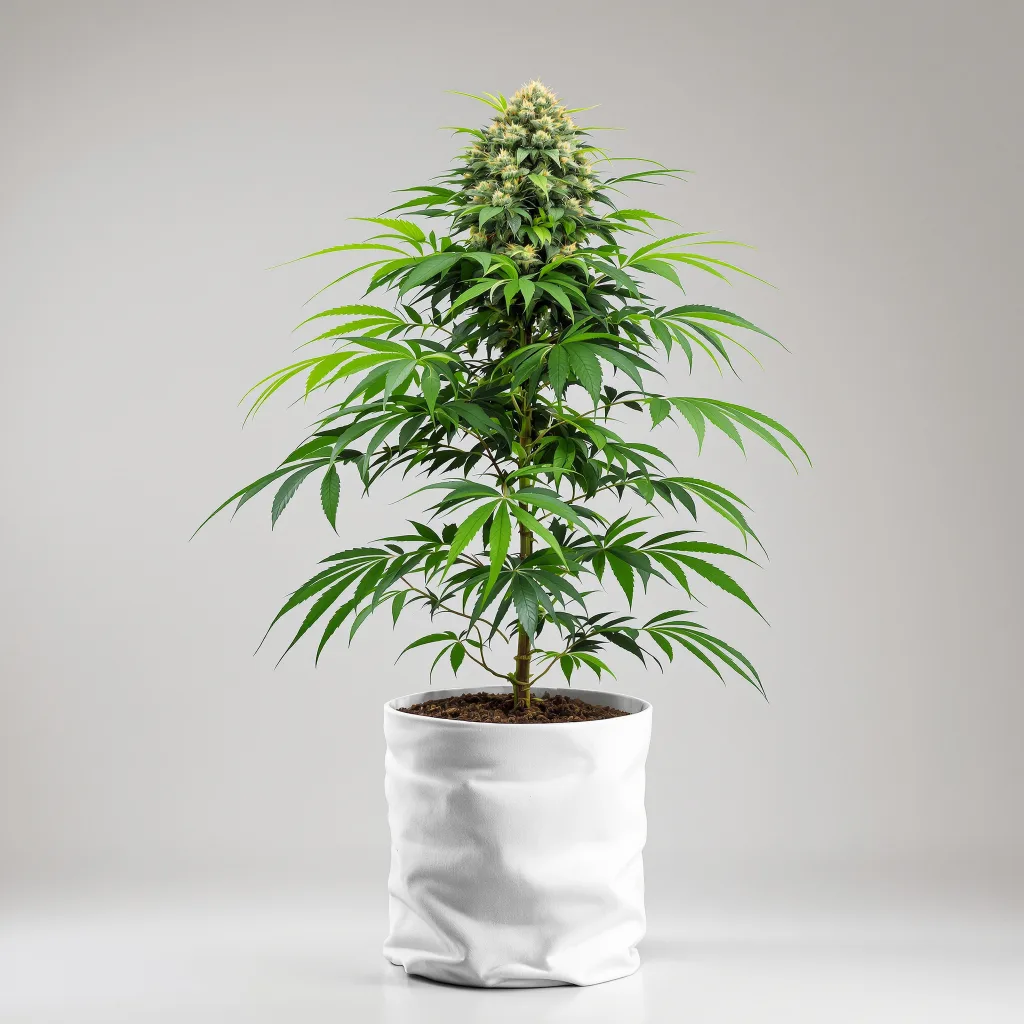
indica
Northern Lights Feminized
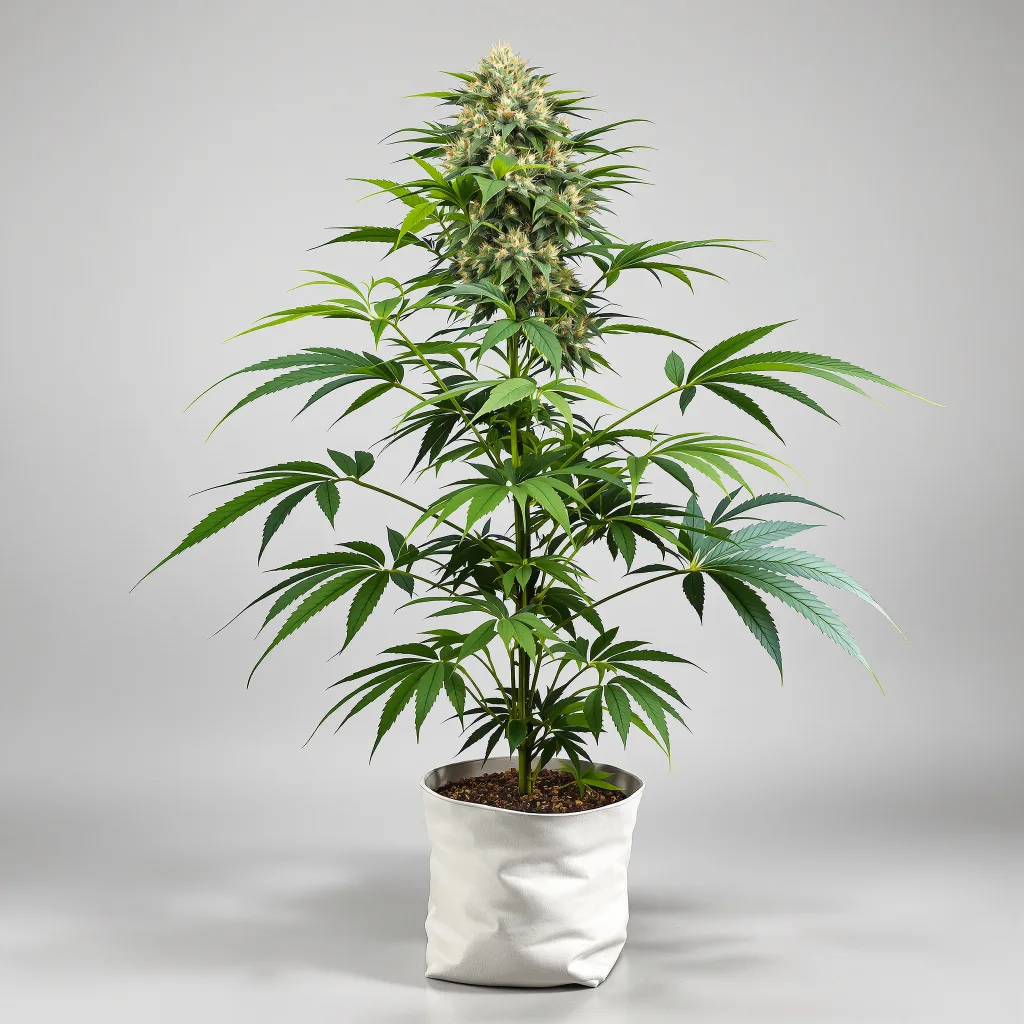
indica
Black Water Purple OG Cheese Feminized
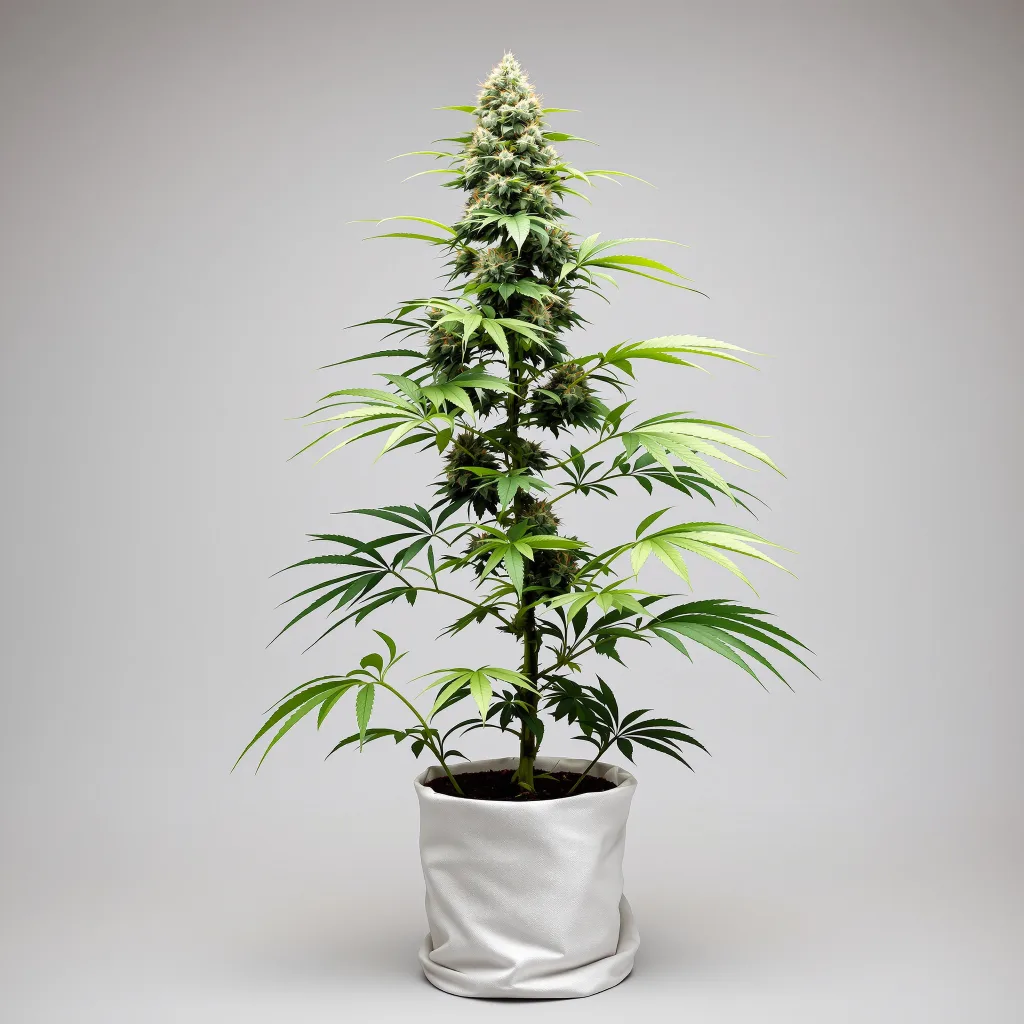
hybrid
Atomic Northern Lights Feminized
Strain Profiles
Related Buying Guides
Browse the full All Cannabis Seeds collection
Premium genetics, shipped from within the US.
Related Articles
Cannabis Seedlings and Transplanting: Complete Guide | Royal King Seeds
growing-harvestingCloudy vs Amber Trichomes: The Science of Cannabis Harvest Timing | Royal King Seeds
pillar-germCannabis Seed Identification and Feminization: Complete Guide | Royal King Seeds
strainGelato Strain Review: Effects and Grow Tips | Royal King Seeds
strainGhost Train Haze: Genetics, Aroma & Grow Guide | Royal King Seeds
support-germinationAutoflowering Seed Germination: Step-by-Step Guide | Royal King Seeds
Ready to Start Growing?
Shop feminized, autoflower, and CBD strains with 95% germination and free delivery on eligible orders of $150 or more.
Shop Cannabis Seeds