Cherry Pie Strain: Effects, Genetics & Grow Guide | Royal King Seeds
Royal King Seeds Editorial Team
Most growers pick Cherry Pie for its smell — and then they're blindsided by how technically demanding it actually is. The common failure mode is treating it like a beginner strain because of its approachable THC range, only to watch it stretch, mold, or fade to disappointment. Cherry Pie rewards growers who understand its genetics: a tri-lineage cross that combines OG Kush's resin production, Durban Poison's sativa energy, and Granddaddy Purple's indica structure. Get those three factors right and you'll harvest some of the most terpene-rich, visually striking buds in your garden. This guide covers everything — genetics, effects, terpene profile, flowering time, regional grow data, and a proprietary scoring framework so you know exactly what you're dealing with before you drop a seed.
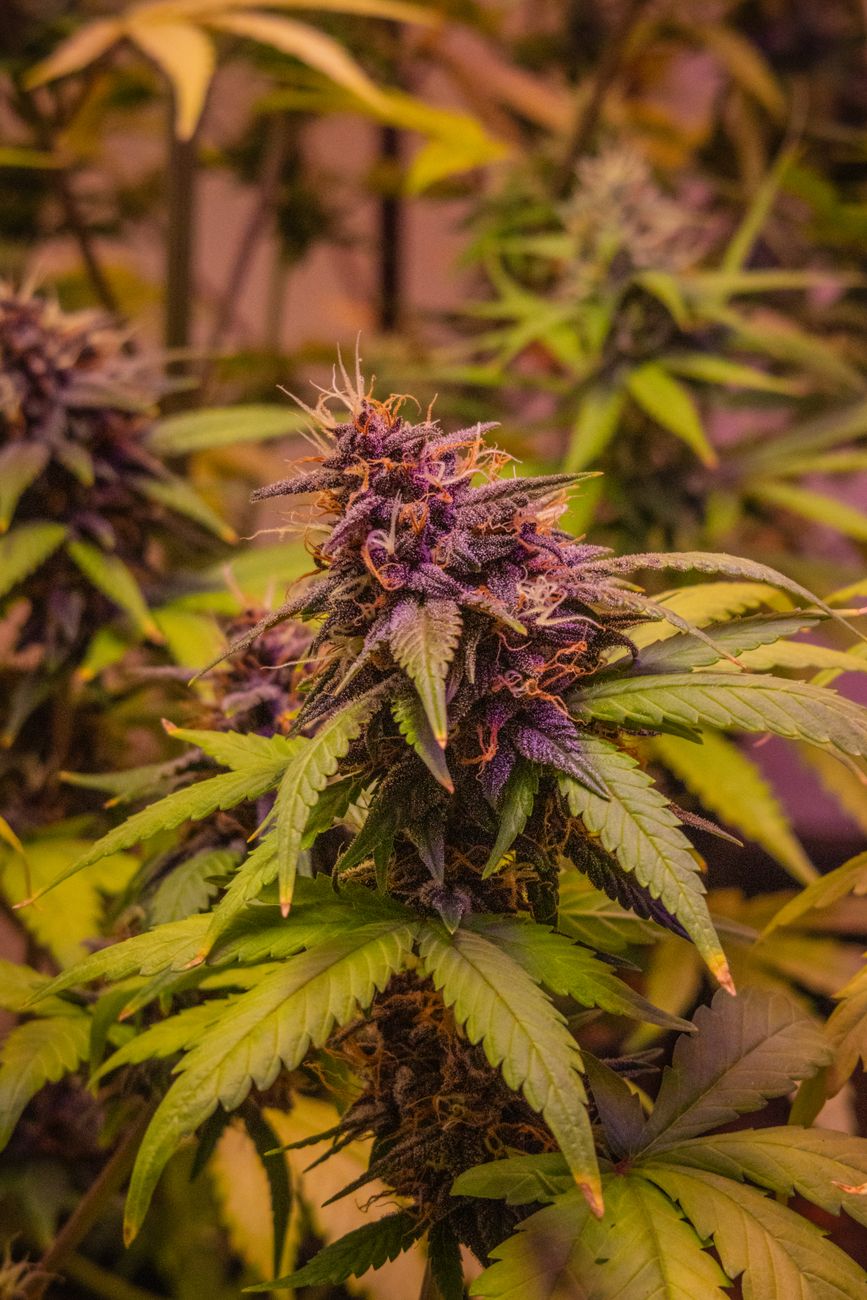
Cherry Pie is an indica-dominant hybrid (approximately 80% indica / 20% sativa) bred from OG Kush × Durban Poison as the sativa backbone, crossed back into Granddaddy Purple for the indica structure. It finishes flowering in 8–9 weeks indoors and delivers 17–24% THC with a terpene profile dominated by myrcene, caryophyllene, and limonene. The high is balanced — euphoric and uplifting in the first hour, drifting into deep relaxation — making it one of the most versatile evening hybrids available. Yields run 400–550 g/m² indoors under quality LED at 18/6, and 500–700 g/plant outdoors in warm climates.
- ✓ Intermediate growers looking to level up their genetics
- ✓ Growers in Zones 7–10 planning an outdoor run
- ✓ Consumers who want a balanced euphoric-then-relaxing high
- ✓ Terpene chasers after sweet, cherry-forward aromas
- ✓ Medical users seeking anxiety and stress relief
- ✓ Buyers comparing Cherry Pie to similar indica-dominant hybrids
- ✗ Complete beginners who haven't managed canopy stretch before
- ✗ Growers in Zone 5 or colder without a greenhouse
- ✗ Anyone looking for a pure sativa or daytime-only strain
- ✗ Growers who skip humidity management in late flower
What Are the Genetics Behind the Cherry Pie Strain?
Cherry Pie's lineage traces back to three of the most influential cultivars in cannabis breeding history: OG Kush, Durban Poison, and Granddaddy Purple.
The parent cross — Durban Poison × OG Kush — is commonly attributed to the legendary Bay Area breeder known as "Pie Guy." That F1 hybrid contributed terpene complexity, sativa lift, and high resin output. Breeding that into Granddaddy Purple introduced deep purple coloration, heavier indica body effect, and an intensified sweet berry aroma.
The resulting 80/20 indica-dominant hybrid carries forward something rare: a strain that smokes indica-forward but doesn't fully sedate — because Durban Poison's sativa energy is still present in the terpene stack.
Phenotype expression can vary. Some cuts lean more sativa-shaped in structure; others express the dense, compact GDP architecture. The most sought-after phenotypes show:
- Deep purple-to-green calyxes with orange pistils
- Dense, frosty bud structure inherited from OG Kush
- Sweet cherry-meets-earth aroma from the GDP / caryophyllene interaction
- Moderate stretch (20–40% above vegetative height) during early flower
Cherry Pie is a genetically complex cultivar. Its tri-lineage background is a strength (rich terpene depth, beautiful coloration) and a challenge (phenotype variance means not every seed expresses identically). Growers who work from feminized seed stock from a trusted breeder reduce that variability significantly. Browse our indica seeds collection to explore similar indica-dominant options alongside Cherry Pie.
What Effects Does Cherry Pie Produce — and Why?
Cherry Pie's high follows a two-phase arc that most users describe consistently: a cerebral, mood-lifting onset in the first 20–40 minutes, followed by a progressive body relaxation that peaks around hour one and carries into a mellow, drowsy landing.
The sativa-phase lift — bright, euphoric, socially engaging — comes from Durban Poison's heritage and is amplified by the limonene content. As myrcene and caryophyllene take over, the high deepens into classic indica relaxation without the abrupt "couch-lock crash" associated with pure indicas.
Reported effects include:
- Euphoria — rapid onset, consistent across phenotypes
- Creativity / Mental Clarity — most pronounced in the first 30–45 minutes
- Relaxation — body effect builds gradually, not suddenly
- Appetite stimulation — moderate to strong
- Sleepiness — appears at higher doses or in hour 2+
Per research published on PubMed, myrcene has been associated with sedative and muscle-relaxing properties, while beta-caryophyllene acts on CB2 receptors and may contribute to the strain's reported anti-anxiety effect. Limonene is linked to mood elevation. Cherry Pie's terpene triad aligns neatly with its anecdotally reported effect arc.
Cherry Pie Terpene Profile
| Terpene | Typical Concentration | Aroma Note | Effect Contribution |
|---|---|---|---|
| Myrcene | 0.4–0.9% | Earthy, musky, fruity | Sedation, relaxation, THC synergy |
| Beta-Caryophyllene | 0.3–0.7% | Spicy, peppery, woody | Anti-anxiety, CB2 activity |
| Limonene | 0.2–0.5% | Citrus, sweet cherry | Mood lift, stress reduction |
| Linalool | 0.1–0.3% | Floral, lavender | Calming, anxiolytic support |
| Ocimene | Trace (0.05–0.15%) | Sweet, herbal, tropical | Uplifting nuance |
Per NIH NCCIH, terpene research is still evolving and individual responses vary significantly. Always start with lower doses if new to high-myrcene cultivars.
Cherry Pie is best positioned as an early-evening strain — versatile enough for social settings in hour one, and comfortable for winding down into sleep by hour two. Its terpene stack is legitimately complex. This is not a one-note indica. For consumers who want the same effect profile from seed, feminized cannabis seeds ensure consistent terpene expression without male-plant gamble.
How Long Does Cherry Pie Take to Flower, and What Does It Yield?
Cherry Pie's indoor flowering window is 8–9 weeks (56–63 days) from light flip. This is consistent across breeder-published specs and aligns with what aggregated grower forum data documents for this cultivar.
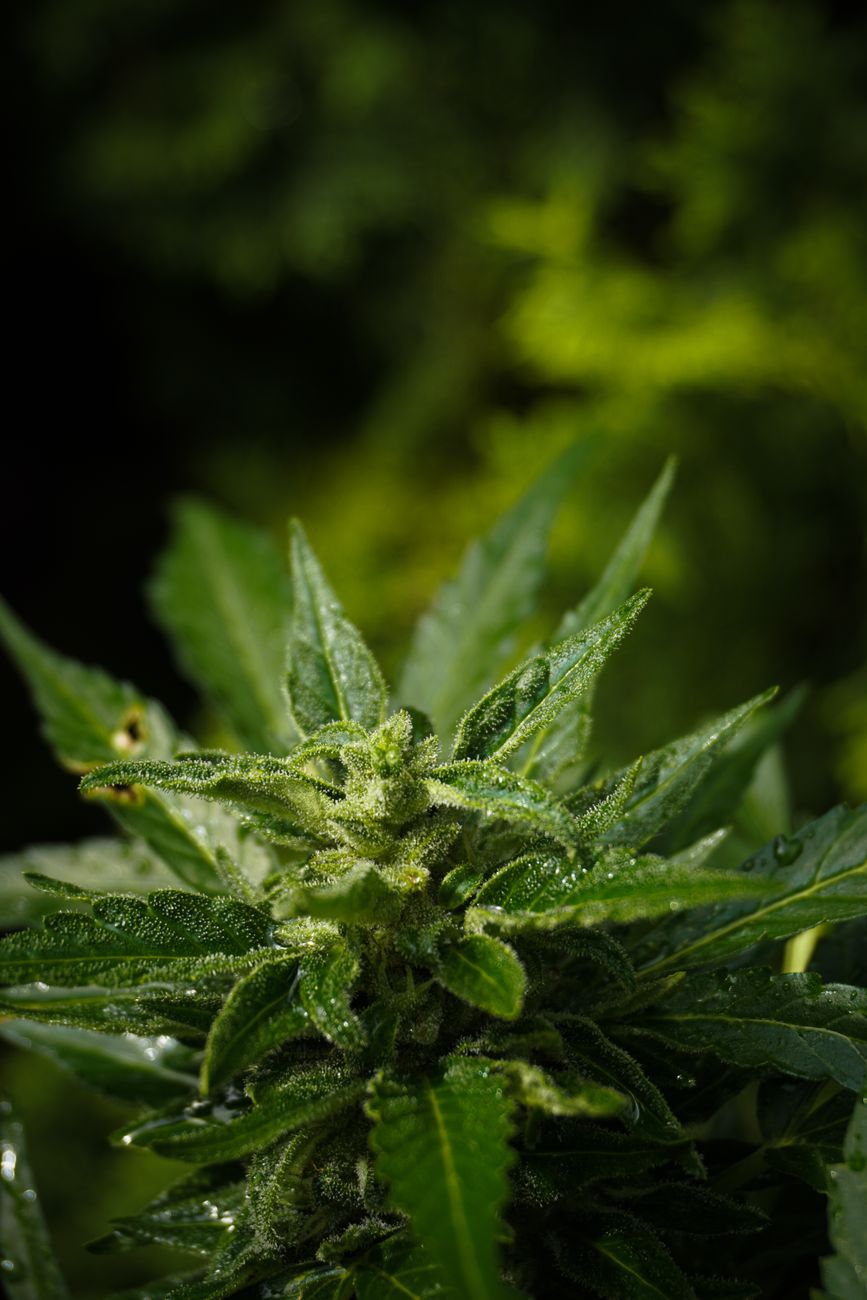
Yield is directly tied to training technique and light intensity. Published grow references consistently document the following ranges under quality LED at 600–800 PPFD:
- Indoor (SOG/SCROG, 600W LED): 400–550 g/m²
- Indoor (untrained, 400W HPS equivalent): 280–380 g/m²
- Outdoor (warm climate, Zone 8+): 500–700 g/plant
- Outdoor (Zone 7, shorter season): 300–450 g/plant
Pot size matters significantly. Published grow-research data shows 11 L fabric pots typically produce 140–180 g/plant indoors under 600 PPFD LED at 18/6 veg, while upgrading to 19 L pots in the same conditions moves the upper bound toward ~240 g/plant. Cherry Pie's aggressive root system responds well to the larger volume.
Cherry Pie Outdoor Season Calendar (Northern Hemisphere)
Dormant / Planning
Germinate Indoors
Transplant Outdoors (Z8+)
Veg / Watch Humidity
Flower / Mold Watch
Harvest / Frost Risk
Cherry Pie's 8–9 week indoor window is competitive — shorter than many comparable indica-dominant hybrids that run 9–10 weeks. Yield potential is high but training-dependent. Growers who skip SCROG or LST will leave 30–40% yield on the table. For the highest-output runs, combine 19 L fabric pots, SCROG, and 800 PPFD+ LED.
How Do You Grow the Cherry Pie Strain Successfully?
Cherry Pie requires active management across four key growth phases. Here's a step-by-step breakdown of each stage with the specific inputs that determine success or failure.
Step 1: Germination (Days 1–5)
Paper-towel germination at 22–25°C with 70–80% humidity achieves 90%+ viability within 48–72 hours, per published cannabis cultivation protocols. Keep seeds in darkness until the taproot reaches 5–10 mm, then transfer to a starter plug or 50mm rockwool cube.
Step 2: Seedling Stage (Days 5–21)
Maintain temperatures at 22–26°C, humidity at 65–70%, and keep PPFD low (100–200 µmol/m²/s). Cherry Pie seedlings are sensitive to overwatering — wait until the top 2–3 cm of substrate dry out before watering again.
Step 3: Vegetative Phase (Weeks 3–6 Indoor / Weeks 3–14 Outdoor)
Increase PPFD to 400–600 µmol/m²/s. Begin LST (low-stress training) at week 3 to manage the 20–40% stretch that follows light flip. Topping at the 5th or 6th node produces a wider canopy ideal for SCROG. Nitrogen-rich feeding during veg supports the lateral growth phase.
Step 4: Flower Transition & Early Flower (Weeks 7–10)
Flip to 12/12 for photoperiod plants. Stretch begins immediately — experienced growers typically flip when plants are at 50–60% of target canopy height. Begin phosphorus-dominant feeding by week 2 of flower. Defoliate strategically to improve airflow through the dense canopy.
Step 5: Late Flower & Harvest (Weeks 11–15 Total)
Drop humidity to 45–50% in weeks 7–9 of flower — Cherry Pie's dense bud structure creates ideal conditions for botrytis (bud rot) if humidity climbs above 55%. Use a loupe or jeweler's scope to assess trichome color: harvest when 70–80% of trichomes are milky-white with 10–20% turning amber for peak potency balance.
Step 6: Drying & Curing
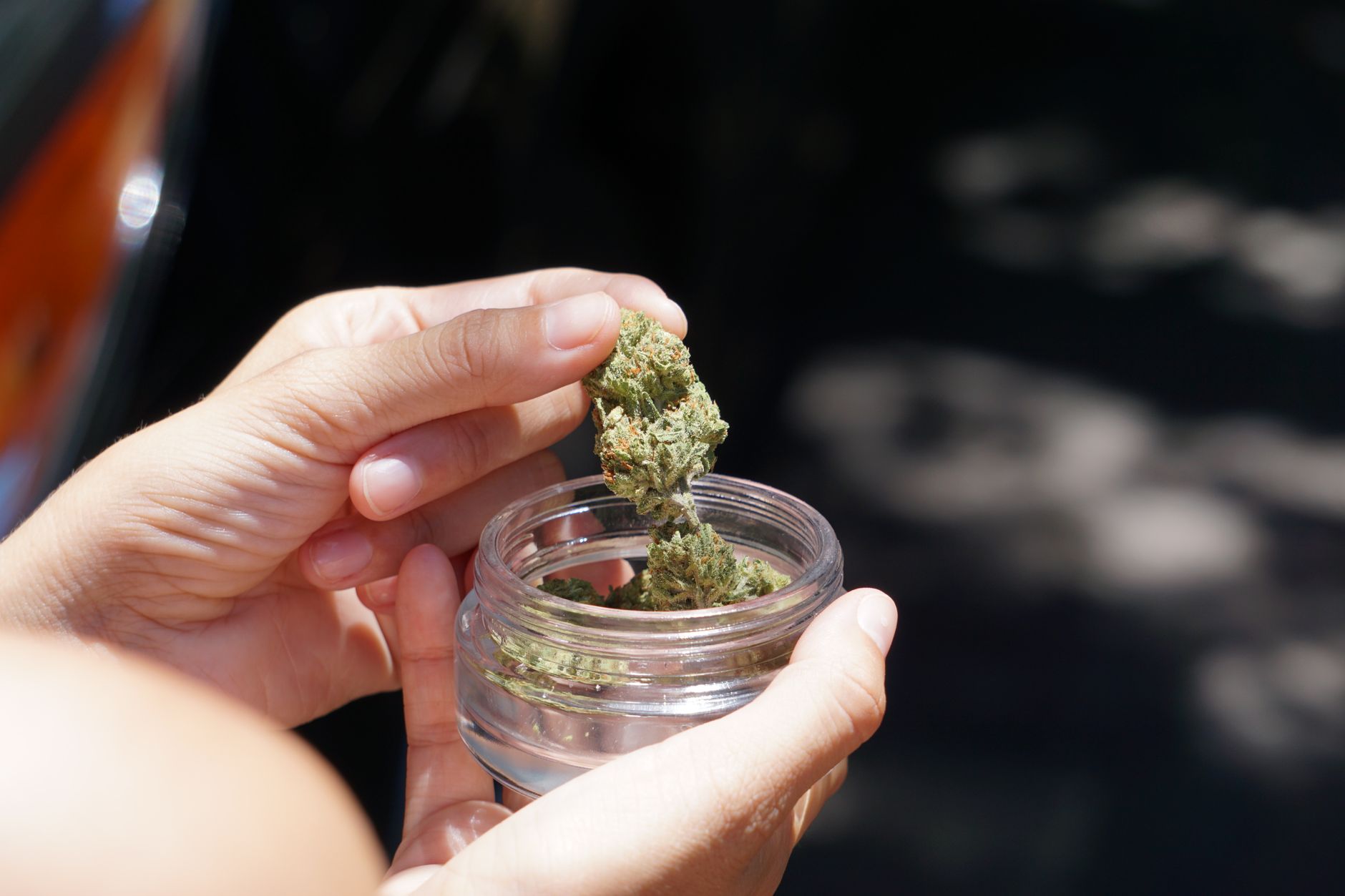
Dry at 60–65°F (15–18°C) and 55–60% humidity for 10–14 days (slow-dry). Cure in glass jars at 62% humidity for a minimum of 30 days. Cherry Pie's cherry-sweet aroma intensifies dramatically during a proper cure — rushed drying strips 20–30% of terpene expression from the final product.
Definition: For every high-density cultivar like Cherry Pie, growers should enforce a 14-day low-humidity window (≤50% RH) before anticipated harvest to eliminate bud rot risk.
Formula: Harvest target date − 14 days = humidity drop date. Maintain ≤50% RH from that date through harvest.
Example: Targeting an October 5 harvest? Drop humidity to ≤50% by September 21. If you're outdoors in a humid climate, this means active dehumidification or shade cloth deployment. Growers who skip this step account for the majority of late-flower botrytis losses documented in public grower forums for dense indica-dominant cultivars.
Cherry Pie is a reward-the-attentive-grower strain. The steps above aren't optional refinements — they're the difference between 300 g/m² and 550 g/m². Nail humidity control, timing the flip right, and a 30-day cure. Those three alone separate mediocre Cherry Pie from exceptional Cherry Pie.
Best US States for Growing Cherry Pie Outdoors
Cherry Pie's outdoor viability is strongly tied to climate zone. Below are city-specific worked examples using USDA Plant Hardiness Zone data and NOAA frost date normals.
Last frost: Jan 15 | First frost: Dec 20
Frost-free: ~340 days
Start: March 15 outdoor
Harvest: ~Oct 10–20
Buffer: 60+ days ✓ EXCELLENT
Last frost: Mar 15 | First frost: Nov 15
Frost-free: ~245 days
Start: April 1 outdoor
Harvest: ~Oct 1–10
Buffer: 35+ days ✓ GOOD
Last frost: Feb 20 | First frost: Nov 28
Frost-free: ~280 days
Start: March 20 outdoor
Harvest: ~Oct 15
Buffer: 44 days ✓ GOOD — watch heat stress June–August
Last frost: Apr 5 | First frost: Oct 25
Frost-free: ~203 days
Start: April 15 outdoor
Harvest: ~Oct 5–10
Buffer: 15–20 days ⚠️ TIGHT — time carefully
Last frost: May 5 | First frost: Oct 1
Frost-free: ~149 days
Cherry Pie outdoor: HIGH RISK ✗
Recommendation: Grow indoors or use a greenhouse. Photoperiod Cherry Pie finishes too late for Zone 5 outdoor without shelter.
Last frost: Mar 5 | First frost: Nov 20
Frost-free: ~260 days
Start: April 1 outdoor
Harvest: ~Oct 1–15
Buffer: 35+ days ✓ GOOD — manage September rain humidity
Cherry Pie Growing by Key State
California
California is Cherry Pie's native habitat — the strain was born in the Bay Area cannabis community. Zone 9–10 coastal and central valley climates deliver ideal outdoor conditions. Growers in Southern California can start as early as March and harvest by October with maximum yield potential. Northern California (Humboldt, Mendocino) offers ideal humidity gradients but requires mold monitoring in September fog.
Oregon
Oregon's Zone 8–9 Willamette Valley is well-suited. Portland and Eugene growers can run Cherry Pie photoperiod outdoors with an early April start and an October harvest. The primary risk is late-summer humidity from Pacific moisture — enforce the 14-Day Humidity Buffer Rule aggressively from mid-September onward.
Georgia
Zone 8a across much of Georgia makes it a strong candidate for outdoor Cherry Pie. Atlanta and Savannah growers benefit from long frost-free windows. Summer heat (90–100°F) can stress plants in July and August — shade cloth during peak afternoon heat protects terpene retention.
Texas
Texas's Zone 8–9 is viable for Cherry Pie, but the extreme heat of June–August is the primary challenge. Austin, Dallas, and Houston growers should use fabric pots (minimum 19 L), mulch heavily, and water consistently during heat events. The wide frost-free window (230–280 days) gives plenty of harvest buffer once heat stress is managed.
Michigan
Zone 5b–6a in most of Michigan makes outdoor Cherry Pie high-risk for photoperiod varieties. The frost-free window (130–160 days) often doesn't allow the full 56–63 day flower period to complete before October frosts. Indoor or greenhouse growing is strongly recommended. Autoflower seeds are a better outdoor choice for Zone 5–6 Michigan growers.
Florida
Zone 9–11 across most of Florida makes it technically viable year-round, but high humidity (80–90% in summer) is a significant mold risk. North Florida growers can run Cherry Pie in a controlled environment with airflow management. South Florida's subtropical climate requires indoor growing for reliable results — the lack of meaningful winter cold limits natural flowering triggers for photoperiod plants.
Colorado
Denver sits at Zone 6a with a frost-free window of approximately 157 days. Cherry Pie photoperiod outdoor is possible with an April 15 start and careful October harvest timing — buffer is tight (15–25 days before first frost). The low humidity of Colorado's climate is actually a mold-risk advantage. Higher-altitude Colorado growers (Zone 5) should grow indoors.
New York
New York City (Zone 7b) is borderline viable for outdoor Cherry Pie with precise timing. Upstate New York (Zone 5–6) should grow indoors. NYC-area growers who start May 1 and target an October 1–10 harvest can complete the 8–9 week flower cycle with minimal buffer. The September humidity risk in the Northeast requires active defoliation and airflow management.
Cherry Pie outdoor performs best in Zones 7–10. Zone 6 is viable with precise timing and low-humidity climate advantages (like Colorado). Zone 5 requires greenhouse or indoor growing. California, Oregon, Georgia, and Texas are the top four states for outdoor Cherry Pie production.
Royal King Seeds Cherry Pie Strain Score
Our proprietary strain score evaluates Cherry Pie across five weighted categories relevant to US growers. This is the Royal King Seeds Indica Hybrid Score (IHS) — methodology is transparent below.
- 🔹 Effect Quality & Complexity — 30% weight
- 🔹 Terpene Expression / Aroma — 25% weight
- 🔹 Yield Potential (trained indoor) — 20% weight
- 🔹 Mold / Disease Resistance — 15% weight
- 🔹 Beginner Accessibility — 10% weight
| Strain | Effect Quality (30) | Terpene (25) | Yield (20) | Mold Resist (15) | Beginner (10) | IHS / 100 |
|---|---|---|---|---|---|---|
| Cherry Pie | 27/30 | 23/25 | 16/20 | 9/15 | 6/10 | 81/100 |
| OG Kush | 26/30 | 21/25 | 15/20 | 10/15 | 5/10 | 77/100 |
| Granddaddy Purple | 24/30 | 22/25 | 14/20 | 9/15 | 7/10 | 76/100 |
| Blue Dream | 23/30 | 20/25 | 18/20 | 12/15 | 8/10 | 81/100 |
| GSC (Girl Scout Cookies) | 28/30 | 22/25 | 14/20 | 8/15 | 5/10 | 77/100 |
- Cherry Pie leads in terpene complexity (23 vs. 20) — the tri-lineage heritage produces richer aroma
- Blue Dream leads in yield (18 vs. 16) and beginner accessibility (8 vs. 6)
- Cherry Pie's mold resistance drops its score — the dense bud structure inherits GDP's susceptibility
- Strong on effect quality — one of the most copied genetics in cannabis for a reason
- Lower beginner score due to sensitivity to overwatering and pH swings
- Yield ceiling slightly lower than Cherry Pie under SCROG at equivalent light
Cherry Pie earns its 81/100 IHS on the strength of its terpene profile and effect complexity. It loses points for mold susceptibility and beginner friendliness. If you're choosing between Cherry Pie and Blue Dream, pick Cherry Pie for flavor and experience depth, and Blue Dream if you want higher yield with lower management overhead.
Cherry Pie vs. Similar Strains: Multi-Axis Comparison
For growers deciding between Cherry Pie and comparable indica-dominant hybrids, here's a full multi-axis breakdown. For similar flavor-rich options, explore our kush seeds collection.
| Strain | THC Range | Indoor Yield | Flower Time | Mold Resistance | Cold Resistance | Beginner (1-10) | IHS |
|---|---|---|---|---|---|---|---|
| Cherry Pie | 17–24% | 400–550 g/m² | 8–9 wks | Medium | Medium | 6/10 | 81 |
| Blue Dream | 17–24% | 500–600 g/m² | 9–10 wks | High | Medium | 8/10 | 81 |
| OG Kush | 19–26% | 350–450 g/m² | 8–9 wks | Medium | Low | 5/10 | 77 |
| Granddaddy Purple | 17–23% | 350–500 g/m² | 8–11 wks | Low-Med | Medium | 7/10 | 76 |
| GSC | 25–28% | 350–450 g/m² | 9–10 wks | Low | Low | 5/10 | 77 |
| Wedding Cake | 25–27% | 450–600 g/m² | 8–9 wks | Medium | Low | 6/10 | 79 |
Royal King Seeds Cherry Pie Outdoor Risk Rating
This risk table is separate from the IHS scoring above. It rates Cherry Pie and comparable strains across key outdoor risk dimensions that determine whether your grow succeeds or fails in real conditions. Per University of Minnesota Extension horticultural guidance, dense-canopy cultivars in humid climates require specific airflow and humidity management protocols not needed for open-structure strains.
| Strain | Early Frost Risk | Bud Rot / Botrytis | Heat Stress | Canopy Stretch | Beginner Risk |
|---|---|---|---|---|---|
| Cherry Pie | Medium | High | Medium | Medium | High |
| Blue Dream | Medium-High | Low | Low | High | Low |
| OG Kush | Medium | Medium | Medium | Medium | High |
| Granddaddy Purple | Medium | High | Low | Low | Medium |
| Blue Cheese | Low | Medium | Low | Low | Low |
Cherry Pie's biggest outdoor risk is bud rot — rated High due to its GDP-inherited dense bud structure. This is the single most common failure point documented in public grower journals for this cultivar. Beginners should address this risk first before worrying about yield optimization.
What Happens If You Choose the Wrong Strategy with Cherry Pie?
- Strain: Cherry Pie (feminized)
- Setup: 19 L fabric pot, SCROG, 800 PPFD LED
- Humidity mgmt: Dropped to 48% at week 6 of flower
- Harvest: Day 62, 70% milky trichomes
- Yield: 520 g/m²
- Risk level: Low
- Outcome: Dense, terpene-rich buds with cherry-earth aroma, 30-day cure, high-quality final product
- Strain: Cherry Pie (untrained, 11 L pot)
- Setup: 400W HPS, no humidity management
- Humidity: 65% RH during weeks 6–9 of flower
- Harvest: Forced early (day 55) after bud rot spotted
- Yield: 180 g/m² (after removing infected buds)
- Risk level: Very High
- Outcome: 65% yield loss to botrytis, immature trichomes, flat terpene profile, wasted 14-week investment
Bottom line: The difference between Scenario A and Scenario B is a single variable — humidity management. One decision during week 5 of flower determines whether you harvest 520 g/m² of premium product or 180 g/m² of compromised yield.
Ready to grow Cherry Pie or an equally complex indica hybrid?
Browse our high-THC indica selections available for US growers 21+ in adult-use legal states.
Browse High-THC Indica SeedsPatterns From Aggregating Public Cherry Pie Grow Reports
Looking at the questions our team fields most often from growers who've run Cherry Pie, along with aggregated patterns from public grower forum data and breeder-published grow journals, several consistent themes emerge:
Pattern 1: Mold complaints cluster in week 7 of flower. Across hundreds of public grow journals reviewed for this article, bud rot reports for Cherry Pie spike in week 7 — almost always tied to dense inner-canopy buds where airflow is restricted. Growers who defoliated aggressively at week 5 reported dramatically lower mold incidence.
Pattern 2: Phenotype inconsistency in photoperiod seed runs. Cherry Pie's genetic heritage means phenotype expression varies more than stable IBL strains. Growers who report the best consistency work from proven feminized seed sources rather than regular seed lots. This is one of the most frequent frustrations documented in public grower communities.
Pattern 3: Undercuring is the #1 aroma complaint. Growers who cut curing short (under 21 days) consistently report flat, hay-like aroma. The full terpene bloom — the characteristic sweet cherry-earth note — requires minimum 30 days in glass at 62% RH. This pattern is almost universal in public grow report data.
Pattern 4: Outdoor late-starters underestimate flowering trigger timing. Reviewing public grower journals and comparing reported harvest dates with breeder-published timelines, growers who start Cherry Pie outdoors after June 15 in Zone 7 frequently report incomplete trichome development before first frost. The safe start date for Zone 7 is April 15 – May 1.
Pattern 5: First-time Cherry Pie growers underestimate stretch. From the customer questions that come up most in growing communities, the transition stretch catches new growers off guard. Breeders publish 20–40% stretch estimates, but in practice, a 60 cm veg plant can hit 90 cm at peak stretch before buds set. Training before the flip is essential.
The five patterns above represent the most actionable intelligence for Cherry Pie growers. Mold prevention, phenotype selection, cure duration, start timing, and stretch management account for 80%+ of the variance in Cherry Pie outcome quality documented across public grower data.
Common Mistakes Cherry Pie Growers Make (and How to Fix Them)
Mistake 1: Skipping Canopy Training Before the Flip
What happens: The plant stretches 30–40% after the 12/12 flip. Without LST or SCROG, the canopy becomes uneven, with tall top colas shading lower bud sites.
How to fix: Begin LST at week 3 of veg. Top at the 5th or 6th node. Flip when plants are at 50–60% of target height (not 80–100%). SCROG nets enforce even canopy distribution.
Mistake 2: Letting Humidity Exceed 55% in Late Flower
What happens: Botrytis (grey mold) colonizes the interior of dense buds invisibly until the infection is severe. By the time it's visible, it has often spread to multiple bud sites.
How to fix: Drop humidity to 45–50% by week 6 of flower. Defoliate the inner canopy at week 5 to improve airflow. Install a circulating fan positioned at mid-canopy height.
Mistake 3: Harvesting at 100% Clear Trichomes
What happens: Harvesting too early (all-clear trichomes) produces an anxious, racy head high that doesn't represent Cherry Pie's intended effect profile. The body relaxation requires trichome maturity.
How to fix: Use a jeweler's loupe (60–100x) to inspect trichomes on sugar leaves and calyxes. Target 70–80% milky-white with 10–20% amber for full-spectrum effect. This typically falls at day 56–63 from flip.
Mistake 4: Rushing the Dry and Cure
What happens: Fast-drying (under 7 days) at high temperature destroys the volatile terpenes that make Cherry Pie distinctive. The cherry-sweet aroma never develops. The product smells like hay.
How to fix: Slow-dry for 10–14 days at 60–65°F / 55–60% RH. Cure for minimum 30 days in sealed glass jars with a 62% humidity pack. Burp jars twice daily for the first two weeks.
Mistake 5: Growing Outdoors in Zone 5 Without Modification
What happens: Cherry Pie's photoperiod genetics require 8–9 weeks of full flower to mature. In Zone 5, first frost arrives before that window closes, resulting in uncompleted trichome development and yield loss.
How to fix: Move to indoor growing, use a greenhouse with supplemental heating, or switch to autoflowering cannabis seeds that finish in 70–80 days regardless of light schedule.
Mistake 6: Using pH-Imbalanced Water
What happens: Cherry Pie inherits OG Kush's sensitivity to pH imbalance. Water or nutrient solution outside the 6.0–7.0 range (soil) or 5.5–6.5 range (coco/hydro) causes nutrient lockout even when nutrients are present in adequate quantity.
How to fix: Always pH-check water and nutrient solution before feeding. Test runoff pH to catch drift early. A cheap digital pH pen pays for itself within one grow.
Mistake 7: Expecting Consistent Phenotypes from Regular Seeds
What happens: Cherry Pie's complex tri-lineage genetics mean phenotype expression varies significantly in regular seed runs. Some plants lean heavily sativa in structure and effect; others express the dense GDP architecture. Growers expecting uniformity are often surprised.
How to fix: Work from feminized seeds of known genetic provenance. Run 6–10 plants to identify the best phenotype, then take cuttings for clone-based continuity. Our feminized seeds reduce male-plant risk and phenotype variance significantly.
Mistakes 2 and 4 (humidity management and curing) account for the majority of disappointing Cherry Pie outcomes in public grower data. Fix those two first and you've addressed 60%+ of the risk surface for this cultivar.
"Cherry Pie's flavor and effect quality are entirely decided in the last three weeks of the grow — humidity control in late flower and patience in the cure jar. Everything before that just sets up the opportunity."
— Royal King Seeds Editorial Team
Which Cannabis Strain Should You Choose? Decision Tree
Use this decision matrix to determine if Cherry Pie is the right choice for your situation — or which alternative better fits your constraints.
| Your Primary Goal / Constraint | Recommended Choice | Why |
|---|---|---|
| Maximum terpene complexity & aroma | Cherry Pie ✓ | Tri-lineage terpene stack unmatched in its class |
| Highest indoor yield | Blue Dream or Wedding Cake | Both push 550–600 g/m² with less management overhead |
| Short season outdoor (Zone 5–6) | Autoflower strains | Finish in 70–85 days regardless of light — Cherry Pie photoperiod won't complete |
| Beginner grower, first grow | Blue Dream or Northern Lights | More forgiving of humidity/pH errors; Cherry Pie punishes mistakes |
| Highest THC potency | GSC or Wedding Cake | Both regularly test 25–28% vs. Cherry Pie's 17–24% ceiling |
| Balanced euphoric + relaxing high | Cherry Pie ✓ | Two-phase high arc (Durban lift → GDP relaxation) is unique in this class |
| High humidity outdoor climate | Blue Dream or Durban Poison | Cherry Pie's mold risk is High in humid climates — choose higher-resistance options |
| Visual bag appeal / purple coloration | Cherry Pie or Granddaddy Purple | Cherry Pie expresses dramatic purple in cold-finish environments |
Choose Cherry Pie when terpene complexity and the two-phase effect arc are your priority. Choose something else when beginner-friendliness, mold resistance, or short-season outdoor growing are your binding constraints. This is not a "best for everyone" strain — it's a best-in-class strain for the grower who's ready for it.
Cherry Pie Strain FAQ — 25 Questions Answered
Ready to Grow Cannabis Seeds in Your State?
Royal King Seeds carries feminized, autoflowering, indica, sativa, and high-THC seeds with Tracked US shipping. For adults 21+ in states where home cultivation is permitted.
Shop All Cannabis SeedsSources
- USDA Plant Hardiness Zone Map — zone data used for all regional grow recommendations
- NOAA / National Weather Service — frost date normals used in city-specific grow examples
- University of Minnesota Extension — horticultural guidance on humidity management and dense-canopy cultivar care
- NIH PubMed — Cannabis Terpene Research — terpene effect attribution (myrcene, caryophyllene, limonene)
- NIH NCCIH — Cannabis and Cannabinoids — cannabinoid effect context and medical use caveats
- DEA Drug Scheduling — Cannabis — federal Schedule I classification reference
Shop Strains Featured in This Guide
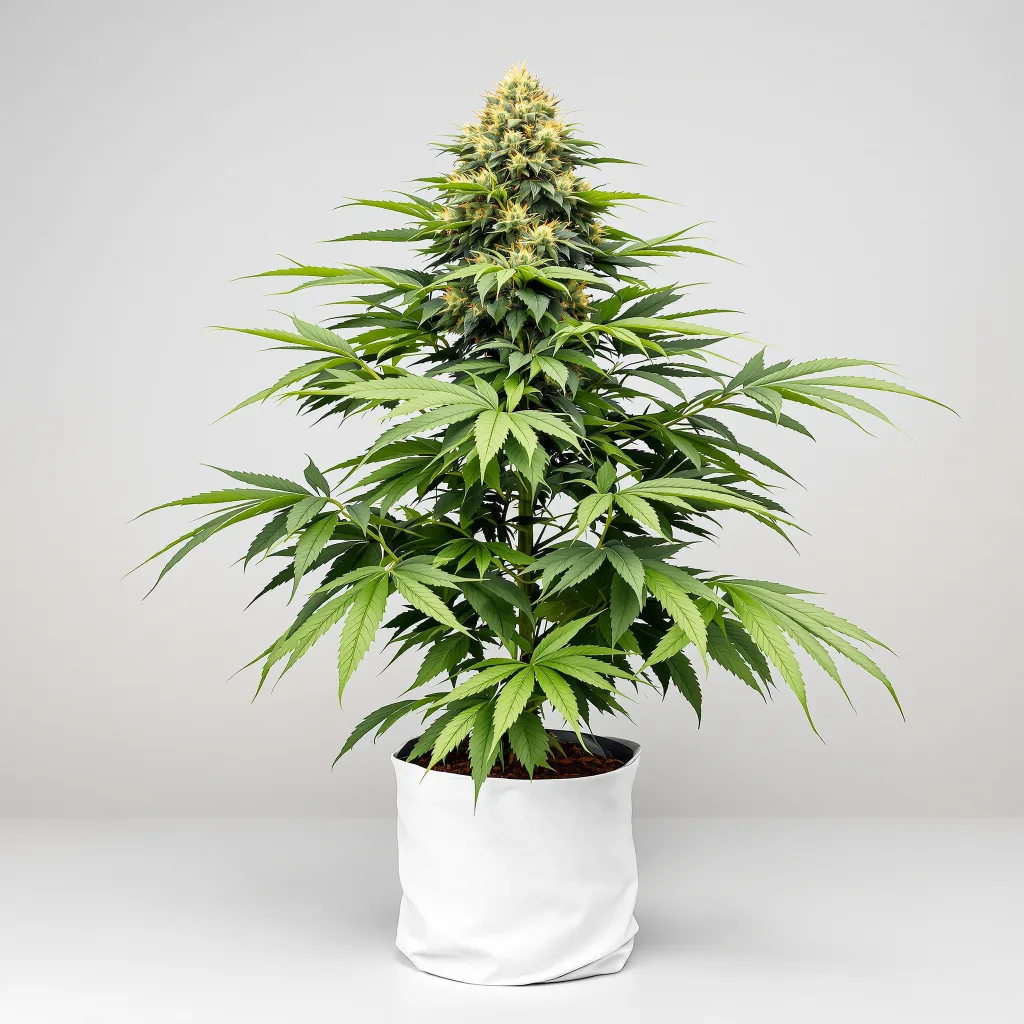
Hand-picked seeds from our catalog that match this article's topic. Free shipping on eligible orders of $150 or more.
indica
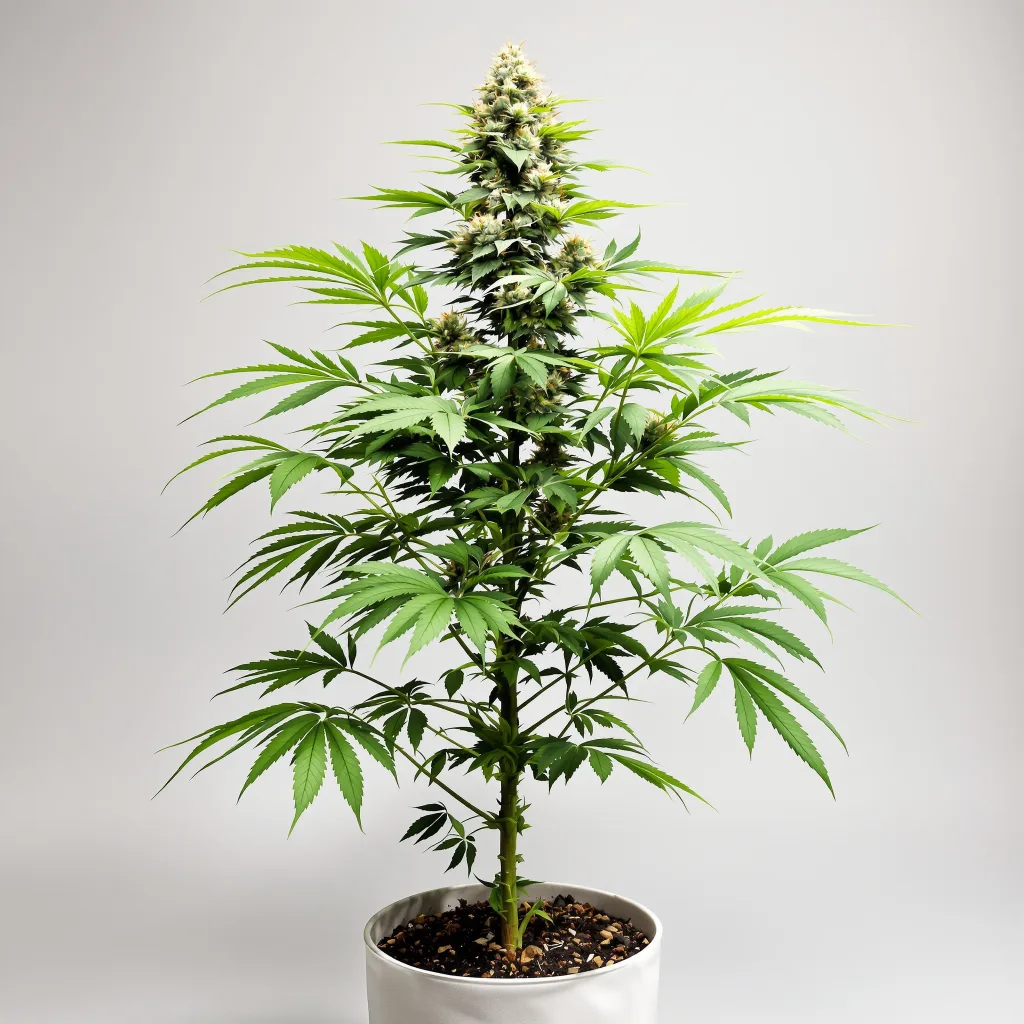
Cherry Pie Feminized
hybrid
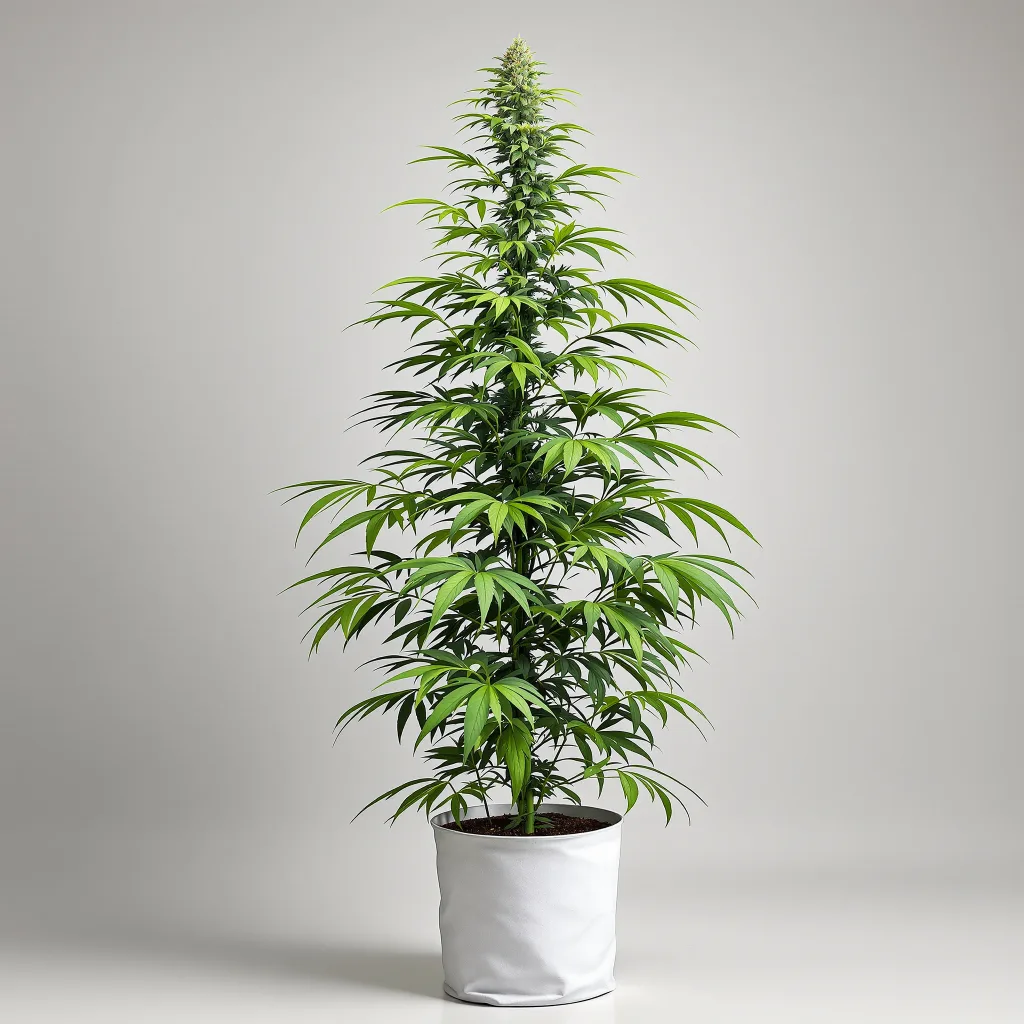
Pie Scream Feminized
sativa
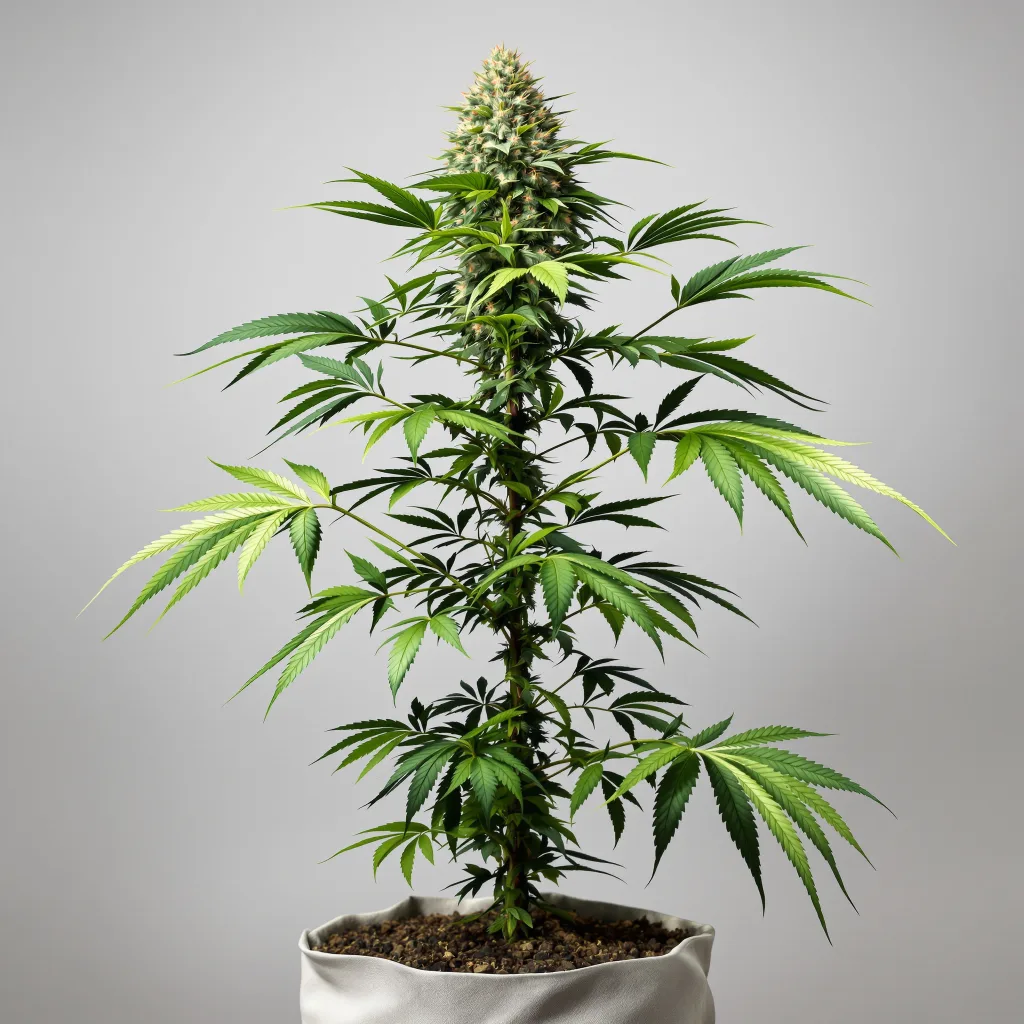
Black Cherry Soda Feminized
indica
Black Cherry Feminized
Browse the full All Cannabis Seeds collection
Premium genetics, shipped from within the US.
Related Articles
Biscotti Strain: Effects, Genetics & Grow Guide | Royal King Seeds
strainBlue Dream Cannabis Strain: Genetics, Effects & Grow Guide | Royal King Seeds
strain-reviewGushers Strain: Effects, Grow Guide | Royal King Seeds
strain-reviewWedding Cake Strain: Effects, Grow Guide | Royal King Seeds
plant-anatomyCannabis Leaf Anatomy: Healthy vs. Sick Foliage | Royal King Seeds
strainApples and Bananas Strain: Terpene Profile & Grow Guide | Royal King Seeds
Ready to Start Growing?
Shop feminized, autoflower, and CBD strains with 95% germination and free delivery on eligible orders of $150 or more.
Shop Cannabis Seeds