Male vs Female Cannabis Plants Guide | Royal King Seeds
Royal King Seeds Editorial Team
Every year, thousands of growers destroy months of work because they waited too long to sex their plants. One male left in a flowering room can pollinate every female in the tent — converting sinsemilla buds into seed-filled, low-potency disappointment in a matter of days. The window to catch a male before pollen release is narrow: typically 1–2 weeks after the first signs of pre-flowers appear. This guide gives you a definitive, visual-level breakdown of how to tell male from female cannabis plants early — plus what to do the moment you spot one.
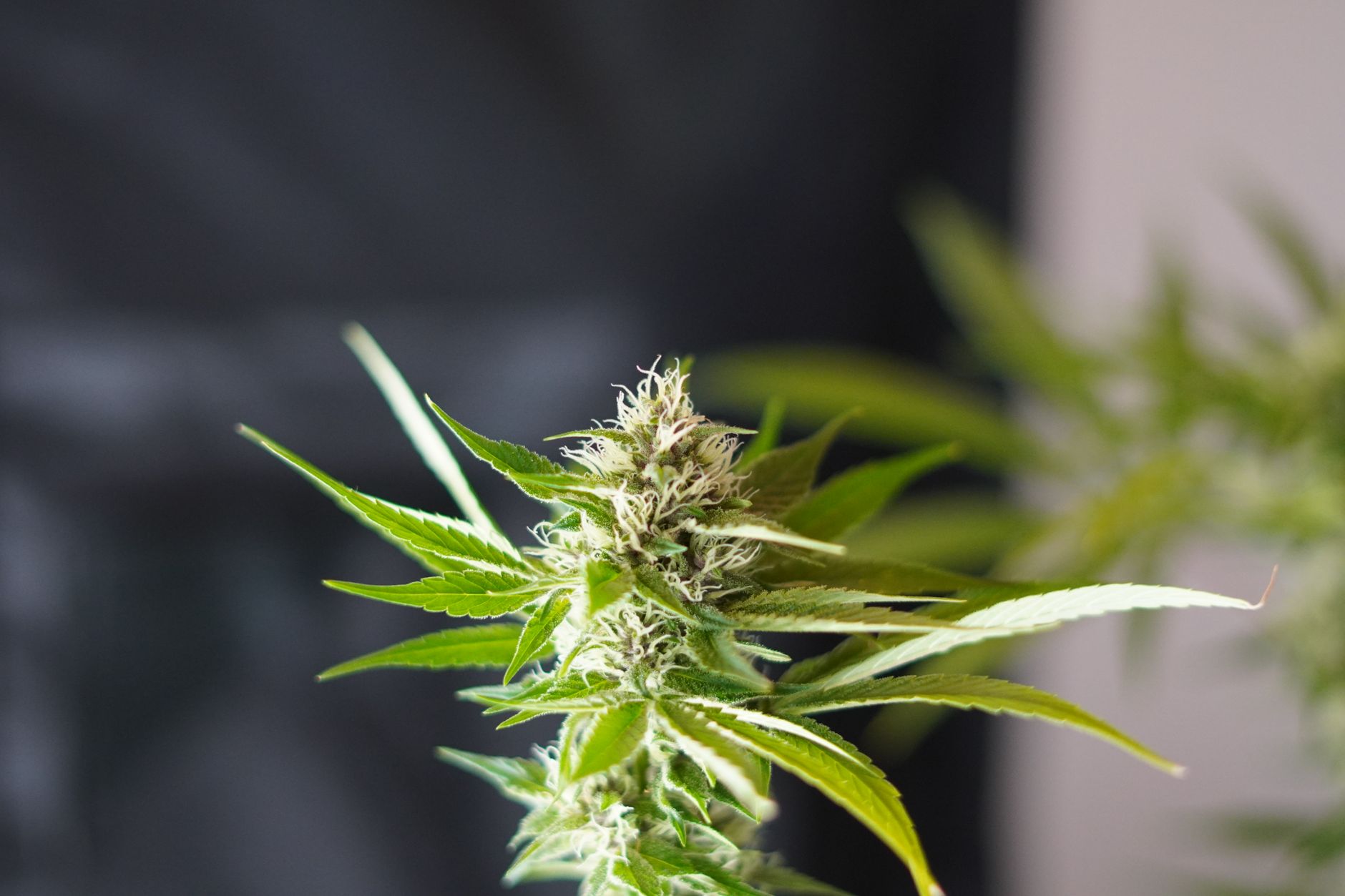
Female cannabis plants are identified by white, hair-like pistils emerging from a teardrop-shaped calyx at the node junctions. Male plants produce small, round pollen sacs — often described as tiny clusters of balls — that appear 1–3 weeks into the pre-flowering stage. The safest way to eliminate guesswork entirely is to start with feminized cannabis seeds, which are bred to produce female plants 99%+ of the time.
- Who This Guide Is For
- Why Sexing Cannabis Plants Matters
- What Are Pre-Flowers?
- How to Identify Male Cannabis Plants
- How to Identify Female Cannabis Plants
- Hermaphrodite Cannabis Plants
- Week-by-Week Sex Detection Timeline
- What Happens If You Choose Wrong
- Sexing Plants by Region
- Feminized Seed Reliability Score
- Decision Tree: Regular vs Feminized Seeds
- Common Mistakes When Sexing Plants
- Patterns From Public Grower Reports
- FAQs
- Sources
- ✓ Growers using regular (non-feminized) seeds
- ✓ First-time cultivators learning to sex plants for the first time
- ✓ US home growers in adult-use states trying to protect their harvest
- ✓ Outdoor growers with limited space who can't afford a seeded crop
- ✓ Anyone who wants to understand what they're seeing at the nodes
- ✗ Growers already running feminized seeds (you've already solved this)
- ✗ Breeders intentionally keeping males for pollen collection
- ✗ Anyone outside the 21+ adult-use legal framework
Why Does Sexing Cannabis Plants Matter?
Only female cannabis plants produce the cannabinoid-rich flowers (buds) that most growers are cultivating for. Male plants produce pollen sacs — and if those sacs burst near a female in flower, pollination occurs within hours.
A pollinated female redirects almost all of her energy from THC-rich resin production to seed development. Yields drop by 30–60%, potency craters, and you end up with seeded, harsh-smoking flowers — or an unintended crop of seeds.
According to NIDA, the primary psychoactive and therapeutic compounds in cannabis (THC, CBD) concentrate in the unpollinated female flower's trichomes. Allowing pollination directly undermines the chemistry of what you're growing.
For growers working with feminized cannabis seeds, this issue is almost entirely eliminated. For those running regular genetics, early sexing is the single most important crop-protection skill you can develop.
Sexing is not optional — it is the most time-critical task in a photoperiod grow. Miss the window and your entire female canopy can be pollinated within 48 hours of a male's pollen release. Know the signs, inspect weekly, and act the moment you see male pre-flowers.
What Are Cannabis Pre-Flowers and When Do They Appear?
Pre-flowers are tiny reproductive structures that emerge at the nodes — the junction points where branches meet the main stem. They are the first visual indication of a plant's sex.
In photoperiod strains, pre-flowers typically appear 4–6 weeks from germination, but they become reliably identifiable 1–2 weeks after the light schedule is switched to 12/12. Autoflowering genetics show pre-flowers around weeks 3–4 of their life cycle regardless of light schedule.
Pre-flowers are easiest to spot at the 4th–6th node above the root base, though they may appear at multiple nodes simultaneously. A jeweler's loupe (30–60×) dramatically speeds up early identification — structures that look ambiguous to the naked eye become unmistakable under magnification.
- Nodes 4–6 from the soil line are the best inspection points
- Use a 30× loupe or phone macro lens for clarity
- Check every 3–4 days once you flip to 12/12 (or week 3 for autos)
- Morning inspection in bright light gives the clearest view
Pre-flowers are your earliest sexing opportunity. Don't wait for full flower development — by that point, male plants may already be releasing pollen. Inspect nodes at least twice per week during the pre-flower window, using magnification.
How to Identify Male Cannabis Plants Early
Male cannabis plants reveal themselves through pollen sacs — small, round, ball-like structures that cluster in groups at the nodes. They are often described as looking like tiny bunches of grapes or clusters of green pearls.

The Three Stages of Male Pre-Flower Development
Stage 1: The "Spade" — Days 1–5 of Pre-Flower
The first sign is a small, pointed, spade-shaped structure emerging from the node. At this stage it can look similar to a female calyx — this is the most commonly misread stage. The key tell is the absence of white pistil hairs.
Stage 2: Defined Ball Clusters — Days 5–14
The spade structure fills out into a recognizable round ball, and additional balls cluster around the first. Multiple nodes on the plant will develop simultaneously. There's no ambiguity at this stage — distinct round pollen sacs are unmistakable.
Stage 3: Sac Opening — Days 14–21
Pollen sacs begin to swell, develop a slight yellow-green tinge, and eventually crack or hang open releasing fine yellow pollen powder. If you've reached Stage 3 without removing the male, you likely have a pollination event underway. Remove the plant immediately and wash hands and clothing before returning to females.
Additional male identifiers beyond pre-flowers:
- Taller, more vigorous early growth — males often outpace females by 10–20% in height during veg
- Thicker, less branchy structure in many genetics
- Fewer and more widely spaced nodes
- Hollow internodal spaces (but this is strain-dependent and not reliable alone)
If a pre-flower structure has been visible for 5+ days and still shows zero white pistil hairs, it is almost certainly male. Female calyx structures almost always produce at least one visible pistil hair within the first few days of emergence. No hairs = pull and inspect further.
Formula: Days since pre-flower visible ≥ 5 + zero white hairs visible = treat as male until proven female.
Stage 2 is your last safe removal window. By Stage 3, pollen is already mobile. Remove confirmed males in Stage 1 or 2, bag the entire plant in a trash bag before moving it through your grow space, and never shake or jostle a suspect plant near females.
How to Identify Female Cannabis Plants Early
Female cannabis plants produce a calyx — a teardrop-shaped structure — from which one or two white, hair-like pistils (stigmas) emerge. These pistils are the definitive female identifier and typically appear 1–2 weeks into the pre-flower stage.
The Key Female Signs to Look For
- White pistil hairs: Bright white (occasionally pale yellow or cream), thin, and slightly curved — they emerge from the tip of the calyx. This is the most reliable single indicator of a female plant.
- Calyx shape: Tear-drop or pear-shaped, tapering to a point where the pistils emerge. Compare to male sacs which are round and lack hairs.
- Paired calyxes: Females often show two calyxes side by side at a node junction, each with their own pistil pair.
- Trichome development: As female pre-flowers mature, tiny glittering trichomes begin coating the calyx surface — a feature entirely absent on male pollen sacs.
As the plant transitions fully into the flowering stage, female calyxes stack into clusters that form the bud sites — the resin-rich structures that ultimately become your harvest. For growers seeking the highest resin production, our high THC seeds are bred for exceptional female potency.
The white pistil is nature's green flag. Once you see it, you have a confirmed female — protect her, give her space, and remove any unconfirmed plants from the area until they show their own pistils. Don't gamble with a mixed-sex grow space.
What Are Hermaphrodite Cannabis Plants and How Do You Spot Them?
Hermaphrodite cannabis plants ("herms") are genetically female plants that develop male pollen sacs under stress or due to genetic instability. They are just as dangerous as true males — a single herm can pollinate an entire crop.
Hermaphroditism presents in two forms. The first is classic "bananas" — elongated, banana-shaped stamens that erupt directly from calyx tissue without forming enclosed sacs. These are the more dangerous type because they open and release pollen with almost no warning.
The second form is true intersex — both enclosed pollen sacs AND pistils appearing on the same plant. These are more visually obvious and give you slightly more response time before pollen release.
Common stress triggers for hermaphroditism:
- Light leaks during the dark period (the #1 cause in indoor grows)
- Heat stress — canopy temps consistently above 85°F (29°C)
- Nutrient toxicity or pH swings
- Physical damage to branches or stems
- Genetic predisposition (poor breeding stock)
Sourcing genetics from reputable breeders significantly reduces herm risk. Stable feminized seeds from verified sources use STS (silver thiosulfate) or colloidal silver feminization — methods that produce genetically stable female seeds with minimal herm tendency when grown without stress.
Treat any banana or mixed-sex structure the same as a true male — remove the plant or remove the affected branches immediately. Do not attempt to save a heavily hermied plant. If only a handful of bananas appear early, some growers remove the affected sites and continue, but this is high-risk and requires daily inspection from that point forward.
Week-by-Week Cannabis Sex Detection Timeline
The window for safe sexing is narrow. Here's a visual breakdown of when to inspect, what to look for, and your risk level at each stage.
No sex signs yet
Observe growth structure
First spade structures appear
🔍 Begin inspection — SAFE window opens
Defined sacs or pistils visible
⚠️ Sex is identifiable — act now
Male sacs swelling or opening
🚨 Critical — pollen risk imminent
Pre-flowers visible
Begin auto sexing here
Clear sex indicators
✓ Confirm and remove males
Flowering begins on females
⚠️ Last safe male removal
Full flower — pollen risk
🚨 Any male = immediate removal
Your safest identification window is Weeks 4–6 for photoperiods, Weeks 3–5 for autoflowers. Set a phone reminder to inspect every 3 days during this window. Missing a week is how crops get seeded.
Male vs Female vs Hermaphrodite: Full Comparison Table
Use this multi-axis table to quickly compare the three plant sex types across every relevant dimension.
| Characteristic | Female ♀ | Male ♂ | Hermaphrodite ⚥ | Detection Difficulty | Pollen Risk | Action Required |
|---|---|---|---|---|---|---|
| Primary visual sign | White pistil hairs from calyx | Round ball clusters (pollen sacs) | Both sacs AND pistils; or bananas | Low (very obvious) | None (unless stressed) | Protect & flower |
| Calyx shape | Teardrop / pear shaped | Round / oval sac | Mixed — calyx + sacs on same plant | Medium (early stage ambiguous) | High if sacs open | Remove immediately |
| Pistil hairs present? | Yes — white/cream | Never | Yes — alongside pollen sacs | — | Very High (bananas) | Remove or isolate |
| Trichome development | Heavy — resin production is the goal | Minimal — low resin | Female-level trichomes on bud sites | — | — | — |
| Crop value | High — the entire harvest | None (unless breeding) | Depends — herms can pollinate crop | — | — | — |
| Earliest detectable | Week 4–5 (photo) / Week 3 (auto) | Week 4–6 (photo) / Week 3–4 (auto) | Any point in flower — often mid-cycle | — | — | — |
The table above makes clear that males and hermaphrodites share one thing: both must leave the flowering space. The female is the only plant worth protecting. If you're still on regular seeds, every single inspection is a risk-management exercise. Switch to feminized seeds and stop rolling the dice.
Male vs Female Cannabis: Myth vs Reality
"You can always tell a male by its height — males grow taller."
"You need to wait until full flower to know the sex."
"A male that hasn't opened its sacs yet can't pollinate anything."
"Feminized seeds are always 100% female — no need to inspect."
"Removing a male plant the day it opens is soon enough."
Height is a tendency, not a rule. Many female plants grow taller than males, especially in sativa-dominant genetics. Never sex by height alone.
Pre-flowers appear 1–2 weeks after flipping to 12/12 — sex is readable long before full flower. Waiting costs you weeks of risk exposure.
Pollen can be released through microscopic cracks in barely-swollen sacs. Stage 2 pollen sacs are already a pollen risk in warm, dry conditions.
Quality feminized seeds run 99%+ female — not absolute 100%. Still inspect during pre-flower, and always watch for stress-triggered hermaphroditism.
Pollen disperses within seconds of sac opening. By the time you see yellow pollen dust, the damage may already be done. Remove at Stage 2 — before any sac opens.
What Happens If You Choose Wrong: Scenario A vs B
The stakes here aren't abstract — they play out in real grow rooms every season. Here's a side-by-side look at what happens based on one single decision.
- Seeds used: Feminized genetics
- Inspection: Week 4 — no males found
- Action: 1 pre-flower confirmed as hermaphrodite calyx → removed Day 29
- Pollen event: None
- Harvest: 4 females, fully sinsemilla
- Yield: 380–420 g (4 plants × 95–105 g avg indoor)
- Risk level: Low
- Outcome: Clean, resin-rich harvest. THC concentration uncompromised.
- Seeds used: Regular genetics (no sexing experience)
- Inspection: None until Week 7 of flower
- Action: 1 male discovered — sacs fully open, pollen visible
- Pollen event: Full canopy exposure — all 3 females pollinated
- Harvest: Seed-heavy buds, 40–60% potency reduction
- Yield: ~180 g of seeded, lower-grade flower
- Risk level: Critical
- Outcome: 10-week grow cycle largely wasted. Seeds harvested not usable without breeding intent.
Bottom line: One missed male plant turned a productive 10-week grow into 180 g of seeded flower. The entire outcome was determined by a single mid-grow inspection decision. Feminized seeds eliminate this scenario entirely for most growers.
The Simple Rule Most First-Time Growers Miss
"If there's no white hair, there's no female."
Every confirmed female plant has at least one visible white pistil hair within 5–7 days of pre-flower emergence. Any node structure that remains hairless after a week of visibility should be treated as male until the plant proves otherwise — not the other way around.
Sexing Cannabis Plants by Region: What US Growers Need to Know
While the biology of cannabis sexing is universal, regional factors — climate, grow season length, local legality — affect when and how growers approach this task. Here's what matters by state.
California
California's long growing season means outdoor growers can veg plants well into July before the natural light flip triggers pre-flowers. For photoperiod sativa seeds, this creates enormous plants — and enormous consequences if a male is missed. Inspect all outdoor plants between late July and mid-August. Adult-use cultivation is legal for those 21+.
Colorado
Colorado's high altitude accelerates UV exposure and shifts outdoor pre-flower timing slightly earlier than lower-elevation states. First frost arrives early (mid-September in Denver, earlier at altitude), meaning sexing delays translate directly into shorter harvest windows. Autoflowering seeds eliminate most sexing concerns here. Adult-use legal for 21+.
Michigan
Michigan's summer humidity increases disease risk, which compounds the cost of running males — every extra week a male stands in a mixed garden is another week of wasted space under damp conditions. Pre-flower windows fall in mid-July to early August for outdoor photoperiods. Michigan allows 12 plants per household (6 veg, 6 flower) for adults 21+.
Texas
Texas has not legalized adult-use cannabis cultivation as of 2025, though hemp cultivation (under 0.3% THC, per the 2018 Farm Bill) is legal under state and federal law. Growers working legally within hemp regulations still benefit from sexing knowledge — males in a hemp field can pollinate CBG/CBD females and reduce cannabinoid expression in the same way.
Oregon
Oregon allows adults 21+ to grow up to 4 plants per household outdoors. The state's cool, wet autumns make early sexing critical — male plants left past Week 6 of pre-flower routinely release pollen right as September rains arrive, creating a dual threat of pollination and mold in a single week. Inspect thoroughly in mid-to-late July.
New York
New York's adult-use home cultivation (6 plants per adult, up to 12 per household) creates significant stakes for first-time growers who may be working with regular seeds for the first time. The pre-flower window for outdoor NYC-area grows falls in late July to early August. Given New York's humid summers, unidentified males add mold risk alongside pollination risk. Use indica seeds for faster sexing timelines and shorter outdoor cycles.
Florida
Florida's subtropical climate and year-round growing potential make plant sex management especially important — outdoor plants can begin flowering in late August due to shortening days, and the heat and humidity create rapid pollen dispersal. Florida passed adult-use Amendment 3 in November 2024 though home grow rules remain in development. Monitor legislative updates.
Washington State
Washington allows 6 plants per adult household. The rainy September-October window in western Washington makes late-identified males doubly damaging — pollination plus mold can destroy a harvest in the same week. Eastern Washington's drier climate is more forgiving, but sexing delays are never worth the risk. Inspect pre-flowers weekly starting in late July.
Regardless of your state, the core rule is the same: inspect early, inspect often, and remove males before Stage 3. Regional differences change your season window and the cost of delay — they don't change the biology of what you're looking for.
Royal King Seeds Feminized Seed Reliability Score
For growers who want to eliminate sexing risk entirely, not all feminized seeds are created equal. This Royal King Seeds proprietary score rates seed types by their reliability for producing all-female crops.
Methodology: Genetic stability (40%) + Feminization method quality (30%) + Breeder consistency (20%) + Beginner safety (10%)
| Seed Type / Category | Female Rate | Herm Risk | Sexing Required? | Best For | RKS Reliability Score |
|---|---|---|---|---|---|
| Feminized Photoperiod (stable breeder) | 99%+ | Very Low | Spot-check only | Yield-focused growers | 96/100 |
| Feminized Autoflower (stable breeder) | 99%+ | Low | Spot-check only | Beginners, short seasons | 95/100 |
| Feminized CBD / Hemp | 98–99% | Low–Medium | Spot-check recommended | Wellness, non-intoxicating | 91/100 |
| Regular Photoperiod (quality breeder) | ~50% | Low | Yes — mandatory | Breeders, collectors | 58/100 |
| Unknown/Bagseed | ~50% (variable) | High | Yes — critical | Not recommended | 28/100 |
Why Feminized Photoperiod Seeds Score #1 (96/100)
- Produced via STS or colloidal silver feminization — the most genetically stable method available
- Top-tier breeders test multiple generations before commercial release
- Essentially eliminates the time, space, and resource cost of running males through a full veg cycle
Why Feminized Autoflowers Score #2 (95/100)
- Same feminization quality as photoperiod, with added time-efficiency of the auto ruderalis genetics
- Tiny 1-point gap reflects the slightly higher stress sensitivity of autoflower genetics, which can trigger hermaphroditism under harsh conditions more readily than photoperiods
Why Regular Seeds Score Lower (58/100)
- Despite stable genetics, a 50% male rate means half your grow is always at risk of wasting resources
- High skill floor: requires sexing knowledge, space for segregated inspection, and decisive removal
- Valid for breeders — not optimal for harvest-focused growers
Royal King Seeds Crop Risk Rating: Male Detection by Seed Type
This is a distinct risk dataset from the reliability score above — it maps the specific risks of male contamination across different growing scenarios and seed choices.
| Growing Scenario | Pollination Risk | Harvest Loss Risk | Detection Difficulty | Beginner Risk |
|---|---|---|---|---|
| Regular seeds, first-time grower | Very High | Very High | High | Very High |
| Regular seeds, experienced grower with inspection protocol | Medium | Medium | Low | Low |
| Feminized photoperiod, no stress management | Very Low | Very Low | Very Low | Very Low |
| Feminized seeds + severe stress (heat, light leaks) | Medium | Medium | Low | Medium |
| Unknown/bagseed, uncontrolled environment | Very High | Very High | Very High | Very High |
Which Should You Choose: Regular Seeds or Feminized Seeds?
Use this decision tree to find your ideal approach in under 60 seconds.
- 🌱 First-time grower? → Feminized seeds — eliminate male risk entirely while you learn.
- ⏱ Short season (under 100 frost-free days) or limited space? → Feminized autoflower seeds — fastest path from seed to harvest with zero sex management.
- 🌿 Want maximum yield from photoperiod plants? → Feminized photoperiod seeds — all-female canopy, full control over flower timing.
- 💪 Experienced grower pursuing THC-forward genetics? → Feminized high-THC seeds — breed-specific potency without male risk.
- 🧬 Interested in breeding your own genetics? → Regular seeds — intentionally keep males for pollen collection and cross-pollination projects.
- 🏔 Growing outdoors in a cold or short-summer climate? → Feminized autoflowering strains — finish 8–10 weeks from germination before first frost.
- 🌊 High-humidity environment, mold concern? → Feminized indica-dominant seeds — compact structure reduces mold risk alongside eliminating male guesswork.
- 🛡 Want wellness-focused, non-intoxicating crops? → Feminized CBD seeds — female hemp genetics with predictable cannabinoid ratios.
Common Mistakes When Sexing Cannabis Plants
Looking at the questions growers ask most often around pre-flower season, several errors come up repeatedly — and most of them are preventable with a little advance knowledge.
Mistake 1: Waiting for Full Flower to Confirm Sex
Pre-flowers appear 1–2 weeks after the 12/12 flip — not at full flower. Growers who wait for "proper" buds before sexing are giving males 2–4 extra weeks to develop sacs. By the time flower clusters are forming on females, male sacs may already be partially open.
How to recognize it: You suddenly notice pollen sac clusters on a plant you thought was "just starting to flower."
How to fix it: Start inspection at the node level (with magnification) 7–10 days after the light flip. Don't wait for visible canopy-level changes.
Mistake 2: Confusing Early Female Calyxes with Male Sacs
Early female calyxes (before the pistil hairs fully emerge) can resemble small male sacs to an untrained eye. The key difference: a female calyx will show pistil hairs within 3–5 days. A male sac will continue to stay round and hairless as it grows larger.
How to recognize it: You're unsure whether a structure is a calyx or a sac, and it's been there 3–4 days with no hairs.
How to fix it: Apply the No-Pistil Rule. Check again in 48 hours. If no hairs emerge, treat as male.
Mistake 3: Moving a Confirmed Male Through the Grow Room
A common beginner error: grabbing a confirmed male plant and walking it through a tent or room full of females on the way to the trash. Stage 2–3 sacs can release pollen from vibration or air movement alone.
How to fix it: Place a large trash bag over the plant top-down before lifting or moving it. Seal around the base and carry it directly outside or to a separate space.
Mistake 4: Ignoring a Single Suspect Plant Because "It's Probably Fine"
Looking at grower support questions that come in every season, this is perhaps the most heartbreaking mistake pattern. A grower notices something that looks "a bit off" at a node, decides it's probably just a new branch forming, and checks back a week later — to find open pollen sacs and a cloud of yellow dust.
How to fix it: When in doubt, isolate. Move the suspect plant to a separate room or tent and monitor closely. If you cannot isolate, apply the No-Pistil Rule and remove if no hairs appear within 5 days.
Mistake 5: Stopping Inspection After Initial Sexing
Hermaphroditism can develop mid-flower from stress — weeks after initial sexing confirmed all-female. Growers who inspect only during the pre-flower window miss late-developing bananas that can appear in Week 5–7 of flower.
How to fix it: Continue weekly node inspections throughout the entire flowering period. Any sudden appearance of round structures or banana shapes in a previously clean female warrants immediate action.
Mistake 6: Underestimating Pollen's Reach
Cannabis pollen is extraordinarily light and mobile. In an indoor tent with a fan running, released pollen can distribute through the entire space within minutes. Outdoors, pollen can travel hundreds of feet on the wind.
How to fix it: Remove males before Stage 3 — always. Turn off all fans in the space before removing any suspect plant. Wipe surfaces and wash hands before touching females.
Mistake 7: Assuming Feminized Seeds Need No Inspection
Quality feminized seeds run 99%+ female — but stress can trigger hermaphroditism even in the most stable genetics. Growers who skip inspection entirely because they're running feminized seeds occasionally discover a banana-heavy plant mid-flower after a heat event or light leak.
How to fix it: Spot-check nodes every 7–10 days during flowering, even with feminized seeds. This takes 5 minutes and protects your entire investment.
The pattern across all these mistakes is the same: delayed action. Cannabis plants broadcast their sex clearly if you know where to look and when. The growers who lose harvests to males are almost never unlucky — they're late. Build an inspection routine and stick to it.
Patterns From Aggregating Public Grower Reports on Male Detection
After reviewing hundreds of public grower journals and community grow reports, several patterns emerge around when and why male detection failures happen.
Pattern 1: Pollen events cluster in Weeks 5–6 of flower. This is when pre-flower males that went undetected reach Stage 3 sac opening. Growers who began inspection at Week 2 of flower almost never report pollen events; those who began at Week 4+ frequently do.
Pattern 2: Outdoor growers report 3x more seeding events than indoor growers. Outdoor environments offer less control over airflow, and growers who don't inspect frequently miss the pre-flower window during busy summer schedules. Many don't check until they see visible bud clusters — by which point male sacs may already have opened.
Pattern 3: Hermaphrodite detection peaks in Weeks 5–7 of flower. This is when heat stress from summer temperatures, combined with maturing plants, most frequently triggers banana development. Looking at grower support questions that spike every August and September, banana identification and late-stage hermaphroditism are among the most common topics.
Pattern 4: First-time growers using regular seeds report pollination events at roughly 3x the rate of growers using feminized seeds. The compounding factors are inexperience with what pre-flowers look like, plus the 50% baseline probability of male plants from regular genetics.
According to a 2022 study in the Journal of Cannabis Research, cannabinoid potency in sinsemilla (unseeded) female flowers significantly exceeds that of pollinated equivalents — confirming what growers have long observed about how seed production redirects plant energy away from resin expression.
Per NIH NCCIH, the therapeutic and psychoactive constituents of cannabis concentrate in trichomes on female floral tissue — not in seeded buds or male pollen sacs. This is the biological basis for why protecting your females from pollination directly translates to protecting your crop's potency.
City-Specific Sexing Windows: When to Inspect in Your Region
Outdoor sexing windows vary based on when natural daylength shortens to trigger pre-flowers. In the US, this typically begins in late July to early August at most latitudes. Here are worked examples for five cities.
- 📅 Pre-flower trigger: ~late July (days shorten to ~14 hrs)
- 🔍 Inspection window: Aug 1–15
- 🌡 First frost: rarely before Dec — very forgiving
- ✓ Ideal approach: inspect Aug 1–15, remove males by Aug 14
- 📅 Pre-flower trigger: ~late July (days shorten to ~14 hrs)
- 🔍 Inspection window: July 25 – Aug 10
- 🌡 First frost: ~Oct 10–15
- ✓ Late male removal = only 8-week harvest window remaining
- 📅 Pre-flower trigger: late July
- 🔍 Inspection window: July 28 – Aug 12
- 🌡 First frost: ~Oct 2–8
- ✓ Males undetected past Aug 15 threaten entire harvest timeline
- 📅 Pre-flower trigger: late July to early Aug
- 🔍 Inspection window: Aug 1–20
- 🌡 First frost: ~Nov 10 (but fall rains begin Sept)
- ✓ Mold risk compounds pollen risk — remove males before Aug 20
- 📅 Pre-flower trigger: late July
- 🔍 Inspection window: July 25 – Aug 8
- 🌡 First frost: ~Oct 10
- ✓ 11-week harvest window from inspection date — no delay tolerated
For accurate frost dates for your specific location, use the NOAA / National Weather Service climate data tool and the USDA Plant Hardiness Zone Map to confirm your zone.
Frequently Asked Questions: Male vs Female Cannabis Plants
How early can you tell if a cannabis plant is male or female?
What does a male pre-flower look like exactly?
What does a female pre-flower look like?
Can a female cannabis plant turn male?
Do feminized seeds ever produce male plants?
My plant has been in 12/12 for two weeks and I see no signs of sex — is something wrong?
Can I start autoflower seeds in July in Michigan and still sex them before harvest?
Why did my supposedly female plant grow pollen sacs in Week 6 of flower?
What are "bananas" on a cannabis plant?
I accidentally let a male plant open its sacs — is my crop ruined?
Should I switch to feminized seeds after a male pollination event?
Can I sex cannabis plants before flipping to 12/12?
How far can cannabis pollen travel outdoors?
Do male cannabis plants have any use?
Is it legal to grow cannabis from seed in all US states?
What magnification do I need to see pre-flowers clearly?
My male only has a few small pollen sacs — do I really need to remove it?
Can I tell a male plant by looking at its seeds?
How long after removing a male is it safe to bring females back into the space?
I'm growing 4 regular seeds — how many females should I expect?
Why didn't my autoflower show any sex signs by Week 4 — what went wrong?
Can I use a male cannabis plant's leaves or stems for anything?
Is there a way to prevent hermaphroditism before it starts?
What's the difference between regular seeds, feminized seeds, and autoflower seeds for a first-time grower?
My plant showed female signs at pre-flower but now has pollen sacs forming in week 5 of flower — what happened?
Sources
Shop Strains Featured in This Guide
Hand-picked seeds from our catalog that match this article's topic. Free shipping on eligible orders of $150 or more.
hybrid
Early Miss Feminized
indica
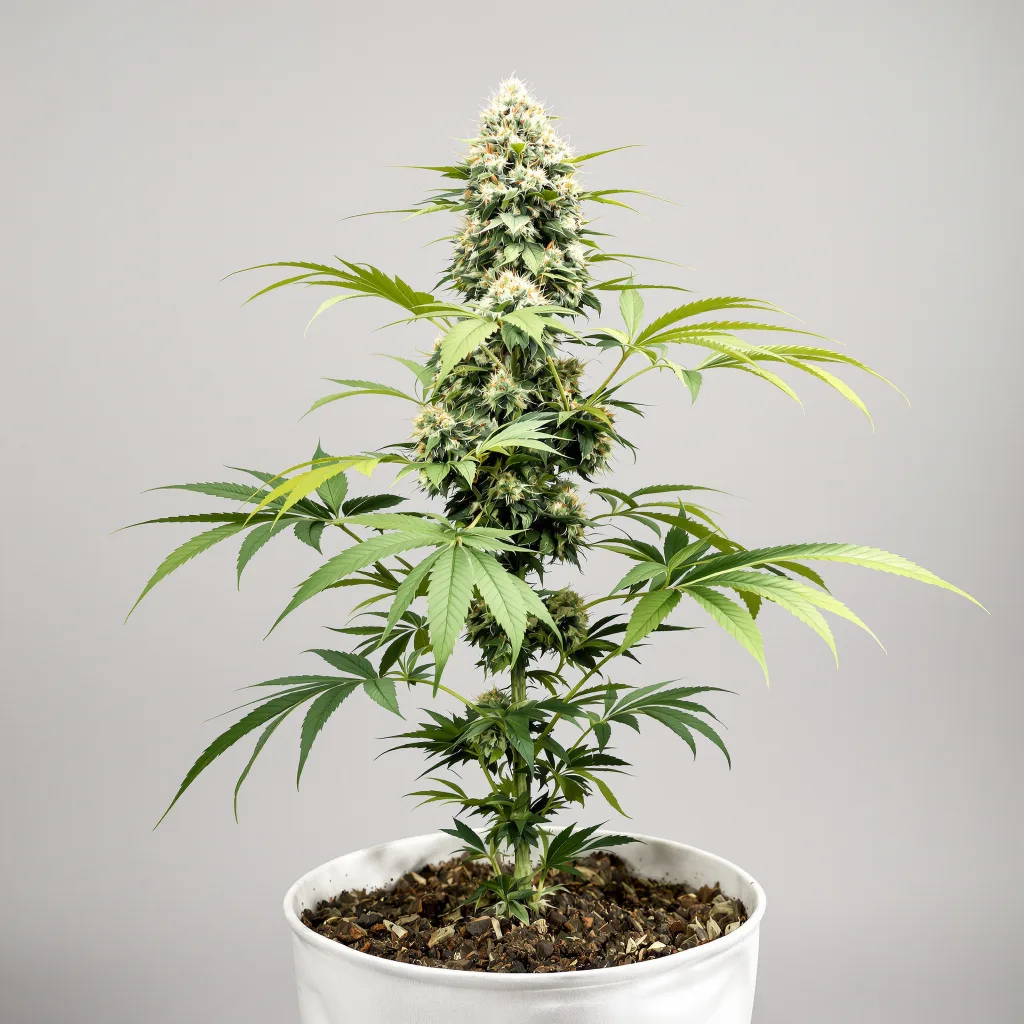
Early Girl Feminized
hybrid
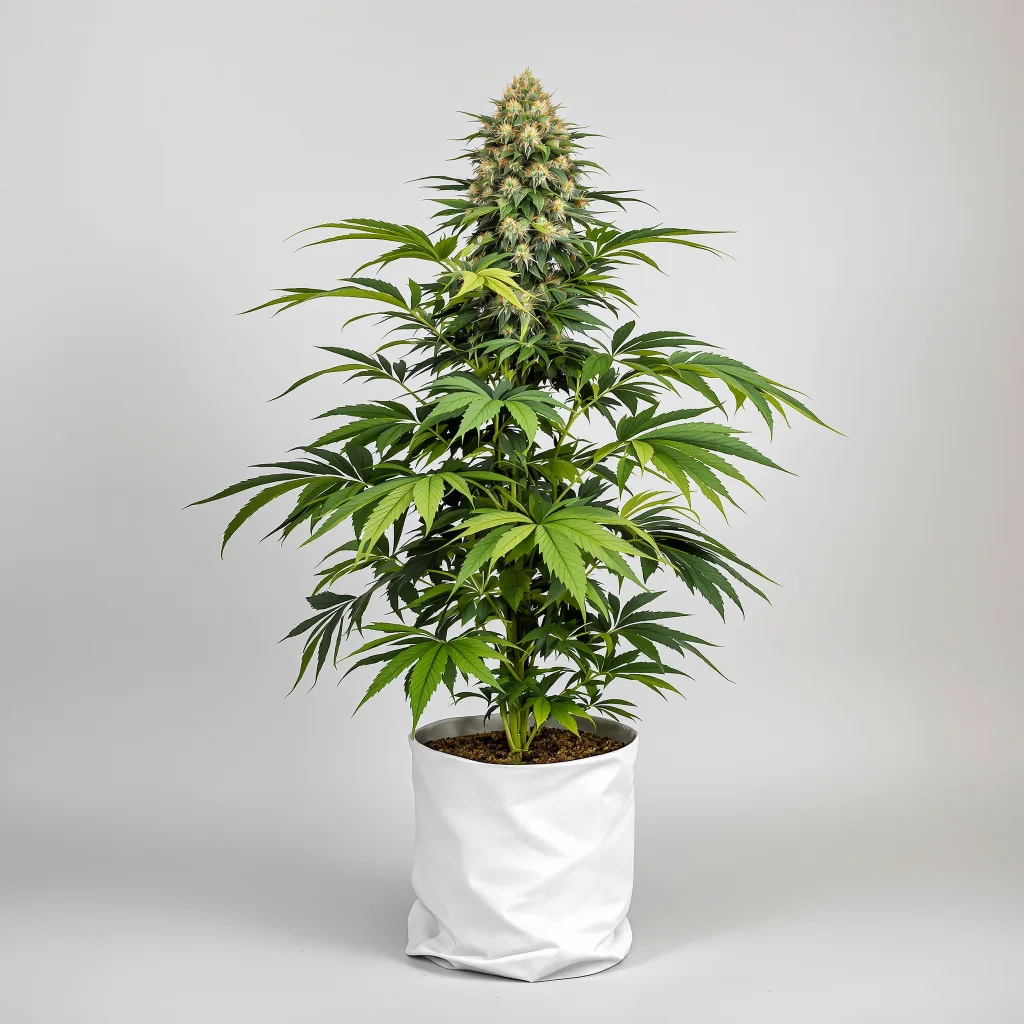
Satellite OG Feminized
indica
Early Skunk Feminized
Browse the full All Cannabis Seeds collection
Premium genetics, shipped from within the US.
Related Articles
Granddaddy Purp Strain: King of Purple Weed | Royal King Seeds
strainMimosa Strain: Potent, Pretty & Flavorful | Royal King Seeds
strainApples and Bananas Strain: Terpene Profile & Grow Guide | Royal King Seeds
plant-anatomyCannabis Leaf Anatomy: Healthy vs. Sick Foliage | Royal King Seeds
support-wateringOverwatering vs Underwatering Cannabis | Royal King Seeds
strain7 Best High-Yield Feminized Strains for Indoor Tents | Royal King Seeds
Ready to Start Growing?
Shop feminized, autoflower, and CBD strains with 95% germination and free delivery on eligible orders of $150 or more.
Shop Cannabis Seeds