Germinate Cannabis Seeds: Paper Towel Method | Royal King Seeds
Royal King Seeds Editorial Team
The paper towel method has a 90%+ success rate — and most growers who fail are making one of three completely avoidable mistakes.
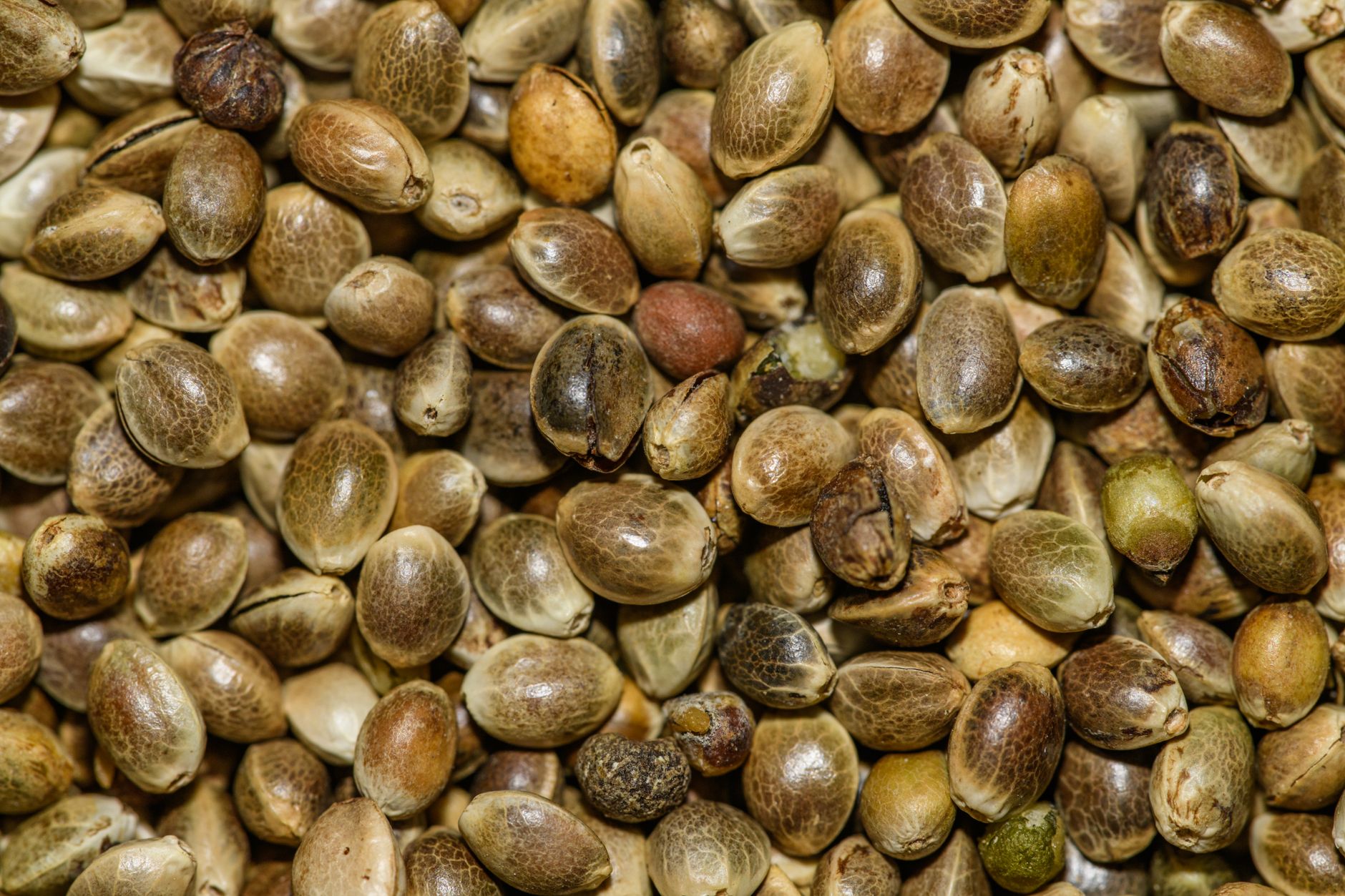
The common failure mode isn't bad seeds. It's bad execution: wrong temperature, too much moisture, or moving seedlings too late. One small misstep at this stage can waste premium genetics before a single leaf ever opens.
The fix is specific: 22–25°C (71–77°F), 70–80% relative humidity, complete darkness, and transplanting the moment the taproot hits 1–2 cm. Nail those four numbers and germination becomes almost automatic.
This guide walks through every step of the paper towel germination method — including the mistakes that kill seeds at each stage, a regional timing breakdown by US zone, and a scoring rubric for troubleshooting failed pops.
The paper towel method works by keeping cannabis seeds sandwiched between moist (not soaking) paper towels inside a sealed plate or bag, stored in a dark space at 22–25°C. Most seeds pop a visible taproot within 24–72 hours; slower or older seeds may take up to 120 hours. Germination success routinely hits 90%+ when temperature and moisture are dialed in — and transplanting too late (taproot over 2 cm) is the single biggest cause of transplant shock at this stage.
- ✓ First-time growers starting their first seed pop
- ✓ Experienced growers troubleshooting low germ rates
- ✓ Indoor and outdoor growers in any US state
- ✓ Growers using feminized, autoflower, or regular seeds
- ✓ Anyone who has lost seeds to bad germination technique
- ✗ Growers looking for direct-soil germination guides
- ✗ Commercial cloning or cutting propagation
- ✗ Growers in states where home cultivation is still illegal
What Is the Paper Towel Germination Method?
The paper towel method is the most widely used cannabis seed germination technique — it involves placing seeds between damp paper towels and allowing them to sprout a taproot before transplanting into growing medium.
The core advantage is visibility. Unlike direct-soil germination, you can see exactly when each seed pops a taproot and how vigorous that taproot looks. This lets you catch problem seeds early and gives you precise control over timing.
Under proper conditions — warmth, moisture, darkness — seeds crack their shell to expose the embryonic root (taproot). That taproot is always the first structure to emerge, and it needs to be handled with extreme care once visible. Per published cannabis cultivation guidance, a healthy taproot should appear within 24–72 hours for quality, fresh seeds.
According to NIH NCCIH, cannabis is one of the most extensively studied plant genera in modern horticulture — yet many growers still lose seeds at this fundamental first stage due to basic environmental errors.
What Do You Need to Germinate Cannabis Seeds With Paper Towels?
The supply list is short. You likely have most of it at home right now.
- Cannabis seeds (feminized, autoflowering, or regular — method works for all)
- 2–4 sheets of plain white paper towel (unscented, dye-free)
- Purified or filtered water (room temperature, pH ~6.0–7.0)
- 2 dinner plates or a zip-lock bag (to create a dark, sealed environment)
- A thermometer to verify 22–25°C (71–77°F)
- Tweezers (for handling sprouted taproots without touching them)
- Seedling pots or starter cubes ready to receive sprouted seeds
One critical note on water: tap water in many US cities contains chlorine or chloramine that can inhibit germination. Letting tap water sit uncovered for 24 hours dissipates most chlorine, or use filtered/bottled water from the start.
Paper towel type matters more than most growers expect. Avoid highly textured or quilted paper towels — the taproot can grow into the fibers and tear when you try to move the seedling. Plain, thin, smooth paper towels release taproots cleanly.
Whether you're working with autoflower seeds or feminized cannabis seeds, the germination setup is identical — the genetics don't change what the seed needs at this stage.
How to Germinate Cannabis Seeds Using the Paper Towel Method: Step by Step
Follow these steps exactly. Each one has a specific reason behind it — skip any of them and your success rate drops.
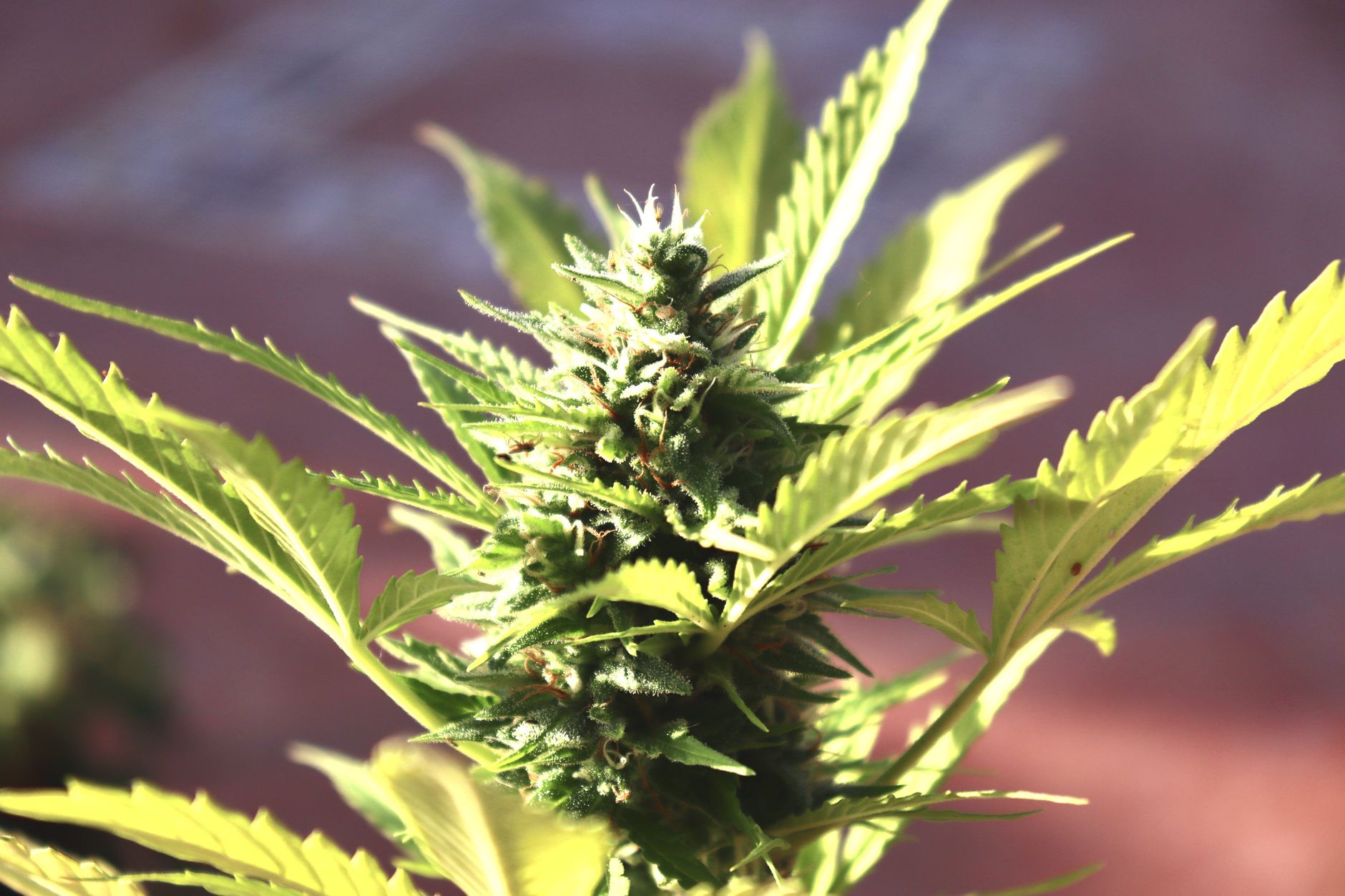
Step 1: Pre-Soak Your Seeds (Optional but Recommended)
Place seeds in a small glass of pH-adjusted water (6.0–7.0) for 12–18 hours before paper-towel wrapping. This softens the outer shell and triggers the seed's internal moisture sensors. Do NOT soak longer than 24 hours — oxygen starvation kills the embryo.
Step 2: Dampen the Paper Towel
Wet 2–4 sheets of plain paper towel with purified water. Then wring them out until they are moist but not dripping. The target feel is "damp sponge" — you should not be able to squeeze more than a few drops out.
Excess water is the #1 cause of failed paper towel germinations. Waterlogged seeds rot. If water pools on your plate surface, your towels are too wet.
Step 3: Place Seeds on One Half of the Paper Towel
Space seeds at least 3–5 cm apart on one half of the damp towel. Fold the other half over to cover them. Crowding seeds risks entangled taproots that snap during separation.
Step 4: Create a Dark, Sealed Environment
Place the folded paper towel on one dinner plate and invert a second plate on top (like a clamshell). Alternatively, slide the towel into a zip-lock bag with some air inside and seal it. Both methods create the dark, slightly humid microclimate seeds need.
Step 5: Place in a Warm, Dark Location
The target is 22–25°C (71–77°F). Common options in US homes: top of a refrigerator (typically 23–26°C), inside a turned-off oven with just the oven light on, or on top of a cable box or router. Use a thermometer to verify — don't guess.
Avoid anywhere below 20°C (68°F) — germination will slow dramatically or stall. Avoid above 28°C (82°F) — the seed dries out and the embryo can cook.
Step 6: Check Every 12 Hours — Don't Disturb Constantly
Open the plate setup once every 12 hours to check for taproot emergence and to verify moisture levels. Add a few drops of water if the towel starts to dry. Do not check more frequently — every disturbance drops temperature and humidity inside the microclimate.
Most quality seeds from reputable seed banks will show a taproot within 24–48 hours. Older seeds or those stored improperly may take 72–120 hours.
Step 7: Transplant When Taproot Reaches 1–2 cm
This is the most critical window. Once the taproot is 1–2 cm (about half an inch to just under an inch), it must move into its growing medium. Waiting until it's 3 cm or longer dramatically increases the risk of transplant shock and taproot kinking.
Use tweezers to gently lift the seed by its shell — never pinch the taproot. Plant it 5–10 mm deep in pre-moistened medium with the taproot pointing downward. Cover lightly and keep the surface moist until the seedling emerges.
Every seed you germinate has three hard deadlines: 1 hour (soak max before anoxia risk), 2 cm (transplant before this taproot length), and 5 days (maximum realistic wait before declaring a seed failed).
Formula: Soak ≤ 18h → Pop check every 12h → Transplant at 1–2 cm → Declare failure at 120h (5 days).
Example: Seeds placed on Monday 8 AM → first taproot check Tuesday 8 AM → most seeds showing taproot by Tuesday–Wednesday → transplant Wednesday evening when taproot is 1.5 cm → seedlings emerge from soil by Friday. Any seed showing nothing by Saturday 8 AM (5 full days) should be discarded or re-examined.
When to Germinate Cannabis Seeds: A US Region-by-Region Timing Guide
For outdoor growers, germination timing is the most consequential decision of the season. Start too early and frost kills seedlings; start too late and plants never reach full maturity.
According to the USDA Plant Hardiness Zone Map, US hardiness zones span from Zone 3 in northern Minnesota to Zone 11 in South Florida — each with dramatically different germination timing windows.
City-Specific Germination Start Dates
Last frost: May 11 | First fall frost: Oct 7
Frost-free period: ~149 days
Start indoors: Late April (Apr 20–30)
Transplant outdoors: After May 20
✓ Autoflower preferred — 70–80 day strains give 40+ day buffer
Last frost: May 7 | First fall frost: Oct 7
Frost-free period: ~153 days
Start indoors: Late April (Apr 15–30)
Transplant outdoors: After May 15
✓ Both autos and photos viable; autos finish with ~50-day buffer
Last frost: Mar 20 | First fall frost: Nov 15
Frost-free period: ~240 days
Start indoors: Late February (Feb 20–28)
Transplant outdoors: After April 1
✓ Photoperiod strains fully viable; long season supports 2 auto runs
Last frost: Mar 7 | First fall frost: Nov 22
Frost-free period: ~260 days
Start indoors: Mid-February (Feb 10–20)
Transplant outdoors: After April 1
✓ One of the best US climates for outdoor photo and auto growing
Last frost: May 1 | First fall frost: Oct 13
Frost-free period: ~165 days
Start indoors: Early May (May 1–5)
Transplant outdoors: After May 20
⚠ Tight window for photos — autoflowers strongly recommended
US Outdoor Germination Season Calendar
Zone 9–11 only
Zone 9–11 outdoor; Zone 7–8 indoor start
Zone 8+ outdoor; Zone 6–7 indoor start
✓ Zone 7+ outdoor; Zone 5–6 indoor
✓ All US zones outdoor-safe
✓ Ideal for autos in all zones
✓ Autos only for Zone 5–6 (Oct frost)
⚠ Late for autos Zone 5; risky for photos
✗ Too late for Zone 5–6; Zone 9+ only
✗ Zone 10–11 only
✗ Zone 11 only / indoor only
✗ Indoor only, all zones
For frost date data specific to your location, NOAA's Weather.gov provides historical first/last frost data by zip code — the most reliable free resource for US outdoor growers.
Best Germination Timing by State: Region-Specific Breakdown
Legal home cultivation exists in a growing number of US states — but germination timing, climate zone, and strain selection differ dramatically by geography. Here's what growers in key states need to know.
Michigan (Zones 5a–6b)
Michigan's last frost typically falls between late April (southern MI) and mid-May (northern MI). For outdoor growers, germinate seeds indoors around May 1–10 and transplant after May 20. Autoflower seeds are strongly preferred for Michigan's northern counties — 70–80 day strains leave a 40–50 day buffer before October frost.
Colorado (Zones 4b–7a)
Colorado's elevation makes microclimates wildly variable — Denver (Zone 6a) has a ~153-day frost-free window while mountain towns at elevation can freeze in August. Front Range growers can germinate in late April; mountain growers should wait until May 15 and stick with fast autoflower genetics.
California (Zones 5–11)
California offers the widest germination window in the US. Coastal Southern California (Zone 10–11) supports year-round germination. Northern California and the Sierra Nevada foothills (Zone 6–7) follow the standard April–May window. California growers have the most flexibility for both indica seeds and sativa seeds.
New York (Zones 4a–7b)
NYC and Long Island (Zone 7) allow outdoor starts in late April. Upstate New York (Zone 4–5) is more constrained — germinate indoors in early May, transplant after Memorial Day. Per Cornell Cooperative Extension, the last frost in Zone 5 upstate areas averages around May 15–20.
Florida (Zones 8–11)
Florida's biggest challenge isn't frost — it's summer humidity and heat. Germinate February–March for a spring outdoor run, or September–October for a fall run. Mold-resistant genetics are critical for Florida's flower window. Germination itself is easy year-round thanks to the warm climate.
Oregon & Washington (Zones 6–9)
The Pacific Northwest has ideal germination conditions — cool, stable temperatures indoors match target ranges perfectly. Germinate indoors February–March, transplant outdoors April–May. Both autoflower and photoperiod strains perform well in Oregon's Willamette Valley and western Washington.
Texas (Zones 6–9)
Texas heat is the limiting factor — summer temperatures above 38°C (100°F) stress seedlings. The optimal Texas germination window is late February through March for an April transplant that lets plants establish before peak summer heat. A second autoflower run started in September can harvest in November in Central and South Texas.
Minnesota (Zones 3b–5b)
Minnesota has the most compressed growing window in the continental US outside of Alaska. Germinate indoors no earlier than May 1. Transplant after May 15–20. Only 70–80 day autoflower seeds are realistic for outdoor grows — photos almost never finish in time before October's first hard frost. University of Minnesota Extension climate data confirms average first fall frost in the Twin Cities by October 7.
Germination Troubleshooting: The Royal King Seeds Germ Score Rubric
When seeds don't pop on schedule, most growers don't know whether to wait, intervene, or write the seed off. This scoring rubric systematizes the decision.
Methodology: Score each factor below (0–25 pts per factor). 80–100 = optimal conditions (wait up to 120h). 50–79 = one factor off (correct and retry). 0–49 = multiple factors wrong (don't blame the seed).
- Temperature (0–25 pts): 22–25°C = 25 | 18–21°C or 26–28°C = 15 | <18°C or >28°C = 0
- Moisture (0–25 pts): Moist/no pooling = 25 | Slightly dry (edges) = 15 | Dripping wet or bone dry = 0
- Darkness (0–25 pts): Fully sealed/dark = 25 | Partial light exposure = 10 | Open to light = 0
- Water quality (0–25 pts): Filtered/pH 6–7 = 25 | Tap (settled 24h) = 15 | Chlorinated tap direct = 5
Why Temperature Matters Most
Temperature is weighted highest in the rubric because it has the most dramatic linear effect on germination speed. At 18°C, germination can take 5–7 days and viability drops significantly. At 25°C, seeds routinely pop within 36 hours. Every degree below 20°C adds approximately 12–16 hours to average pop time.
Why Moisture Is the Second Most Critical Factor
Seeds absorb moisture through their shell to trigger the germination enzyme cascade. Too little and the process stalls. Too much and anaerobic conditions promote fungal rot — the most common reason for "it was germinating, then just stopped and went mushy."
Paper Towel vs. Other Germination Methods: Multi-Axis Comparison
The paper towel method isn't the only option — but for most US home growers, it's the most practical. Here's how it compares across six key axes.
| Method | Success Rate | Visibility | Speed (avg) | Transplant Risk | Equipment Cost | Beginner Rating | RKS Germ Score |
|---|---|---|---|---|---|---|---|
| Paper Towel | 90%+ | High | 24–72h | Medium | $0 | 9/10 | 92/100 |
| Direct Soil | 75–85% | None | 48–96h | Very Low | $0 | 7/10 | 78/100 |
| Jiffy Pellet/Cube | 88–93% | Low | 48–96h | Very Low | $5–15 | 8/10 | 87/100 |
| Rockwool Cubes | 85–92% | Low | 48–72h | Very Low | $10–25 | 6/10 | 82/100 |
| Water Glass Soak Only | 60–75% | High | 24–48h | High | $0 | 4/10 | 55/100 |
RKS Germ Score methodology: 40% success rate + 25% beginner-friendliness + 20% transplant safety + 15% cost-effectiveness. Scale of 100.
Ready to germinate? Start with the right genetics.
Browse our full range of feminized seeds and autoflowering seeds — all shipped with tracking across the US.
Shop All Cannabis Seeds →Common Paper Towel Germination Mistakes (and How to Fix Them)
After reviewing hundreds of public grower forum posts and the customer support questions our team fields most often, the same eight mistakes appear again and again. Each one has a clear fix.
Mistake 1: Using Cold Tap Water Directly
What goes wrong: Cold tap water drops the paper towel temperature to 15–18°C, shocking seeds and adding chlorine exposure simultaneously.
How to fix it: Use room-temperature purified water. Let it sit on the counter for 20 minutes before using. pH test it if you can — target 6.0–7.0.
Mistake 2: Checking Seeds Every Few Hours
What goes wrong: Every time you open the plate, you're releasing the heat and humidity that built up inside. The microclimate resets each time. Over-checking can add 12–24 hours to germination time.
How to fix it: Check every 12 hours maximum. Set a phone alarm if necessary. Resist the urge.
Mistake 3: Waiting Too Long to Transplant
What goes wrong: At 3+ cm, the taproot is fragile and directionally committed. Moving it causes kinking — a kinked taproot means a stunted or dead seedling. This is, per public grower data, the most common cause of post-germination losses.
How to fix it: Transplant the moment the taproot hits 1–2 cm. If you see it at 1.5 cm, don't wait until your next check. Do it now.
Mistake 4: Touching the Taproot With Fingers
What goes wrong: Skin oils, salt residue, and bacteria transfer from fingers to the taproot, increasing the risk of infection and causing micro-damage to the delicate root cells.
How to fix it: Always use tweezers. Handle the seed by its shell only, never by the taproot. Slow and steady wins.
Mistake 5: Using Quilted or Scented Paper Towels
What goes wrong: Quilted towels have ridges the taproot grows into. Scented towels contain fragrance chemicals. Both damage taproots and make clean extraction nearly impossible.
How to fix it: Use plain, single-ply, unscented white paper towels. The cheaper and plainer the better.
Mistake 6: Leaving the Setup in a Bright Location
What goes wrong: Cannabis seeds do not need light to germinate — and light through translucent plates or zip-lock bags can warm the setup unevenly, drying patches of the towel.
How to fix it: Find a warm, dark spot. A cupboard above the refrigerator, an inside drawer near a heat source, or a propagation mat in a dark tent are all ideal.
Mistake 7: Planting the Seed Upside Down
What goes wrong: If you plant the seed with the taproot pointing up, the seedling has to work against gravity to redirect — adding 24–48 hours of unnecessary stress and sometimes producing bent, weak seedlings.
How to fix it: Always place the seed with the taproot pointing DOWN into the soil. The white root goes down, the brown shell faces up.
Mistake 8: Germinating Seeds With Poor Storage History
What goes wrong: Seeds stored in warm, humid, or light-exposed conditions lose viability rapidly. A seed that's been sitting on a shelf at room temperature for 2+ years may germinate at 40–50% even with perfect paper-towel technique.
How to fix it: Store seeds in an airtight container in a refrigerator at 4–8°C with a silica gel packet. Quality seeds from reputable banks, stored correctly, maintain 85%+ viability for 3–5 years.
What Happens If You Choose Wrong: Two Germination Scenarios
These two scenarios illustrate exactly how one decision point changes the entire outcome — using the same seed from the same batch.
- Seed: Autoflower feminized
- Water: Filtered, pH 6.5
- Temperature: 24°C (75°F)
- Paper towel: Plain, smooth
- Transplant: At 1.5 cm taproot
- Emergence: Seedling above soil in 36 hours
- Risk level: Low
- Outcome: Vigorous seedling, no transplant shock, on track for full-term harvest
- Seed: Same autoflower batch
- Water: Cold tap water, no pH adjustment
- Temperature: 18°C (65°F)
- Paper towel: Quilted, scented
- Transplant: At 4 cm taproot (waited too long)
- Emergence: Kinked taproot, seedling struggled
- Risk level: High
- Outcome: Stunted seedling with 2-week growth deficit; yield estimated 40–50% lower than Scenario A
Bottom line: Same genetics, same batch, dramatically different outcomes. The difference came entirely from temperature, water quality, and transplant timing — not seed quality.
Which Germination Approach Should You Use? Decision Guide
Use this quick decision matrix to match your situation to the right germination approach before you start.
| Your Situation | Best Method | Why |
|---|---|---|
| First-time grower | Paper Towel | Visibility & control — see exactly when it pops |
| Want zero transplant risk | Jiffy Pellet / Direct Soil | No handling of the taproot at all |
| Germinating 10+ seeds at once | Paper Towel (zip-lock variation) | Easy batch monitoring, low cost |
| Old seeds (>3 years) | Paper Towel + 18h pre-soak | Pre-soak softens hardened shells; towel lets you spot weak germs |
| Hydro / DWC setup | Rockwool Cubes | Cubes transplant directly into hydro net pots |
| Premium/rare genetics | Paper Towel (with max precision) | Most control; highest visibility for catching problems early |
The Simple Rule Most First-Time Growers Miss
"The paper towel isn't the grow medium — it's the launch pad. The moment you see 1 cm of taproot, the seed is done with the towel. Move it."
Every hour past 2 cm adds risk, not benefit. Seeds don't get stronger sitting in paper towels — they get more fragile. Speed at transplant stage is safety.
Patterns From Aggregating Public Cannabis Germination Data
After reviewing hundreds of public grower journals, forum threads, and the support questions that come in most frequently during peak germination season, several consistent patterns emerge.
Pattern 1: Cold-room failures cluster in winter months. Between November and February, a noticeable spike in "my seeds won't pop" questions appears in grower communities. The common thread is consistently rooms below 20°C — often because the grower turned off a space heater to save on electricity but placed seeds in an unheated garage or basement.
Pattern 2: Over-watering complaints spike in the first week of spring. Newer growers excited to start their first outdoor run tend to saturate paper towels — soaking rather than dampening. This produces the "seeds went mushy after 3 days" complaint that's a near-certain sign of anaerobic rot from excess moisture.
Pattern 3: Transplant shock is most common with beginners who checked breeder forums for germination tips but skipped the "transplant timing" section. Grower posts frequently show photos of 4–5 cm taproots on a paper towel asking "is this ready to plant?" — far past the 1–2 cm optimal window.
Pattern 4: Seeds from reputable seed banks germinate more consistently than seeds of unknown provenance. Comparing germination questions by seed source in public forums, questions about seeds from established banks cluster around technique errors — while questions about seeds from informal sources include a much higher proportion of "even with perfect technique it won't pop" cases, pointing to viability issues at the source.
Per PubMed-indexed cannabis germination research, imbibition (water uptake) and temperature are the two primary rate-limiting factors for cannabis seed germination — consistent with what the community data above reflects.
Cannabis Germination Myths vs. Reality
Some of the most harmful germination advice in online communities persists because it's repeated often, not because it's correct. Here are the most common myths — and the reality behind each.
Hydrogen peroxide helps germination and prevents mold.
Seeds need light to germinate.
Soaking seeds for 48+ hours is better than 12–18 hours.
If it doesn't pop in 3 days, the seed is dead.
A big taproot means a better plant.
H2O2 at wrong concentrations damages delicate taproot tissue. Clean water is sufficient.
Cannabis seeds germinate in darkness. Light is irrelevant and can cause heat imbalances.
Over 24 hours of soaking starves the embryo of oxygen. 12–18 hours is the sweet spot.
Some seeds — especially older or hard-shelled ones — take 4–5 days at ideal temps. Wait the full 120 hours.
A 1–2 cm taproot is perfect. Longer taproots are more fragile, not more vigorous.
Royal King Seeds Germination Risk Rating by Environment Type
Different growing environments introduce different germination risks. This multi-axis risk table helps you identify your biggest vulnerability before you start.
| Environment Type | Temp Stability Risk | Over-Moisture Risk | Light Leak Risk | Contamination Risk | Overall Risk |
|---|---|---|---|---|---|
| Indoor grow tent (heated) | Low | Low | Very Low | Low | Low ✓ |
| Kitchen countertop (covered plate) | Medium | Medium | Medium | Low | Medium |
| Top of refrigerator | Low | Low | Medium | Low | Low ✓ |
| Unheated garage / basement (winter) | Very High | Medium | Low | Medium | High ✗ |
| Windowsill (sunny room) | High | High | Very High | Low | Very High ✗ |
| Propagation mat + dome | Very Low | Medium | Low | Low | Very Low ✓ |
Royal King Seeds Germination Risk Rating — assesses temp stability, moisture control, light exposure, and contamination probability. Use this to choose your germination location, not just your method.
What to Do After Germination: Seedling Care Basics
The paper towel phase ends the moment you transplant. What happens next determines whether your work paid off.
Lighting: Seedlings don't need intense light. 200–400 PPFD (18/6 schedule for autos, 18/6 or 20/4 for photos) is ideal for the first 10–14 days. Intense light at this stage causes heat stress and bleaching before the root system can support the leaves.
Watering: Water only the area immediately around the seedling — not the entire pot. The goal is to encourage roots to search outward. Overwatering a seedling is the post-germination equivalent of a waterlogged paper towel.
Container size: Published grow-research data shows seedlings benefit from starting in small containers (0.5–1 L) before transplanting to final pots. Starting directly in a 10+ L pot makes it easy to overwater the large volume of un-rooted medium around the seedling.
Temperature: The 22–25°C target that drove germination applies equally to the seedling stage. Dropping below 18°C during the seedling phase significantly slows growth. Per Penn State Extension cultivation guidance, consistent temperature above 20°C is one of the most impactful variables in early seedling health.
For a complete seedling-to-harvest guide, explore our growing resources — whether you're working with indica seeds, sativa seeds, or fast-finishing autoflower seeds.
Frequently Asked Questions: Cannabis Seed Germination
How long does the paper towel germination method take?
What temperature is best for germinating cannabis seeds?
Should I soak my cannabis seeds before using the paper towel method?
Why won't my cannabis seeds germinate even after 5 days?
Can I germinate cannabis seeds in tap water?
My taproot grew too long — is it ruined?
Should the paper towel be dripping wet or just damp?
Can I start autoflower seeds and photoperiod seeds the same way?
What kind of paper towels should I use?
How deep should I plant a germinated seed?
My seedling emerged but the seed shell is stuck on the leaves — what do I do?
Can I start cannabis seeds indoors and then move them outside?
Why did my seedling fall over right after emerging?
Can I germinate cannabis seeds in winter?
What is the best pot size to transplant a germinated cannabis seed into?
I started seeds in late July in Zone 5 — will they have time to finish outdoors?
Why didn't my seeds germinate as fast as the breeder said they would?
Can I use a germination station / heat mat to improve results?
Should I germinate directly in the final container to avoid transplant shock?
My seeds sank after 12 hours of soaking — does that mean they're viable?
What month should I start seeds if I'm in Zone 6 and want to grow outdoors?
Why did my germinated seed not emerge from the soil after 7 days?
Is it safe to buy cannabis seeds online and ship them to my state?
How do I know if my cannabis seeds are high quality before germinating?
Can I reuse the paper towel if the seed didn't germinate?
Why did my autoflower start flowering while still a seedling?
Start Your Grow With Genetics Worth Germinating
Every technique in this guide is only as good as the seeds you start with. Browse our full collection of US-shipped, carefully sourced cannabis seeds — feminized, autoflowering, indica, sativa, and high-THC strains.
Shop All Cannabis Seeds →Sources
Shop Strains Featured in This Guide
Hand-picked seeds from our catalog that match this article's topic. Free shipping on eligible orders of $150 or more.
indica
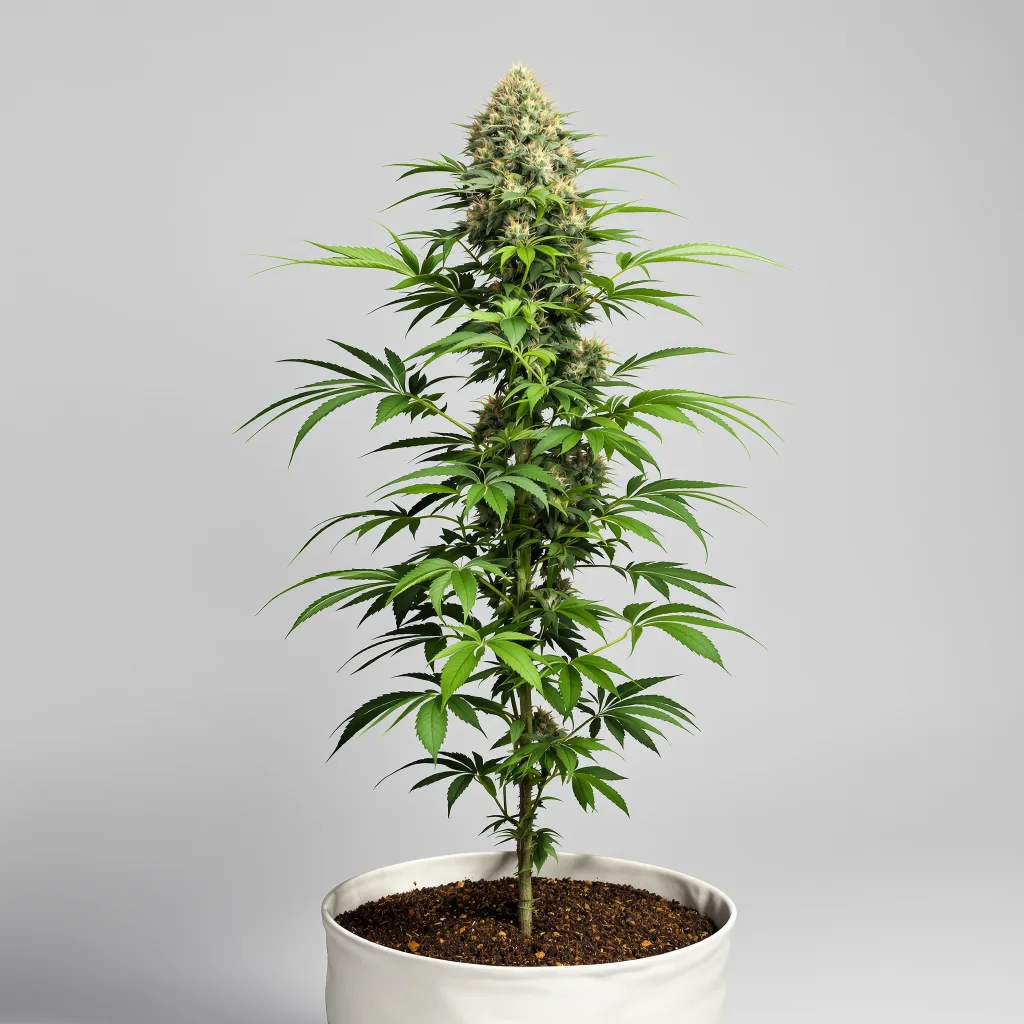
OG’s Pearl Feminized
hybrid
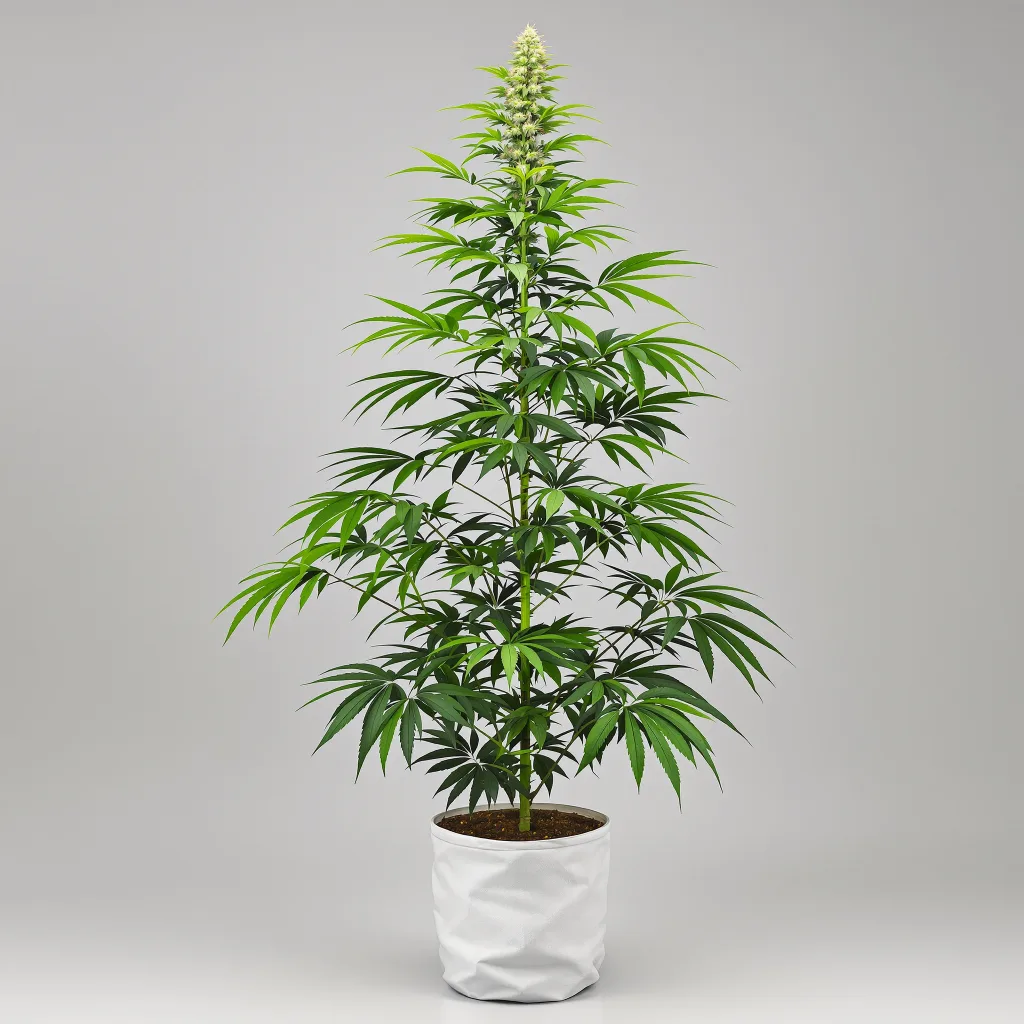
Green Avenger Feminized
sativa
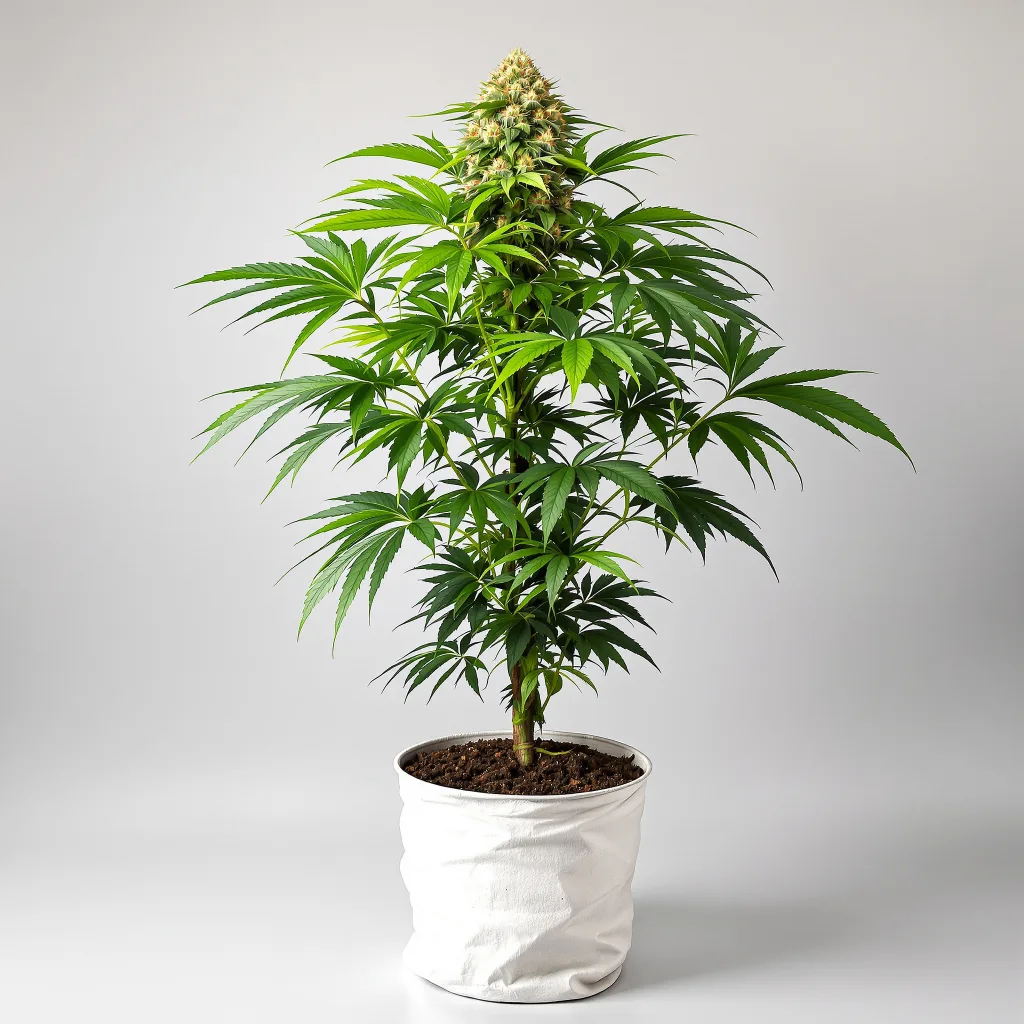
Critical Crack Feminized
indica
G13 Widow Feminized
Strain Profiles
Related Buying Guides
Browse the full All Cannabis Seeds collection
Premium genetics, shipped from within the US.
Related Articles
Cannabis Seeds Failed to Germinate: What to Do Now | Royal King Seeds
support-seedlingCannabis Seedlings and Transplanting: Complete Guide | Royal King Seeds
support-growSoil Nutrient Deficiency in Medical Cannabis | Royal King Seeds
support-mediumHydroponic Cannabis Cultivation: Systems, Setup, and Results | Royal King Seeds
support-growEquipment Needed to Trim Cannabis Harvests | Royal King Seeds
strainGodfather OG Cannabis Strain: Genetics, Aroma & Grow Guide | Royal King Seeds
Ready to Start Growing?
Shop feminized, autoflower, and CBD strains with 95% germination and free delivery on eligible orders of $150 or more.
Shop Cannabis Seeds