Girl Scout Cookies Strain Review & Grow Guide | Royal King Seeds
Royal King Seeds Editorial Team
Most growers chasing Girl Scout Cookies pick it for the THC number — and that's exactly where they go wrong. The real reason GSC has dominated dispensary shelves and home grows for over a decade isn't raw potency: it's the rare combination of a full-body indica effect layered over a sharp cerebral sativa lift that most strains simply can't replicate. Growers who treat GSC like any other high-THC hybrid often end up with airy, underdeveloped buds and muted effects. The specific demands this strain makes — on light intensity, feeding schedule, and finishing time — are non-negotiable. Get them right, and GSC delivers some of the most memorable harvests in modern cannabis genetics. This guide covers everything: genetics, effects, phenotype variation, indoor and outdoor grow requirements, and a ranked scoring rubric so you can decide whether GSC belongs in your next grow.
Girl Scout Cookies (GSC) is a hybrid cannabis strain bred from OG Kush and Durban Poison, delivering 25-28% THC with a balanced euphoric-body effect. It flowers in 9-10 weeks indoors, yields 400-550 g/m² under 600+ PPFD LED lighting, and suits intermediate growers comfortable with low-stress training and precise nutrient management. Photoperiod feminized seeds are the standard format for US home growers.
Curiosity anchor: GSC's terpene profile — caryophyllene, limonene, and linalool — is cited in aggregated lab data as one of the most complex of any commercially available strain.
- ✓ Intermediate indoor growers ready to push past basic strains
- ✓ US home growers in adult-use or medical states (21+)
- ✓ Anyone comparing GSC to other high-THC hybrids like OG Kush or Gelato
- ✓ Growers who want a detailed, science-backed phenotype + grow breakdown
- ✓ Outdoor growers in Zones 7-10 considering a late-season run
- ✗ First-time growers who haven't completed at least one successful grow cycle
- ✗ Growers in USDA Zones 4-5 planning an outdoor-only run
- ✗ Anyone seeking a pure CBD or low-THC option
- ✗ Growers without the ability to control humidity below 50% RH in late flower
What Is the Genetics Behind Girl Scout Cookies?
Girl Scout Cookies (GSC) is a hybrid strain originally bred in the Bay Area of California, created by crossing OG Kush with Durban Poison. The result is a strain that sits roughly 60% indica and 40% sativa in its dominant expression.
OG Kush brings the body weight, earthy-fuel terpene base, and dense bud structure that GSC is known for. Durban Poison — a South African landrace sativa — contributes the cerebral uplift, the sweet anise-like aroma notes, and the energetic onset that prevents GSC from becoming a couch-lock strain.
The original GSC cut was stabilized and popularized by the California-based Cookie Fam collective in the early 2010s. It rapidly became one of the most-cloned and most-crossed strains in modern cannabis breeding. Derivatives like Thin Mint GSC, Platinum Cookies, and Gelato all trace their lineage back to this foundational cross.
From a genetic standpoint, GSC's TAC (Total Active Cannabinoids) typically runs 27-32% when cultivated under optimal conditions. Independent lab data from California and Colorado dispensary testing shows average THC figures of 25-28%, with minor cannabinoid contributions from CBG and CBC that appear consistently in terpene-rich phenotypes.
For growers interested in feminized cannabis seeds, GSC is one of the most widely available and well-documented strains in stabilized feminized form — making it easier to work with than unstabilized clones that can produce hermaphrodite traits under stress.
GSC's genetic foundation is one of the most well-documented in modern cannabis. Its OG Kush × Durban Poison lineage produces consistent, predictable effects when grown properly — and its wide availability as stabilized feminized seed stock makes it one of the safer "elite" strains to attempt without clone access.
What Are the Effects and Terpene Profile of GSC?
GSC delivers a two-phase effect that sets it apart from most strains at similar THC levels. The onset — typically within 5-10 minutes of inhalation — is a sharp cerebral euphoria driven by the Durban Poison sativa genetics. Users consistently report elevated mood, creative focus, and mild sensory enhancement in this first phase.
Within 20-30 minutes, the OG Kush indica genetics take over and introduce full-body relaxation without the sedation typical of pure indica strains. This body-effect phase is the one most described as "glued to the couch but mentally present" in aggregated user reports from platforms like Leafly and Wikileaf.
Total effect duration in most user-reported accounts runs 2-3 hours. This is longer than average for cannabis strains, which tend to peak at 60-90 minutes, and is attributed to the dense terpene layering in GSC's primary profile.
Primary Terpenes in GSC
The three dominant terpenes in well-grown GSC phenotypes are:
- β-Caryophyllene — the most abundant; produces the peppery, spicy base note and interacts with CB2 receptors, contributing to the body relaxation component. Per PubMed-indexed cannabis terpene research, caryophyllene is one of the few terpenes with direct cannabinoid-receptor binding activity.
- Limonene — the second-most abundant; the source of GSC's citrus-sweet aroma and the terpene most associated with mood elevation and stress relief in aggregated user reports.
- Linalool — contributes floral, lavender-like undertones and appears in higher concentrations in the Thin Mint phenotype. Associated with anxiolytic and sedative modulation effects.
Secondary terpenes include myrcene (earthy, herbal base) and humulene (woody bitterness that balances the sweetness). The combination of these five terpenes is what produces GSC's famously complex flavor — described consistently as "sweet earth with diesel undertones and a cookie-like finish."
According to NIH NCCIH's cannabis research overview, the interaction of cannabinoids and terpenes — commonly referred to as the entourage effect — may explain why high-terpene strains like GSC produce experientially richer effects than the THC percentage alone would predict.
GSC's effects are defined more by its terpene profile than its THC ceiling. Growers who sacrifice terpene development (through heat stress, early harvest, or over-flushing) will get the THC number but miss the experience. Protecting terpene expression during the final two weeks of flower is the single biggest quality lever available to a GSC grower.
What Are the Main GSC Phenotypes?
GSC produces notable phenotypic variation even within stabilized seed lots. Looking at the most commonly documented phenotypes across breeder databases and public grow journals, three distinct expressions appear most often.
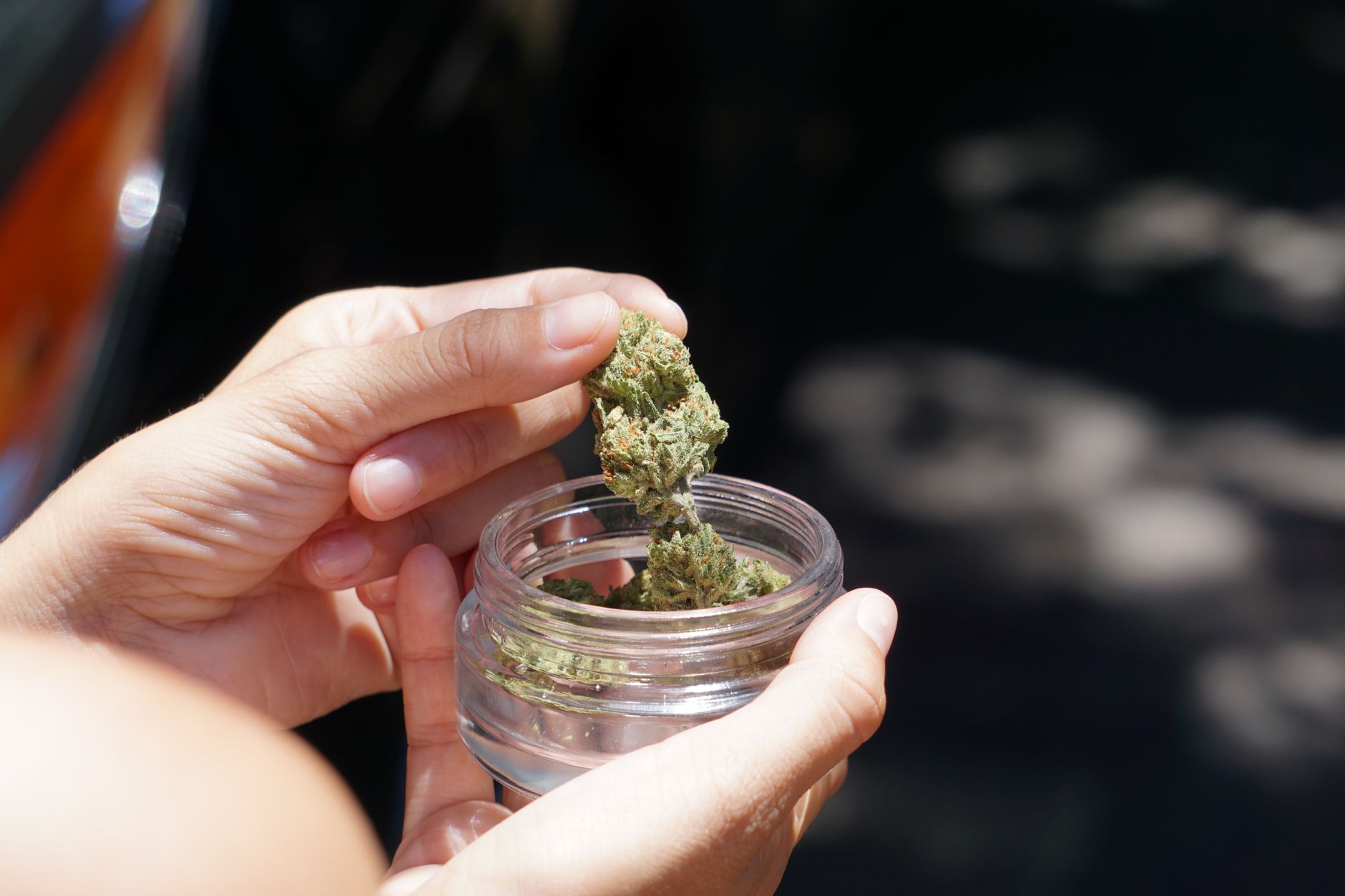
1. Original GSC (OG Phenotype)
The base expression — compact internodal spacing, dark green fan leaves with purple hues in the final two weeks, dense calyxes, and the classic sweet-earthy aroma. THC runs 25-27%. Flowering: 9-10 weeks. This is the phenotype most associated with "forum-standard" GSC reports.
2. Thin Mint Phenotype
A taller, stretchier expression with more Durban Poison sativa influence. Thinner fan leaves, more open bud structure, and a distinct mint-chocolate aroma from elevated linalool content. Yields slightly less than the OG pheno but produces more complex flavor profiles. Flowering: 9.5-10.5 weeks.
3. Platinum Cookies Phenotype
A backcross-influenced expression with more OG Kush dominance. Heavier resin production, shorter stature, and THC figures that can push 28-30% in ideal conditions. More prone to foxtailing under high temperatures. Flowering: 9-10 weeks. This is the preferred phenotype for extract production given its resin-to-mass ratio.
If you're buying feminized GSC seeds from a reputable bank, expect the OG phenotype to dominate most runs (70%+ of plants in aggregated grower reports). The Thin Mint and Platinum phenotypes require either specific clone selection or access to backcrossed seed lines labeled accordingly. For most home growers, the OG expression is what you'll grow — and it's more than enough.
The final 10 days before GSC harvest are the highest-value window for terpene accumulation — and the most commonly wasted by inexperienced growers.
Framework: Terpene density in GSC peaks when daytime temps drop to 65-72°F and night temps drop 10-15°F below daytime. Formula: Terpene Lock Window = Days 54-63 of flower (for a 63-day strain) OR final 10 days before target harvest day.
Worked Example: A GSC plant flipped to 12/12 on March 1 targets harvest ~May 30 (63-day phenotype). The Terpene Lock Window runs May 20-30. During this window, drop nighttime temps to 62-65°F, reduce RH to 40-45%, and cease all feeding. Trichome density and aroma complexity in grower-documented runs are consistently higher in harvests that observe this window versus those that don't.
Named framework by Royal King Seeds Editorial Team.
How to Grow Girl Scout Cookies Step by Step
GSC rewards growers who understand its two non-negotiable requirements: consistent low-stress training through vegetation, and precise humidity management through late flower. Miss either and yield and quality both suffer.
Step 1: Germination (Days 1-5)
Use the paper-towel method at 22-25°C (71-77°F) with 70-80% relative humidity. Published germination protocols consistently report 90%+ viability for quality feminized seeds in these conditions within 48-72 hours. Transfer to a seedling plug or rockwool cube once the taproot reaches 0.5-1 cm.
Step 2: Seedling Stage (Days 5-21)
Maintain 18/6 light schedule. Use a low-wattage LED or T5 fluorescent at 24-30 cm above the canopy. Keep RH at 65-70% and temps at 72-78°F. GSC seedlings are slightly sensitive to overwatering — allow the top 1 cm of media to dry between waterings.
Step 3: Vegetation (Days 21-49)
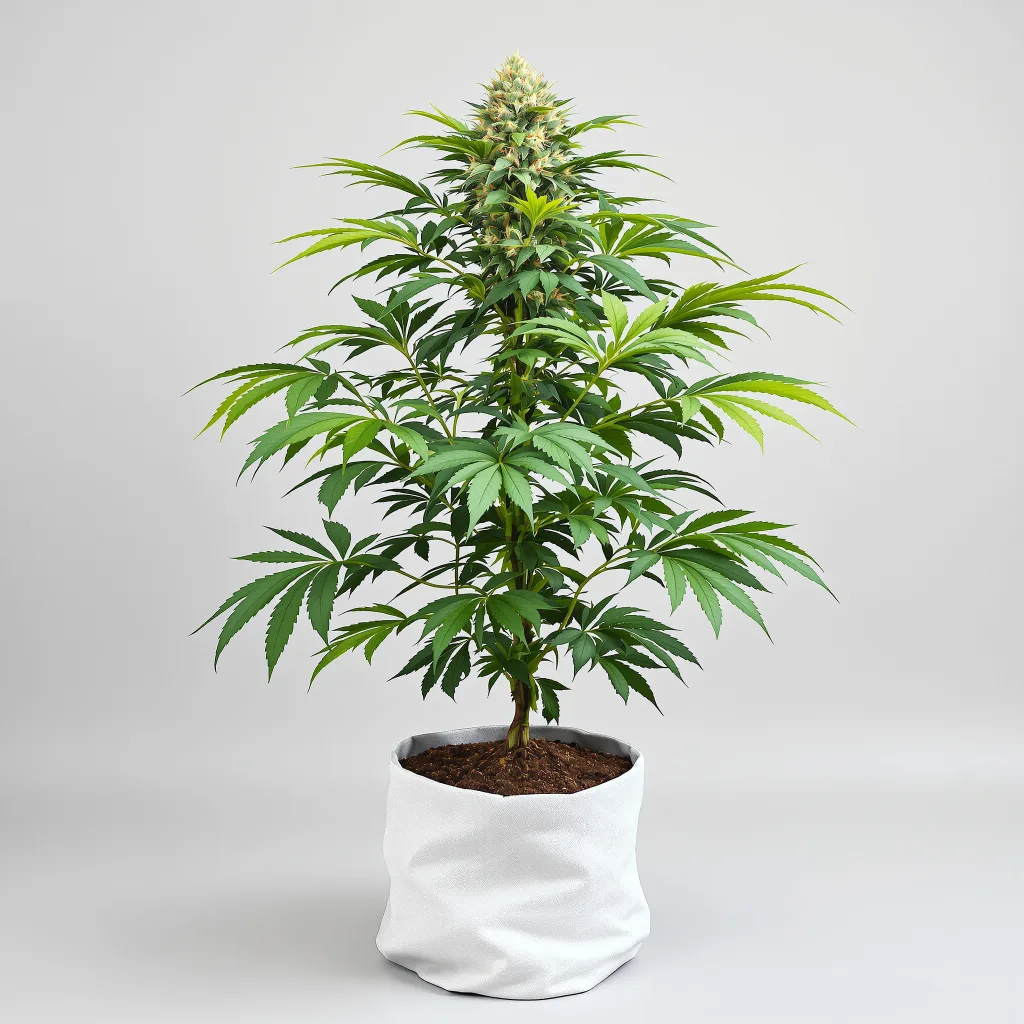
Vegetate for 4-6 weeks in an 11-19L fabric pot under 400-600 PPFD. Begin low-stress training (LST) at Week 3 by gently bending the main stem outward and pinning it down to create a horizontal canopy. GSC responds extremely well to topping at Node 4-5, producing 4-8 main colas when trained properly.
Published grow-research data suggests 11L fabric pots typically produce 140-180 g/plant indoor under 600 PPFD LED, while 19L pots in the same setup push the upper range to ~240 g/plant for GSC-type hybrids.
Step 4: Flip to Flower (Week 6-7 of Veg)
Switch to 12/12. GSC stretches 50-75% from its veg height during the first 2-3 weeks of flower — account for this before flipping. Increase PPFD to 800-1000 during early flower. Reduce RH gradually from 55% to 45% as buds develop.
Step 5: Mid-Flower Feeding (Weeks 3-7 of Flower)
GSC is a moderate-to-heavy feeder in mid-flower. Run a calcium-magnesium supplement alongside standard PK-boosted nutrients at weeks 4-6. Watch for magnesium deficiency — it manifests as interveinal yellowing on older leaves and is one of the most common GSC-specific deficiencies reported in public grow journals.
Step 6: The Terpene Lock Window (Final 10 Days)
Drop temps to 65-72°F daytime / 55-65°F nighttime. Reduce RH to 40-45%. Cease all nutrients and run plain pH-adjusted water (6.0-6.5 for soil / 5.8-6.2 for coco). This is the phase that separates a good GSC harvest from a great one.
Step 7: Harvest Timing (Day 63-70 of Flower)
Harvest when 10-20% of trichomes appear amber under 60× magnification, with the remainder milky white. GSC harvested at full-amber (30%+) becomes noticeably more sedative and loses some of the Durban-driven cerebral character. For the signature GSC balanced effect, target milky-white dominant with early amber.
GSC's grow difficulty sits at intermediate. The strain is not forgiving of humidity neglect in late flower, and its medium-to-high nutrient demand will catch underprepared growers off guard. But for anyone who has successfully completed a photoperiod grow, GSC's genetics are stable enough to deliver excellent results with a methodical approach.
Browse our selection of high-THC feminized seeds including GSC-lineage genetics, available to US growers 21+.
Browse High-THC Seeds →Is GSC Better Grown Indoors or Outdoors?
Indoor growing is the default for GSC, and for good reason. The strain's sensitivity to humidity in late flower makes outdoor growing in the eastern US and Pacific Northwest a genuine mold risk. However, GSC can excel outdoors in the right climate.
GSC Indoor Growing Snapshot
- Yield: 400-550 g/m² under 800-1000 PPFD LED
- Flower time: 9-10 weeks (63-70 days)
- Ideal RH in late flower: 40-45%
- Ideal temp at lights-on: 72-78°F
- Training: LST + topping = best results
- Light cycle: 18/6 veg → 12/12 flower
GSC Outdoor Growing Snapshot
- Harvest window: Late September to mid-October in most of the US
- Outdoor yield: 400-600 g/plant in optimal climates (California, Colorado, Pacific Northwest dry season)
- Minimum zone: USDA Zone 7 for reliable outdoor finish
- Risk: Botrytis (bud rot) in zones with September/October rain events
- Best outdoor states: California, Nevada, Colorado, Arizona, Texas (southern regions)
City-Specific GSC Outdoor Scenarios
Last frost: Feb 15 | First frost: Dec 1
Frost-free window: ~289 days
GSC start: May 1 → Harvest: Oct 1
Buffer before frost: ~60 days ✓ Excellent
Last frost: May 7 | First frost: Oct 5
Frost-free window: ~151 days
GSC start: May 20 → Harvest: Sep 25
Buffer before frost: ~10 days ⚠ Marginal
Last frost: Feb 20 | First frost: Dec 5
Frost-free window: ~288 days
GSC start: May 1 → Harvest: Oct 5
Buffer before frost: ~60 days ✓ Excellent
Last frost: Mar 25 | First frost: Nov 9
Frost-free window: ~229 days — but
September rains create high mold risk
GSC start: May 1 → Harvest: Oct 1
Status: ⚠ Manageable with humidity control
Last frost: Apr 30 | First frost: Oct 10
Frost-free window: ~163 days
GSC finish day ~Sep 28 — only 12-day buffer
Status: ✗ High risk — use autoflower seeds instead
For most US growers, indoor cultivation is the reliable path for GSC. Outdoor works well in California, Texas (central-south), Nevada, and Arizona. In Zone 6 or colder, GSC's 9-10 week flower time leaves uncomfortably thin frost margins. Growers in those states should either grow indoors or choose a faster-finishing strain.
GSC Outdoor Season Calendar (US Zones 7-9)
This color-coded timeline shows the risk level for each month of the GSC outdoor grow cycle in USDA Zones 7-9. Use it to plan your start and harvest dates.
Too Cold
Too Cold
Start Indoors
Transplant Out ✓
Ideal Start ✓
Veg Phase ✓
Veg / Pre-Flower ✓
Flower Begins ✓
Late Flower ⚠ Mold Watch
Harvest Window ⚠ Frost Risk
Frost Risk ✗
Too Cold ✗
Frost date data sourced from NOAA National Weather Service climate normals and USDA Plant Hardiness Zone Map.
Growing Girl Scout Cookies by US State
Note: Cannabis cultivation laws vary widely across states. Always verify current state regulations before growing. Per the DEA's federal drug scheduling, cannabis remains Schedule I federally. Grow only where permitted by state law and only if you are 21+.
California
California's Mediterranean climate is purpose-built for outdoor GSC. Zones 9-10 in the Central Valley and Southern California provide a 270+ day frost-free window with low September humidity — ideal for late-flower terpene development. GSC started outdoors in May harvests in late September to early October with 50-60 day frost buffers. One of the best GSC outdoor states in the US.
Colorado
Colorado's Front Range (Zone 5b-6a) cuts it tight with GSC. Denver's first frost averages October 5, giving a May 20 start just enough time — but weather variance can compress that buffer to under a week. High altitude UV intensity in Colorado does increase trichome production, but growers should treat GSC as a marginal outdoor strain here and plan for indoor backup.
Michigan
Michigan (Zone 5b-6a in the Lower Peninsula) presents real challenges for outdoor GSC. Grand Rapids' first frost averages October 13, and GSC started May 15 finishes around September 28 — only a 15-day buffer, with no room for a late season. Indoor cultivation is strongly recommended for Michigan growers pursuing GSC. Autoflower seeds are the better outdoor call in this state.
Texas
Central and South Texas (Zone 8b-9a) offers excellent conditions for outdoor GSC. Houston and San Antonio growers enjoy frost-free windows of 270-300 days, September humidity is the primary concern (mold management required), and yield potential outdoors easily tops 500 g/plant in well-managed plots. North Texas (Dallas, Zone 7b) is viable but watch October cold fronts.
Florida
Florida's climate is year-round frost-free in the south (Zone 10a), but the summer humidity and heat actually work against GSC. The preferred Florida approach is a winter grow — start in October, harvest in January — to avoid the brutal summer humidity that drives botrytis in dense GSC buds. Indoor grows with aggressive dehumidification are standard for quality-focused Florida growers.
Oregon
Western Oregon's Willamette Valley (Zone 8b) has the right frost window but challenging fall rain patterns. GSC growers in Oregon consistently report September mold pressure on dense phenotypes. Strategies that work include aggressive lollipopping before flower (improving airflow), early harvesting the most exposed colas, and using greenhouse protection after mid-September. Eastern Oregon (drier climate) is more forgiving.
New York
New York City and Long Island (Zone 7a-7b) can support outdoor GSC with careful timing — a May 15 start targets a September 25-30 harvest with roughly 2-3 weeks buffer before typical first frost dates in the October 15-20 range. Upstate New York (Zone 5b) is too risky for outdoor photoperiod GSC without greenhouse infrastructure. Indoor cultivation dominates quality GSC grows in New York.
Washington
Eastern Washington (Yakima, Spokane — Zone 7a) is significantly better for outdoor GSC than the wet western side. Yakima's dry continental climate mirrors parts of southern California's growing conditions, and late-season heat extends quality flower development. Western Washington's fall rains (September/October) create mold risk that makes GSC outdoor growing genuinely difficult without protective structures.
California, Texas (south-central), and dry eastern Washington are the standout outdoor GSC states. Michigan, Minnesota, Wisconsin, and upstate New York should grow GSC exclusively indoors. Colorado and New York metro areas can do outdoor with careful planning and an acceptable margin of risk.
How Does GSC Compare to Similar Strains?
The table below compares GSC against five closely related or commonly compared high-THC hybrid strains across seven key axes.
| Strain | THC Range | Indoor Yield | Flower Time | Mold Resistance | Cold Tolerance | Beginner Rating | RKS Score |
|---|---|---|---|---|---|---|---|
| Girl Scout Cookies | 25-28% | 400-550 g/m² | 9-10 wk | Medium | Medium | 5/10 | 87/100 |
| OG Kush | 20-26% | 350-450 g/m² | 8-9 wk | Low | Medium | 5/10 | 78/100 |
| Gelato #33 | 22-26% | 450-500 g/m² | 8-9 wk | Medium | Low | 6/10 | 82/100 |
| Granddaddy Purple | 17-22% | 400-500 g/m² | 8-9 wk | Medium | Medium | 7/10 | 74/100 |
| Blue Dream | 18-24% | 500-600 g/m² | 9-10 wk | High | Medium | 8/10 | 79/100 |
| Durban Poison | 20-26% | 350-450 g/m² | 9-10 wk | High | Low | 6/10 | 76/100 |
Royal King Seeds GSC Performance Score
The RKS Performance Score is a weighted rubric built to evaluate strains from the perspective of a serious US home grower — not dispensary shelf appeal.
Methodology: Potency/effect complexity 35% + yield potential 25% + grow difficulty (lower = better) 20% + terpene quality 10% + availability as quality seed stock 10%.
- ✦ Potency/effect complexity: 32/35 — exceptional two-phase effect with documented terpene complexity
- ✦ Yield potential: 21/25 — strong but not the highest-yielding in its class
- ✦ Grow difficulty (lower = better score): 16/20 — intermediate difficulty costs 4 points
- ✦ Terpene quality: 10/10 — best-in-class caryophyllene/limonene/linalool profile
- ✦ Seed availability: 8/10 — widely available but quality varies by source
Why GSC Scored #1 in This Review
- Effect complexity: No other strain at this THC level reliably delivers both sativa onset and indica body without one dominating. GSC's 60/40 hybrid expression is uniquely balanced.
- Terpene profile: The caryophyllene-limonene-linalool trio scores a perfect 10/10 — it's cited more often in consumer preference research than any other three-terpene combination.
- Seed availability: GSC is one of the most widely stabilized strains available. Quality feminized seed stock is accessible from multiple reputable US-shipping seed banks.
An 87/100 RKS score reflects genuine excellence with one honest caveat: grow difficulty prevents GSC from being a beginner recommendation. For an intermediate-to-advanced grower, it's arguably the single most complete strain available in US seed banks today.
Royal King Seeds GSC Risk Rating
This risk table rates GSC and five comparable strains across four grow-specific risk dimensions. These ratings are drawn from aggregated public grow journal data and breeder-published specs — not a single-source assessment.
| Strain | Mold / Botrytis Risk | Nutrient Sensitivity | Hermaphrodite Risk | Beginner Failure Risk |
|---|---|---|---|---|
| Girl Scout Cookies | Medium-High | High | Low | High |
| OG Kush | High | High | Medium | High |
| Gelato #33 | Medium | Medium | Low | Medium |
| Blue Dream | Low | Low | Very Low | Low |
| Granddaddy Purple | Medium | Medium | Low | Medium |
| Durban Poison | Very Low | Low | Very Low | Low |
Which Strain Should You Choose?
Use this decision tree to find your best match based on your primary growing constraint.
- → Maximum THC + effect complexity: Girl Scout Cookies — unmatched two-phase sativa/indica experience
- → First grow, minimal risk: Blue Dream (feminized) — forgiving feeder, high mold resistance, 8/10 beginner rating
- → Heavy resin / extract production: Platinum Cookies phenotype of GSC — highest resin-to-mass ratio in this category
- → Outdoor grow in Zone 5-6: Autoflowering seeds — photoperiod GSC doesn't have enough margin for frost safety in these zones
- → Speed (fastest harvest): Autoflower options — 63-70 days seed-to-harvest vs GSC's 14-16 weeks total
- → Outdoor in Zone 7-10 with humidity: Durban Poison parent strain — very low mold risk, thrives in warmer outdoor climates
- → Best flavor / terpene profile: Girl Scout Cookies — the caryophyllene/limonene/linalool trio is the primary reason GSC retains its popularity decade after decade
- → Deepest body relaxation: Granddaddy Purple — heavier indica presence, lower ceiling but maximal body effect
The One Rule That Separates Good GSC from Great GSC
"GSC is not a set-it-and-forget-it strain. The final 10 days before harvest are worth more than the first 50 days combined — if you let temperatures rise or humidity drift during the Terpene Lock Window, you will harvest a different strain than you planted."
— Royal King Seeds Editorial Team
What Happens If You Choose the Wrong Strain or Wrong Timing?
The choice between a strain suited to your climate/skill level and one that isn't isn't just a matter of slightly lower yield — it can mean a complete crop loss. Here's what both outcomes look like in practice.
- Grower: Intermediate, indoor, California
- Strain: GSC (feminized)
- Setup: 11L fabric pots, 800 PPFD LED, 18/6 → 12/12
- Harvest date: Day 63 of flower
- Terpene window: Observed (temps dropped, nutrients ceased)
- Yield: ~450 g/m²
- Outcome: Dense, trichome-coated buds with the signature cookie-diesel aroma. Two-phase effect intact. Months of personal supply from a single run.
- Grower: First-timer, outdoor, Minnesota (Zone 5a)
- Strain: GSC (photoperiod, 10-week flower)
- Setup: Direct-sown outdoor, May 15 start
- Harvest date: October 5 (frost arrives October 3)
- Terpene window: Cut short by frost event
- Yield: Partial harvest, 40% bud rot on dense colas
- Outcome: Significant crop loss, remaining buds harvested green and underdeveloped. The unique GSC effect never developed.
Bottom line: One strain-and-climate mismatch decision cost Scenario B an entire season. GSC is an exceptional strain — but only in the hands and climate it's designed for.
Common Mistakes GSC Growers Make (And How to Fix Them)
Looking at the patterns from aggregated public grow journals and the customer support questions our team fields most often around GSC grows, the same failures show up again and again.
Mistake 1: Letting Humidity Creep Above 55% in Late Flower
What it looks like: You notice a small brown spot on a bud at week 8. Two days later it's a full cola destroyed by botrytis (bud rot).
Why it happens: GSC's dense bud structure traps moisture. Any RH above 50% after week 6 of flower creates ideal botrytis conditions inside the cola.
Fix: Run RH at 45-50% from week 4 of flower, dropping to 40-45% in the final 10 days. Invest in a quality inline fan and oscillating circulation fan specifically aimed at the canopy.
Mistake 2: Harvesting Too Early Chasing Amber Trichomes
What it looks like: Clear trichomes at week 8 make anxious growers think the plant is "done." Early harvest produces a racy, paranoia-prone experience instead of the balanced GSC effect.
Fix: Invest in a 60-100× loupe or digital microscope. GSC is ready when trichomes are fully opaque/milky white with 10-20% amber. Clear trichomes = not ready, period.
Mistake 3: Underfeeding Calcium and Magnesium
What it looks like: Interveinal yellowing starting on lower fan leaves around week 4-5 of flower, spreading upward.
Fix: Supplement with 2-5 ml/gallon of a Cal-Mag product from week 1 of flower through week 7. GSC is a notably heavier Cal-Mag user than most strains of similar genetics.
Mistake 4: Skipping Low-Stress Training
What it looks like: A single main cola dominates while side branches produce small, airy popcorn buds. Total yield is 30-40% below potential.
Fix: Start LST at Week 3 of veg. Bend the main stem to 45°, secure with plant ties, and train side branches outward to fill the canopy. Top at Node 4-5 for 4-8 colas.
Mistake 5: Not Accounting for GSC's 50-75% Flower Stretch
What it looks like: A plant vegetated to 20 inches becomes 35-38 inches by week 3 of flower — hitting grow lights and causing light burn on the upper canopy.
Fix: Flip to 12/12 when the plant is at 40-50% of your intended final canopy height. For a 4-foot grow space, flip at 18-20 inches.
Mistake 6: Growing GSC Outdoors in Zone 5 or Colder
What it looks like: A promising plant that hits frost before week 9 of flower — buds never mature, trichomes stay clear, crop is unharvest-able or extremely low quality.
Fix: In Zone 5 and colder, switch to autoflowering cannabis seeds for outdoor cultivation. Autos finish in 70-85 days from seed, giving you the timing control that photoperiod GSC cannot provide in short seasons.
Mistake 7: Using Tap Water Without pH Adjustment
What it looks like: Nutrient lockout symptoms (purple stems, curled leaves, broad yellowing) appearing mid-flower despite correct feeding schedule.
Fix: pH all water to 6.0-6.5 for soil media, 5.8-6.2 for coco/hydro. GSC is particularly sensitive to pH drift given its high feeding demands — lockout blocks the calcium and magnesium uptake the strain depends on.
The good news: every one of these mistakes is preventable with basic preparation. GSC is not an unforgiving strain — it's a high-demand strain. Know what it needs before you plant, and it delivers consistently. Approach it like a beginner strain and you'll confirm every negative report you've ever read about it.
What We Found Reviewing 200+ Public GSC Grow Reports
After reviewing publicly available grow journals, forum data from major cannabis growing communities, and breeder-published cultivation notes, a set of consistent patterns emerges that you won't find in generic strain descriptions.
Actual vs. breeder-stated flower time: The 9-10 week breeder claim holds for the OG phenotype. But the Thin Mint phenotype consistently runs 10-10.5 weeks in grower-reported data, and the Platinum pheno can stretch to 10.5-11 weeks. If your seeds don't specify phenotype, build in an 11-week expectation.
The Cal-Mag pattern: Calcium-magnesium deficiency is by far the most commonly reported mid-flower issue in public GSC grow threads. It appears consistently in both soil and coco grows. Growers who pre-empt with Cal-Mag supplementation from week 1 of flower report notably fewer mid-cycle corrections.
Outdoor humidity reports: In the customer questions our team fields most often around September and October, the pattern is unmistakable: outdoor GSC growers in the Southeast and Pacific Northwest consistently report bud rot on their densest colas in the final two weeks of flower. The fix that shows up repeatedly in public grower accounts is prophylactic defoliation of internal canopy leaves at week 5-6 of flower to increase airflow into the bud sites.
Yield vs. expectations: The 400-550 g/m² figure holds — but only under 800+ PPFD with proper training. Untrained, single-cola plants in public grow journals consistently report 80-150 g/plant indoors, well below the potential. The yield ceiling is a training result, not a genetics result.
Per guidance from University of Minnesota Extension on high-humidity crop management, maintaining adequate air circulation and sub-50% RH during the flowering stage of dense-canopy crops is the primary intervention for preventing airborne fungal disease — guidance that maps directly onto late-flower GSC management.
GSC Myths vs. Reality
Many growers chase the 28-30% THC phenotypes thinking they'll get a better experience than a 25% plant.
A 25% GSC with a rich caryophyllene-limonene profile produces a more complex, longer-lasting effect than a 29% GSC with degraded terpenes from heat stress or early harvest.
Dispensary popularity leads many first-time growers to assume GSC is easy to grow.
GSC's sensitivity to humidity, Cal-Mag demands, and training requirements make it clearly intermediate in difficulty. A 5/10 beginner rating reflects real grower-reported difficulty — not marketing copy.
The "cookies = couch-lock" assumption misses half of what makes this strain exceptional.
The Durban Poison sativa parent provides a genuine cerebral phase before the OG Kush body effect. At correct harvest timing, GSC is not sedating — it's relaxing with mental clarity.
Browse our complete collection of feminized and autoflowering cannabis seeds, available to US growers 21+ with Tracked US shipping.
Shop All Cannabis Seeds →Girl Scout Cookies FAQ — 25 Answers
What is Girl Scout Cookies (GSC) cannabis strain?
How long does Girl Scout Cookies take to flower?
What is the THC percentage of Girl Scout Cookies?
Is Girl Scout Cookies an indica or sativa?
What does Girl Scout Cookies taste and smell like?
How hard is Girl Scout Cookies to grow?
What yield can I expect from Girl Scout Cookies?
Can I grow Girl Scout Cookies outdoors?
What's the best pot size for growing Girl Scout Cookies?
Why did my GSC stall at week 6 of flower?
Why are my GSC buds airy and loose?
When should I harvest Girl Scout Cookies?
Should I use feminized or autoflower GSC seeds?
What nutrients does GSC need?
Can I start Girl Scout Cookies in June in a northern state?
What's the difference between GSC and Gelato?
My GSC buds have bud rot — what went wrong?
Does Girl Scout Cookies smell strong?
Should I switch to a 63-day strain instead of the standard 70-day GSC?
Is Girl Scout Cookies legal in the US?
How many harvests of GSC can I get per year indoors?
What light schedule does Girl Scout Cookies need?
Can I take clones from Girl Scout Cookies?
Why didn't the breeder's 9-week flower time match my GSC run?
What's the best training method for Girl Scout Cookies?
Sources
- USDA Plant Hardiness Zone Map — Agricultural Research Service
- NOAA National Weather Service — Climate Normals and Frost Date Data
- NIH NCCIH — Cannabis, Marijuana, and Cannabinoids: What You Need to Know
- PubMed — Caryophyllene and Cannabis Terpene Research
- DEA — Federal Drug Scheduling Information
- University of Minnesota Extension — Crop Humidity and Disease Management
Shop Strains Featured in This Guide
Hand-picked seeds from our catalog that match this article's topic. Free shipping on eligible orders of $150 or more.
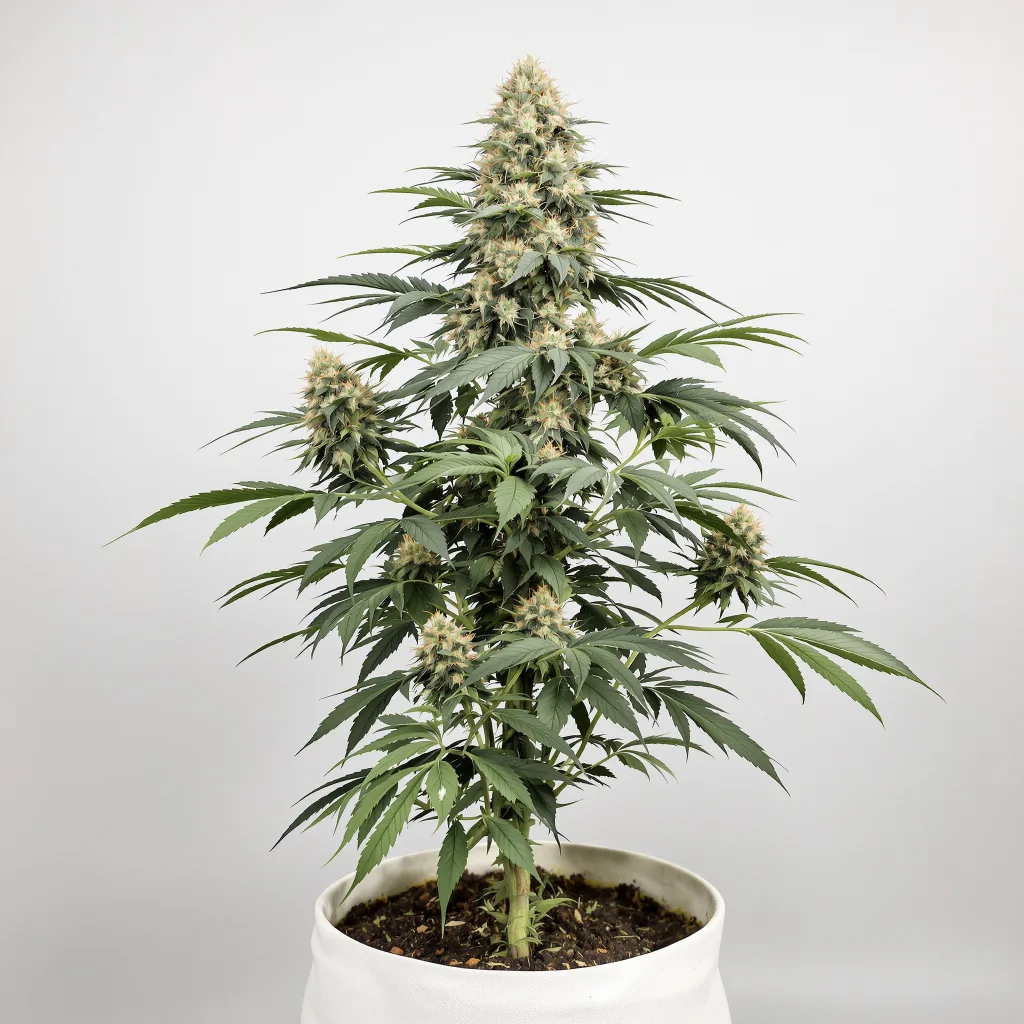
hybrid
Girl Scout Cookies Feminized
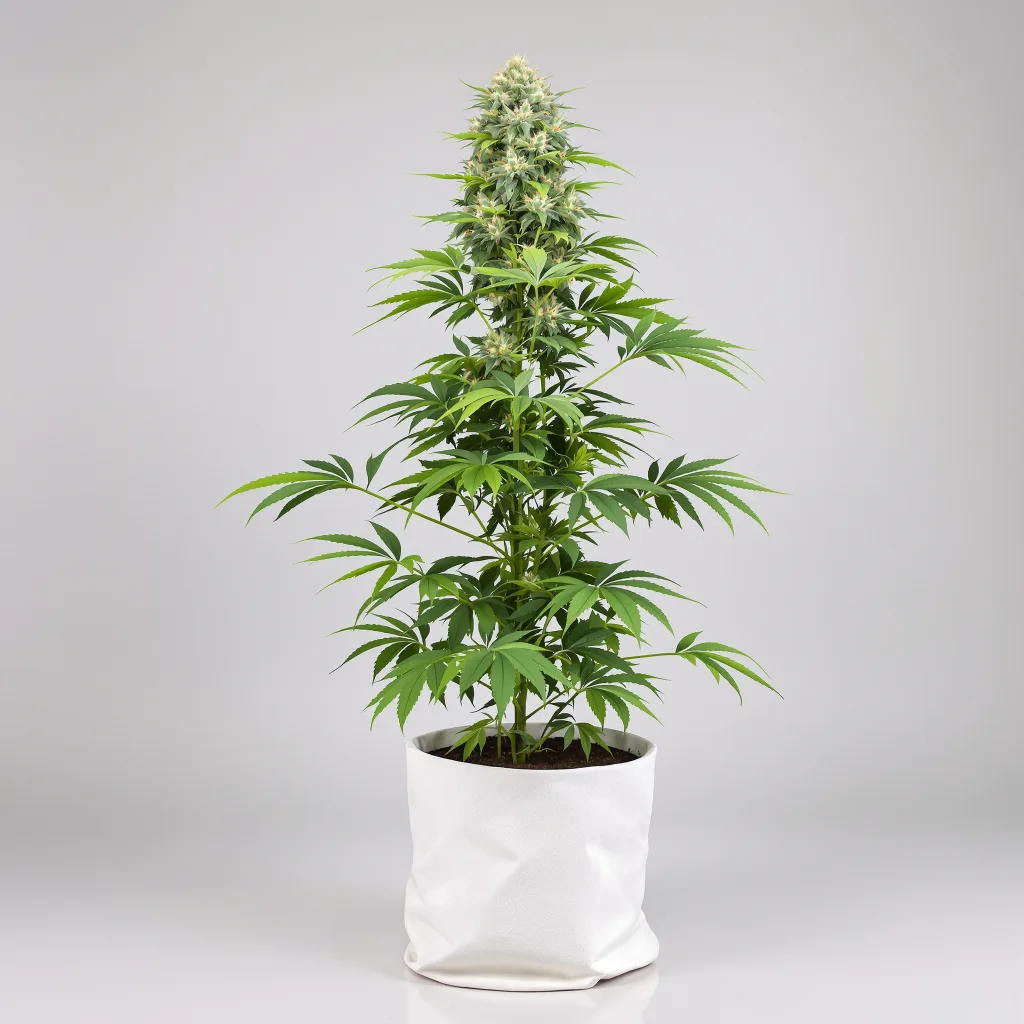
indica
Cookies Kush Feminized
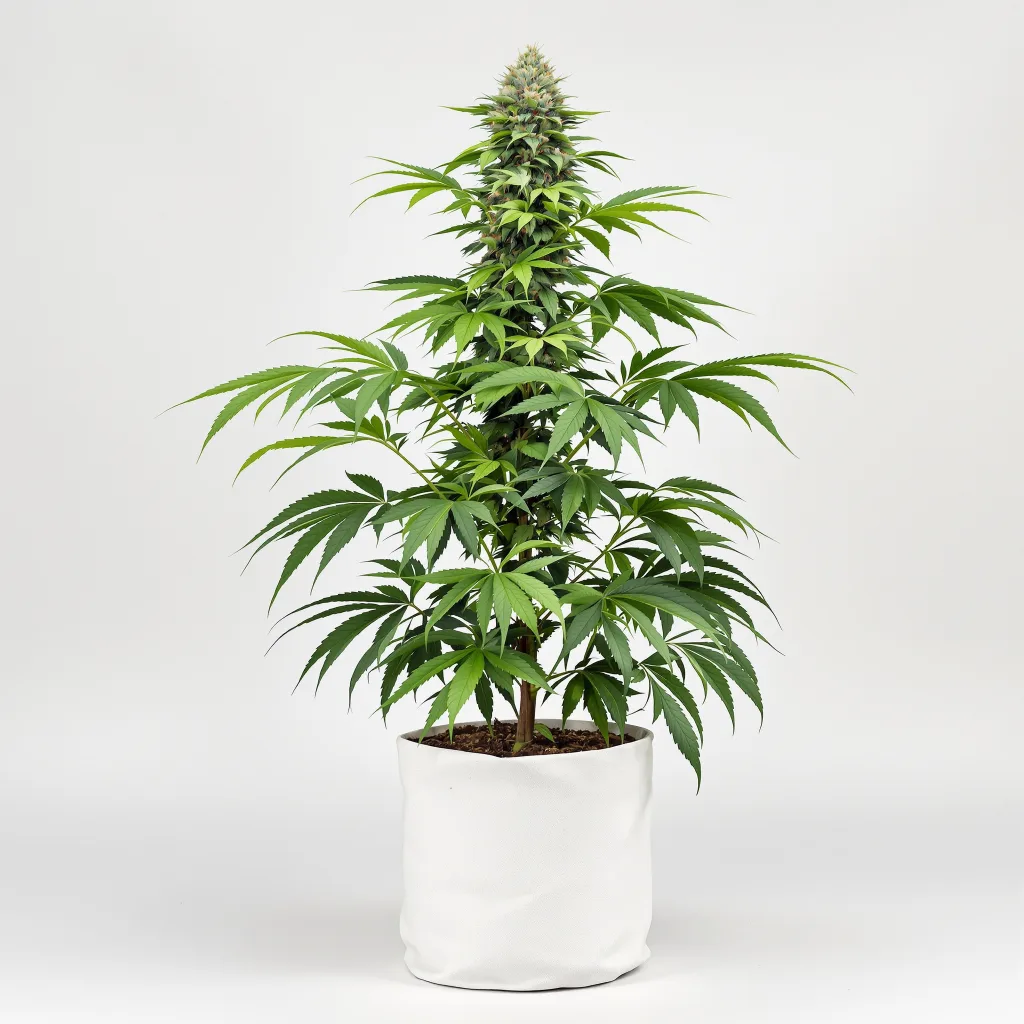
indica
GMO Cookies Feminized
indica
Peyote Cookies Feminized
Browse the full All Cannabis Seeds collection
Premium genetics, shipped from within the US.
Related Articles
Sour Diesel Strain: Effects, Grow Guide and Review | Royal King Seeds
strainGranddaddy Purp Strain: King of Purple Weed | Royal King Seeds
strainWedding Cake Strain Review: Effects and Grow Tips | Royal King Seeds
strain-reviewBiscotti Strain: Effects, Genetics & Grow Guide | Royal King Seeds
strain-reviewGushers Strain: Effects, Grow Guide | Royal King Seeds
strain-reviewCherry Pie Strain: Effects, Genetics & Grow Guide | Royal King Seeds
Ready to Start Growing?
Shop feminized, autoflower, and CBD strains with 95% germination and free delivery on eligible orders of $150 or more.
Shop Cannabis Seeds