Cannabis Leaves Curling Down: Causes & Fixes | Royal King Seeds
Royal King Seeds Editorial Team
Your cannabis plant is trying to tell you something — and most growers misread the message entirely. Downward-curling leaves (also called "canoeing" or "clawing") are not one problem. They are at least six different problems wearing the same disguise. Treating the wrong cause adds stress on top of stress and kills perfectly healthy plants that could have been saved in 24 hours. This guide breaks down every root cause, ranks them by frequency, gives you a step-by-step fix for each, and shows you exactly how to tell one from another — without spending money on a single product until you know what you're actually dealing with.
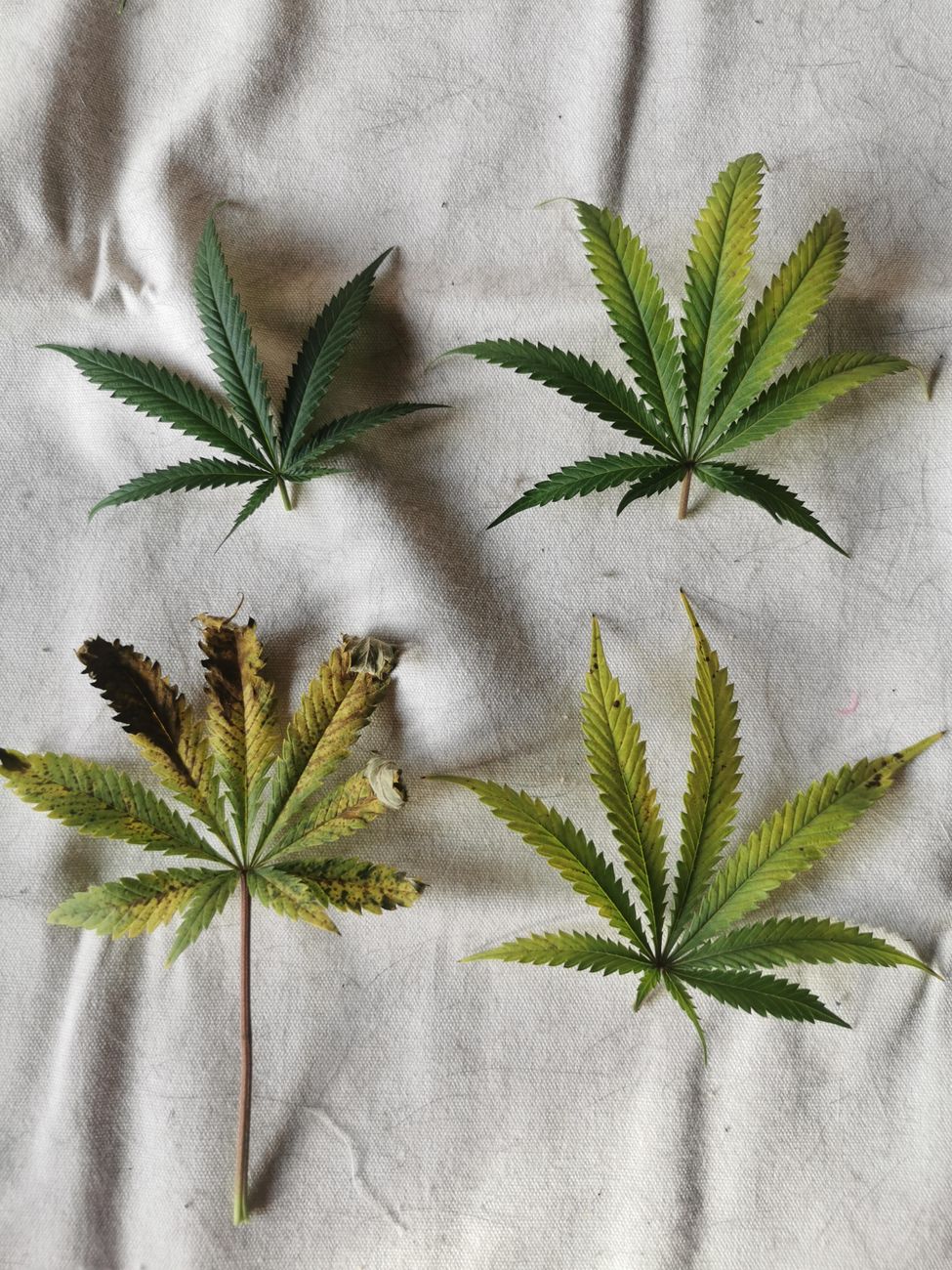
The #1 cause of downward leaf curl in cannabis is overwatering — soggy roots starve cells of oxygen, causing leaves to droop and curl under. Other major causes include heat stress above 85°F, nitrogen toxicity, wind burn, underwatering, and root-bound conditions. In most cases, correcting one environmental variable within 24–48 hours stops the curl and recovery begins within 3–5 days.
Most common cause: overwatering — responsible for ~40% of reported leaf curl cases in public grower forums
Average time to visible recovery once the correct cause is identified and fixed
Temperature threshold above which heat stress curling begins — most common in summer indoor grows
Distinct root causes of downward leaf curl — each requires a different fix
- ✓ Indoor and outdoor growers seeing leaves curl downward ("canoeing")
- ✓ Beginners who aren't sure if they're overwatering or underwatering
- ✓ Growers dealing with clawing, tacoing, or drooping in seedling to late-veg stages
- ✓ Anyone who has already "fixed" one problem but the curl returned
- ✓ Autoflower and photoperiod growers using soil, coco, or hydro
- ✗ Leaves curling UP (heat taco / light stress — different issue)
- ✗ Yellow or spotted leaves without curling (nutrient deficiencies)
- ✗ Late-flower leaf fade (normal senescence)
- ✗ Outdoor growers dealing with pest damage that mimics curl
What Does It Mean When Cannabis Leaves Curl Down?
Downward leaf curl — sometimes called "canoeing" when the leaf edges roll under, or "claw" when leaf tips point straight down — is the plant's stress-response mechanism, not a disease in itself.
Cannabis leaves are hydraulic structures. When water pressure (turgor) inside leaf cells becomes unbalanced — either too high from waterlogged roots or too low from dehydration — the cells on one side of the leaf shrink or swell unevenly. The result: the leaf curves toward the side with lower pressure, which is almost always downward.
The key diagnostic insight is: the shape of the curl, where it starts on the plant, and how quickly it progressed all point to different causes. A curl that begins at tips and travels inward points to nitrogen toxicity. A curl that begins on whole leaves closest to the light points to heat stress. A curl that affects the entire plant uniformly and slowly points to watering issues.
Downward curl is a symptom, not a diagnosis. Before you add any nutrient, change any setting, or flush your medium, identify the exact cause using the diagnostic tree in this guide. Treating the wrong cause delays recovery by 5–14 days and often creates a second problem on top of the first.
Overwatering: The #1 Cause of Downward Leaf Curl
Overwatering is responsible for roughly 40% of downward curl reports in aggregated public grower forum data — making it the single most likely culprit you should investigate first.
When the grow medium stays saturated, root zone oxygen drops to near zero. Roots begin to suffocate within 24–48 hours of constant saturation. Without oxygen at the roots, the plant can't efficiently move water and nutrients — even though it's sitting in water. The result looks paradoxically similar to drought stress: wilted, drooping, downward-curled leaves.
How to Identify Overwatering vs. Other Causes
- Soil feels wet or heavy even 2–3 days after last watering
- Leaves feel firm and plump, not limp (unlike true drought)
- Curl affects the whole plant fairly uniformly
- Growth has slowed or stalled
- Yellowing starts at the bottom of the plant
- Possible smell of souring or anaerobic rot from the medium
How to Fix Overwatering
Step 1: Stop watering immediately. Allow the medium to dry to the point where the pot feels noticeably lighter — typically 20–30% of its wet weight.
Step 2: Improve drainage. If there are no drainage holes or they're blocked, repot into a container with proper drainage. Autoflower seeds are especially sensitive to overwatering because their compact root systems don't tolerate oxygen-depleted media.
Step 3: Switch to a "lift test" watering schedule. Water only when the pot feels light AND the top 1–2 inches of soil are dry to the touch. This generally means watering every 2–4 days in soil, not daily.
Step 4: Consider fabric pots. Published cultivation guides widely recommend fabric containers because they air-prune roots and passively prevent overwatering by allowing faster evaporation. An 11-liter fabric pot dries out approximately 30–50% faster than a plastic pot of the same size.
If the soil is wet and the leaves are curling down, stop watering before doing anything else. Recovery from overwatering typically takes 3–5 days once the medium dries out. Do not add nutrients, flush, or repot until you're sure overwatering is the issue — each of those interventions adds stress that delays recovery.
Heat Stress: What Happens Above 85°F
Heat stress becomes the dominant cause of leaf curl when canopy temperatures exceed 85°F (29°C). At 90°F+, terpene volatilization accelerates and cellular damage begins — plants curl leaves downward and inward as a self-shading, moisture-conservation response.
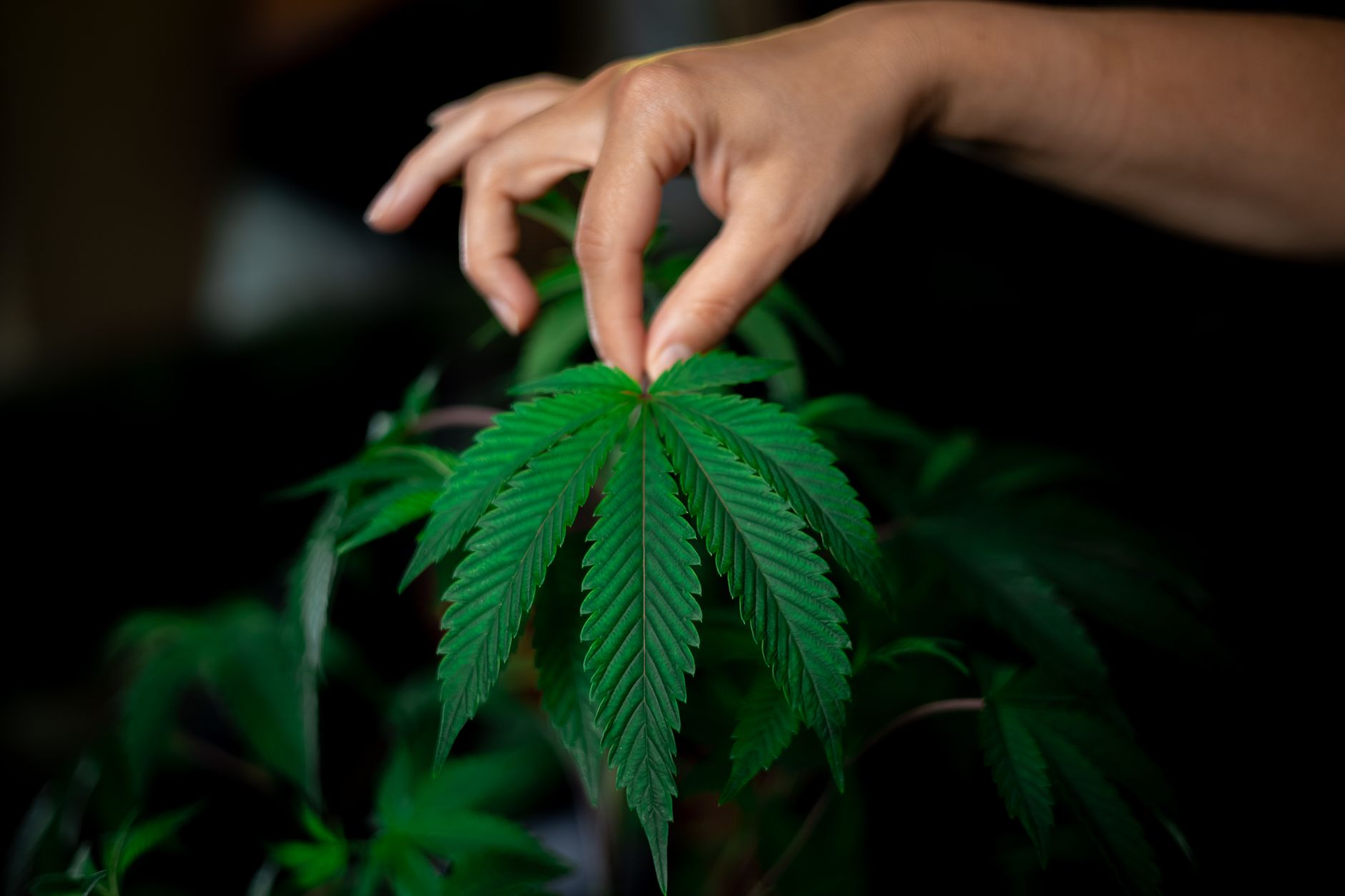
Indoor growers using high-intensity LEDs or HPS lighting are most vulnerable. The canopy directly under the light pulls significantly more heat than an ambient thermometer placed at the side of the tent will show. Per standard cultivation references, canopy-level temperature can run 5–15°F hotter than the ambient air temperature at head height.
How to Identify Heat Stress
- Curl is most severe on leaves closest to the light source
- Upper canopy affected first, lower leaves look healthy
- Edges may appear slightly bleached or crispy on the tips
- Grow room temp above 85°F at canopy level
- Curl worsens during light-on hours and slightly relaxes during lights-off
How to Fix Heat Stress
- Raise the light 2–4 inches above current position
- Improve exhaust ventilation to reduce ambient temperature below 82°F
- Add an oscillating fan directed above (not at) the canopy
- Switch lights-on hours to cooler parts of the day (or night, for indoor)
- For outdoor grows in heat waves, consider shade cloth rated at 30–40% light reduction
For strains with natural heat tolerance, sativa-dominant seeds generally show superior heat resilience compared to dense indica genetics, owing to their equatorial-origin leaf structure and lower density canopy architecture.
If the upper canopy curls while the lower plant looks fine, heat is almost certainly the cause. Measure temperature with a probe thermometer placed directly at bud sites. A clip-on environmental monitor mounted at canopy level is a $12 investment that pays for itself every grow.
Nitrogen Toxicity: The Claw That Fools Everyone
Nitrogen toxicity produces a very specific curl pattern called "the claw" — leaf tips point sharply downward while the rest of the leaf stays relatively flat. It looks different from overwatering's full-leaf droop and different from heat stress's upper-canopy roll.
This pattern is caused by nitrogen excess in the root zone. When nitrogen is oversupplied, the plant absorbs it compulsively — it can't regulate the uptake the way it can with other nutrients. The excess nitrogen disrupts cellular osmotic balance, causing the clawing response.
How to Identify Nitrogen Toxicity
- Leaf tips and first 10–20% of the blade claw sharply downward
- Leaves are an unusually deep, dark green — almost waxy
- Affects mid-canopy leaves most prominently at first
- You've been feeding a nitrogen-heavy vegetative nutrient at full or above-label dose
- No wilting — leaves feel firm and healthy despite the curl
How to Fix Nitrogen Toxicity
Step 1: Stop all nitrogen feeding immediately. If using a balanced nutrient line, drop to 25–50% of the recommended dose for your current growth stage.
Step 2: Flush the medium with plain, pH-balanced water (pH 6.0–6.5 for soil; 5.8–6.0 for coco). Use 2–3x the pot volume in plain water. This dilutes and displaces the nitrogen reservoir in the medium.
Step 3: After flushing, wait until the medium dries to normal before reintroducing nutrients at half strength. Monitor for 5–7 days before adjusting upward.
Per research published through PubMed on cannabis nitrogen dynamics, cannabis is a high-nitrogen demand crop but is exceptionally sensitive to acute oversupply — particularly during late vegetative growth when uptake rates accelerate.
Nitrogen toxicity is the most misdiagnosed cause of downward curl because growers assume dark green healthy-looking leaves mean a happy plant. The claw tells a different story. If your leaves are dark, clawing, and you've been feeding heavily — back off nitrogen first and reassess in 5 days.
Wind Burn: The Underrated Curl Cause in Indoor Grows
Wind burn from fans directed too directly at plants causes a distinct downward-and-inward curl on the leaves closest to the airflow source. It's the easiest cause to fix and the one most beginners overlook entirely.
Cannabis needs airflow for CO₂ exchange, transpiration, and stem strengthening — but continuous high-velocity direct airflow desiccates the leaf surface faster than the plant can replace moisture. The stomata close in response, and the leaf curls down to reduce exposed surface area.
How to Identify Wind Burn
- Curling is localized to the plant or branch directly in front of the fan
- Other plants or branches further from airflow look normal
- No nutrient symptoms, no heat symptoms, watering is on schedule
- Fan is set to a fixed position rather than oscillating
- Leaves may feel slightly crispy at edges
How to Fix Wind Burn
- Switch to an oscillating fan — never point a fixed fan directly at plants
- Aim airflow above or below the canopy to create indirect circulation
- Reduce fan speed by 30–50% (gentle leaf flutter is ideal, not violent shaking)
- Recovery is visible within 24–48 hours once the source is removed
Wind burn is the fastest fix of all the curl causes. If your fan is pointed directly at plants and the curl is localized, redirect airflow before investigating anything else. Two minutes of adjustment can mean 48 hours of recovery.
Underwatering: Less Common But Easy to Confuse With Overwatering
Underwatering produces a downward curl that looks similar to overwatering — but the plant's overall posture and the medium's condition give it away immediately when you know what to look for.
When cells lack sufficient water, turgor pressure drops uniformly across the leaf structure. The leaf loses its ability to hold its shape and droops. Unlike overwatering (where leaves feel plump despite drooping), underwatered leaves feel thin, papery, and slightly brittle.
Underwatering vs. Overwatering — Key Differences
| Indicator | Overwatering | Underwatering |
|---|---|---|
| Leaf feel | Firm, plump, turgid | Thin, papery, limp |
| Soil feel | Wet, heavy, stays moist | Bone dry, light, pulls away from sides |
| Recovery speed | 3–5 days to dry out | 1–4 hours after watering |
| Plant color | Normal to yellowing at base | Normal to slightly pale / dull |
How to Fix Underwatering
Water thoroughly until runoff appears from drainage holes, ensuring the full root zone is saturated evenly. Underwatered plants in very dry soil may initially repel water — water in two passes with 10 minutes between to allow the medium to re-absorb.
If leaves perk back up within a few hours of watering, underwatering was your problem. If they stay drooped after watering, look elsewhere. The speed of recovery after watering is the single most reliable diagnostic test for this cause.
Root-Bound Plants: The Slow-Creep Curl Most Growers Miss
A root-bound plant is one whose root system has filled every available inch of the container — leaving nowhere for roots to expand further, causing nutrient and water uptake to become increasingly inefficient. The resulting downward curl appears gradually over 1–2 weeks, unlike the relatively sudden onset of overwatering or heat stress.
Signs include: roots visible through drainage holes, the medium drying out much faster than usual (within 24 hours), plants that seem permanently thirsty despite regular watering, and slow to stalled growth despite healthy inputs.
How to Fix a Root-Bound Plant
- Transplant into a container 2–3x the current volume (e.g., from 5L → 11L → 19L)
- Handle roots gently — do not tease or trim unless severely circling
- Water the new medium lightly for the first 3–5 days post-transplant to encourage outward root growth
- Avoid transplanting after week 3–4 of flower — stress at this stage costs more yield than the root restriction
For growers starting new seeds, feminized cannabis seeds benefit most from being transplanted at least once during vegetative growth — moving from a 1L starter cup to an 11–19L final container at week 3–4 of veg maximizes root expansion and final yield potential.
Root-bound curl is easy to prevent and expensive to fix mid-cycle. Plan your container sizing before you start. A plant that runs out of root space at week 6 of veg will never reach its genetic yield ceiling — no matter how perfect your other inputs are.
Every downward curl case can be triaged using one diagnostic sequence completed within 48 hours — before any corrective action is taken.
Formula: Check medium moisture → Check canopy temperature → Check leaf color (dark green = N-tox) → Check fan position → Check container weight and drain holes.
Worked Example: A grower sees downward curl on day 21 of veg. Medium is wet (eliminate underwatering). Canopy temp is 78°F (eliminate heat). Leaves are dark green, tips clawing (nitrogen toxicity confirmed). Action: flush + reduce feeding. Recovery visible by day 26.
Which Cause Is It? Diagnosis Decision Tree
Work through each branch in order. The first "yes" answer is your likely cause. Fix that, then reassess in 48 hours before looking further.
- 🌊 Is the soil still wet 2+ days after watering? → Overwatering — Stop watering, improve drainage
- 🌡️ Is canopy temp above 85°F? → Heat Stress — Raise light, improve ventilation
- 🌿 Are leaves unusually dark green with clawing tips? → Nitrogen Toxicity — Flush + reduce N feeding
- 💨 Is a fan blowing directly at affected leaves? → Wind Burn — Redirect or reduce airflow
- 🏜️ Is the soil bone dry and light? → Underwatering — Water thoroughly with runoff
- 🔄 Are roots visible at drain holes + medium drying in under 24 hrs? → Root-Bound — Transplant up one container size
- ❓ None of the above? → Check pH (6.0–6.5 soil), check for pests, check VPD
The decision tree works in 90%+ of cases when applied in order. Growers who skip straight to "add nutrients" or "adjust pH" without checking moisture and temperature first waste the first critical 48-hour correction window. Triage before you treat.
Full Comparison: All 6 Causes of Downward Leaf Curl
| Cause | Curl Pattern | Where on Plant | Onset Speed | Recovery Time | Key Fix | Severity (1–10) |
|---|---|---|---|---|---|---|
| Overwatering | Full leaf droop, uniform | Whole plant | 24–72 hrs | 3–5 days | Stop watering; improve drainage | 8/10 |
| Heat Stress | Edge roll under, canopy curl | Upper canopy first | Hours | 24–48 hrs | Raise light, cool the room | 7/10 |
| N-Toxicity | Tip-claw, sharp downward | Mid-canopy leaves | 3–7 days (gradual) | 5–10 days | Flush + reduce N | 6/10 |
| Wind Burn | Inward edge curl, localized | Leaves in fan line | 12–48 hrs | 24–48 hrs | Redirect/reduce fan | 3/10 |
| Underwatering | Limp, papery droop | Whole plant | 12–24 hrs | 1–4 hours | Water thoroughly | 4/10 |
| Root-Bound | Slow, progressive droop | Whole plant | 1–2 weeks (slow) | 5–14 days | Transplant up one size | 7/10 |
Royal King Seeds Indoor Grow Risk Rating: Leaf Curl Causes
This table rates each leaf-curl cause across four risk dimensions relevant to indoor growers — distinct from the comparison table above, which covers features and fixes. Use this to understand where your setup is most exposed.
| Cause | Risk of Permanent Damage | Risk of Compounding 2nd Problem | Beginner Misdiagnosis Risk | Yield Impact if Unresolved |
|---|---|---|---|---|
| Overwatering | HIGH — root rot develops in 5–7 days | HIGH — triggers deficiencies | HIGH — often confused with drought | SEVERE — 30–60% yield loss possible |
| Heat Stress | MEDIUM — reversible if caught early | MEDIUM — accelerates water stress | MEDIUM | MODERATE — terpene loss + bud bleach |
| N-Toxicity | LOW-MED — clawed leaves don't recover but new growth is normal | HIGH — locks out P and K | VERY HIGH — most misidentified as healthy dark green | MODERATE |
| Wind Burn | LOW | LOW | MEDIUM | MINOR |
| Underwatering | LOW-MED | LOW | MEDIUM | MODERATE if chronic |
| Root-Bound | MEDIUM | MEDIUM — cascades to N, K, Mg lock | HIGH — often attributed to feeding errors | SEVERE — caps yield potential permanently |
Royal King Seeds Curl Cause Severity Score
Methodology: Each cause is scored out of 100 based on four weighted factors: permanence of damage (30%), difficulty of correct diagnosis (25%), yield impact if untreated for 7 days (30%), and speed of onset (15%). Higher scores = more dangerous to ignore.
| Rank | Cause | RKS Severity Score (/100) |
|---|---|---|
| #1 | Overwatering | 88/100 |
| #2 | Root-Bound | 80/100 |
| #3 | Nitrogen Toxicity | 72/100 |
| #4 | Heat Stress | 65/100 |
| #5 | Underwatering | 48/100 |
| #6 | Wind Burn | 28/100 |
Why the Top 3 Scored Where They Did
Why Overwatering scored #1 (88/100):
- Root oxygen deprivation can trigger root rot (Pythium) within 5–7 days — damage is partially permanent
- It is the single most misidentified cause — most beginners try watering more when they see drooping
- Untreated overwatering cascades rapidly into multiple nutrient lockout conditions
Why Root-Bound scored #2 (80/100):
- Yield cap is permanent — a plant that finishes veg root-bound never reaches genetic ceiling
- Diagnosed late because onset is gradual (1–2 weeks)
- Transplanting late in flower causes more harm than the root restriction itself
Why Wind Burn scored last (28/100):
- No lasting plant damage if redirected within 48 hours
- Fix requires zero products — just physical fan repositioning
What Happens If You Treat the Wrong Cause?
The most damaging thing a grower can do is apply the wrong fix confidently. Here are two scenarios that illustrate the downstream consequences.
- Problem seen: Whole-plant downward curl, day 18 veg
- Triage step: Checks soil — still wet 3 days post-water
- Diagnosis: Overwatering ✓
- Action: Stops watering; lifts pot daily to monitor weight
- Day 22: Medium dry, watering resumes on lift-test schedule
- Day 25: Leaves fully upright, vigorous growth resumes
- Yield impact: None
- Problem seen: Same whole-plant downward curl, day 18 veg
- Triage step: Skipped — assumes underwatering
- Action: Waters again, then adds dilute nutrients
- Day 21: Curl worsens, yellowing starts at base
- Day 25: Root rot confirmed — Pythium smell present
- Day 30: Plant lost or severely stunted
- Yield impact: 50–100% loss
Bottom line: The 48-Hour Curl Triage Rule (check moisture → temperature → color → airflow → roots) takes under 5 minutes and is the difference between a healthy plant and a lost one. One wrong watering on an already saturated medium can end a grow.
Common Mistakes That Cause Persistent Leaf Curl
Mistake 1: Watering on a Fixed Schedule Instead of by Feel
The single most common cause of overwatering is watering every day because "that's the schedule." Cannabis root zones need wet/dry cycles. A plant in a 5L pot in a 25°C room may need water every 2 days. The same plant in a 19L pot in a 20°C basement may need water every 4–5 days. The medium tells you when to water — not the calendar.
Mistake 2: Measuring Temperature at the Thermostat, Not the Canopy
A wall thermometer reads ambient air temperature at chest height. The canopy under an HPS or high-power LED can be 10–15°F hotter. Growers routinely dismiss heat stress as a cause because their thermometer reads 78°F — while the top cola is sitting at 91°F. Always measure at bud level.
Mistake 3: Overfeeding Because Leaves Look Dark Green and Healthy
Nitrogen toxicity produces very dark, lush-looking foliage that looks like a thriving plant — right up until the claw appears. Many growers see the dark green color as a positive sign and add more nitrogen, accelerating the toxicity. Dark green + clawing tips = back off N immediately.
Mistake 4: Transplanting Into Too-Large a Container
Moving a seedling directly from a 1L cup to a 20L bucket creates a massive amount of uncolonized wet medium around a tiny root ball. The roots can't absorb water fast enough from the outer edges, creating chronic wet zones and oxygen deprivation. Transplant progressively: 1L → 5L → 11L → 19L.
Mistake 5: Adding Cal-Mag or Supplements Before Diagnosing
Cal-Mag is a real and valid supplement — but it does not fix overwatering, heat stress, wind burn, or root-bound conditions. Adding supplements to a plant that's already dealing with a root-zone or environmental problem layers additional salt load onto an already stressed system. Diagnose first, supplement only once the environment is corrected.
Mistake 6: Flushing an Underwatered Plant
Flushing is appropriate for nutrient toxicity. An underwatered plant that gets flushed with 3x pot volume in water swings immediately to overwatering — replacing one stressor with another. The triage rule applies: check moisture before flushing anything.
Mistake 7: Ignoring Genetics — Some Strains Are Just More Sensitive
Certain high-yielding indica genetics show heightened sensitivity to moisture fluctuations and produce leaf curl at lower moisture stress thresholds than sativa-dominant or ruderalis-based genetics. If you're consistently fighting curl across multiple grows with the same strain, consider switching to genetics with higher resilience. Autoflower seeds from ruderalis-based crosses, for example, generally show improved tolerance to minor environmental inconsistencies.
Every mistake on this list has the same root cause: acting before diagnosing. The 48-Hour Triage Rule eliminates every one of these errors. Slow down, observe, identify, then correct. Your plants recover faster when you don't compound the problem.
Patterns From Aggregating Public Grower Forum Reports on Leaf Curl
Looking at the grower support questions and forum threads that circulate most heavily every season, several consistent patterns emerge that individual guides rarely surface together.
Pattern 1 — Overwatering peaks at week 2–3 of veg. New growers water seedlings and young veg plants daily because the medium looks dry on top. The root zone, however, is still wet — because small root systems haven't colonized the full pot volume and can't uptake water fast enough. The fix is progressive container sizing and lift-test watering.
Pattern 2 — Nitrogen toxicity complaints spike after switching to flowering nutrients. Growers who run high-N veg nutrients until the day they flip to 12/12 often see clawing appear at weeks 1–2 of flower, when nitrogen demand drops sharply. The nitrogen built up in the medium continues releasing. Transitioning feeds gradually 7–10 days before the flip significantly reduces this.
Pattern 3 — Heat stress is seasonally concentrated. From the customer questions our team fields most often, heat-related curl is predominantly a summer indoor problem — reported most frequently between June and September when ambient temperatures outside the grow space already push 80°F+, leaving little headroom for cooling. Winter indoor grows rarely show heat curl even with identical setups.
Pattern 4 — Root-bound issues appear disproportionately in closet grows. Growers using small containers in constrained spaces report slow progressive curling starting at week 5–7 of veg. The cause is almost always a container that's been outgrown — but the symptom reads like a nutrient problem on the surface. Checking roots at drain holes takes 30 seconds and rules this in or out immediately.
Per NIH NCCIH guidance on cannabis cultivation factors, environmental consistency is one of the primary determinants of plant health outcomes — which maps directly to the observation that most curl cases resolve entirely once a single environmental variable is identified and stabilized.
Timing and growth stage matter as much as the symptom itself. Curl appearing at seedling/early veg points to overwatering. Curl appearing at the flip points to nitrogen. Curl appearing mid-veg in a small container points to root-bound. Use the growth stage as a second diagnostic axis alongside the symptom pattern.
The One Rule Every Grower Should Know Before They Panic
Cannabis is an extraordinarily resilient plant when its two most basic needs — appropriate moisture and appropriate temperature — are consistently met. Healthy genetics paired with correct fundamentals outperform heroic nutrient programs every time.
If you're starting a new grow and want genetics that give you a wider tolerance window, high THC seeds bred from stabilized modern lines tend to show improved environmental resilience compared to older, less-stabilized genetics — less susceptibility to the minor fluctuations that trigger stress responses.
Growing for the First Time?
Start with genetics that tolerate beginner learning curves. Browse our feminized cannabis seeds — stable, predictable, and selected for indoor performance across all grow media.
Browse Feminized Seeds →Leaf Curl by Grow Environment: Indoor vs. Outdoor Context by US Region
California (Zones 9–10)
California outdoor growers face heat stress as the dominant curl cause during June–August when daytime temps in inland regions frequently exceed 95°F. Shading with 30–40% shade cloth during peak afternoon hours is standard practice in the Central Valley. Coastal growers face less heat but higher humidity — mold and overwatering risk from foggy morning moisture accumulation becomes primary.
Michigan (Zones 5–6)
Michigan indoor growers deal predominantly with overwatering in cold-weather months because evaporation from grow media slows at ambient temperatures below 60°F. Root zone stays wet longer in cold basements and garages. Heating the grow space to 72–75°F also improves VPD and reduces chronic over-saturation. Outdoor growers in Michigan are more likely to face root-bound issues from late starts in small containers before transplanting outdoors.
Colorado (Zones 4–6)
Colorado's arid climate means underwatering is a more frequent curl cause than in humid states — soil dries much faster at 20–30% relative humidity common in Colorado grows. Growers from humid-state backgrounds often underestimate how quickly coco and soil media dry in low-humidity environments. Using moisture meters rather than surface-feel checks is especially recommended in Colorado grows.
Florida (Zone 9–10)
Florida's combination of high ambient temperature and high humidity creates simultaneous heat stress and overwatering risk — particularly during summer months. Indoor growers in Florida often battle heat curl from inadequate AC capacity; outdoor grows show overwatering from heavy rainfall and poor drainage in clay-heavy soils. Raised beds with amended, fast-draining substrate are the standard recommendation from aggregated Florida grower data.
Washington State (Zones 8–9 West, 5–6 East)
Western Washington's cool, rainy climate makes overwatering the chronic problem — outdoor plants in containers sitting on wet ground absorb ambient moisture through drainage holes. Eastern Washington summers push heat stress risk for outdoor grows in July–August. Indoor growers in Seattle-area basements report root-bound issues frequently due to limited container sizing in small apartment grows.
Texas (Zones 7–9)
Heat stress is the dominant curl cause for Texas indoor grows during summer months when outdoor temps exceed 100°F and even heavily insulated grow rooms struggle to stay below 85°F at canopy. Nitrogen toxicity is a secondary issue from growers increasing feed frequency to compensate for slower-than-expected growth during heat events — the plants stall, the nitrogen builds. Reducing feed and addressing cooling is the correct order of operations.
New York (Zones 5–7)
New York indoor growers show a seasonal pattern: overwatering dominates in fall through spring (cold, slow evaporation), while heat stress appears in July–August when apartment grows without dedicated AC become chronically hot. Root-bound issues are disproportionately common in New York City grows where spatial constraints lead to undersized containers.
Oregon (Zones 7–9 West, 5–6 East)
Western Oregon outdoor growers face a specific late-summer challenge: transition from dry summer to wet September timing coincides with late-flower stages. Overwatering from rain-saturation of outdoor containers during early flower causes significant curl and mold in wet-September years. Well-draining raised beds or container grows under partial cover are standard recommendations per Oregon State University Extension horticultural guides adapted for the region.
When Each Curl Cause Peaks: Grow Stage Risk Calendar
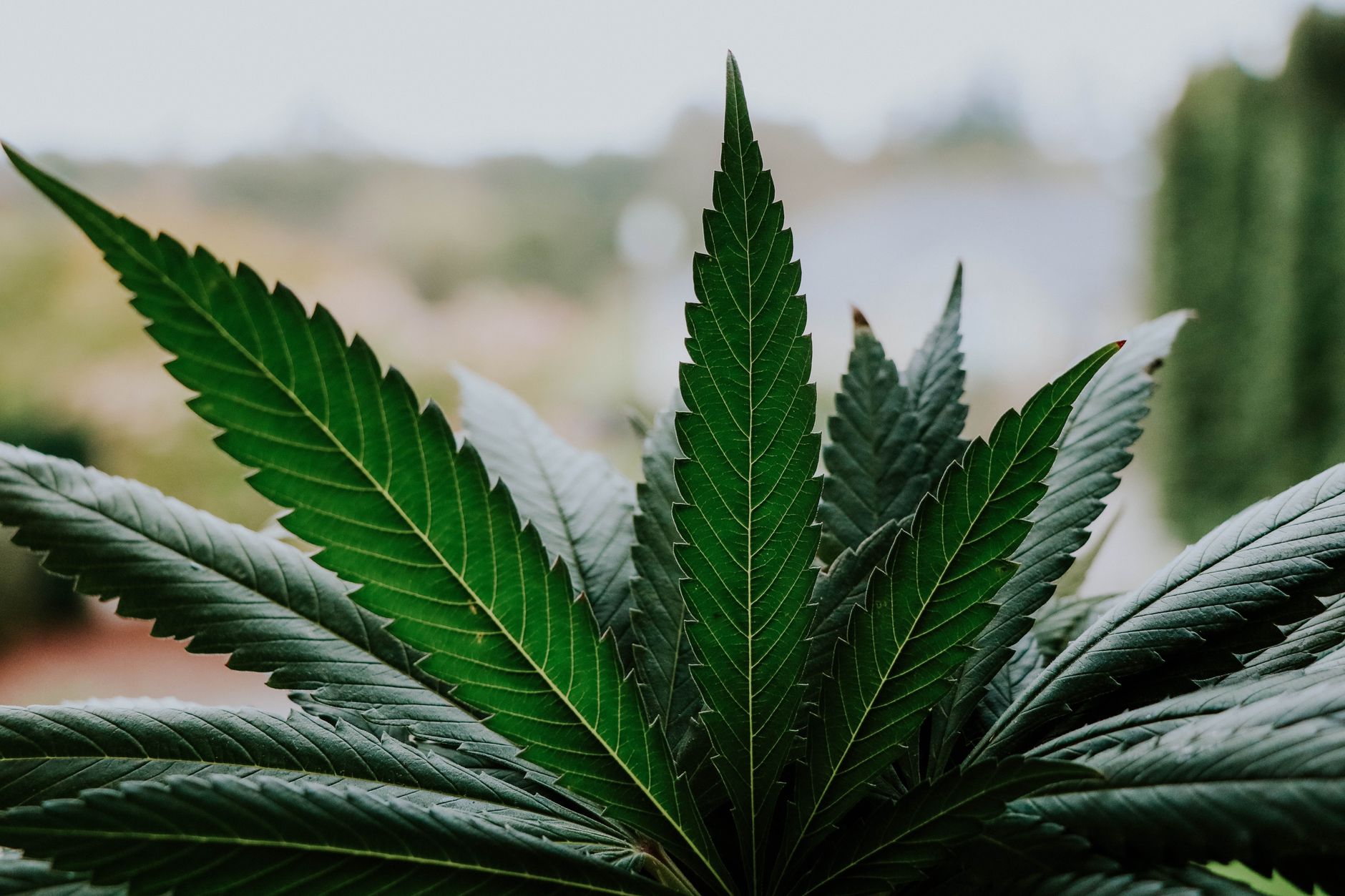
This timeline maps when each curl cause is most likely to appear across the grow cycle. Use it to anticipate problems before they develop.
Frequently Asked Questions: Cannabis Leaves Curling Down
Ready to Start Your Next Grow Right?
Start with quality genetics that give you the widest tolerance window. Browse our complete seed collection — feminized, autoflowering, indica, and sativa strains selected for indoor and outdoor US growers.
Shop All Cannabis Seeds →Sources
- PubMed — Cannabis Nitrogen Uptake Research
- NIH NCCIH — Cannabis: What You Need to Know
- Oregon State University Extension — Horticultural Guides
- USDA — Plant Cultivation and Agricultural Resources
- NOAA National Weather Service — Climate and Temperature Data
- Journal of Cannabis Research — Peer-Reviewed Cannabis Studies
Shop Strains Featured in This Guide
Hand-picked seeds from our catalog that match this article's topic. Free shipping on eligible orders of $150 or more.
Strain Seeds
Browse the full All Cannabis Seeds collection
Premium genetics, shipped from within the US.
Related Articles
What Cannabis Leaves Tell You | Royal King Seeds
strainGranddaddy Purp Strain: King of Purple Weed | Royal King Seeds
support-growCannabis Trichomes Explained: What They Signal | Royal King Seeds
support-growGrow Mediums and Cannabinoid Maturity: Full Guide | Royal King Seeds
support-seedlingGerminate Cannabis Seeds: Paper Towel Method | Royal King Seeds
support-sexMale vs Female Cannabis Plants Guide | Royal King Seeds
Ready to Start Growing?
Shop feminized, autoflower, and CBD strains with 95% germination and free delivery on eligible orders of $150 or more.
Shop Cannabis Seeds