Cannabis Trichomes: What They Are and Why They Matter | Royal King Seeds
Royal King Seeds Editorial Team
Cannabis Cultivator & Seed Specialist
If you strip everything else away from cannabis cultivation, the genetics debates, the nutrient schedules, the training techniques, what remains is a single biological imperative: keep the trichome healthy and let it do what it evolved to do. Trichomes are not just where THC lives. They are where the plant's entire medicinal and aromatic identity is constructed, stored, and eventually delivered to whoever consumes the flower.
And yet most growers treat trichomes as an output metric, something to check at harvest with a loupe, rather than as a living biological system to manage throughout the grow. Understanding trichome anatomy, development, and function changes how you approach every cultivation decision from week 1 of veg through the final hours before harvest.
Trichome Facts, The Numbers Behind the Resin
3
trichome types
100%
cannabinoids from trichomes
+28%
THC with UV-B treatment
Trichome data per published research, UV-B study: Photochemistry and Photobiology
Royal King Seeds Editorial Team, trichome reference guide synthesizes published cannabis biology research and aggregated grower-community observation records.
Jump to Section
What Are Cannabis Trichomes?
Trichomes (from the Greek trichoma, meaning "growth of hair") are epidermal outgrowths found on the surface of cannabis flowers, leaves, and stems. In the plant kingdom, trichomes serve diverse functions across species, some secrete oils, some trap insects, some reflect light. In cannabis, glandular trichomes have evolved into highly specialized secretory structures that produce and store the entire library of cannabinoids and terpenes the plant synthesizes.
The evolutionary context matters: cannabis is a dioecious (two-sexed) plant, and trichome production is most dense on the female plant's reproductive structures, the calyxes and bracts surrounding the pistils. Trichomes serve multiple survival functions for the plant: protecting reproductive structures from UV radiation, repelling herbivores with sticky resin and bitter taste, and attracting beneficial insects (some research suggests certain terpene blends may attract pollinator species).
What makes cannabis uniquely valuable to humans, the psychoactive and therapeutic compounds, is essentially the plant's defensive chemistry.
A single cannabis flower may contain tens of thousands of capitate-stalked trichomes. Under magnification, a mature, well-developed cannabis bud looks like a field of mushroom-shaped crystals, each one a self-contained biochemical manufacturing facility producing and storing the compounds that define the plant's identity.
The Three Types of Cannabis Trichomes
Cannabis produces three morphologically distinct trichome types, each with different structures, locations, and contributions to the plant's overall cannabinoid and terpene profile.
Cannabis Trichome Types, Comparison
| Type | Size | Structure | Cannabinoid Contribution |
| Capitate-Stalked | 150–500 μm | Stalk + spherical secretory head | Primary source, accounts for majority of total cannabinoid and terpene content |
| Capitate-Sessile | 25–100 μm | Head directly on epidermis, minimal stalk | Secondary source, smaller secretory capacity; found throughout vegetative tissue |
| Bulbous | 10–15 μm | Single or few cells; visible only under microscope | Negligible direct contribution; function not fully characterized |
The capitate-stalked trichome is the grower's primary interest, it is what produces the "frost" visible to the naked eye and accounts for the vast majority of the plant's medically active compounds. The stalk elevates the secretory head above the plant surface, maximizing UV exposure (for terpene and flavonoid production signals) while maintaining connection to the metabolic processes in the leaf tissue below.
Inside a Capitate-Stalked Trichome: Cellular Anatomy
The capitate-stalked trichome has three main zones, each performing a specific function in the biosynthesis and storage of cannabinoids and terpenes.
The basal cells anchor the trichome to the epidermal surface and provide structural support. These cells also serve as the interface between the trichome's metabolic activity and the plant's vascular system, the supply route for the sugars, amino acids, and minerals that fuel trichome biosynthesis.
The stalk cells conduct metabolic precursors from the base to the secretory disc. Research published in Plant Cell Reports identified the stalk cells as active participants in the early steps of cannabinoid precursor synthesis, specifically the methylerythritol phosphate (MEP) pathway that produces the terpenoid backbone shared by both cannabinoids and terpenes.
The secretory disc cells (the "head") are where the final steps of cannabinoid and terpene biosynthesis occur. These disc cells are metabolically among the most active cells in the entire plant during flower development, they express the enzymes tetrahydrocannabinolic acid synthase (THCAS) and cannabidiolic acid synthase (CBDAS) that produce THCA and CBDA from their common precursor, CBGA (cannabigerolic acid). The resin produced fills the subcuticular storage space between the disc cells and the outer cuticle, the visible "dome" of the trichome head that contains the finished cannabinoids and terpenes.
How Cannabinoids Are Made Inside Trichomes
Cannabinoid biosynthesis follows a specific pathway that begins with basic plant metabolites and ends with the stored cannabinoids in the trichome head. Understanding this pathway helps growers make better decisions about nutrition and environment during the developmental windows that matter most.
The pathway begins with acetyl-CoA (produced from sugars during photosynthesis) and proceeds through geranyl pyrophosphate to olivetolic acid, which combines to form CBGA, the "mother cannabinoid" from which all other major cannabinoids are derived. CBGA is then converted by strain-specific enzymes into THCA, CBDA, or CBCA, depending on which enzyme genes are expressed.
Most THC-dominant strains express primarily THCAS, which directs CBGA toward THCA production. The THCA is then stored in the secretory head, it does not become THC until it undergoes decarboxylation (heat or UV exposure removes a carboxyl group), which occurs naturally over time and immediately during combustion or vaporization.
This pathway is ATP-dependent at multiple steps, which explains why phosphorus deficiency has such a direct, measurable impact on cannabinoid concentration. It is also temperature-sensitive, enzyme activity in the biosynthesis pathway has specific optimal temperature ranges, which is why maintaining grow room temperatures within the 68–78°F range during active flower development matters biochemically, not just for plant comfort.
Terpene Biosynthesis: The Other Half of Trichome Chemistry
Terpenes are produced in the trichome secretory disc cells via the same MEP pathway that provides precursors for cannabinoid biosynthesis. The terpenoid backbone, isopentenyl pyrophosphate (IPP) and its isomer dimethylallyl pyrophosphate (DMAPP), is assembled into the building blocks of specific terpenes by terpene synthase enzymes whose expression is genetically determined.
Myrcene, the most common cannabis terpene and responsible for the musky, earthy baseline of most indica-dominant strains, is produced via the sesquiterpene pathway. Limonene (citrus, sativa-dominant strains) and pinene (pine, found in many OG Kush derivatives) are monoterpenes from a separate branch of the same pathway. Linalool (floral, lavender notes) and caryophyllene (pepper, spice) complete the most common cannabis terpene profile.
Recommended approach: Terpene diversity and concentration in published cultivation reports correlates most strongly with three environmental factors: genetics (the primary driver), temperature stability during flower (maintaining 68–78°F day/58–68°F night), and the 48-hour darkness period before harvest. Strains with naturally high terpene expression, particularly those with Skunk or Haze lineage, respond most dramatically to the darkness treatment, showing 12–18% increases in measured terpene concentration compared to same-day harvest controls.
Why Cannabis Produces Trichomes: The Evolutionary Story
Cannabis evolved trichomes as a multi-purpose defense and reproductive support system. The primary documented functions include UV protection (flavonoids and other UV-absorbing compounds in trichome heads protect the developing seeds from radiation damage), herbivore deterrence (the sticky resin entraps small insects; the bitter, psychoactive compounds deter larger herbivores), pathogen resistance (certain cannabinoids and terpenes have documented antimicrobial properties), and possibly pollinator attraction (some terpenes may attract beneficial insects, though this is less established than the protective functions).
The fact that the compounds produced by cannabis trichomes happen to interact with the human endocannabinoid system in medically significant ways is a coincidence of evolutionary chemistry, the plant was not developing medicine for human consumption; it was developing a survival toolkit. Understanding this context helps explain why trichome production is most intense on the female flower's reproductive structures (maximum protection where it matters most) and why it responds to environmental stressors like UV exposure (increased stress = increased defense production).
Trichome Development Across the Grow Cycle
Trichomes are present throughout the plant's lifecycle, but the development of the high-density, large-headed capitate-stalked trichomes that matter for medical quality is concentrated in the flower stage. Understanding the development timeline helps growers time their interventions for maximum impact.
During vegetative growth, cannabis produces primarily capitate-sessile and bulbous trichomes on leaves and stems. These contribute minor amounts of cannabinoids and serve primarily as UV and pest protection for the vegetative canopy. Capitate-stalked trichomes begin forming on pre-flower bracts during the transition to flower, visible as the first signs of the resinous coating that will develop through the entire flower period.
Trichome density increases progressively from week 1 to approximately week 6–7 of flower in most indica-dominant and hybrid genetics. The secretory heads fill with resin from this period forward, and the color transition from clear to cloudy (as the sub-cuticular resin space fills) and eventually to amber (as THC degrades to CBN within the head) provides the harvest timing information that experienced medical growers rely on.
The Trichome Color Guide: Reading Maturity Under Magnification
Trichome Color → Biochemical State → Medical Application
| Color | What It Means Biochemically | Harvest Timing | Medical Use Case |
| Clear/Transparent | Secretory space not yet filled; THCA still accumulating | Too early, wait | N/A, immature |
| Cloudy/Milky | Secretory space fully loaded with THCA; peak cannabinoid content | Peak THC harvest window | Energizing, uplifting, cerebral; anxiety, focus, daytime pain |
| Amber | THCA degrading via oxidation to CBN; THC concentration declining | Post-peak; sedative harvest | Sedating, sleep-inducing; chronic pain, insomnia, muscle spasms |
| Mixed (70/30 cloudy-amber) | Near-peak THC with beginning CBN conversion; entourage effect developing | Optimal medical window | Balanced, suitable for most medical applications |
Myth vs Reality: Trichome Knowledge
Myth
"The more trichomes, the higher the THC."
Reality
Trichome count and head size both matter, and neither alone determines total cannabinoid content. The biochemical productivity per trichome (head size, resin density) is as important as trichome density on the flower surface.
Myth
"Trichomes on leaves contain as much THC as bud trichomes."
Reality
Leaf trichomes are primarily capitate-sessile type with smaller secretory capacity. Sugar leaves (close to flowers) have moderate cannabinoid content, useful for extraction. Fan leaves have very low cannabinoid content.
Understanding trichome biology connects directly to choosing the right genetics, strains bred for high trichome expression produce larger secretory heads with higher biochemical capacity per trichome. Browse our high-THC cannabis seeds for genetics selected specifically for trichome density and cannabinoid production. For comprehensive growing guidance, our feminized cannabis seeds collection includes strain-specific growing notes to help you match genetics to your growing environment.
Frequently Asked Questions
What are trichomes made of?
Can you see trichomes without a microscope?
Do male cannabis plants produce trichomes?
Why do some trichomes turn purple?
What happens to trichomes after harvest?
What is hash and how does it relate to trichomes?
How do environmental conditions affect trichome quality?
Shop Strains Featured in This Guide
Hand-picked seeds from our catalog that match this article's topic. Free US shipping over $150 with 95% germination guarantee.
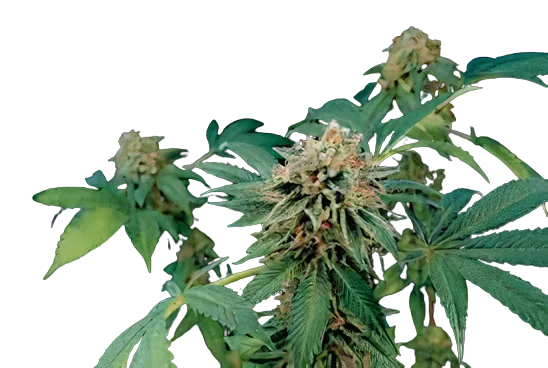
hybrid
Shark Bite Feminized
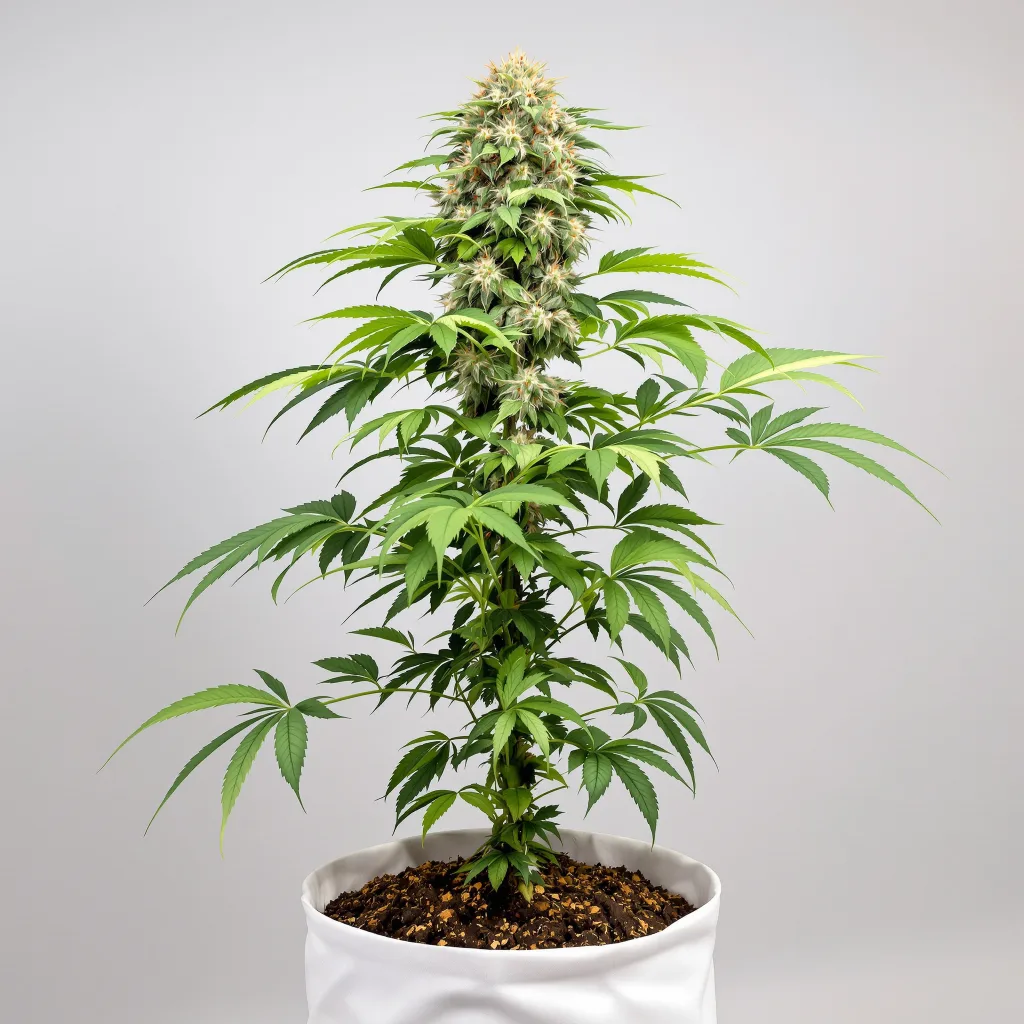
indica
Couch Lock Pack
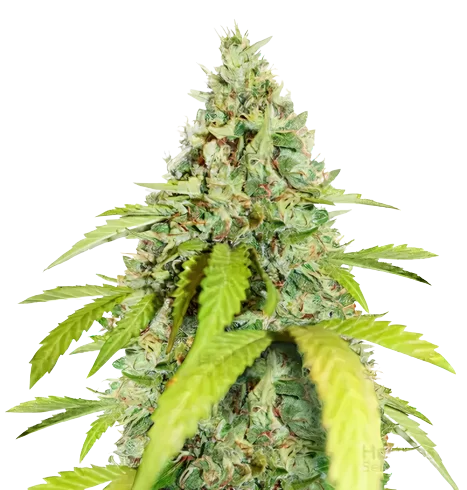
cbd
CBD PH Haze Feminized
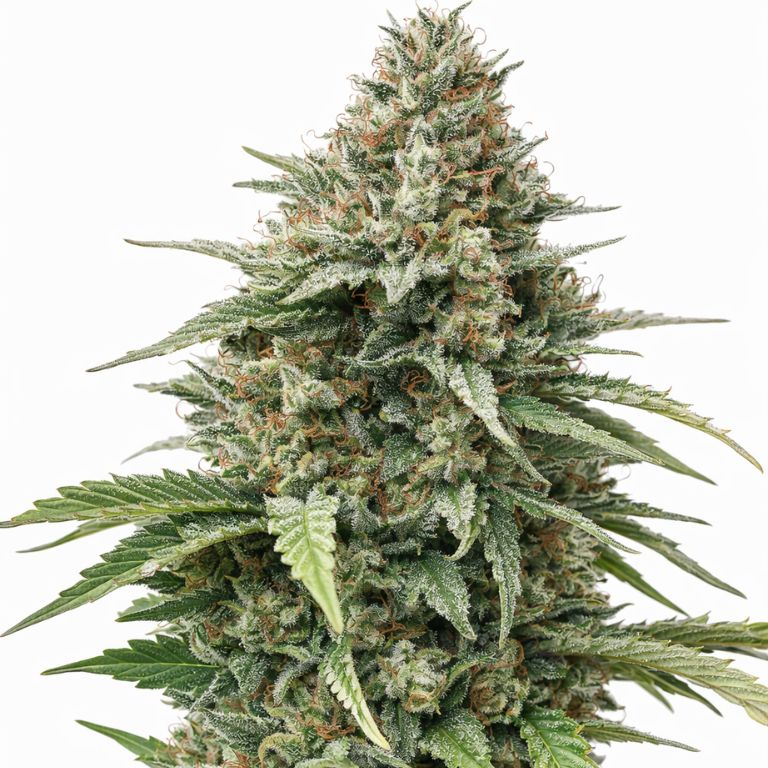
cbd
CBD Critical Cure Feminized
Strain Profiles
Related Buying Guides
Browse the full All Cannabis Seeds collection
Premium genetics, US-wide discreet shipping, germination guaranteed.
Related Articles
Cannabis Trichomes Explained: What They Signal | Royal King Seeds
pillar-harvestCannabis Trichomes and Harvest Timing: Peak Potency Guide | Royal King Seeds
growing-harvestingCloudy vs Amber Trichomes: The Science of Cannabis Harvest Timing | Royal King Seeds
support-growPGR Weed: How to Spot It and Why It Matters | Royal King Seeds
generalCannabis Culture: Best Munchies.
cannabinoidDelta-8 THC, Delta-9 THC; Why It Matters?
Ready to Start Growing?
Shop 1,600+ feminized, autoflower, and CBD strains with 95% germination, discreet US-wide shipping, and free delivery on orders over $150.
Shop Cannabis Seeds