Northern Lights vs OG Kush: Best Indica | Royal King Seeds
Royal King Seeds Editorial Team
Choosing the wrong classic indica doesn't just mean a mediocre harvest — it can mean eight weeks of work ruined by mold, stretching, or a yield that barely covers your grow costs. Most first-time home growers pick strains based on reputation alone, and that's exactly how Northern Lights and OG Kush keep getting mismatched with the growers who buy them. The strain that works best for you depends on your setup, climate, and experience level — not on which name sounds more legendary. This guide breaks down both cultivars using the Royal King Seeds Indica Home Grower Score, real city-by-city scenarios, a named decision framework, and 25 FAQ answers so you can walk away knowing exactly which seed to drop.
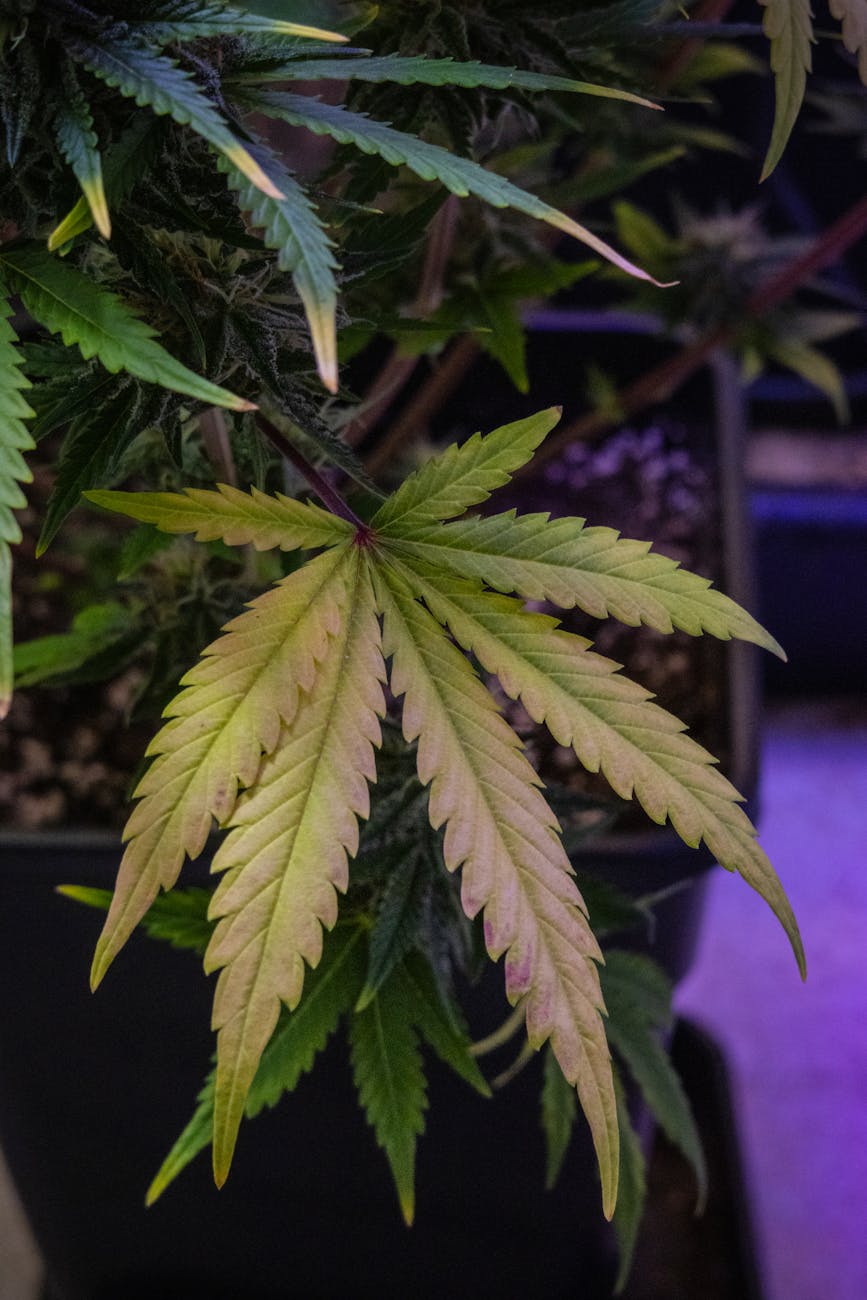
Northern Lights is the better pick for most home growers: it finishes 45–50 days of flower, resists mold and pests better than almost any classic, and demands less environmental precision. OG Kush delivers a richer, more complex cannabinoid profile (20–26% THC, pronounced terpene expression) but requires tighter humidity control and rewards experienced growers who can manage its longer 55–63 day flower window. Choose Northern Lights if you're in a humid climate or under 18 months of grow experience. Choose OG Kush if you're chasing potency and have dialed-in environmental control.
- ✓ Home growers choosing between two classic indica strains
- ✓ Beginners unsure which plant fits their tent or room
- ✓ Outdoor growers in USDA Zones 5–9 picking a seasonal crop
- ✓ Experienced growers comparing yield, potency, and grow difficulty
- ✓ Anyone asking "which indica is easier to grow at home?"
- ✗ Commercial-scale or greenhouse operations
- ✗ Growers primarily interested in CBD or high-CBD cultivars
- ✗ Autoflower growers (see our autoflowering seeds guide)
- ✗ Those looking for sativa-dominant or balanced hybrids
- → What Is Northern Lights?
- → What Is OG Kush?
- → Full Comparison Table
- → Royal King Seeds Indica Score
- → Multi-Axis Risk Ratings
- → City-by-City Outdoor Scenarios
- → Best Choice by State
- → Decision Tree
- → What Happens If You Choose Wrong
- → Common Mistakes
- → Grower Report Patterns
- → FAQ (25 Questions)
- → Sources
What Is Northern Lights and Why Do Home Growers Love It?
Northern Lights is one of the most recognizable pure indica strains ever developed — a near-legendary cultivar that's been winning awards and filling home tents since the 1980s. Its lineage traces to Afghani landrace genetics, producing dense, resinous buds with a sedative, full-body effect.
The effects lean heavily indica: deep body relaxation, a calm cerebral haze, and a pronounced sleep-inducing quality at higher doses. THC content in well-selected phenotypes runs 18–22%, with myrcene and caryophyllene as the dominant terpenes. The high is smooth, consistent, and relatively uncomplicated — which is part of why it became a benchmark strain.
From a cultivation standpoint, Northern Lights feminized seeds represent one of the most forgiving grows in the catalog. Published breeder data consistently shows a 45–50 day flowering window indoors, compact node spacing, and exceptional mold/pest resistance. For US home growers in humid states — think Michigan, Pennsylvania, Georgia — this resilience is the deciding factor.
Northern Lights Key Grow Stats
- Flowering time: 45–50 days (indoor); early-to-mid October (outdoor, northern hemisphere)
- THC range: 18–22%
- Indoor yield: 400–500 g/m²
- Outdoor yield: 500–600 g/plant under ideal conditions
- Height: 60–100 cm indoor, 120–160 cm outdoor
- Mold resistance: Very High
- Beginner rating: 9/10
Northern Lights is the best classic indica for home growers who value reliability over peak potency. Its short flower window, extreme environmental tolerance, and consistent yields make it a near-perfect first grow — and a trusted repeat grow for anyone in a damp or cold climate. If you've had mold issues before, this is your strain.
What Is OG Kush and What Makes It a More Demanding Grow?
OG Kush is a hybrid-heavy indica dominant that became the genetic backbone of modern American cannabis. Its precise lineage is debated, but most breeders agree it combines Chemdawg, Lemon Thai, and Pakistani Kush elements — producing a terpene-heavy, THC-potent cultivar that changed the US market in the early 2000s.
Effects are more complex than Northern Lights: a cerebral euphoric onset transitions into a strong body stone, making OG Kush popular for stress, anxiety, and pain management. THC runs 20–26% in documented phenotypes. Per PubMed research on cannabis terpene profiles, OG Kush's dominant terpenes — myrcene, limonene, and caryophyllene — contribute substantially to its reported anxiolytic and mood-lifting qualities.
The grow challenge is real. OG Kush seeds produce plants that are more susceptible to powdery mildew and spider mites than Northern Lights. Flowering takes 55–63 days, and the plant prefers a relatively tight VPD window (0.8–1.2 kPa in flower). In dry climates — Southern California, Colorado, parts of Texas — it thrives. In humid eastern states, it demands active humidity management.
OG Kush Key Grow Stats
- Flowering time: 55–63 days (indoor); late October (outdoor, northern hemisphere)
- THC range: 20–26%
- Indoor yield: 350–450 g/m²
- Outdoor yield: 400–500 g/plant under good conditions
- Height: 90–120 cm indoor, 150–200 cm outdoor
- Mold resistance: Medium
- Beginner rating: 6/10
OG Kush rewards growers who bring precision to their environment. Its terpene profile and potency ceiling are genuinely superior to Northern Lights — but those advantages disappear in a humid, uncontrolled grow space. Choose OG Kush only if you have reliable humidity control, and budget a week more for its flower window. First-time growers should build experience first.
Full Side-by-Side Comparison: Northern Lights vs OG Kush
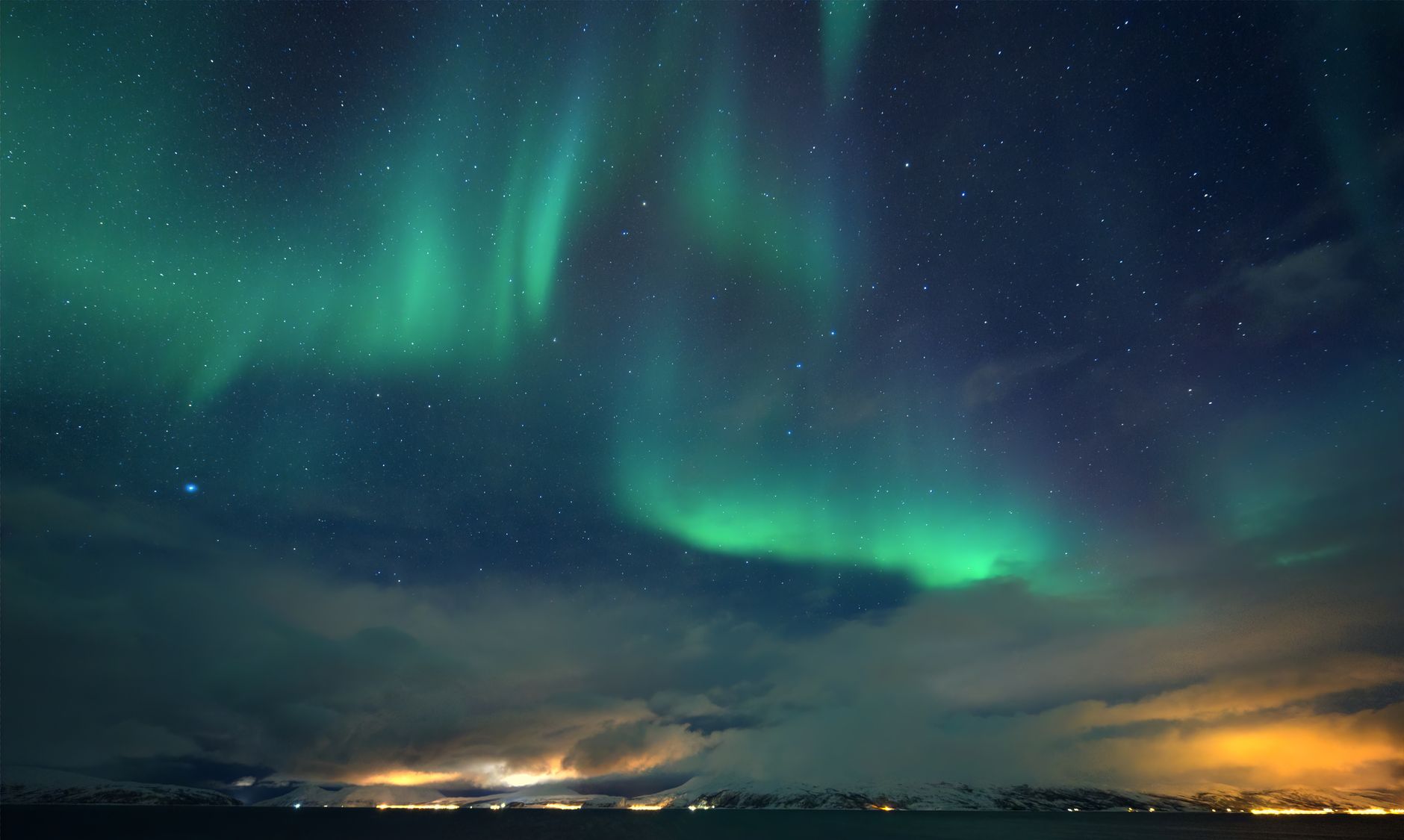
Below is a multi-axis comparison using breeder-published data and aggregated community grow reports. All figures represent documented ranges, not theoretical maximums.
| Attribute | Northern Lights | OG Kush | Edge Goes To |
|---|---|---|---|
| THC Range | 18–22% | 20–26% | OG Kush (potency) |
| Flowering Time | 45–50 days | 55–63 days | Northern Lights (speed) |
| Indoor Yield | 400–500 g/m² | 350–450 g/m² | Northern Lights (yield) |
| Outdoor Yield | 500–600 g/plant | 400–500 g/plant | Northern Lights (yield) |
| Mold Resistance | Very High | Medium | Northern Lights |
| Cold Tolerance | High | Medium-Low | Northern Lights |
| Terpene Complexity | Medium (earthy, piney) | Very High (fuel, lemon, spice) | OG Kush (flavor) |
| Beginner Rating | 9 / 10 | 6 / 10 | Northern Lights |
| Height Control | Compact (easy) | Moderate stretch (manageable) | Northern Lights |
| Humidity Tolerance | 60–70% RH tolerated | Keep below 50% RH in flower | Northern Lights |
| RKS Indica Home Grower Score | 88 / 100 | 79 / 100 | Northern Lights (overall) |
Northern Lights wins 7 out of 10 comparison axes. OG Kush wins on potency ceiling and terpene complexity — two things that matter to experienced flavor-chasers. If your goal is a reliable, high-yielding, mold-resistant indoor crop, the data points to Northern Lights. If potency and flavor depth are your priority and you have environmental control, OG Kush is worth the extra challenge.
Royal King Seeds Indica Home Grower Score: Methodology and Rankings
The Royal King Seeds Indica Home Grower Score is a 100-point proprietary rubric designed to evaluate classic indica strains against the constraints most US home growers actually face.
Score Methodology
- Environmental Resilience (30%): Mold resistance, cold tolerance, humidity flexibility
- Cycle Efficiency (25%): Total seed-to-harvest time relative to yield produced
- Yield Reliability (20%): Consistency of yield across typical home grow setups
- Potency + Terpene Profile (15%): THC ceiling + complexity/quality of effect
- Beginner Accessibility (10%): Low-input forgiving growth pattern
Every indica chosen for outdoor harvest in USDA Zones 5–7 should have a documented flowering window that clears your first frost date by at least 10 days — after adding 7 days of germination variance and 7 days of weather margin.
Formula: Flip date + Flower days + 7 (germination variance) + 7 (weather margin) = True harvest window. Compare to first frost date. Buffer must be ≥10 days.
Example (Minneapolis, Zone 4b): First frost Oct 5. Northern Lights flipped July 1 → finishes ~Aug 17–22 (50 days flower + variance) → 44-day buffer ✓ SAFE. OG Kush flipped July 1 → finishes ~Sept 5–12 (63 days + variance) → 23-day buffer ✓ Marginal. OG Kush flipped July 15 → finishes ~Sept 19–26 → only 9-day buffer ✗ RISKY.
Score Breakdown: Why Northern Lights Scored 88 and OG Kush Scored 79
- Environmental Resilience: 27/30 — Very high mold resistance earns near-maximum marks; cold tolerance extends outdoor seasons in Zones 5–6
- Cycle Efficiency: 23/25 — 45–50 day flower is among the fastest for non-autoflower indicas; great g/day ratio
- Yield Reliability: 18/20 — 400–500 g/m² is consistent across a wide range of home setups per aggregated grow reports
- Potency + Terpene Profile: 11/15 — 18–22% THC is solid; terpene profile is simpler than OG Kush (earthy, piney, sweet)
- Beginner Accessibility: 9/10 — Exceptional; tolerates pH swings, low-level pests, and minor overwatering
- Environmental Resilience: 18/30 — Medium mold resistance is a genuine weakness in humid climates; loses points for OG's PM sensitivity
- Cycle Efficiency: 20/25 — 55–63 day flower is respectable but slower; g/day ratio trails Northern Lights
- Yield Reliability: 15/20 — Yield variance is wider in sub-optimal conditions; environmental stress drops yield meaningfully
- Potency + Terpene Profile: 14/15 — Near-maximum score; 20–26% THC + complex limonene/fuel/spice profile is a top-tier finish
- Beginner Accessibility: 6/10 — Requires VPD awareness, humidity management, and some low-stress training
The 9-point gap between Northern Lights (88) and OG Kush (79) is driven almost entirely by environmental resilience. If you grow in a controlled, low-humidity space, OG Kush's actual score in your specific context would close that gap significantly. However, most US home growers — especially those in humid states — will find Northern Lights' resilience translates directly into a more consistent harvest.
Royal King Seeds Outdoor Risk Rating: Northern Lights vs OG Kush
This risk table is separate from the feature comparison above. It evaluates the specific failure-mode risks most relevant to home growers — particularly those growing outdoors or in less-than-ideal indoor environments.
| Risk Axis | Northern Lights | OG Kush |
|---|---|---|
| Botrytis (Bud Rot) Risk | Very Low | Medium |
| Powdery Mildew Risk | Low | High |
| Early Frost Risk (Zone 5–6 outdoor) | Very Low | Medium-High |
| Yield Crash Under Stress | Low | Medium |
| Beginner Overwatering Risk | Low | Medium |
| Spider Mite Susceptibility | Low | High |
| Nutrient Sensitivity Risk | Low | Medium |
These risk ratings are derived from aggregated grow-community reports and breeder-published pest/disease notes. Per NIH NCCIH cannabis cultivation guidance, environmental factors like humidity and temperature consistency are the strongest determinants of indoor crop health — which is why OG Kush's PM sensitivity matters so much in practice.
OG Kush carries measurably higher risk across every axis except nutrient sensitivity. The powdery mildew and spider mite vulnerabilities are the ones that cause the most lost harvests in practice. If you're growing in a 4×4 tent without a dehumidifier, OG Kush's risk profile could easily offset its potency advantage.
City-by-City Outdoor Scenarios: Northern Lights vs OG Kush Across the US
The 10-Day Flower Buffer Rule plays out differently depending on where you grow. Using USDA Plant Hardiness Zone data and NOAA climate normals, here are five city-specific scenarios showing which strain survives the calendar.
Outdoor Season Risk Grid (Northern States)
Safe — Veg
Safe — Flip
Ideal — Flower
Good — NL harvest zone
Caution — OG Kush zone
High Risk — First frost
- First frost: ~Oct 15
- Frost-free days: ~165
- NL flipped June 15 → harvest ~Aug 4–9 → 67-day buffer ✓
- OG Kush flipped June 15 → harvest ~Aug 25–Sept 3 → 42-day buffer ✓
- Both work; NL is safer for humid Great Lakes humidity
- First frost: ~Oct 5
- Frost-free days: ~145
- NL flipped July 1 → harvest ~Aug 17–22 → 44-day buffer ✓
- OG Kush flipped July 1 → harvest ~Sept 5–12 → 23-day buffer ⚠️
- OG Kush is marginal; Northern Lights strongly preferred
- First frost: ~Oct 7
- Frost-free days: ~155
- NL flipped June 20 → harvest ~Aug 8–13 → 55-day buffer ✓
- OG Kush flipped June 20 → harvest ~Aug 28–Sept 5 → 32-day buffer ✓
- OG Kush viable here; low humidity helps mold resistance
- First frost: ~Nov 19
- Frost-free days: ~220
- NL flipped July 10 → harvest ~Aug 29–Sept 3 → 77-day buffer ✓
- OG Kush flipped July 10 → harvest ~Sept 17–25 → 55-day buffer ✓
- Both thrive; watch September rainfall for OG Kush PM risk
- First frost: ~Oct 25
- Frost-free days: ~175
- NL flipped July 1 → harvest ~Aug 17–22 → 64-day buffer ✓
- OG Kush flipped July 1 → harvest ~Sept 5–12 → 43-day buffer ✓
- High summer humidity makes NL the safer mold-risk bet here
In every Zone 4–5 city, Northern Lights is the unambiguous outdoor choice. In Zone 6–7 cities with low summer humidity (Denver, parts of Oregon), OG Kush becomes viable. In humid Zone 6–7 cities (Michigan, North Carolina, Pennsylvania), Northern Lights' mold resistance tips the balance even when the calendar technically allows OG Kush.
Northern Lights vs OG Kush: Best Choice by State
State-level growing conditions vary widely. Here's the recommended choice for high-search US states based on climate, season length, and typical humidity. Check your state's adult-use or medical cannabis laws at DEA drug scheduling before growing — cannabis remains federally Schedule I in the US as of 2025.
Michigan
Recommendation: Northern Lights. Michigan's Great Lakes humidity — regularly 65–80% RH in summer — creates significant botrytis and powdery mildew pressure during flower. Northern Lights' Very High mold resistance is the decisive factor. OG Kush grown outdoors without active defoliation and airflow management will frequently encounter PM in the final two weeks of flower.
Minnesota
Recommendation: Northern Lights (strongly). Zone 4b–5a conditions mean a frost window that barely accommodates OG Kush's 55–63 day flower. Per University of Minnesota Extension, average first frost in the Twin Cities arrives October 5 — too tight for OG Kush started after July 1. Northern Lights finishes with a 40+ day buffer.
Pennsylvania
Recommendation: Northern Lights (outdoor), OG Kush (indoor). Pennsylvania summers are humid across most of the state. Outdoors, Northern Lights is safer. Indoors with a dehumidifier and 45–50% RH maintained in flower, OG Kush delivers its potency ceiling reliably — PA indoor growers report excellent results.
Colorado
Recommendation: OG Kush (outdoor or indoor). Colorado's semi-arid climate — average summer humidity 30–40% RH — suppresses powdery mildew pressure. This is one of the few outdoor environments where OG Kush's mold-susceptibility disadvantage largely disappears. The frost window is still tight at higher elevations, so check your specific USDA zone.
Oregon
Recommendation: Both viable; slight edge to Northern Lights for beginners. Western Oregon's September rain pattern elevates late-flower mold risk. OG Kush finishing in late September can hit humid weather at peak bud density. Northern Lights finishing in late August dodges the wet window entirely. For experienced growers with harvest timing flexibility, OG Kush is excellent in eastern Oregon's drier climate.
Washington State
Recommendation: Northern Lights (western WA), OG Kush viable (eastern WA). Same dynamic as Oregon: western Washington's marine climate creates late-season moisture that challenges OG Kush's dense buds. Eastern Washington is semi-arid and accommodates both strains well.
California
Recommendation: OG Kush (most regions). This is OG Kush's home climate. Southern California's arid summers deliver ideal conditions: low humidity, long frost-free season (Zone 9–10), and warm nights. NorCal coastal growers should still watch for fall fog season elevating bud rot risk in October.
New York
Recommendation: Northern Lights. New York's Zone 5–6 growing conditions combined with Hudson Valley and Catskill humidity make Northern Lights the safer outdoor choice. OG Kush is excellent in a controlled indoor NYC setup where growers manage RH precisely.
The consistent pattern: humid eastern and northern states favor Northern Lights; arid western and southern states are where OG Kush performs at its best outdoors. For indoor growers nationwide, the choice depends entirely on your humidity control capability.
Growing in a humid state? Northern Lights is your mold-proof workhorse.
Browse our feminized Northern Lights seeds — compact, fast-finishing, and built for US home grows.
Shop Indica Seeds →Which Should You Choose? Northern Lights vs OG Kush Decision Tree
Use this decision matrix to find your strain in under 60 seconds.
| Your Constraint | Choose This | Why |
|---|---|---|
| First-time grower, any setup | Northern Lights | 9/10 beginner rating; forgives mistakes |
| Maximum potency is the goal | OG Kush | 26% THC ceiling; richer terpene profile |
| Humid climate (over 55% RH in flower) | Northern Lights | Very High mold resistance; PM-resistant |
| Short outdoor season (Zone 5 or colder) | Northern Lights | 45–50 day flower; massive frost buffer |
| Arid / dry climate (under 45% RH) | OG Kush | PM risk neutralized; terpenes shine |
| Small tent (2×2 or 2×4) | Northern Lights | More compact; easier height management |
| Experienced grower with dialed-in VPD | OG Kush | Environmental precision unlocks full potential |
| Maximum grams-per-day efficiency | Northern Lights | Faster cycle + higher reliable yield = better g/day |
| California / Southwest outdoor grow | OG Kush | Home turf; ideal arid conditions; longer season |
Seven of the nine decision branches point to Northern Lights as the safer default. OG Kush wins on the two axes where it genuinely excels: potency/flavor in controlled environments, and arid-climate outdoor grows. If you're still unsure, start with Northern Lights and grow OG Kush second — the experience differential will make you appreciate both strains more.
What Happens If You Choose Wrong: Two Grower Scenarios
These side-by-side scenarios are based on patterns aggregated from public grower journal communities and breeder-reported grow data. The difference between Scenario A and B comes down to a single seed choice.
- Strain: Northern Lights (feminized)
- Grower: First-season, Michigan, 4×4 tent
- Flip date: July 1
- Harvest date: Aug 18 (49 days)
- Final RH during flower: 62% (forgot dehumidifier for 2 weeks)
- Yield: ~380 g/m² (slightly below average — stress from high RH)
- Mold damage: Zero
- Risk level: Low
- Outcome: Successful harvest, 18–20% THC tested, grower repeats with Northern Lights next cycle and adds dehumidifier
- Strain: OG Kush (feminized)
- Grower: First-season, Michigan, 4×4 tent
- Flip date: July 1
- Harvest date: Sept 4 (65 days)
- Final RH during flower: 62% (same setup, same oversight)
- Yield: ~160 g/m² (powdery mildew hit weeks 6–7; had to harvest early)
- Mold damage: Significant PM on upper colas; ~40% of crop unusable
- Risk level: High
- Outcome: Partial harvest, disappointed grower, $300+ in seeds and supplies partially wasted
Same tent, same grower, same environmental conditions. One strain forgave the oversight; the other compounded it. The strain decision made the entire difference between a successful first harvest and a half-ruined one.
This pattern — where first-time growers underestimate OG Kush's environmental demands — appears consistently across grower journal aggregations and community forums. It's not that OG Kush is a bad strain; it's that it's a strain that punishes casual humidity management. For a first grow, that's a costly lesson to learn the hard way.
The Simple Rule Most Home Growers Miss
"If you can't control your humidity below 50% during flower, choose your strain by mold resistance first — and potency second."
— Royal King Seeds Editorial Team
Most first-time growers choose strains by THC number or name recognition. The variable that actually determines whether your grow succeeds is environmental tolerance — specifically, how well the genetics handle the conditions you actually run, not the conditions you plan to run.
Northern Lights was developed in climates that demanded resilience. OG Kush was selected for peak expression under controlled conditions. That distinction maps directly to home grow outcomes across the US.
Common Mistakes Growers Make With Northern Lights and OG Kush
Looking at the most frequently reported problems in public grow journals and community forums, the same failure modes appear again and again with these two classic strains.
Mistake 1: Overfeeding Northern Lights in Late Veg
What goes wrong: Northern Lights is a light feeder relative to many modern hybrids. Growers trained on more nutrient-hungry strains push nitrogen too hard in late veg, causing dark-green leaf clawing and pH lockout that stalls the plant entering flower.
How to recognize it: Clawed, dark green leaves that don't perk up after watering. Slow flowering onset after the flip.
How to fix it: Drop nitrogen to 50% recommended dose in the final week of veg. Flush once with pH-correct water. Northern Lights recovers quickly.
Mistake 2: Running OG Kush Without a Dehumidifier
What goes wrong: OG Kush's dense, resinous bud structure traps moisture inside colas, making interior mold invisible until harvest. Growers in humid climates running 55%+ RH in flower regularly find gray mold inside otherwise healthy-looking buds.
How to recognize it: Harvest-day discovery of interior bud rot on the heaviest colas. Surface looks fine; inside is brown and wet.
How to fix it: Keep OG Kush under 50% RH from week 5 of flower onward. Defoliate 20–30% of large fan leaves at day 21 and day 42 to open canopy airflow.
Mistake 3: Starting OG Kush Too Late for Outdoor Zones 5–6
What goes wrong: Growers start seeds in late June or early July assuming OG Kush will finish before frost — not accounting for the full 55–63 day flower window plus 2+ weeks of veg time.
How to recognize it: Buds still pistil-heavy in late September when October temperatures start dropping below 10°C at night.
How to fix it: Apply the 10-Day Flower Buffer Rule. In Zone 5–6, this means OG Kush needs to be flipped no later than June 20 to have any meaningful frost buffer — which requires starting seeds in mid-May at the latest.
Mistake 4: Harvesting Northern Lights Too Early for Potency
What goes wrong: Because Northern Lights finishes so fast (45–50 days), first-time growers mistake "trichomes present" for "ready to harvest." Harvesting at 40 days yields 12–15% THC instead of 18–22% — a significant potency penalty.
How to recognize it: Trichomes still mostly clear-to-milky under a loupe at 40 days. Wait for 70%+ cloudy trichomes before harvesting.
How to fix it: Use a jeweler's loupe (30–60x). Harvest Northern Lights when 60–70% of trichomes are milky/cloudy with a few amber for body-effect weight.
Mistake 5: Skipping Low-Stress Training on OG Kush
What goes wrong: OG Kush grows a dominant apical cola that shades lower bud sites significantly. Growers who skip LST or topping end up with one large top cola and small, underdeveloped lower buds — cutting effective yield by 30–40% compared to a properly trained plant.
How to recognize it: Large top bud, sparse lower canopy, dramatic size differential across the plant.
How to fix it: Top OG Kush at node 4–5 during veg. Use horizontal LST to spread branches and even out the canopy before flipping.
Mistake 6: Underestimating Northern Lights' Smell Profile
What goes wrong: Northern Lights has a reputation as a "low smell" strain — which is true compared to diesel or skunky strains, but its sweet-spicy terpene profile still requires proper carbon filtration in weeks 5–8 of flower. Growers skip carbon filters and are surprised by the odor output.
How to fix it: Use a properly sized carbon filter (CFM-matched to your fan) from flip through end of cure. Don't mistake "mild for cannabis" for "odorless."
Most of these mistakes are preventable with one grow cycle's worth of experience. The critical ones for first-time growers are mistakes 2 and 3 — running OG Kush without humidity control, and starting it too late. Northern Lights is so forgiving that even growers making 2–3 of these errors still pull a respectable harvest.
Patterns From Aggregating Public Northern Lights and OG Kush Grow Reports
After reviewing aggregated public grower journals, forum grow logs, and the questions that appear most frequently in home grower communities, a consistent set of patterns emerges for both strains.
Northern Lights patterns: The most common observation in NL grow reports is how consistent the strain performs across variable setups. Growers using budget LED panels, clay pots, and basic nutrients routinely report 350–450 g/m² — within 10–15% of the breeder-published ceiling. That's an unusually tight variance for a photoperiod strain. The pattern that shows up in failed NL grows is almost always overfeeding nitrogen in late veg — not environmental failure.
OG Kush patterns: Looking at the grower support questions that peak every August and September, OG Kush powdery mildew complaints cluster around week 6 of flower — almost always in humid states and almost always in grows without active dehumidification. Growers who report exceptional OG Kush outcomes consistently share two things: they grow in dry climates or maintain strict RH below 48%, and they top or LST early.
The comparison gap: Comparing breeder-stated flower times to community-reported actual harvest dates, OG Kush shows a larger discrepancy — breeder-stated 56 days versus community-reported 60–65 days in sub-optimal conditions. Northern Lights tracks closer to spec (45–50 days breeder versus 47–52 reported). This matters for scheduling the 10-Day Buffer Rule correctly.
The public grow data is surprisingly consistent: Northern Lights overperforms expectations for beginners; OG Kush underperforms expectations for beginners. The gap narrows significantly as grower experience increases. This makes Northern Lights the smarter first grow — and OG Kush the rewarding second or third.
Myths vs Reality: Northern Lights and OG Kush Edition
| Myth | Reality |
|---|---|
| "Northern Lights is boring — too simple." | NL's 18–22% THC + myrcene/caryophyllene profile delivers genuine sedative potency. "Simple" profile doesn't mean "weak" — it means consistent and reliable. Many experienced growers return to NL specifically because of that consistency. |
| "OG Kush is just hype — any indica is the same." | OG Kush's terpene combination (limonene + myrcene + caryophyllene) produces a measurably different effect profile. Per PubMed terpene research, this combination contributes to mood elevation alongside sedation — the "hybrid-feel" inside an indica-dominant plant. |
| "Northern Lights never gets powdery mildew." | Very High mold resistance doesn't mean immune. In extreme humidity (70%+ RH sustained through flower), Northern Lights will develop PM. "Very High resistance" means it handles humidity ranges that would destroy OG Kush without visible mold — but basic ventilation is still required. |
| "You need special nutrients for OG Kush." | Standard NPK nutrients work fine for OG Kush. Where it differs from Northern Lights is calcium-magnesium demand — OG Kush benefits from Cal-Mag supplementation in coco or soft-water setups where NL is less demanding. |
| "Both strains smell the same — they're both 'weed.'" | The terpene profiles are meaningfully different. NL is earthy-sweet with pine and mild spice. OG Kush is fuel-forward with lemon, pepper, and earthy notes. Most growers and consumers can distinguish them in a blind smell test. |
The two biggest myths that cost growers money: believing Northern Lights is "too basic" (it's not — it's precise in its simplicity) and believing OG Kush is maintenance-free (it's not — it's the most humidity-sensitive of the two). Getting these right shapes your whole grow strategy.
Frequently Asked Questions: Northern Lights vs OG Kush
Which is better for beginners — Northern Lights or OG Kush?
What is the THC difference between Northern Lights and OG Kush?
Can I grow OG Kush outdoors in Michigan?
How much does Northern Lights yield indoors vs OG Kush?
Why does OG Kush get powdery mildew so easily?
How long does OG Kush take to flower from seed?
Is Northern Lights an autoflower or photoperiod strain?
Can Northern Lights survive a light frost?
Why didn't my OG Kush hit the breeder-stated 56-day flower time?
What pot size should I use for Northern Lights?
Should I top Northern Lights or let it grow naturally?
Why is OG Kush so expensive compared to Northern Lights seeds?
My OG Kush smells wrong — not like "fuel." What happened?
Can I start Northern Lights outdoors in June in Zone 5?
What's the difference between Northern Lights #5 and Northern Lights #1?
Which strain is better for stress and sleep: Northern Lights or OG Kush?
How does Northern Lights perform in a 2×2 tent?
Does OG Kush stretch a lot in flower?
What humidity should I target for OG Kush in flower?
Why did my Northern Lights stall at week 6 of flower?
Can I grow both Northern Lights and OG Kush in the same tent?
What's the best light schedule for Northern Lights indoors?
Is OG Kush good for outdoor growing in Texas?
Should I switch from Northern Lights to OG Kush after my first grow?
Where can I buy Northern Lights and OG Kush seeds legally in the US?
Ready to grow a classic? Shop our full indica seed collection.
Both Northern Lights and OG Kush feminized seeds are available for US home growers. Free shipping on qualifying orders. 21+ only in applicable adult-use states.
Shop All Cannabis Seeds →Sources
- USDA Plant Hardiness Zone Map — Zone data used for all city-by-city calculations
- NOAA National Weather Service — Climate normals and first/last frost date data
- University of Minnesota Extension — Regional growing season data for Zone 4b–5a
- PubMed — Cannabis Terpene Research — Peer-reviewed terpene profile and effect studies
- NIDA — Cannabis and Marijuana Research — Federal research on cannabis effects and mechanisms
- DEA — Drug Scheduling — Federal legal status of cannabis in the United States
Shop Strains Featured in This Guide
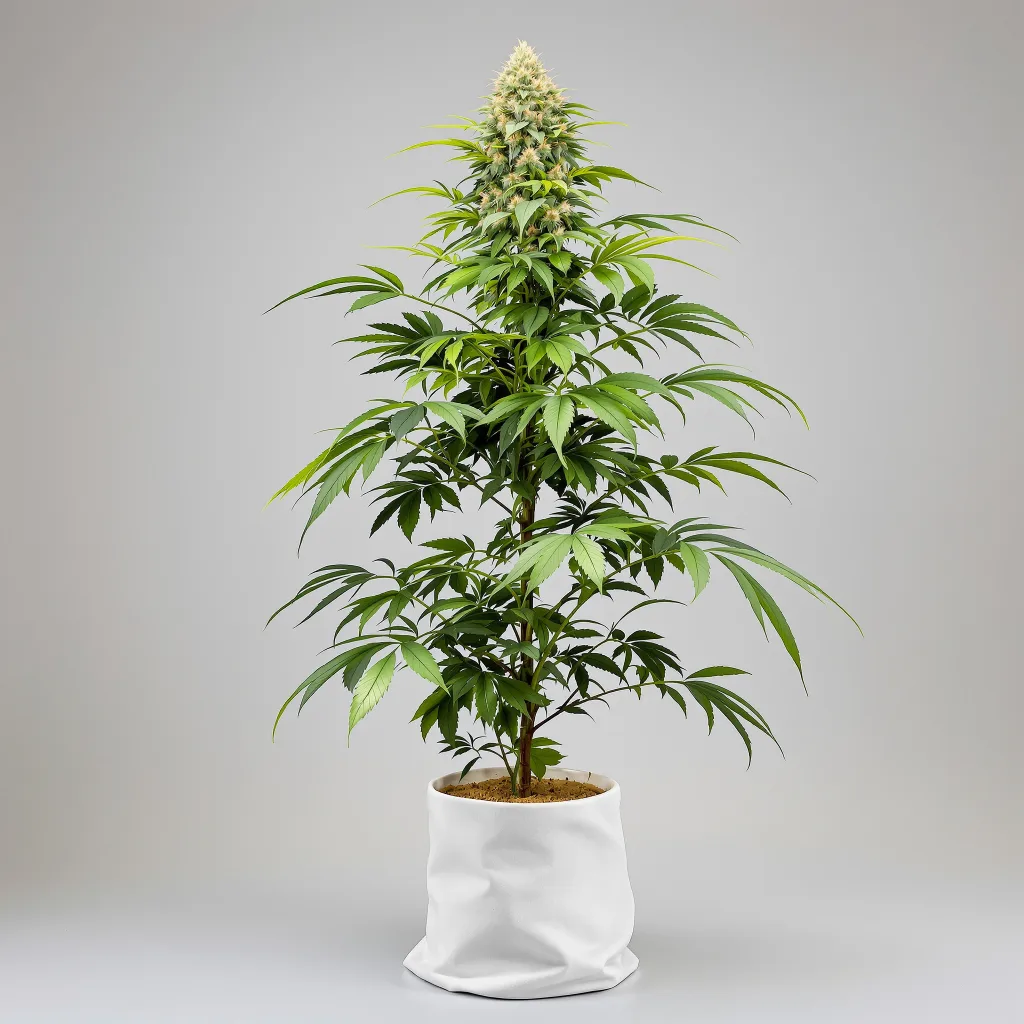
Hand-picked seeds from our catalog that match this article's topic. Free shipping on eligible orders of $150 or more.
indica
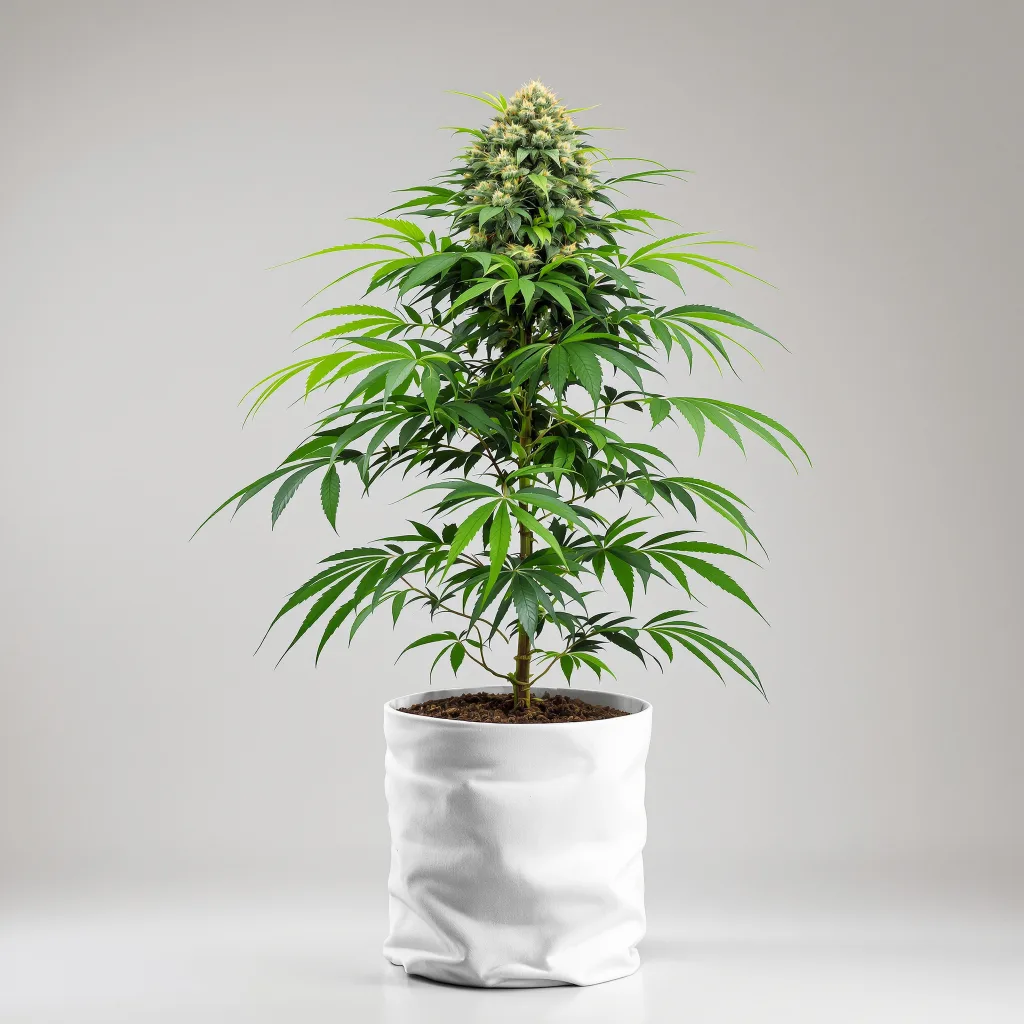
Northern Lights Auto
indica
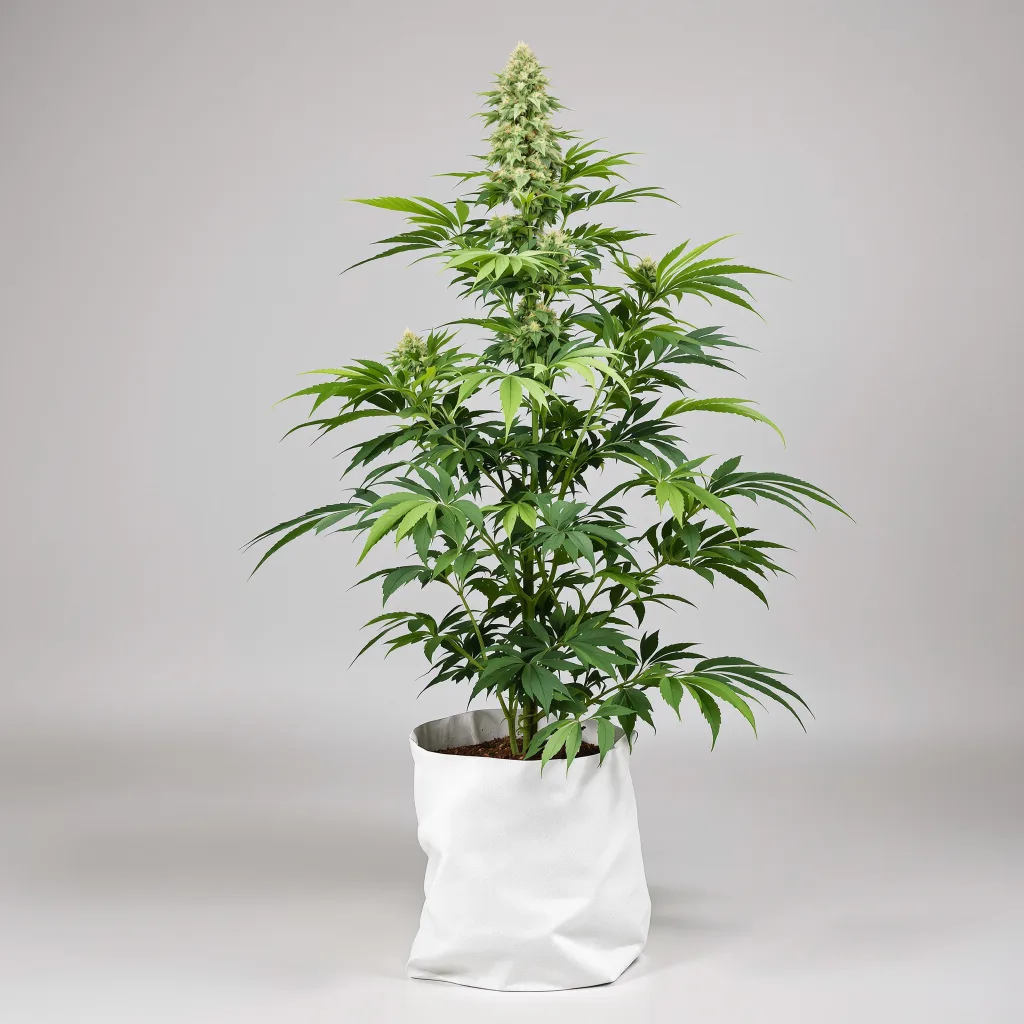
Northern Lights Feminized
hybrid
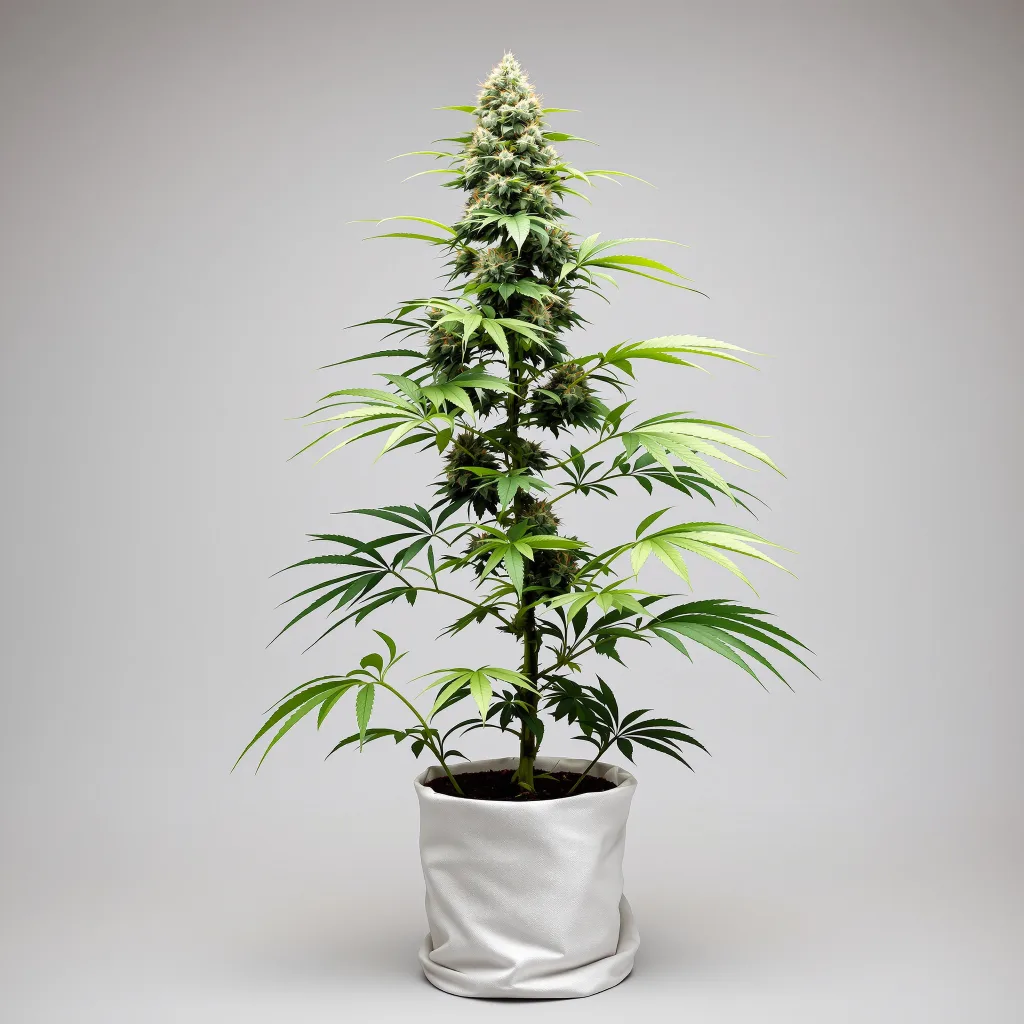
Northern Lights x Skunk Feminized
hybrid
Atomic Northern Lights Feminized
Browse the full Indica Strains collection
Premium genetics, shipped from within the US.
Related Articles
Granddaddy Purp Strain: King of Purple Weed | Royal King Seeds
strainMimosa Strain: Potent, Pretty & Flavorful | Royal King Seeds
strainBest Autoflower Strains for Zones 5 & 6 | Royal King Seeds
strainJack Herer Strain: Sativa Effects and Grow Guide | Royal King Seeds
support-growHow to LST Cannabis Plants Week by Week | Royal King Seeds
support-growCannabis Leaves Curling Down: Causes & Fixes | Royal King Seeds
Ready to Start Growing?
Shop feminized, autoflower, and CBD strains with 95% germination and free delivery on eligible orders of $150 or more.
Shop Cannabis Seeds