Northern Lights Strain Review: Effects and Grow Tips
Royal King Seeds Editorial Team
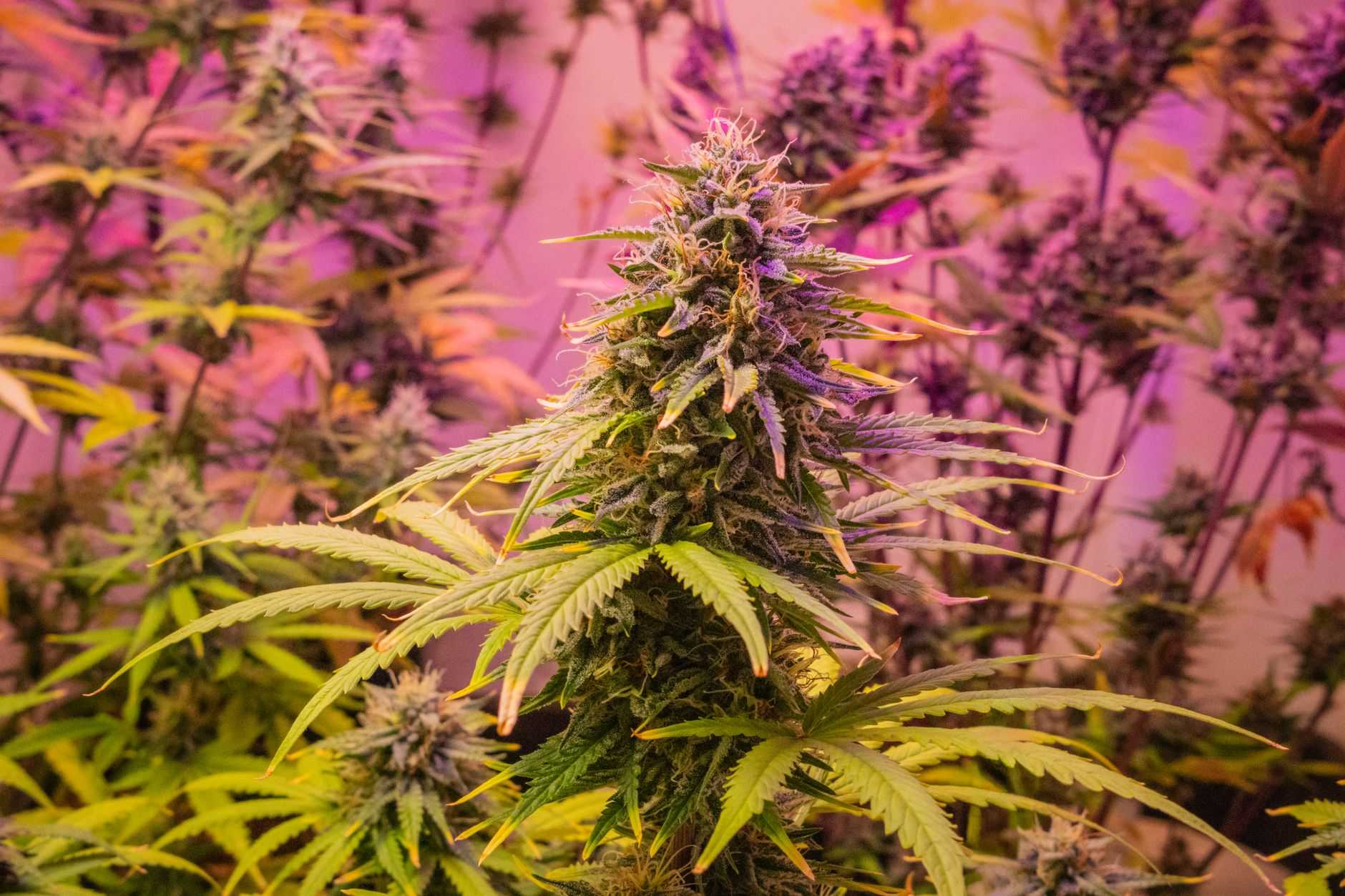
Northern Lights is indica-dominant, not a botanical pure indica, and that distinction answers most of what people search for. Its structure, resin and effect are overwhelmingly Afghani, but there is Thai sativa in the background of the line, and that is where the extra potency over a plain Afghani landrace is generally credited. Commonly published figures put it around 18-21% THC with a flowering time near seven weeks, which makes it fast, compact and unusually forgiving to grow.
The reputation is real but it has attracted mythology. Northern Lights is not a record-breaking yielder and it is not a modern high-THC cultivar. What it is, is a plant that finishes quickly, tolerates the mistakes that cost other strains a harvest, and produces dense, heavily resinous flower with a consistent earthy terpene profile that has barely changed in forty years.
Jump to Section
Quick Reference
The figures below are commonly reported ranges drawn from published seed-bank listings and grower accounts, not measurements taken by this company. Potency, yield and terpene percentages vary substantially with phenotype, environment, technique and post-harvest handling.
| Attribute | Commonly reported |
|---|---|
| Type | Indica-dominant (Afghani-led, Thai in the background) |
| THC | 18-21% |
| CBD | <1% |
| Flowering Time | 45-55 days (7-8 weeks) |
| Indoor Height | 80-120 cm (compact) |
| Indoor Yield | 450-550 g/m² |
| Outdoor Yield | 100-150 g/plant |
| Difficulty | Beginner-friendly |
| Primary Terpenes | Myrcene, caryophyllene, pinene |
| Reported character | Heavy, relaxing, evening-leaning; users generally describe it as sedating |
| Climate | Indoor preferred; handles cool, dry outdoor conditions well |
Is Northern Lights Indica or Sativa?
It is indica-dominant, and it behaves like an indica in every way a grower notices: short, wide, fast-flowering, tight internodes, dense resinous flowers. The reason you will see it described as a "pure indica" on some listings and as a hybrid on others is that the line was built from Afghani material with Thai sativa introduced somewhere in its history. Our own catalog listing for Northern Lights Feminized puts it at roughly 81% indica. Treat "pure indica" as marketing shorthand for how the plant grows, not as a statement about its ancestry.
Genetics and Lineage
Published histories of the strain are not fully documented and should be read with that in mind. The account most often repeated traces the original selections to the Pacific Northwest of the United States in the 1970s, with the line later taken to the Netherlands, where Dutch breeders stabilized it during the 1980s and released it commercially.
Multiple numbered phenotypes circulated, and Northern Lights #5 became the reference point that most breeders mean when they say "Northern Lights". None of this early history rests on primary documentation, and different seed banks tell it differently.
What is not in dispute is the influence. Northern Lights has been used as a parent more widely than almost any other line. Shiva Skunk, Super Silver Haze and Jack Herer all carry it, and its structural fingerprint, compact frame, fast finish, heavy resin, runs through a large share of the modern hybrid gene pool. Clarke and Merlin's Cannabis: Evolution and Ethnobotany (University of California Press, 2013) is the standard reference for how Afghani material of this type moved into Western breeding programs.
We stock several expressions of the line: Northern Lights Feminized for the classic photoperiod plant, Northern Lights Auto for a fixed-timeline version, and Atomic Northern Lights Feminized as a more hybrid-leaning cross.
Terpene Profile and Flavor
Northern Lights produces a straightforward, unmistakably indica aroma. The nose is earthy and slightly sweet, with resinous pine underneath that deepens through the cure. A faint dried-herb spice sits in the background from the caryophyllene fraction, and fresh flower carries a musk that intensifies in the jar over the first couple of weeks.
Myrcene leads the profile and drives the earthy, musty character most people identify with the strain. Myrcene is often described as contributing to the heavy, sedating quality of myrcene-dominant cannabis. It is worth being precise about the status of that idea: Ethan Russo's 2011 review in the British Journal of Pharmacology set out a series of proposed cannabinoid-terpenoid interactions, including a suggestion that myrcene may increase blood-brain barrier permeability. Those are hypotheses drawn together from earlier work, not established findings in humans, and they should be read that way.
Beta-caryophyllene adds the spice and depth. It is unusual among terpenes in binding the CB2 receptor, which is why it appears so often in cannabis research discussion. Whether that translates into any effect a consumer would notice at the concentrations present in flower is not settled.
Alpha-pinene appears in smaller amounts and contributes the clean pine note. Russo's same 2011 review discusses a proposed role for alpha-pinene in moderating short-term memory effects of THC; again, this is a proposed mechanism rather than a demonstrated outcome.
On smoke or vapor the strain expresses as smooth, cool and distinctly woody. It does not have the fruit or candy complexity of modern hybrids. It tastes like what it is: a classic indica with decades of breeding stability behind it.
Growing Guide
Northern Lights is the strain that built the reputation of beginner-friendly indica cultivation, and the reputation is earned. The plant is compact, finishes quickly and tolerates errors that cost other strains their harvest.
Structure and schedule. Four weeks of veg under 18/6 before the flip is a common starting point, and the stretch is modest, typically a 20-40% height increase from flip to finish. The plant branches readily once the main cola is topped early, and low-stress training opens the canopy without the long recovery that more sensitive hybrids need. It is not a heavy feeder and it does not reward complex nutrient programs; clean fundamentals produce most of the available result.
Environment. Northern Lights prefers cooler rooms than many modern hybrids. Flower-phase daytime temperatures around 21-24C (70-75F) with a 5-8C night drop suit it well. It is notably tolerant of low humidity, which makes it a good choice for dry climates and a useful one wherever late-flower moisture is the constraint.
Training. The compact structure responds well to topping at node 4-5 and simple LST to spread the canopy. A screen works but needs a shorter veg period than growers expect; the plant fills a 4x4 screen quickly and is ready to flip sooner than a stretchier hybrid. Avoid heavy defoliation, because Northern Lights produces fewer fan leaves than taller hybrids and can be set back by aggressive stripping.
Mold pressure in dense flower. The trait that makes this plant attractive, tight resinous colas, is the same trait that makes it vulnerable in humid air. In a wet coastal autumn, or in an indoor room where humidity climbs overnight, botrytis establishes in the interior of a dense cola before anything appears on the outside. Keep late-flower RH below 50%, move air through the canopy rather than across it, and open the centers of the densest colas weekly from week 5. If you do find rot, that material is not recoverable: moldy cannabis must not be smoked, vaped or extracted, and trimming away the visible part does not make the remainder safe. Our guide to identifying, preventing and safely disposing of mold in cannabis covers the health side properly.
Harvest. Trichomes typically reach peak cloudiness around day 45-50, with amber beginning to appear from roughly day 50-55. The calyx-to-leaf ratio is good and trim weight is low. Harvesting at mostly cloudy with a small amber fraction gives the fullest expression; letting amber climb pushes the character heavier and lowers THC as it converts. The trichome and harvest timing guide covers how to read the window.
Common mistakes. Overfeeding nitrogen in bloom is the main one; the tight structure and fast metabolism mean this plant does not carry nitrogen excess gracefully, so watch for clawing in weeks 2-3 of flower and pull back early. The other is cutting too soon, because the seven-week reputation leads people to chop at day 45 before trichome development has finished.
Reported Effect Profile
What follows describes how consumers commonly report the experience. It is not medical guidance, and nothing here is a claim that this or any cultivar treats a condition. If you are considering cannabis for a health reason, that is a conversation for a qualified clinician.
Northern Lights is typically described as a heavy, full-body experience with a gradual onset that builds over ten to twenty minutes rather than arriving at once. Users generally report relaxation that starts in the shoulders and spreads downward, with a quiet mental character rather than an active head effect. The couch-lock reputation shows up at higher doses; at moderate amounts it is more often described as deeply relaxed without much cognitive interference.
Duration is commonly reported at two to three hours, with residual physical relaxation for another hour or two afterward. Consistency is the recurring theme in accounts of this strain, and it is a large part of why it has stayed in cultivation. Most people describe it as an evening cultivar rather than a daytime one.
Northern Lights vs Similar Genetics
| Strain | THC (reported) | Flower Time | Difficulty | Key Difference |
|---|---|---|---|---|
| Northern Lights | 18-21% | 7 weeks | Beginner | Among the fastest-finishing indica-dominant classics, very consistent terpene expression |
| Afghani | 15-18% | 7-8 weeks | Beginner | Background genetics, heavier resin, lower THC, earthier profile |
| Granddaddy Purple | 17-21% | 8-9 weeks | Intermediate | More complex fruit terpenes, purple coloration, slower finish |
| Blueberry | 17-20% | 8-9 weeks | Intermediate | Fruity profile, similar weight of effect, needs more nutrient precision |
| OG Kush | 20-25% | 8-9 weeks | Intermediate | Higher THC, more complex terpenes, noticeably harder to grow well |
Who Should Grow Northern Lights, and Who Should Skip It
Grow it if: this is your first indoor run and you want a result rather than an education. You have a 2x2 or 3x3 and need a plant that stays compact. You want a seven-week flower without giving up quality. You would rather have a genetic with decades of documented grower experience behind it than something released last season.
Skip it if: you are chasing peak THC, because newer hybrids consistently test higher. You want a fruity or complex terpene profile. You are growing outdoors in a hot, humid climate where dense indica flowers are exposed to late-season rot. Or you are optimizing purely for grams per square meter, where other options do better.
Myth vs Reality
References: Russo, E.B. (2011). "Taming THC: potential cannabis synergy and phytocannabinoid-terpenoid entourage effects." British Journal of Pharmacology, 163(7), 1344-1364. | Clarke, R.C. & Merlin, M.D. (2013). Cannabis: Evolution and Ethnobotany. University of California Press.
Frequently Asked Questions
Is Northern Lights a sativa or an indica?
How long does Northern Lights take to flower?
How strong is Northern Lights?
Is Northern Lights good for beginners?
Can I grow Northern Lights outdoors?
What is the difference between Northern Lights and Northern Lights Auto?
How does Northern Lights compare to White Widow?
Shop Strains Featured in This Guide
Hand-picked seeds from our catalog that match this article's topic. Free shipping on eligible orders of $150 or more.
indica
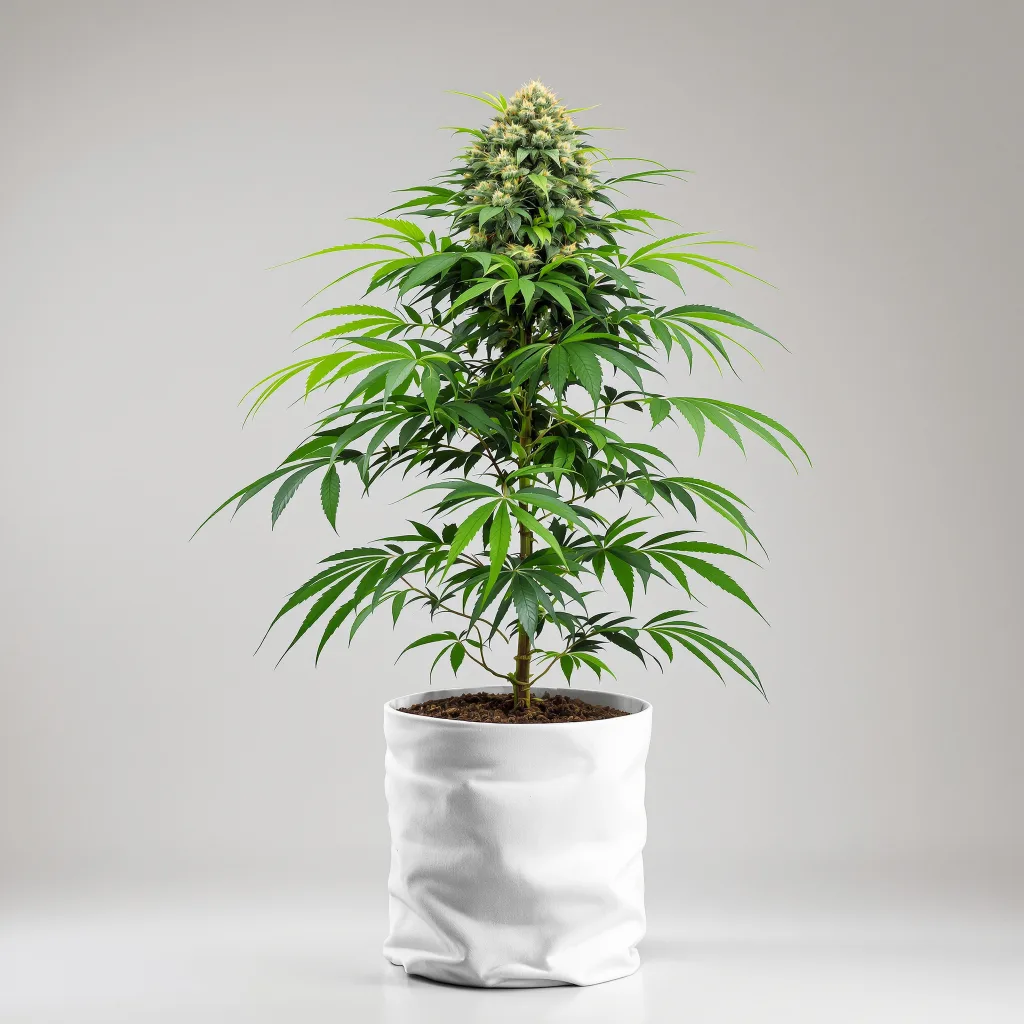
Northern Lights Feminized
hybrid
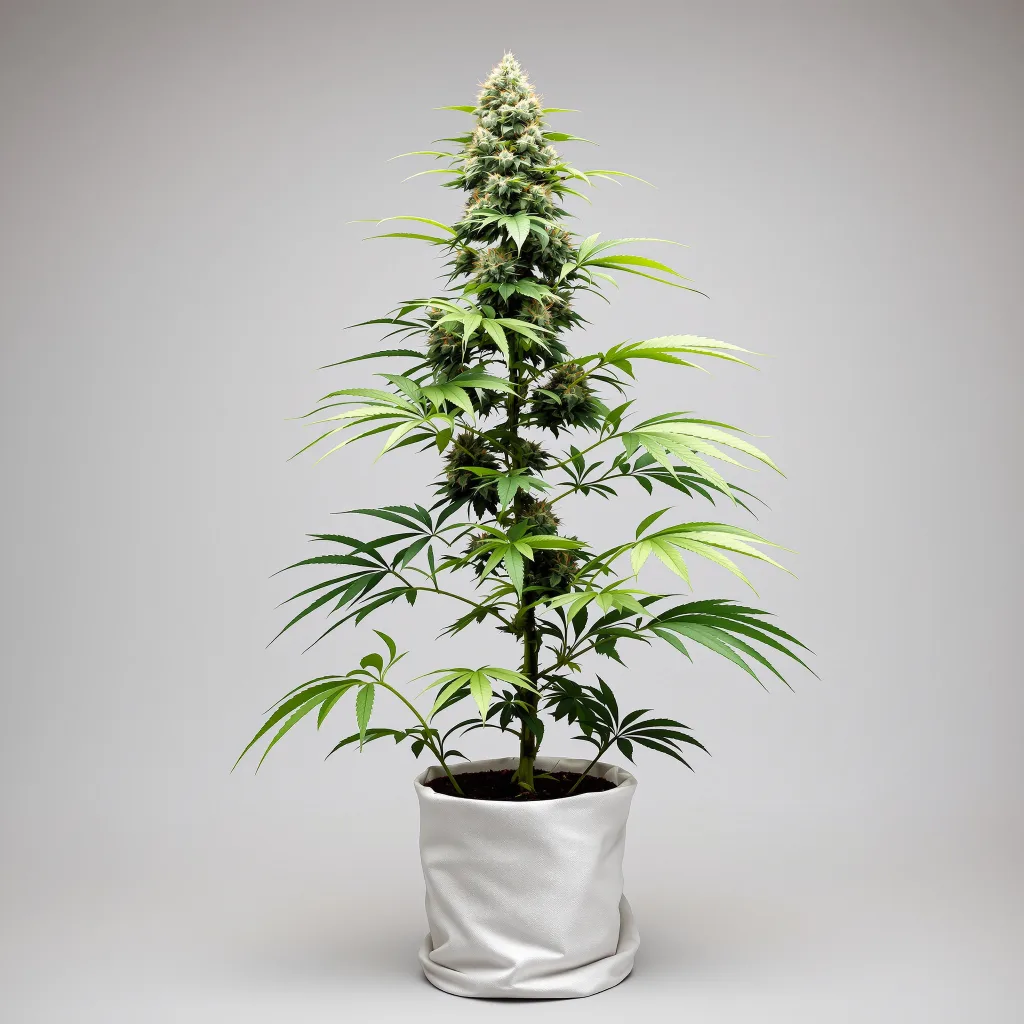
Atomic Northern Lights Feminized
hybrid
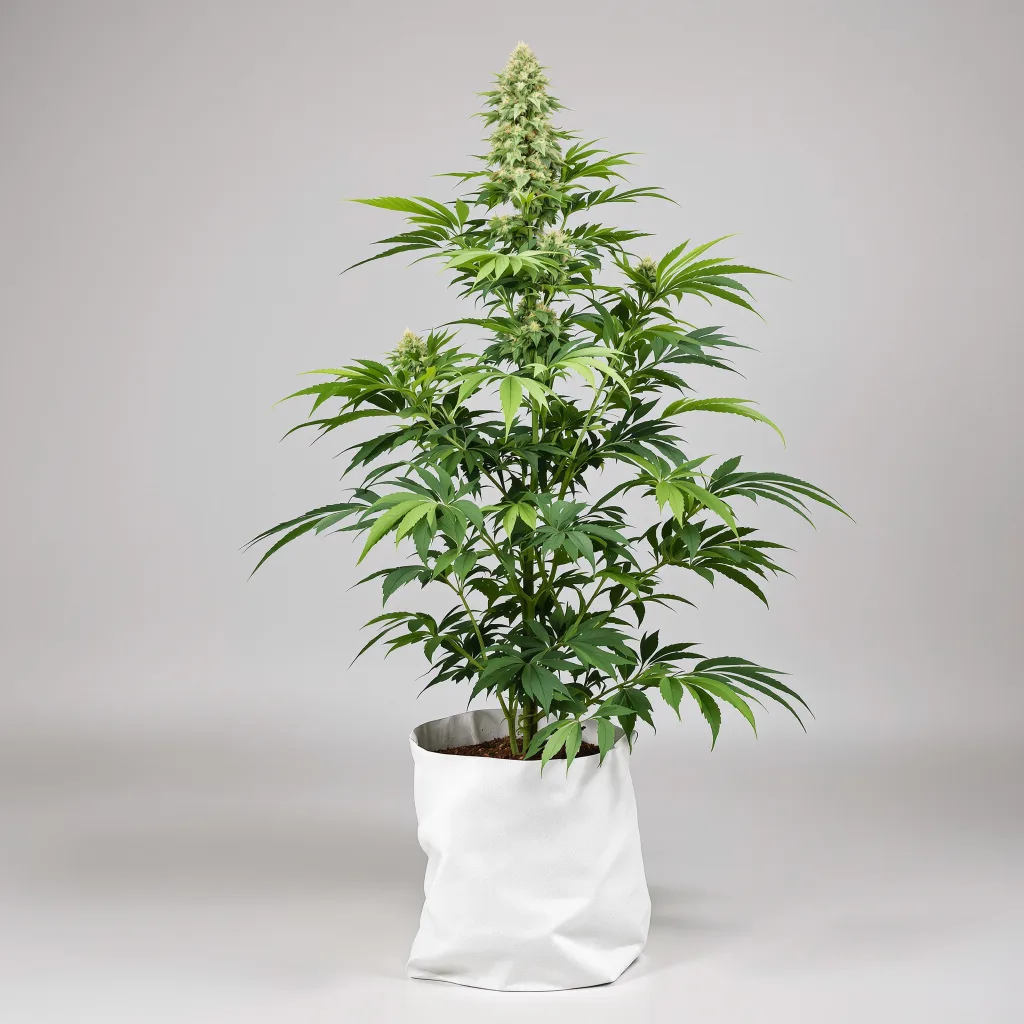
Northern Lights x Skunk Feminized
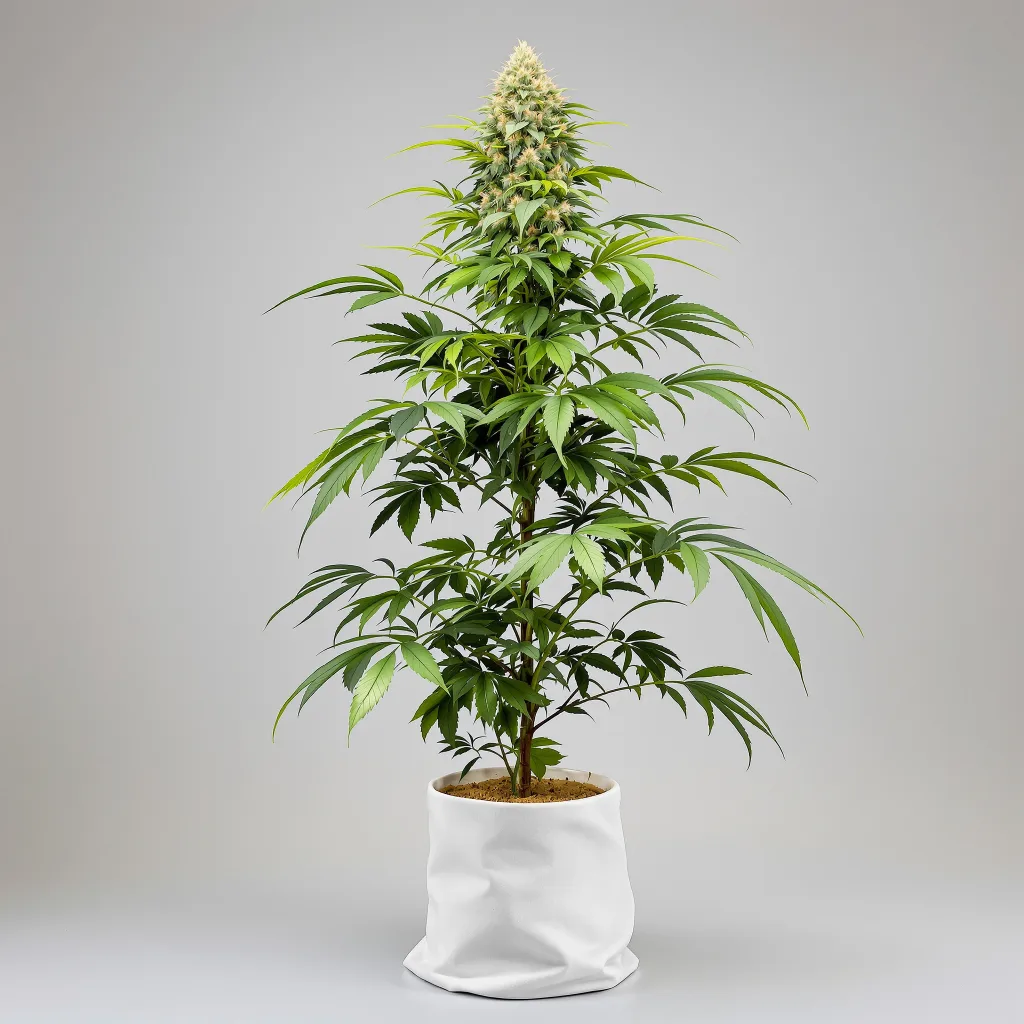
indica
Northern Lights Auto
Browse the full All Cannabis Seeds collection
Premium genetics, shipped from within the US.
Related Articles
Mystic Kush Strain Review, Effects, Yield & Grow Tips
strainAllen Wrench Strain Review, Effects, THC, Genetics & Seeds
strainAmnesia Strain Review, Effects, THC, Yield & Where to Buy Seeds
strainSour Diesel Strain: Effects, Grow Guide and Review | Royal King Seeds
strainWedding Cake Strain Review: Effects and Grow Tips | Royal King Seeds
cannabinoidTHC and Cannabis Testing Devices
Ready to Start Growing?
Shop feminized, autoflower, and CBD strains with 95% germination and free delivery on eligible orders of $150 or more.
Shop Cannabis Seeds