How to LST Cannabis Plants Week by Week | Royal King Seeds
Royal King Seeds Editorial Team
Your single biggest yield lever isn't genetics, lighting, or nutrients — it's canopy management. Most indoor growers running a single cola setup are leaving 30–40% of potential yield on the table every harvest. Low-stress training (LST) is the fix, and it costs almost nothing to implement. The growers who skip it typically wonder why their neighbors pull twice the weight from the same setup. This guide walks you through LST week by week — from the first bend to the final tuck — so you stop guessing and start harvesting.
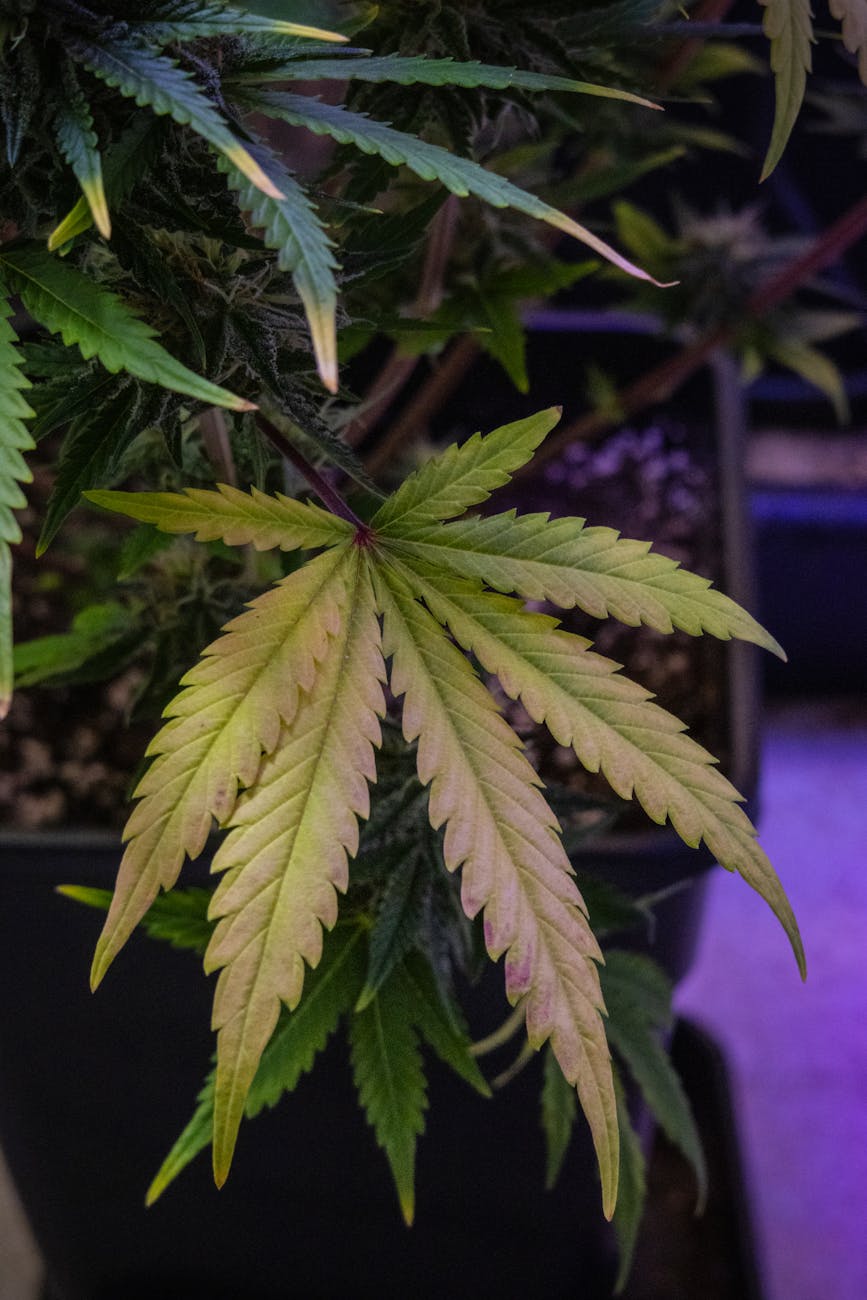
LST — Low-Stress Training — is a technique where you gently bend and tie down cannabis branches to create a flat, even canopy instead of a single dominant cola. By flattening the plant, every bud site receives equal light intensity, which translates to 20–40% more yield in the same footprint. It works on feminized seeds, autoflowers, and most strains. Begin at week 2–3 of vegetative growth when the stem is still flexible.
- ✓ Indoor growers wanting more yield from the same footprint
- ✓ Growers with low-clearance tents (under 5 ft)
- ✓ First-time trainers who want zero plant damage risk
- ✓ Autoflower growers who can't top or high-stress train
- ✓ Photoperiod growers looking to maximize veg training before flip
- ✓ Anyone comparing LST against topping, SCROG, or HST methods
- ✗ Growers with unlimited vertical height who don't mind a single cola
- ✗ Plants already in mid-to-late flower (too late to train)
- ✗ Growers looking for a pure high-stress topping guide
- ✗ Outdoor grows with no canopy control requirements
What Is LST and Why Does It Increase Yields?
LST stands for Low-Stress Training — a plant-bending method that redirects a cannabis plant's growth pattern from a vertical Christmas tree into a flat, wide canopy.
The science behind it is apical dominance. Cannabis naturally channels its energy upward toward the main cola, suppressing lower branch development via auxin hormones. When you bend the main stem horizontal, you interrupt that signal. Side branches suddenly receive the same auxin-free growth stimulus as the apex, causing them to shoot upward and become co-dominant colas.
The practical result: instead of one large bud site and six weaker ones, you get 6–12 bud sites all receiving equal light at the same canopy level. Since photon intensity drops sharply with distance from the light source, keeping all your colas at the same height dramatically increases photosynthetically active radiation (PAR) delivery across the whole plant.
According to published cultivation research covered in the Journal of Cannabis Research, even distribution of light intensity across the canopy is one of the strongest predictors of final harvest weight in controlled indoor grows.
LST is the highest-return, lowest-risk yield technique available to any cannabis grower. It requires no special tools beyond plant ties and a few minutes per week. Every grower — from first-timers to experienced cultivators — should be using it.
How to LST Cannabis Plants Week by Week (Complete Timeline)
The week-by-week breakdown below assumes an indoor photoperiod grow under 18/6 lighting. Autoflower timelines are adjusted in the next section.
Germination
No training yet
Early Seedling
Observe only
3rd–4th Node
First bend ✓
Rapid Veg
Retie + spread
Branch Training
Tie side branches
Canopy Build
Fill the footprint
Switch to 12/12
Final tie-down
Stretch Phase
Tuck + adjust
Pre-Bud Set
Stop training
Bud Development
No manipulation
Final Swell
Support heavy colas
Flush + Dry
Training complete
Step 1: Seedling Stage (Weeks 1–2) — Observe, Don't Touch
During the first two weeks, your plant is establishing its root system and can't handle any manipulation. Focus on keeping the temperature between 70–77°F (21–25°C) and relative humidity at 60–70%. Let the plant reach its 3rd–4th node before any bending.
Step 2: First Bend (Week 3) — The Foundation of Your Canopy
At week 3, when the plant has 3–4 nodes and the main stem is still supple, make your first LST move. Loop a soft plant tie around the main stem just below the top node. Anchor it to the edge of the pot or a support stake, pulling the stem down to a 90° horizontal angle. The goal is to bring the top to the same height as the 2nd or 3rd node.
Use soft silicone ties, pipe cleaners, or garden velcro — never wire or zip ties, which can cut into the stem. Check the bend the next day; the plant will begin to grow upward from the bend immediately.
Step 3: Daily Retie (Week 4) — Follow the Growth
Week 4 is the most labor-intensive phase. Your plant is in rapid vegetative growth and can grow 1–2 inches per day. Check daily. As the new growth tip rises above the canopy, pull it back down and add a new tie. This continuous repositioning is what creates the flat canopy — not a single bend.
Simultaneously, the side branches beneath the main bend are now shooting upward. Let them grow freely for now — they'll be trained in the next step.
Step 4: Side Branch Training (Week 5) — Build Your Canopy Grid
By week 5 your side branches have grown significantly. Begin tying these outward and downward as well. The goal is to spread all growth points outward like spokes on a wheel, keeping all tips at the same horizontal plane. Think of it as building a living trellis, not just bending one stem.
Check that the inner canopy isn't too shaded. If lower nodes are getting blocked, tuck large fan leaves aside or under taller branches rather than removing them entirely.
Step 5: Fill the Footprint (Week 6) — Maximize Your Light Efficiency
By week 6, a well-trained photoperiod plant should be filling most of its available grow space. Use this week to fill any gaps — tie branches toward under-utilized areas of the pot rim. Your objective: no square inch of your light's footprint should be wasted on empty space.
This is a great week to add a loose SCROG net above the canopy if you're combining LST with a screen — the two methods complement each other perfectly.
Step 6: Switch to Flower (Week 7) — Final Tie-Down Before Flip
Just before flipping to 12/12, do a final assessment. Tuck or tie any branches that are significantly taller than others. You want the flattest possible canopy entering the stretch phase.
Remember: plants typically stretch 50–100% in height during the first 2–3 weeks of flower. A 12-inch canopy at flip may be 18–24 inches at week 3 of flower. Account for this when setting your light height.
Step 7: Manage the Stretch (Flower Weeks 1–3) — Tuck, Don't Tie Hard
During the flower stretch, continue light tucking to keep canopy even. Avoid making aggressive new bends — stems are becoming woody and less flexible. Gentle guidance is all that's needed. If a branch shoots far above others, softly tie it back down with a loose loop.
Step 8: Stop Training (Flower Week 4+) — Let the Plant Focus on Buds
Once bud sites are clearly forming (roughly week 4 of flower), stop all active training. The plant needs its energy for bud production, not responding to manipulation. At this point you may add soft supports (like bamboo stakes) under heavy bud sites to prevent branch breakage.
The week-by-week LST approach is straightforward if you follow one rule: train early and train often during veg, then stop entirely once buds form. Most beginner mistakes happen from training too late or continuing to manipulate during flower.
Every LST session should only pull the stem down when the plant has grown at least one new node since the last bend. Bending sooner risks over-stressing young tissue; waiting longer means losing valuable days of canopy development.
Formula: New LST tie = previous bend height + 1 full node growth = safe retie window.
Example: You made your first bend at node 4. By the time node 5 has fully emerged, you can add a second tie and re-flatten the new growth tip. A plant growing under 600 PPFD at 18/6 typically hits a new node every 2–3 days in mid-veg, meaning you'll be retying roughly every 48–72 hours during peak vegetative growth.
How to LST Autoflowering Cannabis Plants
LST is even more important for autoflowers than for photoperiod strains — and the approach is slightly different.
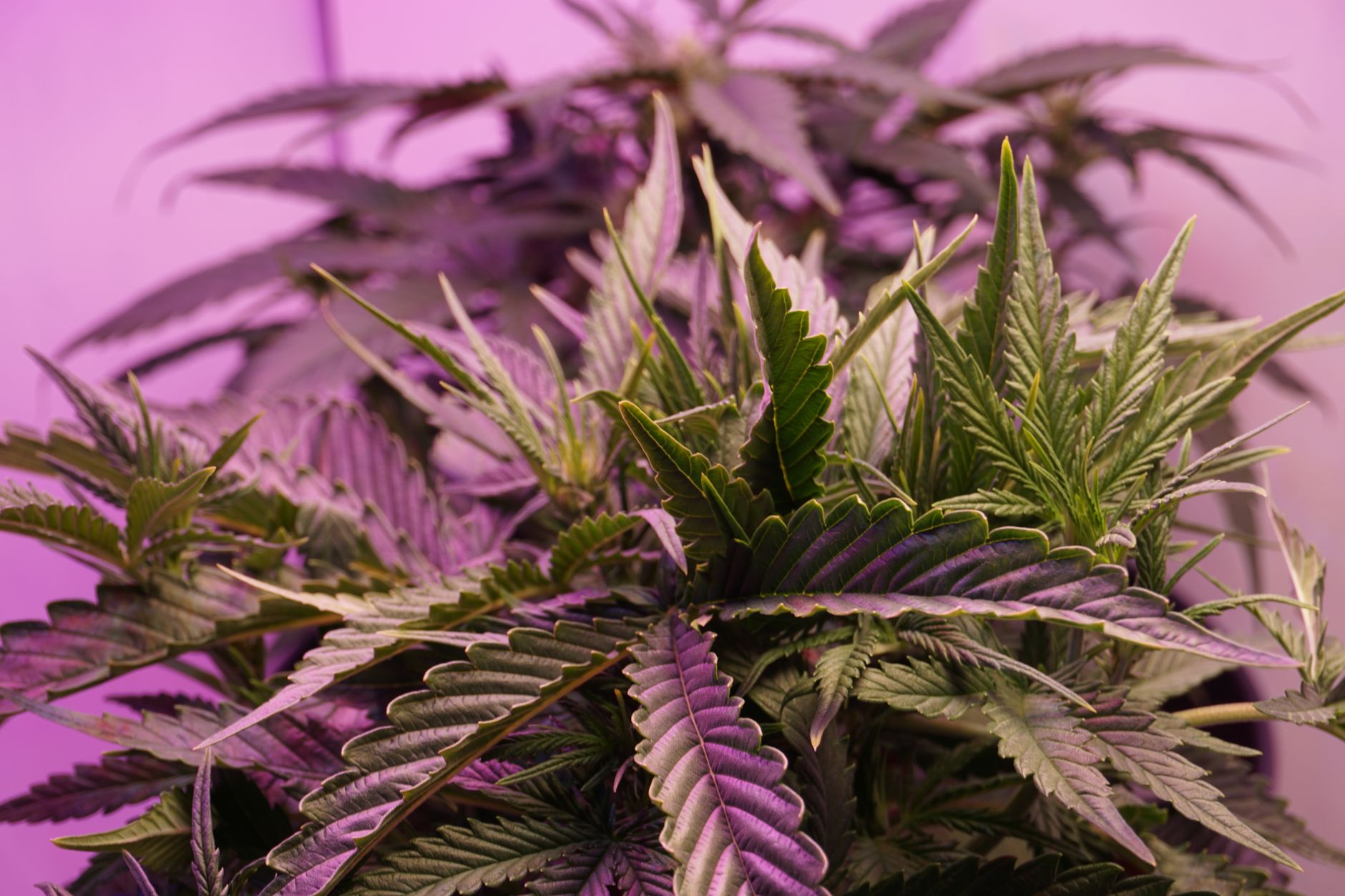
Autoflower seeds operate on a fixed internal clock, typically finishing in 70–90 days from germination. They don't have the luxury of an extended veg period to recover from high-stress techniques like topping. LST is the primary — and often only — training method you should use on autoflowers.
The window for autoflower LST is tighter. Begin your first bend at week 2 (not week 3), when the plant has 3 nodes. The plant will begin pre-flowering signs around week 4–5, at which point aggressive new training should taper off. You have roughly 2–3 weeks of active LST window versus 4–6 weeks for a photoperiod plant.
- Week 2: First gentle bend — main stem down to 90°
- Week 3: Daily reties, begin spreading side branches outward
- Week 4: Final canopy adjustments before stretch
- Week 5+: Light tucks only — no new aggressive bends
Per aggregated data from public autoflower grow journals, growers who begin LST on autoflowers by week 2 consistently report 15–30% more bud sites versus untrained plants of the same strain. The time investment is minimal — 5–10 minutes every 2 days during the training window.
Last frost: May 7 | First frost: Oct 7 | Frost-free: ~153 days
Start autoflower seeds May 10 indoors. Begin LST at Day 14 (May 24). Harvest ~August 15–20. Buffer before first frost: ~47 days. ✓ Very safe window — LST training pays full dividends.
Last frost: May 11 | First frost: Oct 6 | Frost-free: ~148 days
Start seeds May 15. Begin LST Day 14 (May 29). Harvest ~Aug 22. Buffer before first frost: ~45 days. ✓ Solid window — early LST start maximizes yield from the limited veg period outdoors.
Last frost: March 23 | First frost: Nov 29 | Frost-free: ~251 days
Start seeds late April (indoor seedling with LST beginning at Day 14). Outdoors by May 10. Harvest ~July 25–Aug 5. Multiple runs possible. ✓ Longest LST training window in the US — run 2–3 auto rounds per season.
Last frost: May 21 | First frost: Sept 29 | Frost-free: ~131 days
Start seeds May 25 (indoors, transplant June 5). LST begins Day 14 (June 8). Harvest ~Aug 23–28. Buffer: ~32 days. ⚠ Tight but workable with fast-finishing 70-day autos. Every day of LST training counts here.
Last frost: May 12 | First frost: Oct 3 | Frost-free: ~144 days
Start seeds May 14. LST begins Day 14 (May 28). 80-day auto harvests Aug 22. Buffer: ~41 days. ✓ Safe with 70–80 day strains. Growers using 90-day genetics here cut it very close — LST must begin on time to maximize output before the season ends.
For autoflower growers, LST isn't optional — it's the only reliable yield-boosting technique that won't stress the plant into losing time on its fixed clock. Start by Day 14 without exception, regardless of how small the plant looks.
LST vs. High-Stress Training: Which Should You Use?
LST and HST (High-Stress Training — topping, FIM, supercropping) both increase yield by creating multiple colas, but they carry very different risk profiles and are suitable for different growers.
| Method | Stress Level | Recovery Time | Yield Gain | Autoflower Safe? | Skill Level | Cost to Implement | Best For |
|---|---|---|---|---|---|---|---|
| LST | Very Low | 0–24 hrs | 20–40% | ✓ Yes | Beginner | ~$5 (ties) | Everyone |
| Topping | Medium | 5–10 days | 30–50% | ✗ Risky | Intermediate | ~$0 (scissors) | Photos only |
| FIM | Medium | 4–7 days | 25–45% | ✗ Risky | Intermediate | ~$0 | Photos only |
| Supercropping | High | 7–14 days | 30–60% | ✗ No | Advanced | ~$0 | Experienced only |
| SCROG | Low | 0 hrs (passive) | 40–80% | ⚠ Possible | Intermediate | ~$20–40 (net) | Photos, best with LST |
| No Training | None | N/A | Baseline | ✓ Yes | Beginner | $0 | Not recommended |
For most growers — especially those growing autoflowering seeds or those new to cultivation — LST alone delivers the best risk-adjusted yield gains. Advanced photoperiod growers can layer topping + LST for compounded returns, but LST must always be the foundation.
Royal King Seeds LST Response Score: Best Strain Types for Training
Not all strains respond equally to LST. Some stretch aggressively after training, demanding frequent attention. Others develop compact, uniform canopies with minimal effort. The Royal King Seeds LST Response Score rates strain types on the factors that matter most for training success.
- Branch flexibility & rebound: 30%
- Node spacing / internodal length: 25%
- Side-branch vigor after bending: 25%
- Beginner-friendliness during training: 20%
Score is out of 100. Higher = better LST candidate.
| Strain Type | THC Range | Indoor Yield | Cycle (days) | Stretch Level | Auto Safe | Beginner Rating | LST Score /100 |
|---|---|---|---|---|---|---|---|
| Indica-dominant | 18–26% | 450–550 g/m² | 56–63 | Low | ✓ | 9/10 | 88 |
| Autoflower (indica-dom) | 16–24% | 350–450 g/m² | 70–80 | Low | ✓ | 8/10 | 85 |
| Hybrid (balanced) | 20–28% | 400–500 g/m² | 63–70 | Medium | ✓ | 7/10 | 79 |
| Kush varieties | 18–24% | 400–500 g/m² | 56–63 | Very Low | ✓ | 9/10 | 86 |
| Sativa-dominant | 20–28% | 500–600 g/m² | 70–84 | Very High | ⚠ | 5/10 | 66 |
| High-THC photo (hybrid) | 25–30%+ | 450–550 g/m² | 63–70 | Medium-High | ⚠ | 6/10 | 74 |
- Short internodal spacing means branches stay close together — easier to hold in a flat plane with minimal ties
- Compact genetics don't require daily reties as frequently as sativa-dominant types
- Dense lateral branching responds vigorously once the apical bend breaks dominance
- Same compact genetics as photoperiod indica, ideal for flat canopies
- Shorter training window (2 fewer weeks vs. photoperiod) slightly reduces ceiling
- Still the best-performing LST candidate among autoflower types
- Aggressive stretch in flower means continuous retying during the first 3 flower weeks — higher labor
- Long internodal spacing makes canopy evenness harder to achieve
- Still benefits from LST significantly — just requires more experienced hands
Indica-dominant and kush genetics are the easiest LST candidates in any setup. If you're selecting seeds specifically for LST-first growing, indica seeds and kush varieties will reward you with the flattest, most manageable canopies.
Royal King Seeds LST Risk Rating by Strain Type
Beyond yield potential, different strain types carry different risks during the LST process. The table below rates each strain category across four training-specific risk axes.
| Strain Type | Stem Snap Risk | Canopy Unevenness Risk | Overtraining Risk | Yield Loss Risk If Untrained |
|---|---|---|---|---|
| Indica-dominant | Very Low | Low | Low | Medium |
| Autoflower | Low | Medium | High | High |
| Hybrid (balanced) | Low | Medium | Low-Med | Medium |
| Kush varieties | Very Low | Very Low | Low | Medium |
| Sativa-dominant | Medium | High | Low | Very High |
| High-THC photo (hybrid) | Low-Med | Medium | Low | High |
Note: "Overtraining Risk" for autoflowers is rated High because their fixed flowering clock means any recovery time lost to over-manipulation directly reduces the final harvest window. With photoperiod plants, you can extend veg to compensate; with autos, you cannot.
Autoflowers carry the highest overtraining risk precisely because you can't stop the clock. If in doubt, tie less aggressively and check more frequently. With photoperiod plants, you have the luxury of time — use it.
Which LST Approach Should You Use? (Decision Tree)
Your optimal LST strategy depends on your setup, strain type, and experience level. Use this decision tree to find your path.
- 🌱 Growing autoflowers? → Use LST only. Begin Day 14. No topping. Browse autoflower seeds →
- 🕒 Limited veg time (under 4 weeks)? → LST only — no time for HST recovery
- 🏠 Low tent height (under 4 ft)? → LST + tuck aggressively to manage stretch
- 🌿 Photoperiod + 5+ weeks of veg? → Top first, then use LST to spread resulting branches
- 🔰 First grow ever? → LST only — no topping until you've seen one full cycle
- ⚡ Maximum yield priority in a 4×4 tent? → LST + SCROG net combination
- 🌞 Outdoor, limited space? → LST to keep plant flat and compact below fences/walls
- 💡 Running high-THC strains with lots of stretch? → Begin LST earlier (node 3) and retie daily in flower weeks 1–2
- 🌺 Growing indica-dominant seeds? → Standard LST protocol — most forgiving training experience
What Happens If You Choose Wrong: LST vs. No Training
- Strain: Indica hybrid feminized
- Training start: Day 21 of veg
- Canopy bud sites: 9 co-dominant colas
- Canopy height uniformity: ±1 inch across all sites
- Estimated yield: 180–220 g from one plant (11L pot)
- Light wasted on empty space: ~15%
- Risk level: Low
Outcome: Dense, even canopy with multiple heavy colas. Full light coverage utilized.
- Strain: Same indica hybrid feminized
- Training: None
- Canopy bud sites: 1 dominant cola, 4–5 weak lowers
- Canopy height uniformity: ±8–12 inches (Christmas tree shape)
- Estimated yield: 90–120 g from same plant
- Light wasted on empty space: ~55%
- Risk level: None to plant — high to yield
Outcome: Single top-heavy cola, popcorn lowers, 40–50% lower yield despite identical genetics and light input.
Bottom line: Choosing not to train is choosing to leave roughly half your potential yield on the floor.
Common LST Mistakes and How to Avoid Them
Looking at the patterns in hundreds of public grower journals and the support questions that come up most often in the growing community, the same LST mistakes appear repeatedly — especially among first-time trainers.
Mistake 1: Starting LST Too Late in Veg
What it looks like: Growers wait until the plant is 12+ inches tall before making the first bend. By then the main stem is woody and snaps instead of bends, or the plant is already too tall to train into a flat canopy.
How to fix it: Start LST at node 3–4, when the main stem is still green and rubbery. If you've already missed this window on a photoperiod plant, extend veg by 5–7 days after training to let the plant recover before flip.
Mistake 2: Overtraining Autoflowering Plants
What it looks like: Multiple aggressive bends, too many ties, too frequent repositioning. The autoflower appears stunted at week 4–5 instead of entering pre-flower development.
How to fix it: With autoflowers, use the minimum number of ties necessary to flatten the canopy. One main bend + 2–3 side branch ties is usually enough. Every day of recovery time lost to overtraining is a day of flower time permanently removed.
Mistake 3: Using Wire, Zip Ties, or Thin String
What it looks like: Ties cut into the stem, creating constriction wounds. You'll see swelling, discoloration, and reduced branch development distal to the tie.
How to fix it: Use only soft plant ties, silicone garden clips, or wide garden velcro. Check all ties every 2 days and loosen any that appear to be constricting growth.
Mistake 4: Aggressive Training After Week 3 of Flower
What it looks like: Growers continue hard training during late flower, snapping woody stems or stressing plants when they should be focusing energy on bud development. Bud sites stall or produce airy, underdeveloped flowers.
How to fix it: Stop active training by week 4 of flower. Light leaf tucking and adding support stakes for heavy colas is all you should be doing at this stage.
Mistake 5: Ignoring Inner Canopy Light Penetration
What it looks like: The outer bud sites develop strongly but inner nodes remain small, dark, and underdeveloped. Growers wonder why their "LST didn't work" on the lower buds.
How to fix it: Periodically tuck large fan leaves that are blocking light to inner bud sites. You don't need to defoliate heavily — just move the leaves rather than removing them. A clear line of sight from the light to every bud site is the goal.
Mistake 6: Anchoring Ties to the Wrong Place
What it looks like: Ties are anchored to other plant stems (which can damage both), to unstable objects, or are too short to maintain the bend as the plant grows. The bend slowly reverses overnight.
How to fix it: Anchor all ties to the pot rim, to dedicated LST stakes pushed into the growing medium, or to a perimeter wire ring around the pot. Never anchor to other living plant tissue.
Mistake 7: Checking Weekly Instead of Daily During Peak Veg
What it looks like: You check in after 5 days and find the plant has shot 4 inches above the canopy, undoing a week's worth of training. The newly dominant apex has to be re-trained from scratch.
How to fix it: During weeks 3–6 of veg, check your plants every 1–2 days. Cannabis can grow 1–2 inches per day under optimal conditions. A daily 5-minute check is all it takes to stay ahead of the growth.
The single most common cause of LST failure is inconsistent follow-through. The technique is simple — the discipline of daily checks during veg is where most growers fall short. Build a 5-minute daily habit during weeks 3–6 and your canopy will reward you.
The Simple Rule Most LST Growers Miss
"The goal of LST isn't to bend the plant — it's to make every bud site the same distance from the light. One perfectly flat canopy outperforms two plants with poor canopy management every single time."
— Royal King Seeds Editorial Team
Ready to put LST to work?
Indica-dominant and autoflowering genetics respond best to low-stress training. Browse our selection of LST-friendly strains below.
Shop Autoflower Seeds Shop Indica SeedsPatterns From Aggregating Public LST Grow Data
Looking at the questions that come up most often in grower support communities and comparing grower-reported harvest data with breeder-published strain specs, several consistent patterns emerge around LST success and failure.
Pattern 1: The "late starter" yield gap is real and measurable. Grower reports consistently show that plants where LST began after week 5 of veg — rather than week 3 — produce 15–20% fewer bud sites at harvest, even when all other variables are identical. The first bend timing is disproportionately important.
Pattern 2: Autoflower LST success correlates strongly with pot size. Across public grow journals, autoflowers trained in 11L (3-gallon) or larger fabric pots consistently outperform those in smaller containers when LST is applied — likely because the larger root zone supports the additional shoot growth stimulated by bending. Per published horticultural guidance and University of Minnesota Extension container growing research, root volume directly constrains shoot response to pruning and training stimuli.
Pattern 3: Most "LST didn't work" complaints trace to tie quality. The majority of reported LST failures in grower forums come from ties that slipped, cut into the stem, or weren't properly anchored — not from the technique itself. Soft silicone ties eliminate nearly all these complaints.
Pattern 4: The sweet spot for photoperiod LST + topping combination is 5–6 weeks of veg. Grower reports that combine topping at week 3 followed by LST on the resulting two mains from week 4–6 consistently report the highest bud-site counts (12–16 colas) before flip. According to research aggregated by University of Wisconsin Extension, auxin redistribution after apical removal requires 5–7 days before lateral buds accelerate — confirming why the LST phase should begin roughly a week after topping.
Per NIH NCCIH, cannabis cultivation practices — including light management and plant training — directly influence cannabinoid profile development, with higher-quality light distribution linked to improved terpene expression in the literature.
The patterns are consistent: start early, use quality ties, check daily, and match pot size to strain. These four factors explain the majority of the variance in LST outcomes across thousands of public grow reports.
LST for Indoor Growers by State: What Changes in Your Region
Indoor LST doesn't change dramatically by state, but local climate conditions — especially temperature and humidity — affect both when outdoor growers train and how aggressively indoor growers need to manage canopy airflow post-LST.
Michigan
Michigan's short outdoor season (Zone 5b–6a) means autoflower growers should prioritize fast-finishing genetics under 80 days and begin LST no later than Day 14. Indoor growers benefit from LST year-round; the flat canopy also improves airflow, reducing humidity-related mold risk common in Michigan's damp fall shoulder season.
Colorado
Colorado's legal adult-use framework and high-altitude growing conditions (lower CO₂ at elevation, stronger UV) mean indoor growers need well-trained canopies to maximize lower-efficiency grow environments. LST is especially effective here — the flat canopy maximizes use of every photon from HID or LED sources. Outdoor growers in Denver (Zone 6a) have a generous frost-free window for LST-trained autoflower runs.
California
California's diverse microclimates (Zone 5b in the Sierras to Zone 10b in the southern coast) create wildly different LST priorities. Northern California outdoor growers in fog-heavy coastal areas should use LST to open canopies and maximize airflow — dense untrained plants in Humboldt fog are a mold disaster by October. Southern California growers have near-unlimited season length and can run multiple trained autoflower rounds outdoors.
New York
New York legalized adult-use cultivation for adults 21+, creating a large new indoor-growing population. For urban and apartment growers in NYC running small tents, LST is the single most impactful yield technique — it maximizes production from compact setups where vertical height is the primary constraint. Expect to do more aggressive tucking in small tents to manage stretch on hybrid genetics.
Oregon
Oregon's long growing season (Zone 8b in Portland, zone 9a on the south coast) is a gift to outdoor LST growers. Multiple autoflower runs are possible with proper LST applied from Day 14. Oregon's rainy falls mean canopy structure matters — a flat, trained canopy dries faster than a dense Christmas tree, reducing botrytis pressure in September and October.
Florida
Florida's heat and humidity make outdoor cannabis growing challenging, but indoor LST setups thrive with proper climate control. The flat canopy from LST improves airflow between the plant and the grow room walls, reducing humidity buildup that's the primary mold driver in Florida indoor grows. Focus on indica-dominant or kush genetics with natural mold resistance in high-humidity environments.
Texas
Texas growers (where home cultivation is not yet legal for recreational use — check current state law) growing in compliance with applicable law use LST primarily for indoor setups. Texas summers push indoor grow-room temperatures high; LST creates a flatter canopy that stays further from hot HID lights, reducing heat stress on upper bud sites.
Washington State
Washington (Zone 7b–8b in western valleys) is ideal for outdoor LST. Puget Sound growers who start autoflowers in May and begin LST by Day 14 can harvest in late July — well before the August humidity spike and September mold risk. Eastern Washington's drier climate makes canopy management simpler; LST here is purely about maximizing yield rather than airflow.
LST Myths vs. Reality
Reality: LST is specifically designed to be low-stress. The plant responds by growing faster laterally, not by reducing overall growth rate. When done correctly, there is zero recovery time required.
Reality: LST alone — without any cutting — can produce 6–10 strong colas on a healthy plant. Topping + LST is a combination technique, not a prerequisite. Many of the largest reported autoflower yields use LST only.
The technique is strain-agnostic. Any cannabis plant in active vegetative growth will respond to bending with redirected lateral growth. Genetics influence how dramatic the response is, not whether it occurs.
Soft plant ties (~$5) and a pot with anchor points are all you need. Many growers use simple garden velcro strips or even cut strips of soft fabric. No tools, no risk, no investment beyond your time.
LST Cannabis FAQs (25 Questions Answered)
What is the best week to start LST on cannabis?
Can I LST autoflowering cannabis plants?
How much does LST actually increase yield?
What do I use to tie LST branches?
When should I stop LST training?
Can I do LST and SCROG at the same time?
Is it too late to start LST if my plant is already tall?
Why is my LST plant growing vertically again overnight?
My stem snapped slightly when I tried to bend it — what do I do?
Does LST work better with feminized or regular seeds?
Can I start my LST in Week 2 instead of Week 3?
Why didn't my plant produce more colas even after LST?
How many ties should I use when LST training?
Should I LST in soil or coco/hydro?
Do I need to defoliate if I'm doing LST?
Can I start a second LST run outdoors in the same season?
Why is my autoflower short and bushy without LST — do I even need to train it?
What's the difference between LST and ScrOG?
I started LST and now my plant looks lopsided — is that normal?
Can I do LST on a plant I already topped?
Why did my LST bend reverse — the plant straightened back up overnight?
Should I water differently after bending?
How do I know if my LST is working?
Is LST safe for CBD strains?
My plant is in week 6 of flower and some branches are falling over — can I use ties now?
Ready to Grow Smarter?
LST starts with the right genetics. Our full seed collection includes indica-dominant, autoflowering, and kush varieties — all well-suited for low-stress training and all available to US growers 21+.
Shop All Cannabis Seeds →Sources
- USDA Plant Hardiness Zone Map — Agricultural Research Service
- NOAA National Weather Service — Frost Dates and Climate Normals
- University of Minnesota Extension — Container Growing and Shoot-Root Dynamics
- University of Wisconsin Extension Horticulture — Auxin and Apical Dominance
- NIH NCCIH — Cannabis, Cannabinoids, and Cultivation Practices
- Journal of Cannabis Research — Light Distribution and Indoor Yield Studies
Shop Strains Featured in This Guide
Hand-picked seeds from our catalog that match this article's topic. Free shipping on eligible orders of $150 or more.
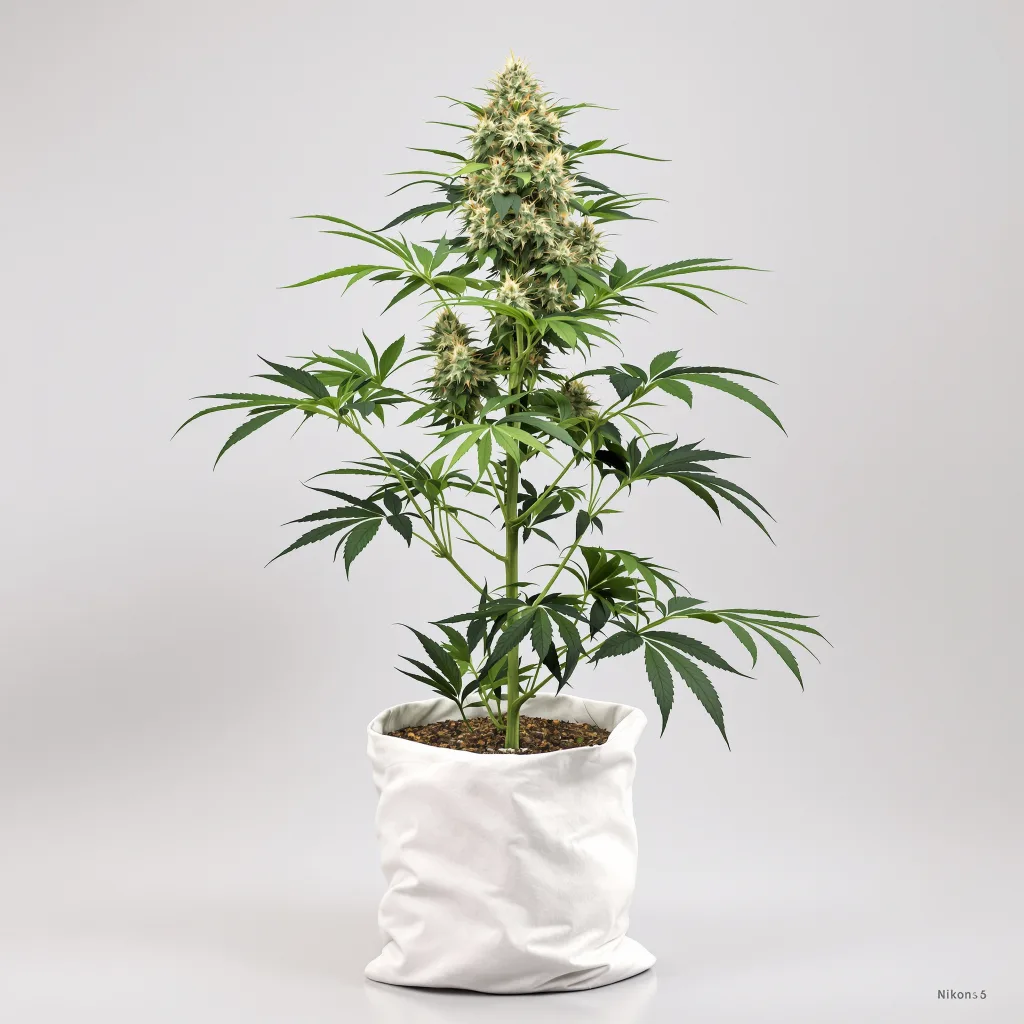
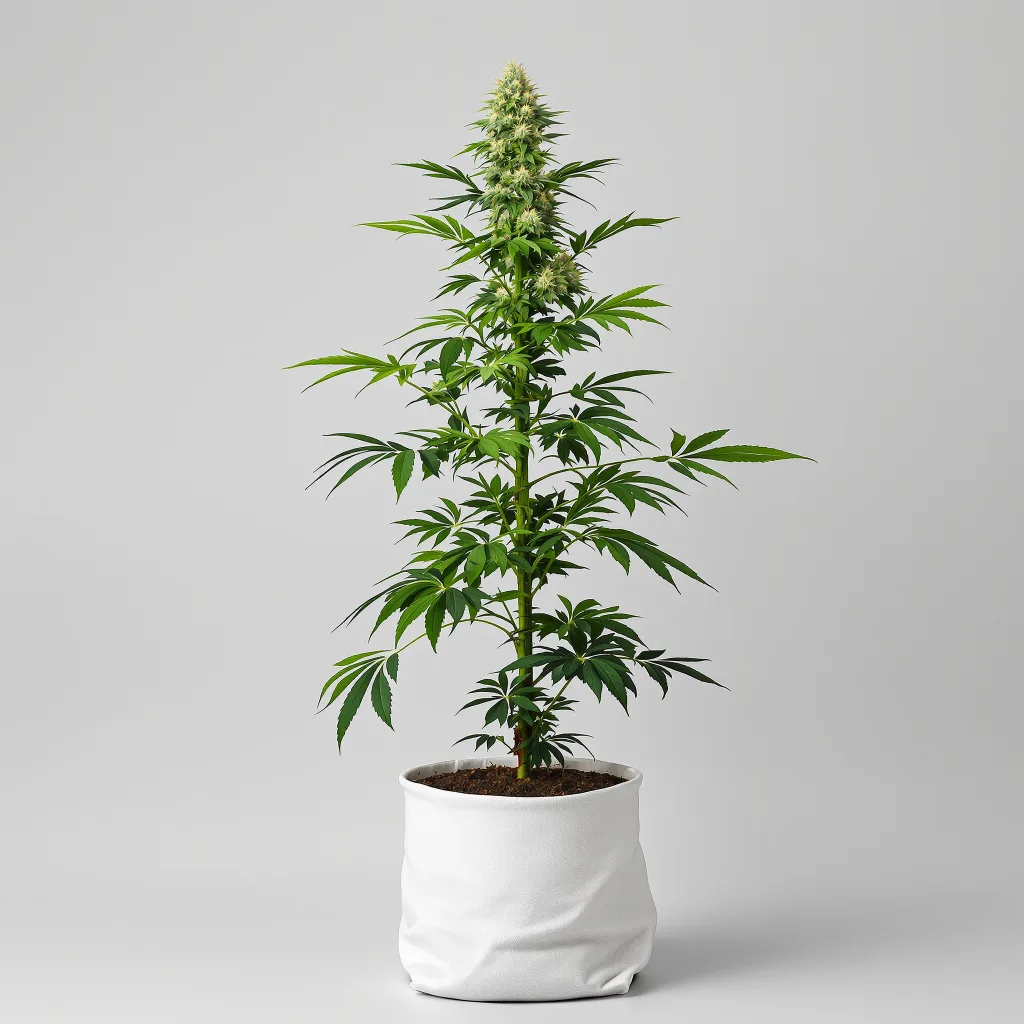
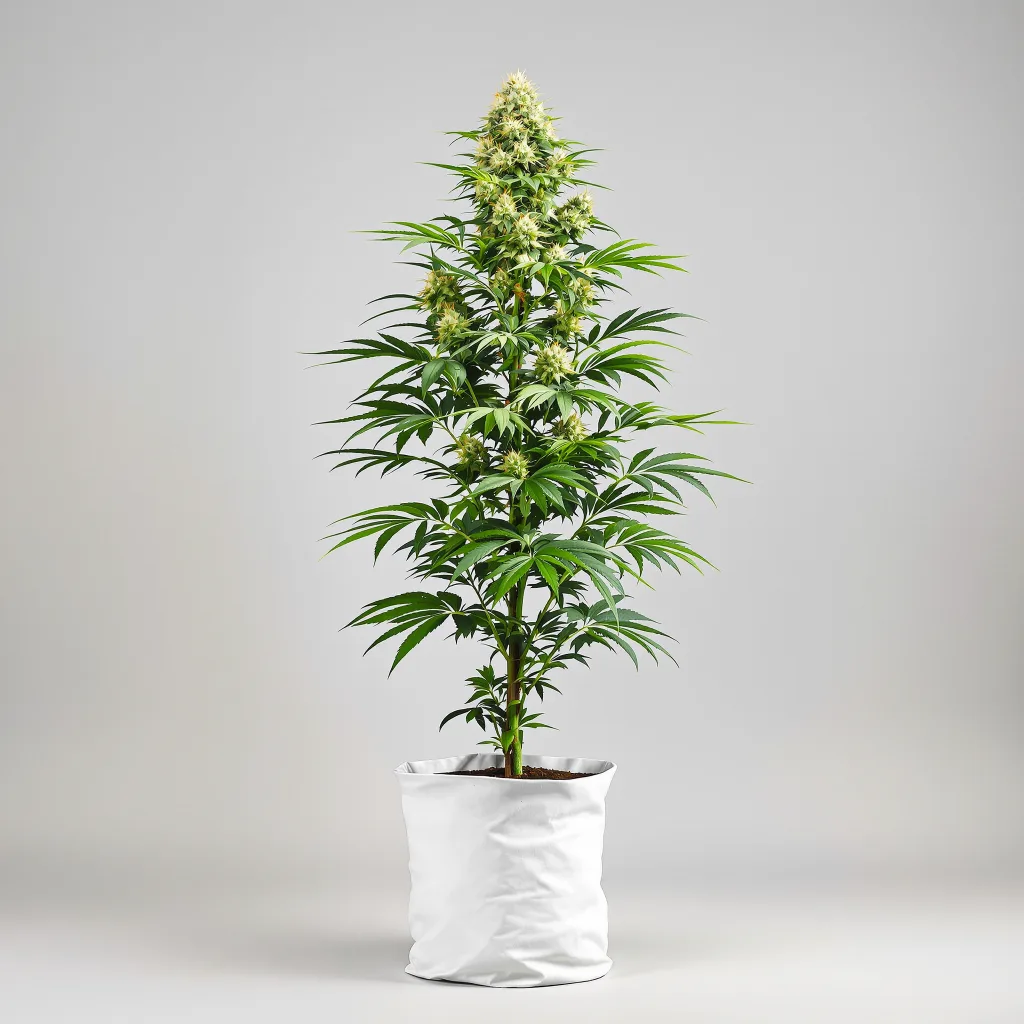
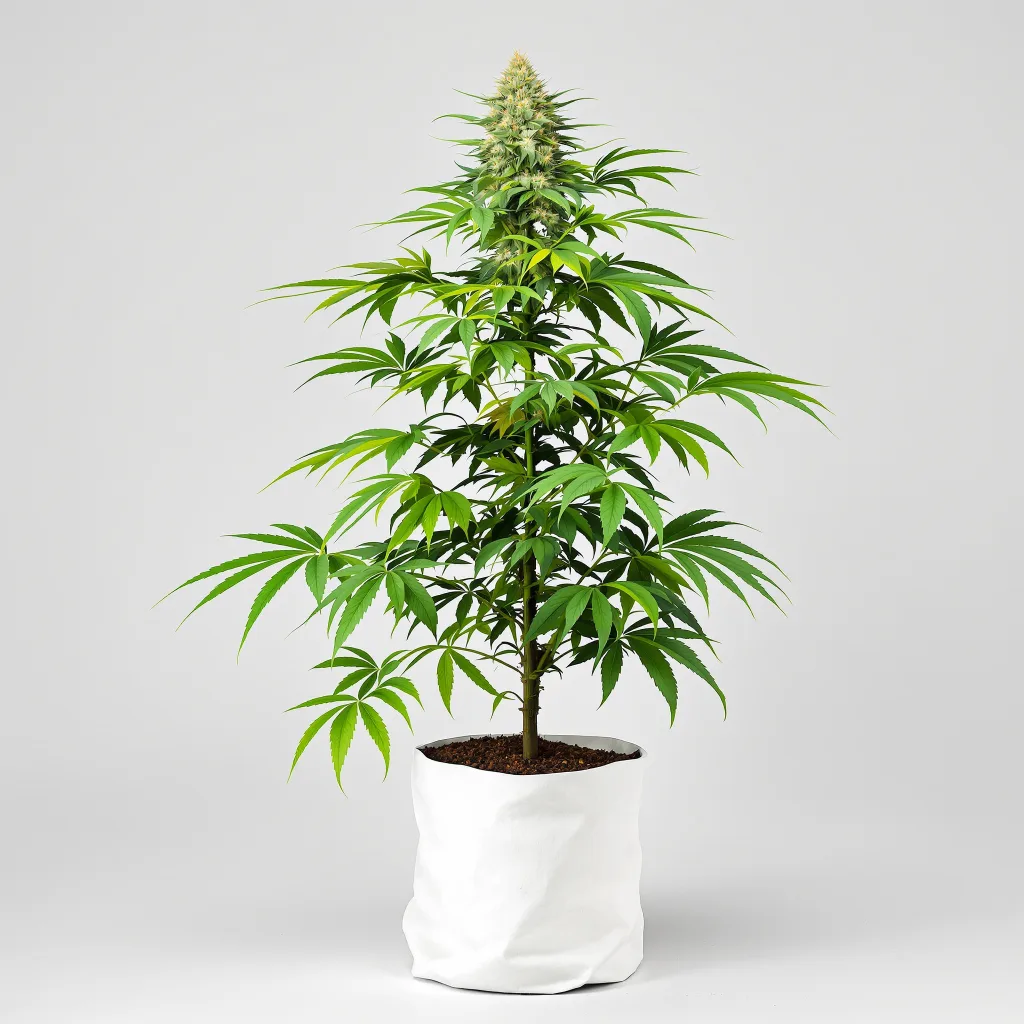
Browse the full All Cannabis Seeds collection
Premium genetics, shipped from within the US.
Related Articles
Granddaddy Purp Strain: King of Purple Weed | Royal King Seeds
support-growWhat Cannabis Leaves Tell You | Royal King Seeds
support-growCannabis Trichomes Explained: What They Signal | Royal King Seeds
support-growGrow Mediums and Cannabinoid Maturity: Full Guide | Royal King Seeds
support-growCannabis Leaves Curling Down: Causes & Fixes | Royal King Seeds
support-seedlingGerminate Cannabis Seeds: Paper Towel Method | Royal King Seeds
Ready to Start Growing?
Shop feminized, autoflower, and CBD strains with 95% germination and free delivery on eligible orders of $150 or more.
Shop Cannabis Seeds