OG Kush and Its Variants: Lineage, Effects & Grow Guide | Royal King Seeds
Royal King Seeds Editorial Team
Cannabis Cultivator & Seed Specialist
More modern hybrids trace back to OG Kush than to almost any other single strain. It sits in the family tree of Girl Scout Cookies, Wedding Cake, Gelato, Runtz, and a long list of the genetics that have defined the last two decades of West Coast cannabis. That foundational status is exactly why it is worth understanding on its own terms — and why the assumption that OG Kush must be easy to grow, because everyone grows its descendants, is misleading.
Lineage: what is established and what is not
OG Kush's precise origin is genuinely disputed, and it is more honest to say so than to pick a tidy story. The most commonly cited account is a cross involving Chemdawg and a Hindu Kush line, emerging in the early-to-mid 1990s, but breeders and old-school growers disagree on the details and no single version is universally accepted. What is not in dispute is the result: a distinctive, fuel-forward profile that became a genetic cornerstone.
Because "OG Kush" is offered by many breeders, expect variation between packs. This is one strain where buying from a source you trust matters more than the name on the label.
The main OG variants
Part of OG Kush's legacy is the family of regional and selection-based variants it produced. A few worth knowing:
- SFV OG — a San Fernando Valley selection known for a sharp, piney-fuel character.
- Tahoe OG — often described as heavier and more relaxing than the baseline.
- Larry OG — prized for a rounder, citrus-forward take on the OG profile.
- Fire OG — one of the more intense, resinous expressions in the family.
These are selections and crosses that emphasize different facets of the same core genetics, rather than entirely separate strains. For a heavier, indica-leaning member of the wider OG family, see our Godfather OG guide.
Aroma and flavor
The classic OG signature is a mix of diesel fuel, fresh lemon, and pine, sitting on an earthy, sometimes herbal base. A good OG cut is unmistakable — pungent and sharp rather than sweet — and that gassy complexity is exactly what its followers look for.
Effects and character
OG Kush is generally described as a strong, relaxing hybrid that leans toward the heavier, evening end of the spectrum for most users, though lighter phenotypes exist. As always, effect depends on the individual, the dose, and the specific cut, so read these descriptions as a starting point.
Growing OG Kush
Here is the part that surprises people: OG Kush is one of the more demanding classics to grow well.
- Nutrient sensitivity: OG lines are notoriously easy to overfeed. They tend to look hungry during the veg-to-flower transition, and growers who respond by pushing nutrients hard often end up with tip burn and lockout. Feeding conservatively and reading the plant, not the schedule, produces the best results.
- Environment and structure: the plants often grow with a somewhat loose, branchy structure that benefits from training and good airflow. Stable temperature and humidity pay off.
- Flowering time: most OG Kush phenotypes finish in roughly eight to nine weeks. Outdoors, it favors a warm, Mediterranean-style US climate and an early-to-mid autumn harvest.
- Difficulty: best suited to growers who already have a cycle or two behind them and are comfortable dialing in feeding and environment.
Who should grow it
OG Kush is for the grower who wants the real, gassy West Coast classic and is willing to give it the attention it asks for. If that is you, OG Kush feminized seeds are in our catalog, and the wider kush seeds collection gathers related fuel-and-earth genetics. Since careful feeding is the make-or-break factor here, our week-by-week flowering guide is a useful companion.
Frequently asked questions
What is OG Kush's lineage?
Its exact origin is disputed. The most commonly cited account is a Chemdawg crossed with a Hindu Kush line in the early-to-mid 1990s, but the details are debated and no single version is universally accepted.
How long does OG Kush take to flower?
Most OG Kush phenotypes finish flowering in about eight to nine weeks indoors, with an early-to-mid autumn outdoor harvest in warm US climates.
Is OG Kush hard to grow?
It is more demanding than many modern hybrids. OG lines are sensitive to overfeeding and reward conservative nutrients, good airflow, and a stable environment, which makes them better suited to growers with some experience.
Shop Strains Featured in This Guide
Hand-picked seeds from our catalog that match this article's topic. Free shipping on eligible orders of $150 or more.
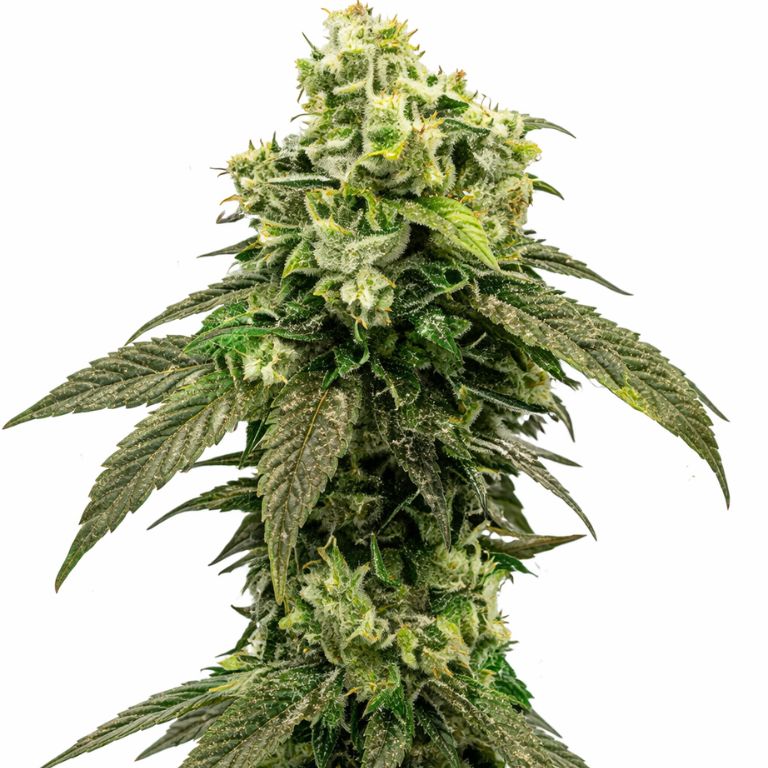
indica
Hindu Kush Feminized
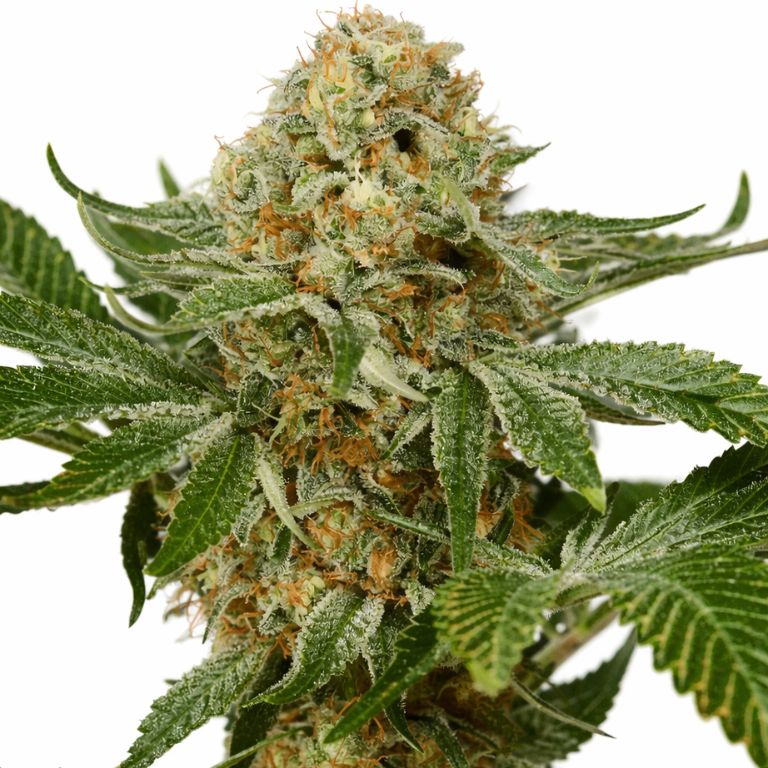
hybrid
OG Kush Feminized
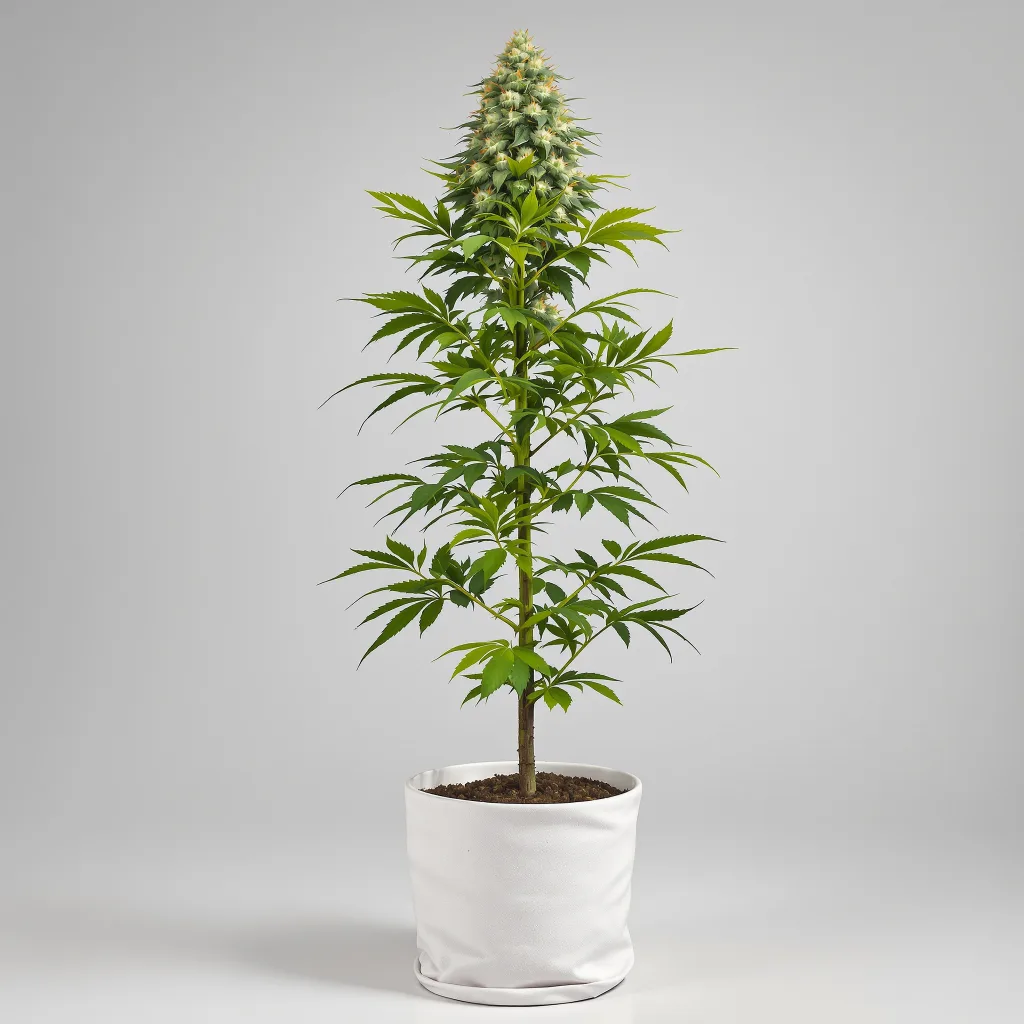
hybrid
OG Kush Auto
indica
Dakini Kush Feminized
Strain Profiles
Related Buying Guides
Browse the full Kush Seeds collection
Premium genetics, shipped from within the US.
Related Articles
Gorilla Glue #4 Strain Review: Effects & Grow Tips | Royal King Seeds
strainStrawberry Cough Cannabis Strain: Aroma, Effects & Grow Guide | Royal King Seeds
strainBlue Dream Cannabis Strain: Genetics, Effects & Grow Guide | Royal King Seeds
strainWhite Widow Cannabis Strain: Genetics, Effects & Grow Guide | Royal King Seeds
support-pestMold and Disease in Cannabis
generalNeuromuscular Disorders and Conditions
Ready to Start Growing?
Shop 1,600+ feminized, autoflower, and CBD strains with 95% germination and free delivery on eligible orders of $150 or more.
Shop Cannabis Seeds