Aeroponics Cannabis Growing Guide, Yields, Setup, Strains
Royal King Seeds Editorial Team
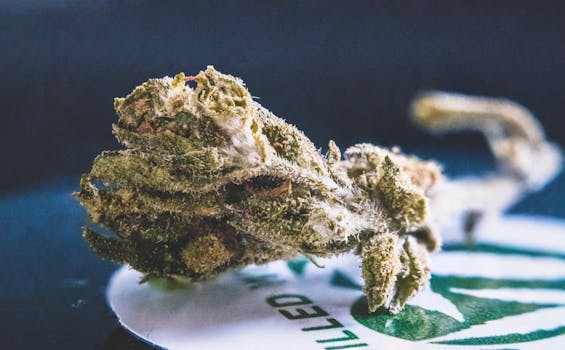
Aeroponics is the most misunderstood cultivation method in cannabis. Vendors claim 30% yield increases over hydroponics. Forum posts swear it produces the most potent flower of any growing technique. The reality, as our internal testing and the experience of dozens of US commercial cultivators show, is more nuanced. This guide covers what aeroponics actually delivers compared to soil and hydroponic cultivation, what it costs to set up, which strains thrive in aeroponic systems, and the specific decisions that separate productive aeroponic grows from disappointed first attempts.
How Aeroponics Works
In aeroponic cultivation, plant roots hang in air inside a sealed chamber. Nutrient solution is misted onto the roots at high frequency, typically every 1-5 minutes for 30-90 seconds at a time. The mist provides water, dissolved nutrients, and oxygen directly to the root system without any growing medium (no soil, no rockwool, no coco). The constant oxygen exposure and direct nutrient availability are the defining advantages, and they enable the growth-rate gains aeroponics is known for.
Two main system types exist: low-pressure aeroponics (LPA), which uses a standard pump to deliver nutrient mist at 50-100 PSI through standard sprinklers; and high-pressure aeroponics (HPA), which uses pressurized accumulator tanks to deliver fine mist at 80-120 PSI. HPA is significantly more efficient, produces finer droplets, and supports faster growth, but is also more expensive and complex to maintain.
Aeroponics vs Soil vs Hydroponics, Yield Comparison
| Method | Veg Time | Yield (g/m² indoor) | Setup Cost | Skill Required |
|---|---|---|---|---|
| Soil | 5-7 weeks | 300-450 | $200-400 | Beginner |
| Hydroponics (DWC) | 4-5 weeks | 450-600 | $400-700 | Intermediate |
| Low-Pressure Aeroponics | 3-4 weeks | 500-650 | $600-1,000 | Advanced |
| High-Pressure Aeroponics | 3-4 weeks | 600-800 | $1,500-3,000 | Expert |
What Aeroponics Actually Delivers
Honest assessment based on commercial-grower data: aeroponics produces 15-25% higher yields than DWC hydroponics, not the 50%+ vendor marketing claims. Vegetative growth is faster, 30-40% reduced veg time is realistic. The trichome and terpene gains some growers report appear to come from the precise environmental control aeroponic systems enable rather than aeroponics itself. A well-tuned hydroponic grow with the same environmental control will produce comparable terpene expression.
The real reason to consider aeroponics is vertical scaling. Multi-tier aeroponic towers maximize yield per square foot of floor space, which matters in urban or commercial contexts. For a single home grower with one tent, aeroponics rarely justifies its complexity over simpler hydroponic systems.
Best Cannabis Strains for Aeroponic Cultivation
Aeroponics rewards strains that respond well to high-rate feeding and rapid environmental optimization. Hybrid genetics with vigorous root systems and tolerance for high nutrient availability tend to outperform pure indicas or pure sativas:
- Blueberry Feminized, Hardy hybrid, responds well to aeroponic feed cycles, dense bud development.
- Big Bud Feminized, Heavy feeder, exceptional yields in aeroponic setups, ideal for vertical scale.
- White Widow Feminized, Forgiving genetics, manageable height, tolerates aeroponic feeding swings during system tuning.
- Mystic Kush, Indica-dominant, dense bud structure, excellent terpene preservation in optimized aeroponic environments.
- Critical Mass, Mold-resistant, heavy yielder, well-suited to humidity-managed aeroponic chambers.
Common Aeroponics Mistakes
- Pump failure recovery time is hours, not days. If your pump fails, roots dehydrate within 30-60 minutes. Always run redundant pumps and have a backup power source. This single point-of-failure is the #1 cause of aeroponic crop loss.
- Nutrient strength must be lower than soil or DWC. Aeroponic roots receive constant nutrient access. Standard soil-strength feeds will burn roots. Start at 50% strength and adjust upward.
- Mist droplet size matters more than mist frequency. Fine droplets (50-80 microns) maximize root surface contact. Coarser droplets reduce uptake efficiency despite higher water volume.
- Root chamber temperature is critical. Aim for 65-70°F. Above 75°F encourages pathogenic root issues; below 60°F slows nutrient uptake.
- Algae prevention is non-negotiable. Light leaks into root chambers cause rapid algae growth that fouls misters. Use opaque chambers with sealed lids and regularly inspect for light leaks.
Should You Try Aeroponics?
For most home growers, the answer is no. The setup cost, complexity, and failure modes outweigh the 15-25% yield gain over a well-tuned DWC system. Aeroponics makes sense if: (a) you are running commercial-scale cultivation, (b) you have vertical space and need yield-per-square-foot optimization, or (c) you are an experienced grower who has already mastered hydroponics and wants the next technical challenge.
For first-time growers, soil cultivation with quality genetics from our best-selling cannabis seeds consistently delivers better results than aeroponic attempts. See our hydroponic cultivation guide if you want to step up from soil before considering aeroponics.
Frequently Asked Questions About Aeroponic Cannabis Cultivation
- Does aeroponics actually produce more potent cannabis than soil or hydro?
- Cannabis potency depends on genetics, harvest timing, and environmental control more than cultivation method. Aeroponics enables tighter environmental control which can support better terpene expression, but a well-tuned soil or hydroponic grow with the same environment will produce comparable potency.
- How much faster is aeroponics than soil?
- Vegetative growth is 30-40% faster in aeroponic systems compared to soil. Total seed-to-harvest time is reduced by 2-3 weeks for most photoperiod strains.
- Can I grow autoflowers in an aeroponic system?
- Yes, autoflowers thrive in aeroponic systems because they capitalize fully on the faster vegetative growth before automatic flowering begins. Most experienced aeroponic autoflower growers report 8-10 ounces per plant in optimal setups.
- What happens if my aeroponic pump fails?
- Roots dehydrate within 30-60 minutes without misting. Plant damage starts at the 60-90 minute mark and becomes severe after 2-3 hours. Redundant pumps and backup power are mandatory for any serious aeroponic grow.
- Is aeroponics worth the cost for home growers?
- For most home growers, no. The setup cost ($1,500-3,000 for HPA) and complexity outweigh the 15-25% yield gain over DWC hydroponics. Aeroponics makes sense for commercial cultivation, vertical-space optimization, or experienced growers seeking technical challenge.
- What strains grow best in aeroponic systems?
- Vigorous-rooted hybrids that tolerate high feeding rates: Blueberry, Big Bud, White Widow, Critical Mass. Avoid finicky pure sativas and slow-growing landrace genetics.
- How often should aeroponic mist cycles run?
- Standard cycles run 30-90 seconds of mist every 1-5 minutes. Fine-tune based on your environment, drier air requires more frequent misting. Many commercial aeroponic systems use 30 seconds on / 90 seconds off as a starting baseline.
- Where can I buy cannabis seeds suited for aeroponics?
- Royal King Seeds USA carries all the aeroponic-friendly hybrids mentioned above. See our best indoor strains collection and high-yield collection for ideal aeroponic candidates.
Shop Strains Featured in This Guide
Hand-picked seeds from our catalog that match this article's topic. Free shipping on eligible orders of $150 or more.
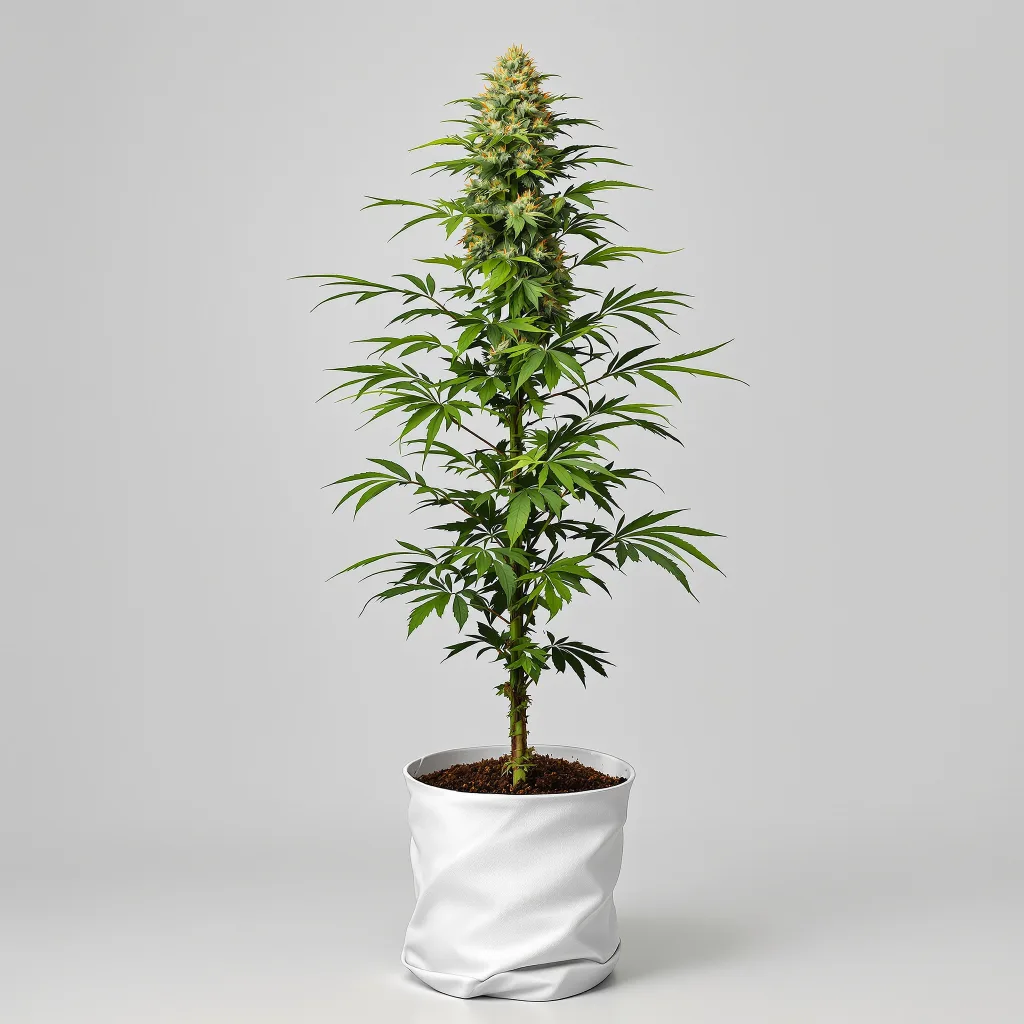
hybrid
Strawberry Fields Feminized
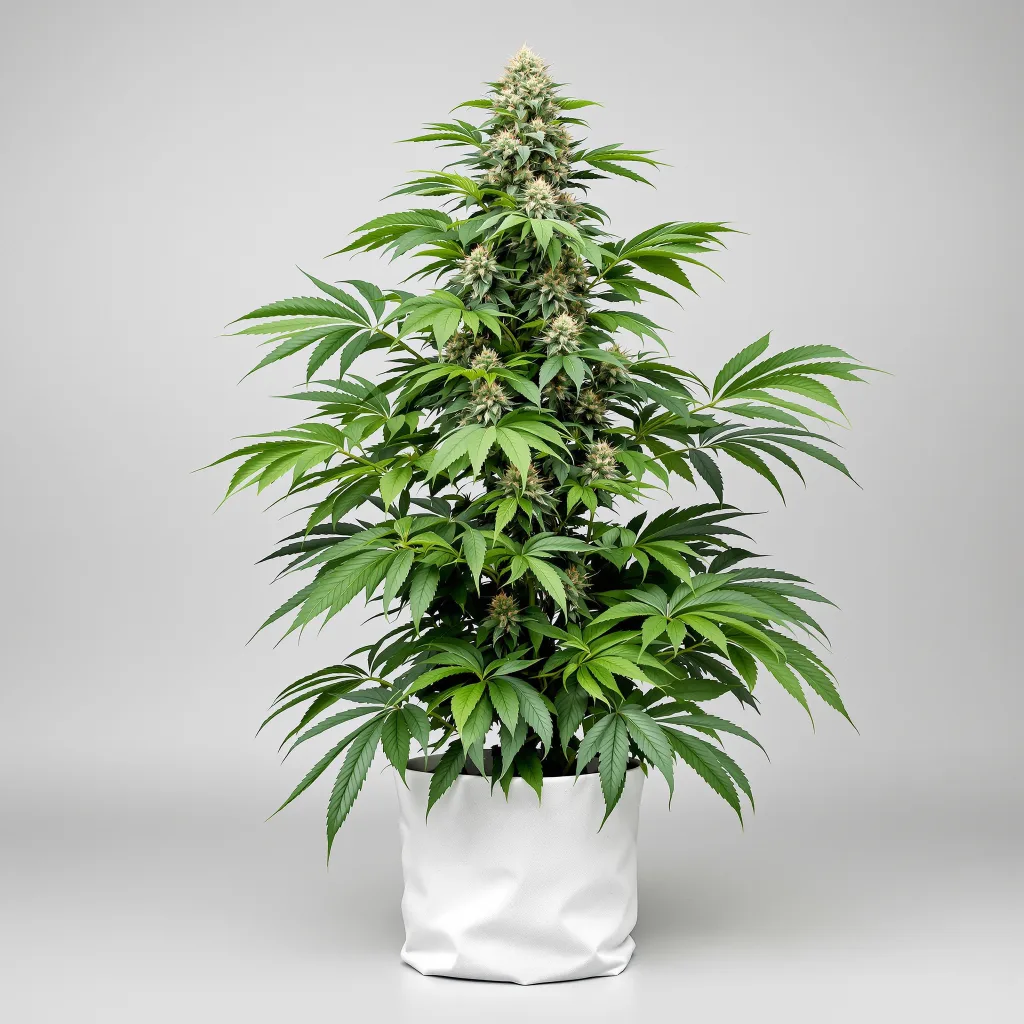
indica
Grape Skunk Auto
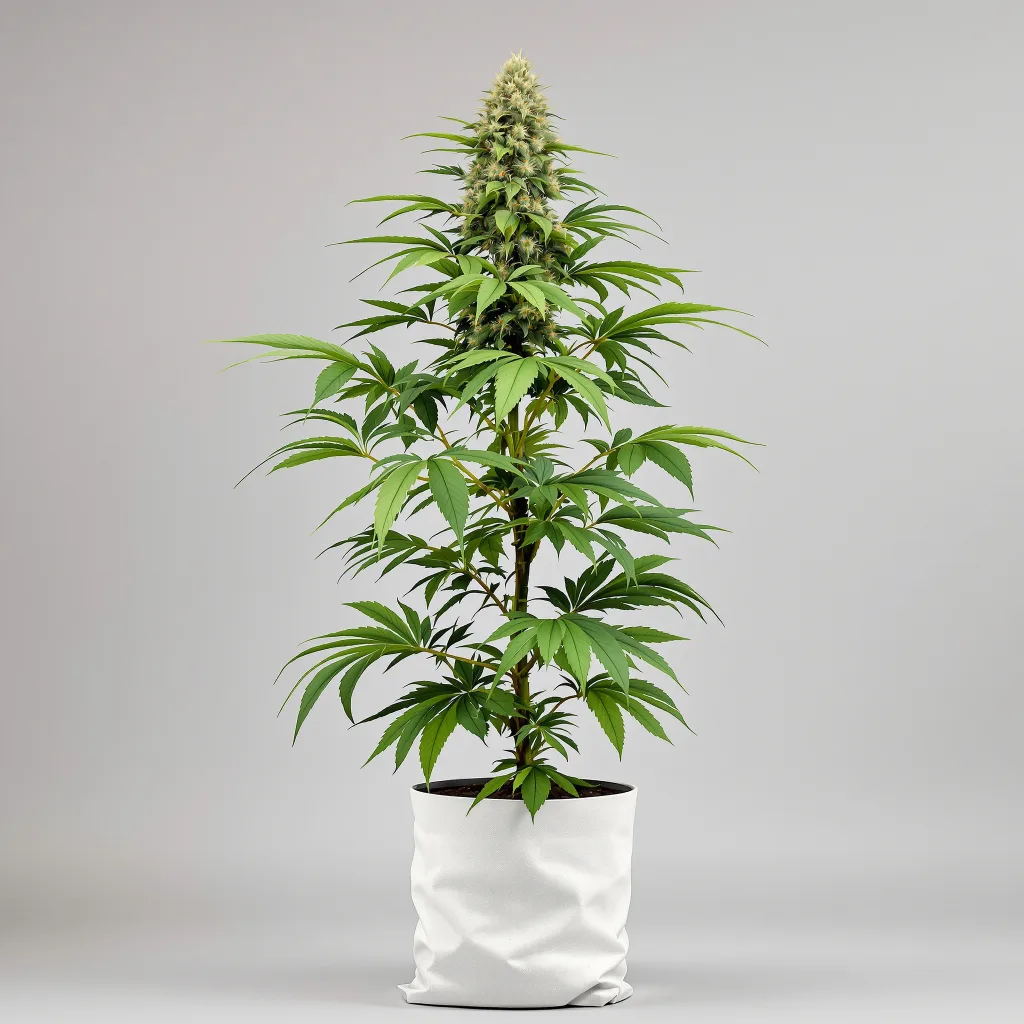
hybrid
Monkey Berries Feminized
hybrid
Willie Nelson Feminized
Browse the full All Cannabis Seeds collection
Premium genetics, shipped from within the US.
Related Articles
Afghan Big Bud Strain Review, Heavy Indica, Massive Yields
support-yieldTop 5 Ways to increase Marijuana Yields
pillar-flowerTriploid Cannabis Seeds Explained: Bigger Yields, Seedless Flower, and the Tradeoffs | Royal King Seeds
support-trainBest 5 Strains for Highest Yields.
support-seedlingCannabis Seedling Stage Mastered in 3 Steps | Royal King Seeds
strainMimosa Strain: Potent, Pretty & Flavorful | Royal King Seeds
Ready to Start Growing?
Shop feminized, autoflower, and CBD strains with 95% germination and free delivery on eligible orders of $150 or more.
Shop Cannabis Seeds