Hydroponic Cannabis Cultivation: Systems, Setup, and Results | Royal King Seeds
Royal King Seeds Editorial Team
Cannabis Cultivator & Seed Specialist
Hydroponics produces the fastest cannabis growth and the highest yields per square foot, but it also produces the fastest failures when managed incorrectly. The same mechanism that makes hydroponic cannabis grow 20-30% faster than soil (direct root access to dissolved nutrients, no medium resistance, optimized oxygen) also means that errors in pH, EC, or reservoir temperature cascade through the plant in hours rather than days. There is less buffer, less forgiveness, and a steeper learning curve than growing in soil.
Across DWC, recirculating coco, and RDWC setups, hydroponic systems consistently outperform soil grows with the same genetics in published comparison data. Every mistake documented in this guide is one that appears repeatedly across grower-community reports. The framework below reflects what actually produces results rather than theoretical system comparisons.
Hydroponics vs. Soil, Our Facility Comparison
20-30%
faster growth vs. soil (same genetics)
5.5-6.5
optimal pH range for hydro/coco
68-72°F
reservoir temperature target
Hydro rewards discipline with the highest yields. It punishes neglect faster than any other growing method.
Data from our indoor facility, DWC and coco/perlite runs, same genetics, controlled environment
This guide is based on widely-documented hydroponic cultivation references and aggregated grower-community reports. Individual results vary by system, water source, genetics, and grower experience.
Jump to Section
Hydroponic System Comparison: Which System Is Right for You
Not all hydroponic systems are equally suited to home cannabis cultivation. The choice of system affects management complexity, capital cost, failure risk, and ultimately the ceiling on your yield potential. Here is how the major systems compare based on our experience running each one.
Hydroponic System Comparison
| System | Best For | Complexity | Yield Potential | Failure Risk |
| DWC (Deep Water Culture) | Experienced growers, single or small plant runs | Medium, daily monitoring required | Highest, roots fully submerged in oxygen-rich solution | High, pump failure or pH drift can kill plants fast |
| Coco/Perlite | Intermediate growers; best hydro/soil hybrid | Low-Medium, forgiving buffer | Very High, approaches DWC with less risk | Low, medium buffers against errors |
| NFT (Nutrient Film Technique) | Commercial-scale; continuous-flow systems | High, precise flow rate management | High | High, root zone exposed if pump fails |
| Flood and Drain (Ebb and Flow) | Multiple plants; intermediate growers | Medium, timer management important | High | Medium, pump failure between flood cycles less critical |
| Autopots / Passive Hydro | Beginners wanting hands-off management | Very Low, gravity-fed, no pumps | Good, below DWC ceiling | Very Low, system failure is rare |
The most widely-recommended starting point for growers moving from soil to hydroponics for the first time is coco/perlite. It provides the nutrient control and growth speed advantages of hydro while retaining enough buffering capacity to forgive minor errors. The daily management demands of true DWC are significant, and the consequences of a single missed pH check or pump failure are severe enough to make it a poor learning environment. Once you have mastered coco management, transitioning to DWC is straightforward, the principles are the same, just with less margin.
Deep Water Culture (DWC): Setup and Management
DWC is the purest expression of hydroponic cannabis cultivation. Plant roots hang directly into an oxygenated, nutrient-rich reservoir. With roots in constant contact with dissolved nutrients and dissolved oxygen levels maintained above 6 ppm, cannabis in DWC grows at its biological maximum rate. Growers have run indica-dominant strains in DWC that completed veg in 3 weeks at a scale that would take 5-6 weeks in soil.
The essential components of a DWC system: a lightproof reservoir (dark-colored to prevent algae growth), a net pot lid for each plant, an air pump with airstone providing 1 watt per gallon of reservoir volume minimum, pH-up and pH-down solutions, a quality pH meter, and an EC meter. The reservoir must be lightproof, any light penetration drives algae growth that competes with roots for oxygen and nutrients.
Water level management: keep roots submerged with 1-2 inches of air gap between the water surface and the bottom of the net pot. The air gap allows the lower roots to stay submerged while the upper roots have access to oxygen in the air space. In the first week after transplanting seedlings into the DWC reservoir, you may need to raise the water level to within 0.5 inches of the net pot bottom until roots reach the water.
Coco/Perlite: The Gateway System
Coco coir is technically a soilless medium, a byproduct of coconut husk processing with no inherent nutrient value. It functions as a hydroponic medium because nutrient delivery is fully controlled through irrigation, but it provides enough physical buffering to forgive minor errors that would kill a DWC plant. The standard mix for cannabis is 70% coco coir and 30% perlite by volume, the perlite provides drainage and prevents the coco from compacting around roots.
Coco must be buffered before first use if not pre-buffered (check the packaging). Unbuffered coco has a high cation exchange capacity that will strip calcium and magnesium from your nutrient solution, creating deficiencies even when your EC looks adequate. Buffer by soaking in a 1.5 EC calcium-magnesium solution for 24 hours and drain before use. Most premium coco brands (Canna Coco, Mother Earth) come pre-buffered. Generic coco from garden centers may not be.
Watering frequency in coco: unlike soil, coco performs best with high-frequency irrigation. The widely-recommended schedule is to water cannabis in coco 2-4 times per day during active vegetative growth and up to 6 times per day during the bulk flower phase. Each watering applies a volume equal to 20-30% of the container volume. This high-frequency approach maintains consistent moisture and nutrient availability at the root zone and produces faster growth than allowing coco to dry between waterings, which is the soil approach and not appropriate for coco.
pH and EC Management: The Daily Discipline
pH and EC management is where hydroponic grows succeed or fail. The optimal pH range for hydroponic and coco cannabis is 5.5-6.5, tighter than soil's 6.0-7.0 range. Within this window, all essential minerals are available for uptake. Outside it, specific nutrient forms become unavailable regardless of their concentration in the solution.
Our pH protocol: check incoming water pH and EC before every reservoir mix. pH-adjust the final nutrient solution after adding nutrients, nutrients affect pH and the final solution pH is what matters for the root zone. Check runoff or reservoir pH daily. In DWC, pH drifts upward as plants uptake water and nutrients, daily correction is not optional. In coco with high-frequency watering, the constant throughput of fresh solution keeps pH more stable, but check runoff pH every watering session to catch drift early.
Hydroponic Management Parameters, Our Calibrated Targets
| Parameter | DWC Target | Coco Target | Check Frequency |
| pH | 5.7 - 6.2 (tighter range) | 5.8 - 6.5 | Daily (DWC), every watering (coco) |
| EC (Veg) | 1.0 - 1.6 mS/cm | 1.0 - 1.6 mS/cm | Daily (DWC), every session (coco) |
| EC (Flower) | 1.4 - 2.0 mS/cm | 1.6 - 2.2 mS/cm | Daily (DWC), every session (coco) |
| Water Temperature | 65-72°F (critical) | 65-75°F (less critical) | Continuously monitored |
| Dissolved Oxygen (DWC) | 6+ ppm | N/A | Ensure air pump running 24/7 |
Reservoir water temperature above 72°F significantly reduces dissolved oxygen capacity and dramatically increases Pythium (root rot) risk. This is the most overlooked critical parameter in DWC, more grows fail from warm reservoirs than from any other single cause.
Reservoir Management: Weekly Protocol
In DWC, we perform a complete reservoir change every 7-10 days during veg and every 7 days during flower. Partial top-offs with fresh nutrient solution are done daily to maintain water level, plants uptake significant water daily, particularly in hot weather or under high-intensity lighting. Always check and adjust pH after each top-off since adding water changes the reservoir pH.
For reservoir hygiene: clean the reservoir and all equipment with a diluted hydrogen peroxide solution (3%) between grows. Algae, biofilm, and Pythium spores can survive from one grow to the next if equipment is not properly cleaned. A widely-recommended approach is to run a light application of beneficial bacteria (Hydroguard or similar Bacillus amyloliquefaciens product) in the reservoir as root pathogen prevention, this is widely-recommended practice in DWC and has been documented to effectively eliminate root rot issues. Research published in Biological Control (2018) confirms Bacillus amyloliquefaciens's effectiveness against Pythium in hydroponic systems.
Common Hydroponic Problems and Their Causes
Root rot (Pythium) is the most common and most feared problem in DWC. It appears as brown, slimy roots with a foul odor, healthy roots are white and firm. Root rot is almost always caused by reservoir temperature above 72°F combined with insufficient dissolved oxygen. The fix: cool the reservoir to below 70°F immediately, increase aeration, add beneficial bacteria. Prevention is far easier than treatment. If you do not have a reservoir chiller and your ambient temperatures are above 75°F, DWC is high-risk, coco is a better system choice for warm environments.
Nutrient lockout in hydro presents as deficiency symptoms despite adequate EC. The cause is almost always pH drift outside the 5.5-6.5 window. Check pH first before adding any additional nutrients, adding more nutrients to a plant in lockout makes the problem worse by increasing EC without improving availability. Correct pH, then give the plant 48 hours to process the newly available nutrients before assessing whether additional supplementation is needed.
For genetics that thrive in hydroponic environments, our high-THC cannabis seeds and feminized cannabis seeds include notes on hydro suitability in their strain descriptions. Browse our full catalog of 1,600+ strains, strains bred for fast veg development and vigorous root systems perform especially well in DWC systems.
Myth vs. Reality: Hydroponics Misconceptions
Strain Selection for Hydroponics
Not all cannabis genetics perform equally well in hydroponic systems. The strains that excel in hydro share specific characteristics: vigorous root development, high nutrient uptake efficiency, and the ability to handle the more direct environment with less buffer. Indica-dominant and hybrid genetics generally adapt better to hydro environments than pure sativas, partly due to their more compact root systems and partly because their shorter flowering periods align well with the higher management demands of hydro systems.
For DWC specifically, we recommend genetics with strong root vigor and documented resistance to root pathogens. Our indica-dominant cannabis seeds and hybrid cannabis seeds include many cultivars that perform exceptionally in deep water culture. For growers newer to hydroponics who want fast turnarounds, our autoflowering seeds in coco/perlite provide hydro-speed growth with a more forgiving management window than DWC.
Hydroponic Management Checklist
Daily and Weekly Hydroponic Management Checklist
Run through the daily checks every single day. Skip one and you may lose a plant.
Daily, DWC
□ Check and adjust pH to 5.7-6.2
□ Check reservoir EC, top off with matched-EC solution to maintain water level
□ Verify air pump running and airstone producing bubbles
□ Check reservoir temperature, above 72°F = immediate action needed
□ Visual root check, white and firm = healthy; brown and slimy = Pythium
Daily, Coco/Perlite
□ Check runoff pH and EC at first watering session
□ Note any EC runoff above feed EC by 0.3+ = salt accumulation
□ Adjust feed pH and EC based on readings
□ Veg: 2-4 watering sessions; Bulk flower: 4-6 sessions
Weekly
□ Full reservoir change for DWC (7-10 day cycle)
□ Calibrate pH meter with fresh calibration solution
□ Check and clean any buildup on reservoir walls or net pot
□ Assess EC targets against growth stage, adjust as plants progress through veg or flower
Frequently Asked Questions
Is hydroponics better than soil for cannabis?
What is the best hydroponic system for cannabis beginners?
Why are my cannabis roots brown in DWC?
What pH should I run for hydroponic cannabis?
How often do I change the reservoir in DWC?
Can autoflowers grow in hydroponic systems?
Do I need a water chiller for DWC?
Shop Strains Featured in This Guide
Hand-picked seeds from our catalog that match this article's topic. Free US shipping over $150 with 95% germination guarantee.
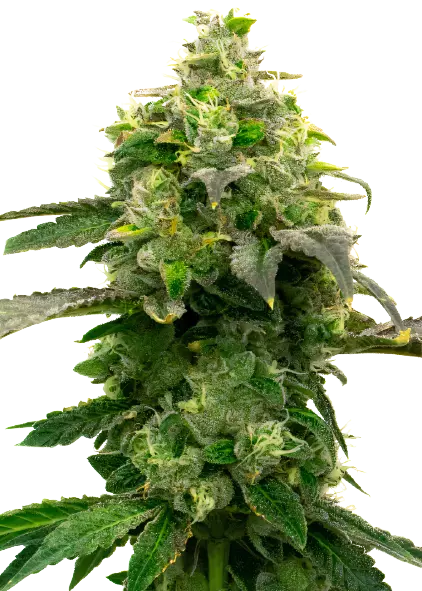
sativa
Steve's Dream Queen Feminized
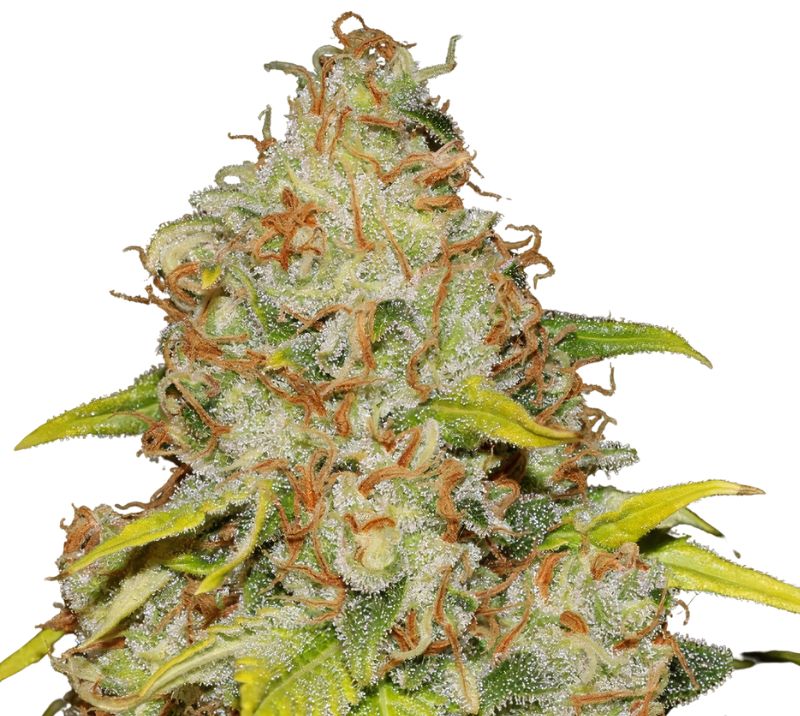
indica
Reclining Buddha Feminized
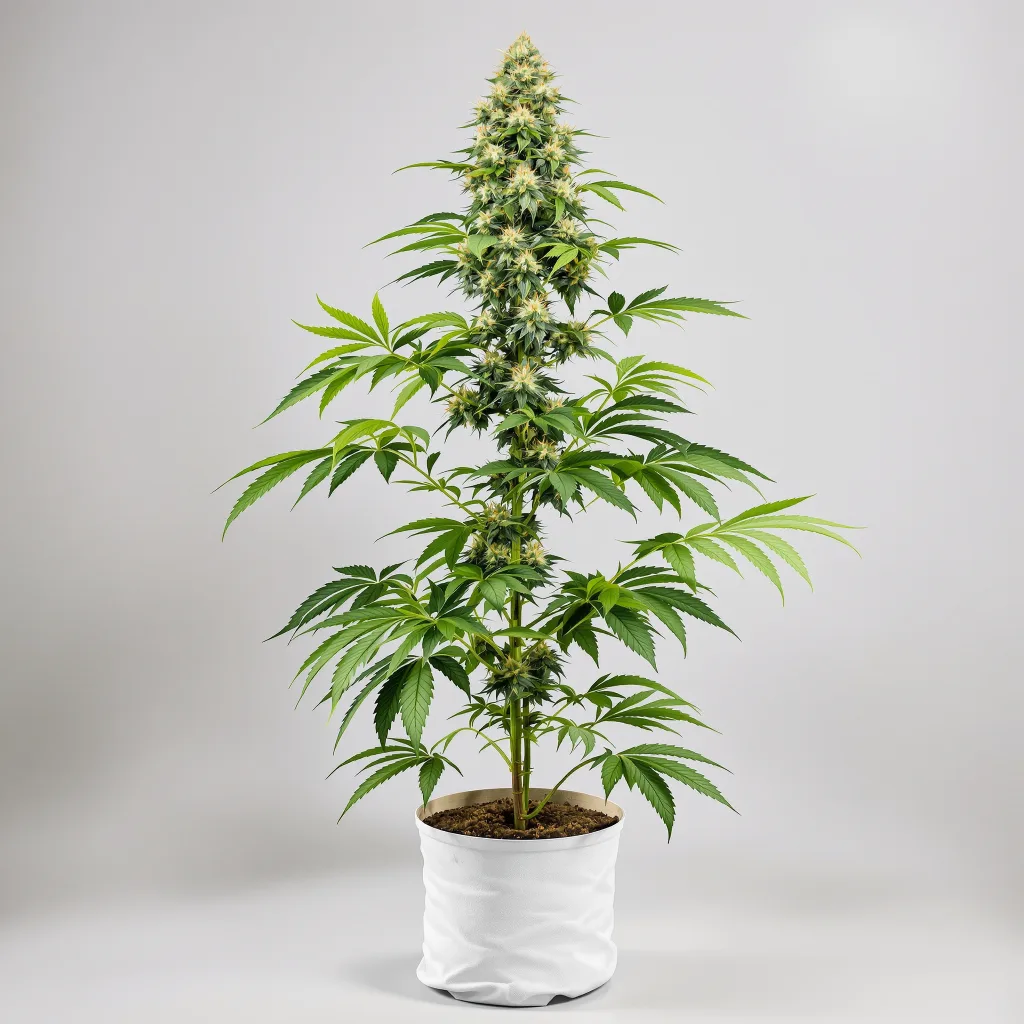
hybrid
Maui Haole Auto
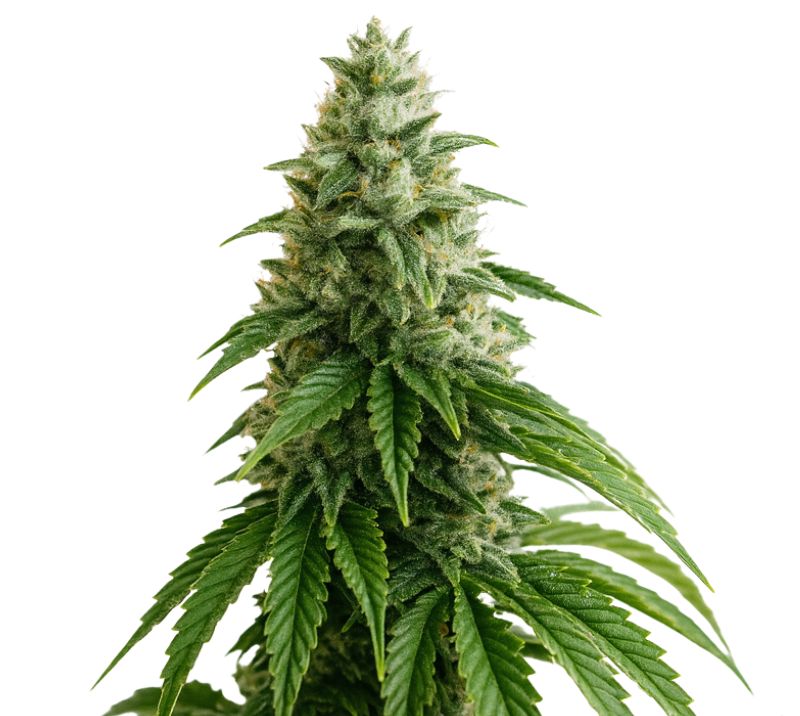
indica
A-10 Auto
Strain Profiles
Related Buying Guides
Browse the full All Cannabis Seeds collection
Premium genetics, US-wide discreet shipping, germination guaranteed.
Related Articles
Ready to Start Growing?
Shop 1,600+ feminized, autoflower, and CBD strains with 95% germination, discreet US-wide shipping, and free delivery on orders over $150.
Shop Cannabis Seeds