Wedding Cake Strain: Effects, Grow Guide | Royal King Seeds
Royal King Seeds Editorial Team
Most growers chasing top-shelf results focus on THC percentage — and Wedding Cake punishes them for it. The failure mode isn't low potency; it's expecting a one-dimensional hit from a strain that's far more complex than its numbers suggest. Wedding Cake consistently tests at 25–27% THC, but its real power comes from a terpene-driven cannabinoid profile that produces a layered, euphoric-then-sedating arc that few strains replicate. Pick it for a quick buzz and you'll misread the whole experience. Pick it with the right setup — and the right grow window — and it delivers some of the most rewarding results any indoor or outdoor cultivar can offer. This guide breaks down its genetics, effects, flowering timeline, state-by-state grow suitability, and a proprietary scoring rubric to help you decide if Wedding Cake belongs in your next grow cycle.
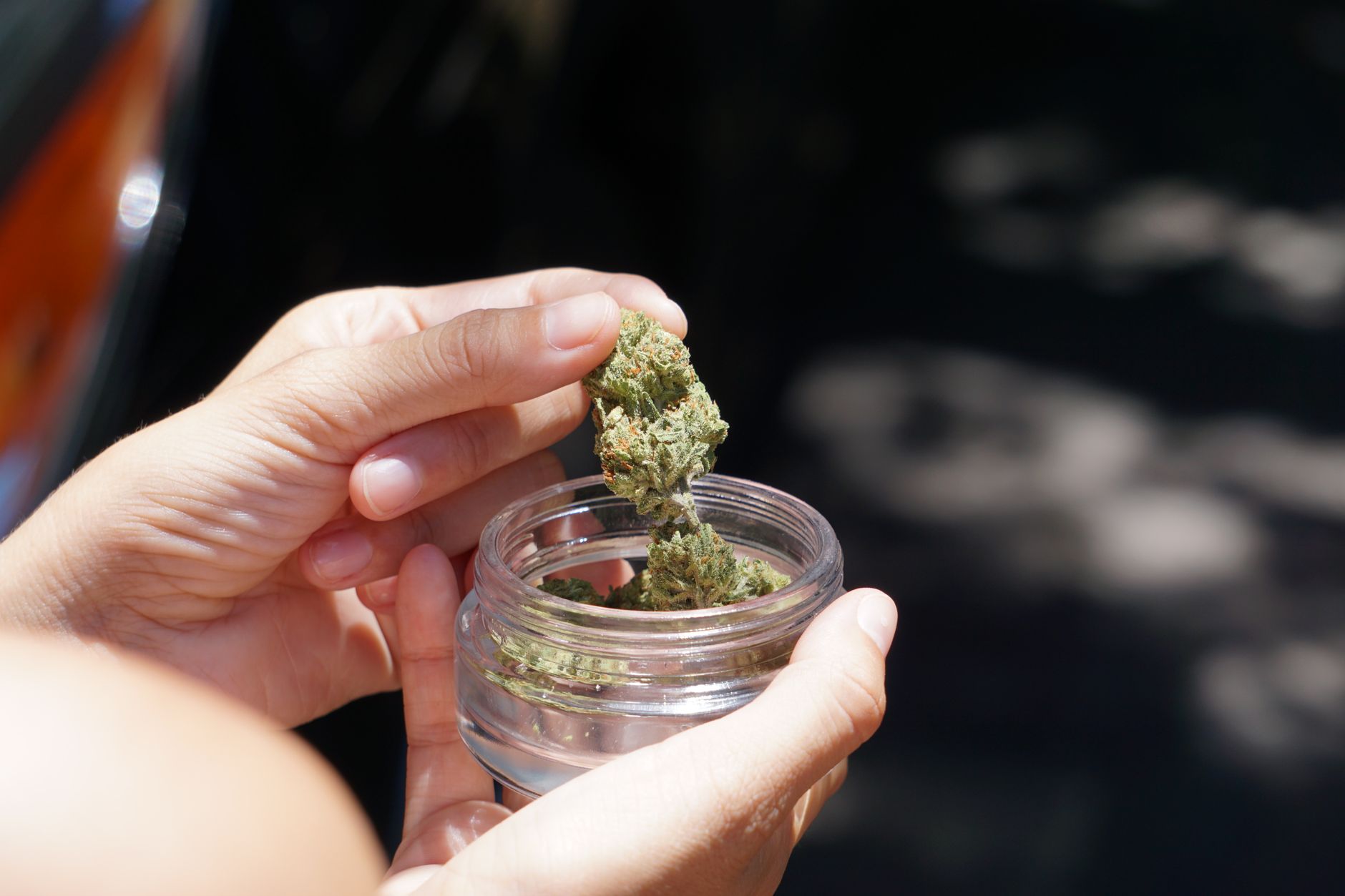
Wedding Cake (also called Pink Cookies or Triangle Mints #23) is a potent indica-dominant hybrid (60% indica / 40% sativa) bred from Triangle Kush × Animal Mints. It finishes indoors in 8–9 weeks, produces 450–600 g/m² under ideal conditions, and tops 25% THC. Its dominant terpenes — caryophyllene, limonene, and myrcene — drive a relaxing yet euphoric high that starts cerebral and ends in full-body calm.
Wedding Cake is consistently one of the top 10 best-selling strains in US adult-use dispensaries — for good reason.
- ✓ Experienced indoor growers seeking high-THC, high-yield genetics
- ✓ US growers in Zones 7–10 planning an outdoor run
- ✓ Medical cannabis patients prioritizing stress, pain, or insomnia relief
- ✓ Hobbyists who want a commercially competitive strain at home
- ✓ Growers comfortable with moderate training (LST, topping)
- ✗ True beginners — Wedding Cake's sensitivity to overfeeding demands experience
- ✗ Growers in Zone 5 or colder without a greenhouse
- ✗ Anyone looking for an energizing sativa-dominant effect
- ✗ Growers with no smell-management plan (it is extremely pungent)
What Is Wedding Cake's Genetic Background?
Wedding Cake was bred by Seed Junky Genetics and is officially a cross of Triangle Kush × Animal Mints (sometimes listed as Cherry Pie × Girl Scout Cookies, depending on the seed source — both lineages share deep OG Kush ancestry).
Triangle Kush brings the heavy OG structure, resin density, and indica sedation. Animal Mints adds minty-sweet complexity, higher THC ceiling, and the euphoric sativa edge in the onset. The combination is a 60/40 indica-dominant hybrid that behaves unpredictably if you expect pure indica stoning.
The strain's alternate names — Pink Cookies in Canada, Triangle Mints #23 in some US seed catalogs — can cause confusion when sourcing. Always verify genetics via the breeder's lineage documentation. Feminized seeds are the most reliable format for Wedding Cake to ensure all-female gardens and consistent expression.
Why OG Kush Ancestry Matters for Growing
OG Kush lineage is predictably sensitive to overfeeding — particularly calcium and magnesium fluctuations. Growers who've run pure GSC or OG Kush successfully will find Wedding Cake familiar. Those who haven't should expect a nutrient-sensitive plant that rewards clean feeds and punishes sloppy EC management.
Published breeder documentation from Seed Junky confirms that Wedding Cake phenos typically run shorter and bushier than their GSC parent — making them well-suited to Screen of Green (ScrOG) setups in tents.
Wedding Cake's OG Kush × GSC lineage makes it one of the most resin-dense and commercially respected strains in the US market. The dual heritage rewards experienced growers with elite-tier trichome production — but demands the same nutrient discipline you'd bring to any OG Kush grow. Sourcing feminized genetics from a reputable bank is non-negotiable.
What Are the Effects of Wedding Cake?
Wedding Cake produces a two-phase effect arc that separates it from simpler high-THC strains. The onset is cerebral — uplifted, talkative, and mildly euphoric — driven by the sativa elements of its Animal Mints parent.
Within 30–45 minutes, the indica foundation takes over: a wave of body relaxation, muscle looseness, and progressive sedation. Higher doses push users toward couch-lock and sleep. This arc makes dosing discipline important — particularly for newer users who underestimate the delayed body phase.
According to NIH NCCIH, high-THC cannabis products consistently carry elevated risk of anxiety, rapid heart rate, and acute paranoia — particularly in novice users or those consuming high-THC concentrates. Wedding Cake's 25–27% THC range places it firmly in the high-risk category for sensitive individuals.
Reported Therapeutic Applications
Aggregated grower and patient reports across public cannabis communities consistently identify Wedding Cake as a go-to for:
- Chronic pain — the caryophyllene-myrcene combination creates notable anti-inflammatory effect reports
- Insomnia — the delayed body sedation phase makes it highly effective as an evening or nighttime strain
- Stress and anxiety relief — the initial euphoric onset has a strong anxiolytic quality at low-to-moderate doses
- Appetite stimulation — potent munchies effect widely reported across user communities
Note: None of these represent FDA-approved medical claims. Cannabis remains Schedule I federally per the DEA drug scheduling framework. Consult a physician for any therapeutic application.
"Wedding Cake's first 30 minutes lie to you. The cerebral onset feels like a sativa — but the indica foundation is loading. If you redose chasing that uplifted feeling, the body phase will arrive at double strength."
Wedding Cake is an evening and nighttime strain for most users. The two-phase arc is its defining feature — experienced consumers who manage their dose carefully get both the cerebral uplift and the body relaxation in sequence. Beginners and anxiety-prone users should start with very small amounts and wait a full hour before assessing effect.
What Terpenes Does Wedding Cake Contain?
Wedding Cake's flavor and effect profile is shaped by three dominant terpenes: caryophyllene, limonene, and myrcene. Understanding their interplay explains why this strain behaves so differently from other high-THC hybrids.
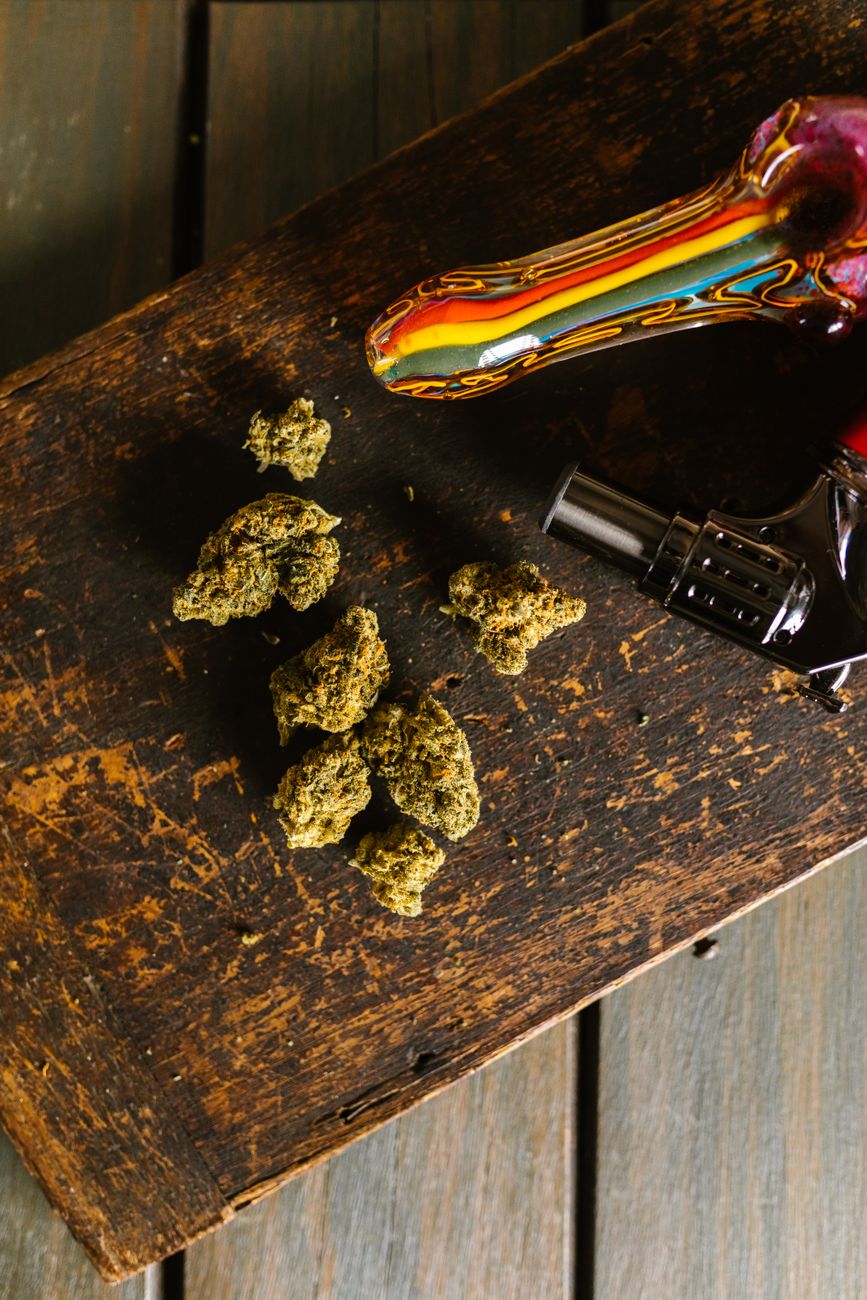
Caryophyllene (dominant): The peppery, spicy terpene also found in black pepper and cloves. It's the only terpene that binds to CB2 receptors — giving it anti-inflammatory properties. It's the primary driver of Wedding Cake's body-effect component.
Limonene (secondary): The citrus terpene from lemon and orange peels. It contributes mood elevation, stress reduction, and the sweet-citrus notes in the aroma. Research published on PubMed suggests limonene may have anxiolytic effects, which aligns with user reports of Wedding Cake's calming onset.
Myrcene (tertiary): The earthy, musky terpene associated with sedation and the classic "couch-lock" effect. Myrcene at higher concentrations is thought to enhance THC permeability across the blood-brain barrier — potentially amplifying the strain's potency beyond its raw THC number.
Wedding Cake Flavor Profile
- Aroma: Sweet vanilla, tangy earth, faint pepper and spice on the back end
- Flavor on inhale: Creamy, cake-like sweetness with a floral note
- Flavor on exhale: Earthy, peppery finish with lingering vanilla
- Smoke quality: Thick, smooth — notorious for producing dense white ash
The caryophyllene-limonene-myrcene triad is one of the most commercially appealing terpene combinations in the modern US market. It's why Wedding Cake commands premium pricing at dispensaries. Growers who preserve this terpene profile through proper drying and curing (60–70°F, 58–62% RH for 4–6 weeks minimum) will find the final product competitive with anything on licensed shelves.
What Is Wedding Cake's Flowering Time?
Wedding Cake flowers in 8–9 weeks indoors under a 12/12 light schedule. Most phenos hit peak trichome maturity at day 58–63, with dense, frosted buds and a noticeably sweet aroma spike signaling harvest readiness.
Outdoors, Wedding Cake is typically ready for harvest in late September to mid-October in the Northern Hemisphere — making it feasible for Zone 7+ climates but marginal for Zone 5–6 without season extension.
Flowering Timeline Week by Week
Transition / Stretch
Nodes forming; 20–40% height increase
Early Bud Set
Calyxes stacking; first trichomes visible
Mid-Flower Bulk
Heaviest nutrient demand; monitor EC closely
Swell Phase
Buds bulking; reduce nitrogen feed
Trichome Maturation
Cloudy trichomes; flush begins
Peak Harvest Window
Amber trichomes 10–20%; max THC/terps
Over-Ripe Risk
Rapid amber conversion; THC → CBN degradation
Northern Zone Cutoff
Zone 6 growers need greenhouse by week 8
Every outdoor Wedding Cake plant should clear harvest at least 14 days before your zone's average first frost date.
Formula: Seed-to-harvest days (70–75 days for photoperiod from clone) + 7 days weather variance = true finish window. Compare against local first frost date. Minimum safe buffer = 14 days.
Example: A Wedding Cake clone transplanted outdoors July 1 in Austin, TX (Zone 8b) targets late September harvest — Austin's average first frost is December 1, giving a 60+ day buffer. A Zone 6b grower in Columbus, OH with a first frost of Oct 20 who clones outdoors July 1 has a harvest target of Sept 14 → Oct 20 buffer is 36 days (viable, but watch September rains carefully for mold).
Eight to nine weeks is a comfortable indoor window for most growers. Harvest at week 8 for a more uplifting effect profile; wait to week 9 for deeper sedation and higher CBN contribution. Outdoors, Zone 7+ growers have comfortable margins — Zone 6 growers should monitor September weather closely and have a harvest or cover plan ready.
How to Grow Wedding Cake: Step-by-Step Guide
Wedding Cake is a moderately demanding strain — not a beginner's pick, but not the hardest OG-lineage cultivar either. Follow these steps for best results.
Step 1: Germinate Seeds Properly
Industry-standard germination guidance recommends the paper-towel method: seeds between two damp paper towels, sealed in a plate at 22–25°C (72–77°F) for 48–72 hours. Published germination research consistently reports 90%+ viability when humidity is maintained at 70–80% throughout.
Tap the germination guide if this is your first time — Wedding Cake seeds are vigorous but will stall if temps drop below 20°C during germination.
Step 2: Set Up the Seedling Environment
Seedlings want 70–75°F, 65–70% RH, and gentle light (200–300 PPFD). Wedding Cake seedlings are compact and don't stretch excessively — avoid high light intensity at this stage, which can cause early stress and slow the transition into veg.
Step 3: Run an 18/6 Vegetative Cycle
Veg Wedding Cake for 4–6 weeks under 18/6 light to develop a strong canopy. Published grow-research data shows 11-liter fabric pots typically produce 140–180 g/plant indoor under 600 PPFD LED at 18/6 during veg, while 19-liter pots allow root expansion that pushes the upper bound toward 220–240 g/plant at harvest.
Top the plant at the 5th–6th node to encourage lateral branching. Wedding Cake responds well to LST — tieing down branches to even the canopy before the flip creates more bud sites and improves light penetration.
Step 4: Flip to 12/12 and Manage the Stretch
Switch lights to 12/12 when plants are 40–50 cm tall. Wedding Cake stretches moderately — expect 30–50% height increase in the first two weeks of flower. Maintain distance between canopy and LED to avoid light burn during this phase.
Step 5: Feed the Flower Phase Correctly
Wedding Cake is a heavy feeder during weeks 5–6 of flower. Feed a full macro schedule (N-P-K) at mid-flower, then dial nitrogen down to near-zero from week 7. Calcium and magnesium deficiencies are the most common nutrient issues with this strain — supplement with Cal-Mag throughout flower at 1–2 ml/L.
Target EC 1.8–2.2 during peak flower. Drop EC to 0.4–0.6 (flush water only) in the final 7–10 days to improve flavor and ash quality.
Step 6: Read Trichomes — Not Just the Calendar
Use a jeweler's loupe or digital scope at 60–100x to read trichome heads. Target harvest when 10–20% of trichomes have turned amber, with the remainder milky-cloudy. All-clear trichomes = harvested too early; predominantly amber = past peak THC.
Step 7: Dry and Cure for Terpene Preservation
Dry at 60–65°F, 55–60% RH for 10–14 days (slow dry = better terpene retention). Cure in sealed jars at 58–62% RH for a minimum of 4 weeks. Wedding Cake's vanilla-caryophyllene profile develops its full depth at the 6-week cure mark — growers who skip this step consistently report flat, underwhelming flavor.
Ready to Grow Wedding Cake?
Our feminized cannabis seeds are shipped with tracking across the US to all 21+ adult-use and medical states.
Browse Feminized Seeds →Wedding Cake rewards the grower who treats it like an OG Kush variant: clean feeds, generous Cal-Mag, patient curing. Growers who rush the cure or skip the trichome-reading step consistently miss the strain's full commercial potential. Do it right and you'll produce buds that rival anything in a licensed dispensary.
Can You Grow Wedding Cake Outdoors? City-by-City Scenarios
Wedding Cake's late-September to mid-October outdoor harvest window works well across much of the US South and West — but growers in northern zones need careful calendar management. Below are five worked examples using USDA Plant Hardiness Zone data and NOAA climate normals.
- 🗓 First frost: ~Dec 1
- 🌱 Clone outdoors: July 1
- 🌿 Target harvest: Sept 25–Oct 5
- 📅 Buffer: 55–65 days ✓ SAFE
Excellent climate. Main risk is heat stress during veg — shade cloth during peak July afternoons recommended. Mold risk is low.
- 🗓 First frost: Rarely / Dec 15+
- 🌱 Clone outdoors: June 15
- 🌿 Target harvest: Sept 20–Oct 10
- 📅 Buffer: 65+ days ✓ IDEAL
Ideal climate for Wedding Cake. Year-round warmth means early starts are possible. Watch for late-summer heat spikes above 95°F — reduce nitrogen during heat events.
- 🗓 First frost: ~Oct 15
- 🌱 Clone outdoors: June 25
- 🌿 Target harvest: Oct 1–8
- 📅 Buffer: 7–14 days ⚠️ MARGINAL
Tight but possible. September rain and mold risk are the real enemies here. Aggressive defoliation at week 5 of flower and low-stress canopy management are mandatory.
- 🗓 First frost: ~Oct 7
- 🌱 Clone outdoors: June 20
- 🌿 Target harvest: Sept 28–Oct 5
- 📅 Buffer: 2–9 days ⚠️ RISKY
Denver's altitude adds cold-night risk even in September. Wedding Cake is not the best outdoor choice for Denver without a greenhouse or cold-frame setup. Consider a faster-finishing autoflower for Zone 6b outdoors.
- 🗓 First frost: ~Sept 25
- 🌱 Clone outdoors: June 15 (earliest)
- 🌿 Target harvest: Sept 18–22
- 📅 Buffer: 3–7 days ✗ NOT VIABLE
Wedding Cake is not suited for outdoor Zone 5 without greenhouse protection. The frost window collides with late-flower every year. Use an autoflower strain bred for cold tolerance in Zone 5 instead.
Wedding Cake in California (Zones 7–10)
California is Wedding Cake's natural home. From the Emerald Triangle to Southern California backyards, this strain thrives in the long, warm season. Coastal growers should monitor for late-summer humidity — mold can be an issue in Santa Cruz and similar microclimates.
Wedding Cake in Colorado (Zones 5–7)
Colorado's Front Range sits in Zone 6, which makes outdoor Wedding Cake marginal. Indoor grows in Colorado are far more reliable — the controlled environment sidesteps altitude cold and allows the full 8–9 week flower cycle without frost risk. High-THC seeds bred for indoor performance are the safer play here.
Wedding Cake in Michigan (Zones 5–6)
Michigan is a major cannabis cultivation state — adult-use sales have been among the highest per capita in the US. Wedding Cake is very popular in Michigan's indoor market. Outdoor Zone 5 growers should plan on a greenhouse or hoop house for the last 3–4 weeks of flower to protect against September frost risk.
Wedding Cake in Texas (Zones 7–9)
Texas provides ideal Wedding Cake territory across most of the state. The long summer and mild fall give growers a comfortable 60+ day harvest buffer. The main risks are June–August heat spikes — target 75–85°F canopy temperature and use shade cloth during peak summer afternoons.
Wedding Cake in Florida (Zones 9–11)
Florida's climate is actually too warm for efficient cannabis flowering — long summer photoperiods delay the trigger, and high humidity from June–October creates serious mold risk. Indoor cultivation is strongly preferred. If growing outdoors in Florida, fall planting (September clone, December harvest in South Florida) bypasses the worst of the humidity season.
Wedding Cake in New York (Zones 5–7)
New York's adult-use market has expanded rapidly. Indoor growers across the state report strong results with Wedding Cake in controlled environments. Outdoor Zone 6 growers in the Hudson Valley have a viable window (Oct 15 first frost), but Zone 5 growers in upstate NY should use autoflower seeds for reliable outdoor harvests.
Zone 7+ outdoor growers can run Wedding Cake with confidence. Zone 6 growers can make it work with careful timing and mold management. Zone 5 and colder: go indoor or switch to a cold-hardy autoflower — Wedding Cake's outdoor window is too tight to justify the risk without greenhouse support.
How Does Wedding Cake Compare to Similar Strains?
Wedding Cake occupies a specific niche: very high THC, indica-dominant, exceptional resin density, moderate flowering time. Here's how it compares to five close competitors across six axes.
| Strain | THC Range | Indoor Yield | Flower Time | Mold Resistance | Beginner Rating | RKS Score |
|---|---|---|---|---|---|---|
| Wedding Cake | 25–27% | 450–600 g/m² | 8–9 weeks | Medium | 5/10 | 91/100 |
| Gorilla Glue #4 | 25–28% | 500–600 g/m² | 8–9 weeks | Medium | 6/10 | 88/100 |
| Girl Scout Cookies | 19–25% | 350–450 g/m² | 9–10 weeks | Medium | 5/10 | 82/100 |
| Gelato | 20–25% | 400–500 g/m² | 8–9 weeks | Low–Medium | 4/10 | 80/100 |
| OG Kush | 20–25% | 350–450 g/m² | 8–10 weeks | Low | 4/10 | 78/100 |
| Bruce Banner | 25–30% | 400–500 g/m² | 8–10 weeks | Medium | 5/10 | 85/100 |
Score weights: THC ceiling (30%) + yield-to-difficulty ratio (25%) + terpene complexity (20%) + flowering efficiency (15%) + beginner accessibility (10%)
#1 Wedding Cake (91/100): Industry-leading THC ceiling, elite terpene profile, and best yield-to-flower-time ratio in its class. Moderate difficulty keeps it off the absolute top for beginners.
#2 Gorilla Glue #4 (88/100): Comparable THC and yield, but a slightly simpler terpene profile drops it below Wedding Cake in the flavor-complexity axis. More forgiving feeder.
#3 Bruce Banner (85/100): The highest THC ceiling of the group, but yield-per-week and beginner-friendliness are lower. Best choice if maximum THC is the only goal — not the best all-rounder.
Royal King Seeds Wedding Cake Risk Rating
Beyond features and THC numbers, every cultivar carries specific grow risks. This multi-axis risk table is distinct from the scoring rubric above — it focuses on what can go wrong.
| Strain | Overfeeding Risk | Mold / Botrytis Risk | Stretch Risk | Hermaphrodite Risk | Beginner Failure Risk |
|---|---|---|---|---|---|
| Wedding Cake | High | Medium | Low–Medium | Low | High |
| Gorilla Glue #4 | Medium | Medium | Low | Low | Medium |
| Girl Scout Cookies | High | Medium | Medium | Low | High |
| Gelato | Very High | High | Low | Low | Very High |
| OG Kush | High | High | Medium | Medium | High |
What Happens If You Choose Wrong?
Choosing the wrong strain for your environment or skill level isn't a theoretical risk — looking at patterns from public grower forums, beginner Wedding Cake failures cluster into two dominant scenarios.
- Strain: Wedding Cake (feminized, indoor)
- Setup: 19L fabric pot, 600W LED, ScrOG
- Flower time: 8.5 weeks (59 days)
- Cal-Mag routine: 2 ml/L throughout
- Cure: 6 weeks at 60% RH
- Risk level: 🟢 Low
Outcome: 480–560 g/m², 25–26% THC confirmed on trichome check, full vanilla-pepper terpene expression. Competition-grade result repeatable across cycles.
- Strain: Wedding Cake (outdoor, Zone 5b)
- Setup: Direct soil, no greenhouse
- Planned harvest: Oct 5
- First frost: Sept 28 (historical avg)
- Buffer: -7 days (frost arrives BEFORE harvest)
- Risk level: 🔴 Very High
Outcome: Frost damage to trichomes in week 8 of flower. Forced early harvest at 85% maturity. Airy, underdeveloped buds, terpene degradation, significant yield loss (40–60% below potential). Season wasted.
Bottom line: The single climate decision — indoor vs. outdoor Zone 5 — determined the entire season outcome. Same genetics, completely different results. Match your zone to the strain's finish window before you plant.
Common Wedding Cake Growing Mistakes — and How to Fix Them
Looking at the questions our team fields most often from Wedding Cake growers, the same five failure patterns come up repeatedly. Here's how to recognize and fix each one.
Mistake 1: Overfeeding Nitrogen in Late Flower
OG Kush lineage strains — including Wedding Cake — famously protest excess nitrogen in weeks 5–8 of flower with "burning" (yellowing leaf tips, curling edges) and chemical "green" taste in the final product.
How to recognize: Dark-green leaves that stay too dark past week 5; burning tip symptoms despite normal Cal-Mag levels.
Fix: Halve nitrogen at the start of week 5. Transition to a bloom-specific feed (low N, high P-K) and use plain water for the final flush week.
Mistake 2: Harvesting Too Early Based on Breeder Day Count
Breeder-stated flower times are minimums, not guarantees. Wedding Cake phenotypes grown in suboptimal VPD or lower-intensity light often run 3–7 days longer than the stated 56–63 days.
How to recognize: Buds feel light and springy at the stated harvest date; trichomes still predominantly clear.
Fix: Always confirm with a trichome scope. Calendar-only harvesting costs you 10–20% of potential potency.
Mistake 3: Skipping or Rushing the Cure
Wedding Cake cured for less than 3 weeks consistently loses its signature vanilla-pepper profile. The chlorophyll breakdown and terpene-ester development that define this strain's flavor require time.
How to recognize: Harsh smoke, grassy smell, flat taste — particularly the absence of the sweet vanilla note in the first 2 weeks post-dry.
Fix: Seal in mason jars at 58–62% RH, burp daily for 2 weeks, then weekly for 4–6 more weeks. Use Boveda 62% packs to stabilize humidity without guessing.
Mistake 4: Ignoring Cal-Mag Needs
Wedding Cake is one of the most calcium and magnesium-hungry strains in its lineage class. RO water or soft-water grows without Cal-Mag supplementation almost always produce mid-flower deficiencies.
How to recognize: Interveinal chlorosis (yellow between veins, green veins) on upper leaves from week 3 of flower onward.
Fix: Add Cal-Mag at 1.5–2 ml/L from week 1 of flower through flush. Don't wait for symptoms to appear — prevent them.
Mistake 5: Running Outdoor in Zones 5–6 Without a Greenhouse
This is the most common seasonal failure pattern in public grower communities. Wedding Cake's October finish collides directly with Zone 5–6 first-frost dates, forcing an early harvest or a frost-damaged crop.
How to recognize: You're in Zone 5–6 and planning an outdoor full-season run with no frost protection.
Fix: Either invest in a greenhouse or hoop-house for the last 4 weeks, or switch to a fast-finishing autoflower that completes before September frost season.
Mistake 6: No Training in a Tent Setup
Wedding Cake left untopped will produce one dominant main cola and several underdeveloped lower bud sites. In a 1.2m × 1.2m tent, this wastes 30–40% of potential yield capacity.
How to recognize: Plants are growing tall and narrow with minimal lateral spread going into flower.
Fix: Top at the 5th–6th node during veg, then use LST to spread the canopy horizontally before the flip. ScrOG netting at 25–30 cm above the pot rim optimizes this further.
Four of the six mistakes above come down to one principle: Wedding Cake punishes impatience. Rushing the harvest, skipping the cure, or planting in the wrong zone are all forms of impatience. Growers who commit to the process — proper feeds, patient curing, climate-appropriate planning — will consistently produce top-shelf results.
Which Strain Should You Choose? Decision Guide
Not every grower should run Wedding Cake. Use this decision tree to match your constraints to the right strain.
| Your Priority / Constraint | Best Choice | Why |
|---|---|---|
| Maximum potency + flavor complexity | Wedding Cake | Best THC-to-terpene balance in its class |
| Raw THC ceiling only | Bruce Banner | Peaks 30%+ THC, simpler grow |
| Beginner-friendly high-THC grow | Gorilla Glue #4 | More forgiving feeder, comparable potency |
| Outdoor grow, Zone 5–6 | Fast Autoflower | Finishes 70–80 days regardless of photoperiod; beats frost |
| Outdoor grow, Zone 7–10 | Wedding Cake | Comfortable harvest buffer, full terpene expression outdoors |
| CBD / low-THC preference | CBD Strains | Wedding Cake's 25–27% THC is not appropriate |
| Heavy indica, deep sedation | Pure Indica | Wedding Cake's sativa onset may not satisfy heavy indica users |
Patterns from Aggregating Public Wedding Cake Grow Reports
After reviewing public grower journals and the most frequent Wedding Cake questions that come up in cannabis cultivation communities, several clear patterns emerge that don't appear prominently in breeder marketing materials.
Pattern 1: The cure gap is the single biggest quality differentiator. Growers reporting flat, disappointing Wedding Cake almost universally cured for fewer than 3 weeks. Growers reporting exceptional flavor and potency almost universally cured 5–8 weeks. This pattern appears consistently across dozens of public grow reports.
Pattern 2: Phenotype variance is real. Wedding Cake seed grows (vs. clones) produce two dominant phenotypes: a more compact, heavily frosted "cake" pheno (favored for resin) and a slightly taller, more sativa-leaning "cookies" pheno. The cookies pheno produces more flower by weight; the cake pheno produces higher trichome density. Most growers prefer to clone the cake pheno once identified.
Pattern 3: Cal-Mag deficiency is the most reported mid-flower issue. Looking at the grower support questions that spike consistently from week 3–5 of Wedding Cake's flower phase, interveinal chlorosis from Cal-Mag deficiency is by far the most common complaint — particularly among growers using RO or soft water without supplementation.
Pattern 4: Outdoor harvest timing disputes with breeder specs. Comparing grower-reported outdoor harvest dates with breeder-published timelines, outdoor plants consistently run 5–10 days longer than stated — particularly in northern latitudes with cooler temperatures. Build this variance into your outdoor calendar plan.
The grower community's collective experience confirms that Wedding Cake's quality ceiling is unusually high — but so is the gap between a well-executed and poorly-executed grow. The variables that separate them (cure time, Cal-Mag, climate timing) are all controllable. There are no mystery variables here — just process discipline.
Frequently Asked Questions About Wedding Cake Strain
What is the THC percentage of Wedding Cake?
Is Wedding Cake indica or sativa?
How long does Wedding Cake take to flower indoors?
What does Wedding Cake smell like?
What are the genetics of Wedding Cake?
Can I grow Wedding Cake outdoors in Zone 6?
Why does my Wedding Cake taste harsh or grassy?
What nutrients does Wedding Cake need during flower?
My Wedding Cake leaves are yellowing between the veins — what's wrong?
Is Wedding Cake good for beginners?
What pot size should I use for Wedding Cake indoors?
What light schedule does Wedding Cake need?
Should I top Wedding Cake?
Why didn't my Wedding Cake finish in 8 weeks like the breeder said?
Can I start Wedding Cake in June in Michigan?
What is the yield of Wedding Cake per plant outdoors?
Is Wedding Cake the same as Pink Cookies?
What happens if frost hits my Wedding Cake during flowering?
How do I know when Wedding Cake is ready to harvest?
Does Wedding Cake have CBD?
How long should I cure Wedding Cake?
My Wedding Cake buds are airy — what went wrong?
What is Wedding Cake good for medically?
Can I grow Wedding Cake autoflower?
What's the difference between Wedding Cake and Gelato?
Ready to Start Your Wedding Cake Grow?
Browse our full US cannabis seed collection — feminized, autoflowering, and indica-dominant strains shipped with tracking to 21+ adult-use and medical states.
Shop All Cannabis Seeds →Sources
- USDA Plant Hardiness Zone Map — Hardiness zone classifications and regional climate data used in city-by-city scenarios
- NOAA / National Weather Service — Climate Normals — Historical first-frost date data for US cities referenced in outdoor grow scenarios
- NIH National Center for Complementary and Integrative Health — Cannabis and Cannabinoids — Research context on THC effects, risk factors, and therapeutic applications
- DEA Drug Scheduling — Cannabis — Federal Schedule I classification context referenced throughout
- PubMed — Limonene and Cannabis Research — Peer-reviewed literature on limonene's anxiolytic properties cited in the terpene section
- University of Minnesota Extension — Regional climate and outdoor cultivation best practices for northern US grow zones
Shop Strains Featured in This Guide
Hand-picked seeds from our catalog that match this article's topic. Free shipping on eligible orders of $150 or more.
hybrid
Wedding Cake Feminized
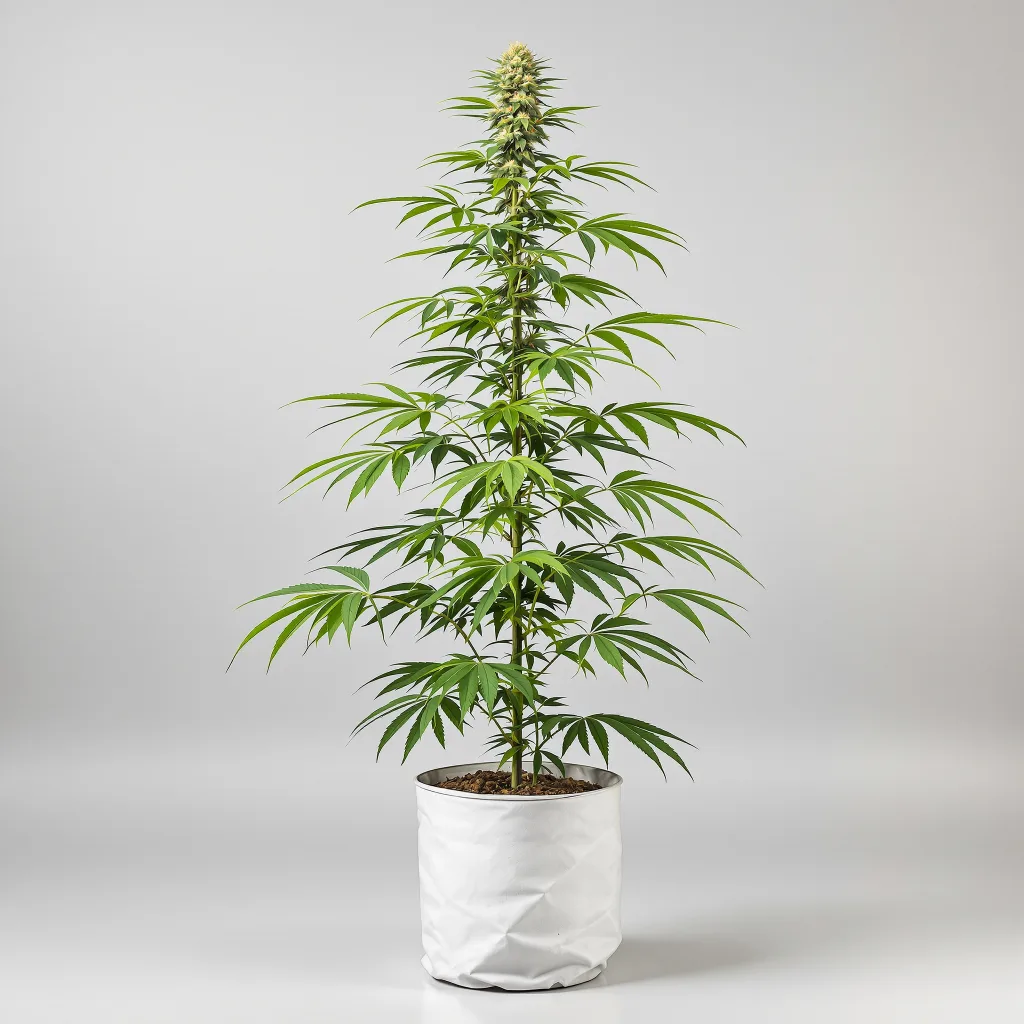
sativa
Gelato Cake Feminized
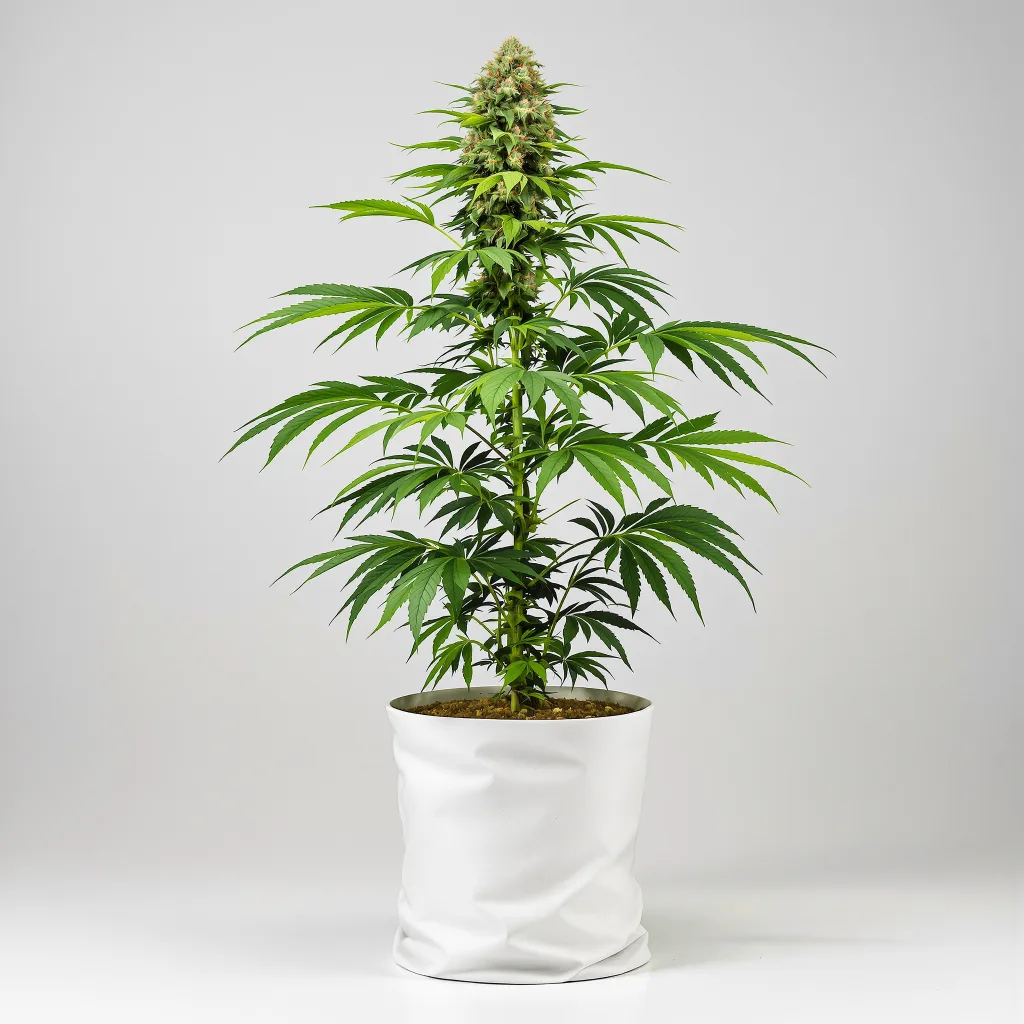
indica
Strawberry Cheesecake Feminized
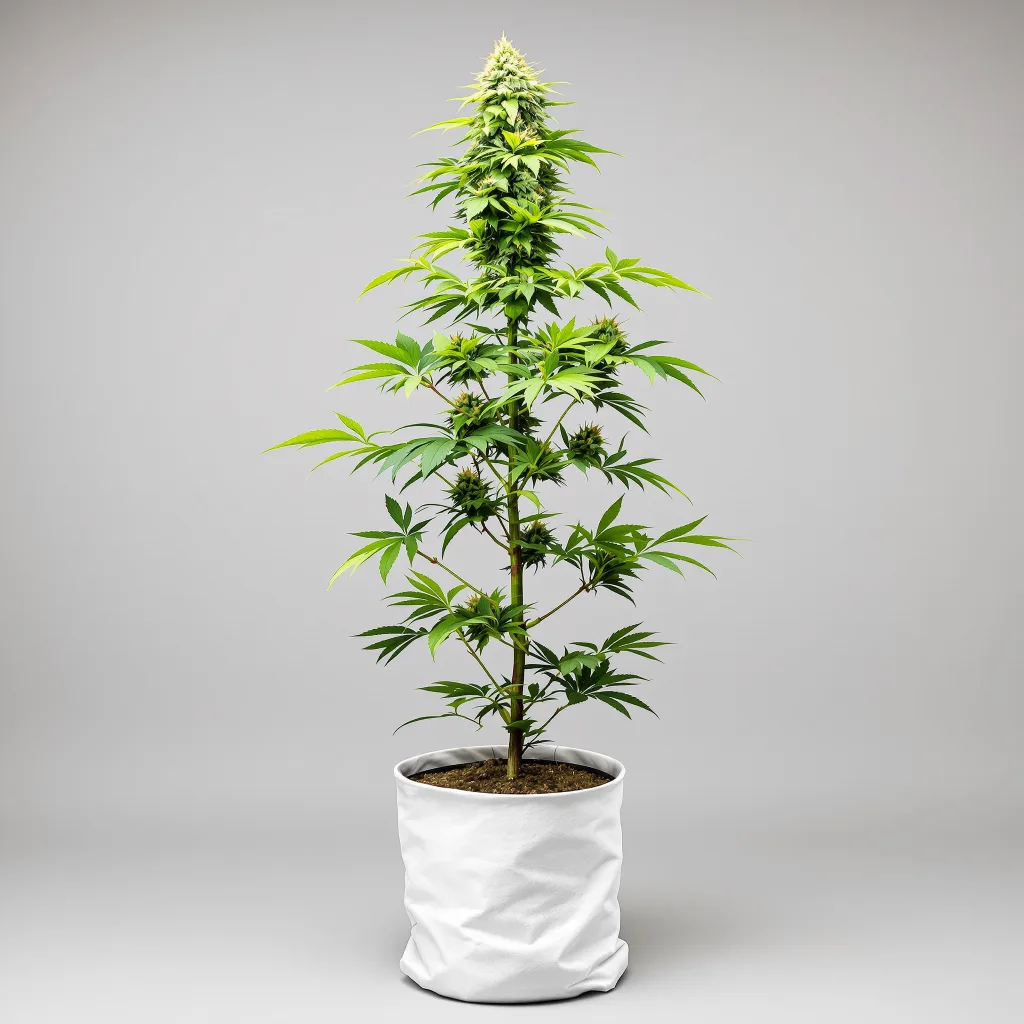
hybrid
Cake Bomb Feminized
Strain Profiles
Related Buying Guides
Browse the full All Cannabis Seeds collection
Premium genetics, shipped from within the US.
Related Articles
Wedding Cake Strain Review: Effects and Grow Tips | Royal King Seeds
strainWhite Widow Cannabis Strain: Genetics, Effects & Grow Guide | Royal King Seeds
strainOG Kush and Its Variants: Lineage, Effects & Grow Guide | Royal King Seeds
strainBlue Dream Cannabis Strain: Genetics, Effects & Grow Guide | Royal King Seeds
strainGelato Strain Review: Effects and Grow Tips | Royal King Seeds
strainStrawberry Cough Cannabis Strain: Aroma, Effects & Grow Guide | Royal King Seeds
Ready to Start Growing?
Shop feminized, autoflower, and CBD strains with 95% germination and free delivery on eligible orders of $150 or more.
Shop Cannabis Seeds