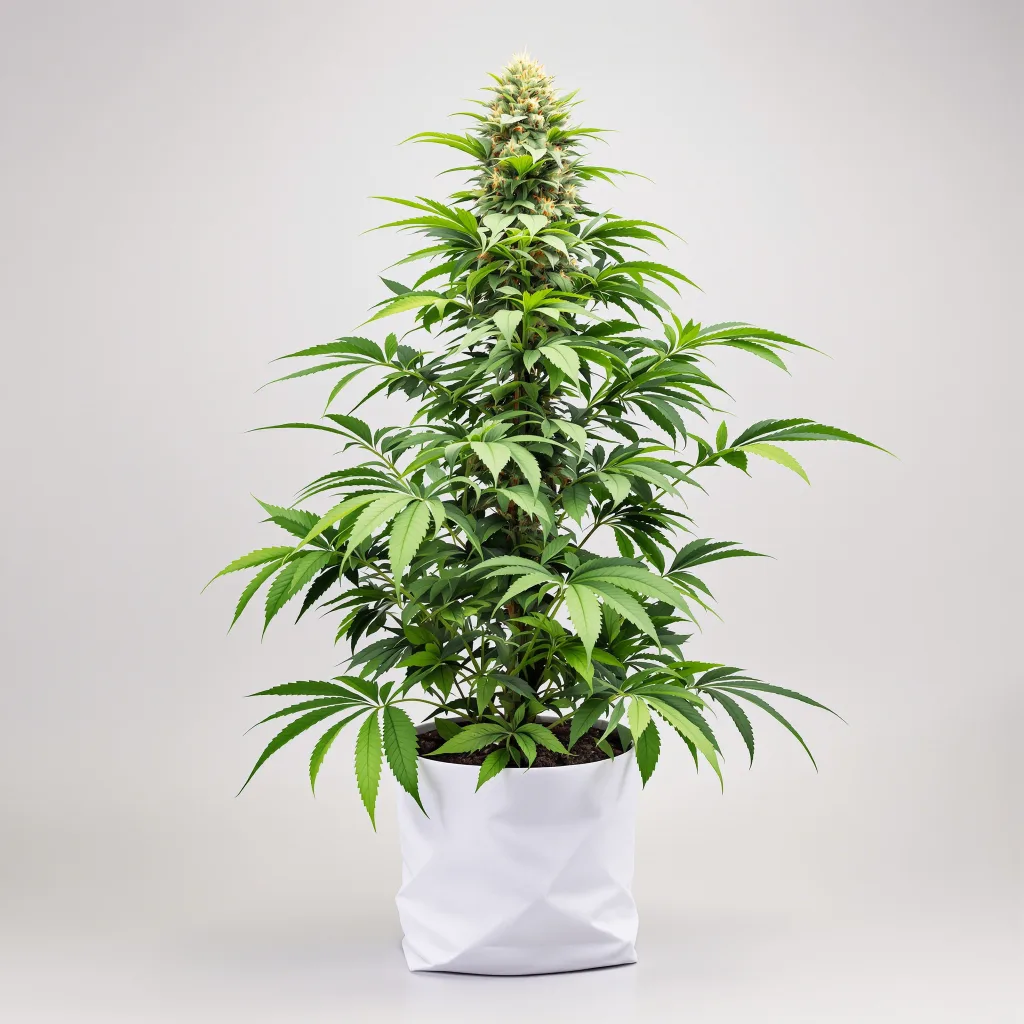
Mystic Kush: A Detailed Medical Strain Analysis
Origins and Lineage
Mystic Kush is a cannabis strain that has captured the attention of the medical community due to its unique genetic profile, robust growth characteristics, and impressive therapeutic properties. This strain is a hybrid, born from the crossbreeding of two potent and well-respected strains: Master Kush and Bubba Kush.
- Master Kush: Originating from the Hindu Kush region, this strain is an indica-dominant hybrid known for its resilience and strong medicinal properties. It is renowned for its calming effects, making it a favorite for treating conditions such as insomnia, chronic pain, and anxiety.

- Bubba Kush: Another indica-dominant strain, Bubba Kush, has roots in the Afghan Kush landrace, which contributes to its potent sedative effects. In the medical cannabis world, it is well-regarded for how well it works to treat pain, stress, and sleep issues.

The marriage of these two strains has resulted in Mystic Kush, an indica-dominant hybrid that carries the best traits of its parents. With an average THC content of around 18-22% and a CBD content typically below 1%, Mystic Kush is well-suited for medical use, particularly for those seeking relief from pain, insomnia, and stress without a significant psychoactive experience.
Chemical Profile
The chemical profile of Mystic Kush is a complex blend of cannabinoids, terpenes, and flavonoids, each contributing to its therapeutic effects.
- Cannabinoids: The primary cannabinoids found in Mystic Kush include THC (Tetrahydrocannabinol), CBD (Cannabidiol), and minor cannabinoids like CBN (Cannabinol) and CBG (Cannabigerol). The balanced ratio of these cannabinoids enhances the strain’s medicinal properties.
- THC (18-22%): The moderate THC content in Mystic Kush is responsible for its pain-relieving and anti-inflammatory effects. Pain and stress are modulated by THC through interactions with the body’s endocannabinoid system, namely the CB1 receptors.
- CBD (<1%): Although present in low amounts, CBD contributes to the strain’s overall therapeutic effects by counteracting the psychoactive effects of THC and providing anti-inflammatory and anxiolytic benefits.
- CBN and CBG: These minor cannabinoids, though present in small quantities, add to the sedative and anti-inflammatory effects, making Mystic Kush an effective strain for treating sleep disorders and chronic pain.
- Terpenes: Myrcene, limonene, and caryophyllene dominate the terpene profile of Mystic Kush, which adds to its distinct scent and therapeutic qualities.
- Myrcene: The most prevalent terpene in Mystic Kush is myrcene, which has an earthy and musky aroma. It has sedative properties and enhances the strain’s calming effects, making it ideal for treating insomnia and anxiety.
- Limonene: This citrus-scented terpene adds an uplifting effect to the strain, helping to alleviate stress and anxiety. The antioxidant and anti-inflammatory qualities of limonene are also well-known.
- Caryophyllene: With its spicy and peppery aroma, caryophyllene is unique among terpenes as it can interact with the CB2 receptors in the body, contributing to its anti-inflammatory and analgesic effects. This makes Mystic Kush particularly effective for managing chronic pain and inflammation.
- Flavonoids: While not as well studied as cannabinoids and terpenes, flavonoids in Mystic Kush contribute to its anti-inflammatory and antioxidant properties. These compounds also play a role in the strain’s color and aroma, adding to its therapeutic appeal.
Medical Benefits

Mystic Kush is prized in the medical cannabis community for its wide range of therapeutic benefits. Its unique chemical profile makes it particularly effective for treating various medical conditions, especially those related to pain, sleep, and mood disorders.
- Pain Relief: The combination of THC, CBD, and caryophyllene in Mystic Kush makes it a powerful analgesic. Patients suffering from chronic pain conditions such as arthritis, fibromyalgia, and neuropathy have reported significant relief after using this strain. Terpenes and cannabinoids’ anti-inflammatory qualities also aid in lowering swelling and pain related to these illnesses.
- Insomnia and Sleep Disorders: Mystic Kush’s sedative effects are largely attributed to its high myrcene content and the synergistic effects of THC and CBN. This strain is particularly effective for patients struggling with insomnia or other sleep disorders. It helps induce a deep, restful sleep, allowing patients to wake up feeling refreshed and rejuvenated.
- Anxiety and Stress: Mystic Kush has relaxing properties that are helpful for people with anxiety and stress-related conditions. Limonene and CBD work together to uplift mood and alleviate feelings of anxiety, while the overall relaxing effects of the strain help to reduce stress and promote a sense of well-being. This strain has proven to be helpful for patients suffering from PTSD, social anxiety, and generalized anxiety disorder (GAD).
- Muscle Spasms and Tension: Mystic Kush is effective in reducing muscle spasms and tension, thanks to its muscle-relaxing properties. This makes it a suitable option for patients with conditions like multiple sclerosis (MS) or chronic muscle spasms.
- Appetite Stimulation: For patients undergoing treatments that affect appetite, such as chemotherapy, Mystic Kush can be an effective option. The strain’s capacity to increase appetite helps shield these patients from malnourishment and weight loss.
- Mood Disorders: Mystic Kush has shown promise in managing mood disorders such as depression and bipolar disorder. The uplifting effects of limonene and the mood-stabilizing effects of THC and CBD help to alleviate depressive symptoms and promote a more balanced mood.
- Nausea and Vomiting: Due to its antiemetic qualities, Mystic Kush is a useful treatment for nausea and vomiting, particularly in cancer patients and those with gastrointestinal issues.
Restrictions on Using Mystic Kush in the Medical Field and Monitoring THC Levels in Medications
1. Regulatory Restrictions on Use as a Last Resort
The use of Mystic Kush in the medical field, like other high-THC cannabis strains, is often subject to stringent regulations. While cannabis-based medications have been increasingly accepted for various medical conditions, their use is typically considered a last resort, particularly when conventional treatments have failed. Here are some key restrictions:
- Medical Approval and Prescribing Guidelines: In many jurisdictions, cannabis strains like Mystic Kush can only be prescribed by certified healthcare providers under strict medical guidelines. Patients often need to demonstrate that they have not responded to other approved medications or therapies before being considered eligible for cannabis treatment. Documentation of treatment history and evidence of failed conventional therapies are usually required.
- Condition-Specific Use: Mystic Kush’s application in the medical field is often restricted to specific conditions approved by regulatory bodies, such as chronic pain, severe anxiety, PTSD, and certain neurological disorders. The strain’s sedative and pain-relieving properties make it suitable for these conditions, but healthcare providers must ensure it aligns with approved use cases in their region.
- Risk Assessment and Informed Consent: Before initiating treatment with Mystic Kush, healthcare providers are required to conduct a thorough risk assessment, particularly focusing on potential psychoactive effects due to THC content. Patients’ express agreement is required, and they must be properly informed of these dangers. This includes discussing potential side effects, the impact on cognitive and motor functions, and the possibility of dependency.
- Monitoring and Adjusting Treatment: Given the psychoactive properties of THC, patients prescribed Mystic Kush must be closely monitored throughout their treatment. Regular follow-ups to assess the efficacy and side effects of the strain are critical, ensuring the benefits outweigh the risks. Providers must be prepared to adjust dosages or discontinue use if adverse effects are noted.
2. Monitoring THC Levels to Prevent Psychoactive Effects
One of the primary concerns in using high-THC strains like Mystic Kush in medical treatment is managing the psychoactive effects associated with THC. For patients who need relief without the impairment of cognitive functions, closely monitoring and controlling THC levels in medications is crucial. Here are some methods and considerations:
- Microdosing Strategies: Microdosing involves administering very small, controlled doses of THC to minimize psychoactive effects while still providing therapeutic benefits. This strategy is particularly useful for patients sensitive to THC or those who need to maintain daily functioning. By starting with low doses and gradually increasing based on the patient’s tolerance and response, healthcare providers can fine-tune treatment to achieve the desired medical outcomes without significant psychoactivity.
- THC
Ratios: Balancing THC with CBD is a critical approach in mitigating psychoactive effects. CBD is known to counteract some of the psychoactive effects of THC by modulating its interaction with cannabinoid receptors in the brain. For medical formulations, adjusting the THC
ratio can help create a more balanced effect that maximizes therapeutic benefits while reducing unwanted psychoactivity. For instance, a 1:1 THC to CBD ratio might be more suitable for patients requiring pain relief without intense psychoactive effects. - Routine Blood or Urine Testing: To monitor THC levels in patients, routine blood or urine testing can be employed. These tests help assess the concentration of THC and its metabolites in the body, ensuring they remain within a therapeutic range that minimizes psychoactive effects. Such monitoring is especially important for patients on high-dose regimens or those who exhibit sensitivity to THC.
- Use of Isolated Cannabinoid Extracts: Instead of whole-plant formulations, some medical providers opt for isolated cannabinoid extracts or formulations where the THC content is precisely controlled. This approach allows healthcare providers to customize treatments, reducing THC to minimal levels while still leveraging other beneficial cannabinoids and terpenes.
- Patient Self-Monitoring and Reporting: Educating patients on recognizing and reporting symptoms of excessive THC exposure (such as dizziness, confusion, or paranoia) is vital. Self-monitoring empowers patients to adjust their intake and provides valuable feedback to healthcare providers for ongoing dosage adjustments.
- Alternative Administration Methods: Different methods of administration can influence the psychoactive effects of THC. For instance, sublingual tinctures or low-dose capsules might provide more controlled and sustained release compared to inhalation methods. Adjusting the administration method can help manage THC levels more effectively.
3. Regulatory Frameworks and Best Practices
- Standardized Dosing Guidelines: In many regions, there are established guidelines for dosing medical cannabis products, including THC levels, to prevent excessive psychoactivity. Healthcare providers must adhere to these standardized practices and adjust doses according to patient needs and responses.
- Therapeutic Drug Monitoring (TDM): TDM is an evolving practice in medical cannabis use, which involves the periodic measurement of drug concentrations in the bloodstream. For THC-containing medications, TDM can help optimize therapeutic efficacy while minimizing adverse effects, ensuring that THC levels do not exceed safe and intended thresholds.
- Use of Low-THC Strains as Alternatives: In situations where patients cannot tolerate THC’s psychoactive effects, or where regulations are stricter, alternatives to high-THC strains like Mystic Kush are considered. Low-THC, high-CBD strains provide similar therapeutic benefits, especially for anxiety, inflammation, and pain, with reduced risk of psychoactivity.
- Restrictive Prescribing Practices: Healthcare providers often work within restrictive frameworks that prioritize patient safety. For Mystic Kush, prescriptions are generally limited to cases with documented need, and additional precautions are taken when treating vulnerable populations such as the elderly, those with a history of mental health disorders, or pediatric patients.
- Educational Programs for Healthcare Providers: Continuous education for healthcare providers on the safe use of THC-containing strains is essential. Training focuses on dosage management, patient assessment, and the latest research on cannabinoid interactions to optimize patient outcomes while minimizing risks.
Growing Conditions and Best Practices
Due to its ease of cultivation, Mystic Kush is a favorite variety among both new and seasoned growers. It thrives in various growing environments, including indoor, outdoor, and greenhouse setups. However, like all cannabis strains, specific conditions and practices can optimize its growth and enhance its medicinal properties.
- Climate and Environment: Mystic Kush prefers a warm, Mediterranean-like climate, with temperatures ranging between 70-85°F (21-29°C). It can tolerate cooler temperatures but may require additional care to prevent mold and mildew, especially in humid environments. To avoid moisture buildup when growing outside, pick a spot with lots of sunlight and excellent air circulation.
- Soil and Nutrients: Mystic Kush grows best in nutrient-rich, well-draining soil with a slightly acidic pH (6.0-6.5). Organic soil mixes with added perlite or coco coir can improve drainage and root health. This strain gains from a well-balanced nutrition schedule that emphasizes nitrogen during the vegetative stage and higher levels of potassium and phosphorus during the flowering stage. Consider using organic fertilizers and compost to enhance terpene and cannabinoid production.
- Watering: Consistent watering is crucial for Mystic Kush, but it’s essential to avoid overwatering, as this can lead to root rot and other fungal issues. Water when the top inch of soil is dry, and ensure that your growing medium has proper drainage. During flowering, reduce humidity and water intake slightly to promote resin production and prevent mold.
- Light Requirements: Mystic Kush thrives under intense light, making it ideal for indoor cultivation with high-quality LED or HPS grow lights. For indoor grows, maintain a light schedule of 18 hours of light and 6 hours of darkness during the vegetative stage, switching to 12/12 during the flowering stage to trigger bud development. Ensure the lights are kept at the optimal distance from the plants to prevent light burn while maximizing growth.
- Training Techniques: Consider utilizing training methods including topping, defoliation, and low-stress training (LST) to optimize yields and promote even growth. In order to encourage the formation of several colas, topping entails cutting the main stem, whereas LST entails bending and tying down branches to provide a more equal canopy. Defoliation, the removal of excess leaves, can improve light penetration and air circulation, reducing the risk of mold and increasing bud production.
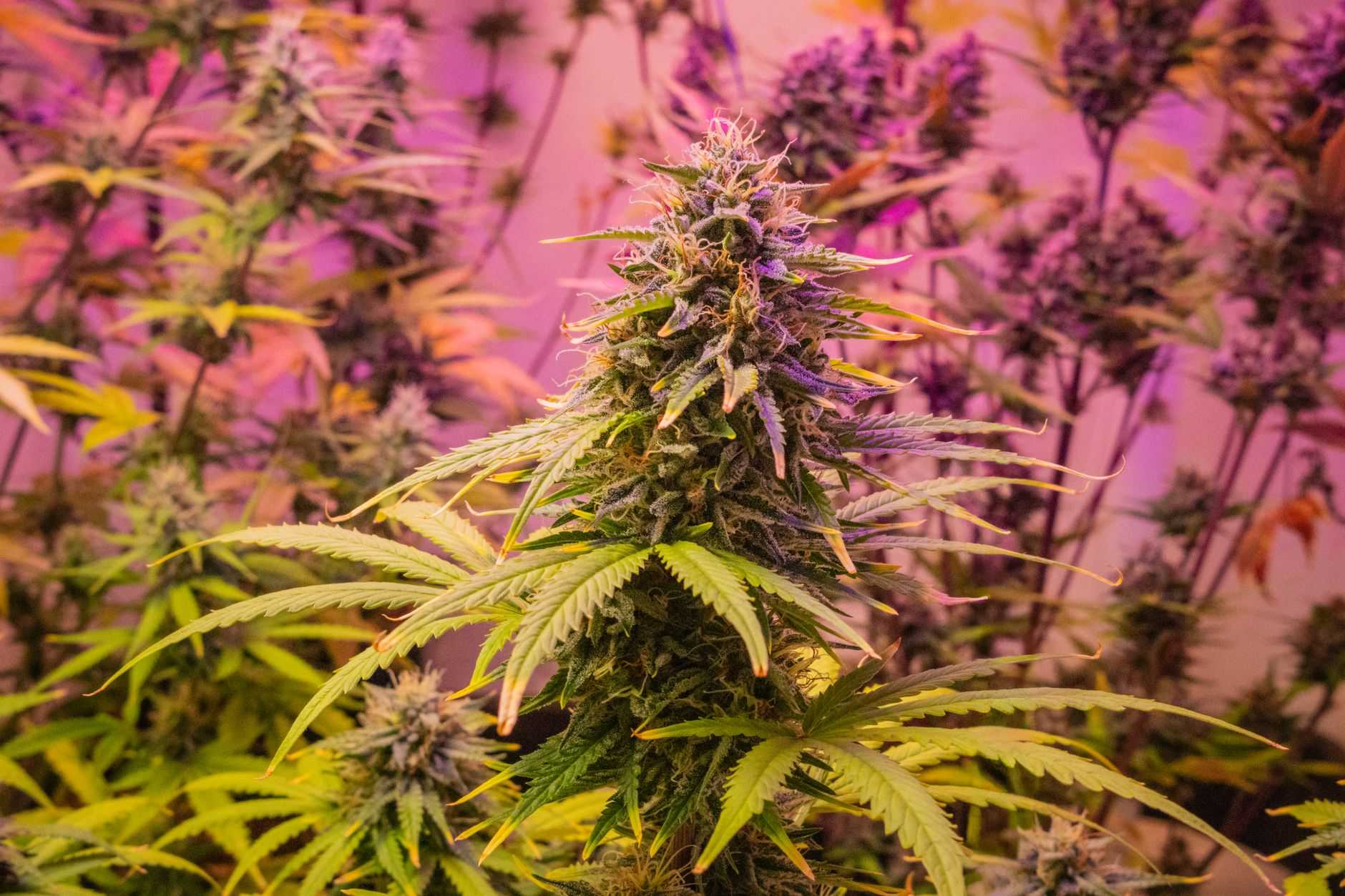
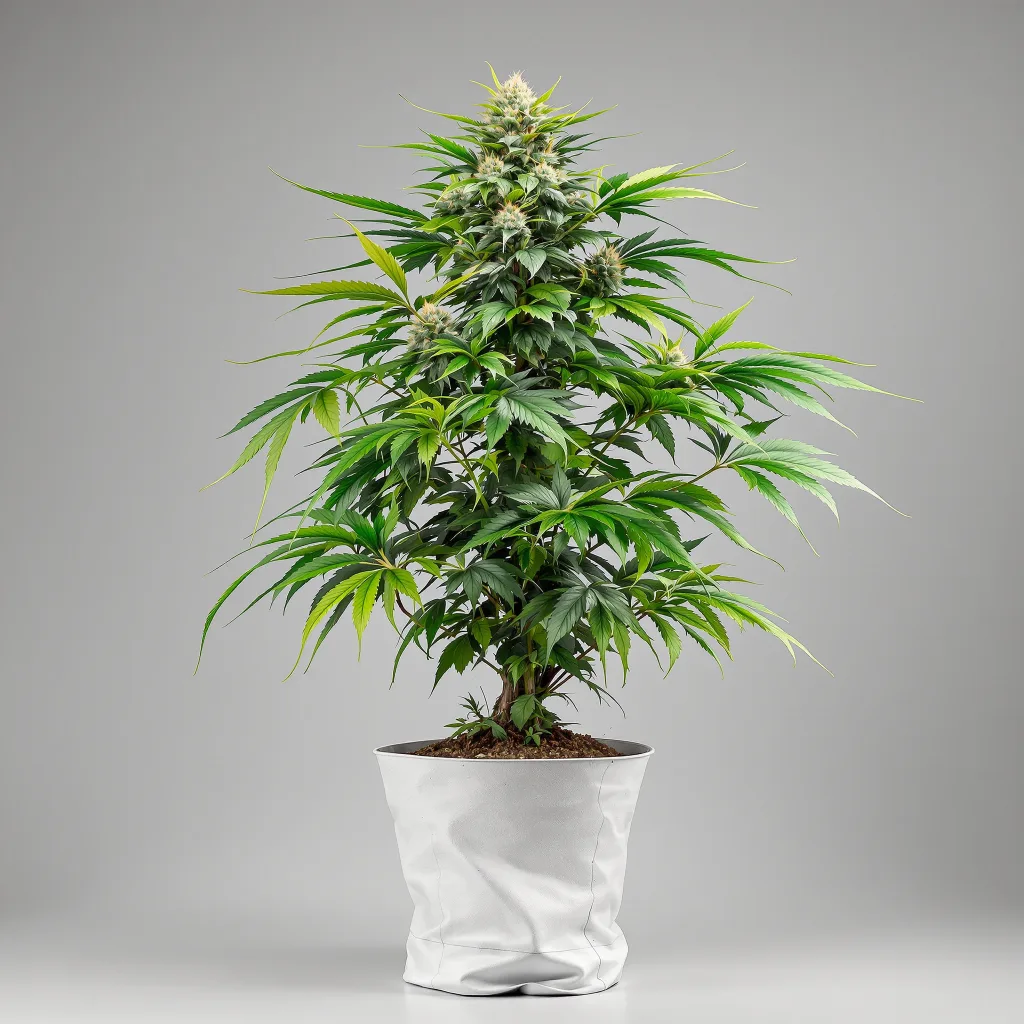
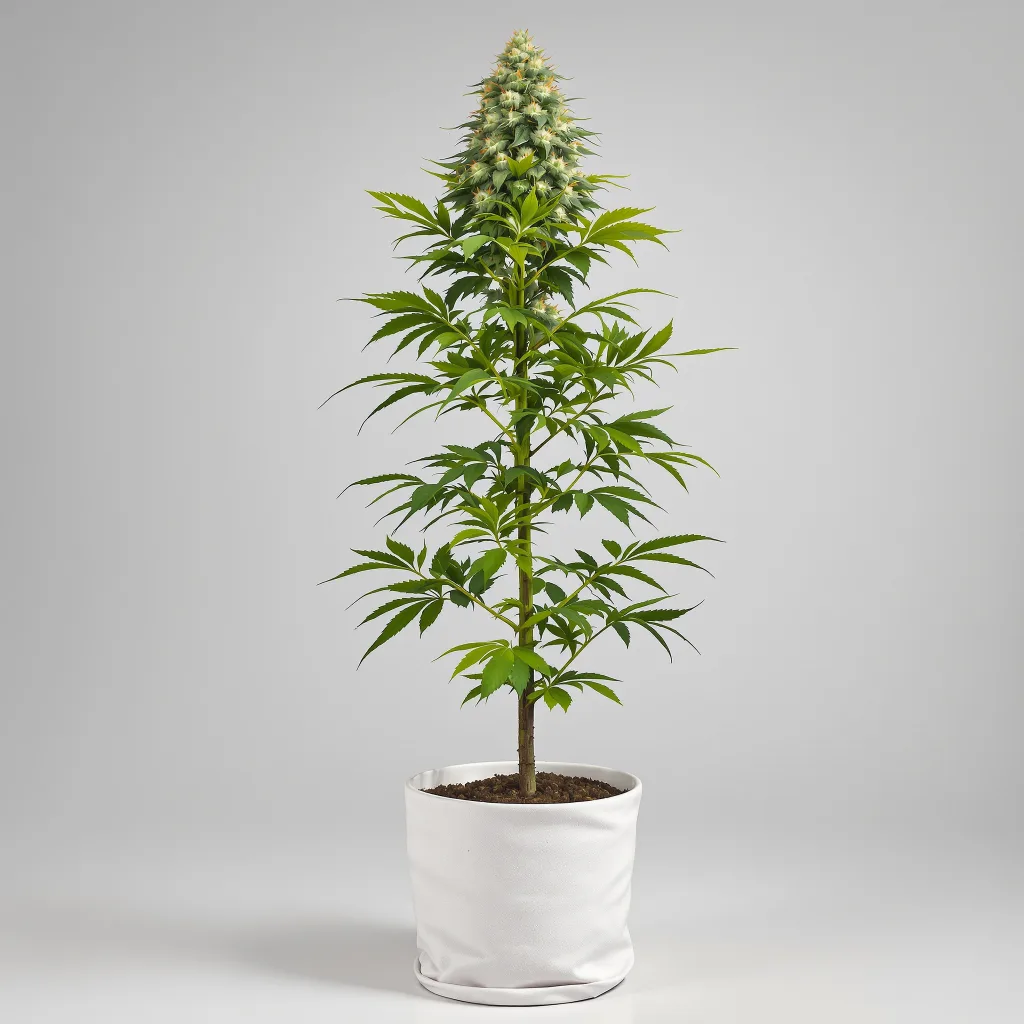
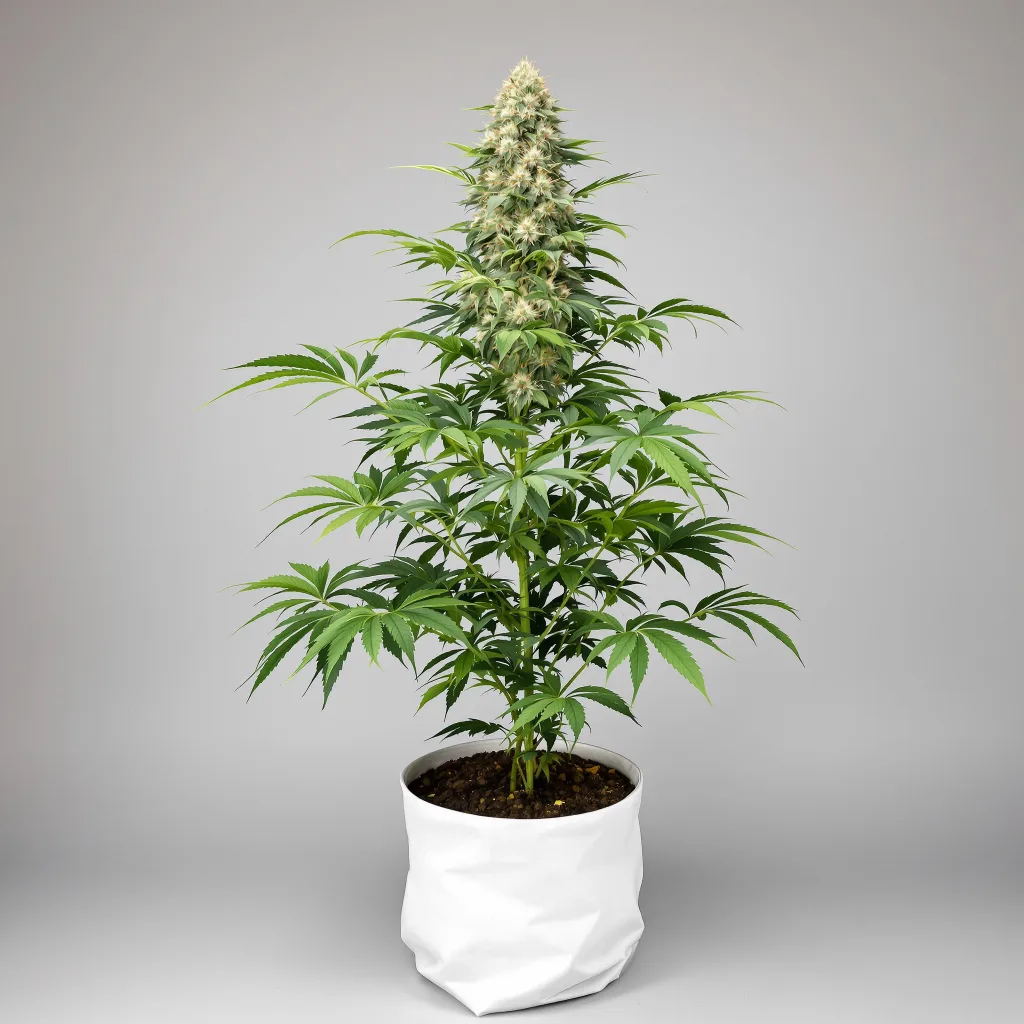
- Flowering Time: Mystic Kush is a fast-finishing strain because of its very short flowering duration of 7-9 weeks. The plant will produce dense, resinous buds with a strong scent during this time. The strain’s indica genetics contribute to its compact growth, making it suitable for indoor cultivation where space is limited.
- Harvesting and Curing: Harvest Mystic Kush when the trichomes on the buds are mostly cloudy with some turning amber, indicating peak potency. This often happens for outdoor grows in late September or early October. After harvesting, allow the buds to air dry in a dark, well-ventilated area with a humidity of between 50 and 60 percent. After the buds are dry, cure them in glass jars, making sure to burp them every day for the first week to let off extra moisture. The strain’s flavor, aroma, and potency are all improved by proper curing.
- Pest and Disease Management: Mystic Kush is a resilient strain but can still be susceptible to common pests such as spider mites, aphids, and whiteflies. Check plants frequently for indications of infestation, and think about applying natural pest control techniques like insecticidal soap or neem oil. Keeping the growing area clean and ensuring adequate air circulation can also aid in halting the growth of mildew and mold.
- Yield: Mystic Kush is known for its generous yields, producing up to 500 grams per square meter indoors and 600 grams per plant outdoors under optimal conditions. The dense, resin-coated buds are highly valued for their medicinal properties, making this strain a rewarding choice for medical cannabis cultivators.
Conclusion
Mystic Kush is a remarkable medical cannabis strain with a rich lineage, a unique chemical profile, and a wide range of therapeutic benefits. Rooted in the genetics of Master Kush and Bubba Kush, this indica-dominant hybrid combines the best attributes of its parents to offer potent relief for conditions like chronic pain, insomnia, anxiety, muscle spasms, and mood disorders. Its balanced cannabinoid and terpene profile, featuring significant levels of THC alongside calming terpenes like myrcene and limonene, make it a valuable tool in the medical cannabis field.
However, the use of Mystic Kush in medical treatments is carefully regulated due to its psychoactive potential. It is generally considered a last-resort option, prescribed when conventional treatments have failed. Healthcare providers must adhere to stringent guidelines, including thorough patient evaluations, informed consent, and ongoing monitoring of THC levels to prevent unwanted psychoactive effects. Techniques like microdosing, adjusting THC
ratios, and alternative administration methods are crucial in managing these effects and ensuring patient safety.
Cultivating Mystic Kush is relatively straightforward, making it accessible for both professional growers and medical patients who cultivate their own medicine. With proper care and optimal growing conditions, this strain can produce high yields of resin-rich buds that are rich in therapeutic compounds.
In summary, Mystic Kush stands out as a powerful medical cannabis strain, offering significant therapeutic potential when used responsibly and within regulatory frameworks. Its ability to address complex medical conditions with minimal side effects makes it an invaluable option for patients seeking relief when other treatments fall short. With careful cultivation, precise dosing, and diligent monitoring, Mystic Kush can be a cornerstone in the management of chronic and debilitating health conditions, helping improve the quality of life for many patients in the medical cannabis community.