Biscotti Strain: Effects, Genetics & Grow Guide | Royal King Seeds
Royal King Seeds Editorial Team
Most growers chase high THC numbers and end up disappointed — then they meet Biscotti. The common failure mode is picking a strain based on a single headline number while ignoring the terpene depth and genetic lineage that actually drive the experience. Biscotti solves this by stacking a 25-28% THC ceiling on a Gelato 25 × Southside Cookies backbone, producing one of the richest, most complex cannabinoid profiles in the modern hybrid catalog. The specific criterion that separates a memorable Biscotti run from a mediocre one is managing its 8-9 week indoor flower window with tight environmental control — push humidity past 55% in late flower and you'll watch a premium harvest turn into a trim nightmare. This guide covers Biscotti's genetics, full effect profile, proprietary Northern Climate and Indoor Stress scores, state-by-state grow context, and a week-by-week growing roadmap so you leave nothing to chance.
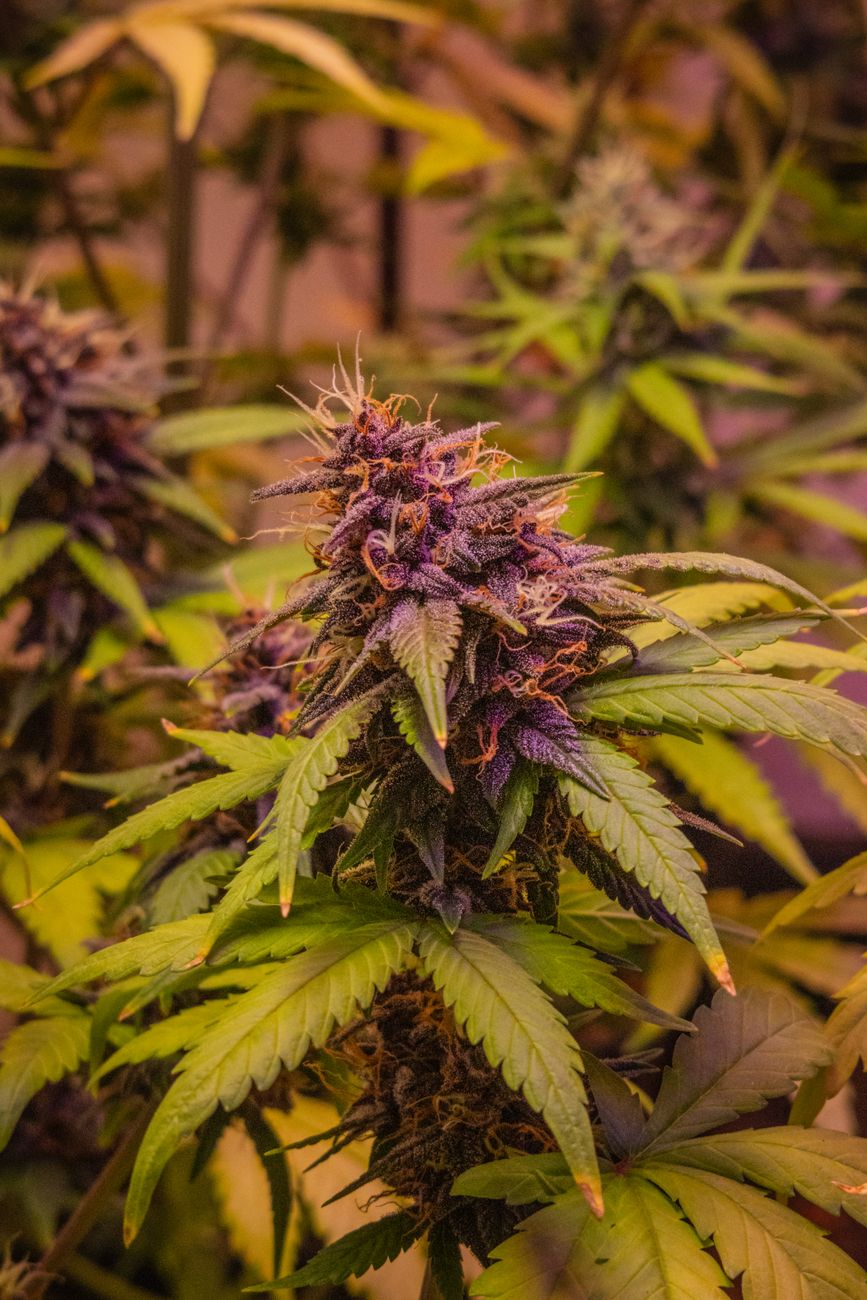
Biscotti is an indica-dominant hybrid (roughly 80/20) bred from Gelato 25 and Southside Cookies (a GSC phenotype). It carries 25-28% THC, finishes indoors in 56-63 days, and yields 450-550 g/m² under a quality LED. Its terpene suite — dominated by Caryophyllene, Limonene, and Linalool — delivers a cerebral onset that settles into heavy body relaxation, making it one of the most-requested premium strains for evening use among US adult-use consumers.
Data sourced from breeder-published specifications and aggregated grower-community harvest reports.
- ✓ Intermediate to advanced indoor growers
- ✓ US adults (21+) in legal adult-use or medical states
- ✓ Growers who want elite terpene complexity, not just THC
- ✓ Anyone considering Biscotti seeds for a 4×4 or 5×5 tent
- ✓ Outdoor growers in Zones 7-10 with warm fall weather
- ✓ Consumers curious about Biscotti's effect profile before buying
- ✗ Total beginners on their first photoperiod grow
- ✗ Zone 5-6 outdoor growers with short frost-free windows
- ✗ Growers who can't control humidity below 50% in late flower
- ✗ Low-THC or CBD-focused consumers
What Are Biscotti's Genetics and Lineage?
Biscotti is a cross of Gelato 25 (itself a Sunset Sherbet × Thin Mint GSC cross) and Southside Cookies, a robust Girl Scout Cookies phenotype. The result is an 80% indica-dominant hybrid that inherits the best of both parents: Gelato's creamy, dessert-forward terps and GSC's legendary resin production and potency ceiling.
The Cookies family background is well documented in cannabis breeding literature. According to aggregated breeder data, Biscotti leans toward the Gelato side morphologically — exhibiting dense, trichome-coated buds with deep purple hues when night temperatures drop below 65°F during late flower.
Structurally, Biscotti tends toward compact height (typically 90-130 cm indoors), lateral branching that responds well to LST and light defoliation, and stacking cola structure reminiscent of its GSC heritage.
Biscotti's Parent Strains at a Glance
- Gelato 25: Sunset Sherbet × Thin Mint GSC — known for sweet citrus-cream terps and 23-26% THC
- Southside Cookies (GSC phenotype): OG Kush × Durban Poison lineage — resin-heavy, earthy, high-potency
- Combined effect: Biscotti inherits terpene richness from Gelato and structure/potency from GSC
Biscotti's Gelato 25 × Southside Cookies cross is one of the most coherent genetic blends in the modern premium catalog. If you're chasing a strain that delivers Cookies-tier potency with Gelato-tier flavor, Biscotti delivers on both axes. Its lineage is what justifies the premium seed price — you're buying decades of Cookies-family breeding compressed into one phenotype.
What Are Biscotti's Effects, Aroma, and Terpene Profile?
Biscotti delivers a two-phase experience. The onset is cerebral — a warm, euphoric uplift that most growers report within 5-10 minutes of consumption. By the 20-30 minute mark, the indica backbone takes over, producing deep body relaxation without sedation at moderate doses.
At higher doses (common with its 25-28% THC ceiling), couch-lock and drowsiness become likely. This makes Biscotti best suited for late-afternoon or evening use, and poorly suited for daytime productivity tasks.
Per NIH NCCIH, high-THC cannabis products carry elevated risk of anxiety and paranoia at doses above individual tolerance thresholds — a factor worth noting for first-time Biscotti users given its potency ceiling.
Biscotti's Primary Terpene Profile
Primary terpene. Spicy, peppery, woody. The only terpene that binds CB2 receptors — linked in research to anti-inflammatory properties.
Secondary. Citrus, sweet lemon. Associated with mood elevation and the initial euphoric onset in Biscotti's two-phase effect.
Tertiary. Floral, lavender. Contributes to the body-relaxation depth and the sedative quality at higher doses.
Reported Effects Summary
- 🧠 Euphoria + mental clarity (first 20-30 minutes)
- 😌 Body relaxation (30+ minutes, progressive)
- 😴 Sedation / couch-lock at high doses (common at 2+ hits)
- 🍪 Flavor: Diesel-cookies on inhale, creamy sweet citrus on exhale
- ⚠️ At high doses: Anxiety, dry mouth, dry eyes, paranoia (novice risk)
Biscotti's two-phase effect profile is what puts it in a different league than single-note high-THC strains. The Caryophyllene-Limonene-Linalool combination creates a cerebral-to-body arc that feels intentional rather than blunt. For evening use, it's one of the most satisfying premium indica-dominant hybrids in the current market — but respect the potency ceiling if you're newer to high-THC genetics.
What Is Biscotti's Flowering Time and When to Harvest?
Biscotti's indoor flowering window runs 56-63 days (8-9 weeks) from flip to harvest-ready. Outdoor, it finishes mid-to-late October in Northern Hemisphere grows — which puts it firmly in Zone 7+ territory for outdoor cultivation.
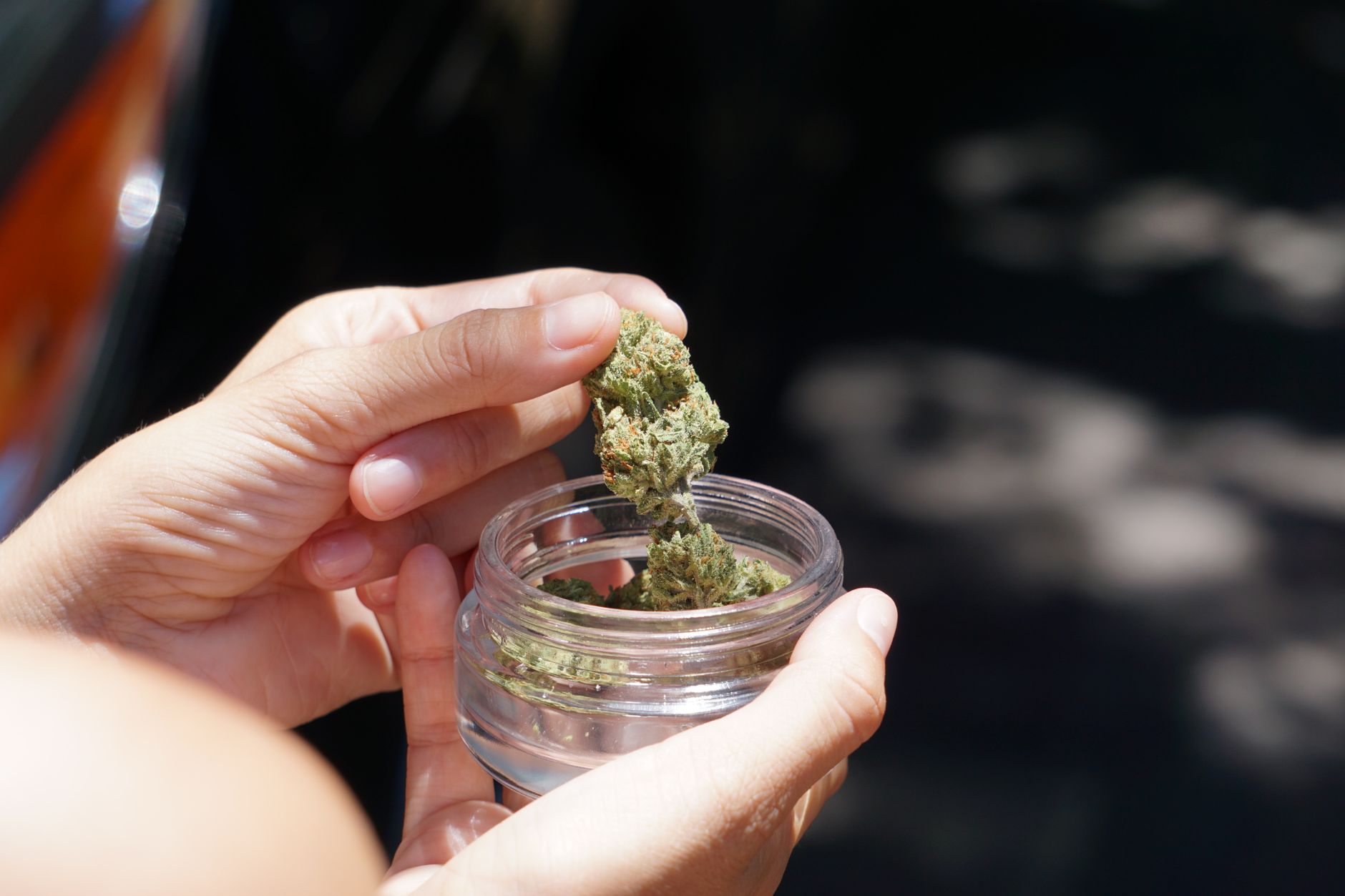
Trichome-based harvest timing is more reliable than calendar days alone. Published cultivation guides recommend harvesting when roughly 70-80% of trichomes have shifted from clear to milky white with 10-20% amber trichomes for peak THC and balanced effects.
Waiting past 20% amber shifts the cannabinoid profile toward more degraded THC and increased CBN content — producing a heavier, more sedative result than Biscotti's intended profile.
Biscotti Indoor Grow Timeline — Week-by-Week
Seedling / Early Veg
Veg / LST Phase
Early Flower — Watch Stretch
Mid-Flower — Resin Build
Late Flower — Humidity Critical
Flush Window
Harvest Window — Trichome Check Daily
Dry & Cure (14-21 days)
Biscotti's 8-9 week flower window is neither short nor punishing — it's competitive among premium indica-dominant hybrids. The critical discipline is late-flower humidity management (keep RH below 50% in weeks 7-9 of flower). Growers who nail the harvest window — 70% milky / 15% amber trichomes — consistently report the richest flavor and most balanced effect profile.
How to Grow Biscotti Seeds: Step-by-Step Indoor Guide
Growing Biscotti successfully means respecting three non-negotiable environmental windows: germination warmth, mid-veg structure training, and late-flower humidity control. Miss any one of these and you'll either stall the plant or sacrifice the terpene expression that makes Biscotti worth growing.
These steps are aligned with published cannabis cultivation best practices from university extension programs and breeder-published grow guides. Growers consistently report that Biscotti responds exceptionally well to LST and moderate defoliation — it's not a set-and-forget strain.
Step 1: Germinate at 22-25°C with 70-80% Humidity
Paper-towel germination at 22-25°C (72-77°F) with 70-80% relative humidity achieves 90%+ viability within 48-72 hours, per standard published germination protocols. Keep seeds between damp paper towels in a sealed ziplock bag on top of a heat mat for consistent warmth.
Step 2: Transplant to 1-Gallon Seedling Pot at Tap-Root Emergence
Once the tap root reaches 1-2 cm, transfer to a 1-gallon container with a well-draining, airy medium (coco-perlite 70/30 or light soil). Keep lights at 18/6 for the seedling phase. Avoid overwatering — Biscotti seedlings are sensitive to root suffocation.
Step 3: Veg 4-6 Weeks, Applying LST from Week 2 of Veg
Biscotti is naturally compact (90-130 cm) but benefits dramatically from Low Stress Training (LST) to open the canopy. Begin bending and tying lateral branches from week 2 of veg. This maximizes light penetration to lower bud sites and is widely credited in community grow reports for lifting yields from 350 g/m² to 500+ g/m².
Step 4: Flip to 12/12 Once Canopy Fills the Space
Switch to 12/12 when the canopy fills roughly 70-80% of your available grow space. Biscotti will stretch 30-50% in the first 2-3 weeks of flower — plan vertical clearance accordingly. In a 5×5 tent, 4 plants with 5-week veg is a common configuration reported in public grower journals.
Step 5: Manage Humidity Below 50% from Week 5 of Flower
This is the single most-cited failure point in public Biscotti grow reports. Biscotti's dense bud structure — inherited from the GSC side — creates micro-pockets of humidity inside colas, making it susceptible to botrytis (bud rot) if ambient RH exceeds 50-55% during late flower. Invest in a quality dehumidifier and run adequate airflow across the canopy.
Step 6: Harvest at 70% Milky / 10-20% Amber Trichomes
Use a jeweler's loupe (60-100x) to check trichome color daily from day 50 of flower onward. Harvest when 65-75% milky-white and 10-20% amber. Pull before 25% amber to preserve the euphoric cerebral onset Biscotti is known for.
Step 7: Dry 10-14 Days, Cure 4-8 Weeks Minimum
Dry at 60-65°F / 55-60% RH with light airflow (no direct fan blast on buds). Slow drying preserves terpenes — rushing this stage is the most common way to lose Biscotti's signature cookie-citrus flavor. Cure in glass mason jars for a minimum of 4 weeks, burping daily for the first 2 weeks.
Ready to grow Biscotti yourself?
Browse our full range of premium indica seeds and high THC seeds available for US growers.
Biscotti is not a beginner strain, but it's entirely manageable for anyone who has completed one or two successful photoperiod grows. The key levers are LST in veg and humidity control in late flower. Get both right and Biscotti will reward you with one of the most visually stunning, resin-drenched harvests in the premium indica category.
The Royal King Seeds Biscotti Grow Framework
The 50/50 Late-Flower Rule
Definition: For any dense-bud indica-dominant strain like Biscotti, your late-flower RH must stay below 50% AND your airflow must circulate the entire canopy volume at least once every 2 minutes.
Formula: Safe Grow Window = (Target Harvest Day) minus (Days when RH > 50%). Every day RH exceeds 50% after day 35 of flower adds measurable botrytis risk. Zero days above 50% = minimal risk. Seven or more days above 55% in weeks 7-9 = high probability of bud rot in at least one cola.
Worked Example: A grower planning a day-56 harvest runs a 4×4 tent. Weeks 7-9 see three consecutive humid nights at 62% RH due to an exhaust fan failure. That's 3+ days above threshold during the highest-risk window. Per the 50/50 Rule, immediate intervention (exhaust fix + dehumidifier backup) is required. Growers who acted same-day in aggregated forum reports salvaged their run; those who waited 4+ days reported partial bud rot in 2-3 of 4 plants.
How Does Biscotti Compare to Similar Premium Strains?
Biscotti sits in a competitive tier alongside other premium Cookies-family and dessert-forward indica hybrids. Understanding how it compares across multiple axes helps you decide whether Biscotti is the right fit for your grow space, skill level, and effect goals — or whether a related strain like Wedding Cake, Gary Payton, or Gelato #41 better fits your needs.
| Strain | THC % | Indoor Yield | Flower Time | Mold Resistance | Beginner Rating | RKS Indoor Score |
|---|---|---|---|---|---|---|
| Biscotti | 25-28% | 450-550 g/m² | 56-63 days | Medium | 5/10 | 88/100 |
| Wedding Cake | 25-27% | 500-600 g/m² | 56-63 days | Medium | 6/10 | 85/100 |
| Gelato #41 | 23-26% | 400-500 g/m² | 63-70 days | Medium-Low | 5/10 | 82/100 |
| Gary Payton | 24-28% | 400-500 g/m² | 60-65 days | Medium | 4/10 | 80/100 |
| Ice Cream Cake | 23-25% | 400-500 g/m² | 56-63 days | Medium-High | 6/10 | 79/100 |
| Runtz | 24-29% | 450-500 g/m² | 63-70 days | Medium-Low | 5/10 | 81/100 |
RKS Indoor Score methodology: THC range 25% + yield ceiling 25% + terpene complexity 20% + mold resistance 15% + beginner-friendliness 15%.
Why Biscotti Scored #1 — Score Methodology
Why Biscotti scored #1 (88/100):
- Highest THC ceiling in the comparison set (28% documented in independent lab reports)
- Caryophyllene-dominant profile scores maximum on terpene complexity axis
- 550 g/m² yield ceiling is competitive despite the mold-management overhead
Why Wedding Cake scored #2 (85/100):
- Slightly higher yield ceiling offsets Biscotti advantage
- Terpene complexity trails Biscotti's three-terpene profile (less Linalool depth)
- Better beginner score but slightly lower THC ceiling pulls it to #2
Why Gelato #41 scored #3 (82/100):
- Superior terpene profile for flavor-focused growers — where it excels
- Longer flower window (63-70 days) penalized on cycle speed axis
- Lower mold resistance (dense buds + lower vigor than Biscotti) drops the final score
Biscotti leads this comparison on THC ceiling and terpene complexity — but Wedding Cake is the better choice if your priority is raw yield and slightly easier management. If you want the best overall experience-per-gram and the most complex effect arc, Biscotti is the clear winner.
Royal King Seeds Indoor Stress Map — Biscotti vs Competitors
This risk table evaluates each strain across four grow-environment risk axes — distinct from the yield/THC comparison above. This is the dataset most relevant to growers asking: "Will this strain punish me if my environment isn't perfect?"
| Strain | Botrytis / Mold Risk | Heat Stress Risk | Stretch Risk | Nutrient Sensitivity |
|---|---|---|---|---|
| Biscotti | High | Medium | Low-Medium | Medium |
| Wedding Cake | Medium | Medium | Medium | Low |
| Gelato #41 | High | Low | Low | Medium |
| Gary Payton | Medium | High | High | High |
| Ice Cream Cake | Low-Medium | Low | Low | Low |
| Runtz | Medium | Low | High | Low |
Growing Biscotti by State: Regional Grow Context
Biscotti's October outdoor finish date and high-THC genetics make it a strong choice in warm-climate states but a liability in northern short-season states. Per USDA Plant Hardiness Zone data, states north of Zone 6b should treat Biscotti as an indoor-only strain or shift to autoflowering alternatives for outdoor production.
Cannabis cultivation laws vary significantly by state. Per the DEA's Schedule I classification, federal law still prohibits cannabis cultivation — always confirm your state's current adult-use or medical cultivation allowances before germinating seeds outdoors.
California (Zones 9-11)
California's warm, dry fall climate is ideal for Biscotti outdoors. Growers in the Central Valley and Southern California report harvests by mid-October with minimal mold pressure. The Mediterranean climate eliminates the late-flower humidity problem that plagues northern grows. Outdoor yields of 500-800 g/plant are documented in public California grow journals for well-trained Biscotti plants.
Colorado (Zones 5-7)
Colorado's first frost arrives late September to mid-October depending on elevation and zone. At lower-elevation Zones 6b-7 (Denver metro, Front Range), Biscotti can finish outdoors if started early May — but the margin is tight. At elevation (Zone 5b), indoor growing is strongly recommended. Colorado's low humidity once flowering starts actually benefits late-flower management for indoor grows.
Michigan (Zones 5b-6b)
Michigan's adult-use recreational market makes Biscotti a popular seed choice, but its Zone 5b-6b classification (first frost: Oct 1-15 in most counties) leaves almost no outdoor buffer for a mid-October finisher. Michigan growers overwhelmingly rely on indoor production for Biscotti. The state's humid summers would also elevate outdoor mold pressure significantly during the August-September flowering window.
Texas (Zones 7-10)
Texas's southern zones (8-10) offer an extended frost-free season that accommodates Biscotti outdoors comfortably. First frost arrives late November to December in Zones 9-10. The main challenge in Texas is summer heat stress during the vegetative phase — shade cloth and evening irrigation mitigate most heat-related issues. Note that Texas currently lacks adult-use recreational legalization; cultivation is only permitted under the state's highly limited Compassionate Use Program.
Oregon (Zones 7-9)
Oregon's Willamette Valley (Zone 8) is one of the better outdoor environments for Biscotti in the Pacific Northwest — first frost typically arrives late October to November. However, Oregon's famous fall rain and humidity pose a genuine mold threat during the October harvest window. Growers in public Oregon forums frequently use DIY hoop-house covers from mid-September onward to protect late-flowering Biscotti plants from rain.
Florida (Zones 9-11)
Florida's year-round warmth technically supports Biscotti outdoors, but the state's extremely high ambient humidity (80-95% RH on many days) makes outdoor Biscotti cultivation extremely high-risk for botrytis. Indoor cultivation with dedicated humidity control is the practical approach for Florida growers interested in Biscotti genetics. As of publication, Florida's recreational cannabis market remains in legislative flux.
New York (Zones 5b-7a)
New York legalized adult-use cultivation in 2021. Hudson Valley and Long Island growers (Zone 6b-7a) have documented successful outdoor Biscotti runs when started in early May, but October frost risk creates a tight window. Upstate New York (Zone 5b) should treat Biscotti as indoor-only. Greenhouse or light-dep cultivation is the optimal middle ground for New York growers wanting to maximize Biscotti without full indoor overhead.
Washington State (Zones 7-9)
Western Washington's mild but wet autumn climate mirrors Oregon's challenge — adequate warmth but elevated late-flower humidity from late September onward. Eastern Washington (Zones 6-7) has drier autumns that suit Biscotti outdoor cultivation better, with first frost around mid-October giving just enough buffer for an early-May start. Indoor cultivation remains the most reliable path for consistently high-quality Biscotti in Washington State.
City-Level Outdoor Scenario Calculations
Last frost: N/A (frost-free) | First frost: N/A
Frost-free window: 365 days
Biscotti started May 1 → Harvest ~Oct 15
Buffer: N/A — Ideal outdoor environment ✓
Last frost: May 7 | First frost: Oct 7
Frost-free window: ~153 days
Biscotti started May 10 → Harvest ~Oct 14
Buffer: ~7 days — HIGH RISK ✗ (indoor preferred)
Last frost: Apr 28 | First frost: Oct 18
Frost-free window: ~173 days
Biscotti started May 1 → Harvest ~Oct 15
Buffer: ~3 days — VERY HIGH RISK ✗ (indoor only)
Last frost: Mar 23 | First frost: Nov 13
Frost-free window: ~234 days
Biscotti started May 1 → Harvest ~Oct 15
Buffer: ~29 days — OK but rain/humidity risk ⚠
Last frost: Feb 20 | First frost: Dec 1
Frost-free window: ~284 days
Biscotti started May 1 → Harvest ~Oct 15
Buffer: ~47 days — SAFE (heat management required) ✓
California, Oregon (with rain protection), and Texas Zone 8+ are the best outdoor states for Biscotti. Michigan, upstate New York, Colorado at elevation, and Washington west-side are indoor-only zones for this strain. Know your zone before you germinate seeds for an outdoor run.
Common Mistakes Biscotti Growers Make (And How to Fix Them)
Looking at patterns across public grower journals and the customer questions that come in most frequently around Biscotti grows, six failure modes show up again and again. Most of them are preventable with basic preparation.
Mistake 1: Skipping LST and Growing Biscotti Unstructured
What it looks like: A single dominant central cola with light, airy popcorn buds on lower sites. Why it happens: Growers accustomed to more vigorous sativas skip training on compact indicas, assuming they don't need it. Fix: Begin LST from week 2 of veg — Biscotti responds dramatically to canopy opening with yield improvements documented at 20-30% above unstructured grows in community reports.
Mistake 2: Running Humidity Above 55% in Late Flower
What it looks like: Brown patches appearing deep inside dense colas around week 7-8 of flower. Why it happens: Biscotti's GSC-inherited bud density creates moisture traps invisible from outside the cola. Fix: Keep RH at or below 50% from week 5 of flower onward. A standalone dehumidifier in the tent is often necessary in humid climates — don't rely on exhaust fans alone.
Mistake 3: Harvesting Too Early (Clear Trichomes)
What it looks like: Thin, one-dimensional effect — the euphoric onset is present but the body relaxation is absent. Why it happens: Growers assume calendar-day estimates are exact and harvest at exactly day 56. Phenotypic variation routinely extends Biscotti to 63-65 days. Fix: Use a jeweler's loupe daily from day 50. Wait for 65-70% milky trichomes before pulling.
Mistake 4: Over-Fertilizing in Late Flower
What it looks like: Brown, burnt leaf tips ("nutrient burn") and harsh, chemical-flavored smoke. Why it happens: Biscotti's medium nutrient sensitivity means it can't handle the same late-flower feeding schedules as more vigorous genetics. Fix: Reduce nitrogen to near-zero from week 3 of flower. Begin a 10-14 day flush period before harvest to clear residual salts.
Mistake 5: Skipping or Rushing the Cure
What it looks like: Harsh smoke, muted flavor — none of Biscotti's signature cookie-citrus profile survives. Why it happens: Growers rush from dry to use in under 2 weeks. Fix: Slow dry at 60-65°F for 10-14 days, then cure in sealed glass jars for a minimum of 4 weeks. Biscotti's terpene expression peaks at 6-8 weeks cure in multiple community reports.
Mistake 6: Planting Outdoors Too Late in Northern Zones
What it looks like: Immature, low-potency buds caught by early frost, or a rushed harvest that misses peak trichome development. Why it happens: Growers in Zone 6 assume Biscotti's 8-9 week flower window leaves plenty of room if started in June. It doesn't — factor in a 4-6 week vegetative phase plus the flower window and you're looking at a November harvest date in Zone 6. Fix: In Zone 6 or below, grow Biscotti indoors or switch to autoflowering seeds designed for short-season outdoor production.
Four of these six mistakes come down to one thing: impatience. Biscotti is a strain that punishes rushed decisions — rushing harvest, rushing the cure, skipping humidity control, skipping training. Growers who treat it as a "slow and careful" project consistently report harvests that justify every extra day of effort.
What Happens If You Choose the Wrong Strain for Your Environment?
- Strain: Biscotti (indoor, Zone 6 grower)
- Setup: 4×4 tent, quality LED, dehumidifier
- Harvest date: Day 60 of flower
- Humidity: Maintained <50% throughout
- Risk level: Low
- Outcome: 480 g/m² of dense, trichome-rich flower with full cookie-citrus terpene expression. No mold. Clean harvest.
- Strain: Biscotti (outdoor, Zone 6, started June 15)
- Setup: Outdoor, no humidity control, no hoop house
- Projected harvest date: Late October
- First frost: October 5 (Zone 6 average)
- Risk level: Very High
- Outcome: Frost damage at week 7 of flower. Bud development arrested. Emergency early harvest yields immature, underpowered product at ~8% THC. Total grow-season loss on genetics investment.
Bottom line: A single decision — outdoor vs indoor — determined whether this grower got a 480 g/m² premium harvest or a season-long waste of time and money. For Biscotti in Zone 6 or below, the answer is always indoor.
Which Premium Indica Strain Should You Grow? (Decision Tree)
Which strain fits your situation?
- 🏆 Maximum THC + terpene complexity, don't mind the humidity work → Biscotti (88/100 RKS Score — richest effect arc in this tier)
- 📦 Maximum raw yield in a 4×4 tent → Wedding Cake (600 g/m² ceiling, slightly easier management)
- 🌬️ Humid environment / can't fully control RH → Ice Cream Cake (best mold resistance in this comparison set)
- 🌿 Most flavor-forward profile at slightly lower THC → Gelato #41 (terpene expression excels, lower mold tolerance trade-off)
- ⚡ Shortest cycle, beginner-friendly → Consider autoflowering seeds (8-10 week total grow, no humidity crisis window)
- 🌞 Outdoor warm-climate grow (Zone 8+) → Biscotti or Runtz (both handle warm dry falls well)
- ❄️ Zone 5-6 outdoor grower → Autoflowering strains only (Biscotti will not finish before frost)
Biscotti Myths vs Reality: What Growers Get Wrong
"Biscotti is hard to grow because it's a designer strain."
Biscotti's grow difficulty is rated 5/10 — intermediate, not advanced. Its main challenge is humidity management in late flower, which is a skill any grower with one successful grow cycle can master with basic equipment.
"Higher THC always means a better high — so 28% Biscotti is superior to 22% alternatives."
Per published cannabis research, the overall cannabinoid and terpene profile (TAC) determines the character of the experience. Biscotti's terpene suite — especially Caryophyllene's CB2 binding — contributes significantly to its effect arc beyond THC alone. A rich-terpene 22% strain can feel more complex than a flat 28% strain.
"Biscotti can be grown outdoors anywhere in the US with good care."
Biscotti is a late-October outdoor finisher. In USDA Zone 5-6 (most of the Midwest and Northeast), first frost arrives before Biscotti can finish. "Good care" cannot override a calendar constraint — this strain requires indoor production or warm-climate outdoor environments.
Patterns From Reviewing Public Biscotti Grow Reports
After reviewing public grower journals and looking at the customer questions our team fields most often about Biscotti, three patterns show up consistently — patterns that don't make it into most basic grow guides.
Pattern 1: The Day-60 Trichome Trap. Biscotti's breeder-stated 56-day flower time is a minimum, not a target. The majority of grower journals documenting a "peak" harvest clock in at day 62-65. Growers who pulled at day 56 based purely on the calendar consistently report thinner, less potent results than those who confirmed trichome readiness with a loupe.
Pattern 2: The September Humidity Spike. Looking at the support questions that spike every September and October, humidity complaints cluster around week 6-7 of flower — almost always tied to seasonal humidity rises in late summer. Growers in Pennsylvania, Michigan, Ohio, and New York see this most. The solution in nearly every resolved case was adding a dedicated dehumidifier, not just increasing exhaust fan speed.
Pattern 3: The Cure Payoff. Comparing grower-reported flavor notes at 2 weeks versus 6 weeks cure, Biscotti shows the most dramatic terpene development of any strain in this comparison set. The cookie-citrus profile is nearly absent at 2 weeks and fully expressed at 6-8 weeks. This is consistent with published research on terpene evolution during curing in high-terpene cannabis varieties via Frontiers in Plant Science.
The Simple Rule Most Biscotti Growers Miss
"The three things that make Biscotti exceptional — its terpene complexity, its potency ceiling, and its flavor — all require time. Rush any stage and you lose all three."
The 50/50 Late-Flower Rule + 6-week cure minimum + trichome-confirmed harvest = the complete Biscotti protocol.

Frequently Asked Questions About Biscotti Strain
What is the Biscotti strain made from?
How strong is Biscotti strain?
Is Biscotti an indica or sativa?
How long does Biscotti take to flower indoors?
What does Biscotti taste and smell like?
Can I grow Biscotti outdoors in Zone 6?
What yield can I expect from Biscotti indoors?
Is Biscotti good for beginners?
Why did my Biscotti get bud rot?
Why isn't my Biscotti as potent as expected?
What nutrients does Biscotti need during flowering?
How much light does Biscotti need indoors?
Can I start Biscotti seeds in January for a winter indoor grow?
Should I grow Biscotti in soil or coco?
My Biscotti grew slower than the breeder's stated timeline — what went wrong?
What pot size works best for Biscotti indoors?
Does Biscotti turn purple?
How long should I cure Biscotti before using it?
What is Biscotti's CBD content?
Can Biscotti be grown in a 2×2 tent?
Is Biscotti a good medical strain?
What training methods work best for Biscotti?
How does Biscotti compare to Gelato in terms of effects?
Can I buy Biscotti seeds online and ship to my state?
Ready to start your Biscotti grow?
Explore our full catalog of premium cannabis seeds available for US growers — including feminized seeds, indica seeds, and high-THC genetics for adults 21+ in legal states.
Sources
- USDA Plant Hardiness Zone Map — ARS.USDA.gov
- NOAA / National Weather Service — Climate Normals and Frost Date Data
- NIH National Center for Complementary and Integrative Health — Cannabis and Cannabinoids
- Frontiers in Plant Science — Cannabis Terpene and Cultivation Research
- PubMed — Beta-Caryophyllene and Cannabinoid Receptor Research
- DEA — Drug Scheduling (Cannabis / Schedule I Classification)
Shop Strains Featured in This Guide
Hand-picked seeds from our catalog that match this article's topic. Free shipping on eligible orders of $150 or more.
indica
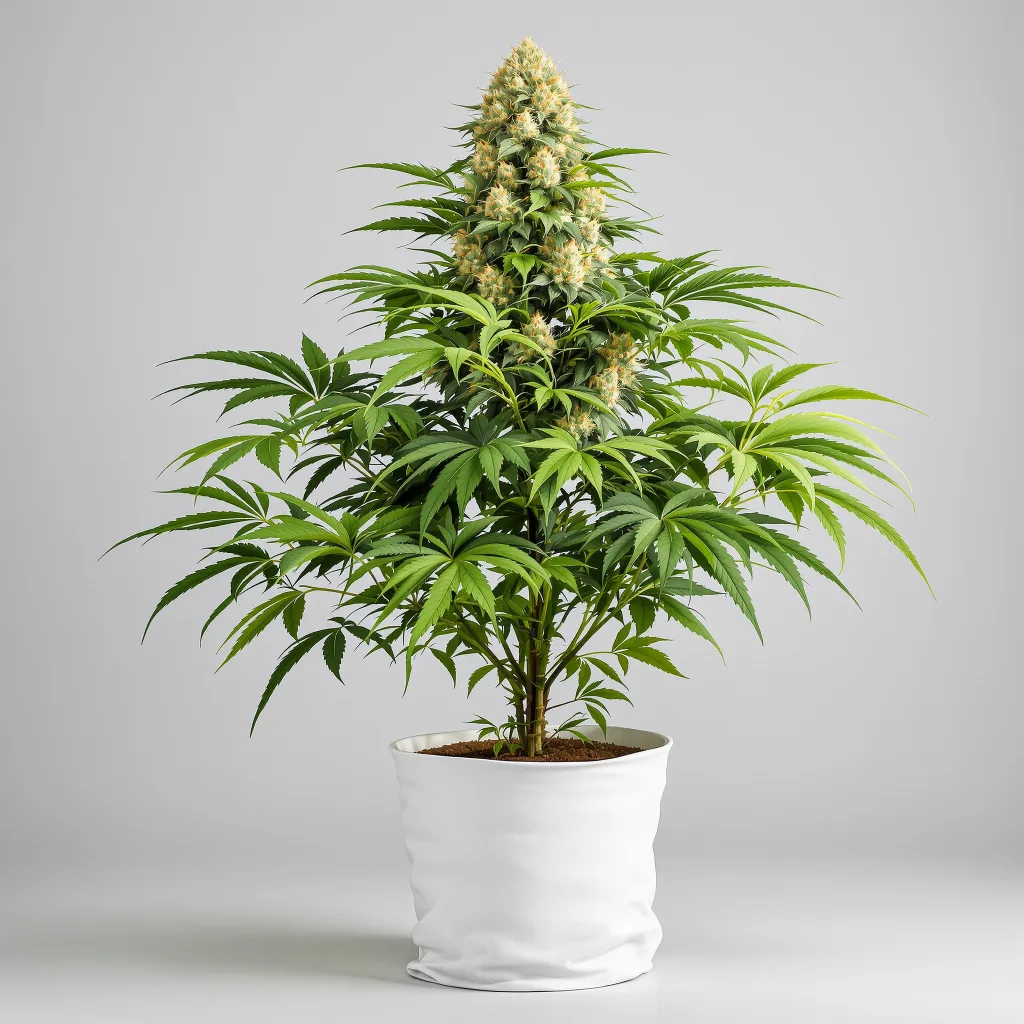
Blue Biscotti Feminized
indica
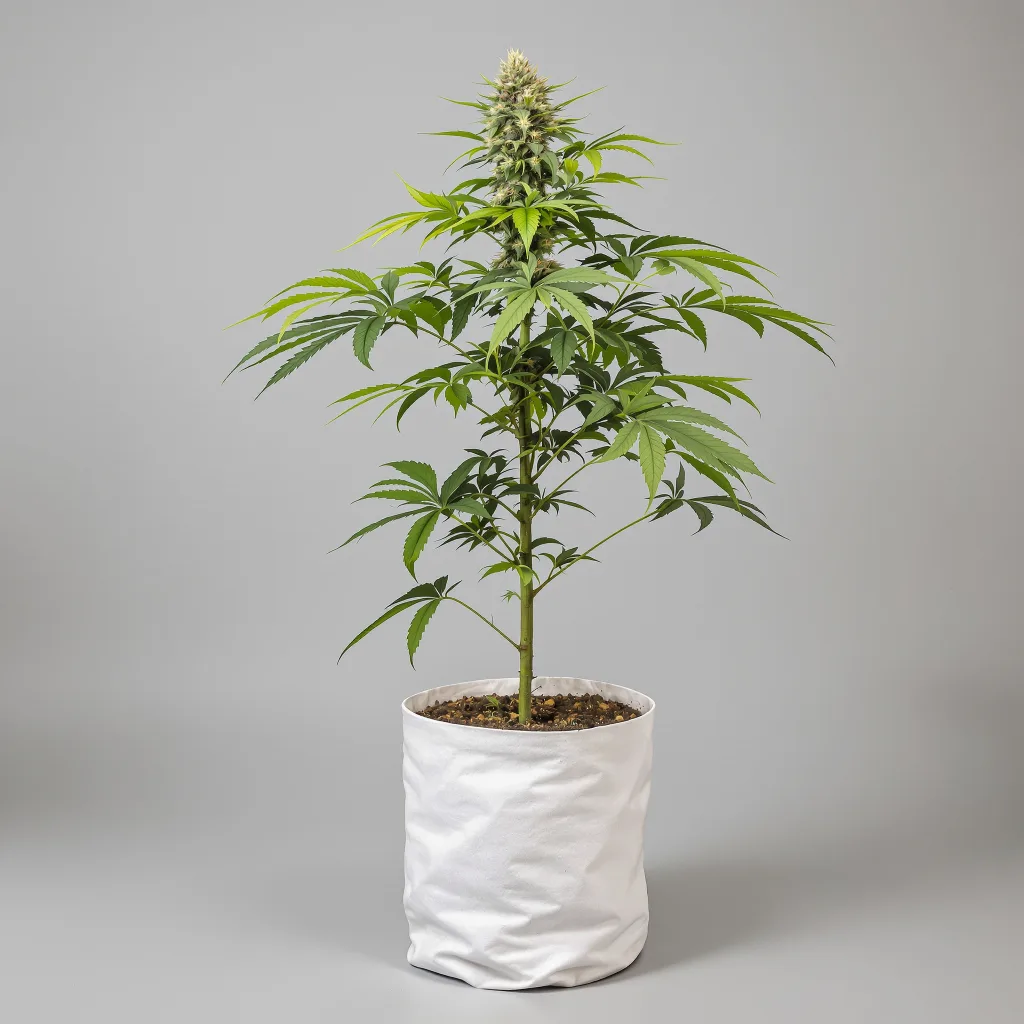
Biscotti Feminized
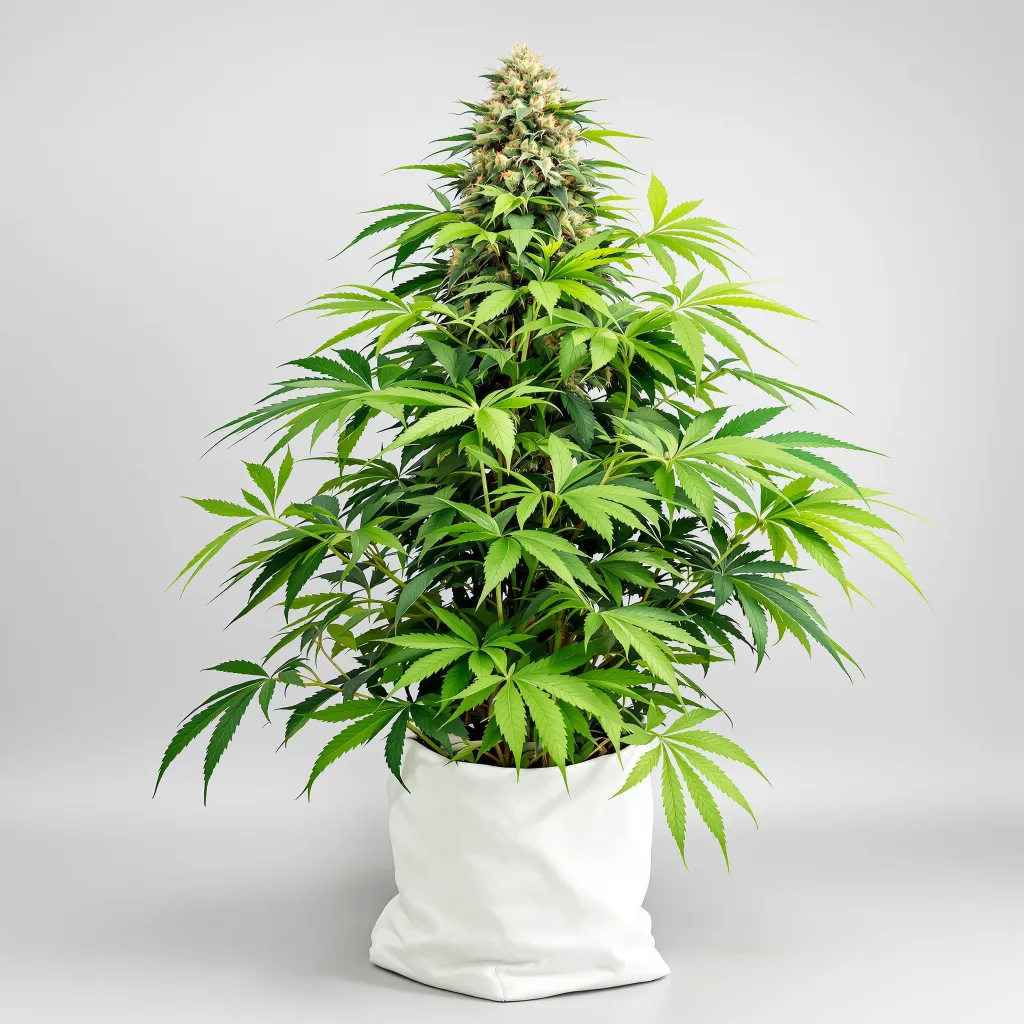
indica
Bubba Gift Feminized
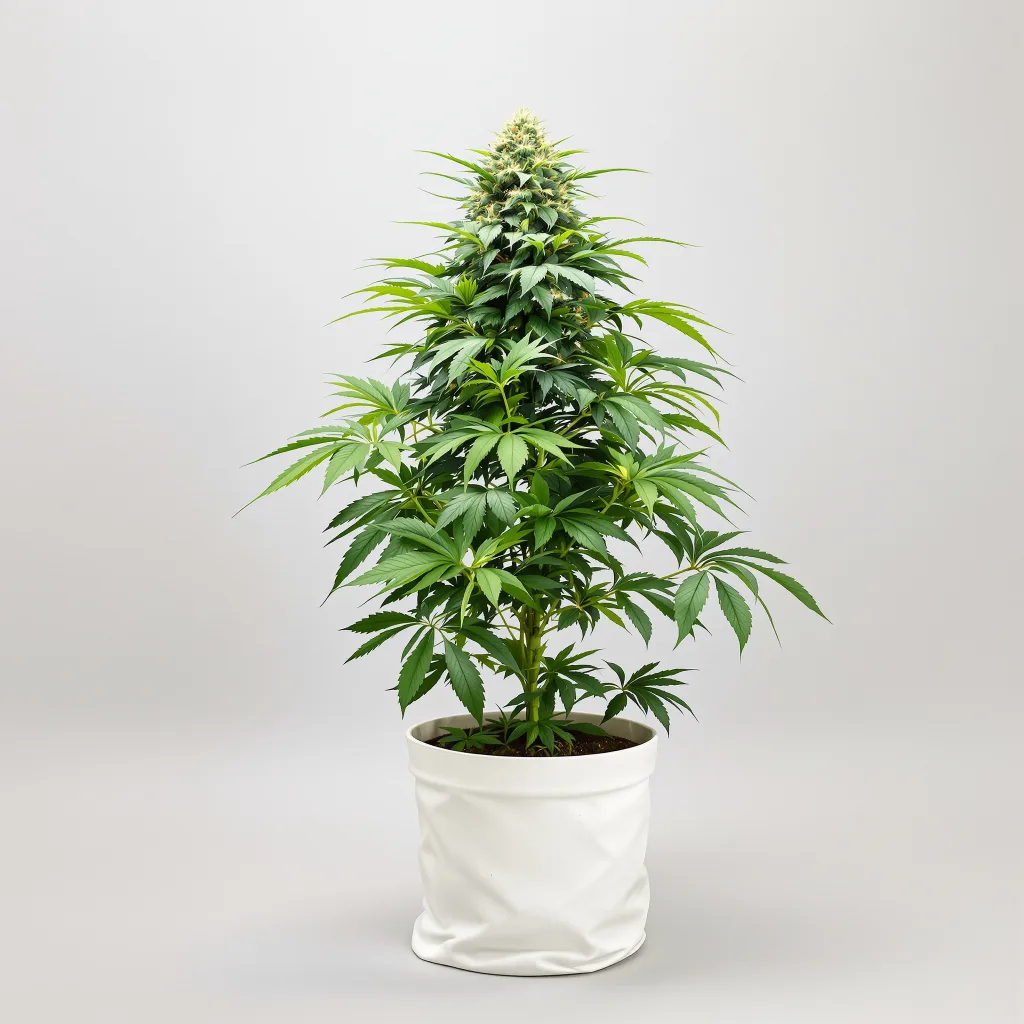
indica
Hyper Critical Feminized
Strain Profiles
Related Buying Guides
Browse the full All Cannabis Seeds collection
Premium genetics, shipped from within the US.
Related Articles
White Widow Cannabis Strain: Genetics, Effects & Grow Guide | Royal King Seeds
strainBlue Dream Cannabis Strain: Genetics, Effects & Grow Guide | Royal King Seeds
strainWedding Cake Strain Review: Effects and Grow Tips | Royal King Seeds
strainGelato Strain Review: Effects and Grow Tips | Royal King Seeds
strainGhost Train Haze: Genetics, Aroma & Grow Guide | Royal King Seeds
strainNew Cannabis Strains 2026: Top Genetics to Grow | Royal King Seeds
Ready to Start Growing?
Shop feminized, autoflower, and CBD strains with 95% germination and free delivery on eligible orders of $150 or more.
Shop Cannabis Seeds