Top 5 Fast-Harvest Cannabis Strains
Royal King Seeds Editorial Team
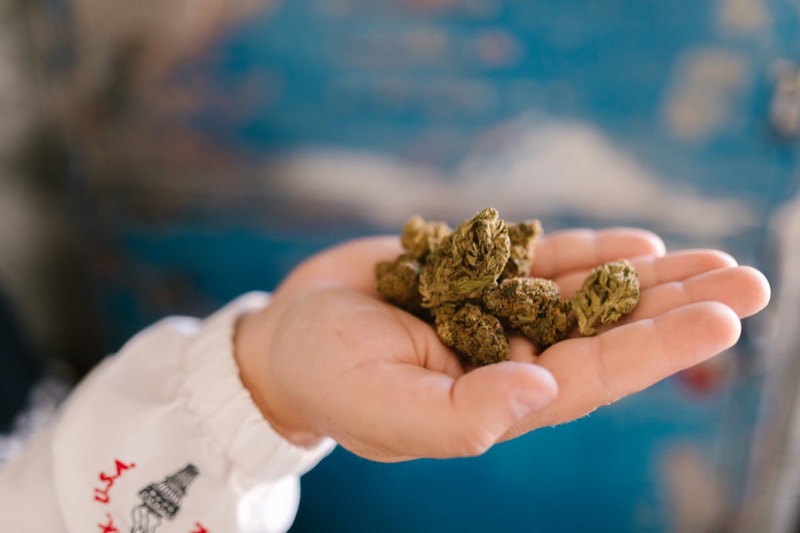
The long wait in cannabis cultivation is flowering. Eight weeks is normal, nine or ten is common for heavier genetics, and for some growers that difference has real consequences: fewer runs per year, a longer gap between harvests, or a plant that does not finish before the first frost.
Fast-finishing genetics, broadly the photoperiods that flower in six to eight weeks and the autos that go from seed to harvest in nine to twelve, are not the compromise they used to be. Better indica breeding and steady work on ruderalis crosses have produced short-cycle plants that hold their own. This is a look at five in our catalog with the shortest published flowering times, what each is good for, and where the honest limits are.
The short version
55–65 days
published flowering, the photoperiod picks
8–12 weeks
seed to harvest, the autoflower picks
5 of 5
currently stocked, each linked to its product page
Every figure below is as published by the breeder or seed bank named on the product page. None of them are measurements of our stock.
Jump to Section
Why Flowering Time Is Worth Optimizing For
Northern outdoor growers have the hardest constraint. Above about 42°N, flowering usually gets going in the first half of August and the crop has to be in before the first hard freeze. A ten-week flowerer starting on August 1 is not finished until mid-October, which one cold snap removes. A seven or eight week cultivar in the same spot finishes in mid to late September with real margin.
Indoor growers running back-to-back cycles get more runs per year from the same room. A seven-week flowering time against a ten-week one is roughly a quarter more cycles annually from identical equipment, which changes the cost of everything spread across those harvests.
Anyone growing their own supply gets a shorter gap between harvests, which in a small perpetual setup is the difference between continuity and a month with nothing.
The Five, Side by Side
Published figures, not our measurements
Flowering time, yield and height below are the figures published by the breeder or seed bank named on each product page, reproduced as they were published. They are not results from our own growing, and the seed you buy is not provably the same selection the publisher grew. Treat them as a planning starting point and expect your own conditions to shift them.
| Cultivar | Type | Published flowering | Published indoor yield | Best suited to |
| Northern Lights Feminized | Photoperiod indica | 55–60 days | 500–550 g/m² | Fast indoor cycles, northern outdoor |
| Early Skunk Feminized | Photoperiod indica hybrid | 55–65 days | up to 500 g/m² | Cool, short outdoor seasons, with support |
| Purple Punch Feminized | Photoperiod indica-dominant | 7–8 weeks | 550–650 g/m² | Fast finish without giving up character |
| Northern Lights Auto | Autoflower | 70–85 days seed to harvest | 500–550 g/m² | Season-independent runs, staggered harvests |
| Blueberry Auto | Autoflower | 8–10 weeks seed to harvest | 350–500 g/m² | Small spaces and movable containers |
Photoperiod figures are flowering time from the flip. Autoflower figures are seed to harvest, which includes three to four weeks before flowering starts, so the two columns are not directly comparable. Each product page names the publisher the figure came from.
1. Northern Lights Feminized
The reference point for fast photoperiod indica. Published flowering is 55 to 60 days, published indoor yield 500 to 550 g/m², height 100 to 160 cm, and it is generally rated easy to grow. If you are comparing anything else in this category, this is what you compare it to.
The reasons it stays popular are practical. It is short-cycle without being small, it has a long history of being grown by a lot of people so there is plenty of shared experience to draw on, and it is forgiving of the sort of mistakes a second or third grow involves. The effect is the classic heavy indica profile it has been known for since the 1980s.
Suits: indoor growers optimizing for cycles per year, northern outdoor growers who need a September finish, and anyone who wants a fast result without much risk. See more indica cannabis seeds.
2. Early Skunk Feminized
Bred by Sensi Seeds by crossing Skunk #1 with Early Pearl, specifically to produce a photoperiod that finishes ahead of northern first-frost dates while keeping Skunk #1's character. Published flowering is 55 to 65 days, published indoor yield up to 500 g/m², published outdoor yield up to 600 g per plant.
One thing to plan for that gets glossed over in most write-ups: this is published as a tall plant, over two meters. Cold tolerance and a short flowering time do not make it a compact plant, and outdoors it will need staking, space and some thought about how visible it is. Treat it as a garden plant rather than a patio one.
Suits: outdoor growers in cool northern regions with room to let a plant get large, and anyone who has lost a crop to an early autumn before.
3. Purple Punch Feminized
The argument that a short flowering time costs you character. Published flowering is seven to eight weeks and published indoor yield 550 to 650 g/m², the highest of the five here, with a medium height and a difficulty rating a step above the two above it.
The dessert-leaning aroma it is known for develops through the second half of flowering, and the compact bud structure that comes with the Larry OG and Granddaddy Purple background responds well to training. It is the pick on this list for a grower who wants a fast cycle without the result reading as a fast cycle.
Suits: growers who want speed and character together, and who have a run or two of experience behind them. See more purple genetics seeds.
4. Northern Lights Auto
The autoflowering version of the first entry, and the pick when you want the calendar taken out of the equation entirely. Published figures are 70 to 85 days seed to harvest, of which roughly 45 to 55 days is flowering, with 500 to 550 g/m² indoor and a height of 80 to 120 cm.
Because it flowers on age rather than daylength, it can be started at any point in the season and slotted into a staggered schedule alongside other plants under one light. It keeps most of what makes the photoperiod version easy to grow, in a plant that fits under a low ceiling.
Suits: staggered indoor harvests, a second outdoor run, and low tents. See more autoflowering cannabis seeds.
5. Blueberry Auto
The smallest plant here and the one that fits where nothing else will. Published figures are eight to ten weeks seed to harvest, 350 to 500 g/m² indoor, and 50 to 75 cm tall, off the Blueberry line that has been in circulation since the 1970s.
That height is the point. At well under a meter it fits a low tent, a cupboard or a container you can actually pick up and carry indoors when the weather turns, which is the most useful thing a container-grown outdoor plant can do in a wet autumn. The published outdoor yield per plant is modest, which is the trade for the size.
Suits: small tents, balconies, and anyone growing where plants may need to be moved. See more auto-flowering indicas.
Also worth a look if flowering time is the only thing you are optimizing for: Hindu Kush Feminized at a published 45 to 50 days and Master Kush Feminized at 50 to 55 days are both published as faster than anything in the five above, both short plants, and both currently stocked.
A Fast Finish Buys Time, Not Immunity
Part of the appeal of a short flowering window outdoors is that the plant spends fewer days in the wet, cool weather that drives bud rot. That is a real advantage and it is one of the better reasons to choose a fast cultivar for a northern or coastal site. It is also a probability, not a guarantee: a September harvest can still meet a week of rain, and a dense cola on a fast plant holds moisture the same way a dense cola on a slow one does.
So the same rule applies whatever you are growing. If you open a cola and find gray or brown collapsed tissue, do not smoke, vape or extract it. Cutting away the visible part does not establish that the rest is clean, because growth extends further through the tissue than what shows, and drying, curing, heating or trimming will not decontaminate it. Alongside Botrytis, cannabis can be colonized by Aspergillus species, which can cause serious lung infection in people who are immunocompromised or who have existing lung disease; the CDC's overview of aspergillosis covers the risk groups. Bag it where it stands, seal it, put it in outdoor trash, and get the clean flower in early rather than waiting for the rest to go the same way. Our mildew and mold control guide covers prevention.
Myth vs Reality
For a perpetual setup, our fast-flowering cannabis seed catalog covers the dedicated short-cycle photoperiods, and the autoflowering seed selection covers the outdoor and staggered options. If you are choosing for an outdoor season specifically, work through our outdoor planting and harvest timing guide first and pick to fit the window it gives you.
Frequently Asked Questions
What is the fastest-flowering cannabis strain we stock?
Do fast cultivars have less THC?
How many indoor cycles can a fast cultivar give me in a year?
Are fast cultivars good for beginners?
Which of these suits an outdoor northern US grow?
Can I grow these in a small space?
Does a fast harvest protect an outdoor crop from bud rot?
Shop Strains Featured in This Guide
Hand-picked seeds from our catalog that match this article's topic. Free shipping on eligible orders of $150 or more.
indica
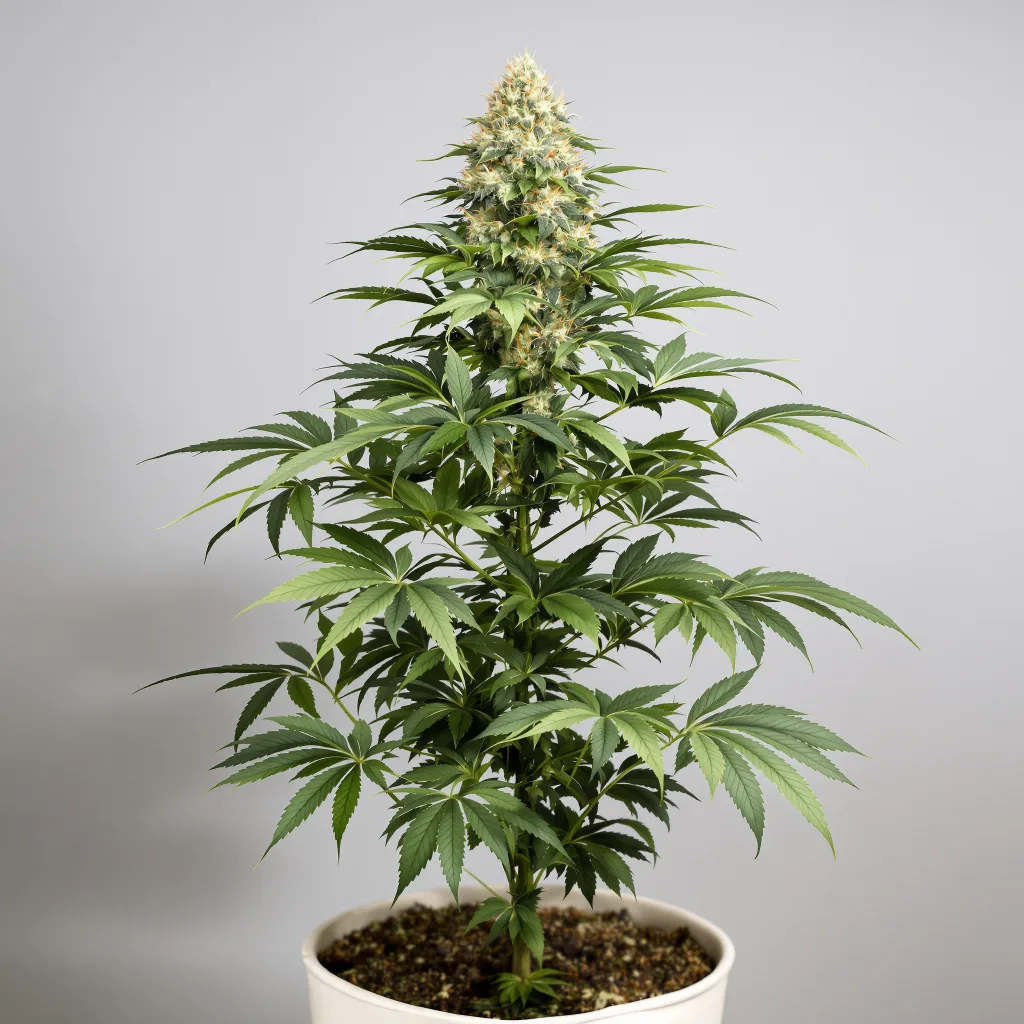
Critical Fast Bud Auto
cbd
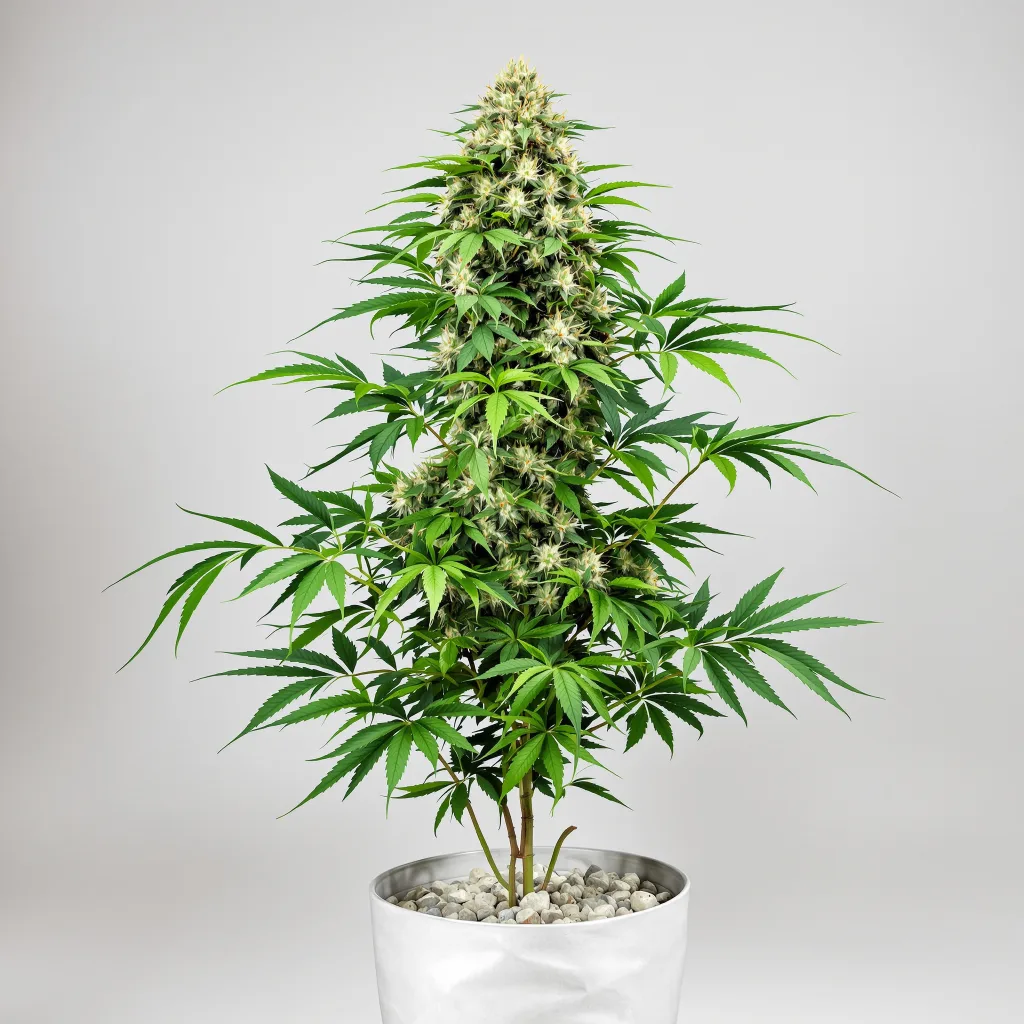
CBD Fast Eddy Feminized
indica
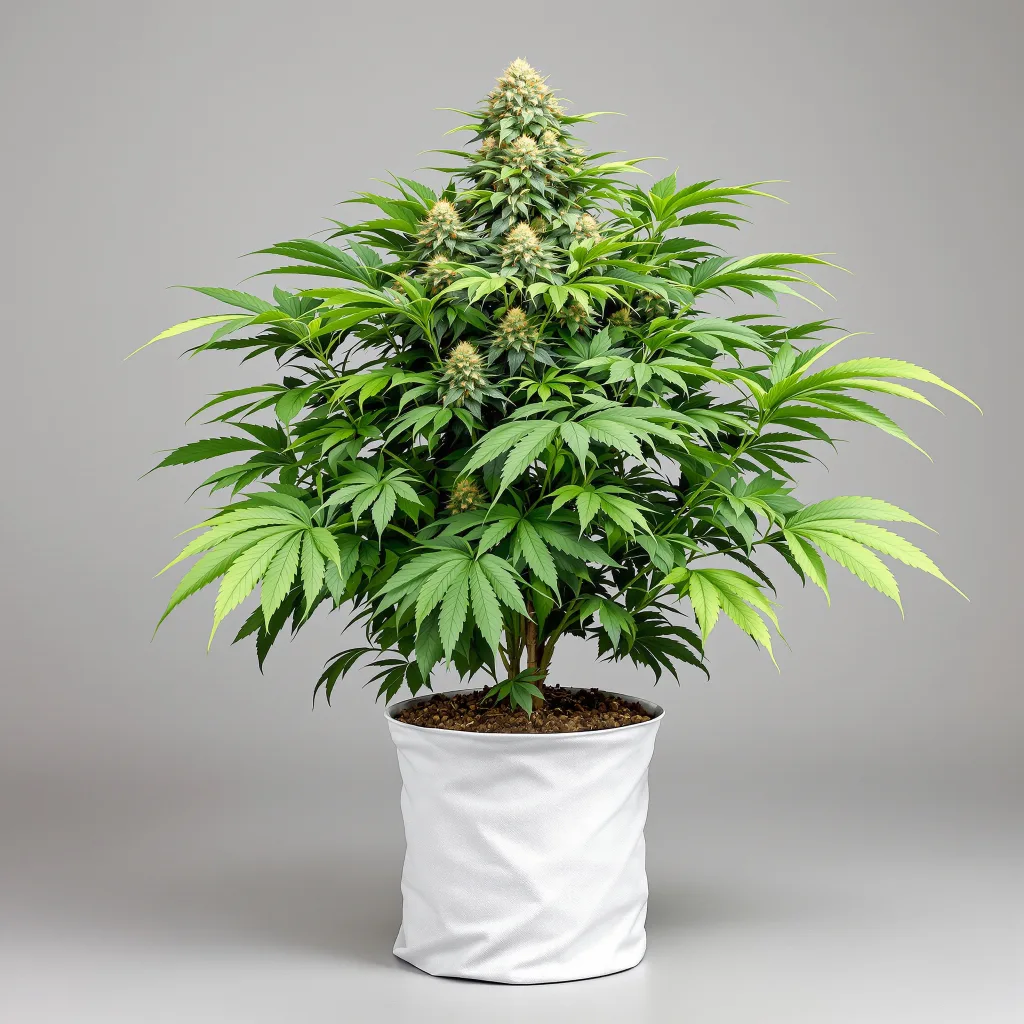
Critical Fast Bud Feminized
indica
Fat Purple Auto
Browse the full All Cannabis Seeds collection
Premium genetics, shipped from within the US.
Related Articles
Post-Harvest Handling of Medical Cannabis
support-harvestHow to Read Trichomes for Harvest | Royal King Seeds
support-harvestHow to Flush Cannabis Before Harvest | Royal King Seeds
strainAllen Wrench Strain Review, Effects, THC, Genetics & Seeds
support-growCannabis Trichomes Explained: What They Signal | Royal King Seeds
support-growHow to Grow Medical Cannabis in 7 Easy Steps.
Ready to Start Growing?
Shop feminized, autoflower, and CBD strains with 95% germination and free delivery on eligible orders of $150 or more.
Shop Cannabis Seeds