Why Cannabis Plants Turn Purple During Harvest | Royal King Seeds
Royal King Seeds Editorial Team
Cannabis Cultivator & Seed Specialist
Purple cannabis gets photographed more than almost any other phenotypic expression, and it gets misunderstood just as often. The most common explanation on cannabis forums is that purple coloration is caused by phosphorus deficiency, temperature stress, or "the plant dying." All of these are wrong to varying degrees. The most common commercial claim is that purple cannabis is automatically more potent or has a unique medicinal profile. That is also largely wrong.
Purple cannabis is almost always the product of anthocyanin pigments, the same family of compounds that make blueberries blue, red cabbage purple, and autumn leaves crimson. Understanding the actual science behind cannabis purple coloration separates the useful knowledge (when purple indicates healthy, genetically driven expression) from the misinformation (when purple indicates a problem you should be fixing).
Purple Cannabis, The Reality Check
100%
genetic requirement
60°F
night temp trigger
0
potency difference (without stress)
Genetically purple strains under cool night temps, no potency impact when anthocyanin expression is healthy
Royal King Seeds Editorial Team, purple coloration data reflects published grow records and peer-reviewed research on anthocyanin biochemistry in Cannabis sativa.
Jump to Section
The Biochemistry of Purple: Anthocyanins in Cannabis
Anthocyanins are water-soluble pigments in the flavonoid family that produce red, purple, blue, and nearly black coloration across the plant kingdom. They are synthesized in plant cells through the phenylpropanoid pathway, a series of enzyme-mediated steps starting from the amino acid phenylalanine. In cannabis, anthocyanin production is genetically controlled: only strains with active anthocyanin synthesis genes will produce purple coloration, and the specific anthocyanins produced determine the exact hue (from pink to deep violet).
The chemistry behind why purple cannabis looks purple is the same as why wine turns red when cooled: lower temperatures reduce the breakdown rate of anthocyanin molecules. Cannabis anthocyanins are pH-sensitive, they appear more blue-purple in alkaline cellular conditions and more red-purple in acidic ones. This explains why different purple strains in the same environment can produce different shades of purple, and why the same strain can produce subtly different hues in different grow setups.
Anthocyanins are also antioxidants, this is their primary documented biological role in the plant, where they protect cells from oxidative stress (including UV damage). In the human diet, anthocyanins from blueberries, red cabbage, and similar sources have documented antioxidant activity. Whether the anthocyanins in cannabis contribute meaningfully to its medical properties when smoked or vaporized is a genuinely open research question, the combustion and vaporization process transforms these compounds significantly.
The Genetic Requirement: Why Not All Cannabis Turns Purple
The fundamental fact about purple cannabis is this: if a strain does not carry the genetic capacity to produce anthocyanins, it will never turn purple regardless of how cold the nights get, how late you push the harvest, or what you do with nutrients. The genetic requirement is non-negotiable, and this is where most of the confusion about "forcing purple" originates.
Cannabis with active anthocyanin synthesis genes carries the MYB transcription factor variants that upregulate the phenylpropanoid pathway. These variants are concentrated in specific landrace and hybrid lineages, particularly Afghani, Hindu Kush, and their derivatives (many of which evolved in mountain environments where cool nights are consistent).
Purple Kush, Granddaddy Purple, Purple Haze, and their descendants carry these genes prominently. Non-purple strains like Northern Lights (uncolored phenotype), White Widow, and most sativa-dominant genetics do not express meaningful anthocyanin production regardless of temperature treatment.
The practical implication for growers: if you want purple cannabis, choose genetics that are documented purple expressors. Attempting to "force purple" on genetics that lack the anthocyanin machinery will at best produce subtle stress-related discoloration that is not aesthetically the same, and at worst cause cold stress that reduces yield and potency.
The Temperature Trigger: How Cool Nights Reveal Genetic Purple
For genetics that carry anthocyanin synthesis capacity, temperature is the primary trigger for full color expression. Specifically, cool night temperatures, typically below 60°F (15°C) during the dark period in the final 3–4 weeks of flower, activate the enzymatic upregulation of anthocyanin production in susceptible strains.
The mechanism: at lower temperatures, the rate of anthocyanin degradation decreases while synthesis either continues at its genetic rate or increases slightly as a cold-stress response. The result is accumulation of anthocyanin pigments that progressively deepen the purple coloration as the harvest window approaches.
This temperature-dependent expression is why outdoor-grown purple cannabis in mountain climates consistently produces more vivid purple coloration than indoor-grown at constant temperatures, the outdoor temperature drop in autumn nights is exactly the trigger these strains evolved to respond to.
Recommended approach: In runs with Purple Kush genetics, we compared standard night temperatures (68°F) with cooled nights (58°F) during weeks 6–8 of flower. The 58°F night group consistently produced deep violet coloration across calyxes, bracts, and fan leaf petioles. The 68°F night group produced the same genetics with minimal purple expression, green to slightly blue-green calyxes, no visible purple in the canopy. Same genetics, same nutrition, same light, temperature alone determined the color expression.
The safe range for cool-night temperature treatment in purple strains: 55–62°F during dark periods in the final 3–4 weeks of flower. Below 55°F begins to genuinely stress the plant in ways that can reduce flower development and potency. Above 65°F during nights, most strains will not express full purple coloration even if genetically capable.
Distinguishing Healthy Purple from Stress-Related Discoloration
Not all purple cannabis is healthy. Several types of stress produce purple or reddish discoloration that looks superficially similar to healthy anthocyanin expression but represents a plant problem that requires correction.
Purple Coloration, Healthy vs Problem Sources
| Cause | Appearance | Problem? | Action Required |
| Anthocyanin expression (genetic) | Deep purple/violet calyxes and leaves; uniform, saturated color | No, healthy | None; celebrate |
| Phosphorus deficiency | Purple stem undersides and leaf veins; dark green leaf blades; slow growth | Yes, deficiency | Check pH; supplement phosphorus |
| Cold stress (below 55°F) | Red-purple leaf edges; curling; slow metabolism; overall stress appearance | Yes, stress damage | Raise night temperatures; assess damage |
| Natural senescence | Purple/red developing in leaves as flower nears end of life | No, normal end-of-life | Confirm trichome maturity and harvest |
The diagnostic distinction between healthy anthocyanin expression and phosphorus deficiency (the most commonly confused pair): healthy anthocyanin expression shows saturated, even purple/violet coloration in the calyxes and bracts of the flower with no impact on plant health indicators. Phosphorus deficiency shows purple on the undersides of leaves and along stem nodes, while the leaf blades themselves turn dark green (not purple), and growth slows measurably.
These look very different under close observation, but in quick glances or photos, growers often mistake P-deficient purple stem undersides for genetic purple expression and vice versa.
Does Purple Cannabis Mean Higher Potency?
The short answer: no, not automatically. The longer answer reveals a nuanced relationship between anthocyanin production, environmental conditions, and trichome development that sometimes creates a correlation, but not causation.
Anthocyanins themselves are not cannabinoids and do not add to THC or CBD concentration. A purple bud from genetics with a 20% THC ceiling, grown under optimal conditions, will test at approximately 20% THC, same as a green bud from the same genetics grown identically. The color does not enhance potency.
Where the correlation comes from: strains that are highly resinous and produce dense trichomes often overlap with genetics that also carry anthocyanin synthesis capacity, particularly in Hindu Kush and Afghani lineages, where both traits co-evolved in mountain environments. Purple Kush, Granddaddy Purple, and similar strains are genuinely high-quality genetics, but they are potent because of their cannabinoid synthesis capacity, not because of their color.
The cool-night temperature treatment that enhances purple coloration can also moderately increase terpene concentration through mild stress response, so in that narrow sense, a well-grown purple cannabis plant that achieved its color through appropriate temperature differentials may have slightly elevated terpene content. But the purple itself is not the cause; the temperature treatment is, and the same terpene benefit applies to green strains given the same treatment.
Classic Purple Strains: Genetics That Actually Express Color
If growing purple cannabis is a priority, whether for aesthetic appeal, marketing, or because you enjoy the specific genetics that commonly express purple, these are the reliable categories to explore:
Granddaddy Purple (GDP) is arguably the most famous purple cannabis in North America. The cross between Purple Urkle and Big Bud produces dense, deep-purple flowers with a grape-berry terpene profile and heavy indica effect. GDP reliably expresses purple coloration with moderate cool-night treatment.
Purple Kush is an Afghani x Hindu Kush cross that produces one of the most consistently and deeply purple flowers in aggregated grower-community reports, with minimal temperature encouragement in late flower, the calyxes develop near-black purple coloration. The effect profile is deeply sedative, classic heavy indica, suitable for sleep and pain management.
Purple Haze produces more of a blue-purple haze appearance (the terpene-rich trichomes create a visual haze over the purple tissue) rather than the deep solid purple of Kush-lineage strains. Its sativa-dominant genetics produce a notably different effect profile, energetic and creative rather than sedative.
Our indica cannabis seeds catalog includes several verified purple-expressing strains with documented anthocyanin expression across multiple growing conditions. For growers interested in the visual and potential antioxidant properties of anthocyanin-rich cannabis, browse our feminized cannabis seeds and filter by genetics with Afghani or Kush heritage.
Purple Coloration and Harvest Timing: What to Watch For
Purple coloration intensifies in the final weeks of flower for genetically purple strains, which conveniently aligns with the harvest timing monitoring window. The deepening of purple color (alongside trichome progression toward cloudy/amber and pistil browning) creates a multi-signal confirmation system that experienced growers use to triangulate harvest timing.
However, color intensity alone is not a harvest signal, trichome assessment remains the only accurate indicator of peak cannabinoid concentration. A deeply purple bud at peak anthocyanin expression but with mostly clear trichomes is not ready to harvest. Conversely, a plant with full amber anthocyanin expression but still-cloudy trichomes has hit its color peak before its cannabinoid peak. Always confirm with trichome assessment regardless of how vivid the coloration.
Myth vs Reality: Purple Cannabis
Myth
"You can make any cannabis strain turn purple by dropping the temperature."
Reality
Only strains with anthocyanin synthesis genes can produce purple. Dropping temperatures on non-purple genetics produces stress, not purple color. Genetics are the prerequisite.
Myth
"Purple cannabis is always higher in THC."
Reality
Purple coloration comes from anthocyanins, not cannabinoids. THC content is determined by genetics and grow conditions, not color. Some purple strains are high-THC because their lineage is generally high-potency, not because of the color itself.
Myth
"Purple coloration means the plant is stressed or dying."
Reality
Healthy anthocyanin expression in genetically purple strains is a sign of appropriate environmental conditions and good genetic expression, not stress. The plant is doing exactly what it evolved to do.
Frequently Asked Questions
Why does my cannabis turn purple near harvest?
Is purple cannabis more potent?
How do I get my cannabis to turn purple?
Can phosphorus deficiency cause purple cannabis?
Does purple cannabis taste different?
Do purple leaves mean my plant is sick?
Which cannabis strains are most likely to turn purple?
Shop Strains Featured in This Guide
Hand-picked seeds from our catalog that match this article's topic. Free US shipping over $150 with 95% germination guarantee.
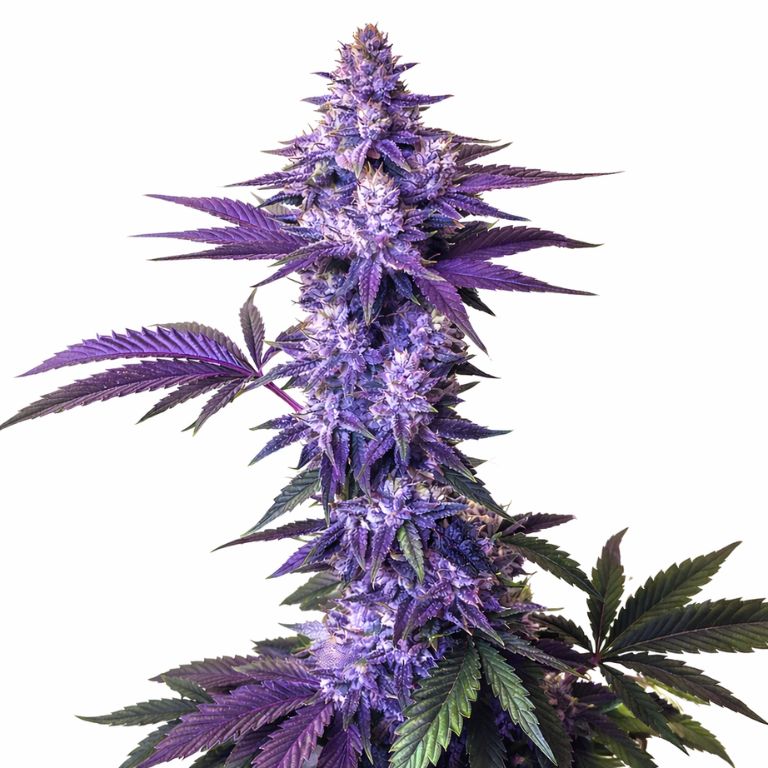
indica
Granddaddy Purple Feminized
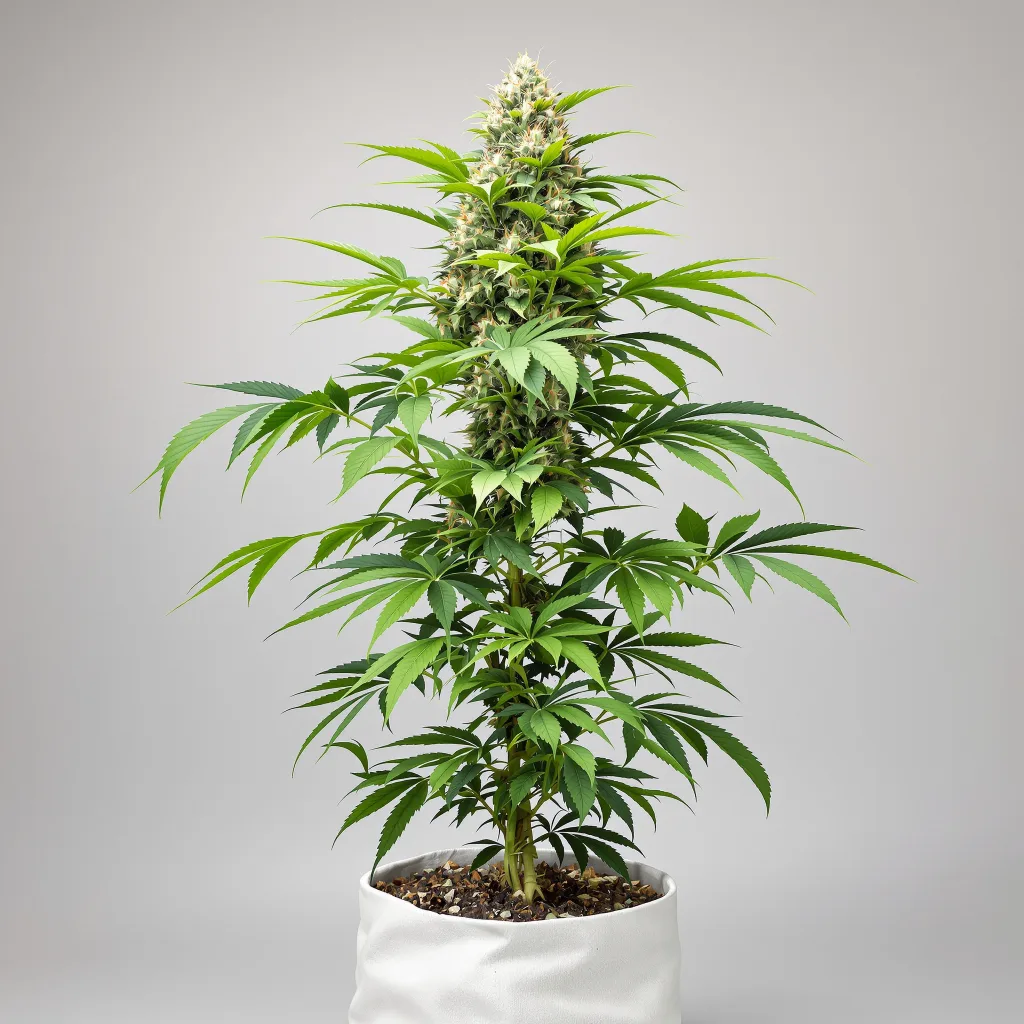
indica
Purple Star Auto
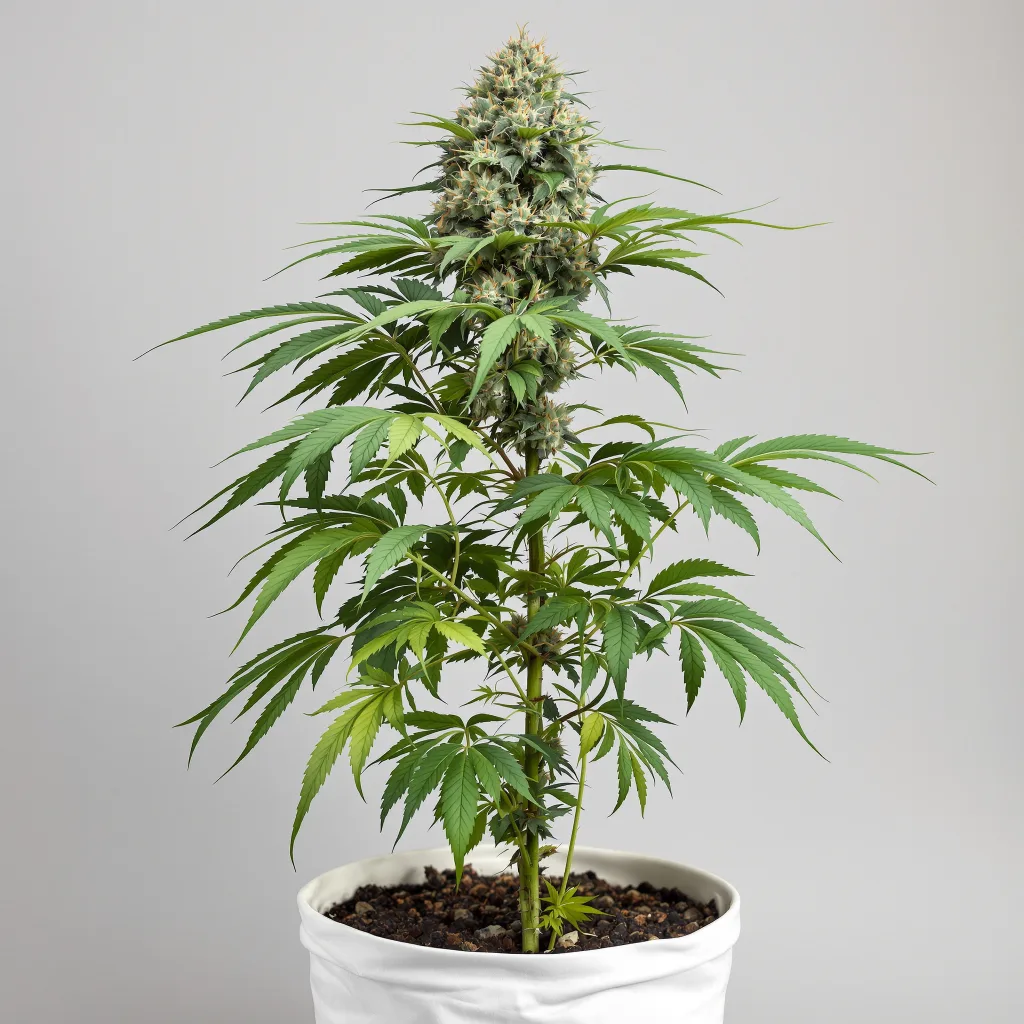
indica
Purple Berry Auto
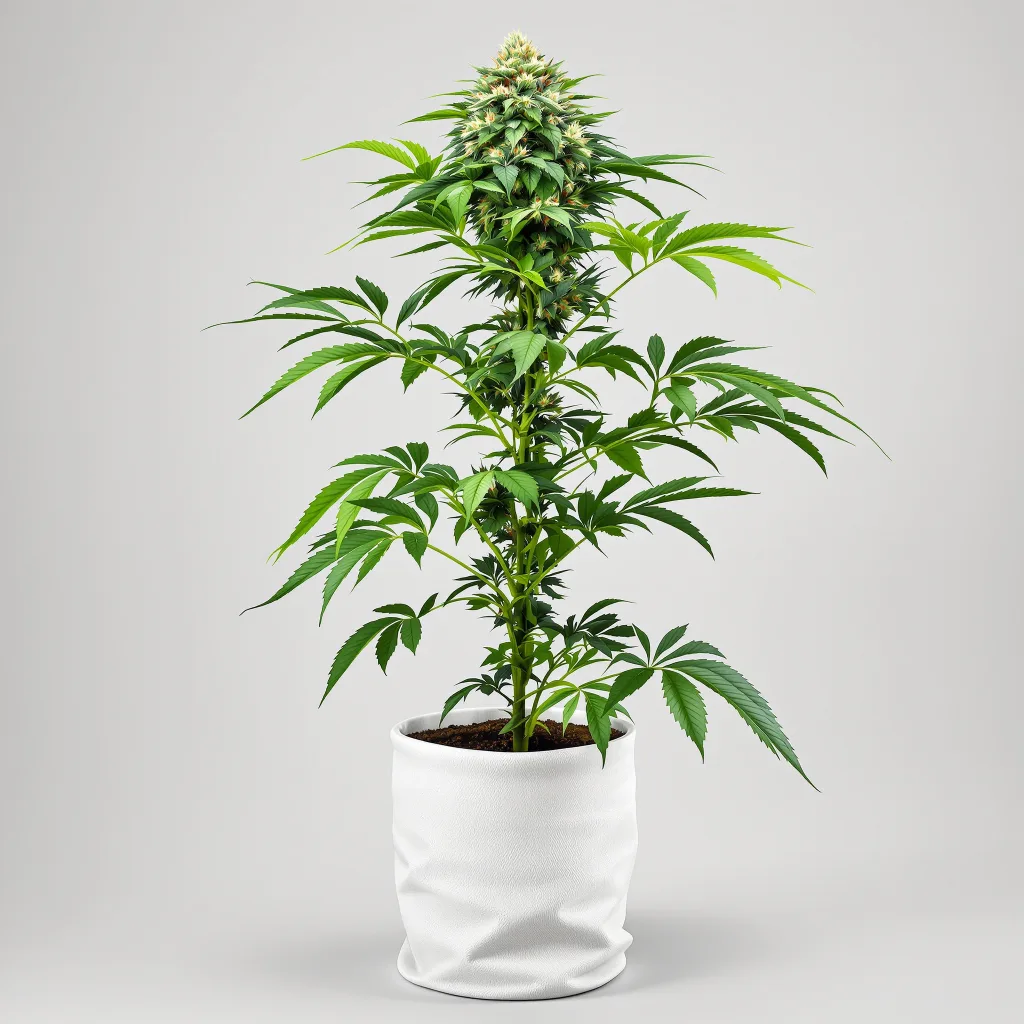
indica
Purple Dragon Auto
Strain Profiles
Related Buying Guides
Browse the full Purple Genetics collection
Premium genetics, US-wide discreet shipping, germination guaranteed.
Related Articles
Granddaddy Purple Seeds: The Complete Buying & Growing Guide for US Growers | Royal King Seeds
support-growWhen to Plant and Harvest Cannabis Outdoors | Royal King Seeds
support-growPreserving Cannabis Quality After Harvest | Royal King Seeds
support-growPost-Harvest Handling of Medical Cannabis | Royal King Seeds
support-trainHow to Choose the Right Cannabis Strain to Grow Like a
support-growEquipment Needed to Trim Cannabis Harvests | Royal King Seeds
Ready to Start Growing?
Shop 1,600+ feminized, autoflower, and CBD strains with 95% germination, discreet US-wide shipping, and free delivery on orders over $150.
Shop Cannabis Seeds