Dabbing vs Vaping Cannabis: Key Differences
Royal King Seeds Editorial Team
Dabbing and vaping get used as if they meant the same thing. They do not. Dabbing puts a concentrate onto a hot surface and vaporizes it in one go. Vaping heats flower or oil at a lower temperature over a session. The material, the equipment, the temperature range, the speed of onset and the amount of control you have over your own dose all differ, and the choice between them is really a choice about which of those you care about.
Adults only, and only where it is lawful. Cannabis possession and use are restricted or prohibited in many US states and are unlawful under federal law. Nothing here is a recommendation to obtain or use cannabis where you are not legally permitted to, and none of it is medical advice.
Jump to Section
What Dabbing Is
Dabbing is flash vaporization of a cannabis concentrate, wax, shatter, budder, live rosin or live resin, on a heated surface called a nail or banger, usually quartz, titanium or ceramic. The concentrate hits the hot surface, vaporizes immediately, and the vapor is drawn through a water-filtered glass piece. The whole event takes a matter of seconds.
What makes it different is the material. Concentrates commonly test somewhere between 60 and 90% total cannabinoids by weight, against flower in the region of 15 to 30%. That is the entire reason a dab feels categorically different from a bowl, and it is also why the dose jump catches people out.
The kit is more specialized than a vaporizer: a rig, a banger, a heat source, a carb cap for airflow control, and a tool. Electronic rigs with temperature control have made the process considerably more consistent, at a price.
What Vaping Is
Vaping heats cannabis flower or oil enough to release cannabinoids and terpenes as vapor without setting the material on fire. Dry herb vaporizers use convection, conduction or a mix of the two to bring ground flower to somewhere in the 315 to 430°F range. Oil pens heat a cartridge of distillate or live resin oil. Neither produces the tar, carbon monoxide and combustion products that burning plant material does.
The practical difference from dabbing is pace. A dry herb session typically uses 0.1 to 0.3 g of flower spread across ten to fifteen draws, which lets you stop at any point. Vaporizers also do not extract everything: the spent material left in the chamber still contains a meaningful fraction of what went in, which is why a bowl and a dab that contain similar amounts of THC do not feel similar at all.
Oil pens sit between the two on concentration, typically 70 to 95% for distillate, but they deliver it in small self-paced draws rather than one large one.
Temperature Decides What You Actually Inhale
Cannabinoids and terpenes have different boiling points, so the temperature you run at works like a filter on the composition of the vapor.
Approximate boiling points
| Compound | Boiling point | Aroma commonly associated with it |
| Beta-caryophyllene | around 266°F | Peppery, spicy; the most heat-sensitive on this list |
| THC | around 315°F | The threshold both methods clear easily |
| Myrcene | around 334°F | Earthy, herbal, musky |
| Limonene | around 349°F | Citrus peel |
| CBD | around 356°F | Little aroma of its own |
| CBN | around 365°F | Present in aged material |
| Linalool | around 388°F | Floral, lavender |
Low-temperature dabbing at 400 to 500°F and dry herb vaping at 350 to 420°F both clear the cannabinoid thresholds comfortably. The difference shows up in the light monoterpenes, which are already boiling off well before the surface of a banger reaches temperature. Cold-start dabbing, where the concentrate goes onto a cool banger and heat is applied gradually, closes a good part of that gap.
Above roughly 550°F the picture changes for the worse. Overheating terpenes produces thermal degradation products including methacrolein and benzene, both of which you would rather not inhale. This is why the old red-hot-nail technique is not simply wasteful; temperature control is the single most important upgrade a dabber can make.
Dose and Onset: The Real Difference
The honest comparison is not that one method contains more THC than the other. It is how much arrives at once, and how much say you have in it.
THC in the loaded material, and how it gets delivered
| Method | Typical load | Strength | THC in the load | How it is delivered |
| Dab, live rosin | 0.05 g | 75–85% | roughly 38–43 mg | One inhalation, effectively all at once |
| Dry herb vape | 0.15 g flower | 20–30% | roughly 30–45 mg | 10 to 15 draws over a session, with a real fraction left unextracted in the spent material |
| Oil pen | per short draw | 85–95% | a few mg per draw | Self-paced, easiest to titrate |
| Joint, for reference | 0.5 g flower | 20–25% | roughly 100–125 mg | Much of it lost to sidestream smoke and combustion rather than inhaled |
These are the amounts present in the material you load, calculated from the weights and percentages in the same row, not measurements of what reaches the bloodstream. Actual delivered dose is lower in every case and varies with device, technique and the individual.
Look at the middle two columns and the loaded amounts are not far apart. Everything that makes dabbing feel dramatically stronger is in the last column. A dab arrives in one breath, with peak effects in well under two minutes, and there is no point partway through at which you can decide you have had enough. A vaporizer session builds over five to ten minutes across a dozen draws, and you can stop after four.
For someone with low or unknown tolerance, that difference is the whole safety argument. A concentrate dose that an experienced user finds ordinary can be genuinely unpleasant for someone who is not, producing acute anxiety, a racing heart, disorientation or nausea. None of that is dangerous in the way an opioid overdose is, but it is a bad hour, and it is entirely avoidable by starting with a smaller amount than you think you need.
Flavor, and Why Vaping Usually Wins It
Dry herb vaping generally preserves more of the aromatic fraction than dabbing does, including low-temperature dabbing. The mechanism is not complicated: flower vaping runs in a band where monoterpenes are volatilizing into the vapor you inhale, while a banger even at the low end of the dabbing range starts at a temperature where the lightest of them are already degrading on contact. Cold-start technique narrows that but does not eliminate it.
The practical upshot for a home grower is that a vaporizer is the better instrument for actually tasting what you grew. A cultivar chosen for its aroma from our feminized cannabis seeds range gives you far more to work with in a vaporizer than in a hot dab, where much of what distinguishes it has already gone.
Health and Safety
Both methods avoid combustion, and combustion is where tar, carbon monoxide and polycyclic aromatic hydrocarbons come from. That is the largest single difference in this whole comparison, and it is between either of these and smoking, not between the two of them.
Within the pair, the differences are narrower and specific:
- Overheating concentrate. Above about 550°F, terpene decomposition produces methacrolein and benzene. Temperature control, whether through an electronic nail or a cold-start technique, removes this.
- Butane torches. Most dab setups are heated with an open flame. Use the torch on a clear, non-flammable surface, never near solvents, aerosols or alcohol, keep it away from your face and hands while it is lit, shut it off completely rather than leaving it idling, let the banger cool before moving the rig, and store the torch upright and out of reach of children. Torch burns and scorched furniture are the most common dabbing injuries by a wide margin, and they have nothing to do with the cannabis.
- Cartridge contents. The 2019 EVALI outbreak of severe lung injury was linked to vitamin E acetate used as a cutting agent in THC vaping products obtained largely from informal and illicit sources, which is set out in the CDC's page on the outbreak. Buying regulated, lab-tested cartridges reduces that exposure substantially. It does not reduce it to nothing, because required test panels differ from state to state and contamination that comes from the hardware rather than the oil is not on every one of them. Unregulated cartridges from unknown sources carry the whole of the risk.
- What is in the starting material. Dry herb vaping has the fewest moving parts of the three, with no solvents and no additives. What it cannot do is improve on the flower you put in it. Pesticide residue, heavy metals and microbial contamination travel with badly grown or badly stored cannabis into whatever you do with it next, and no consumption method removes them. The section below covers what that means in practice.
If something is swallowed or splashed. Concentrates are potent enough that an accidental ingestion, by a child or a pet in particular, is an emergency rather than a wait-and-see. The same goes for a mouthful of cartridge oil, for swallowed butane torch fuel, and for the isopropyl alcohol used to clean a rig. In the US, call Poison Control on 1-800-222-1222, which is free, confidential and available 24 hours a day, or use the online tool at poison.org. Call 911 first if the person is unconscious, convulsing or having difficulty breathing. Keep the container to hand when you call: the first-aid statement and the active ingredient on the label are the first things you will be asked for, and do not make anyone vomit unless the label or Poison Control tells you to.
Check the Material Before You Load It
That last point deserves its own section, because it is the one users control and routinely skip.
Mold is the one that is not negotiable. Do not smoke, vape, dab or extract cannabis with visible mold on it. Cannabis can be colonized by Aspergillus species, and those can cause serious lung infection in people whose immune systems are suppressed and in people with existing lung disease such as asthma, COPD or cystic fibrosis; the CDC's overview of aspergillosis covers who is at risk. Picking the affected part out does not establish that the rest of the jar is clean, because growth extends beyond what is visible, and neither drying it further nor heating it nor pressing it into rosin decontaminates it. Extraction concentrates contaminants along with everything else, so turning a questionable batch into concentrate makes the problem worse rather than better. Discard it, and fix the storage humidity that caused it.
Pesticide residue does not stay on the plant
A 2013 study in the Journal of Toxicology spiked cannabis with bifenthrin, diazinon, permethrin and the plant growth regulator paclobutrazol, then measured how much came through into mainstream smoke. Recoveries ran from 60.3% to 69.5% through a glass pipe and from 42.2% to 59.9% through an unfiltered water pipe, falling to between 0.08% and 10.9% when a cotton filter sat in the path. That work measured smoking devices, not vaporizers and not dab rigs, so do not read the exact percentages across to either. What it does establish is the principle: a large share of what was applied to the flower can reach the person inhaling it, which means the control that matters happens in the grow rather than at the mouthpiece.
Heavy metals, by two separate routes
The plant is one route. Cannabis takes up metals from contaminated soil readily, and a 2025 scoping review in The Scientific World Journal notes that metals accumulated by the plant are not necessarily removed by extraction, so they can carry through into a concentrate. The hardware is the other. The same review reports nickel, copper, chromium, lead and other metals leaching out of vaporizer cartridge components into the oil and into the aerosol, with device temperature, storage time and the acidity of the liquid all affecting how much. That second route is a cartridge problem specifically: it does not apply to dry flower in a herb vaporizer, and it is a good reason to prefer a known cartridge over a cheap one, and fresh stock over a cartridge that has spent a summer in a warm car.
Neither a vaporizer nor a banger is a sterilizer
Vaporizing temperatures are chosen to volatilize cannabinoids and terpenes, not to destroy mold spores, bacterial load, or the mycotoxins some molds leave behind, which are not reliably broken down at the temperatures involved. Dabbing is no better, because extraction concentrates whatever was on the input material along with the resin. Heat is not a decontamination step in either method.
Before you load a bowl
☐ No visible mold, fuzz or gray collapsed tissue anywhere on or inside the buds
☐ No musty, stale or damp smell; break a bud open and smell the inside, not just the jar
☐ Visible trichome coverage under magnification
☐ Aromatic on opening, not flat or hay-like
☐ Small stems snap rather than bend, indicating a finished dry
☐ Sitting around 58 to 62% RH, checked with a pack or a hygrometer
☐ Lab-tested, or grown by you with inputs you can actually account for. Home-grown is not the same as tested: knowing what you sprayed and when is as close as a home grower gets, and only a laboratory test on the batch shows what is on it
Before you load a banger
☐ Consistent color and texture, no dark spots or separation
☐ Smells like the cultivar, not like solvent
☐ Melts cleanly, leaving little residue on the banger after a low-temperature dab
☐ Certificate of analysis available, and covering more than potency: residual solvents, pesticides, heavy metals, microbial impurities and mycotoxins. California's Department of Cannabis Control requires all of those before sale, but panels differ by state, so read which tests the certificate actually ran rather than assuming
☐ Known source material, and a known extraction method
What Each One Costs
Rough orders of magnitude for moderate daily use, which will move with local prices and how much you actually consume.
| Category | Dabbing | Dry herb vaping | Oil pen |
| Equipment to start | $150–400 | $100–350 | $15–50 |
| Material per month | around 2 g concentrate | around 7 g flower | around 2 cartridges |
| Consumables and upkeep | Bangers, torch fuel, isopropyl | Screens, seals, occasional battery | Battery, charger |
Flower is normally the cheaper input per session, which makes dry herb vaping the economical option for most regular users. That calculation shifts sharply if you grow your own, at which point the material cost of vaping drops close to zero and the equipment is the only real expense. Pressing your own rosin from home-grown flower is possible with a press, though the press itself adds meaningfully to the setup cost.
Which One Suits You
Dabbing suits you if
You have an established tolerance
You want the effect quickly
You prefer fewer, more intense sessions
You enjoy the equipment and the process
You have access to concentrate you can verify
Vaping suits you if
Flavor is what you are after
You want to control the dose as you go
You want the simplest setup with the fewest unknowns
You grow your own flower
You are new to this
Growing With a Consumption Method in Mind
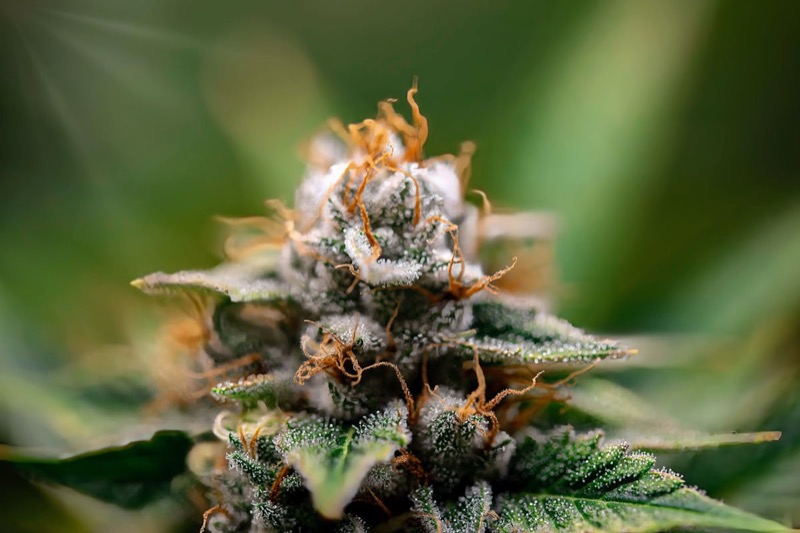
If you grow, the cultivar and the finish should follow the way you actually consume.
For a vaporizer, prioritize aroma. Cultivars with complex terpene profiles reward a low-temperature device, because that is where those compounds survive. Cure for at least two to three weeks and keep the flower around 58 to 62% RH; over-dried flower vapes thin and harsh regardless of what it started as. Our harvesting and curing guide covers getting there.
For concentrate, prioritize resin. Trichome-dense cultivars yield more and better material, and the Kush and indica-leaning end of the seed catalog is generally where the heaviest resin loads sit. For fresh-frozen material destined for hash or live rosin, harvest timing is usually set slightly earlier than for cured flower, on the reasoning that the lightest aromatic compounds are still present; that is standard practice among hash makers rather than a settled result, so treat it as a starting point to test on your own plants.
Frequently Asked Questions
Is dabbing stronger than vaping?
Which is safer, dabbing or vaping?
What are the actual hazards of a dab torch?
Can mold on cannabis be dabbed or vaped safely?
Does vaping or dabbing remove pesticides, mold or heavy metals?
What temperature gives the best dab flavor?
Why is my dry herb vaporizer producing weak vapor?
Should someone new to cannabis start with dabbing or vaping?
Can I make my own concentrate from home-grown flower?
Which cultivars vape best?
Shop Strains Featured in This Guide
Hand-picked seeds from our catalog that match this article's topic. Free shipping on eligible orders of $150 or more.
hybrid
Grease Monkey Feminized
indica
Purple Monkey Balls Auto
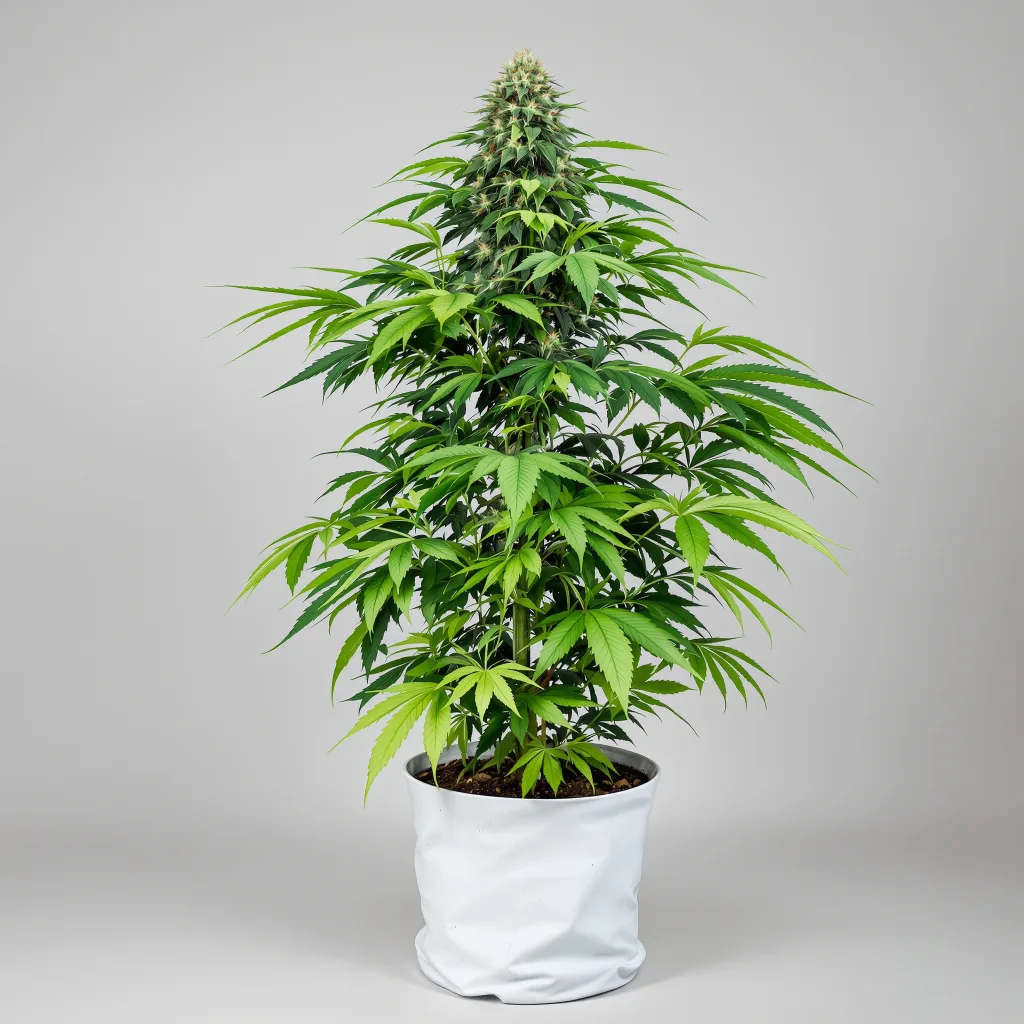
indica
Buckeye Purple Feminized
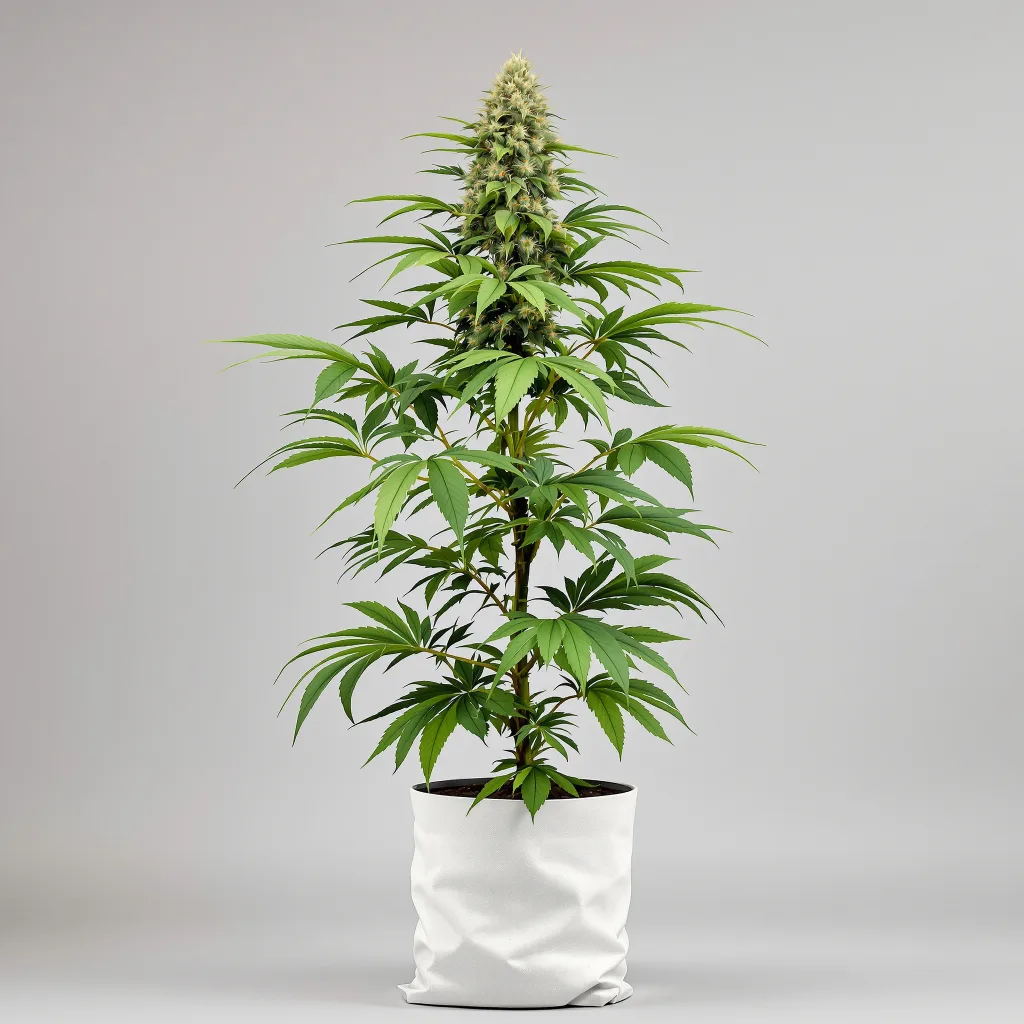
hybrid
Monkey Berries Feminized
Browse the full All Cannabis Seeds collection
Premium genetics, shipped from within the US.
Related Articles
Grind Weed Without a Grinder: 15 Hacks | Royal King Seeds
accessoryLoose Leaf and Blunt Wraps
painSpain is about to authorize the selling of medical
support-train10 Best Outdoor Cannabis Strains for 2026 (US Climate)
strainNorthern Lights Strain Review: Effects and Grow Tips
strainWedding Cake Strain Review: Effects and Grow Tips | Royal King Seeds
Ready to Start Growing?
Shop feminized, autoflower, and CBD strains with 95% germination and free delivery on eligible orders of $150 or more.
Shop Cannabis Seeds