Cloudy vs Amber Trichomes: The Science of Cannabis Harvest Timing | Royal King Seeds
Royal King Seeds Editorial Team
Cannabis Cultivator & Seed Specialist
The difference between harvesting at cloudy trichomes versus amber trichomes changes the cannabinoid profile of the final product in ways that directly affect the experience. Most grow guides reduce this to "cloudy = more energetic, amber = more relaxing," which is accurate but incomplete. Understanding the biochemistry helps you make intentional harvest decisions rather than guessing based on surface appearance.
This matters for medical users especially. Patients targeting specific effects, anxiety relief, sleep support, appetite stimulation, or pain management, can meaningfully influence what they're getting based on when they harvest. This guide covers the chemistry, the correct observation technique, common mistakes, and the harvest windows we recommend for different use cases.
Trichome Harvest Chemistry, Key Facts
THCA→THC
conversion at decarboxylation (not harvest)
THC→CBN
degradation that causes amber color
30-60x
minimum loupe magnification for accurate reading
Amber trichomes indicate oxidative THC degradation, not additional ripeness. Peak THC is at full cloudy/milky.
Trichome biochemistry based on published cannabinoid research; harvest windows from published cultivation references
The trichome harvest windows and effect profiles described below are generalizations based on published cannabinoid research and published comparative cultivation data. These descriptions are educational, not medical advice.
Jump to Section
Trichome Biology: What Are You Looking At?
Cannabis trichomes are glandular secretory structures, microscopic resin glands, that produce and store cannabinoids and terpenes. The capitate-stalked trichome (the type you're reading when assessing harvest timing) has a stalk topped with a resin-filled head. That head is what changes from clear to cloudy to amber.
The head itself is a biosynthetic factory: it produces CBGA (the cannabinoid precursor), then converts it via specific enzymes into THCA, CBDA, CBCA, and other cannabinoid acids. All exist as acids in the living plant, they convert to active neutral forms (THC, CBD) only when heated above approximately 230°F during decarboxylation.
The color change you observe is not about THCA becoming THC. That conversion requires heat. The color change is about THCA oxidizing into CBN (cannabinol), a different compound with different properties. Ambient oxygen, UV light, and heat gradually degrade THCA to CBN over time. This is why harvest timing matters: once trichomes go amber, THCA is gone, replaced by CBN.
Trichome Color Stages: What Each Stage Means
Trichome Color Reference Guide
| Stage | Appearance | Biochemistry | Harvest Decision |
| Clear / Translucent | Glass-like, fully transparent | THCA still accumulating; biosynthesis active | Do not harvest, potency still developing |
| Cloudy / Milky White | Fully opaque white, no amber | Peak THCA content; biosynthesis complete; no degradation yet | Maximum THC harvest, peak potency window |
| Mixed (70% cloudy / 30% amber) | Mostly white with amber tints | THCA beginning to oxidize to CBN; both compounds present | Balanced effect window, most popular harvest point |
| Mostly Amber (50-70%) | Predominantly amber/orange | Significant THCA degraded; CBN levels elevated | Sedative, body-focused effect; specific medical applications |
| Full Amber / Brown | Deep amber to brownish-orange | Heavy THC degradation; high CBN, degraded terpenes | Past optimal window for most uses |
The Chemistry Behind Cloudy vs Amber
A clear trichome head contains resin in a more fluid, partially-formed state, THCA is still being synthesized and the head is not yet fully packed. As biosynthesis completes, the resin head fills to capacity and the packed resin matrix scatters light uniformly, producing the white/cloudy appearance. At this point THCA concentration is at its maximum.
Amber color develops through oxidation. When THCA is exposed to oxygen and UV light over time, the molecular structure degrades, THCA converts through THC toward CBN. CBN itself is a partially oxidized form of THC. The amber pigmentation comes from the changed molecular structure.
Published comparison testing of identical plants harvested at full cloudy versus 30% amber consistently shows the full-cloudy harvest with 15-20% higher THCA content and lower CBN. The 30% amber harvest produces a measurably more relaxing, less anxious effect profile, the CBN contribution is real and detectable even at 30% amber. For patients managing anxiety, the cloudy harvest window produced less anxious effects. For patients targeting sleep, the 30-50% amber window produced more sedative results.
Harvest Windows by Medical and Recreational Goal
Trichome Harvest Windows by Use Case
| Goal | Target Trichome Window | Reasoning |
| Maximum THC / Maximum Potency | 95-100% cloudy, 0-5% amber | Peak THCA concentration before any oxidative degradation |
| Balanced Effect (most popular) | 70% cloudy / 30% amber | THC + CBN combination; less anxious, fuller body component |
| Anxiety / Stress (medical) | 80-90% cloudy, 10-20% amber | High THC but with enough CBN to blunt anxious edge |
| Sleep / Insomnia (medical) | 30-50% cloudy / 50-70% amber | Higher CBN content with sedative profile; significant THC still present |
| CBD-Dominant Strains | Cloudy to light amber | CBD harvest timing has different considerations, see CBD harvest guide |
How to Read Trichomes Accurately
The biggest observation error is reading trichomes on sugar leaves rather than on calyxes. Sugar leaf trichomes mature earlier than calyx trichomes, reading leaves gives a harvest-ready signal 5-10 days before the buds are actually ready. Always read trichomes on the calyx tissue directly.
Magnification requirements: 30x minimum to distinguish clear from cloudy; 60x is better for reading amber percentages accurately. A jeweler's loupe is the minimum tool. Smartphone "macro" modes rarely provide sufficient magnification for accurate trichome reading.
Read trichomes under bright, direct white light. Trichomes viewed under yellow or warm-tinted light appear more amber than they are. Take multiple readings from different parts of the plant, trichome maturity is not perfectly uniform.
The recommended standardization is to take 5 trichome readings from different bud sites on each plant and average. A single reading can be misleading, a bud with more direct light exposure will often show more amber than a shaded bud on the same plant.
Myth vs Reality: Trichome Harvest Timing
Trichome Harvest Readiness Checklist
Trichome Assessment Protocol
Follow this process starting 2 weeks before expected harvest.
Equipment Check
□ 30-60x jeweler's loupe or digital microscope ready
□ Bright white light source (LED flashlight or daylight lamp)
□ Identified 5+ calyx sites across the plant for sampling
Daily Observation (Final 2 Weeks)
□ Read trichomes on calyx tissue, NOT sugar leaves
□ Record approximate % clear / cloudy / amber for 5 sites
□ Average the readings, use as harvest decision data
Harvest Decision
□ Max THC: harvest at 95%+ cloudy, <5% amber
□ Balanced (most users): harvest at 70% cloudy / 30% amber
□ Sleep-focused: harvest at 50% cloudy / 50% amber
□ Never wait for full amber unless you specifically want high-CBN product
For harvest timing specific to autoflowering strains, see our autoflower harvest timing guide. For CBD-dominant strain harvest windows, see our CBD harvest science guide.
Frequently Asked Questions
What do cloudy trichomes mean for harvest?
What do amber trichomes mean?
Should I harvest at cloudy or amber trichomes?
How do I look at trichomes without a microscope?
Do sugar leaf trichomes and bud trichomes mature at the same time?
Can trichome color be affected by factors other than maturity?
How quickly do trichomes go from cloudy to amber?
Shop Strains Featured in This Guide
Hand-picked seeds from our catalog that match this article's topic. Free US shipping over $150 with 95% germination guarantee.
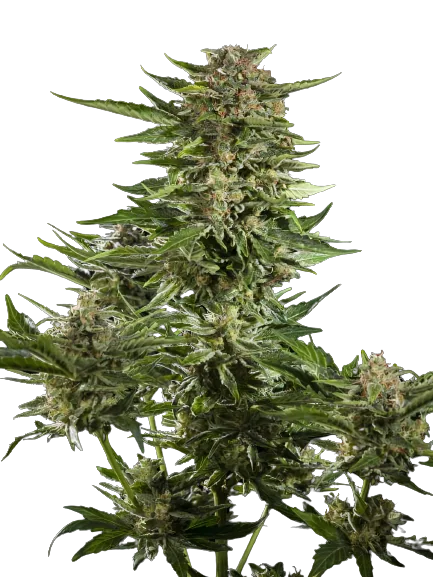
hybrid
Guido Kush Feminized
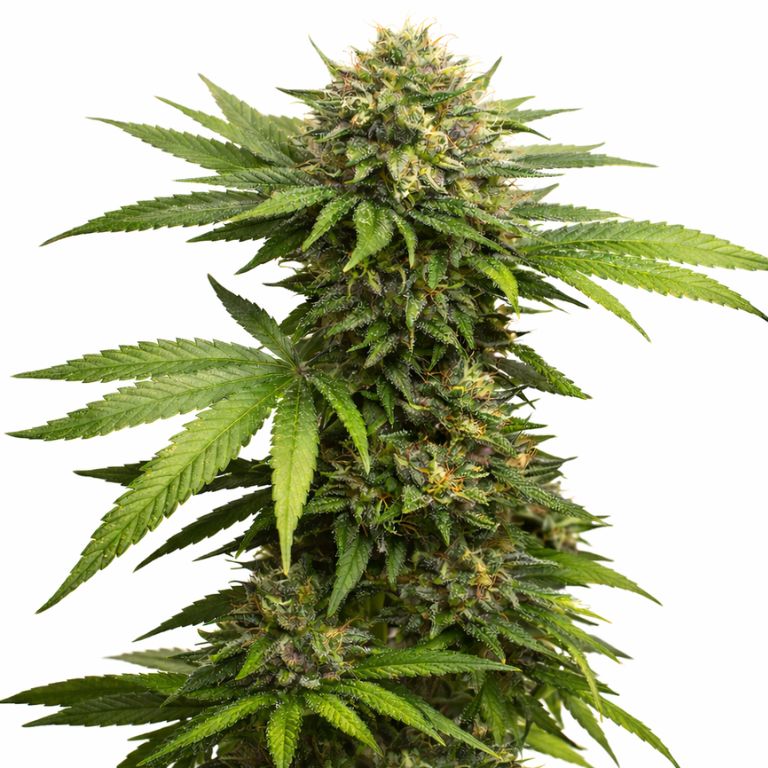
hybrid
303 OG Feminized
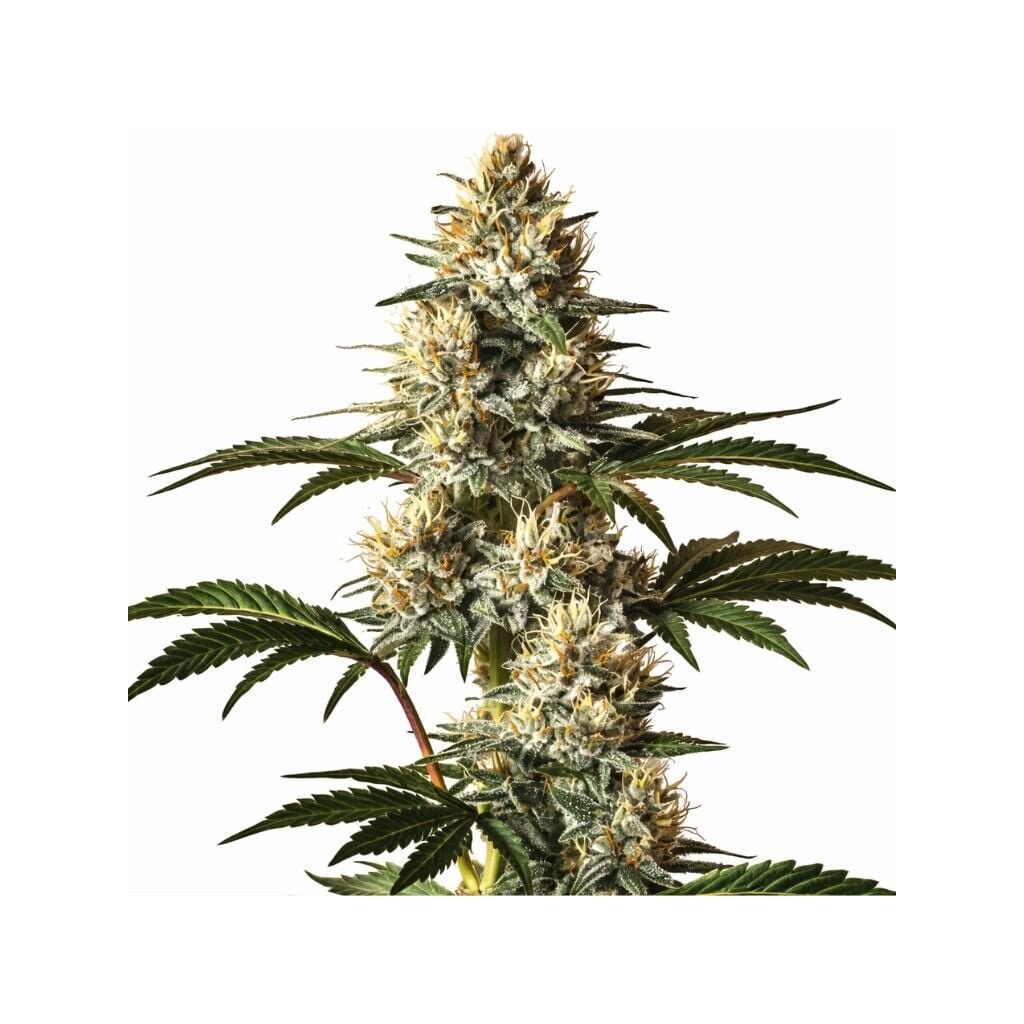
indica
God’s Treat Feminized
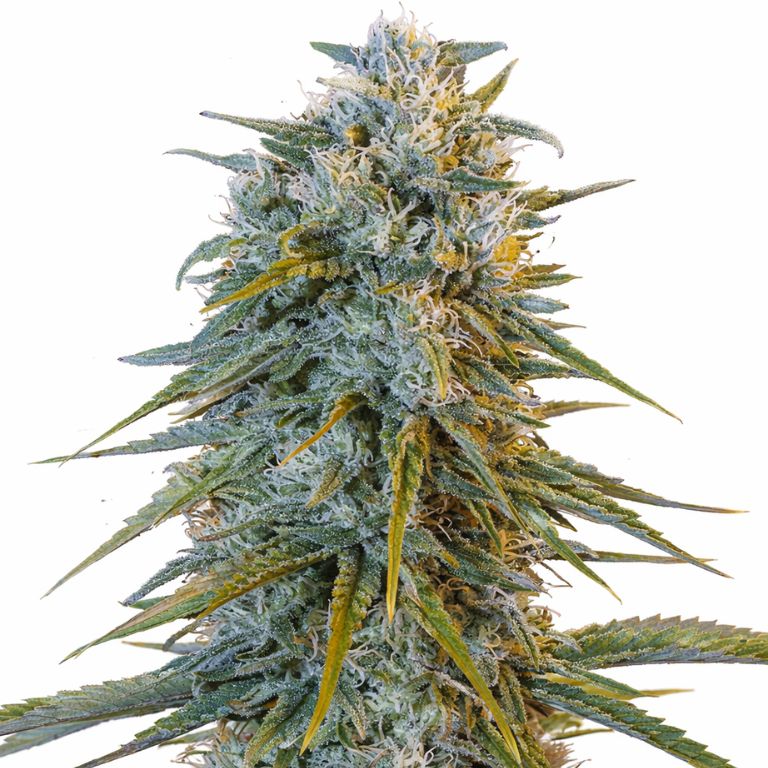
sativa
Blue Dream Feminized
Related Buying Guides
Browse the full Medical CBD Strains collection
Premium genetics, US-wide discreet shipping, germination guaranteed.
Related Articles
Cannabis Trichomes and Harvest Timing: Peak Potency Guide | Royal King Seeds
support-harvestHarvest Timing: Cannabinoids and Terpenes in Medical Cannabis | Royal King Seeds
HarvestingWhen to Harvest Cannabis for CBD According to Science: Trichomes, Lab Data, and Timing
HarvestingIs It Better to Harvest Cannabis Early or Late? The Science of Timing Decisions
support-trainMedical Strain Analysis: Godzilla Glue.
support-trainMedical Strain Analysis: Chocolate Diesel.
Ready to Start Growing?
Shop 1,600+ feminized, autoflower, and CBD strains with 95% germination, discreet US-wide shipping, and free delivery on orders over $150.
Shop Cannabis Seeds