Triploid Cannabis Seeds Explained: Bigger Yields, Seedless Flower, and the Tradeoffs | Royal King Seeds
Royal King Seeds Editorial Team
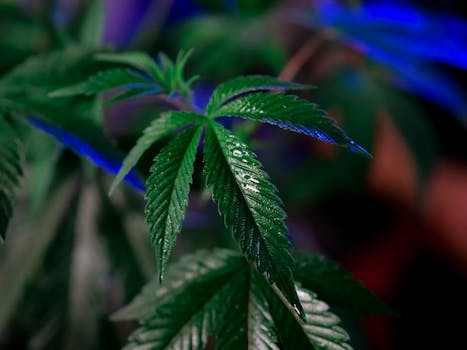
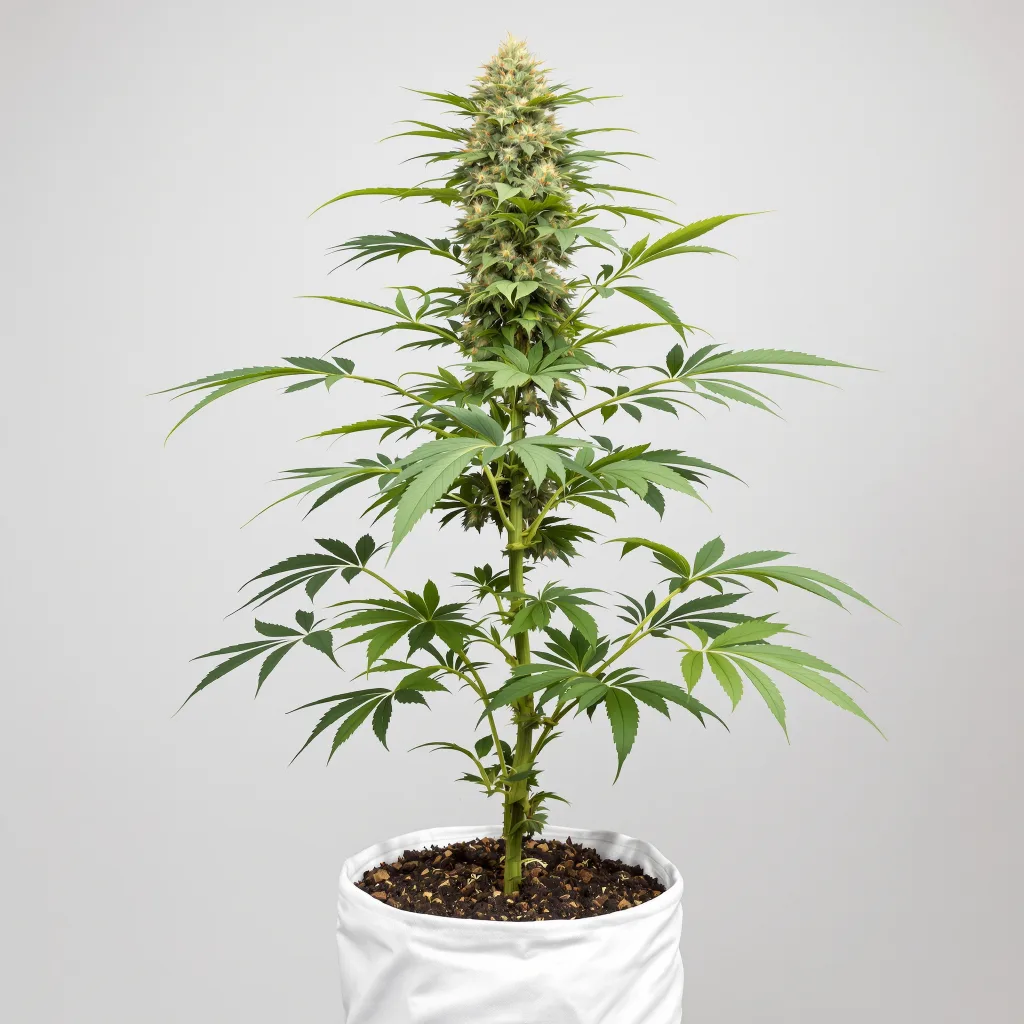
Triploid cannabis seeds are the most-talked-about breeding development in the US craft and commercial market right now, and most of what is written about them online repeats the same five marketing claims. This is the longer version, written for home growers who want to understand whether triploid genetics actually deliver on the bigger-yield, seedless-flower, larger-trichome promises, or whether the trade-offs make them a niche product.
The short version: triploids are real, the yield gain is real, the seedless-under-pollen behavior is real, and the potency claim is muddier than most breeder pages admit. The longer version is below.
What Is a Triploid Cannabis Plant?
Cannabis is normally diploid: every cell has two sets of chromosomes, one from the mother and one from the father. A triploid plant has three sets of chromosomes. This is the same biological phenomenon used in seedless watermelons, banana cultivars, and several hop varieties — a controlled cross between a tetraploid parent (four chromosome sets) and a standard diploid parent (two sets).
The triploid offspring inherits three sets, which produces a plant that is essentially sterile. Sterility is exactly the point — a sterile female cannabis plant cannot be pollinated successfully even when pollen lands on her stigmas, so she keeps pushing energy into bud production instead of seed development.
How Triploid Cannabis Seeds Are Bred
Breeding triploids is a two-step process and the second step is the slow part. Breeders first need a stable tetraploid mother. Tetraploids are created by exposing seedlings to colchicine or oryzalin, two mitotic inhibitors that disrupt cell division during germination. A small percentage of treated seedlings come out tetraploid. The rest either revert to diploid or die.
Once a stable tetraploid female line exists, the breeder crosses her with a standard diploid male. The offspring are triploid. Because the parent lines need to be locked in over multiple generations, the entire pipeline takes 18-36 months from start to first commercial seed batch. This is why you see only a handful of seed companies offering triploids today and why prices sit higher than equivalent diploid genetics.
What the Yield and Potency Data Actually Says
Across the published cultivation references and commercial grow reports for triploid lines from breeders like Humboldt Seed Co, Phylos, and Compound Genetics, two patterns are consistent:
- Yield: clearly higher. Triploids consistently produce 20-50% more dry flower per plant compared to diploid siblings under identical conditions. The mechanism is straightforward — extra chromosome sets generally produce larger cells, larger leaves, larger calyxes, and denser overall bud structure.
- Potency: usually equal, sometimes lower. THC percentages on triploid flower test in roughly the same range as diploid siblings, but a few specific lines test slightly lower per-gram. The total cannabinoid output per plant goes up because the plant is bigger, but the per-gram potency does not climb in lockstep with yield.
- Terpenes: a wash so far. Independent terpene panels show triploid terpene profiles in the same total-mg-per-gram range as diploids. The flavor and aroma resemble the parent lineage closely, with no obvious "triploid signature."
None of these patterns are dramatic enough to justify the more breathless marketing claims, but the yield bump alone is significant when you consider that you are getting 20-50% more flower from the same tent, electricity bill, and labor hours.
The Seedless-Under-Pollen Advantage
The single most useful trait of triploid cannabis is the one most home growers overlook: triploids stay seedless even when pollen lands on them. For indoor growers running a sealed tent, this barely matters. For outdoor growers, community gardens, and any situation where unknown male plants might be in the wind, it is a meaningful insurance policy. A triploid plant exposed to pollen will produce a tiny handful of largely non-viable seeds at most. A diploid plant exposed to the same pollen produces a seedy harvest.
This is the same reason commercial hop growers in the Pacific Northwest have been shifting to triploid varieties for decades — the controlled "seedless" outcome is worth the extra breeding cost.
Growing Triploid Cannabis Seeds at Home
Triploid plants are not noticeably harder to grow than diploids, but two patterns show up often enough that they are worth flagging:
- Bigger leaves, more defoliation. The bigger cell size that drives yield also produces large fan leaves that can shade lower bud sites. Plan one extra defoliation pass at day 21 of flower and another at day 42 if you are running indoors.
- Slightly heavier feed. The extra biomass demands more nitrogen in veg and more potassium in flower. Bump your base nutrient EC by roughly 10-15% versus diploid siblings.
- Same flowering windows. Triploid genetics finish in the same 8-10 week (autoflower) or 9-11 week (photoperiod feminized) windows as their diploid parents.
If you are coming off a successful diploid grow, you have everything you need to run triploids. The lift is small.
Should You Buy Triploid Cannabis Seeds?
The honest answer is: yes if you are an intermediate-or-advanced grower chasing yield, no if you are a beginner who has not yet finished a clean diploid run. The yield gain only shows up when the cultivation fundamentals are in place. A first-time grower will not see the 30% yield advantage because watering, feeding, and environment errors swamp the genetic upside.
For experienced growers, triploids represent the most concrete genetic yield improvement in cannabis since the autoflower boom of the 2010s. The seedless-under-pollen behavior is a useful side benefit. The slight per-gram potency discount is a fair trade for the per-plant cannabinoid increase.
Curious about what comparable diploid options look like? Browse our full feminized cannabis seed catalog or jump straight to high-THC strains for the genetics most directly comparable to the current commercial triploid lineup.
Frequently Asked Questions
- What is a triploid cannabis seed?
- A triploid cannabis seed produces a plant with three chromosome sets instead of the normal two. It is bred by crossing a tetraploid mother (created via colchicine treatment) with a diploid father. The offspring is essentially sterile, which is why the flower stays seedless even under pollen pressure.
- Are triploid cannabis strains stronger?
- Per-gram THC is roughly equal to diploids, sometimes slightly lower. Total cannabinoid output per plant is higher because the plant produces 20-50% more dry flower.
- Do triploids produce more yield?
- Consistently yes — published cultivation data shows 20-50% higher dry yield per plant under identical conditions versus diploid siblings.
- Are triploid seeds harder to grow?
- Not really. Plan an extra defoliation pass and bump nutrient EC by 10-15%. Beginners should finish at least one diploid run first to build the cultivation skills that let the yield advantage show.
- Where can I buy triploid cannabis seeds?
- Triploid seeds are still a small slice of the US seed market. Royal King Seeds USA stocks a wide range of cannabis strains including the diploid equivalents of every major triploid line — browse the feminized catalog or high-THC strain finder for the genetics most relevant to current triploid releases.
Shop Strains Featured in This Guide
Hand-picked seeds from our catalog that match this article's topic. Free shipping on eligible orders of $150 or more.
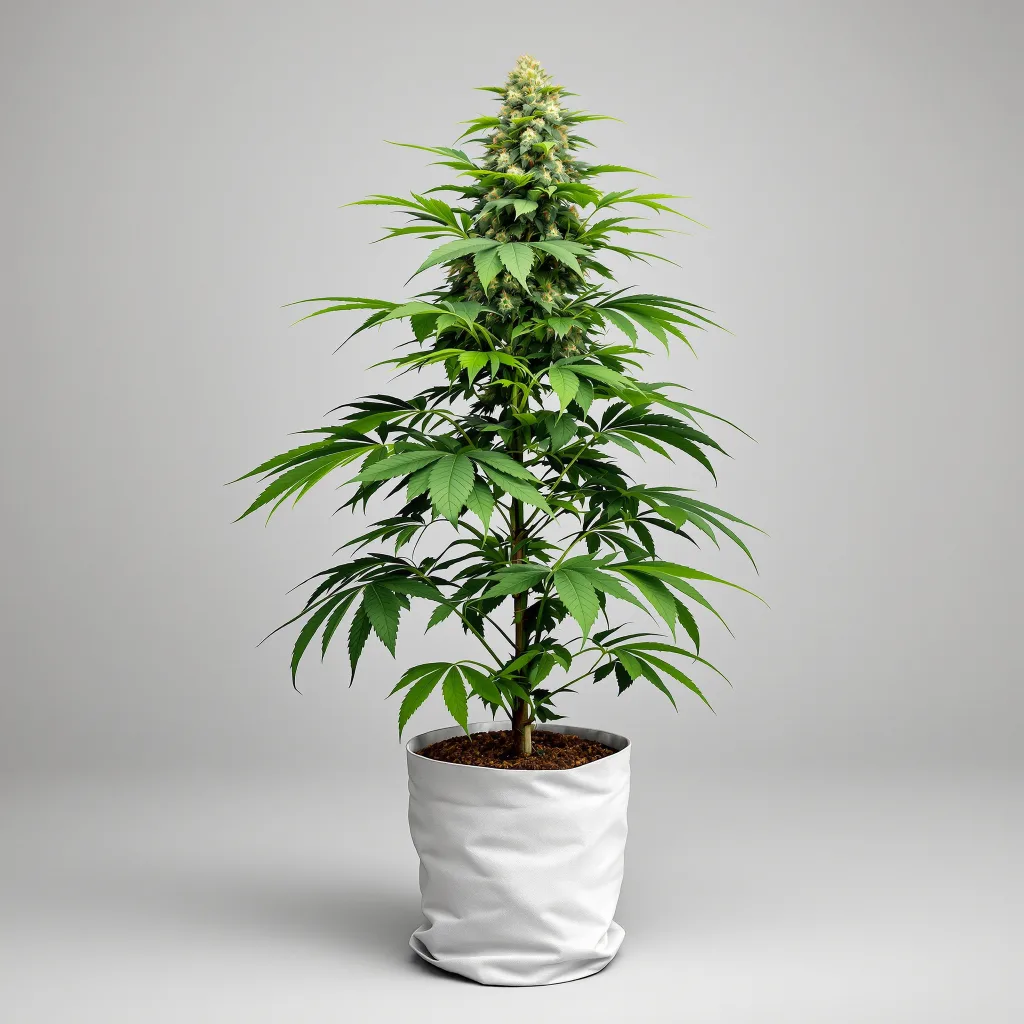
indica
Flowerbomb Kush Feminized
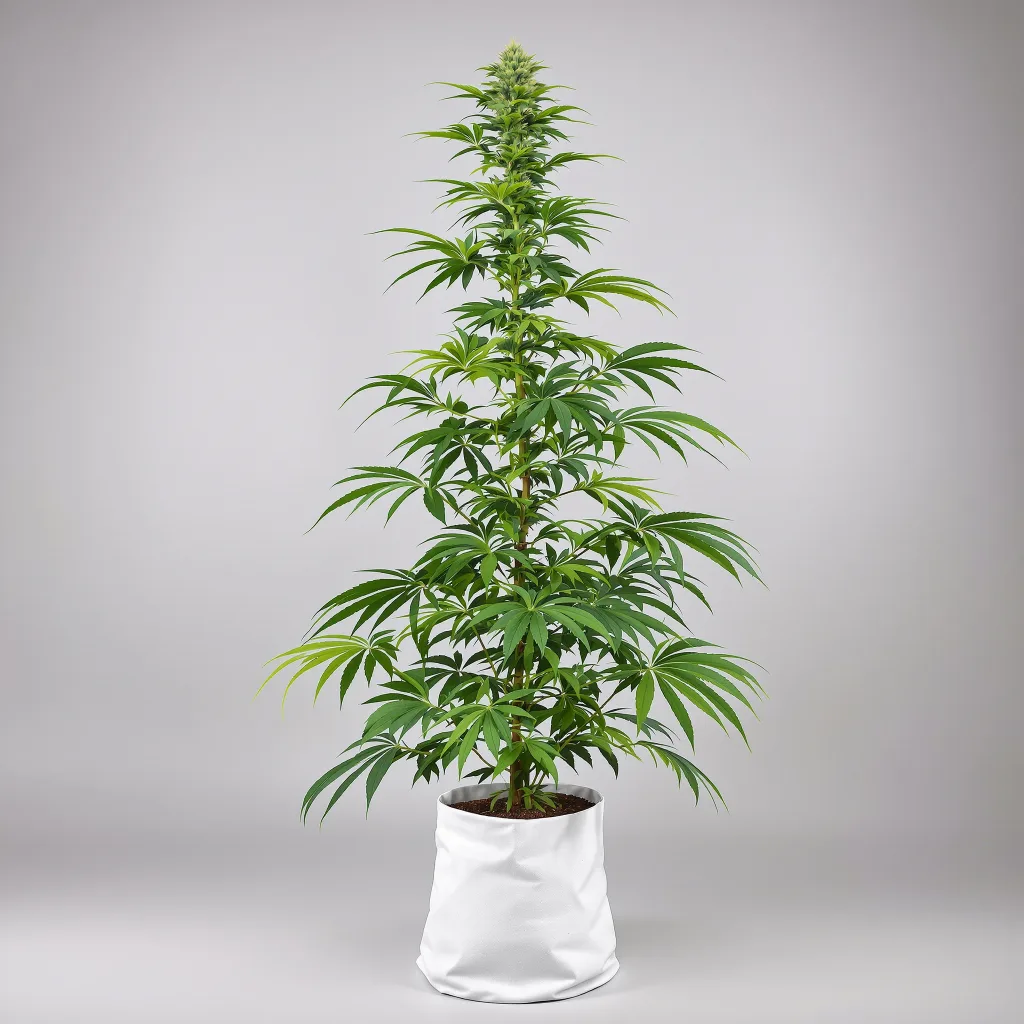
sativa
Strawberry Haze Auto
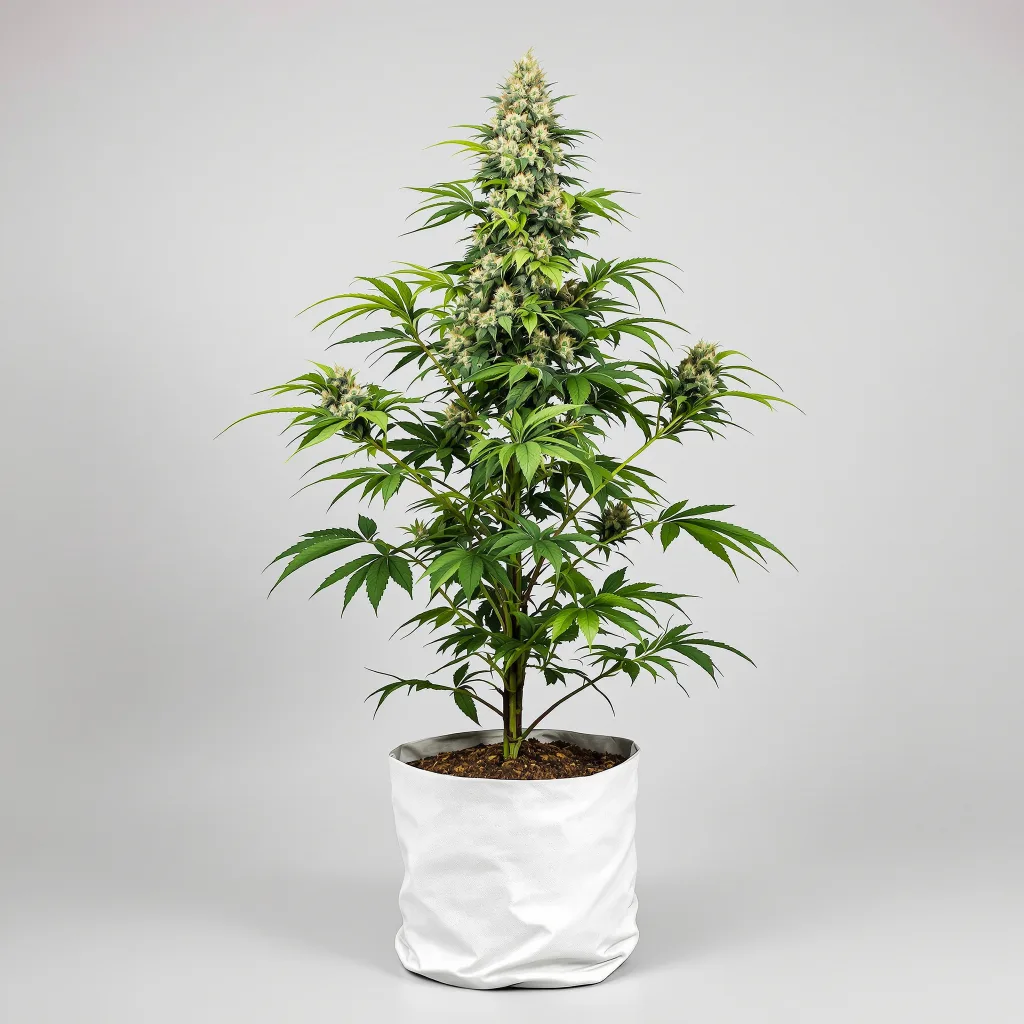
hybrid
Dank Sinatra Auto
hybrid
Venus OG Auto
Related Buying Guides
Browse the full All Cannabis Seeds collection
Premium genetics, shipped from within the US.
Related Articles
Cannabis Trichomes Explained: What They Signal | Royal King Seeds
support-flowerRoyal King's Top 10 Best Autoflowering Seeds
support-growCannabis Trichomes: What They Are and Why They Matter | Royal King Seeds
strainBlue Dream Cannabis Strain: Genetics, Effects & Grow Guide | Royal King Seeds
strainGranddaddy Purple Seeds: Buying and Growing Guide
pillar-flowerBest Low-THC Daytime Cannabis Strains for Functional Use | Royal King Seeds
Ready to Start Growing?
Shop feminized, autoflower, and CBD strains with 95% germination and free delivery on eligible orders of $150 or more.
Shop Cannabis Seeds