Granddaddy Purple Seeds: Buying and Growing Guide
Royal King Seeds Editorial Team
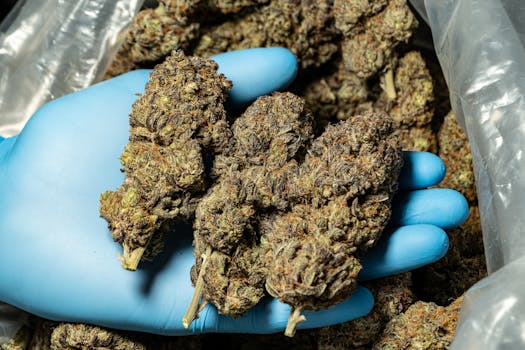
Granddaddy Purple is a 2003 California indica from Ken Estes, crossing Mendo Purps, Skunk and Afghani, and it is still the reference point for purple American indica two decades later. It flowers in 8 to 9 weeks, tests in the high teens to low twenties for THC in most modern selections, smells and tastes of grape and sweet wine, and produces a heavy, sedating, distinctly evening effect. The deep purple that made its name is partly genetic and partly a response to cool nights late in flower, which is the single thing most growers get wrong about it.
This guide covers the lineage, what the aroma and effect actually are, how to grow it indoors and out, when to cut, and what to grow instead if you want something adjacent. Granddaddy Purple Feminized is in the catalogue, and the wider purple genetics collection covers the rest of the family.
Lineage and Origin
Granddaddy Purple was released in 2003 in the San Francisco Bay Area by Ken Estes, and the cross is Mendo Purps × Skunk × Afghani. Each parent does an identifiable job. Mendo Purps carries the purple expression and the grape note. Skunk supplies vigour and yield. Afghani anchors the heavy indica body character. That combination of colour, aroma and effect is what made GDP a household name within a couple of years of release.
Most of the purple indicas on the modern US market trace back either to GDP directly or to the same Mendo Purps line running through its parentage. Purple Punch descends from it, Grape Ape sits on a parallel branch, and a number of modern cake and dessert crosses owe their colour to the same source.
Aroma, Flavour and Effect
GDP is a textbook myrcene-dominant indica. Myrcene leads by a clear margin, caryophyllene sits underneath it as a peppery second, pinene contributes a small amount of sharpness on the back end, and linalool appears in trace amounts, more prominently in some phenotypes than others, adding a lavender-floral edge. Published terpene percentages for GDP vary widely between labs and between cuts, so treat any single set of numbers you see quoted for this strain, here or elsewhere, as one sample rather than as the cultivar's profile.
The aroma reads as grape, berry and sweet wine over an earthy base. The effect is deep physical relaxation and comfortable sedation, and it is emphatically an evening cultivar rather than a functional daytime one. Consumers commonly describe it as a heavy, settled, couch-oriented experience. That is a description of a reported effect, not a therapeutic claim; nothing here should be read as medical advice or as a statement about what cannabis treats.
THC in modern selections is commonly reported in the high teens to low twenties, with occasional selections quoted higher and older cuts generally lower. CBD is trace. As with any cultivar, the number on a menu reflects one tested sample of one grow.
Growing Granddaddy Purple
GDP is medium difficulty. The plant has good vigour, a predictable flowering period, and it rewards a proper vegetative run rather than a rushed one.
- Flowering time: 8-9 weeks indoors, photoperiod feminized
- Height: around 3-4 feet indoors with a normal veg, 5-7 feet outdoors
- Indoor yield: commonly reported at 4-6 oz per plant with a four to five week veg under a mid-sized LED
- Outdoor yield: commonly reported at 12-18 oz per plant in full sun, finishing early to mid October in most US regions
- Climate: Mediterranean, Pacific and Mountain West conditions suit it; it needs a real autumn to colour up
- Watch for: powdery mildew in humid conditions, and dense late-flower buds that need airflow
Yield and height figures for any cultivar depend heavily on veg length, container size, light and the grower, so read those as the ranges people report rather than as what your plant will do.
The purple. Colour in GDP is partly genetic and partly environmental. The pigments responsible are anthocyanins, the same class that colours red cabbage and autumn foliage, and their expression is strongly influenced by temperature. To bring the colour out, drop night temperatures in the last two weeks of flower into the low sixties Fahrenheit. Without that drop, GDP frequently finishes mostly green with purple only in the leaves. This is worth knowing before you buy: a grower with no ability to control night temperature is likely to be disappointed by the photographs.
The trade-off nobody mentions. A big day-to-night temperature differential pushes overnight relative humidity up, and GDP's buds are dense. If you cannot hold late-flower humidity at 45-50% through the dark period, do not chase the colour, because you are creating the exact conditions botrytis needs in the exact weeks it strikes. If you do find mold in a bud, that bud and the ones touching it come off and go in the bin. Mold-affected flower must not be smoked, vaporized or extracted, and cutting the visible part away does not establish that the rest is clean. Our mildew and mold control guide covers identification, the powdery mildew this cultivar is prone to in humid conditions, and disposal.
Indoor vs Outdoor
Indoors, GDP rewards a four-week veg, a screen at the start of flower, and a cool finish. Resin production is dense, the colour develops reliably under controlled cool flowering temperatures, and the whole run is more predictable. This is the route most US home growers take, and it is the one that gives you control over the variable that produces the colour.
Outdoors, GDP does well in California's Emerald Triangle, Oregon's Willamette Valley, Colorado's Front Range and much of the Pacific Northwest, where the natural autumn temperature drop lands at the right moment. Outdoor plants can colour more dramatically than indoor ones and yield considerably more per plant. The risk is the weather: one wet October week on dense indica buds can undo a whole season, which is the argument for staking colas, keeping the plant open, and being ready to cut early rather than gamble. Our bud rot prevention guide covers what to do about that.
Harvest Window and Cure
GDP is generally cut when about three-quarters of trichomes have gone milky with the remainder turning amber. Earlier on that curve trades some of the sedation for a slightly more cerebral feel; later pushes it further toward heavy. Most experienced GDP growers cut at the early-amber inflection. Our trichome and harvest-timing guide covers reading the maturity markers.
Cure for at least three weeks in glass at around 60-62% RH. The wine-grape note that defines GDP is volatile and takes weeks to settle; a jar opened at day ten will not smell like the same plant at week four. Burp daily for the first week, every two to three days in the second, weekly after that. The full process is in our curing and storage guide.
Close Alternatives
If you want the GDP character with a slightly different angle, the nearest options are:
- Purple Kush - heavier, less wine-grape aroma, comparable sedation
- Grape Ape - parallel lineage, brighter grape flavour, similar effect
- Bubba Kush - different aroma entirely but a similar body load
- Northern Lights - the classic indica baseline, less colour, faster finish
- Purple Punch - a modern descendant of GDP, sweeter and fruitier
Browse the relaxing strains outcome page for the effect profile, or the indica catalogue for the wider category.
Frequently Asked Questions
What is the THC percentage of Granddaddy Purple?
How long does Granddaddy Purple take to flower?
Is GDP a good strain for a first grow?
Why did my Granddaddy Purple come out green?
What does Granddaddy Purple smell and taste like?
Where can I buy Granddaddy Purple seeds in the USA?
Shop Strains Featured in This Guide
Hand-picked seeds from our catalog that match this article's topic. Free shipping on eligible orders of $150 or more.
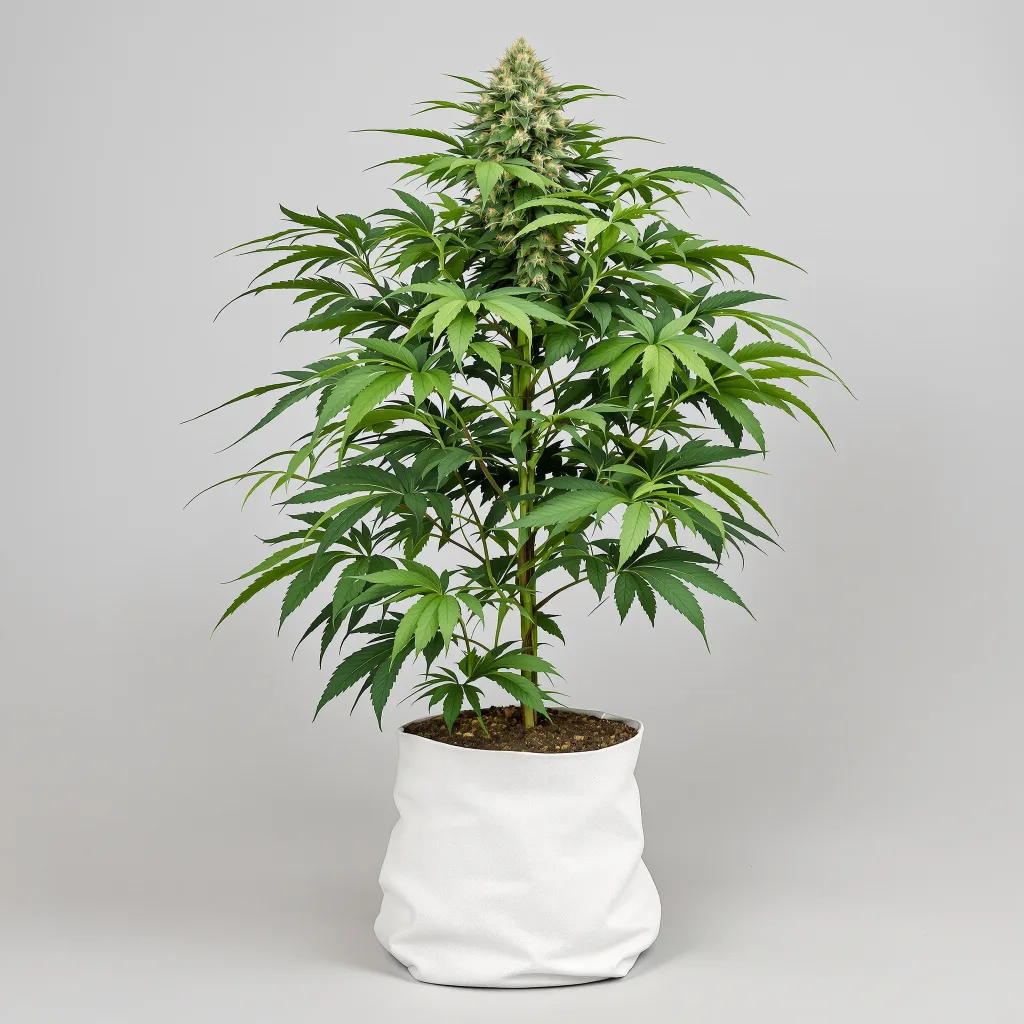
indica
Granddaddy Purple Feminized
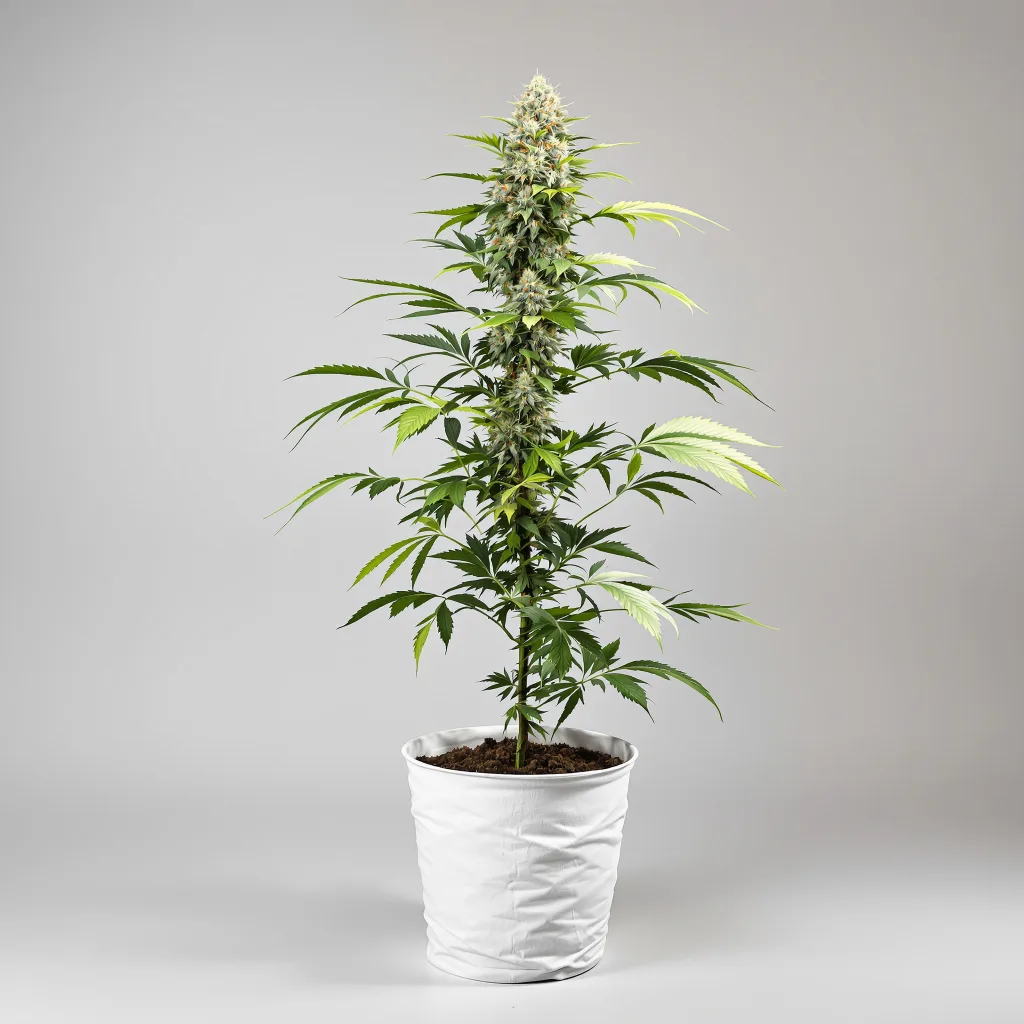
hybrid
Purple Skunk Auto
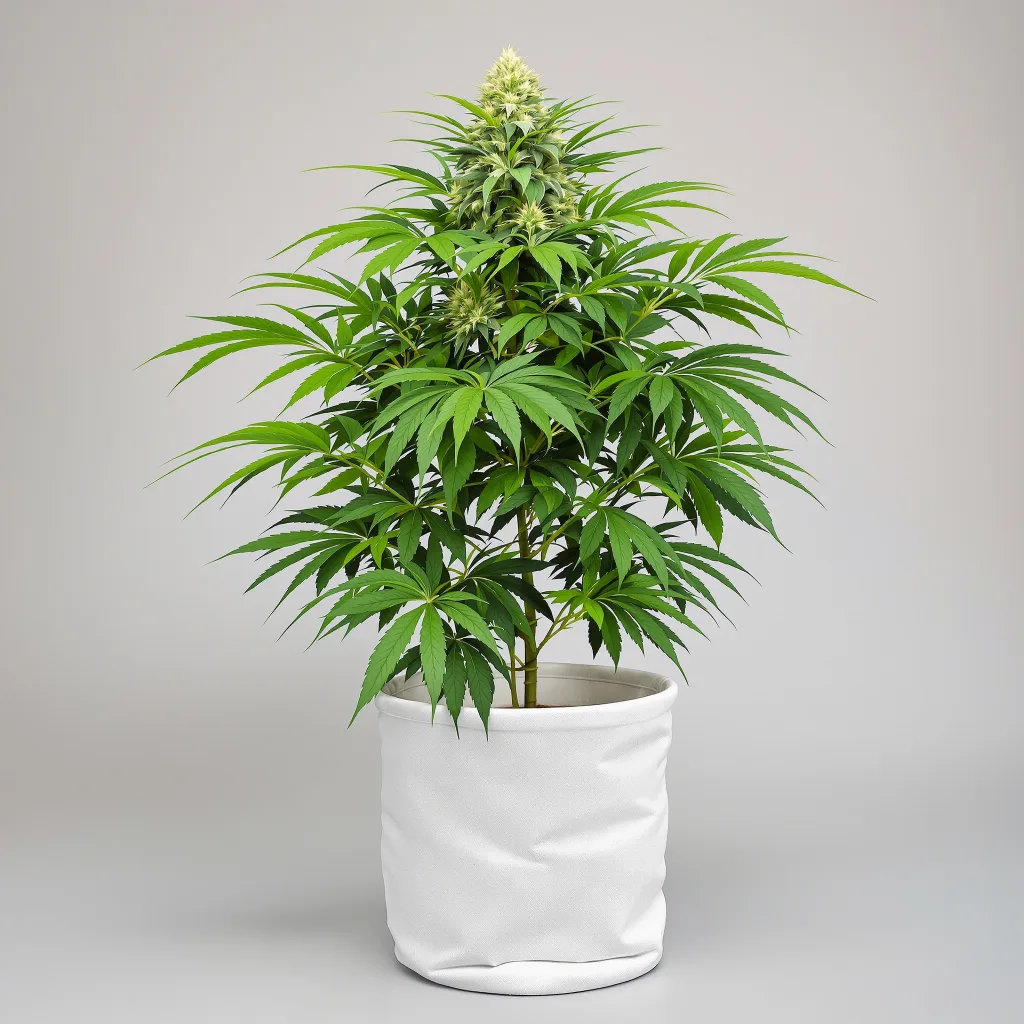
indica
Purple Bubba Feminized
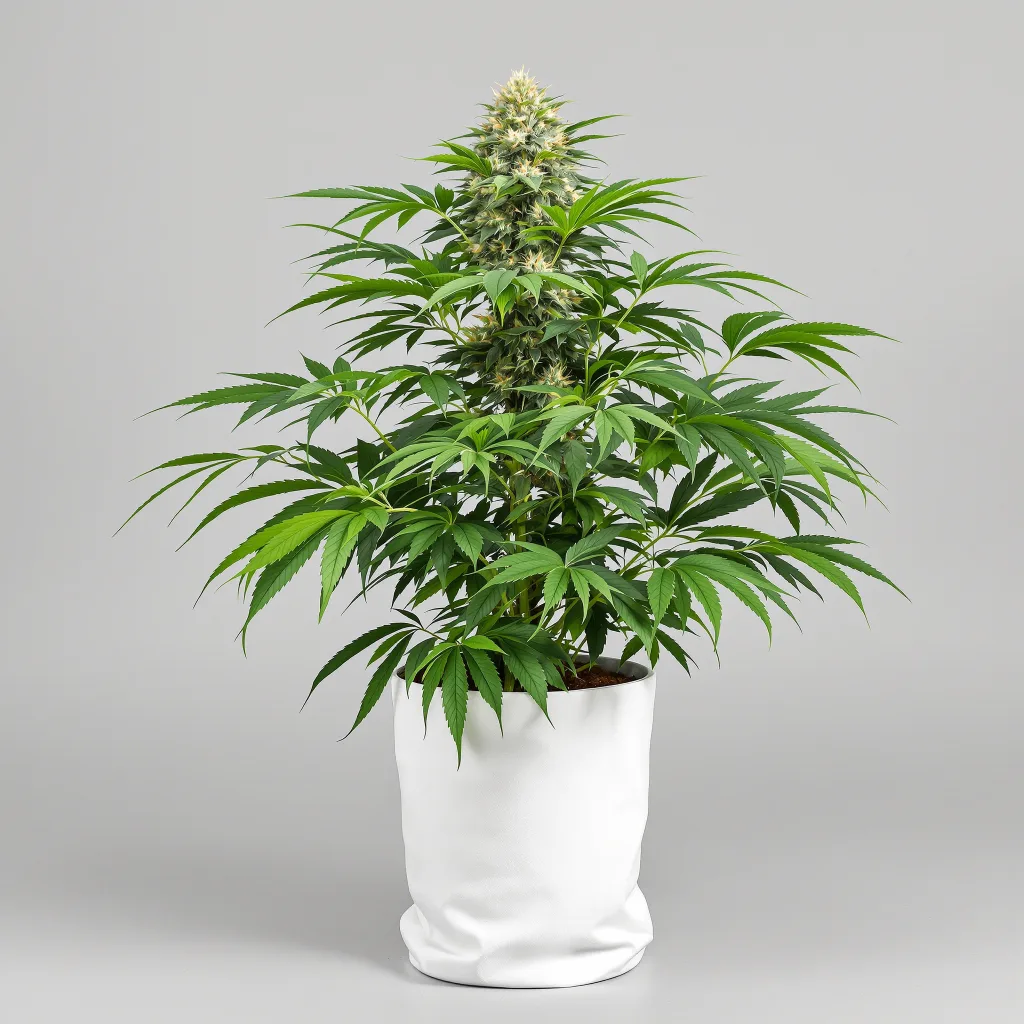
indica
Purple Monkey Balls Feminized
Related Buying Guides
Browse the full Purple Genetics collection
Premium genetics, shipped from within the US.
Related Articles
Strain Analysis: Critical Purple.
support-trainMedical Strain Analysis: Purple Snow CBD.
support-trainStrain Analysis: Purple Kush.
support-trainWhy Do Some Cannabis Strains Turn Purple Indoor?
pillar-flowerBest Low-THC Daytime Cannabis Strains for Functional Use | Royal King Seeds
accessoryDabbing vs Vaping Cannabis: Key Differences
Ready to Start Growing?
Shop feminized, autoflower, and CBD strains with 95% germination and free delivery on eligible orders of $150 or more.
Shop Cannabis Seeds