Overwatering vs Underwatering Cannabis | Royal King Seeds
Royal King Seeds Editorial Team
The number-one plant killer in cannabis cultivation isn't pests, disease, or bad genetics — it's water. Specifically, it's giving plants too much of it, then panicking and giving even more. Overwatering is responsible for a disproportionate share of failed home grows, yet it is almost universally misdiagnosed as underwatering because the visual symptoms look almost identical at a glance.
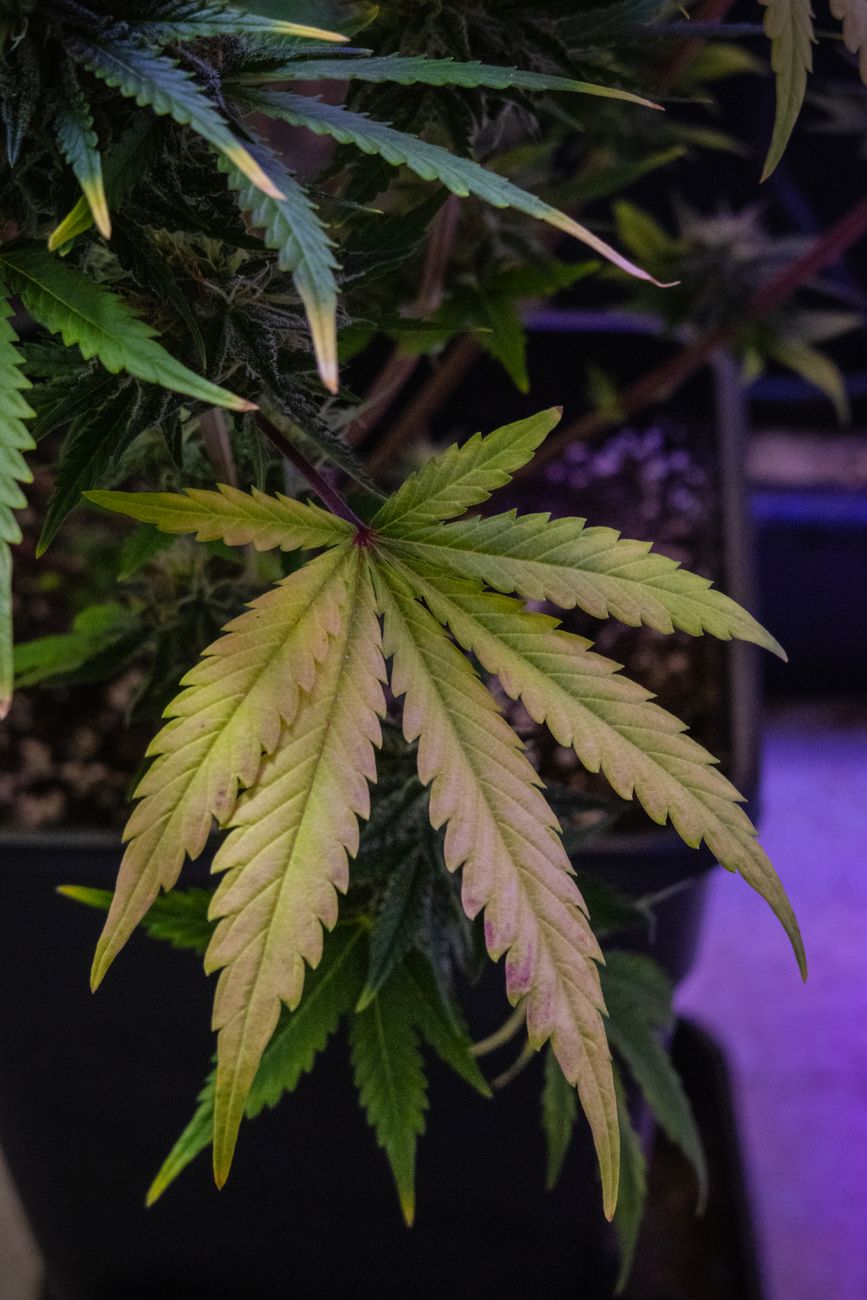
The failure mode is always the same: a grower sees drooping, assumes thirst, waters again, and accelerates root rot. Understanding the one tactile test — leaf firmness — separates correct diagnoses from costly mistakes. Plants showing overwatering droop with firm, puffy leaves; plants showing underwatering droop with limp, papery leaves. Once you internalize that distinction, you can fix either problem within 24–48 hours. This guide gives you the complete diagnostic system, the fix protocols, and the watering schedule that prevents both problems from ever recurring.
Press a drooping leaf between two fingers. If it feels firm, thick, or almost waxy — the plant is overwatered. If it feels soft, limp, and paper-thin — it is underwatered. Overwatered plants also show yellowing from the bottom up; underwatered plants show crispy leaf edges and very light pots. Correct overwatering by letting the medium dry fully before the next watering. Correct underwatering by giving a slow, thorough soak until 10–20% runoff exits the pot.
- ✓ First-time cannabis growers who can't diagnose drooping
- ✓ Anyone whose plant looks "sad" and doesn't know why
- ✓ Growers seeing yellowing with no obvious nutrient deficiency
- ✓ Growers using soil or coco who want a repeatable schedule
- ✓ Anyone who has lost plants to root rot and wants prevention
- ✓ Indoor growers managing pots between 1–10 gallons
- ✗ Hydroponic or DWC setups (different moisture rules)
- ✗ Outdoor large-bed grows with irrigation systems
- ✗ Growers diagnosing nutrient lockout (separate issue)
- ✗ Growers whose plants are showing root disease symptoms only
What Is Overwatering Cannabis — and Why Is It So Common?
Overwatering cannabis means watering too frequently, not necessarily giving too much water per session. The medium stays saturated, depriving roots of oxygen.
Cannabis roots need oxygen to function. When soil stays wet for more than 24 hours continuously, root cells begin to suffocate. Pythium (root rot) pathogen populations, which thrive in anaerobic wet conditions, can colonize a root zone within 48–72 hours of persistent saturation, per plant pathology literature.
The reason overwatering is so common is psychological: a drooping plant looks thirsty, and the instinctive response is to water it. This is often exactly wrong. Many new growers water on a fixed calendar schedule (e.g., every day) rather than reading the plant and the medium.
- Watering on a timer instead of reading pot weight
- Using pots without adequate drainage holes
- Using dense, compacted soil with poor aeration
- Placing saucers under pots without emptying them
- Responding to drooping with more water
Overwatering is almost always a frequency problem, not a volume problem. The fix isn't giving less water per session — it's waiting longer between sessions. Let the medium partially dry out before every single watering event, without exception.
What Is Underwatering Cannabis — and What Does It Actually Do?
Underwatering is straightforward: the plant is not receiving enough water to maintain turgor pressure in leaf cells, causing wilting from the inside out.
When water in the medium drops below the threshold roots can access, the plant loses its ability to transport nutrients and maintain cell structure. Stomata close, photosynthesis slows, and the plant begins to cannibalize itself for moisture.
Prolonged underwatering — more than 48–72 hours in warm conditions — causes permanent cellular damage. In flowering plants, it also directly reduces final bud density. According to cannabis cultivation references cited by NIH NCCIH, environmental stressors like drought reduce cannabinoid expression and yield consistency.
Underwatering is easier to fix than overwatering — one thorough soak resolves it within hours. But repeated underwatering events compound stress and should be treated as a scheduling failure, not a one-off slip.
Overwatering vs Underwatering Symptoms: The Complete Comparison
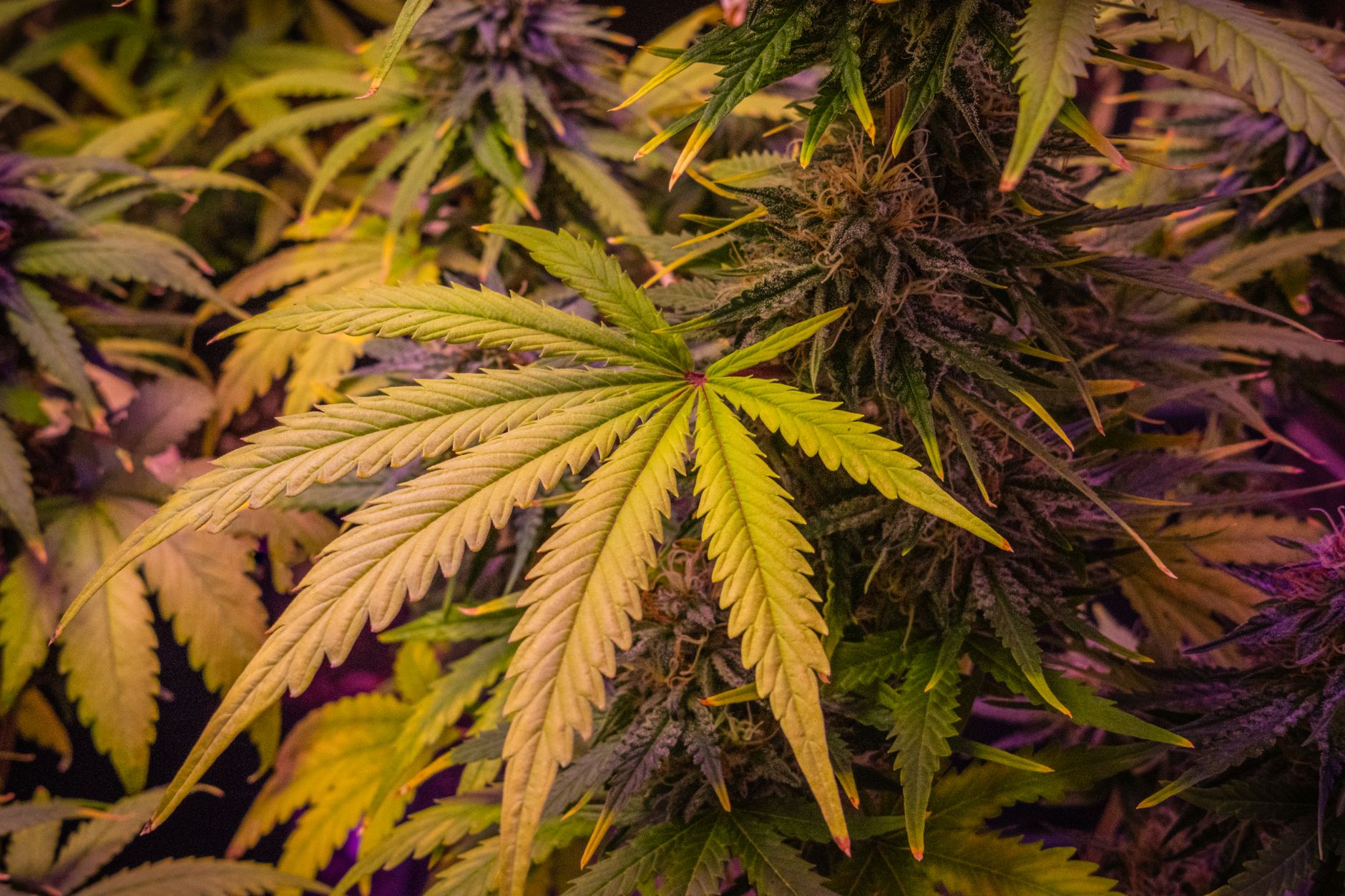
Both conditions cause drooping — but every other symptom diverges. Use this table as your first diagnostic step before touching the medium or the watering can.
| Symptom | Overwatering | Underwatering | Other Causes to Rule Out | Urgency | Recovery Speed |
|---|---|---|---|---|---|
| Leaf texture | Firm, thick, puffy | Soft, limp, papery | Heat stress (leathery) | Medium | 24–72 hrs if corrected |
| Leaf droop direction | Curling down, clawing | Drooping flat downward | N toxicity (clawing) | Medium–High | 48–96 hrs |
| Leaf color | Yellowing (bottom up) | Dull green, then brown tips | Nutrient deficiency | High | Slow (days) |
| Pot weight | Heavy | Very light | — | Best single indicator | — |
| Soil surface | Dark, damp, possibly moldy | Pale, cracked, pulls away from edges | — | High | — |
| Root appearance | Brown, slimy, foul smell | White but thin, sparse | Root rot (separate diagnosis) | Critical if brown | Slow (weeks) |
| Finger test result | Moist below top inch | Bone dry 2+ inches deep | — | Do before watering | — |
| Royal King Seeds Urgency Score | 7/10 (chronic problem) | 5/10 (acute, fast fix) | — | — | — |
If pot weight and the finger test confirm your diagnosis, you're 90% of the way to fixing the problem. Don't treat symptoms visually alone — check the medium every time before making any watering decision.
How to Diagnose Your Cannabis Plant: The 3-Check Protocol
A correct diagnosis requires three checks done in sequence, not just one. Industry-standard cannabis growing protocols consistently recommend all three before making any watering decision.
A sequential three-step system for diagnosing cannabis water stress before every watering event. Never skip a step — each check rules out a different problem.
Formula: Pot Weight Check → Knuckle/Finger Depth Check → Leaf Texture Check = Diagnosis
- Check 1 — Pot Weight: Lift the pot. If it feels heavy relative to fully dry, do not water.
- Check 2 — Knuckle Depth: Push index finger to second knuckle (~2 in / 5 cm). If moist: stop. If bone dry: proceed to Check 3.
- Check 3 — Leaf Texture: Pinch a middle leaf. Firm = overwatered or healthy. Limp = underwatered.
Example: A 3-gallon pot with drooping leaves. Lift it — feels light. Push finger in 2 inches — bone dry. Pinch a leaf — limp. Verdict: Underwatered. Action: Slow, thorough soak until 10–20% runoff, then wait for the medium to cycle through before the next watering.
Step 1: The Pot Weight Test
Lift the pot with both hands and compare the weight to what it felt like directly after your last watering. A heavy pot still has significant moisture. A very light pot is running dry. This is the single fastest diagnostic — trained growers use it exclusively.
Step 2: The Knuckle Depth Check
Push your index finger straight down into the soil to the second knuckle — approximately 2 inches (5 cm). If the soil at that depth feels damp, the root zone has moisture and does not need water. If it feels completely dry, the lower medium is depleted.
Step 3: The Leaf Texture Pinch
Pinch a mid-canopy leaf (not a bottom fan leaf, which yellows first for other reasons). Firm and almost puffy = adequate or excess moisture. Limp and papery = moisture deficit. This overrides visual droop because a plant can droop in heat even with adequate water.
Run the 3-Check Protocol before every single watering. It takes under 60 seconds and eliminates the most common diagnostic error in home growing. The pot weight check alone, done consistently, prevents the majority of overwatering events.
Royal King Seeds Watering Risk Rating by Setup Type
Not all grow setups carry equal overwatering or underwatering risk. Your pot size, medium type, and environment all change how fast moisture cycles — and which error you're more likely to make.
| Setup Type | Overwatering Risk | Underwatering Risk | Root Rot Risk | Beginner Risk |
|---|---|---|---|---|
| Small plastic pot (1–2 gal), dense soil | Very High | Low | High | Very High |
| 3–5 gal fabric pot, quality airy mix | Medium | Medium | Low | Low |
| 5–10 gal fabric pot, perlite-amended mix | Low | Medium | Very Low | Low |
| Coco coir in any pot | Medium | High | Low | Medium |
| Seedling stage (any medium) | Very High | Low | High | Very High |
| Late flower in large pot (7–10 gal) | Low | High | Low | Medium |
The pattern that emerges from public grower data: seedlings and small plastic pots are the highest overwatering risk; large containers in flower with fast-growing plants are the highest underwatering risk. Choose your pot size accordingly when you select your autoflower seeds or feminized cannabis seeds — pot size directly determines how often you need to water.
Fabric pots with perlite-amended medium in the 3–5 gallon range are the most beginner-forgiving setup. They drain well, dry evenly, and give you the clearest weight feedback. Avoid dense soil in plastic pots unless you are experienced enough to resist the daily watering urge.
How to Fix an Overwatered Cannabis Plant: Step-by-Step
Fixing overwatering requires patience more than action. The worst thing you can do is intervene too aggressively — the recovery happens when you stop, not when you act.
Step 1: Stop Watering Immediately
Do not water until the medium has dried significantly. This sounds obvious, but it is the step most growers skip because the plant still looks bad after day one. Trust the process — recovery takes 24–72 hours, not 2 hours.
Step 2: Improve Drainage and Airflow
Check that all drainage holes are open and unobstructed. Empty any saucers sitting under the pot. If possible, elevate the pot slightly off the ground to maximize airflow to the bottom. Increase fan circulation around the canopy to accelerate transpiration and help the medium dry faster.
Step 3: Consider Transplanting If Root Rot Is Present
If you remove the root ball and find brown, slimy roots with a foul smell, Pythium root rot has begun. Trim the affected roots with sterile scissors, treat with a hydrogen peroxide flush (3% diluted to 1% — 1 part 3% H₂O₂ to 2 parts water), and transplant into fresh, dry, airy medium.
Step 4: Resume Watering Only When the Pot Is Light
When the pot returns to its "dry" weight and the finger test shows dryness 2 inches deep, resume watering — but give only 50–70% of your normal volume for the first session after a severe overwatering event. Gradually return to full volume over 2–3 sessions.
Step 5: Amend Your Medium for Future Prevention
At the next transplant, mix 20–30% perlite into your soil by volume. Perlite creates air pockets that prevent the compaction and anaerobic conditions that allow root rot to establish. Fabric pots further accelerate this by air-pruning roots and promoting drainage.
Most overwatered plants recover fully if caught before root rot sets in. The key is doing nothing for 48–72 hours. Plants that develop root rot before the grower intervenes face a much harder recovery path — prevention through medium aeration and fabric pots is always the better strategy.
Building a grow that avoids water stress starts with the right genetics.
Resilient strains — especially autoflower seeds bred for hardiness — bounce back faster from water stress events than more sensitive photoperiod cuts. Browse our full selection of stress-tolerant cannabis seeds.
Shop All Cannabis Seeds →How to Fix an Underwatered Cannabis Plant: Step-by-Step
Underwatering is the faster fix of the two — a thoroughly watered plant can visually recover within 2–4 hours in warm conditions. The process is straightforward but requires doing it correctly in one session.
Step 1: Water Slowly and Thoroughly
Pour water slowly and evenly across the entire surface of the medium — not just the center. Give enough volume until 10–20% exits the drainage holes as runoff. This number (10–20%) is the published industry standard for ensuring the entire root zone received moisture, not just the top layer.
Step 2: Do Not Water Again Immediately
Once the plant has received a thorough soak, wait. Do not add more water 2 hours later because the plant still looks droopy. Turgor pressure recovery takes 2–6 hours depending on temperature and how dehydrated the plant was. Patience is the fix.
Step 3: Check for Soil Hydrophobia
Severely dried-out soil — especially peat-based mixes — can become hydrophobic, repelling water and causing it to run straight down the pot walls without absorbing. If this happens, soak the pot in a tray of water for 20–30 minutes to re-hydrate the medium, or use a wetting agent (a few drops of unscented dish soap in 1 gallon of water).
Step 4: Adjust Your Watering Frequency
If underwatering has been a recurring pattern, set a phone reminder to check pot weight every 24 hours during vegetative stage and every 12–18 hours during peak flowering, when large plants consume significantly more water. Do not rely on visual plant appearance alone — check the pot weight proactively.
A single underwatering event causes minimal long-term damage. The risk is in repeated episodes — chronic underwatering stunts growth, reduces resin production, and compounds stress alongside heat or VPD issues. Fix it once, then build a proactive check schedule.
Cannabis Watering Schedule by Growth Stage: What the Data Shows
Watering frequency is not fixed — it changes dramatically across the growth cycle. Published cannabis cultivation references provide consistent guidance on stage-appropriate intervals.
Mist only. No direct watering. Every 1–2 days. Volume: 5–15 mL mist per session.
Every 2–3 days. 250–500 mL per session (1-gal pot). Increase with plant size.
Every 1.5–2 days. 500 mL–1.5 L (3-gal pot). Check weight daily.
Every 1–2 days. 1–2 L per session (5-gal pot). Water demand rising fast.
Every 1 day or more. 1.5–3 L per session. Check pot weight every 12–18 hrs.
Reduce slightly. Same frequency but plain water if flushing. Monitor for stretch-stage thirst.
These intervals assume indoor grows at 70–80°F with adequate ventilation. Outdoor grows in hot climates (85°F+) may require watering every 24 hours during peak flowering. Coco coir growers should water more frequently — daily or twice daily in late flower — because coco holds less water than soil and dries faster.
For growers running high-THC strains that push heavy flowering for 10–12 weeks, the peak-flower window extends longer and water consumption increases proportionally. Budget accordingly.
The biggest scheduling mistake is using seedling-stage watering frequency in late veg or flower. A plant that needed 200 mL at week 2 may need 2,000+ mL by week 6 of flower. Scale up proactively — don't wait for droop to tell you the plant is thirsty.
The Simple Rule Most New Growers Miss
"Water volume is not the variable — water frequency is. A plant drowns not because you gave it too much water once, but because the medium never dried out between sessions."
Give a thorough soak every time you water. Then wait until the pot is noticeably lighter and the finger test shows dryness at 2 inches. That wet-dry cycle — not a fixed schedule — is the correct rhythm for healthy roots.
What Happens If You Diagnose Wrong: Two Scenarios
The wrong diagnosis doesn't just delay recovery — it accelerates damage. Here's what divergent paths look like from the same starting point: a drooping plant at week 4 of vegetative growth.
- Situation: Drooping, firm leaves, heavy pot, damp soil
- Diagnosis: Overwatered ✓
- Action: Stop watering. Improve airflow. Wait 72 hours.
- Day 3 result: Pot lightens, leaves firm up, plant recovers
- Week 5: Plant back on track, no permanent damage
- Risk level: Low
- Outcome: Full recovery, no yield impact
- Situation: Same drooping, firm leaves, heavy pot
- Diagnosis: Underwatered ✗
- Action: Adds another liter of water
- Day 3 result: Soil still wet, roots suffocating, Pythium begins
- Week 5: Root rot confirmed, brown slimy roots, plant stalled
- Risk level: Critical
- Outcome: 30–60% yield reduction or plant loss
Bottom line: One diagnostic mistake — pressing the leaf and lifting the pot — separates a full recovery from potential plant loss. The 3-Check Protocol takes under 60 seconds and makes this error almost impossible.
When in doubt, do nothing. A day without water almost never kills a cannabis plant in vegetative stage. A second consecutive overwatering event can cause root damage that takes two weeks to appear and another two weeks to correct — if it can be corrected at all.
What Grower Forum Data Reveals About the Most Common Water Mistakes
Looking at the patterns across public grower forum posts and the support questions that spike most often during the first four weeks of a new grow, a few consistent failure modes appear again and again — and nearly all of them are preventable.
From reviewing public grower journals and aggregated beginner Q&A threads, the single most common mistake is watering on a fixed schedule regardless of pot weight. Growers set a "every other day" rule in week 1 and never adjust it — even as the plant doubles in size and the medium's drying speed changes with the environment.
The second most reported mistake: watering seedlings from above with a full watering can instead of misting. Seedlings in week 1–2 have a root system spanning only a few centimeters. Flooding the entire pot saturates areas with no roots, creating anaerobic zones that never dry out.
- Growers in hot climates consistently underestimate water consumption in late flower
- Growers in cool, humid climates consistently overestimate how quickly medium dries
- Coco coir growers frequently underwater because they apply soil-based frequency rules
- Growers without drainage holes in their pots never break the overwatering cycle, regardless of frequency
- The most common "mystery yellowing" question in grower forums resolves to overwatering in the majority of cases
Per guidance from NIDA's cannabis research resources and published horticulture literature, plant stress from root oxygen deprivation directly impairs nutrient uptake — which is why overwatering so frequently presents as what looks like a nutrient deficiency rather than a water issue.
The data is clear: overwatering is a habit problem, not a knowledge problem. Once growers internalize the wet-dry cycle and the pot-weight check, recurrence is rare. The fix is a 30-second daily habit, not expensive equipment or products.
Common Watering Mistakes That Kill Cannabis Plants — and How to Avoid Them
These are the eight failure modes that account for the vast majority of water-related cannabis plant problems, based on patterns across public grower community data and published cultivation guidance.
Mistake 1: Watering on a Fixed Calendar Schedule
Plants don't dry out at the same rate every day. Temperature, humidity, pot size, growth stage, and canopy size all change how fast the medium dries. A fixed "every 2 days" schedule will overwater in cool weeks and underwater in hot ones. Fix: Check pot weight every day and water only when the pot is noticeably light AND the finger test confirms dryness at 2 inches.
Mistake 2: Watering Seedlings with Full Volume
Seedlings have tiny root systems that can't process large volumes of water. Saturating a full-sized pot at week 1 creates permanently wet medium in root-free zones. Fix: In weeks 1–2, mist the medium surface or use a small ring of water around the base of the stem (100–150 mL maximum). Scale up incrementally as the plant grows.
Mistake 3: No Drainage Holes or Blocked Drainage
A pot without drainage cannot complete the wet-dry cycle. Water accumulates, medium stays saturated, and root rot is almost guaranteed over time. Fix: Every pot must have adequate drainage holes. Elevate pots off the tray surface. Empty saucers within 30 minutes of watering.
Mistake 4: Using pH-Incorrect Water
Water that is too acidic or too alkaline locks out nutrients at the root level — and the symptoms look exactly like water stress. Many growers adjust watering frequency when the actual problem is pH imbalance. Fix: Target 6.0–7.0 pH for soil and 5.5–6.5 for coco. Measure every time you mix a watering solution. According to published research indexed on PubMed, rhizosphere pH directly controls nutrient availability for cannabis.
Mistake 5: Watering When Symptoms Are Ambiguous
When unsure whether the plant is over- or underwatered, many growers default to watering. This is dangerous — if the plant was already overwatered, this makes it worse. Fix: When in doubt, do nothing for 12–24 hours. Run the 3-Check Protocol again with fresh eyes. The evidence will be clearer after a day.
Mistake 6: Not Accounting for Environmental Changes
Moving a plant from a cool room to a hot tent, or the arrival of a heat wave, can triple moisture consumption overnight. Growers maintaining a stable schedule get caught off guard. Fix: When temperature rises more than 5°F from your norm, check the plant twice as often for the next 48 hours.
Mistake 7: Ignoring Runoff Volume
Growers who water until "it looks right" often under-water by not reaching the lower third of the root zone. The 10–20% runoff target exists to confirm the entire medium received moisture. Fix: Use a catch tray and physically observe that runoff occurs. If none appears, keep adding water slowly until it does.
Mistake 8: Treating Every Droop as a Watering Problem
Plants droop at the end of a light cycle, in heat, under nitrogen toxicity, and under light stress — not just from water issues. Adjusting watering in response to these unrelated droops causes real problems. Fix: Only respond to droop when the 3-Check Protocol confirms a water issue. Droop alone is not sufficient evidence.
Most of these mistakes share a root cause: reacting to what the plant looks like rather than what the medium tells you. The medium is the ground truth. The plant is the lagging indicator. Train yourself to read the pot first, the plant second.
Which Watering Problem Do You Have? Decision Tree
Use this decision tree to diagnose your plant right now. Work through each branch in order.
| My plant is drooping AND the pot feels heavy | → Overwatered. Stop watering. Improve drainage. Wait 48–72 hours. |
| My plant is drooping AND the pot feels light | → Underwatered. Give slow, thorough soak to 10–20% runoff. Wait 2–4 hrs for recovery. |
| Leaves are yellowing from the bottom, pot is heavy | → Chronic overwatering / root stress. Check roots. Let medium fully dry. Add perlite at next repot. |
| Leaf edges are crispy and brown, soil is cracked | → Severe underwatering. Soak immediately. Check for hydrophobia. Adjust schedule to daily checks. |
| Plant droops only in lights-off or at end of lights-on | → Likely normal. This is a circadian water pressure cycle, not a watering problem. Observe at lights-on peak. |
| Root ball visible, roots are brown and slimy | → Root rot (Pythium). H₂O₂ flush, trim affected roots, transplant to fresh dry medium immediately. |
| All checks look normal but plant is still drooping | → Rule out other causes: heat stress (check temp), VPD too high (check humidity), nitrogen toxicity (check clawing), or root-bound plant (check drainage holes for circling roots). |
If you've worked through the entire decision tree and the plant remains undiagnosed, the problem is almost certainly not watering. Shift your diagnostic focus to temperature, VPD, pH, or root constriction before adjusting your watering approach further.
Overwatering and Underwatering Myths: What Growers Keep Getting Wrong
| MYTH | REALITY |
|---|---|
| "If the plant is drooping, it needs water." | Drooping has 8+ causes. Always check pot weight and leaf texture before watering. |
| "More water = faster growth." | Roots need oxygen as much as water. Saturated medium slows growth and kills roots. |
| "You can't overwater cannabis in a fabric pot." | Fabric pots reduce overwatering risk significantly but don't eliminate it. Watering frequency still matters. |
| "Yellow leaves always mean nutrient deficiency." | Chronic overwatering causes nutrient lockout that presents identically to deficiency. Fix the watering first. |
| "Letting soil go completely dry damages roots." | Slight dry-out between waterings is healthy and promotes oxygen exchange in the root zone. Only prolonged bone-dryness (48–72 hrs) causes stress. |
| "More runoff = better watering." | 10–20% runoff is the target. Excessive runoff (50%+) wastes nutrients and may indicate the medium is hydrophobic or the watering rate is too fast. |
Royal King Seeds Strain Resilience Score: Water Stress Tolerance
Not all strains respond equally to watering errors. Some genetics bounce back from overwatering within 24 hours; others show root damage that lasts weeks. This score rates common strain categories on water-stress resilience based on published breeder data and aggregated grower reports.
Methodology: Overwatering tolerance 35% + underwatering tolerance 30% + root rot resistance 25% + recovery speed 10% = Royal King Seeds Water Resilience Score (0–100).
| Strain Type / Category | Overwater Tolerance | Underwater Tolerance | Root Rot Resistance | Recovery Speed | Beginner Rating | RKS Water Score |
|---|---|---|---|---|---|---|
| Autoflower strains (ruderalis genetics) | High | High | Medium–High | Fast | 9/10 | 88/100 |
| Indica-dominant feminized | Medium | Medium | Medium | Moderate | 7/10 | 74/100 |
| Kush varieties | Medium–Low | Medium | Medium | Moderate | 6/10 | 70/100 |
| Sativa-dominant feminized | Low | High | Low | Slow | 5/10 | 62/100 |
| High-THC photoperiod strains | Low | Medium | Low–Medium | Slow | 5/10 | 58/100 |
Why autoflowers score #1 (88/100):
- Ruderalis heritage contributes drought and wet-stress tolerance developed in harsh climates
- Shorter overall cycle means less cumulative exposure time to watering errors
- Smaller root systems in smaller pots cycle moisture more predictably
Why high-THC photoperiod strains score lower (58/100):
- Long vegetative cycles mean more cumulative watering events and more opportunities for error
- Dense, resin-heavy canopies increase transpiration demands rapidly in late flower
- Many high-THC cuts were bred for potency, not environmental resilience
Frequently Asked Questions About Overwatering and Underwatering Cannabis
How do I know if my cannabis plant is overwatered or underwatered?
Can overwatering kill a cannabis plant?
How long can cannabis go without water before dying?
Why are my cannabis leaves drooping even though I just watered?
My cannabis leaves are yellowing — is it overwatering or a nutrient deficiency?
How much should I water my cannabis plant per session?
Is it better to slightly overwater or slightly underwater cannabis?
Can I start autoflower seeds in a large pot to avoid transplanting?
Why did my cannabis plant start drooping after I transplanted it?
How often should I water cannabis in a 5-gallon fabric pot during flowering?
What does overwatered cannabis look like versus heat stress?
Can I fix overwatering with hydrogen peroxide?
My autoflower stalled at week 6 — could overwatering be the cause?
Why doesn't my soil dry out between waterings?
Should I water cannabis from the top or bottom water it?
Can I start cannabis plants in June in Texas and avoid water stress?
Why did my plant recover after watering but droop again the same day?
What's the minimum pot size for autoflowers to avoid overwatering?
My cannabis seedlings are turning yellow at 2 weeks — is it overwatering?
Should I use a moisture meter instead of the finger test?
Can overwatering cause nutrient burn symptoms?
Why didn't my plants recover after I stopped overwatering?
Is coco coir better than soil for avoiding overwatering?
What should I do if my plant drooped overnight and I'm not sure why?
How do I water autoflower seeds correctly from germination?
Can underwatering cause my cannabis buds to be airy?
Get Your Grow Off to the Right Start
Resilient, well-bred genetics tolerate the inevitable beginner watering mistakes far better than sensitive commercial cuts. Whether you're running autoflowers, indica-dominant strains, or feminized photoperiod seeds, Royal King Seeds carries genetics selected for beginner-friendly resilience across all major US grow environments.
Browse All Cannabis Seeds at Royal King Seeds →Sources
- NIH National Center for Complementary and Integrative Health — Cannabis, Marijuana, and Cannabinoids
- National Institute on Drug Abuse (NIDA) — Cannabis Research Topics
- PubMed — Cannabis Rhizosphere pH and Nutrient Availability Research
- United States Department of Agriculture (USDA) — General Cultivation References
- University of Minnesota Extension — Plant Health and Cultivation Guidance
- Frontiers in Plant Science — Peer-Reviewed Cannabis Cultivation Research
Shop Strains Featured in This Guide
Hand-picked seeds from our catalog that match this article's topic. Free shipping on eligible orders of $150 or more.
hybrid
Satellite OG Feminized
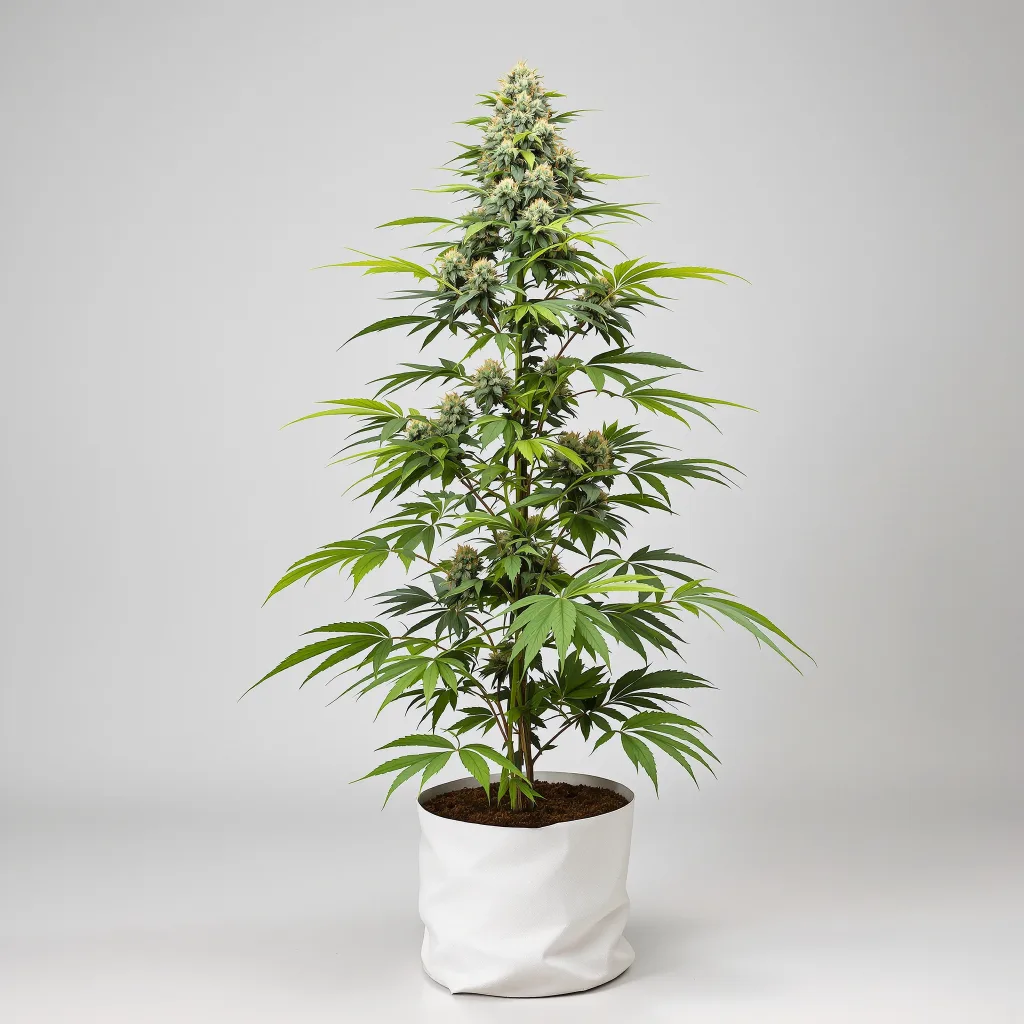
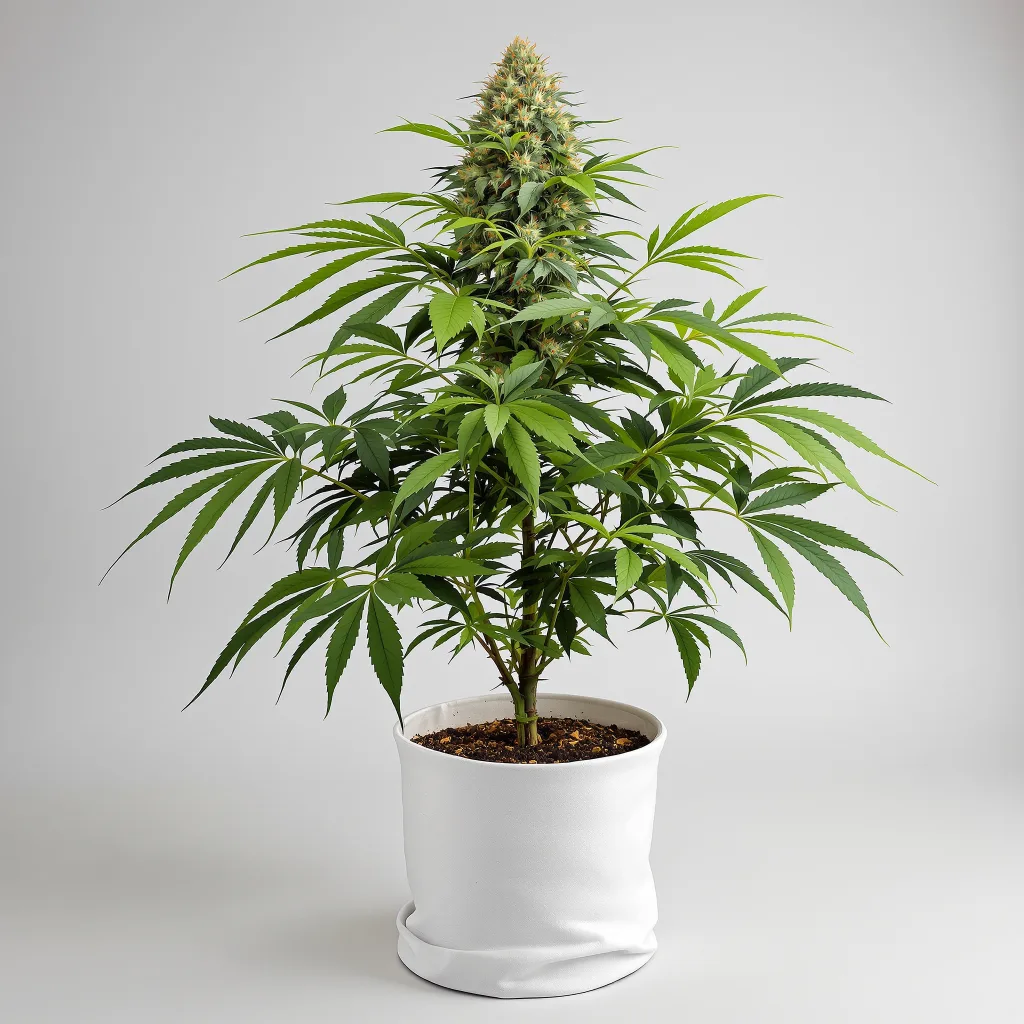
hybrid
Grape Krush Feminized
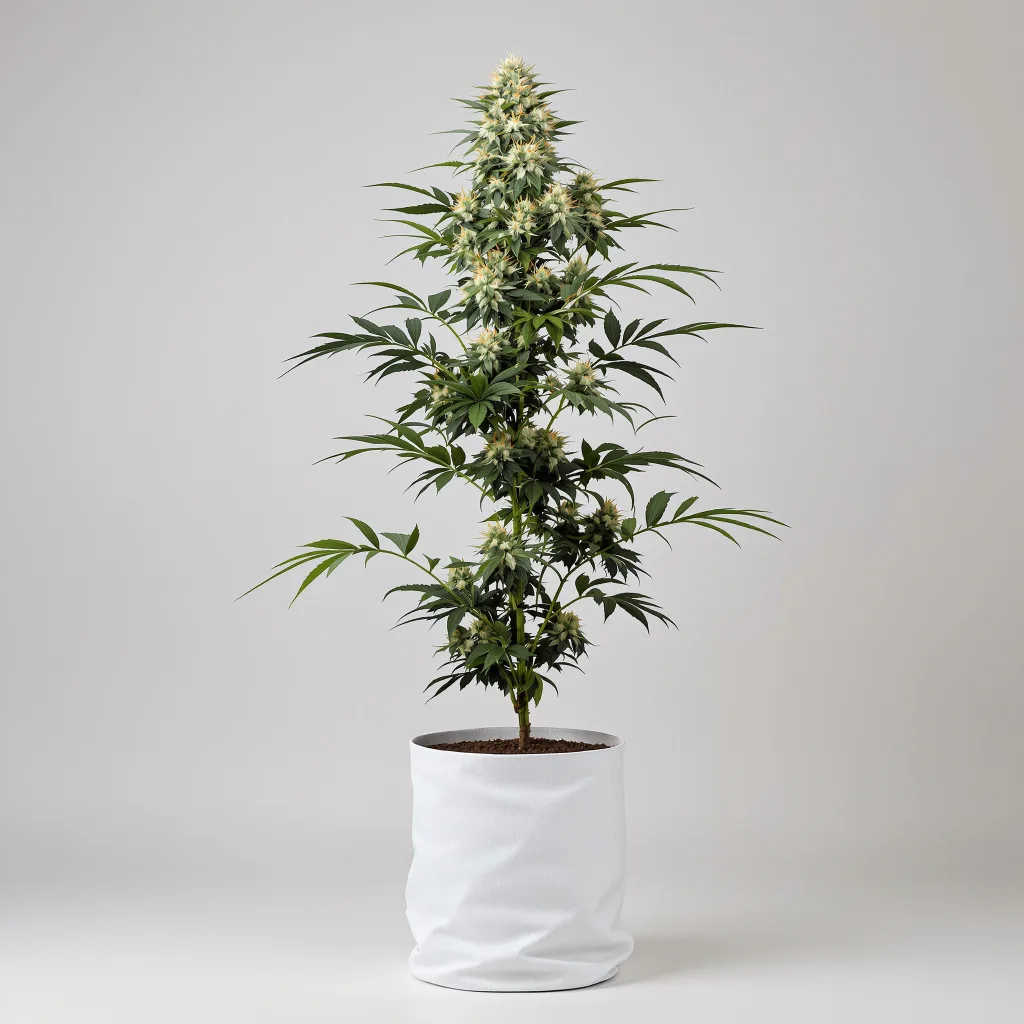
indica
Double OG Feminized
hybrid
Blue Kush Auto
Strain Profiles
Related Buying Guides
Browse the full All Cannabis Seeds collection
Premium genetics, shipped from within the US.
Related Articles
Overwatering vs. Underwatering Cannabis Plants.
support-seedlingCannabis Seedlings and Transplanting: Complete Guide | Royal King Seeds
pillar-flowerBest Low-THC Daytime Cannabis Strains for Functional Use | Royal King Seeds
support-harvestHarvest Timing: Cannabinoids and Terpenes in Medical Cannabis | Royal King Seeds
growing-harvestingCloudy vs Amber Trichomes: The Science of Cannabis Harvest Timing | Royal King Seeds
support-growCannabis Trichomes Explained: What They Signal | Royal King Seeds
Ready to Start Growing?
Shop feminized, autoflower, and CBD strains with 95% germination and free delivery on eligible orders of $150 or more.
Shop Cannabis Seeds