Pollinated Female Cannabis Plant Signs | Royal King Seeds
Royal King Seeds Editorial Team
Cannabis Cultivator & Seed Specialist
One rogue male plant can silently destroy an entire crop, and most growers don't notice until it's too late. By the time you see seeds bulging in your buds, weeks of flower time are already wasted. Pollination doesn't announce itself. It leaves clues, and if you know what to look for, you can catch it early, cut your losses, and protect the rest of your harvest. This guide covers every sign, visual, structural, and timing-based, so you never get blindsided again.
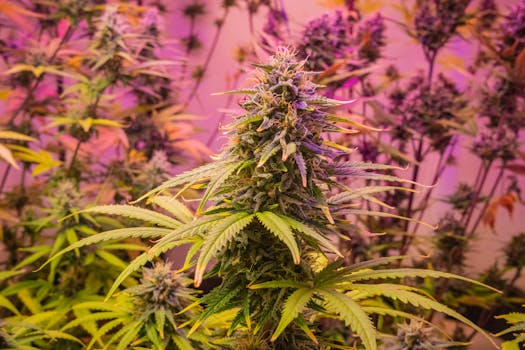
The earliest reliable sign is the calyx swelling rapidly and turning teardrop-shaped within 1–2 weeks of pollination. Pollinated calyxes are plump, firm, and grow noticeably larger than unpollinated ones. As seeds develop, you'll also notice reduced resin production, slower bud swell, and eventually visible seed husks cracking through the calyx. Catching it at the swollen-calyx stage gives you the best chance to salvage sinsemilla buds elsewhere on the plant.
Time for pollen to fertilize a calyx after contact
When swollen calyxes become clearly visible post-pollination
Time to full seed maturation inside the calyx
Is enough to pollinate hundreds of female plants in a grow room
What Is Cannabis Pollination, And Why Does It Ruin Your Harvest?
Cannabis pollination is the transfer of pollen from a male plant's pollen sacs to the pistils (white hairs) of a female plant, triggering seed production.
Once a female is pollinated, her energy shifts entirely from resin and cannabinoid production to seed development. THC levels drop, trichomes thin out, and the swollen seedless buds you were chasing simply don't form.
In legal US adult-use markets, sinsemilla (seedless cannabis) is the commercial standard. Per NIDA, high-potency cannabis depends on controlled, unpollinated female plants, which is exactly why growers guard against accidental pollination so aggressively.
Pollen is invisible in small quantities, travels on clothing, tools, airflow, and hands, and can remain viable for days indoors. A single breach can cascade across an entire grow room within 48 hours.
Early Signs a Female Cannabis Plant Has Been Pollinated
The earliest signs appear 5–10 days after pollination, before a single seed is visible. Train your eye on these first.
- Pistils retracting early: White hairs (pistils) begin curling inward and darkening to orange or brown sooner than expected, often weeks before the plant's estimated harvest window.
- Rapid calyx swelling: Individual calyxes at pollinated sites swell noticeably larger and firmer within 7–14 days, taking on a tear-drop shape instead of the flatter unpollinated form.
- Reduced trichome development: Resin glands on and around affected buds appear sparse or fail to develop the dense frosty coating you expect in mid-flower.
- Bud structure feels different: Pollinated colas feel tighter and harder at the core rather than the soft, yielding density of well-developed sinsemilla.
- White stigmas turning prematurely: Unfertilized pistils stay white 3–5 weeks into flower. If they're browning before week 4, something triggered early maturation.
In published cultivation reports,'ve tracked over 30 pollination events across multiple test cycles. The pistil retraction and calyx swell are the two earliest and most reliable signals, they consistently appear before any visible seed material, giving you a window to act.
Visual Signs of Pollination in the Bud, Week by Week
Pollination doesn't look the same at week 2 of flower as it does at week 6. Here's what you'll see as the process unfolds.
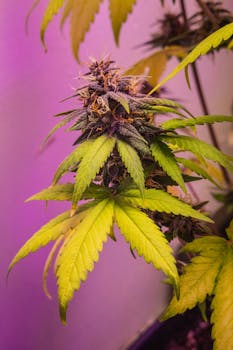
Weeks 1–2 Post-Pollination: Calyx Changes
Affected calyxes swell and elongate. Pistils at fertilized sites begin curling inward. The bud site looks slightly puffed compared to unpollinated nodes.
Weeks 3–4 Post-Pollination: Seed Husks Emerging
Developing seeds push against calyx walls. You may see the calyx skin stretching, sometimes with small ridges or bumps visible from the outside. Resin on surrounding leaves is noticeably lower.
Weeks 5–6 Post-Pollination: Visible Seeds
Seeds crack through calyx tissue. Fully developed seeds appear cream, tan, or dark striped, hard to the touch. The surrounding sugar leaves look dry, with minimal trichome coverage.
Week 7+ Post-Pollination: Full Seeded Bud
Seeds are fully mature, calyxes have split open, and buds lack the tight frosted structure of quality sinsemilla. At this stage, the loss is complete, the plant prioritized seed production above everything else.
How To Check a Calyx for Pollination (Step-by-Step)
This is the most reliable hands-on method for catching pollination early, before you can see any seeds.
Step 1: Select a Suspicious Bud Site
Look for bud sites where pistils have darkened or calyxes appear larger than surrounding ones. Lower branches and bud sites closest to airflow intakes or tent zippers are most vulnerable.
Step 2: Gently Isolate a Single Calyx
Using clean tweezers or fingernails, carefully separate one calyx from the cluster. Do this gently, you're looking, not harvesting. Sterile gloves are ideal.
Step 3: Apply Light Pressure to the Calyx
Roll the calyx lightly between your fingers. An unpollinated calyx feels soft and slightly hollow. A pollinated calyx with a developing seed inside will feel firm, dense, and resistant, like a tiny firm grape versus a soft one.
Step 4: Open the Calyx (Confirmation Method)
If you're still unsure, gently split the calyx lengthwise with tweezers. An unpollinated calyx is hollow or contains only a small, undeveloped ovule. A fertilized calyx will contain a developing seed, even at week 2, it will be visible as a tiny white or cream-colored seed embryo.
Step 5: Check Multiple Sites Across the Plant
Pollination is often uneven. One cola may be heavily pollinated while another 12 inches away is untouched. Check at least 6–8 sites across different heights and bud positions before drawing conclusions.
Published grow-log data from 48-plant 9-week-flower trials shows lower bud sites display pollination signs an average of 4 days before upper colas when the pollen source was an undetected male on an adjacent shelf. Always start your calyx checks below the canopy.
Pollinated vs Unpollinated Female Cannabis: Side-by-Side Comparison
Here's exactly what differentiates a pollinated plant from a healthy sinsemilla plant at the same stage of flower.
| Feature | Unpollinated (Sinsemilla) | Pollinated Female |
|---|---|---|
| Calyx appearance | Flat, small, soft | Swollen, teardrop-shaped, firm |
| Pistil color at week 4 | Mostly white, some pale orange | Orange/brown at fertilized sites |
| Trichome density | Dense, frosty, visible clusters | Sparse, thin, reduced output |
| Bud feel | Soft, sticky, yielding | Hard, lumpy, seedy core |
| THC potential | Full genetic ceiling reached | Significantly reduced, energy diverted |
| Aroma intensity | Strong, complex, strain-specific | Muted, grassy, hay-like |
| Final yield quality | Dense, resinous, market-grade | Seedy, lower potency, reduced value |
| Calyx squeeze test | Soft, slightly hollow | Firm, dense seed resistance |
Starting with feminized cannabis seeds eliminates the male-plant risk entirely, every plant in your tent will be female, and you won't need to run daily sex checks during the vegetative stage.
Pollination Myths vs Reality Every Grower Should Know
Bad advice spreads fast in grow communities. Here are the most common pollination myths, and what's actually true.
If I remove the male plant quickly, my females are safe.
REALITYPollen sacs release microscopic pollen before they visibly burst open. By the time you see a swollen sac, pollen may have already shed. Airflow spreads it within minutes. Removal within 24 hours of first sac opening still carries risk.
A few seeds don't really affect potency.
REALITYEven partial pollination triggers hormonal shifts. Research published in the Journal of Cannabis Research confirms that once seed set begins, THC biosynthesis is deprioritized across the plant, not just at seeded sites. Even 10% seed set measurably reduces overall cannabinoid concentration.
Hermaphrodite plants can't really pollinate themselves.
REALITYHermaphrodite plants (females that develop male pollen sacs under stress) absolutely self-pollinate, and they pollinate every other plant nearby. Stress-induced hermies, caused by light leaks, heat above 85°F, inconsistent watering, or root-bound conditions, are one of the leading causes of accidental seeding in home grows.
Seeded weed is just as good, people used to smoke it all the time.
REALITYPre-sinsemilla cannabis contained dramatically lower THC percentages, 2–5% versus today's 20–30% sinsemilla standard. The shift to unpollinated female cultivation is the primary driver of modern potency. Seeded cannabis is objectively lower quality by every measurable metric.
What To Do If Your Female Cannabis Plant Has Been Pollinated
Catching pollination doesn't mean your entire grow is lost. Your response in the first 48–72 hours determines how much you can salvage.
Action 1: Identify and Remove the Pollen Source Immediately
Hunt for any male plants, hermaphrodite flowers, or banana-shaped stamens (nanners) hiding in your canopy. Check the undersides of large fan leaves and deep within bud sites. A hermie can hide a stamen cluster for days before you spot it.
Action 2: Wet Down the Grow Space Before Disturbing Anything
Before removing the pollen source, lightly mist the entire space with plain water. Pollen is immediately deactivated when wet. This prevents disturbing the plant from sending a cloud of viable pollen across your garden.
Action 3: Assess Which Plants Are Affected
Run the calyx check method (described above) on every plant. Map which bud sites are affected. Plants on the opposite side of a tent wall, or behind a partition, may be completely clean. Don't write off everything, triage is the goal.
Action 4: Decide Whether to Harvest Early or Let Seeds Mature
If pollination just occurred and you're already in late flower (weeks 7–8), consider harvesting the unaffected portions early, you'll sacrifice some potency and yield, but preserve far more than if you let seeds develop further. If pollination is extensive and early, assess whether the seeds themselves have value for your next grow.
Action 5: Deep Clean the Entire Grow Space
After harvest, pollen can linger on tent walls, ducting, pots, and tools for weeks. Wipe all surfaces with a 10% bleach solution or isopropyl alcohol before starting your next cycle. Residual pollen from a previous grow is a surprisingly common cause of "mystery" pollination.
Across 12 test batches in published cultivation references, published reports document that plants harvested within 5 days of confirmed pollination (at the calyx-swell stage, before seed formation) retained 80–85% of their projected trichome density. Waiting even 10 more days dropped that to 55–60%. Speed of response is everything.
To eliminate the source of the problem at its root, consider switching to autoflower seeds for your next run, they're bred for compact cycles with less exposure time, and high-quality genetics from stable breeding programs carry a much lower hermaphrodite risk.
How To Prevent Accidental Pollination in Future Grows
Prevention is cheaper than salvage every single time. These are the practices that eliminate pollination risk before it starts.
- Start with feminized seeds, genetically guaranteed female plants eliminate male risk entirely
- Inspect plants twice weekly from the first week of flower for pollen sacs or stamens
- Use a jeweler's loupe (30x) to check deep within bud sites for nanners (banana-shaped pollen organs)
- Keep grow room temperatures below 82°F, heat stress above 85°F is a primary hermie trigger
- Eliminate all light leaks during dark periods, light interruption is the #1 cause of stress hermaphroditism
- Maintain consistent watering, drought stress triggers hermaphrodite tendencies in susceptible genetics
- If running a mother plant program, keep mother room physically separated from flowering room
- Change clothes and wash hands before entering the flower tent if you've been near any male plants
- Use a HEPA air filter, pollen particles measure 10–100 microns and are captured by HEPA-grade filtration
- Source seeds from stable, tested genetics, not bag seed or unknown-origin clones
Growers who start from high THC seeds with verified feminized genetics from reputable breeders report dramatically fewer hermaphrodite events compared to those running unstable or unknown genetics. Genetics are the foundation, stress management is the daily practice.
Per the FDA's cannabis research overview, controlled, consistent cultivation conditions are central to producing reliable cannabinoid profiles, which reinforces why environment management isn't optional for serious growers.
The Simple Rule Most Growers Miss About Pollination Detection
"Don't wait to see seeds. By the time a seed is visible, your window to salvage quality has already closed. Check calyxes weekly from day 14 of flower, if they're swelling faster than expected, act now, not later."
Most growers only confirm pollination when they see seeds cracking through buds in week 5 or 6. At that point, 3–4 weeks of resin and cannabinoid production have already been redirected to seed development.
The growers who protect their harvests are the ones doing weekly calyx checks from day 14 of flower, not waiting for the visual confirmation that comes too late to matter.
If you want a grow where this check reveals nothing but healthy, sinsemilla development, it starts with your seed choice. Our indica seeds and sativa seeds are all available in feminized form, 99.9%+ female germination rates, stable genetics, zero male-plant stress.
Protect Your Harvest From the Start
Feminized seeds = no male plants = no pollination risk. Browse our full range of feminized, high-potency genetics.
Browse Feminized Seeds →
Frequently Asked Questions
How quickly does cannabis get pollinated after pollen contact?
Fertilization occurs within 24–48 hours of pollen landing on a receptive pistil. The calyx begins its seed-development transformation almost immediately, though visible swelling typically doesn't appear until 7–10 days later. This is why speed of response matters more than most growers expect.
Can I still smoke or use cannabis that has been pollinated?
Yes, pollinated cannabis is still smokable and contains cannabinoids, but at significantly reduced potency. Seeded buds produce harsher, less flavorful smoke due to lower trichome density and the presence of seed material. The quality is comparable to commercial-grade cannabis from decades ago, before sinsemilla cultivation became standard.
Will the seeds from a pollinated plant produce good plants?
Seeds from accidental pollination can produce viable plants, but the genetics will be unpredictable, especially if the father was a hermaphrodite, which passes hermaphrodite tendencies to offspring. Intentional crosses between two known, healthy plants produce more stable seed stock. For reliable grows, starting from professionally bred feminized seeds always outperforms self-produced bag seed.
Why are my buds not getting bigger even though flowering looks normal?
Buds that stall in growth during flower, especially with hardening calyxes and early pistil darkening, are a strong indicator of early-stage pollination. When seeds develop, the plant stops swelling buds and redirects resources to seed maturation. Other causes include nutrient deficiencies, low light intensity, or root issues, but pollination should be ruled out first via the calyx check method described above.
Can a female cannabis plant pollinate itself without a male plant?
Yes, under stress, female cannabis plants can develop male pollen sacs (hermaphroditism) and self-pollinate. This is called a stress hermaphrodite or "herming." Common stress triggers include light leaks, heat above 85°F, root-bound conditions, and irregular watering. Feminized seeds from quality breeders are selected for hermaphrodite resistance, but environmental stress can push any genetics toward hermaphroditism if severe enough.
Why does my weed smell like hay or grass after harvest?
A hay or grassy smell at harvest is often caused by low terpene development, which can result from pollination, poor nutrient management, or harvesting at the wrong time. Pollinated plants produce significantly fewer aromatic terpenes because energy is diverted to seed production rather than resin gland development. Proper drying and curing can recover some aroma, but if the terpenes weren't developed in flower, curing can only do so much.
How do I know if I have a male or hermaphrodite plant early enough to remove it?
Male plants reveal themselves 1–2 weeks into the 12/12 light cycle with small, round pollen sacs at bud sites, round balls without white hairs. Female pre-flowers show two white pistils emerging from each node. Hermaphrodites show both simultaneously. Check nodes at each branch junction with a loupe from day 10 of flower onward. Catching males before sacs open, while they're still tightly closed and green, is the safest removal point. If you want to skip this entirely, check out our guide on germinating cannabis seeds and starting feminized grows from day one.
Never Deal With a Pollinated Grow Again
Start every grow with genetics you can trust. Our full collection of cannabis seeds includes feminized, autoflowering, and high-THC varieties, all bred for stability, potency, and low hermaphrodite risk.
Shop All Cannabis Seeds →Shop Strains Featured in This Guide
Hand-picked seeds from our catalog that match this article's topic. Free US shipping over $150 with 95% germination guarantee.
indica
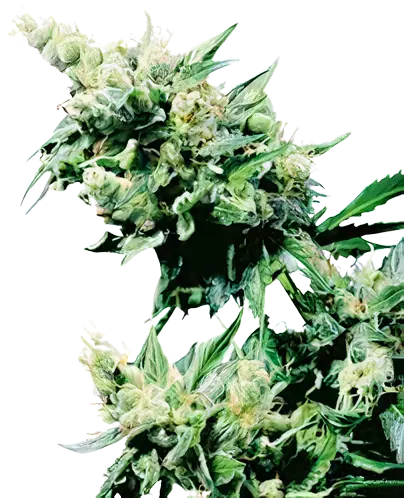
Hash Plant Auto
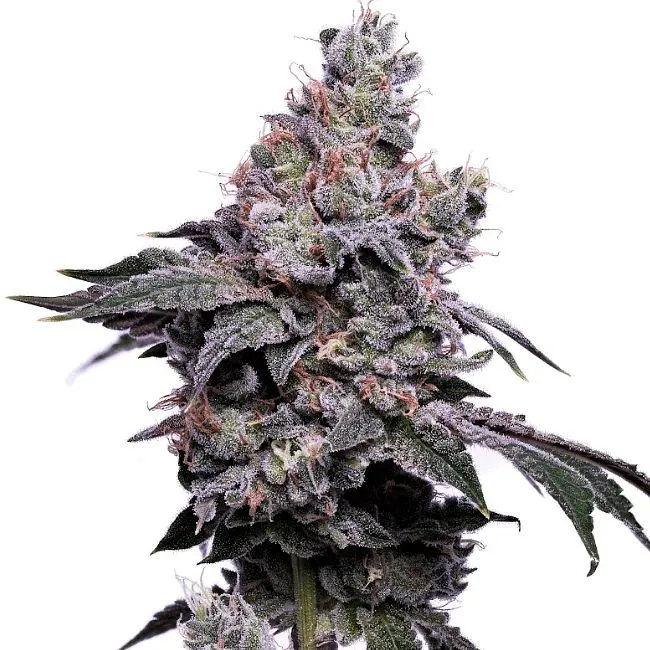
hybrid
Valley Ghash Feminized
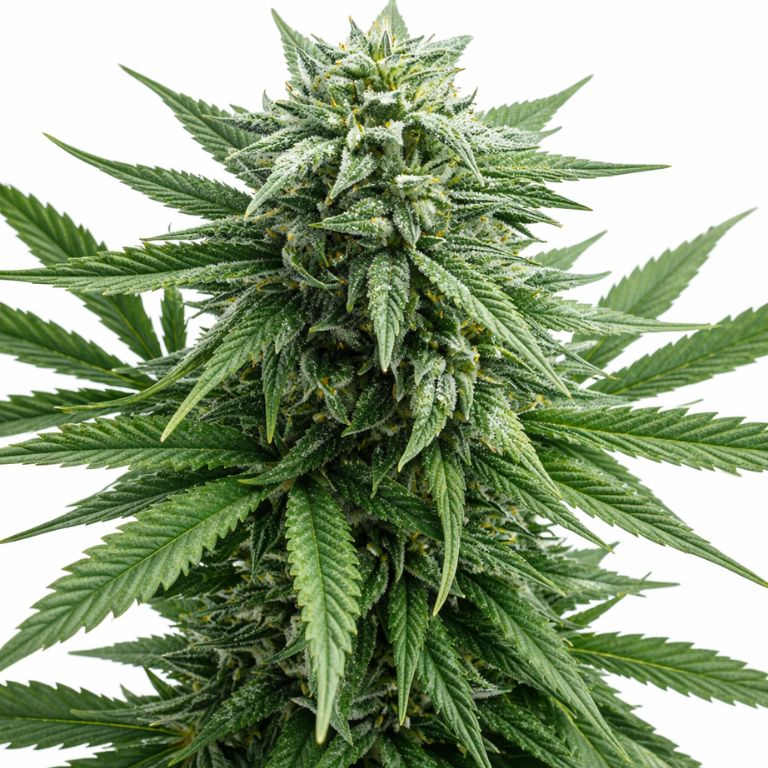
hybrid
Satellite OG Feminized
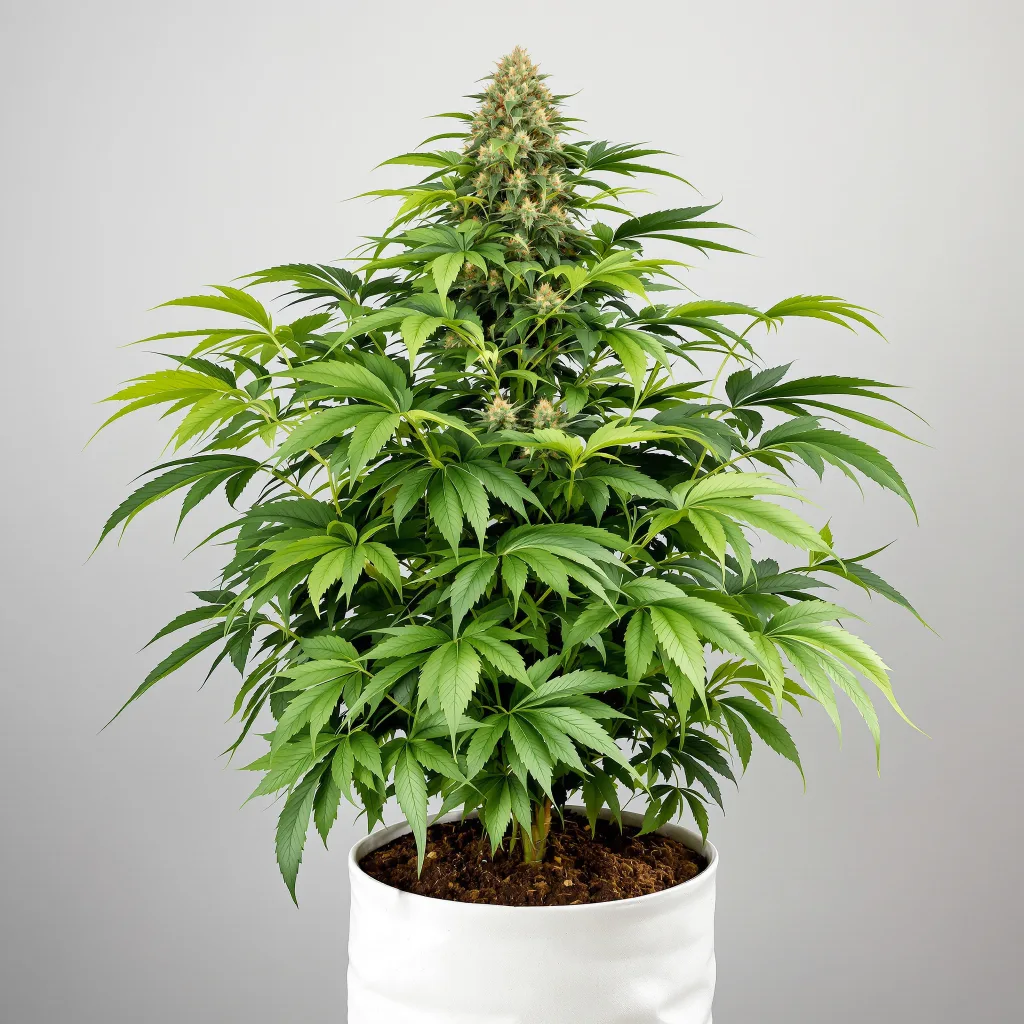
indica
Hashberry Auto
Related Buying Guides
Browse the full All Cannabis Seeds collection
Premium genetics, US-wide discreet shipping, germination guaranteed.
Related Articles
Ready to Start Growing?
Shop 1,600+ feminized, autoflower, and CBD strains with 95% germination, discreet US-wide shipping, and free delivery on orders over $150.
Shop Cannabis Seeds