March 30, 2026

Blue Dream Strain Review: Effects and Grow Tips | Royal King Seeds

SL

Sierra Langston

Cannabis Cultivator & Seed Specialist

Blue Dream occupied the number one or number two spot on US dispensary sales charts for most of the decade between 2012 and 2022. It was, for a period, the defining American cannabis strain β€” the benchmark against which everything else was measured. That era has passed: the high-THC dessert and cookie genetics have displaced it at the top of the market. But the underlying reasons for Blue Dream's commercial dominance have not disappeared.

The strain solves a specific problem very well: it is a sativa-dominant hybrid that provides genuine daytime functionality β€” energy, mood elevation, creative looseness β€” at THC levels (19–24%) that satisfy experienced consumers, with a sweet berry terpene profile that makes it broadly approachable. And it grows beautifully, particularly outdoors, yielding generously with minimal difficulty. The growers who dismiss Blue Dream as "mid" are usually comparing its potency ceiling to 28%+ modern genetics without weighing its unique functional daytime effect against the strains that replaced it.

Blue Dream β€” Key Numbers

19–24%

THC

9–10 wks

flowering time

500–600g

per mΒ² indoor

Sativa-dominant hybrid (60% sativa / 40% indica) β€” beginner-friendly difficulty

Review based on indoor and outdoor cultivation data. Blue Dream has significant phenotypic variation between seed lines β€” data below reflects averages across multiple reputable seed bank versions of the genetics.

Quick Reference

AttributeDetail
TypeSativa-dominant hybrid (60/40)
THC19–24%
CBD1–2% (some phenotypes)
Flowering Time63–70 days (9–10 weeks)
Indoor Height120–180 cm (significant stretch)
Indoor Yield500–600 g/mΒ²
Outdoor Yield600 g/plant+ (in warm climates)
DifficultyBeginner to intermediate
Primary TerpenesMyrcene, Caryophyllene, Pinene, Terpinolene
Best ForDaytime use, creative work, outdoor growing, high-yield indoor
ClimateThrives outdoors in Mediterranean climates; excellent indoor

Genetics and Lineage

Blue Dream is a cross of Blueberry (DJ Short's indica-dominant classic) and Haze (the archetypal sativa that defined the Amsterdam coffee shop era). The cross originated in Northern California, most credibly attributed to growers in the Santa Cruz area around 2003, and spread through the California medical market before becoming the dominant commercial strain of the 2010s.

The parentage creates an unusual hybrid dynamic: Blueberry contributes the sweet berry terpene profile, the indica body component, and the relative growing ease; Haze contributes the cerebral sativa effect, the long flowering time, and the tall, stretchy structure. Most Blue Dream expressions lean more toward the Haze in effect and structure β€” the Blueberry contribution moderates rather than dominates.

Because Blue Dream is a clone-only strain in its original form, seed bank versions are approximations of varying accuracy. The quality and phenotypic consistency of Blue Dream seeds varies more than most strains in our catalog. Our sativa-dominant cannabis seed collection includes Blue Dream lines that have been tested and selected for terpene fidelity to the original.

Terpene Profile and Flavor

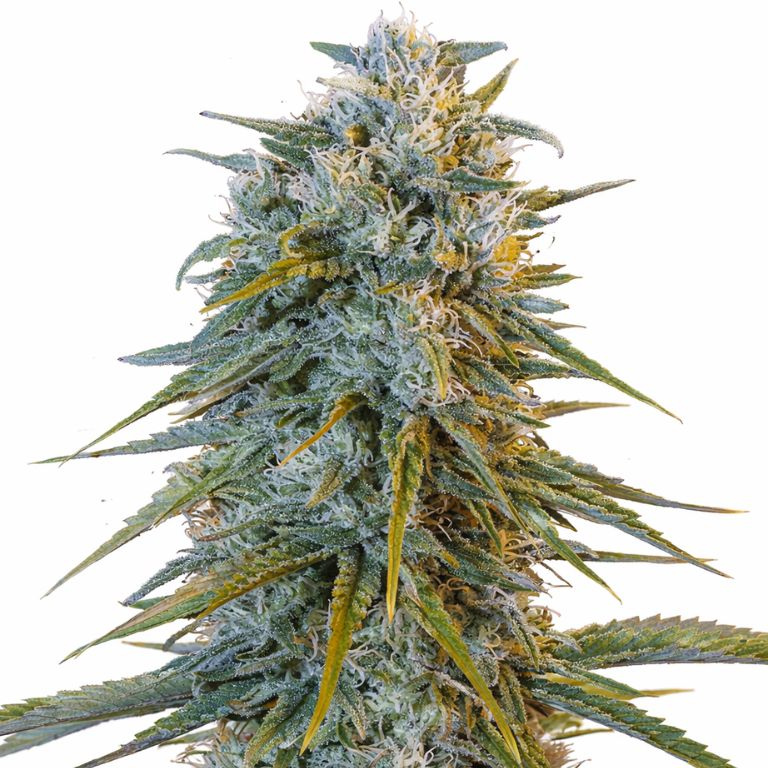
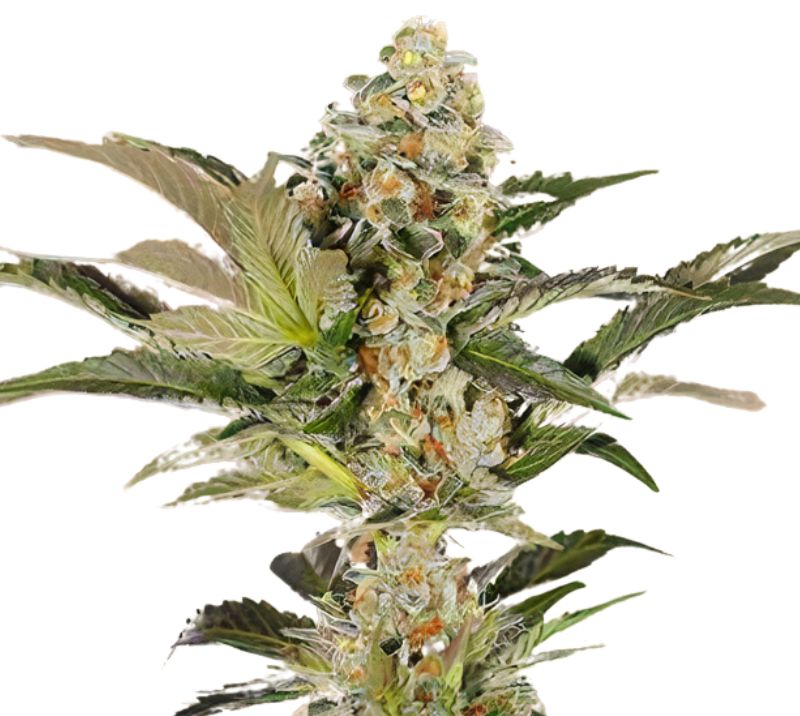
Blue Dream's terpene profile is its most commercially important attribute β€” the sweet, berry-forward nose is what made the strain approachable to new cannabis consumers and remained appealing to experienced ones. The aroma is clean and fruity: sweet blueberry on first sniff, with a slight earthiness underneath from the myrcene base, and a faint pine from the pinene fraction.

Myrcene is the dominant terpene, providing the earthy foundation and contributing to the mild body relaxation that prevents the Haze-forward effect from becoming too racy. Caryophyllene adds a subtle spice note and anti-inflammatory properties. Pinene contributes the alertness and the slight pine accent. Terpinolene β€” less common as a primary terpene but present in Blue Dream β€” drives the fresh, floral quality that sets it apart from blueberry-forward strains that rely entirely on myrcene.

The flavor on consumption matches the nose closely: sweet berry on inhale, light earth on exhale, with a clean, non-harsh finish that made Blue Dream the go-to recommendation for consumers transitioning from tobacco. It is not a complex, layered terpene profile like OG Kush β€” it is straightforward and pleasant, which is a large part of its broad appeal.

Growing Guide

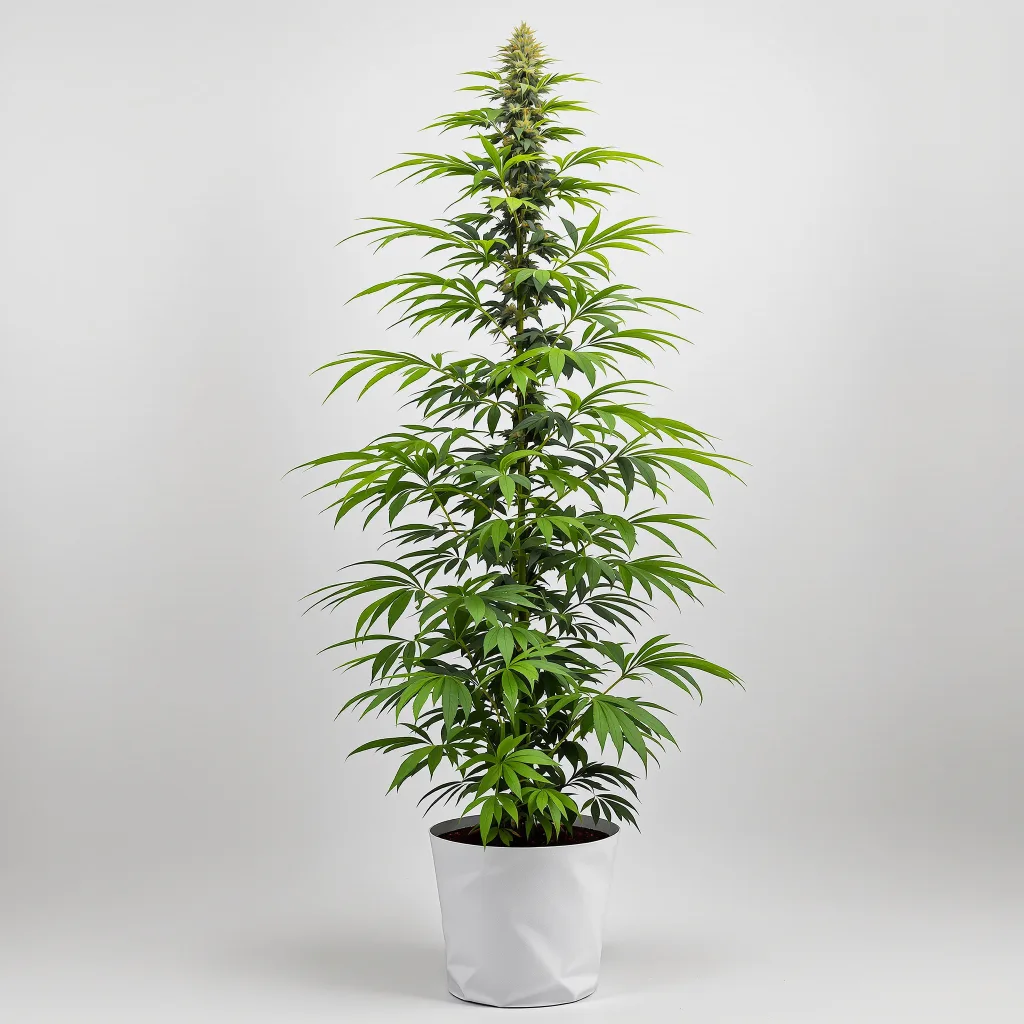
Blue Dream is one of the most grower-friendly strains in the sativa-dominant category. Its Blueberry heritage adds nutrient tolerance and resilience; its Haze heritage provides vigor and yield potential. The main challenge is managing height indoors.

From Our Grows: We run Blue Dream in our largest tent (5x5) with a 6-week veg period and ScrOG to manage the stretch. Without training, a Blue Dream plant flipped at 30cm will finish at 100–130cm β€” manageable in a tall tent. With ScrOG, the same plant fills a 5x5 screen and produces our highest indoor yield per run of any single-strain crop we run. EC requirements are moderate β€” 1.4–1.6 in coco through most of flower. Blue Dream is a forgiving feeder compared to OG Kush, but it does respond visibly and positively to elevated potassium in weeks 4–7 of flower.

Outdoors: Blue Dream is genuinely excellent outdoors in warm climates. The tall sativa structure translates to massive outdoor plants that can reach 250–300cm in a full California season, yielding 500–800g per plant. It finishes in late October in most US outdoor regions β€” time it carefully relative to your first frost date.

Height management: Top at node 4 and LST aggressively if growing in tents under 6 feet. Blue Dream's main cola will try to dominate β€” redirect growth laterally early. Without management, the plant focuses energy on the central cola at the expense of side development. With proper training, it develops a balanced canopy of heavy colas.

Harvest timing: Blue Dream finishes at 63–70 days from flip. The long flowering time is one trade-off for the high yield. Harvest at 70% cloudy / 20–30% amber for the balanced sativa-leaning effect. Earlier harvest (90% cloudy) produces a cleaner, more energetic effect. Later harvest (40%+ amber) shifts toward body and sedation.

Effect Profile

Blue Dream is the definitive daytime cannabis strain. The effect is a balanced hybrid of cerebral sativa energy and mild indica body relaxation β€” functional and manageable, not overwhelming. The onset is moderate (15–20 minutes) with a gradual build. At typical doses, users report increased motivation, creative engagement, and mood elevation without the anxious edge that pure sativas can trigger. The body component provides just enough physical comfort to take the edge off without inhibiting movement or focus.

Duration is 2–3 hours of peak effect, with a gentle comedown. Unlike heavy indicas, Blue Dream does not produce significant couch-lock even at higher doses for most users. This makes it the recommendation for cannabis users who want to remain functional β€” working, socializing, exercising, creating β€” while still experiencing a meaningful cannabis effect. Common medical applications include depression, fatigue, chronic pain (mild to moderate), and ADHD management.

Blue Dream vs Similar Genetics

StrainTHCEffect LeanKey Difference
Blue Dream19–24%Sativa 60/40Definitive daytime hybrid β€” sweet berry, functional energy
Sour Diesel20–25%Sativa 70/30More racy, diesel terpenes, better for creative work, less body
Green Crack17–22%Sativa 65/35More energizing, mango terpenes, shorter flower time
Trainwreck18–24%Sativa 65/35More intense onset, spicy-pine terpenes, harder to grow
Strawberry Cough18–22%Sativa 80/20More sativa-dominant, strawberry terpenes, lower yield

Who Should Grow Blue Dream / Who Should Skip It

Grow it if: You want a beginner-friendly strain with high yield potential. You are growing outdoors and have space for tall plants. You want a daytime functional strain with broad consumer appeal. You prioritize yield per square meter over raw THC percentage. You want a strain that responds well to ScrOG training.

Skip it if: You have a short tent (under 5 feet) and cannot manage height with training. You want maximum THC. You are in a humid climate with limited airflow β€” the dense colas on Blue Dream can develop mold issues in high-humidity late-season conditions. You prefer earthy or fuel terpenes over sweet and fruity profiles.

Myth vs Reality

Blue Dream β€” Common Myths Debunked

Myth: "Blue Dream is outdated β€” modern hybrids are better."
Reality: Modern hybrids have higher THC ceilings but do not replicate Blue Dream's specific functional daytime effect profile. The combination of 19–24% THC with a balanced sativa-dominant effect and broad terpene approachability is not improved by simply adding potency. Blue Dream remains the best answer to a specific use case that no 28% indica hybrid addresses.

Myth: "All Blue Dream seeds produce the same strain."
Reality: Blue Dream is most accurately propagated as a clone, not a seed. Seed bank versions vary significantly in phenotypic expression. Some versions lean heavily indica, others heavily sativa. Purchasing from seed banks that document their Blue Dream line's testing data helps minimize variation.

Myth: "Blue Dream is a beginner's strain β€” it doesn't need attention."
Reality: Blue Dream is forgiving of common mistakes but not effortless. Height management is critical in small tents. Without ScrOG or aggressive LST, the sativa stretch produces a single dominant cola with light secondary development, significantly reducing yield potential.

References: Hazekamp, A. & Fischedick, J.T. (2012). "Cannabis β€” from cultivar to chemovar." Drug Testing and Analysis, 4(7–8), 660–667. | McPartland, J.M. & Russo, E.B. (2001). "Cannabis and cannabis extracts: greater than the sum of their parts?" Journal of Cannabis Therapeutics.

Frequently Asked Questions

Is Blue Dream a sativa or indica?
Blue Dream is a sativa-dominant hybrid β€” approximately 60% sativa and 40% indica. The effect leans sativa: energetic, euphoric, cerebral, with mild body relaxation from the indica component. The structure also leans sativa: tall, open growth with significant stretch during flower. It is not a pure sativa, and the indica component provides meaningful body effect and nutrient resilience not present in pure sativas.
How tall does Blue Dream get indoors?
Blue Dream typically stretches 80–150% of its height at flip during flowering. A plant flipped at 30cm can finish at 55–75cm with LST; without training, the same plant may reach 100–130cm or more. In tents under 5 feet, aggressive early training or height management is required. In 7+ foot tents, the plant can be vegetated longer for significantly higher yield without height issues.
What does Blue Dream taste like?
Blue Dream tastes like sweet blueberry with a mild earthy undertone. The flavor is cleaner and lighter than most indica-dominant strains β€” the sativa heritage contributes a fresh, slightly floral quality. The terpene profile is approachable and not harsh. On exhale, there is a faint pine note from the pinene fraction that adds a little complexity to the dominant berry character.
Is Blue Dream good for anxiety?
Blue Dream can be effective for mild anxiety due to the caryophyllene and balanced effect profile. The sativa component means it is more stimulating than a pure indica β€” at high doses, the cerebral activation can amplify anxiety in sensitive users. For anxiety management, moderate doses of Blue Dream are preferable to the high-end of the range. CBD-rich Blue Dream phenotypes (1–2% CBD) provide additional anxiolytic modulation.
How does Blue Dream yield compare to other strains?
Blue Dream is a high-yield strain by most metrics. Indoor yields of 500–600 g/mΒ² are realistic with proper lighting and training. Outdoor yields can reach 500–800g per plant in ideal conditions. This places it above most pure indicas and many hybrids. The trade-off is the 9–10 week flowering time, which reduces efficiency per square meter per year compared to 7–8 week strains.
Can I grow Blue Dream in a small tent?
Yes, but height management is mandatory. In a 4x4 with a 5-foot canopy limit, flip Blue Dream at 25–30cm after 3–4 weeks veg and use aggressive LST to keep the canopy flat. ScrOG is the most reliable method for small tent Blue Dream cultivation. Without training, the plant will outgrow small tents and produce poor light distribution.
What is the flowering time for Blue Dream?
Blue Dream flowers in 63–70 days (9–10 weeks) from flip to harvest. This is longer than most indica-dominant strains and is the primary trade-off for its high yield and sativa effect profile. Do not harvest before 63 days β€” the terpene complexity and potency develop significantly in weeks 8–10.

Ready to Start Growing?

Browse over 1,200 premium cannabis seeds with discreet shipping to all 50 states and our 95% germination guarantee.

Shop Cannabis Seeds
RK

Royal King Seeds AI

Strain expert & grow advisor

🌱

How can I help?

I can recommend strains, give growing tips, compare products, and add items to your cart.

AI can recommend strains, compare products & add to cart

Blue Dream Strain Review: Effects... | Royal King Seeds USA