Get 15% OFF with code GROWNOW15
My Account Order Lookup Cannabis Guides Beginner Seeds Intermediate Seeds Master Seeds

Foxtail Plants and Related Concerns

cannabis foxtailing

Why Cannabis Foxtailing Gets So Much Attention

The first time I saw foxtail plants in my own tent, I assumed I had stumbled onto an exotic phenotype. The top of one main cola exploded into little spiraling towers, almost like a mini Dr. Seuss tree. I was excited for about two days. Then I realized only the buds closest to the light were doing it, and the smoke from those foxtail cannabis buds was harsher than the rest of the plant.

Since then, I have learned that cannabis foxtailing is not automatically good or bad. Sometimes it is a stress signal from the plant. Sometimes it is a built-in feature of the genetics. The challenge is learning which is which, and how to respond without wrecking yield or quality.

This article is my honest look at foxtail plants from a grower’s perspective: what causes it, when to worry, when to accept it, and how I tune my indoor cannabis lighting setup, environment, and genetics to keep cannabis bud structure tight and healthy.


What Cannabis Foxtailing Actually Looks Like

Foxtail Plants

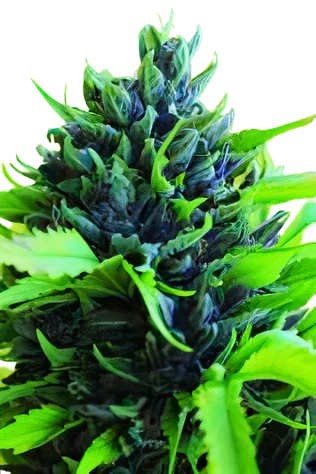
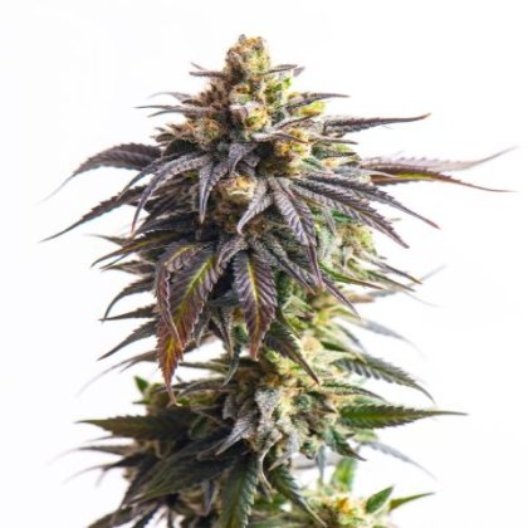
Cannabis foxtailing describes buds that build out in skinny, column-like stacks instead of filling in as dense, even flowers. Instead of a smooth Christmas-tree shape, you get extra towers of calyxes poking out of the main bud.

Common visual signs:

  • Spires or “towers” of fresh calyxes shooting out of mature buds
  • New growth forming long spears instead of swelling the main bud mass
  • Foxtail cannabis buds that look airy or irregular compared to the rest of the plant

On some sativa dominant cannabis strains, this look can be completely normal. These plants naturally stretch and build more segmented cannabis bud structure. On others, especially heavy indica lines, sudden thin towers on just the top buds often mean light stress in cannabis or heat stress in cannabis.

When I scout in late flower, I do not panic at the first sign of foxtail plants. I compare tops to mids and lowers. If only the very top tier of colas, closest to the light, show foxtail cannabis buds, I assume stress first and genetics second.


Stress-Based Foxtailing: Light Stress In Cannabis

In my experience, the number one cause of unwanted cannabis foxtailing indoors is light stress in cannabis. Modern LEDs can deliver serious PPFD, and it is easy to overdo it when you are chasing yield.

Typical light stress in cannabis that leads to foxtailing looks like this:

  • Tops within 15–25 cm of the fixture
  • PPFD readings over 900–1000 µmol/m²/s with no CO₂ supplementation
  • Bleached pistils or slightly pale tops while lower buds look normal

I had one run where my indoor cannabis lighting setup pushed more than 1100 µmol/m²/s onto the center plants. Within a week, those tops started building foxtail cannabis buds while the side branches still had tight, classic cannabis bud structure. Once I dimmed the lights by about 15 percent and raised the fixture a few centimeters, new growth returned to normal, but the already formed foxtails stayed.

My rules now to avoid light stress in cannabis:

  • Aim for 700–900 µmol/m²/s PPFD during peak flower for most cultivars
  • Keep a consistent distance from canopy to fixture across the tent
  • Use a PAR meter or at least a reliable app instead of guessing

When I see early cannabis foxtailing only on the very top flowers, my first move is always to adjust the indoor cannabis lighting setup before changing anything else.


Heat Stress In Cannabis And Its Role In Foxtailing

heat stress in cannabis

Heat and light often team up. Even if PPFD is reasonable, high cannabis flowering temperature can still trigger cannabis foxtailing at the top of the canopy.

Signs of heat stress in cannabis that line up with foxtailing:

  • Leaf edges on top colas taco upward
  • Buds feel warmer to the touch than the surrounding air
  • Thermometer at canopy level regularly reads above 28–30°C

In one summer run, my exhaust fan died halfway through week six. I did not notice for several hours. By the time I got home, the tent felt like an oven and the top buds on my favorite plant were already pushing fresh, skinny towers. That was heat stress in cannabis at work, layered on top of decent but suddenly too-intense indoor lighting.

What I do now:

  • Keep cannabis flowering temperature in the 23–27°C range with lights on
  • Measure at canopy level, not at the floor
  • Increase air movement between the fixtures and tops, not just around the pots

If foxtail cannabis buds appear together with clear signs of heat stress in cannabis, I focus on cooling and airflow first. Once cannabis flowering temperature is under control, new growth usually goes back to normal even if the old foxtails stay.


Genetic Foxtailing And Sativa Dominant Cannabis Strains

Not all cannabis foxtailing is a problem. Some genetic lines simply build buds that way. I learned this after running a batch of landrace-leaning sativa dominant cannabis strains from feminized cannabis seeds. The plants stretched, stacked, and produced buds that looked like wild towers even though light and temperature were well within ideal ranges.

Clues that you are dealing with genetic foxtailing instead of stress:

  • The entire plant, from top to bottom, has similar towered structure
  • Multiple plants of the same cultivar show the same cannabis bud structure in different positions under the light
  • No bleaching, tacoing, or burned pistils, and cannabis flowering temperature is under control

Some breeders even use the term “foxtail” positively in descriptions of sativa dominant cannabis strains that build tall, segmented colas. In those cases, genetic foxtailing is just part of the strain’s look and not a sign of trouble.

When I see genetic foxtailing, I do not try to “fix” it. I just adjust expectations. Those buds may be less photogenic to some people, but they can still deliver excellent aroma and effect if I manage the rest of the grow well.


When Foxtail Cannabis Buds Are Actually Okay

cannabis bud structure

Over time I have sorted foxtail cannabis buds into three categories:

  1. Pure stress foxtails
  2. Mixed stress and genetic foxtails
  3. Fully genetic foxtails

Stress foxtails usually appear only at the top, in the hardest-hit zones of light stress in cannabis or heat stress in cannabis. Mixed cases might show some towers at the top but still exhibit the same general cannabis bud structure elsewhere. Pure genetic foxtailing, especially on sativa dominant cannabis strains, tends to be uniform across the plant.

Foxtail cannabis buds that come purely from genetics and are supported by healthy leaves, good color, and solid trichome coverage are not a big concern. I still cure them carefully and smoke or press them with confidence.

Foxtail cannabis buds caused by extreme stress may feel lighter and can sometimes be harsher, especially if the plant was kept under high cannabis flowering temperature late into the cycle. I usually blend those buds into joints with denser flowers from the same run or designate them for edibles.


Tuning My Indoor Cannabis Lighting Setup To Avoid Foxtailing

My approach to indoor cannabis lighting setup changed completely after a few ugly runs. Now I design the whole system around even, manageable intensity instead of pure power.

Key steps I take:

  • Use dimmable LED fixtures so I can dial intensity up and down across the cycle
  • Hang lights so that every plant gets roughly the same distance and PPFD
  • Combine a PAR meter, visual checks, and plant response to set final levels

During early flower I usually run lower intensity, then ramp up as stretch slows. In mid-flower, when cannabis bud structure is really forming, I hold steady. In late flower, especially on sensitive cultivars, I sometimes dim slightly to protect terpenes and avoid new stress-triggered cannabis foxtailing.

If I move a plant onto a riser to even out the canopy, I re-check PPFD at the tops so I do not accidentally cause light stress in cannabis. Small details in an indoor cannabis lighting setup often make the difference between dense tops and foxtail cannabis buds.


Managing Cannabis Flowering Temperature And Airflow

cannabis flowering temperature

Light is only half the battle. Airflow and cannabis flowering temperature matter just as much if you want to prevent heat stress in cannabis and keep cannabis bud structure tight.

My basic flowering environment targets:

  • Day temperature: 23–27°C
  • Night temperature: 19–22°C
  • Relative humidity: 45–55 percent in late flower
  • Good air exchange plus oscillating fans at multiple heights

I place one small thermometer at canopy level and another higher up near the LED panel. This helps me see whether buds are sitting in a pocket of hot air, which is a common setup for stress-triggered cannabis foxtailing.

If I notice that only the center of the tent is producing foxtail cannabis buds while edge plants look perfect, I know I have a hotspot in my airflow or lighting pattern. Adjusting fans, raising lights, or rotating plants in and out of that position has solved more issues for me than any bottle ever has.


Seed Choices: Feminized Cannabis Seeds And Autoflower Cannabis Strains

Foxtailing does not start with seeds, but genetics set the stage. When I buy feminized cannabis seeds, I pay attention to how breeders describe bud shape and stretch. If a listing for feminized cannabis seeds talks about “wild foxtail colas” or “stacked spears,” I know that genetic foxtailing is part of the package.

For most of my main production runs, I choose feminized cannabis seeds that mention:

  • Dense, chunky cannabis bud structure
  • Moderate stretch
  • Strong resistance to heat and light stress

This gives me more room for error in my indoor cannabis lighting setup and reduces the odds that mild environmental swings will show up as cannabis foxtailing.

With autoflower cannabis strains, the window for adjustment is even shorter. Autoflower cannabis strains move into flower quickly, and by the time you see foxtail cannabis buds from stress, you may not have much time to correct light stress in cannabis or heat stress in cannabis.

My strategy for autoflower cannabis strains:

  • Start them under moderate light and only ramp up once they are established
  • Keep cannabis flowering temperature steady from the first sign of pistils
  • Choose genetics explicitly bred for indoor tents and strong LEDs

When I combine careful seed selection with good environment, both feminized cannabis seeds and autoflower cannabis strains reward me with consistent, solid colas rather than surprise foam towers.


Outdoor Foxtailing And Weather-Related Concerns

feminized cannabis seeds

Outdoors, cannabis foxtailing shows up far less often in my garden, but it can still happen. The most common cause I have seen is uneven late-season heat waves combined with high-intensity sun.

If a plant suddenly goes from mild, coastal conditions to a week of intense heat during late flower, the very top buds can sometimes react with a bit of cannabis foxtailing, especially on sativa dominant cannabis strains. Because I cannot dim the sun, I use shade cloth and extra watering to buffer heat stress in cannabis in those moments.

Another outdoor factor is late re-veg. If a plant suffers from light schedule confusion near the solstice and starts throwing single-blade leaves, that growth can look like foxtail cannabis buds at first. In reality, it is more about hormonal confusion than classic cannabis foxtailing from heat or light.


Quick Diagnostic Checklist For Foxtail Plants

When I see possible cannabis foxtailing, I run through a mental checklist before deciding what to do.

  1. Where are the foxtails?
  • Only on top colas closest to the light: suspect light stress in cannabis.
  • On tops and mids equally: consider genetic foxtailing.
  1. How is the environment?
  • Cannabis flowering temperature above 28°C on many days: suspect heat stress in cannabis.
  • Stable temps and humidity: lean toward genetics.
  1. How do sibling plants look?
  • Multiple plants of the same cultivar show the same cannabis bud structure: likely genetic foxtailing.
  • Only the plant directly under the hottest point of the indoor cannabis lighting setup is affected: stress.
  1. What do the leaves say?
  • Tacos, burn, or pale tops with foxtails: environmental issue.
  • Healthy color and strong trichome coverage: probably fine.

Once I answer those questions, I either adjust light and temperature or accept that this plant’s look includes some foxtail cannabis buds and focus on finishing strong.


FAQ: Foxtail Plants And Related Concerns

Does cannabis foxtailing ruin the buds?

Not automatically. Stress-based cannabis foxtailing can make parts of the plant looser or harsher, especially if caused by extreme light stress in cannabis or heat stress in cannabis. Genetic foxtailing on sativa dominant cannabis strains usually smokes just fine as long as trichomes are mature and the cure is good.

Should I cut foxtail cannabis buds off before harvest?

I rarely do. Removing foxtail cannabis buds early can open wounds and invite mold late in flower. I prefer to correct the underlying cause—usually adjusting the indoor cannabis lighting setup or lowering cannabis flowering temperature—and then harvest everything together. After dry and cure, I can blend or separate buds as needed.

Can I prevent cannabis foxtailing completely?

You can minimize stress-based cannabis foxtailing by managing PPFD, airflow, and cannabis flowering temperature carefully, and by choosing appropriate feminized cannabis seeds or autoflower cannabis strains. Genetic foxtailing, however, is part of certain cannabis bud structure patterns and cannot be completely “removed” without changing cultivars.


Foxtail plants used to stress me out. Now I see cannabis foxtailing as useful feedback. If it pops up only on the highest tops under my LEDs, I know my indoor cannabis lighting setup or temperature needs work. If it shows up consistently across multiple plants from the same breeder, I accept that genetic foxtailing is part of that line’s personality.

In every case, I focus on keeping the rest of the plant healthy, maintaining proper cannabis flowering temperature, and choosing feminized cannabis seeds and autoflower cannabis strains that match my space. When I do that, even the occasional foxtail becomes just another quirk of the garden, not a catastrophe.

Share

Leave a comment

Your email address will not be published. Required fields are marked *