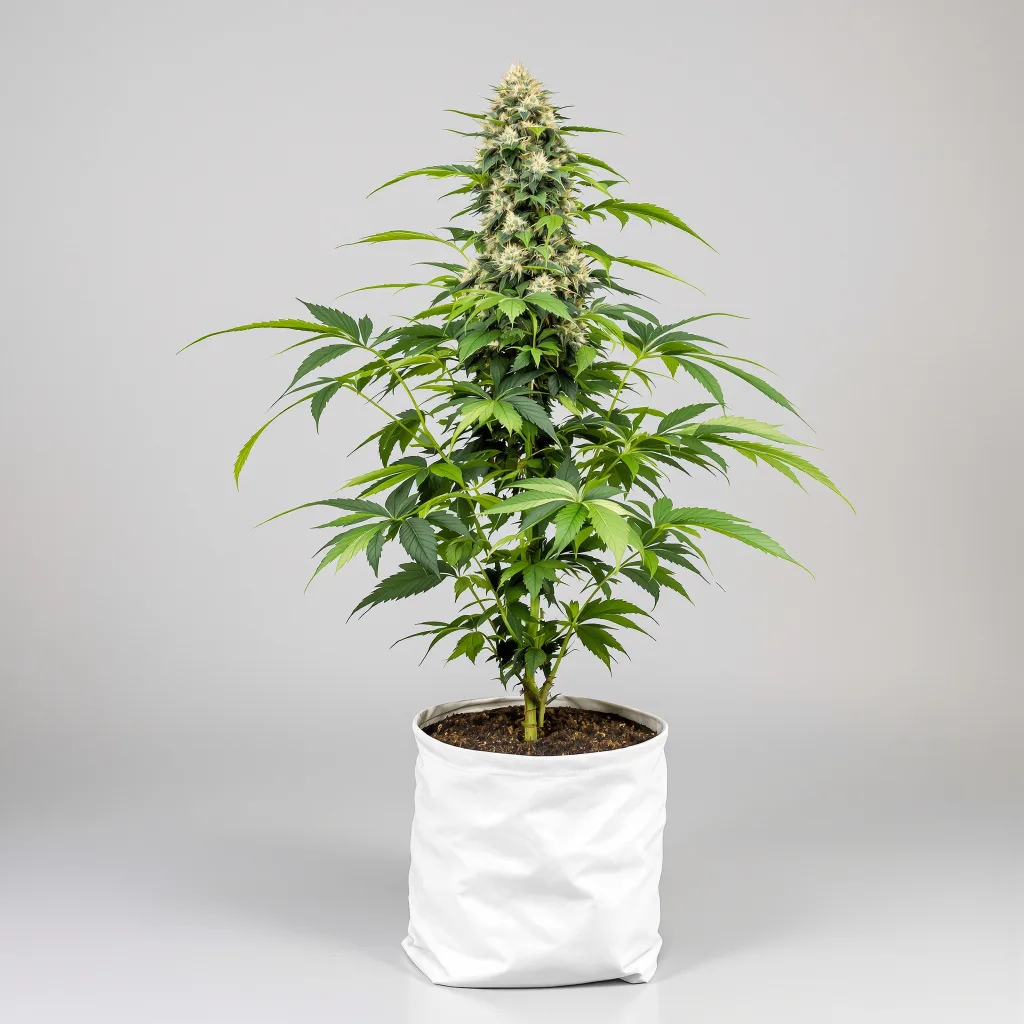
Why Cannabis Plant Identification And Growth Skills Matter
When I started growing, I thought cannabis plant identification meant recognizing a fan leaf and calling it a day. I could tell a weed plant from a tomato, but I had no idea how to read cannabis leaf shapes, or why one seedling stretched and another stayed compact. I certainly could not look at a plant and say where it was in the cannabis growth stages or whether it leaned indica, sativa, or hybrid.
Those blind spots cost me yield and time. I kept weak phenotypes, missed male vs female cannabis plants until pollen was everywhere, and overfed slow-growing sativa-dominant seedlings because they did not match my expectations.
Over the last decade, I have learned to treat cannabis plant identification as a full skillset: reading structure, color, and leaf shape; understanding cannabis growth stages; spotting hermaphrodite cannabis signs before they create problems; and matching genetics to my space. In this guide, I will walk through how I identify and guide cannabis growth from seed to harvest, using language and patterns that any home grower can apply.
The Basics Of Cannabis Plant Identification

At the simplest level, cannabis plant identification starts with three things:
- Leaf structure
- Stem pattern
- Overall growth habit
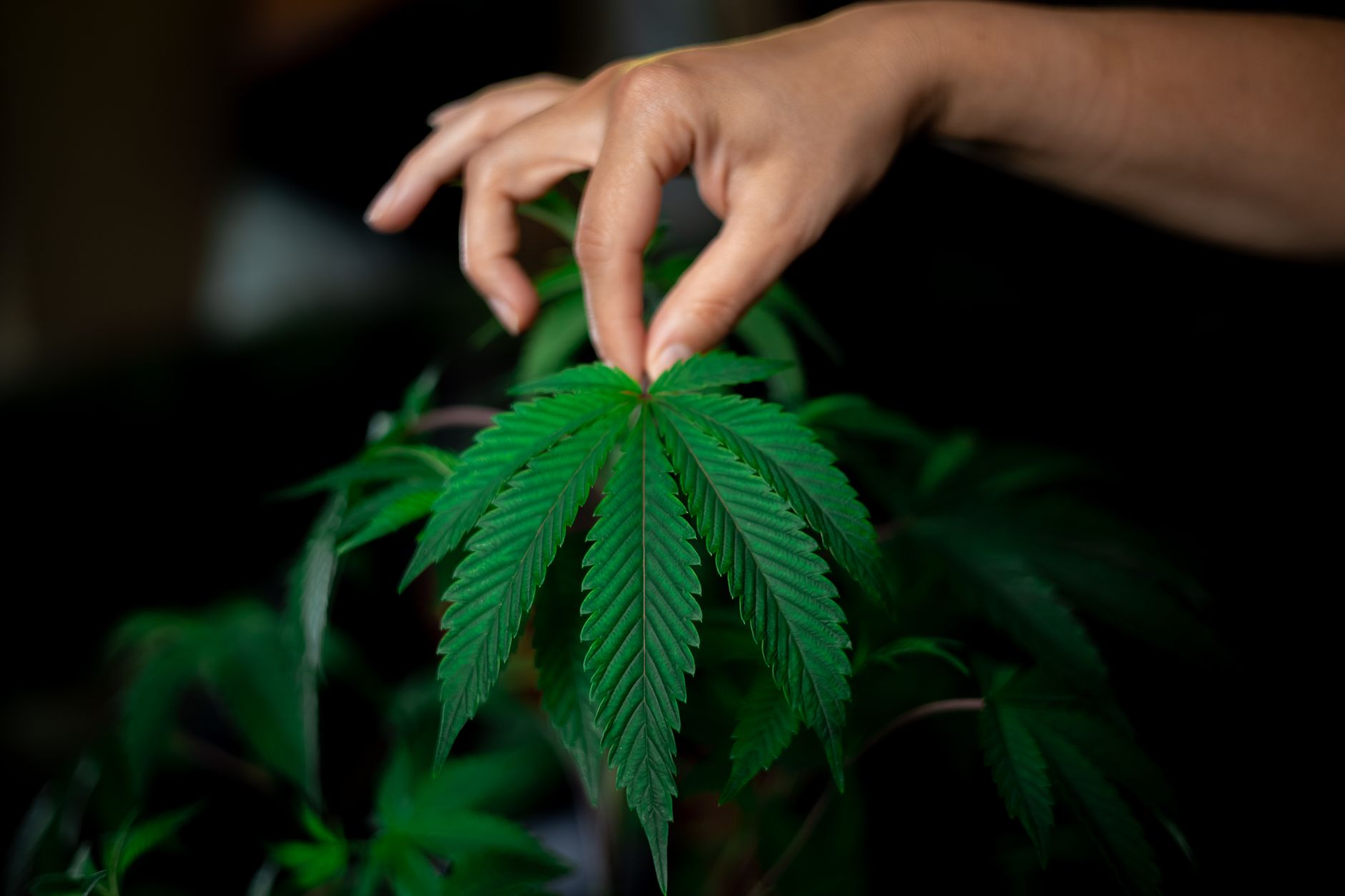
Cannabis leaf shapes are the first giveaway. Classic leaves have serrated edges and multiple “fingers,” usually 5–9 on a mature fan leaf. Early in life, marijuana seedling identification is trickier because only one or three blades may be present, but the serration is still there. Over time, learning these cannabis leaf shapes lets you distinguish legitimate plants from nearby weeds that might be competing for light and nutrients.
Stem-wise, most healthy plants show alternating nodes once they mature, where leaves and branches stagger up the stem rather than matching directly across. Combined with plant smell (especially in veg when you rub a stem lightly), this basic cannabis plant identification becomes second nature.
Indoors or outdoors, I always start with these fundamentals before diving into more detailed cannabis growth stages, sexing, and phenotype analysis.
Understanding Cannabis Growth Stages From Seed To Harvest
Knowing where a plant sits in the cannabis growth stages helps me decide what to feed, how much light to give, and when to flip to flower.
The main cannabis growth stages I work with:
- Germination
- Seedling
- Vegetative
- Pre-flower
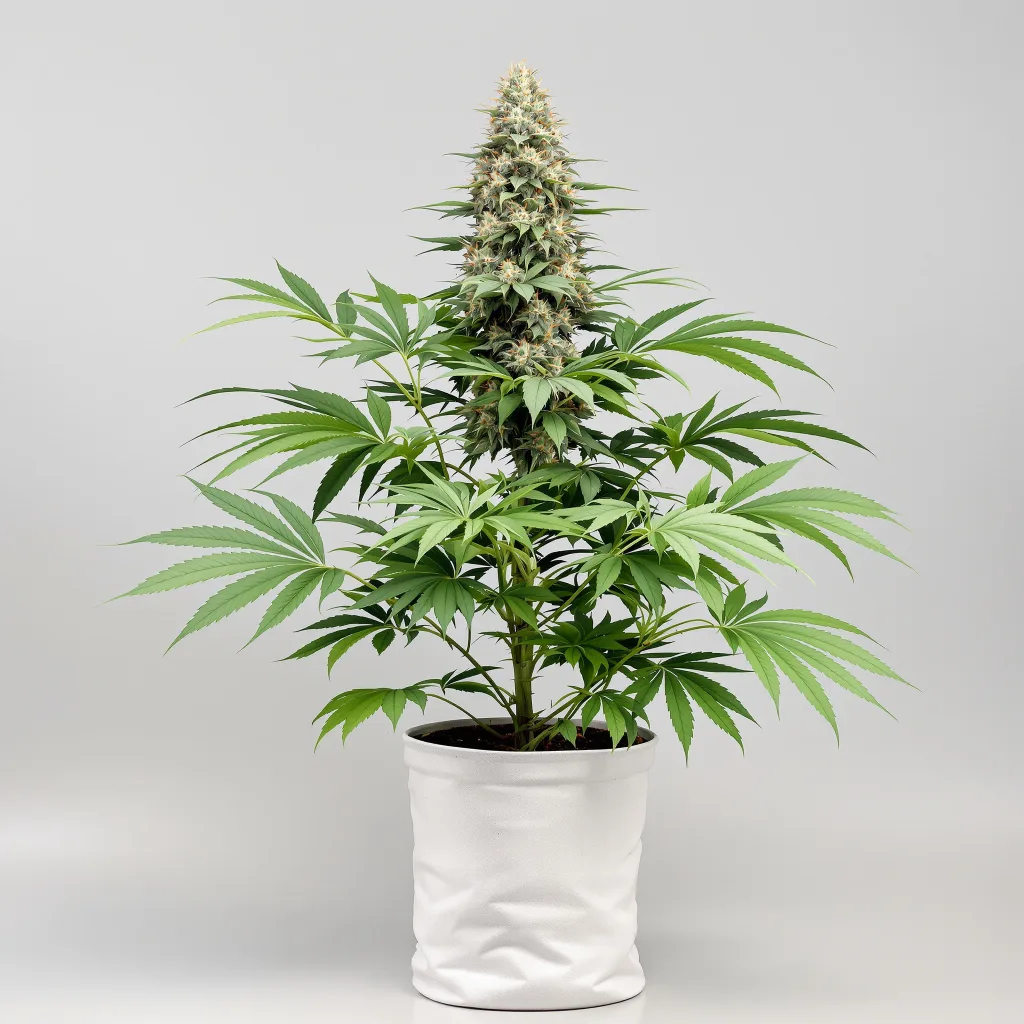
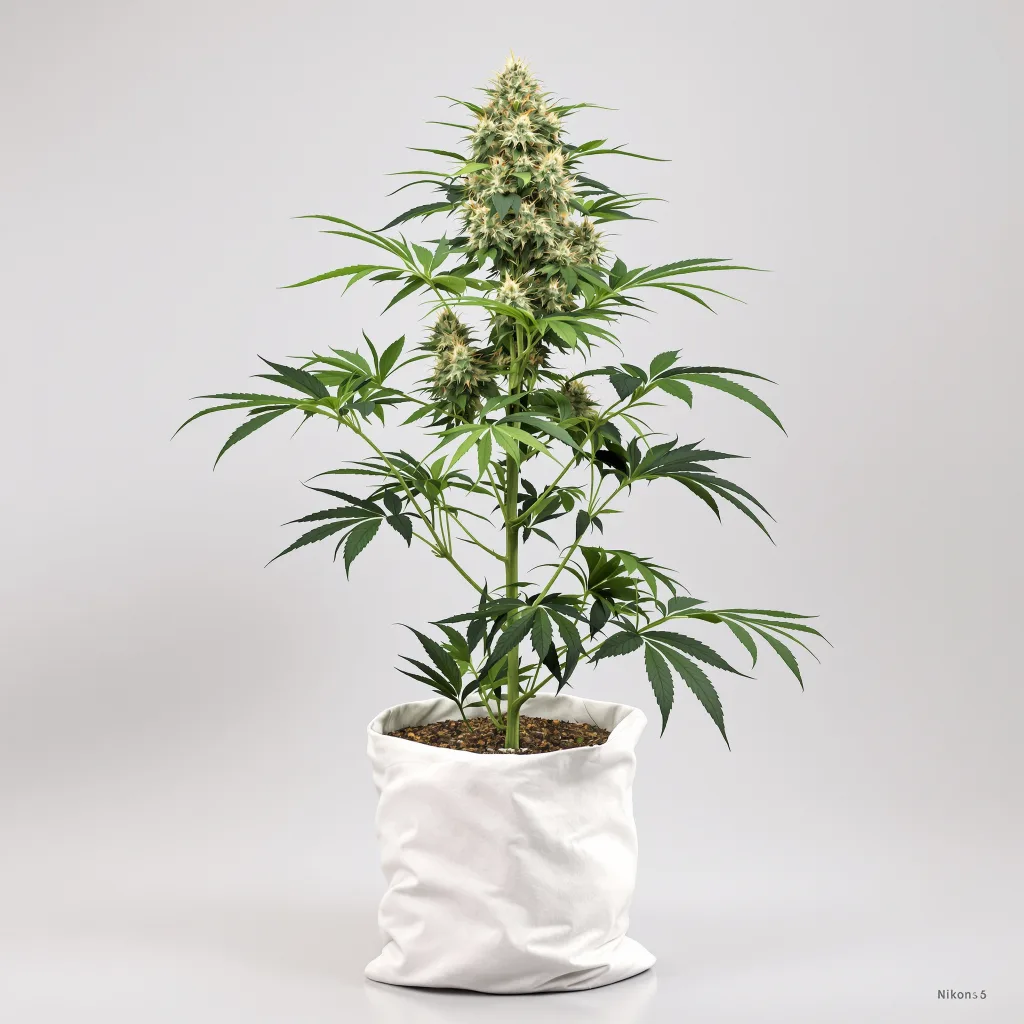
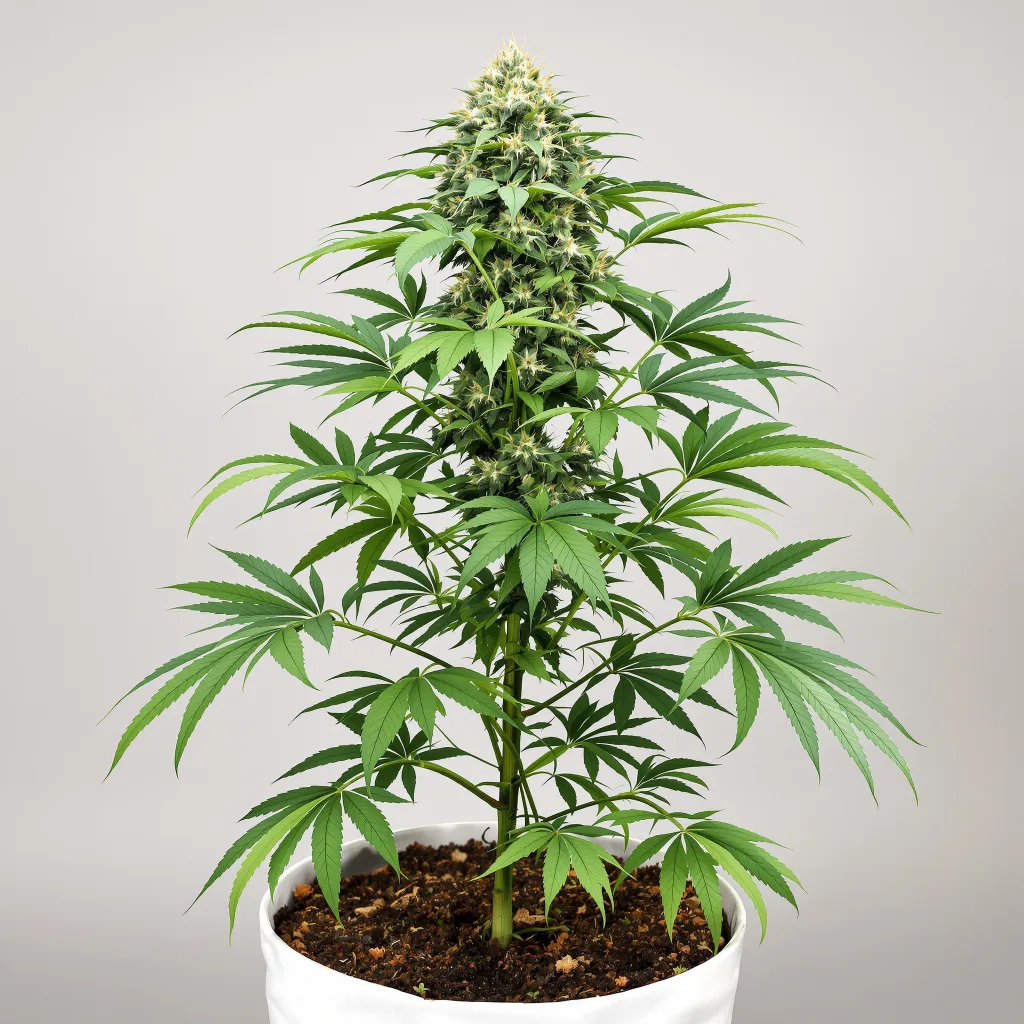
- Flowering
- Ripening and senescence
During germination and seedling, marijuana seedling identification is my focus. I check for straight stems, healthy cotyledons (those first round leaves), and early cannabis leaf shapes forming correctly. If a plant looks twisted or albino at this stage, I often cull it early rather than waste space.
In vegetative growth, cannabis plant identification shifts toward structure. I look at node spacing, vigor, and how leaves respond to light. This is where indica sativa hybrid differences begin to show: wide, broad leaves and squat frames for many indicas, narrower leaves and taller frames for many sativas, with hybrids somewhere in between.
By pre-flower and flowering stages, the cannabis growth stages become tied to sexing, bud formation, and reading trichomes. At this point, recognizing male vs female cannabis plants and any hermaphrodite cannabis signs becomes critical.
Marijuana Seedling Identification: Reading The First Weeks

Those first 2–3 weeks after sprout are some of the most important for marijuana seedling identification. This is when I decide whether a plant is worth training and feeding or if it should be replaced.
Things I watch carefully:
- Symmetry of early cannabis leaf shapes
- Stem thickness vs height (leggy seedlings usually need more light)
- Color: pale lime might indicate light or nitrogen issues, deep green often suggests strong early vigor
Good marijuana seedling identification also means catching species mix-ups. In guerilla or garden-edge grows, volunteers can pop up in the same bed. Because I know what proper cannabis leaf shapes look like, I can remove intruders early and focus on the seedlings that matter.
At this stage, weed plant nutrient needs are minimal. I avoid heavy feeding and focus on environment: gentle airflow, moderate humidity around 65–70 percent, and modest PPFD (150–300 µmol/m²/s) to avoid stretch. Meeting these weed plant nutrient needs lightly at the start sets up a smoother ride through later cannabis growth stages.
Reading Cannabis Leaf Shapes And Plant Architecture
Once plants have a few nodes, cannabis leaf shapes and overall architecture tell me a lot about their background and potential.
Some patterns I see regularly:
- Classic “indica-leaning” cannabis leaf shapes: broad fingers, dark green, compact node spacing
- “Sativa-leaning” cannabis leaf shapes: narrow fingers, lighter green, longer distances between nodes
- Hybrids that sit in between, showing both traits at different points
These visual clues are a big part of how I understand indica sativa hybrid differences without seeing a lab report. Indica sativa hybrid differences are not perfect predictors of effect, but they absolutely matter for how plants grow, how tall they get, and how they respond to training.
When making a plan for topping, low-stress training, or trellising, I refer back to these indica sativa hybrid differences constantly. Bushy, indica-leaning plants might need defoliation for airflow; lanky sativa-leaning plants might need more aggressive staking. If I ignore these cues, cannabis plant identification becomes guesswork and my canopy turns into chaos.
Sexing Plants: Male Vs Female Cannabis Plants

One of the most important skills in cannabis plant identification is recognizing male vs female cannabis plants early enough to act. In regular seed runs, this can be the difference between a seedless harvest and a room full of seeded buds.
I begin checking for male vs female cannabis plants during the pre-flower stage, especially once plants are mature enough or on 12/12. Under good light and with a loupe, I look at the nodes where branches meet the main stem.
- Male vs female cannabis plants: males show small, round, ball-like pre-flowers that hang away from the stem
- Female plants show teardrop-shaped calyxes with a pair of white pistils emerging
Once I am confident about male vs female cannabis plants, I remove males from a sinsemilla run. In breeding projects I isolate them instead. Even when working with feminized marijuana seeds, I still practice this skill; it helps me catch rare anomalies and strengthens my overall cannabis plant identification instincts.
Spotting Hermaphrodite Cannabis Signs Before It Is Too Late
Even when every plant starts female, stress or genetic factors can create hermaphrodite cannabis signs. Hermies can quietly undo months of work if I miss them.
Common hermaphrodite cannabis signs I watch for:
- Single male “bananas” (stamens) emerging from otherwise normal buds
- Small pollen sacs on lower branches, especially after heavy stress
- Mixed clusters where female pistils and male parts appear together
I walk my rooms with a small flashlight and check key sites at least once a week during mid and late flower. Catching hermaphrodite cannabis signs early lets me either remove a plant entirely or carefully cut affected sites and monitor. Some growers cull immediately; I decide based on how severe the hermaphrodite cannabis signs are, how far into flower I am, and how valuable the phenotype is.
Stress control is key here. Overfeeding, dramatic light leaks, and extreme heat swings all seem to increase hermaphrodite cannabis signs. The more stable my setup, the less often I see them.
Autoflower Vs Photoperiod: Growth Patterns And ID

When I look over a mixed crop, one of the first decisions I need to make is autoflower vs photoperiod. This choice controls everything from cannabis growth stages to training windows.
Photoperiod plants rely on light schedule. They stay in veg under long days (18/6, 20/4) and only enter flower when I switch to 12/12. Autoflower cannabis strains flip based on age, not light, often starting pre-flower as early as week three.
Some traits that help me distinguish autoflower vs photoperiod behavior:
- Autoflower vs photoperiod: autos will show pistils under 18+ hours of light without any schedule change
- Photoperiod plants only show clear flowering under shorter, controlled days
- Autoflower cannabis strains tend to stay smaller overall, with tighter timelines for weed plant nutrient needs and training
When I plan an autoflower vs photoperiod run, I adjust my expectations for cannabis growth stages. Autos reward gentle early training and stable feeding; photoperiods give me more time to top, transplant, and sculpt.
Even in identification, knowing which plants are autoflower vs photoperiod types prevents confusion. If a plant on 20/4 is suddenly stacking buds while its neighbors are vegging, I know I have an auto in the mix and treat its schedule differently.
Seed Selection: Feminized Marijuana Seeds And Phenotype Hunting
The story of cannabis plant identification starts with the seeds themselves. Choosing between regular, feminized marijuana seeds, and autos shapes what kind of plants I will be reading later.
For most home growers, feminized marijuana seeds make life easier. With feminized marijuana seeds, almost every plant is female, so I can spend more time reading cannabis leaf shapes, structure, and vigor instead of hunting males. This makes phenotype selection more efficient and supports steady harvests.
When I buy feminized marijuana seeds, I pay attention to:
- Descriptions of cannabis bud structure and plant height
- Whether the breeder notes indica sativa hybrid differences clearly
- Any mention of stability and hermaphrodite resistance
In breeding or exploration runs, I still use regular seeds and sharpen my male vs female cannabis plants skills. But for consistent stash production, feminized marijuana seeds plus good cannabis plant identification give me a reliable system.
Indoor Vs Outdoor Cannabis Growing: How Environment Affects Growth

Environment changes how plants express their genetics. Indoor vs outdoor cannabis growing can make the same cultivar look and grow very differently.
Indoors, under controlled LEDs:
- I manage PPFD, VPD, and weed plant nutrient needs precisely
- Cannabis growth stages are smoother, with fewer surprises
- Cannabis plant identification often reveals tighter, more uniform structure
Outdoors, in sun and weather:
- Plants show stronger indica sativa hybrid differences in height and branching
- Wind, rain, and pests influence cannabis leaf shapes and thickness
- Light intensity and spectrum from the sun can create more dramatic colors and terpenes
When planning indoor vs outdoor cannabis growing, I choose cultivars accordingly. Compact hybrids that thrive in tents may not stretch enough outside, while towering sativas that love the sun might blow past my ceiling indoors. Understanding these indoor vs outdoor cannabis growing differences makes my plant ID skills more accurate.
Weed Plant Nutrient Needs Through The Life Cycle
Cannabis plant identification is not just visual; it also includes reading how plants respond to feeding. Mistakes with weed plant nutrient needs show up first in leaf color and texture.
Some simple rules I follow:
- Seedlings: very low EC, focusing on root health over aggressive feeding
- Veg: gradual increases, watching for deep green and strong growth instead of clawing
- Flower: shift toward phosphorus and potassium while avoiding extreme nitrogen late
When weed plant nutrient needs are not met, I see it quickly in cannabis leaf shapes. Pale, uniform yellowing suggests general deficiency; dark, clawed leaves suggest too much nitrogen; rusty spots may point to calcium or magnesium issues.
Because different cultivars and environments change weed plant nutrient needs, I never treat feed charts as gospel. Instead, I use cannabis plant identification to read each plant, then adjust nutrients to support healthy cannabis growth stages without pushing them into stress or hermaphrodite cannabis signs.
FAQs: Cannabis Plant Identification And Growth
How can I quickly tell if my plant is cannabis?
Look for classic cannabis leaf shapes: serrated leaf edges with multiple long “fingers” on each fan leaf, plus a distinct smell when you gently rub the stem. Over time, cannabis plant identification becomes instinctive, especially once you get familiar with cannabis growth stages and how seedlings transition into veg.
When should I start checking for male vs female cannabis plants?
Begin in pre-flower, once plants show small pre-flowers at the nodes. Use a loupe to distinguish ball-shaped male parts from teardrop calyxes with white hairs. Learning male vs female cannabis plants early prevents accidental pollination and keeps sinsemilla runs seed-free.
How do I know if foxtailing or odd buds are genetics or stress?
Look at your indoor vs outdoor cannabis growing conditions and environment first. If only tops nearest the light show issues, think light stress in cannabis or heat swings. If every plant of a given cultivar shows the same cannabis bud structure with good health otherwise, it is likely genetic expression tied to indica sativa hybrid differences.
Cannabis plant identification and growth is a language you learn over time. At first, every weed plant looks the same. Later, once you understand cannabis growth stages, cannabis leaf shapes, marijuana seedling identification, male vs female cannabis plants, and hermaphrodite cannabis signs, each plant tells you exactly what it needs.
Whether you work with feminized marijuana seeds indoors, experiment with autoflower vs photoperiod mixes, or run big outdoor fields, the basics do not change. Pay attention, keep notes, and treat each run as a chance to sharpen your eye. The better you get at cannabis plant identification, the easier it becomes to guide healthy marijuana from seed to harvest.