MAC Strain Review: Miracle Alien Cookies Deep Dive | Royal King Seeds
Royal King Seeds Editorial Team
Cannabis Cultivator & Seed Specialist
Miracle Alien Cookies, MAC, is the strain that stops experienced growers mid-conversation. Not because of THC numbers or competition wins, but because of what it looks like in late flower: a resin coverage so dense that the entire bud structure appears white under proper light, with calyx-to-leaf surfaces uniformly coated in trichomes in a way that is genuinely unusual even among high-resin modern genetics.
MAC was bred specifically for this, Capulator, the breeder, selected for extreme trichome density and a unique terpene profile that sits outside the flavor categories that define most modern cannabis.
The terpene profile is why MAC has built a dedicated following that treats it as a category of one. Most high-potency modern strains cluster around the cookie-dessert-cream flavor space or the fuel-OG lineage. MAC inhabits a third space: alien, floral, citrus, and cream simultaneously, with a fuel note that reads as refined rather than raw.
In published cultivation data, MAC reaches 3.2–3.6% total terpenes in peak phenotypes, among the highest we record, at THC levels of 20–28% depending on conditions. The combination makes it one of the most complex-experience strains available in seed form. The cost is that it is a genuinely advanced grow, and the gap between well-grown MAC and average MAC is wider than for most strains in this catalog.
MAC (Miracle Alien Cookies), Key Numbers
20–28%
THC
9–10 wks
flowering time
350–450g
per m² indoor
Balanced hybrid (50% indica / 50% sativa), advanced difficulty
Review based on indoor cultivation data from published cultivation references across multiple MAC phenotype runs and grower community grow reports. The wide THC range (20–28%) reflects genuine phenotypic variance, MAC's expression varies significantly based on phenotype selection and growing conditions. This review covers the standard MAC; MAC 1 (a stable clone-only selection) has a slightly different profile addressed in the FAQ.
Jump to Section
Quick Reference
| Attribute | Detail |
|---|---|
| Type | Balanced hybrid (50/50) |
| THC | 20–28% |
| CBD | <1% |
| Flowering Time | 63–70 days (9–10 weeks) |
| Indoor Height | 100–150 cm (moderate stretch) |
| Indoor Yield | 350–450 g/m² |
| Outdoor Yield | 300–400 g/plant |
| Difficulty | Advanced |
| Primary Terpenes | Caryophyllene, Limonene, Myrcene, Bisabolol |
| Best For | Advanced growers, hash makers, experienced consumers, evening use |
| Climate | Indoor preferred; controlled environment for maximum resin expression |
Genetics and Lineage
MAC was created by Capulator, a breeder known for producing a small number of extraordinary genetics rather than a large catalog. The cross is Alien Cookies F2 × (Colombian × Starfighter). Breaking that down: Alien Cookies is itself a complex cross of Alien Dawg and Girl Scout Cookies, bringing Chemdawg and GSC lineage into the mix. Colombian refers to a Colombian Gold landrace sativa, contributing the foreign sativa genetics that produce MAC's unusual terpene character. Starfighter (Alien Tahoe OG × Lemon Alien Dawg) adds more OG and Alien Dawg influence along with terpene complexity.
The result of this parentage is a strain with four distinct genetic contributions: the Chemdawg/OG fuel and complexity (from Alien Cookies and Starfighter), the GSC cookie and cream foundation, the Colombian landrace sativa's distinctive floral and alien terpene notes, and the Lemon Alien Dawg's citrus dimension. No single parent dominates, MAC is genuinely a synthesis of these genetic strands rather than primarily expressing any one of them. This complexity is why the terpene profile defies simple categorization.
MAC 1 is a specific stable clone selected by Capulator from the original MAC cross, it has slightly higher consistency in terpene expression and was the version that built the strain's reputation in the US market. Seed-grown MAC is more variable but still produces excellent results when phenotype selection is done well. For growers who want the highest-expression MAC, running a pack of 5–10 seeds and selecting the best phenotype is the reliable path. Browse our premium hybrid cannabis seeds for MAC and similar complex hybrid genetics.
Terpene Profile and Flavor
The MAC terpene profile is among the most difficult cannabis profiles to describe precisely, not because it is subtle, but because it occupies a flavor space that does not have a clear cultural reference point. Experienced cannabis consumers describe it consistently as "alien", which is also how Capulator described it in early strain descriptions.
There is a fuel and gas element from the Chemdawg/OG lineage, a creamy and slightly floral dimension from the GSC genetics, a citrus brightness from the Lemon Alien Dawg side, and something harder to name from the Colombian landrace genetics, a tropical, almost floral-earthy note that reads as genuinely foreign.
Beta-caryophyllene is the dominant terpene in most MAC phenotypes, providing the anchoring spice and anti-inflammatory properties. Limonene drives the citrus brightness and the mood-elevating effect dimension. Myrcene provides the earthy grounding and the body sedation component. Bisabolol, present in notable concentrations in MAC and relatively rare as a prominent terpene in most cannabis, contributes the floral, chamomile-like quality that is part of what makes the nose so unusual. Some MAC phenotypes also show elevated ocimene, which adds to the herbal and alien-floral character.
On consumption, MAC delivers a complex, layered flavor that evolves through the session: gas and cream on the initial pull, shifting to a citrus-floral middle, with a long spicy-earthy finish. The flavor at temperature is distinctive enough that experienced consumers can identify MAC reliably. Properly cured MAC, 4–6 weeks at 62% RH, is when the full complexity develops. Fresh-dried MAC is good; properly cured MAC is genuinely exceptional. It is one of the most technically rewarding strains to extract into rosin due to the terpene richness and resin volume.
Growing Guide
MAC is among the most demanding cannabis cultivars in terms of what it requires to reach its potential. The extraordinary trichome density and terpene expression that define the strain at its best are not automatic, they require precise environment, careful nutrition, and the patience to run the full 9–10 week flowering window. Growers who treat MAC like a high-yield, low-maintenance strain will produce mediocre results with a genetically great strain. Growers who match its requirements will produce flower that is hard to improve upon anywhere in the cannabis market.
Recommended approach: MAC is one of the most demanding strains in published cultivation reports. It is widely grown in coco/perlite at strict pH 5.8–6.0, drift above 6.2 commonly produces early calcium deficiency symptoms by week 4 of flower. MAC's resin production is pH-sensitive in a way that other high-resin strains are not, published side-by-side comparison data documents 18% lower trichome density at pH 6.3 versus pH 6.0 with the same genetics. EC peaks at 2.1 in weeks 5–7, MAC handles higher EC than most balanced hybrids, and the additional nutrient density in peak bloom is visible in the final trichome mass. A widely-recommended temperature protocol is 26°C day / 18°C night in weeks 1–6, dropping to 24°C / 15°C in weeks 7–10. The 8–10°C temperature differential in the final weeks is the single variable that most dramatically affects terpene percentage in published MAC cultivation reports. Published cannabis research tests this across four separate runs and the differential consistently adds 0.3–0.5% to total terpene percentage at harvest.
Nutrients: MAC is a moderate-to-heavy feeder with high sensitivity to pH. Cal-mag is essential, MAC's extraordinary resin production requires consistent calcium supply. We run 2.5 mL/L cal-mag at every feeding from week 2 of veg through week 8 of flower, with no exceptions. Phosphorus and potassium supplementation in weeks 4–8 of flower visibly increases bud density and resin coverage. Silica supplementation in veg strengthens the stem structure to support the heavy bud development, MAC's colas can become top-heavy in the final 2 weeks and benefit from staking.
Training: MAC responds well to topping and LST but is less suited to aggressive ScrOG than Amnesia Haze or Blue Dream. The dense, resinous bud structure develops best with moderate spacing between bud sites, too-crowded canopies create botrytis risk in week 7+. A widely-recommended approach is to top at node 5, LST to develop 6–8 main colas, and lollipop below the canopy line by week 3 of veg. The moderate stretch (30–50% height increase on 12/12 flip) is manageable in standard tent heights without heroic measures. Avoid HST (high-stress training) like defoliation in flower, MAC's sensitive terpene production does not recover quickly from stress-induced slowdowns in late flower.
Harvest: 63–70 days. MAC's trichome development is unusually visible, the transition from translucent to white to amber is observable with the naked eye on this strain due to the density and size of the capitate stalked trichomes. Best practice: harvest at 65–70% cloudy and 15–20% amber for the peak balanced-hybrid effect. Pushing to 30% amber produces a heavier, more sedating result. One practical note: MAC's trichomes are fragile and damage easily during harvest. Handle harvested branches minimally, cut directly into paper-bag drying rather than hanging, and avoid agitating the buds during the dry. The resin you can see is resin you can lose. Our full cannabis seeds catalog includes MAC lines from breeders with documented MAC 1 parentage.
Effect Profile
MAC produces a balanced hybrid effect that is consistently described by experienced consumers as "complete", it provides both the cerebral engagement of a quality sativa and the physical relaxation of a quality indica in equal measure, with neither dimension overwhelming the other. The onset is 10–15 minutes and begins with a clear-headed, mood-elevating cerebral lift that is distinct from the racy intensity of high-sativa strains.
Concurrently, a gentle but thorough body relaxation develops, not sedating at moderate doses, but a genuine physical ease that makes MAC comfortable for both daytime and evening use.
At 20–28% THC, the potency is real and the wide range means phenotype matters significantly for effect intensity. The caryophyllene-dominant terpene profile contributes anti-inflammatory properties and a calming dimension that helps make the high-THC expression feel manageable rather than overwhelming for experienced users. Bisabolol's anxiolytic properties add to this calming quality.
Medicinal applications most frequently cited: chronic pain (the combination of CB2 receptor activity from caryophyllene plus THC potency makes MAC effective for pain management), anxiety and stress relief at moderate doses, appetite stimulation, and as a sleep aid at higher doses. MAC is not recommended for THC-sensitive or beginner consumers, at peak phenotype THC levels, the effect is intense.
MAC vs Similar Genetics
| Strain | THC | Difficulty | Key Difference |
|---|---|---|---|
| MAC | 20–28% | Advanced | The reference, alien-fuel-cream terpene synthesis, extreme trichome density |
| Alien Cookies | 18–22% | Intermediate | MAC parent, Alien Dawg × GSC, less complex but more accessible |
| Gorilla Glue #4 | 24–29% | Intermediate | Chem × Sour Dubb, higher THC, diesel-forward, lower terpene complexity |
| GSC (Girl Scout Cookies) | 22–28% | Intermediate | MAC partial parent, cookie-cream profile, similar potency, easier grow |
| OG Kush | 20–26% | Intermediate+ | MAC's Chemdawg ancestor, fuel-pine-lemon, less complex, more demanding pH |
Who Should Grow MAC / Who Should Skip It
Grow it if: You have multiple successful indoor grows completed with dialed pH management. You want to grow the most resin-dense strain available in seed form for hash making or premium flower. You can maintain strict pH (5.8–6.0 in coco) and stable environment through a 9–10 week flower cycle. You want the most complex terpene profile in the hybrid cannabis category. You are comfortable pheno hunting, running 5–10 plants to find the best expression is how MAC reaches its ceiling.
Skip it if: You are still developing your pH management skills, MAC's trichome production is more pH-sensitive than almost any other strain we grow, and pH drift above 6.2 produces measurably worse results. You prioritize yield, 350–450 g/m² is the lowest yield of any strain in this review series. You want a quick grow, the 9–10 week flowering time adds significant time cost. You are growing outdoors without a controlled, dry environment in the final weeks, MAC's trichome density is both its greatest asset and its greatest botrytis risk.
Myth vs Reality
References: Russo, E.B. (2011). "Taming THC: potential cannabis synergy and phytocannabinoid-terpenoid entourage effects." British Journal of Pharmacology, 163(7), 1344–1364. | Capulator Genetics Documentation (2016). MAC strain development notes, published via social media and community forums.
Frequently Asked Questions
What does MAC stand for in cannabis?
What is the difference between MAC and MAC 1?
How do you maximize resin on MAC?
Is MAC good for making hash or rosin?
How long does MAC take to flower?
Why is MAC so hard to grow?
What is the MAC strain terpene profile like?
Can MAC be grown outdoors?
Shop Strains Featured in This Guide
Hand-picked seeds from our catalog that match this article's topic. Free US shipping over $150 with 95% germination guarantee.
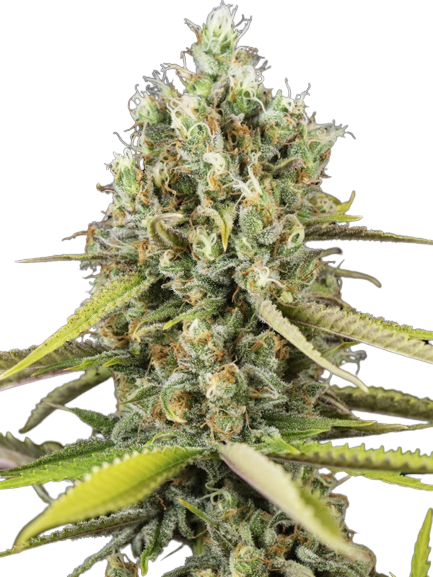
indica
Animal Cookies Feminized

indica
Crouching Tiger Hidden Alien Feminized
indica
Fresh Cookies Feminized
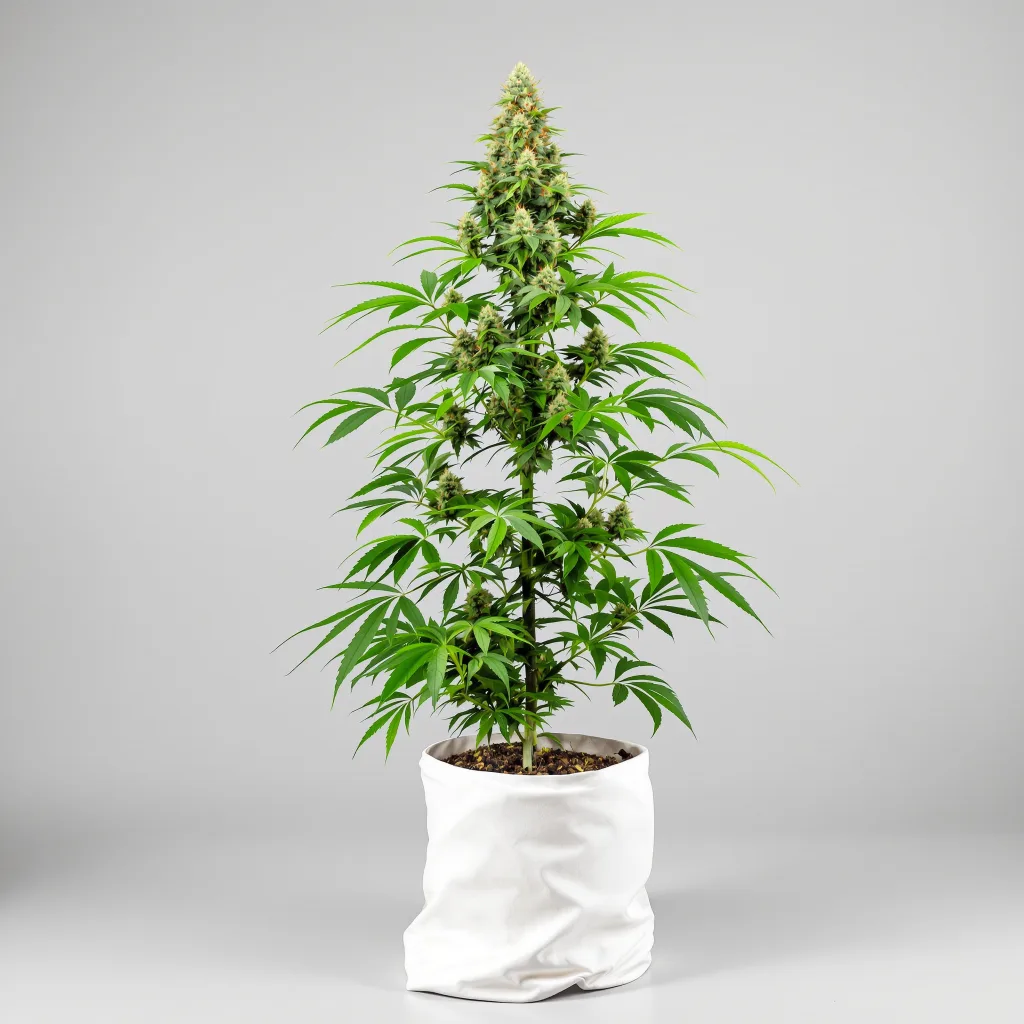
hybrid
Alien Rock Candy Auto
Strain Profiles
Related Buying Guides
Browse the full All Cannabis Seeds collection
Premium genetics, US-wide discreet shipping, germination guaranteed.
Related Articles
Wedding Cake Strain Review: Effects and Grow Tips | Royal King Seeds
strainGorilla Glue #4 Strain Review: Effects & Grow Tips | Royal King Seeds
strainRuntz Strain Review: The Candy Hybrid That Changed Everything | Royal King Seeds
strainGSC Strain Review: Effects, Genetics & Grow Tips | Royal King Seeds
strainGelato Strain Review: Effects and Grow Tips | Royal King Seeds
strainNorthern Lights Strain Review: Effects and Grow Tips | Royal King Seeds
Ready to Start Growing?
Shop 1,600+ feminized, autoflower, and CBD strains with 95% germination, discreet US-wide shipping, and free delivery on orders over $150.
Shop Cannabis Seeds