Humboldt Dream: A Comprehensive Analysis
-
Humboldt Dream Cannabis SeedsFrom: $24.99
Introduction
Humboldt Dream is a distinguished cannabis strain known for its profound medical benefits, robust chemical profile, and optimal growing conditions. Named after the famed Humboldt County in Northern California, this strain has garnered attention for its therapeutic applications, particularly in the medical cannabis community. This detailed analysis will explore Humboldt Dream’s origins, its intricate chemical makeup, the range of medical benefits it offers, and the specific growing conditions that make it thrive. The focus will be on its use in the medical field, with a deliberate exclusion of recreational use and consumption methods.
Origins of Humboldt Dream
Humboldt Dream is a hybrid strain that combines the genetics of two renowned cannabis varieties: Blue Dream and Purple Panty Dropper. Though for different reasons, the cannabis community celebrates both parent strains.
- Blue Dream: Originating from California, Blue Dream is a hybrid that leans slightly towards Sativa. It is known for its balanced effects and has a lineage that includes Blueberry Indica and Haze. Blue Dream is well-known for its potent THC concentration and for relieving pain without producing profound drowsiness.

- Purple Panty Dropper: This strain is known for its Indica dominance and deep purple hues. Purple Panty Dropper is a cross between Purple Haze, Oregon Grape, and Matanuska Thunder, and it brings a rich, fruity flavor along with potent relaxing effects. It is often used to treat stress, anxiety, and sleep disorders.

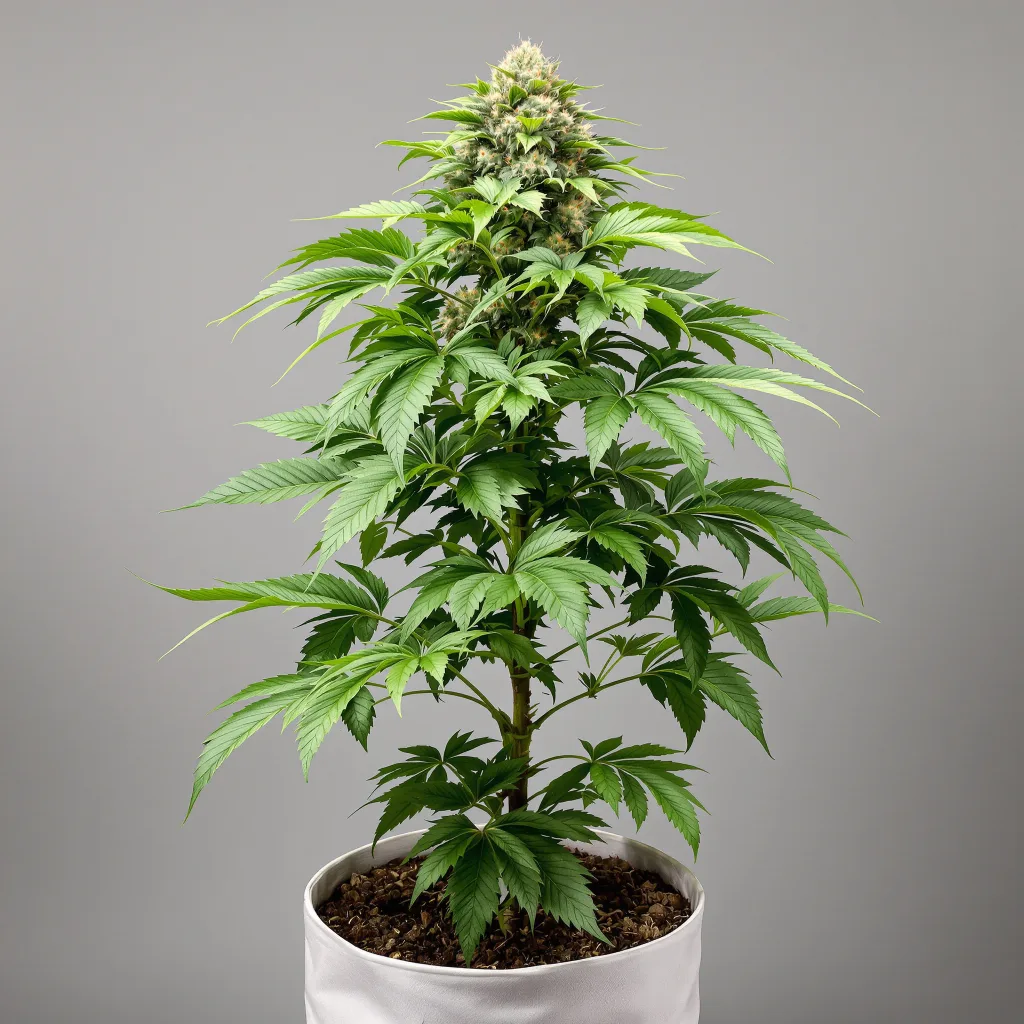
Humboldt Dream inherits the best qualities of both its parents. From Blue Dream, it gains a balanced effect profile, and from Purple Panty Dropper, it receives its deep purple coloration and relaxing effects. The strain was developed in Humboldt County, a region synonymous with high-quality cannabis cultivation. The rich soils and ideal climate of Humboldt County have long been conducive to cannabis growing, and strains developed here, like Humboldt Dream, often reflect the region’s legacy of excellence in cannabis cultivation.
Chemical Profile of Humboldt Dream
Humboldt Dream’s chemical profile is rich and diverse, contributing to its effectiveness as a medical strain. This section delves into the cannabinoids, terpenes, and other active compounds that define this strain.
- Cannabinoids:
- THC (Tetrahydrocannabinol): Humboldt Dream typically contains THC levels ranging from 18% to 24%, depending on growing conditions and phenotypes. THC is the primary psychoactive compound in cannabis, but in medical contexts, its importance lies in its analgesic, anti-inflammatory, and appetite-stimulating properties.
- CBD (Cannabidiol): While Humboldt Dream is not particularly high in CBD, it typically contains around 0.1% to 0.5%. The non-psychoactive compound CBD is well-known for its neuroprotective, anti-inflammatory, and anti-anxiety properties. Even trace levels of CBD can modify the effects of THC and enhance the overall medicinal profile of the strain.
- CBG (Cannabigerol): CBG is often referred to as the “mother of all cannabinoids” because other cannabinoids are synthesized from CBGA, its acidic form. Humboldt Dream may contain trace amounts of CBG (up to 1%), which can contribute to its anti-inflammatory and neuroprotective properties.
- Terpenes:
- Myrcene: This is the most abundant terpene in Humboldt Dream, contributing to its sedative effects. The scent of myrcene is earthy, musky, and slightly clove-scented. In addition to being a strong muscle relaxant and pain reliever, it amplifies the intoxicating effects of THC.
- Caryophyllene: A terpene with a spicy, peppery aroma, caryophyllene is unique because it can interact with cannabinoid receptors, specifically the CB2 receptor, making it effective in reducing inflammation and pain.
- Limonene: Found in lower concentrations, limonene adds a citrusy note to the strain’s flavor profile. It is well known for having anti-anxiety and mood-enhancing qualities.
- Pinene: This terpene contributes to alertness and can counteract some of the memory-impairing effects of THC. Pinene is also a bronchodilator, making it beneficial for patients with respiratory issues.
- Linalool: Linalool provides a floral aroma and is known for its calming and anti-anxiety effects. It also has analgesic properties, making it valuable in pain management.
- Flavonoids:
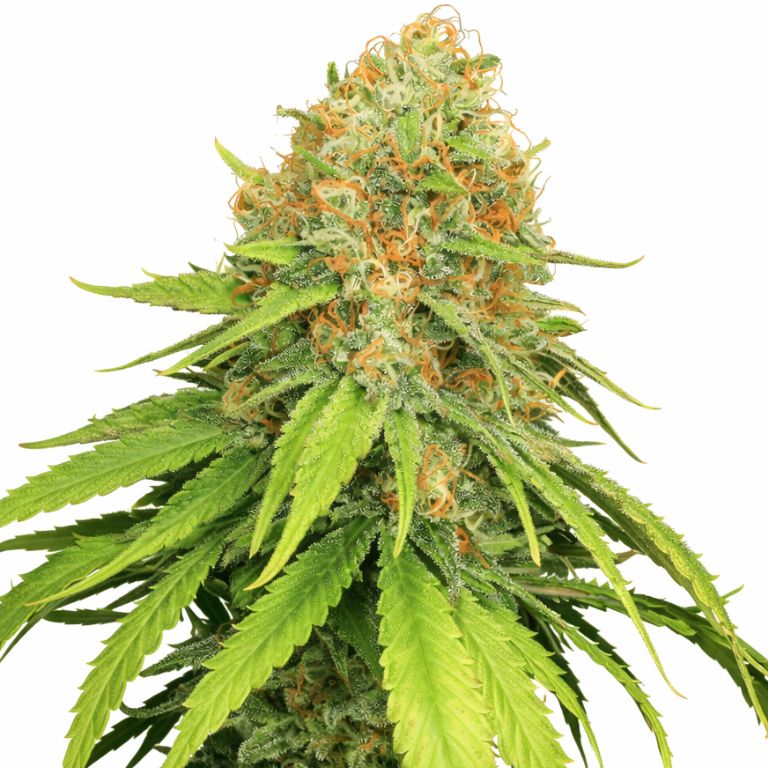
- Anthocyanins: Humboldt Dream’s deep purple coloration is due to the presence of anthocyanins, a type of flavonoid. Anthocyanins have antioxidant properties and can help in reducing inflammation.
- Quercetin: Another flavonoid found in Humboldt Dream, quercetin is known for its antioxidant and anti-inflammatory effects, which can be beneficial in treating a variety of conditions.
- Other Compounds:
- THCV (Tetrahydrocannabivarin): Although found in trace amounts, THCV is notable for its ability to suppress appetite and potentially aid in managing obesity and diabetes.
- CBN (Cannabinol): CBN is a degradation product of THC and is often found in small amounts in aged cannabis. It is mildly psychoactive and has sedative properties, making it beneficial for patients dealing with insomnia.
Medical Benefits of Humboldt Dream
Humboldt Dream offers a range of medical benefits due to its diverse chemical profile. This section explores how this strain can be used to manage various medical conditions.
- Pain Management:
- Humboldt Dream is particularly effective in treating chronic pain. The combination of THC, CBD, and terpenes like myrcene and caryophyllene makes this strain a powerful analgesic. Humboldt Dream may provide treatment for people suffering from ailments like neuropathy, fibromyalgia, and arthritis.
- Anxiety and Depression:
- The balanced cannabinoid profile, along with the presence of terpenes like limonene and linalool, makes Humboldt Dream effective in managing anxiety and depression. The strain’s ability to promote relaxation without inducing overwhelming sedation is particularly beneficial for patients dealing with anxiety disorders. Additionally, the mood-enhancing effects of limonene can help alleviate symptoms of depression.
- Insomnia:
- Due to its sedative properties, Humboldt Dream is highly effective in treating insomnia. The presence of myrcene and CBN contributes to its ability to promote restful sleep. Patients who struggle with sleep disorders can use Humboldt Dream as a natural alternative to pharmaceutical sleep aids.
- Inflammation:
- The anti-inflammatory properties of Humboldt Dream are primarily due to its caryophyllene and CBD content. This makes the strain useful for treating inflammatory conditions such as Crohn’s disease, rheumatoid arthritis, and multiple sclerosis.
- Stress Relief:
- Humboldt Dream’s relaxing effects are beneficial for stress relief. The strain’s ability to calm the mind and body without causing intense psychoactive effects makes it ideal for patients who need to manage stress while maintaining functionality.
- Appetite Stimulation:
- The effects of THC on appetite are well-known, and they are sometimes referred to as “the munchies.” Patients receiving chemotherapy or other therapies that decrease appetite may find this especially helpful. Humboldt Dream can help these patients maintain a healthy appetite and prevent weight loss.
- Muscle Spasms and Tension:
- The muscle-relaxing properties of myrcene, along with the anti-inflammatory effects of caryophyllene, make Humboldt Dream effective in treating muscle spasms and tension. Patients with conditions such as multiple sclerosis or chronic muscle pain can benefit from using this strain.
- Headaches and Migraines:
- Humboldt Dream can also be effective in treating headaches and migraines. The combination of THC, CBD, and terpenes like pinene and caryophyllene provides both pain relief and anti-inflammatory effects, which can alleviate the severity and frequency of migraines.
Growing Conditions for Humboldt Dream
Humboldt Dream is a strain that thrives under specific growing conditions, reflecting its origins in the fertile soils of Humboldt County. This section provides a detailed guide on the ideal conditions for cultivating Humboldt Dream.
- Climate:
- Humboldt Dream prefers a Mediterranean climate, characterized by warm, dry summers and mild, wet winters. The strain can be grown both indoors and outdoors, but outdoor cultivation will require a climate similar to that of its native Humboldt County. It thrives in temperatures between 70°F and 85°F (21°C to 29°C).
- Soil:
- The strain prefers well-draining, nutrient-rich soil. Organic soil mixes, often enriched with compost and other natural fertilizers, are ideal. Soil pH should be kept slightly acidic, around 6.0 to 6.5, to optimize nutrient uptake. Using soil rich in organic matter will not only provide essential nutrients but also improve the soil structure, ensuring good aeration and drainage.
- Light Requirements:
- For indoor cultivation, Humboldt Dream requires strong lighting to thrive. It is advised to use high-intensity discharge (HID) lights, such as high-pressure sodium (HPS) and metal halide (MH). LED lights can also be used, especially those that offer a full spectrum of light. Typically, the strain needs 12 hours of light during the flowering period and 18 to 20 hours during the vegetative stage.
- Watering:
- Consistent watering is crucial for Humboldt Dream, but overwatering should be avoided as it can lead to root rot. The strain prefers a moderate watering schedule, allowing the top layer of soil to dry out slightly between waterings. During the flowering stage, it is essential to reduce humidity levels to prevent mold and mildew.
- Nutrient Requirements:
- Humboldt Dream is a nutrient-hungry strain, especially during its vegetative stage. It is crucial to have a well-balanced nutrient mix that contains potassium, phosphorus, and nitrogen. A larger concentration of nitrogen is needed during the vegetative stage, while during the flowering stage, potassium and phosphorus should take center stage. For the best possible growth, micronutrients such as sulfur, magnesium, and calcium are also essential.
- Training Techniques:
- Growers can use training methods like topping, low-stress training (LST), and the Screen of Green (ScrOG) approach to optimize production. Topping is chopping off the main stem to promote more lateral branch growth and more flowering places on the plant. In LST, branches are gently bent and tied down to form an equal canopy that lets more light reach the lower buds. The ScrOG method uses a screen to spread out the plant’s branches horizontally, ensuring even light distribution and maximizing yield.
- Flowering Time:
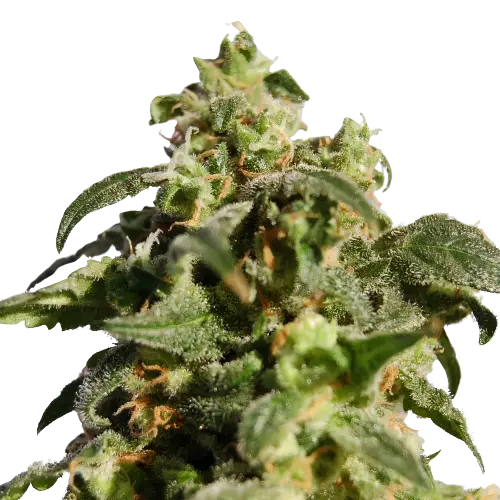
- Humboldt Dream has a relatively short flowering time, typically ranging from 8 to 9 weeks. The strain produces dense, resinous buds that are often coated with a thick layer of trichomes. Both commercial and medicinal growers find the strain to be an appealing option due to its quick flowering time and great output potential.
- Pest and Disease Resistance:
- Humboldt Dream is moderately resistant to pests and diseases. However, growers should still monitor for common cannabis pests such as spider mites, aphids, and whiteflies. These pests can be avoided by taking preventative steps including keeping a clean growth environment and employing organic pest control techniques. The strain is also susceptible to mold and mildew, particularly in high-humidity environments, so it is essential to maintain proper airflow and humidity levels.
- Harvesting and Curing:
- Harvesting Humboldt Dream at the right time is crucial to maximizing its potency and medical benefits. Trichomes should be monitored closely, and harvesting should be done when they are mostly cloudy with a few amber ones, indicating peak THC levels. Following harvesting, the buds need to be carefully dried in a room that is dark, well-ventilated, and has a 50% or lower humidity level. After drying, the buds should be cured for a minimum of two to four weeks in airtight containers to improve overall quality, flavor, and potency.
Medical Use Considerations
When considering Humboldt Dream for medical use, several factors must be taken into account to ensure it is used effectively and safely in a clinical setting.
- Dosage:
- Determining the correct dosage of Humboldt Dream for medical purposes requires a tailored approach, taking into account the patient’s condition, tolerance, and overall health. Because strong THC strains can cause side effects like anxiety or paranoia, it is important to dose carefully to prevent these consequences. It is best to start with a modest dose and increase it gradually while under physician supervision.
- Strain Compatibility:
- Not all patients will respond to Humboldt Dream in the same way. Its effects could be excessively sedative for certain people, particularly those who are new to cannabis or have a poor tolerance. In such cases, alternative strains with lower THC levels or higher CBD content may be more appropriate. Humboldt Dream is best suited for patients who require potent pain relief, muscle relaxation, or help with sleep disorders.
- THC Monitoring:
- Given its high THC content, Humboldt Dream should be used with caution in patients sensitive to THC or those with a history of mental health issues, such as anxiety or schizophrenia. Monitoring THC levels in medications derived from Humboldt Dream is essential to prevent unwanted psychoactive effects. In some cases, combining Humboldt Dream with a high-CBD strain may help balance its effects and reduce the risk of THC-related side effects.
- Legal and Ethical Considerations:
- The use of high-THC strains like Humboldt Dream in medical settings is subject to legal restrictions in many regions. It is essential to comply with local laws and regulations regarding medical cannabis use. Furthermore, ethical considerations should be made when prescribing or recommending Humboldt Dream, ensuring that its use is medically justified and in the best interest of the patient.
- Potential Side Effects:
- While Humboldt Dream offers numerous medical benefits, it is not without potential side effects. Dry lips, dry eyes, lightheadedness, and, under some situations, anxiety or paranoia are typical adverse effects. Patients need to be made aware of these possible adverse effects and given management advice. In cases of severe side effects, discontinuation or dosage adjustment may be necessary.
- Long-term Use:
- The long-term use of Humboldt Dream, as with any cannabis strain, should be carefully monitored. While it can provide sustained relief from chronic conditions, there is a potential for tolerance to develop, leading to the need for higher doses over time. Regular assessments by a healthcare provider can help manage tolerance and adjust treatment plans as needed.
- Patient Education:
- Educating patients on the proper use of Humboldt Dream is crucial for maximizing its benefits and minimizing risks. This includes guidance on dosage, potential interactions with other medications, and strategies for managing side effects. Patients should also be informed about the importance of sourcing their cannabis from reputable suppliers to ensure product safety and consistency.
Restrictions on Using Humboldt Dream in the Medical Field as a Last Resort
Using Humboldt Dream in the medical field as a last resort comes with specific restrictions and considerations:
- Last-Resort Criteria: Humboldt Dream, with its high THC content, is typically considered when other treatments have failed or when patients require potent relief from severe symptoms, such as chronic pain or intractable insomnia. Healthcare providers must document the inadequacy of prior treatments and justify the need for this strain.
- Legal and Ethical Compliance: The use of high-THC strains like Humboldt Dream is subject to regional regulations. In many areas, medical cannabis is only prescribed when conventional therapies are ineffective. Providers must ensure that they are compliant with local laws and ethical standards, prescribing Humboldt Dream only when absolutely necessary.
- Patient Monitoring: Continuous monitoring is crucial when using Humboldt Dream, especially for patients sensitive to THC. The efficacy and side effects should be regularly assessed, and the treatment strategy should be modified as needed.
Monitoring THC Levels to Prevent Psychoactive Effects
To prevent unwanted psychoactive effects in patients:
- Dose Control: Start with the lowest effective dose of Humboldt Dream and titrate slowly. This approach minimizes the risk of psychoactive effects while allowing the therapeutic benefits to be observed.
- CBD Buffering: Consider combining Humboldt Dream with a CBD-rich strain or product. THC’s effects can be modulated by CBD, which lessens the possibility of strong psychoactive effects.
- Regular THC Testing: For patients on long-term Humboldt Dream therapy, periodic THC level testing may be necessary. This ensures that THC remains at therapeutic levels without reaching concentrations that could cause significant psychoactive effects.
- Patient Education: Educate patients on the potential psychoactive effects and provide guidance on managing these effects, should they occur. Patients should be informed about the importance of not exceeding the prescribed dose.
Conclusion
Humboldt Dream is a powerful medical cannabis strain with a rich chemical profile and a broad range of therapeutic applications. Its origins in the fertile soils of Humboldt County, combined with the genetic legacy of Blue Dream and Purple Panty Dropper, have given rise to a strain that is both potent and versatile in the medical field. Whether used for pain management, anxiety relief, or insomnia, Humboldt Dream offers significant benefits for patients seeking natural alternatives to traditional pharmaceuticals.
However, as with any medical treatment, the use of Humboldt Dream must be approached with caution. Proper dosing, patient education, and adherence to legal and ethical guidelines are essential to ensure its safe and effective use. With the right approach, Humboldt Dream has the potential to significantly improve the quality of life for patients dealing with a variety of medical conditions.
This detailed analysis underscores the importance of understanding the full scope of Humboldt Dream’s medical potential, from its origins and chemical makeup to its practical applications in the medical field. By focusing exclusively on its medical use, this strain can be positioned as a valuable tool in the arsenal of healthcare providers, offering a natural, plant-based option for those in need of relief.