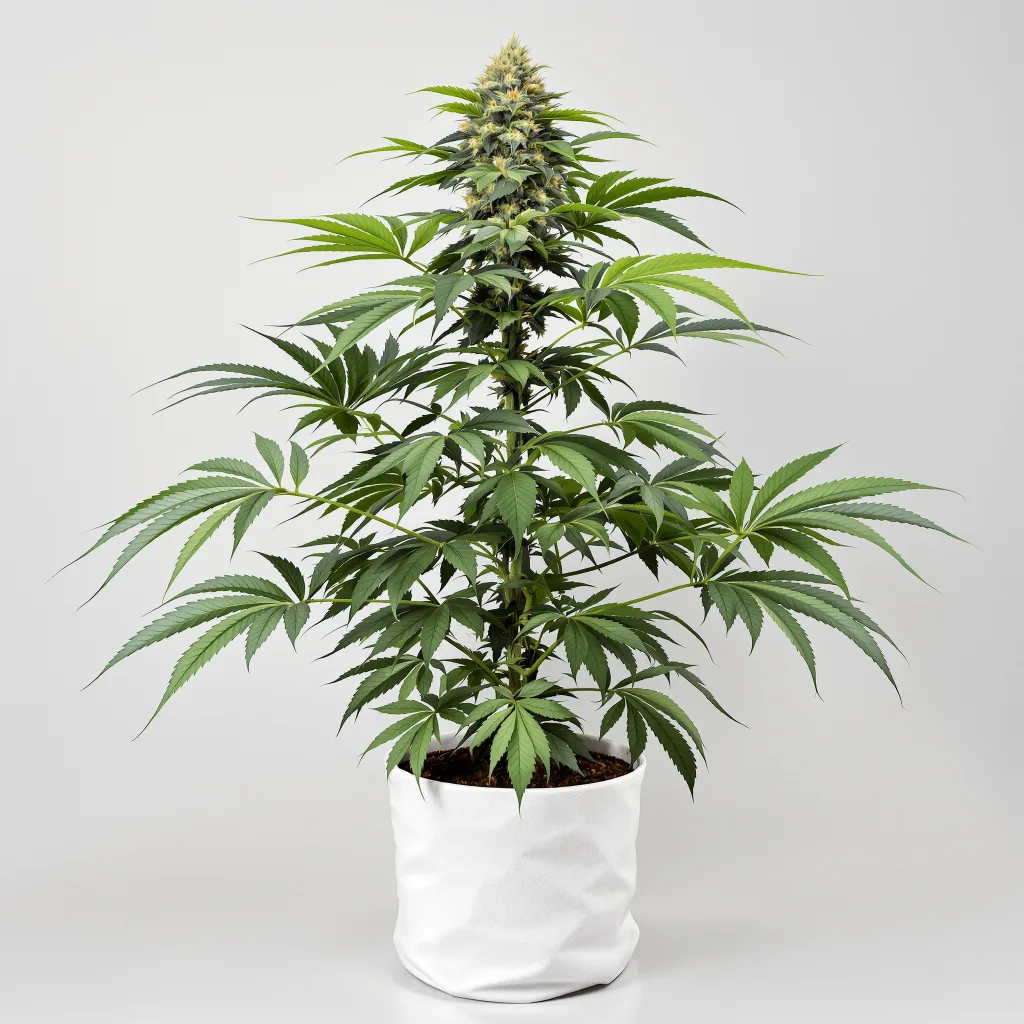
Sour Ape: A Comprehensive Analysis for Medical Use
-
Product on sale
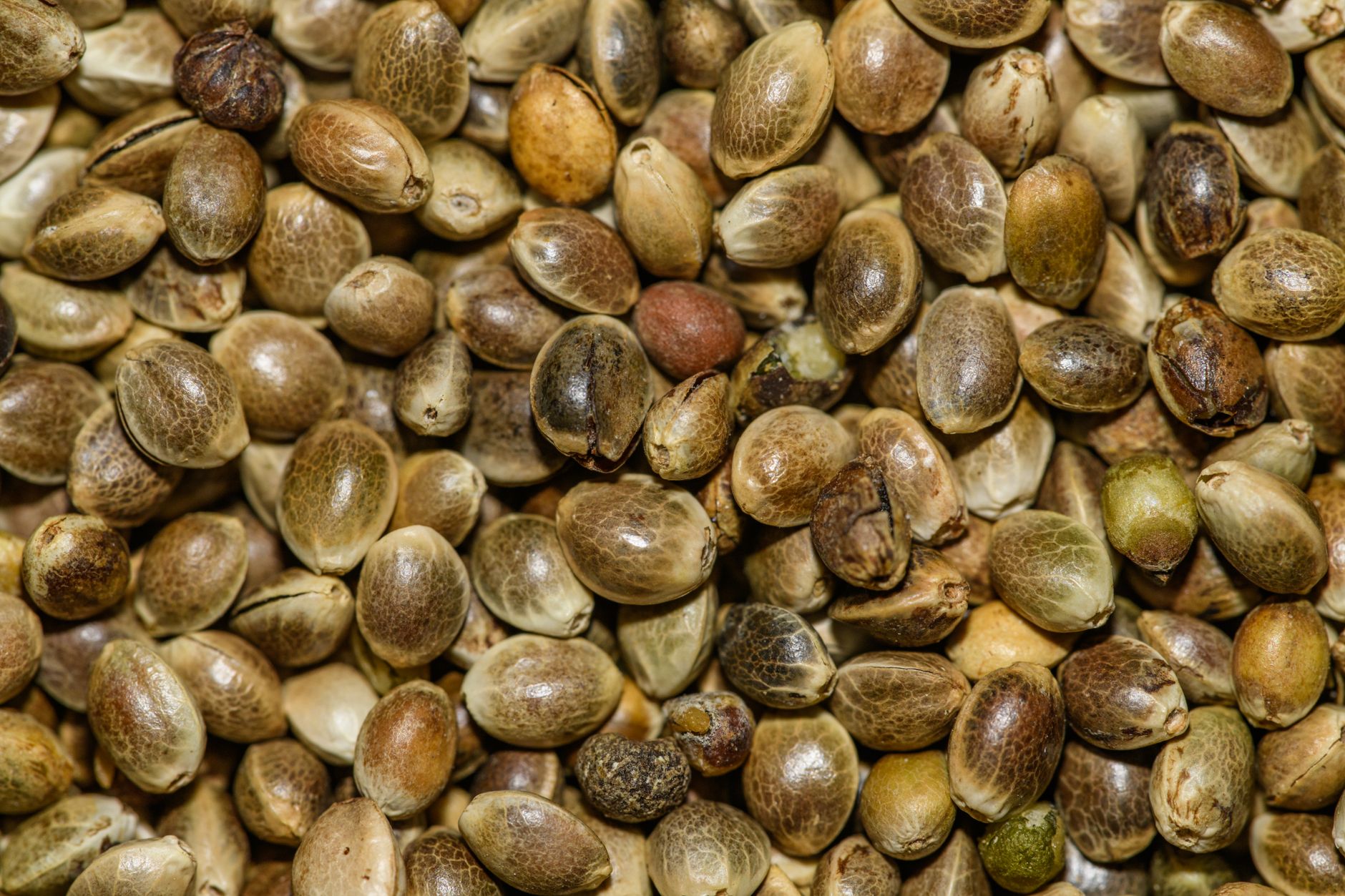
Sour Ape Cannabis SeedsFrom:$24.99$19.99
Introduction
The medical cannabis community has taken notice of the hybrid cannabis strain Sour Ape due to its possible medicinal uses. This strain, a cross between Sour Diesel and Grape Ape, combines the best qualities of its parent strains, making it a powerful option for various medical conditions. This comprehensive analysis delves into the origins, chemical profile, medical benefits, and growing conditions of Sour Ape, focusing exclusively on its medical use and avoiding any discussion of recreational use or consumption methods.
Origins of Sour Ape
Genetic Lineage
Sour Ape is a balanced hybrid strain that emerges from two well-known and respected strains: Sour Diesel and Grape Ape.
- Sour Diesel: Known for its energizing effects and strong diesel-like aroma, Sour Diesel is a sativa-dominant strain that has been a favorite in the cannabis community for decades. It is believed to have originated in the early 1990s and is a cross between Chemdawg, Northern Lights, and Skunk No. 1. Sour Diesel is known for its ability to provide relief from stress, pain, and depression, making it a popular choice for medical users.

- Grape Ape: On the other hand, the indica-dominant strain Grape Ape is distinguished by its rich purple color and pleasant grape-like scent. Afghani, Skunk No. 1, and Mendocino Purps are crossed to create Grape Ape. It is revered for its relaxing effects, making it a go-to strain for those seeking relief from anxiety, insomnia, and chronic pain.

The crossbreeding of Sour Diesel and Grape Ape has resulted in a strain that combines the best of both worlds, offering a balanced effect profile that can be tailored to the needs of medical cannabis patients.
Development and Breeding
The development of Sour Ape likely involved selective breeding to combine the desirable traits of its parent strains. This process would have included stabilizing the strain to ensure consistent expression of its unique characteristics. The breeders aimed to create a strain that could offer the uplifting and energizing effects of Sour Diesel while incorporating the relaxing and pain-relieving properties of Grape Ape. The result is a hybrid that offers a balanced mix of sativa and indica effects, making it versatile for a variety of medical applications.
Chemical Profile of Sour Ape
Cannabinoid Content
The therapeutic potential of Sour Ape is largely attributed to its cannabinoid profile, which includes the primary active compounds found in cannabis. The most notable cannabinoids in Sour Ape are THC and CBD, though other cannabinoids may also play a role in its effects.
- THC (Tetrahydrocannabinol): The main psychoactive ingredient in cannabis, THC, gives users the “high” that comes with using it. In Sour Ape, THC levels typically range from 18% to 24%, making it a potent strain. Despite being psychoactive, THC has a number of medicinal advantages, such as the ability to reduce pain, reduce inflammation, and stimulate appetite.
- CBD (Cannabidiol): CBD is a non-psychoactive cannabinoid that is known for its therapeutic benefits without causing a high. In Sour Ape, CBD levels are typically low, usually under 1%. But in sensitive people, the presence of CBD can help moderate the effects of THC, lowering the risk of anxiety or paranoia.
- Other Cannabinoids: Sour Ape may also contain trace amounts of other cannabinoids, such as CBN (cannabinol), CBG (cannabigerol), and THCV (tetrahydrocannabivarin). These cannabinoids contribute to the entourage effect, where the combined action of multiple cannabinoids enhances the therapeutic potential of the strain.
Terpene Profile
Terpenes are aromatic compounds found in cannabis that contribute to its flavor, aroma, and effects. Sour Ape has a complex terpene profile that enhances its therapeutic potential.
- Myrcene: Myrcene is the most abundant terpene in Sour Ape, contributing to its earthy and musky aroma. Myrcene is known for its sedative effects and is believed to enhance the absorption of cannabinoids, making it a key component in the strain’s ability to relieve pain and promote relaxation.
- Limonene: Limonene is responsible for the citrus notes in Sour Ape’s aroma. It is known for its uplifting and anti-anxiety effects, making it a valuable terpene for patients dealing with stress and depression.
- Caryophyllene: Caryophyllene adds a spicy, peppery aroma to Sour Ape. Being able to interact with the body’s endocannabinoid system and maybe provide analgesic and anti-inflammatory effects makes this terpene special.
- Linalool: Linalool contributes to the floral undertones in Sour Ape’s aroma. It is known for its calming effects and may help with anxiety, stress, and insomnia.
- Pinene: Pinene adds a pine-like aroma and is known for its bronchodilator effects, which may help patients with respiratory conditions. It also has anti-inflammatory properties and may aid in memory retention.
Medical Benefits of Sour Ape
Sour Ape’s balanced cannabinoid and terpene profile make it a versatile strain for medical use. It can treat a variety of illnesses, including mental health issues and chronic pain. Below, we explore the primary medical benefits of Sour Ape.
Pain Relief
Chronic pain is one of the most common reasons patients seek medical cannabis, and Sour Ape is particularly effective in this area. The strain’s high THC content, combined with the analgesic properties of terpenes like myrcene and caryophyllene, provides significant pain relief. Sour Ape is especially beneficial for patients suffering from conditions such as:
- Arthritis: Sour Ape’s anti-inflammatory properties can help reduce the inflammation associated with arthritis, providing relief from joint pain and stiffness.
- Fibromyalgia: Fibromyalgia patients frequently have soreness and extensive discomfort. Sour Ape’s potent analgesic effects can help alleviate these symptoms, improving the quality of life for sufferers.
- Migraines: Sour Ape can be effective in managing migraine headaches due to its ability to reduce pain and inflammation. The presence of pinene may also help with the associated symptoms of nausea and light sensitivity.
Anxiety and Depression
Medical cannabis is being used more and more to treat mental health issues like depression and anxiety. Sour Ape’s unique balance of cannabinoids and terpenes makes it a suitable option for patients dealing with these disorders.
- Anxiety: The limonene and linalool concentration of Sour Ape can aid in lowering anxiety levels and encouraging serenity and relaxation. The moderate THC content also ensures that the psychoactive effects are not overwhelming, reducing the risk of exacerbating anxiety.
- Depression: Depression symptoms may be lessened by the uplifting qualities of limonene and the mood-enhancing qualities of THC. Sour Ape may provide the necessary energy and motivation for patients struggling with this condition.
- PTSD (Post-Traumatic Stress Disorder): Sour Ape’s balanced effects can be beneficial for patients with PTSD, helping to reduce symptoms such as anxiety, depression, and insomnia.
Insomnia
Sleep disorders, including insomnia, are another area where Sour Ape can be highly effective. The sedative properties of myrcene and linalool, combined with the relaxing effects of THC, make this strain a powerful option for promoting restful sleep.
- Chronic Insomnia: For patients who struggle with falling asleep or staying asleep, Sour Ape can provide the necessary relief. The strain’s ability to relax the body and mind can help patients achieve deeper and more restorative sleep.
- Sleep Apnea: While more research is needed, some patients with sleep apnea have reported improvement in their symptoms with the use of cannabis strains like Sour Ape. The degree to which sleep apnea episodes are severe may be lessened by the relaxing of the airway muscles.
Inflammation
Inflammation is a common underlying factor in many chronic conditions, and Sour Ape’s anti-inflammatory properties make it a valuable tool in managing these conditions.
- Inflammatory Bowel Disease (IBD): Sour Ape may help reduce the inflammation associated with IBD, providing relief from symptoms such as abdominal pain, cramping, and diarrhea.
- Multiple Sclerosis (MS): Patients with MS often experience inflammation that leads to pain and muscle spasms. Sour Ape’s anti-inflammatory and muscle-relaxant properties can help alleviate these symptoms, improving mobility and comfort.
- Autoimmune Disorders: For patients with autoimmune disorders such as lupus or rheumatoid arthritis, Sour Ape can help manage the chronic inflammation that drives disease progression.
Appetite Stimulation
Anxiety, eating disorders, HIV/AIDS, and cancer are among the many illnesses that can cause loss of appetite. Sour Ape’s THC content can help stimulate appetite, making it easier for patients to maintain proper nutrition.
- Cancer Patients: Because of nausea and appetite loss, radiation and chemotherapy treatments can cause severe weight loss. Sour Ape can help counteract these effects, making it easier for patients to maintain their strength and energy during treatment.
- HIV/AIDS: Patients with HIV/AIDS often struggle with wasting syndrome, where they lose significant amounts of weight and muscle mass. Sour Ape can help stimulate appetite and improve food intake, supporting overall health and well-being.
- Anorexia: Patients with anorexia may benefit from the appetite-stimulating effects of Sour Ape, helping them to regain weight and improve their nutritional status.
Restrictions on Using Sour Ape in the Medical Field as a Last Resort
Regulatory Considerations
The use of cannabis strains like Sour Ape in the medical field is subject to strict regulations, varying significantly depending on the country or state. Medical professionals often reserve the use of cannabis-based treatments as a last resort, particularly in regions where cannabis remains a controlled substance.
- Regulatory Approval: In many regions, cannabis-based treatments, including those derived from strains like Sour Ape, must receive regulatory approval before being prescribed. This approval process typically involves demonstrating that other conventional treatments have been tried and found ineffective, making cannabis a last-resort option.
- Patient Eligibility: Medical cannabis, including strains like Sour Ape, is often prescribed only to patients who meet specific criteria. These criteria may include a diagnosis of a chronic or debilitating condition, evidence of resistance to standard treatments, or a documented need for symptom management that other medications cannot adequately address.
- Physician Authorization: In jurisdictions where medical cannabis is legal, a physician’s authorization is required to use strains like Sour Ape. The physician must carefully evaluate the patient’s medical history, symptoms, and previous treatment outcomes to determine whether Sour Ape is an appropriate last-resort treatment option.
- Controlled Substance Classification: Cannabis is still categorized as a Schedule I controlled substance in some places, which means that there is no recognized medicinal purpose for marijuana and a high potential for misuse. In these regions, the use of Sour Ape in the medical field is highly restricted and may only be allowed under specific, tightly controlled circumstances, such as clinical trials or compassionate use programs.
Ethical Considerations
Using Sour Ape as a last resort in the medical field also involves ethical considerations, particularly concerning patient safety and informed consent.
- Informed Consent: Patients must be fully informed about the potential benefits and risks associated with using Sour Ape, including the psychoactive effects of THC. They must understand that cannabis-based treatments are being considered because other options have been exhausted, and they should consent to this treatment plan voluntarily.
- Risk-Benefit Analysis: Physicians must conduct a thorough risk-benefit analysis before prescribing Sour Ape as a last-resort treatment. This analysis should consider the potential therapeutic benefits of the strain against the risks, including possible side effects, interactions with other medications, and the potential for psychoactive effects.
- Monitoring and Evaluation: When Sour Ape is used as a last-resort treatment, ongoing monitoring and evaluation are essential. Physicians must regularly assess the patient’s response to the treatment, adjusting the dosage or discontinuing use if adverse effects occur or if the treatment proves ineffective.
Monitoring THC Levels in Medications to Prevent Psychoactive Effects
Importance of THC Monitoring
THC is the primary psychoactive compound in cannabis, responsible for the “high” associated with its use. While THC has therapeutic benefits, particularly for pain relief, appetite stimulation, and anti-inflammatory effects, its psychoactive properties can be undesirable in certain medical contexts. Monitoring and controlling THC levels in medications derived from Sour Ape are crucial to prevent unwanted psychoactive effects, particularly in vulnerable populations such as children, the elderly, and patients with a history of mental health disorders.
- Patient Sensitivity: Some patients may be more sensitive to THC, experiencing anxiety, paranoia, or cognitive impairment at lower doses. Monitoring THC levels helps ensure that patients receive the therapeutic benefits of Sour Ape without experiencing these negative effects.
- Medical Context: In certain medical conditions, psychoactive effects may interfere with the patient’s daily life or treatment goals. For example, patients with anxiety or PTSD may experience exacerbated symptoms with high-THC strains. Monitoring THC levels allows for the careful titration of doses to balance therapeutic effects with patient comfort.
Methods for Monitoring THC Levels
Several methods can be employed to monitor and control THC levels in medications derived from Sour Ape.
- Laboratory Testing: Before any cannabis-based medication is administered to patients, it should undergo rigorous laboratory testing to determine its cannabinoid profile. This testing ensures that THC levels are within the desired therapeutic range and that the product is free from contaminants.
- Standardized Extracts: To provide consistent dosing, medical cannabis products, including those derived from Sour Ape, are often formulated as standardized extracts. These extracts allow for precise control over THC levels, ensuring that each dose contains a consistent amount of the active compound.
- Microdosing: For patients who are particularly sensitive to THC or who require only minimal psychoactive effects, microdosing can be an effective strategy. This involves administering very small doses of Sour Ape extract, gradually increasing the dose as needed while monitoring for adverse effects.
- Ratio-Based Products: Some medical cannabis products are formulated with specific THC
ratios to mitigate the psychoactive effects of THC. CBD is known to counteract some of the psychoactive effects of THC, and products with a balanced or high-CBD ratio can provide therapeutic benefits while minimizing the risk of a “high.” - Patient Self-Reporting: Patients should be encouraged to report their experiences with cannabis-based treatments, including any psychoactive effects they may encounter. This feedback allows healthcare providers to adjust the treatment plan as needed, ensuring that THC levels remain within a tolerable range.
Considerations for Special Populations
When using Sour Ape or other THC-containing strains in the medical field, special considerations must be made for vulnerable populations.
- Pediatric Patients: In pediatric patients, the psychoactive effects of THC can be particularly concerning. Dosing must be carefully controlled, and in many cases, products with minimal or no THC are preferred. If Sour Ape is used, it should be done under strict medical supervision, with close monitoring of THC levels.
- Elderly Patients: The elderly may also be more susceptible to the psychoactive effects of THC, particularly if they have cognitive impairments or are taking other medications that could interact with cannabis. Lower doses and careful monitoring are essential in this population.
- Patients with Mental Health Disorders: For patients with conditions such as schizophrenia, bipolar disorder, or severe anxiety, high levels of THC can exacerbate symptoms. In these cases, cannabis products with low THC and high CBD content may be more appropriate, and close monitoring is necessary to ensure patient safety.
Growing Conditions for Sour Ape

Climate and Environment
Sour Ape is a versatile strain that can be grown both indoors and outdoors. However, its growth requirements must be carefully managed to ensure optimal yields and potency.
- Indoor Growing: Sour apes grow best indoors in a controlled setting with properly regulated light, humidity, and temperature. The ideal temperature range for Sour Ape is between 70°F and 80°F (21°C to 27°C) during the day, with a slight drop at night. Humidity levels should be kept between 40% and 50% during the vegetative stage and reduced to 30% to 40% during flowering to prevent mold and mildew.
- Outdoor Growing: Sour Ape can also be grown outdoors in a Mediterranean-like climate, where it enjoys plenty of sunlight and moderate temperatures. Growers that cultivate their plants outside need to make sure they get at least six hours of direct sunlight each day. Sour Ape plants can be susceptible to pests and diseases, so it is important to monitor the plants regularly and take preventive measures as needed.
- Soil and Nutrients: Sour Ape prefers well-draining soil rich in organic matter. A slightly acidic pH of 6.0 to 6.5 is ideal. During the vegetative stage, the plant requires a nutrient regimen high in nitrogen to support healthy leaf and stem growth. As the plant transitions to the flowering stage, the nutrient balance should shift to higher levels of phosphorus and potassium to support bud development.
Growth Cycle
Understanding the growth cycle of Sour Ape is crucial for maximizing its yield and potency. The strain typically has a flowering time of 8 to 10 weeks, making it a relatively fast-growing option for medical cannabis patients and cultivators.
- Vegetative Stage: During the vegetative stage, Sour Ape focuses on developing strong roots and foliage. Depending on the growing conditions and the grower’s preferences, this stage may take three to six weeks. Providing the plants with ample light (18-24 hours of light per day) and nutrients during this stage is essential for promoting vigorous growth.
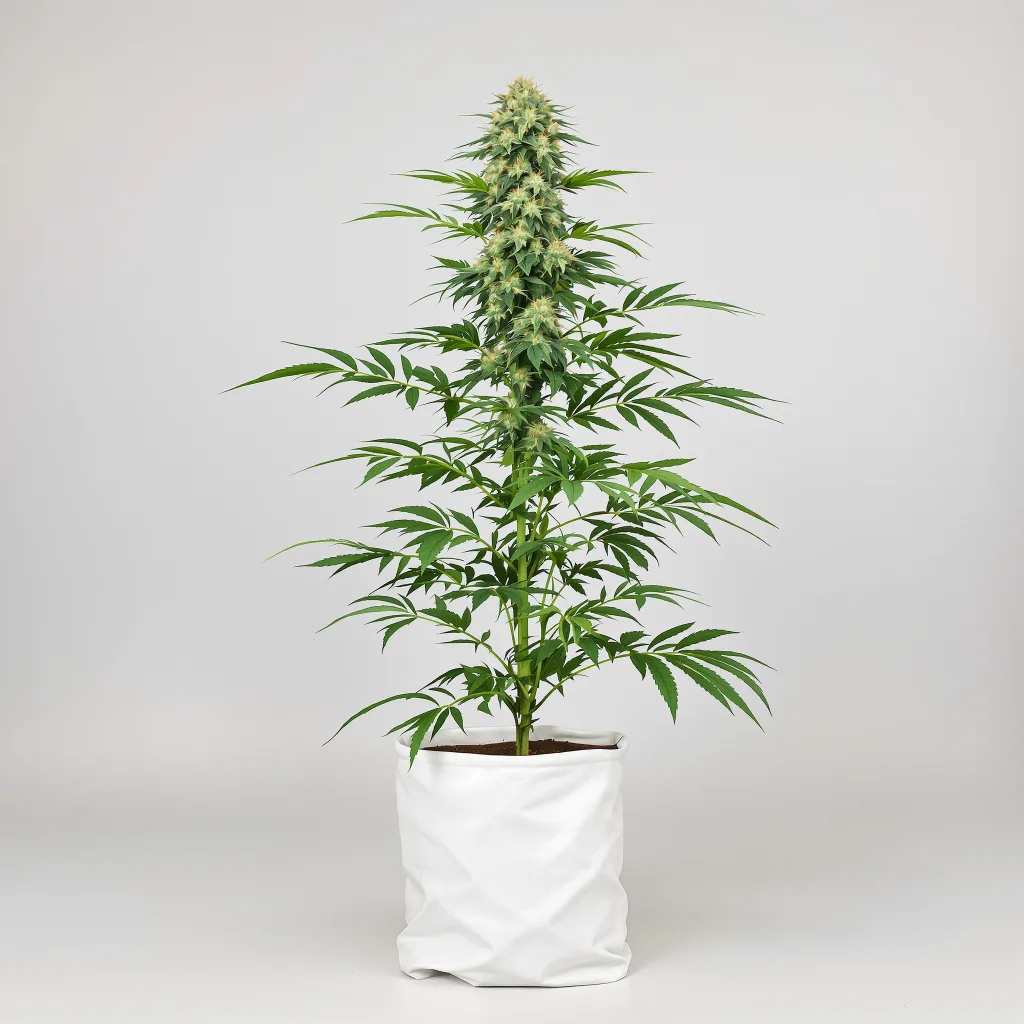
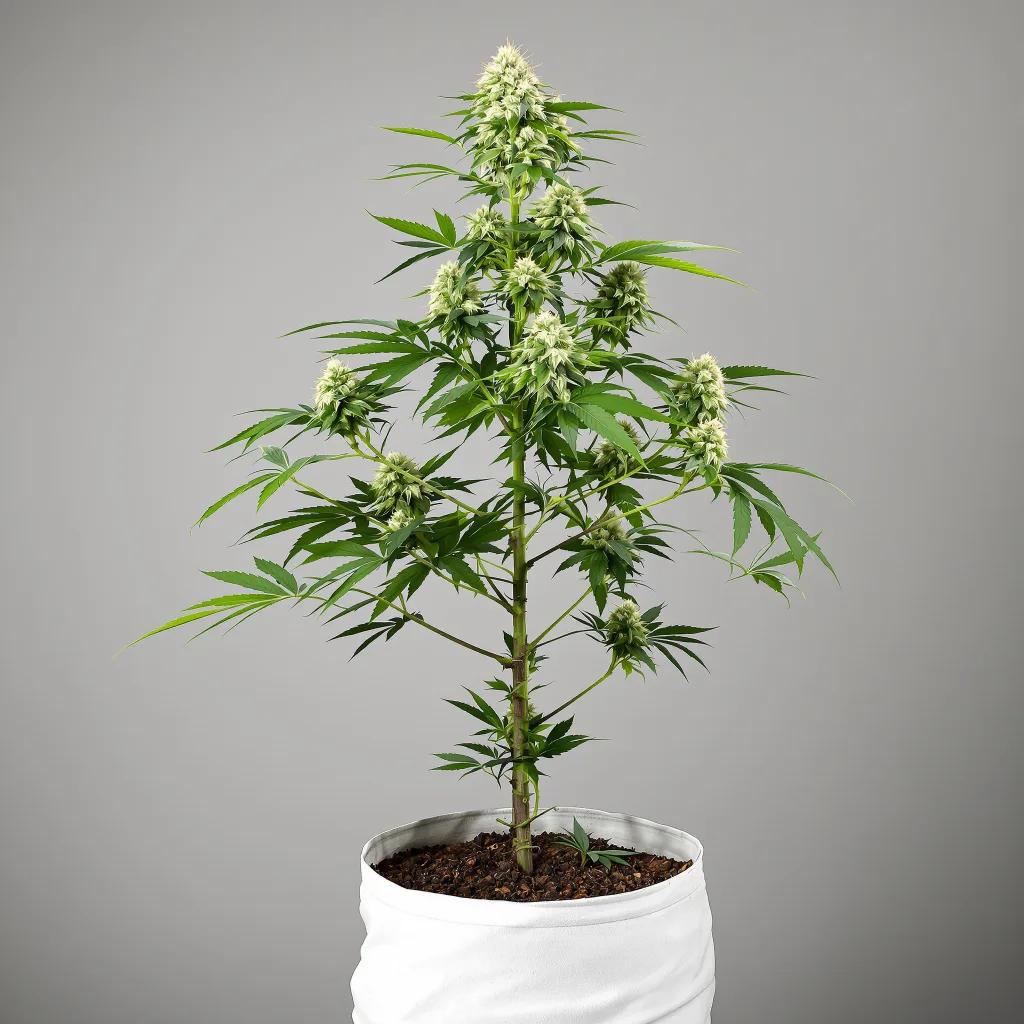
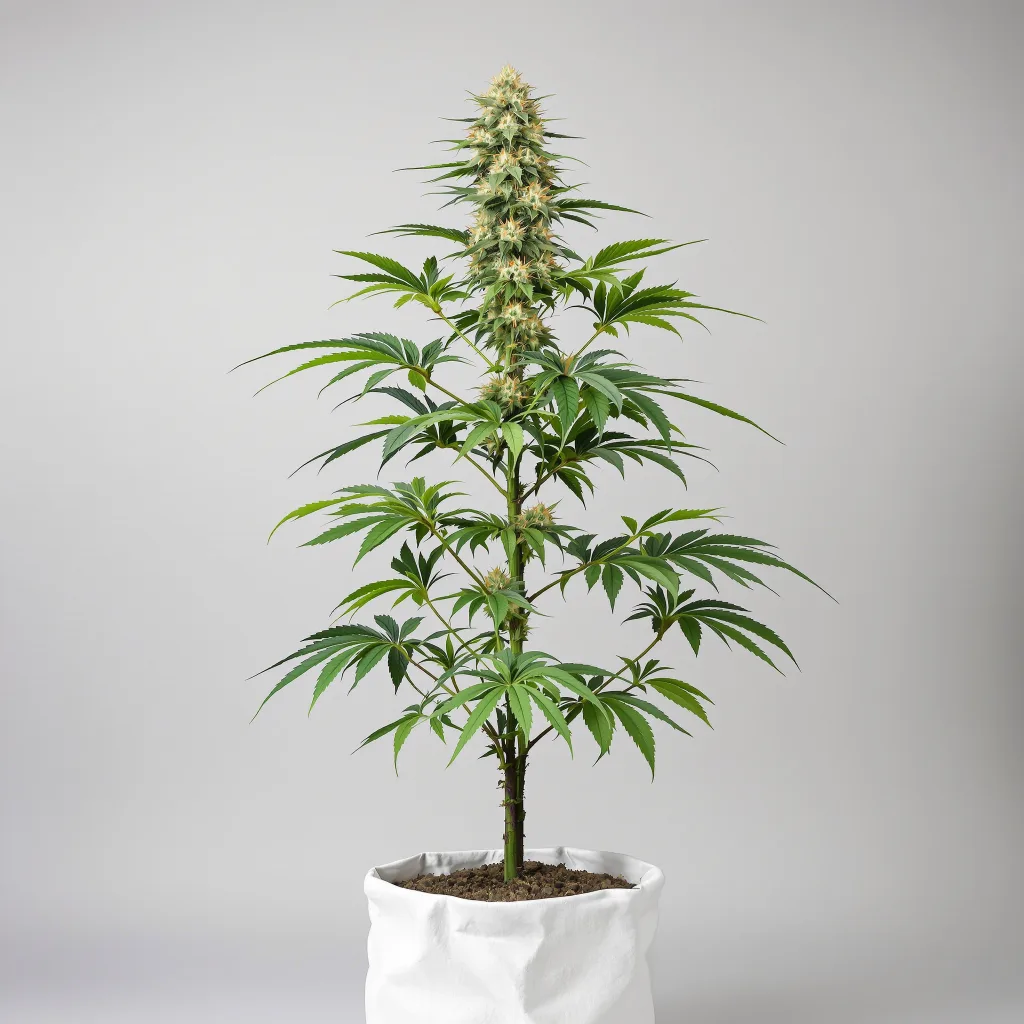
- Flowering Stage: The flowering stage is when Sour Ape begins to develop its characteristic buds. This stage typically lasts 8 to 10 weeks. During this time, it is important to reduce the light exposure to 12 hours per day to trigger the flowering process. Monitoring humidity levels and ensuring proper air circulation are crucial during this stage to prevent mold and mildew from affecting the buds.
- Harvesting: The optimal time to harvest Sour Ape is when the trichomes (the resin glands on the buds) are milky white with a few amber-colored trichomes mixed in. Harvesting at this stage ensures that the buds have reached their maximum potency. To maintain their flavor, perfume, and medicinal qualities, the buds need to be carefully dried and cured after harvesting.
Yield and Potency
Sour Ape is known for its moderate to high yields, making it a rewarding strain for medical cannabis cultivators.
- Indoor Yield: When grown indoors under optimal conditions, Sour Ape can yield between 14 to 18 ounces per square meter. This yield can be influenced by factors such as the grower’s experience, the quality of the growing environment, and the specific phenotype of the plant.
- Outdoor Yield: Outdoor growers can expect higher yields, with Sour Ape producing between 18 to 24 ounces per plant. The actual yield may vary depending on the growing conditions, including sunlight exposure, soil quality, and climate.
- Potency: Sour Ape is a potent strain, with THC levels typically ranging from 18% to 24%. This high potency makes it an effective option for medical patients seeking relief from chronic pain, anxiety, and other conditions. The strain’s terpene profile also contributes to its overall therapeutic potential, enhancing its effects and providing a well-rounded experience for patients.
Conclusion
Sour Ape is a powerful and versatile hybrid strain that brings together the best qualities of its parent strains, Sour Diesel and Grape Ape, to offer significant therapeutic benefits in the medical cannabis field. Its balanced cannabinoid and terpene profile makes it an effective option for managing a wide range of medical conditions, including chronic pain, anxiety, depression, insomnia, and inflammation. This comprehensive analysis has highlighted its origins, chemical makeup, medical applications, growing conditions, and the necessary precautions when using it in the medical field.
While Sour Ape holds great promise for patients, particularly those who have not found relief from conventional treatments, it must be used with careful consideration of its psychoactive properties. Monitoring THC levels in medications derived from Sour Ape is crucial to prevent unwanted psychoactive effects, especially in sensitive populations. Ethical considerations, such as informed consent and thorough patient education, are also vital to ensure safe and effective use.
Cultivating Sour Ape requires an understanding of its growth cycle and environmental needs, but with the right care, it can yield abundant, high-potency crops. This makes it a valuable strain for both medical cannabis users and cultivators.
In summary, Sour Ape stands out as a promising strain in the medical cannabis arsenal, offering relief to those in need while demanding a responsible and informed approach to its use. With the right practices, Sour Ape can continue to be a significant contributor to the advancement of medical cannabis therapies.