Cannabis Flowering and Budding: Complete Stage Guide | Royal King Seeds
Royal King Seeds Editorial Team
Cannabis Cultivator & Seed Specialist
The flip to flower is the moment that separates growers who get average results from those who consistently produce quality. Most growers understand that the 12/12 light cycle triggers flowering, fewer understand that everything changes the moment that switch happens. Nutrient demands shift within days. The plant's relationship with humidity reverses. Height management becomes urgent. And every environmental decision made during the 8-10 weeks that follow has a direct, measurable impact on the density, potency, and terpene quality of the final harvest.
Published cannabis cultivation references describe flowering performance in extensive detail, bud density week by week, nutrient response, trichome development, and how environmental decisions in each phase affect the next. What we have learned is that most of the quality difference between a good harvest and an exceptional one is decided in three windows: the transition from veg to flower (getting the stretch right), the bulk phase (weeks 4-6), and the ripening phase (weeks 7-9). Miss the feeding window in week 4 and your buds develop the structure of something grown at 50% of your light's capacity.
Ignore VPD in week 6 and a single afternoon above 60% humidity can seed botrytis in your densest colas. The flowering stage is not passive, it demands active, informed management at every phase.
Cannabis Flowering Stage, Key Numbers from Our Grows
40-60%
height increase during stretch
75%
of final weight added wk 4-7
5-10 days
peak harvest window
45-50%
target RH in weeks 5-9
75% of your final yield is built in a 4-week window. Miss the feeding and environment targets there and nothing compensates.
Indoor photoperiod data, 480W LED, coco/perlite, controlled environment. Autoflowers follow a compressed but similar progression.
This guide is based on cultivation data from our indoor facility, compiled across multiple strains, environments, and feeding programs. Timelines reflect standard 8-10 week photoperiod genetics under 12/12 lighting. Autoflowers follow a similar but compressed progression. Individual results vary by genetics, environment, and experience level.
Jump to Section
How Cannabis Flowering Is Triggered: The Biology
Photoperiod cannabis flowers when uninterrupted dark periods consistently exceed approximately 12 hours. The mechanism is not light-dependent, it is darkness-dependent. During extended dark periods, the plant synthesizes a flowering hormone called florigen (a protein designated Flowering Locus T, or FT) in the leaves. When FT concentration reaches a critical threshold, it is transported to the shoot apical meristems, triggering the transition from vegetative to reproductive growth.
This is why light leaks during the dark period are genuinely damaging: even brief light interruption suppresses FT accumulation and can delay or prevent flowering onset. Published research in Plant Physiology by Turck et al. (2008) established the FT pathway as one of the most conserved developmental switches in flowering plants. The practical implication: your timer and blackout conditions are not incidental, they are the biological switch. A headlamp check during dark hours, a tent zipper gap near a room light, a timer that drifts 30 minutes over weeks, any of these interferes with the molecular trigger that initiates everything that follows.
Autoflowering cannabis bypasses this system entirely. The Cannabis ruderalis-derived gene in auto genetics triggers flowering based on plant age rather than photoperiod. This is why our autoflowering cannabis seeds begin flowering under 18/6 or 20/4 schedules, and why additional light hours during flower actually increase auto yields rather than reverting the plant to veg. In our indoor auto runs, flowering typically initiates at days 21-28 from germination regardless of light schedule.
Pre-Flip Preparation: Setting Up for a Successful Flower Cycle
The decisions you make in the 7-14 days before flipping to 12/12 determine the quality ceiling of the entire flower cycle. These are interventions you cannot make effectively once the stretch begins.
Height management: Know your strain's stretch ratio before you flip. Indica-dominant genetics typically stretch 40-60% from flip height. Sativa-leaning genetics can stretch 80-120%. If you are in a 5-foot tent with a 12-inch lamp clearance requirement, your effective grow height is around 36 inches. An indica flipped at 20 inches reaches 28-32 inches at stretch peak, manageable. A sativa-dominant plant flipped at the same height reaches 36-44 inches and causes light burn or canopy management emergencies. Flip smaller than you think you need to.
Canopy training completion: Any topping, LST adjustments, or SCROG tuck-ins should be finished before flip. The plant enters a rapid growth phase immediately after the flip, last-minute training during early stretch both stresses the plant at a sensitive transition moment and often proves ineffective because the plant outgrows any adjustments within days. Our complete training guide covers the optimal timing for each technique relative to the flower transition.
Pre-flip defoliation: Remove large fan leaves that are blocking future bud sites 3-5 days before flipping. This opens the canopy right before bud sites begin forming, a more effective timing than trying to defoliate once buds are already developing. This is the highest-impact defoliation window in the entire grow cycle.
Medium and root zone check: Ensure pH is stable and root zone is healthy before putting the plant through the physiological stress of the flowering transition. A plant entering flower with slight root bound or pH drift will magnify both problems under the increased metabolic demands of flower production.
Weeks 1-3: The Stretch Phase
The stretch phase is the most underestimated period in cannabis cultivation. Growers often treat it as a transition to wait through before "real" flowering begins. In reality, what happens during the stretch sets the physical architecture of the plant for the remaining 6-7 weeks of flower development, the number of bud sites, their spacing, their light access, and the fundamental structure that all subsequent bud growth hangs from.
Weeks 3-4: Bud Formation, The Structure-Building Phase
By week 3, the stretch slows and the plant begins putting energy into bud site development rather than stem elongation. This is where the structural framework of every bud you will eventually harvest is built. Calyx stacking begins, the individual flower structures (calyxes) that will eventually develop into dense buds start forming and stacking at each bud site.
Weeks 3-4 are the most critical nutrient management window in the entire grow. The shift from vegetative to reproductive growth creates a sharp increase in phosphorus and potassium demand, these are the macronutrients that directly drive flower formation and energy transfer in the developing bud tissue.
Growers who maintain the same feeding program they used in late veg through weeks 3-4 consistently produce less dense, less developed bud structure than those who adjust. This is not about adding exotic bloom boosters, it is about meeting the genuine P and K demand increase with your base nutrient program.
Weeks 5-6: The Bulk Phase, Where Yield Is Won or Lost
Weeks 5-6 are the peak bud production window. The structural framework built in weeks 3-4 fills in with dense flower tissue, trichome production accelerates, and terpene accumulation begins. 75% of the final weight of well-developed buds is added during this window. Environmental management here is not just about yield, it is about health. This is also when dense indica colas are most vulnerable to botrytis (gray mold) if humidity is not managed correctly.
The environment targets for the bulk phase are more demanding than earlier stages. Humidity should be at or below 50% RH, high-risk for botrytis begins at 55%+ in weeks 5-6. Temperature differential (10-15°F day/night) remains important for terpene concentration and compact bud development. Light intensity should be at its maximum for the cycle, 800-900 PPFD is achievable with most quality 480W LEDs in a 4x4 and produces measurably denser flower than 500-600 PPFD.
In our controlled comparisons of light intensity during the bulk phase, plants receiving 800+ PPFD during weeks 5-6 consistently produced 15-20% more weight than identical genetics receiving 600 PPFD. The difference was visible by the end of week 6, the higher-intensity plants had noticeably more developed calyx structures and better trichome coverage. Light intensity in the bulk phase is the single most impactful environmental variable for final yield. Our grow light and intensity guide covers the PPFD targets, LED positioning, and spectrum considerations for maximum flowering performance.
Weeks 5-6 Bulk Phase, Critical Parameters
Environment Targets
| Day temperature | 75–80°F |
| Night temperature | 62–68°F |
| Relative humidity | 45–50% max |
| Light intensity (PPFD) | 800–900 |
| CO2 (enhanced) | 1000–1500 ppm |
Nutrient Focus
| Nitrogen | Low (minimal) |
| Phosphorus | High |
| Potassium | High (peak demand) |
| Calcium/Magnesium | Moderate (maintain) |
| Input pH (coco/hydro) | 5.8–6.2 |
Weeks 7-9: Ripening, Managing the Final Phase
After the bulk phase, bud growth slows and the plant shifts energy toward trichome maturation and terpene accumulation. Visible bud size increases minimally from week 6 to week 8, the changes happening are biochemical, not structural. Trichome heads transition from clear to cloudy (full THCA accumulation) and eventually begin ambering (THC converting to CBN). Terpene production reaches its peak and then begins slowly declining as volatile compounds evaporate.
This phase requires a different environmental strategy than the bulk phase. Humidity should now be below 45% RH, both to protect the dense, mature flower from mold and to provide the mild environmental stress that some research suggests concentrates terpene production. Temperature differential continues to be valuable: our VPD and humidity guide covers the precise targets for each flowering stage in detail. The 10-15°F day/night drop commonly run in ripening phase consistently produces flower with more distinct terpene profiles than runs at a flat temperature.
Nutrient management transitions to reduced or eliminated inputs by week 7-8. Most growers begin running only pH-adjusted water for the final 7-14 days, allowing the plant to metabolize stored nutrients and reducing salt accumulation in the flower tissue. Whether pre-harvest flush measurably improves smoke quality is scientifically debated, but it costs nothing and prevents the common mistake of overfeeding in the final week. Our trichome and harvest timing guide covers the specific visual indicators that determine the exact harvest day within this window.
Flowering Nutrient Guide: Stage-by-Stage
Flowering nutrition is not one formula applied from flip to harvest, it is a moving target that changes with each phase of flower development. Getting the transitions right is as important as having the right base nutrients.
Flowering Nutrition by Phase
| Phase | N-P-K Direction | Key Adjustments and Watch Points |
| Stretch (Wk 1-2) | N↓ P↑ K↑ gradual | Gradual transition, do not cut N abruptly. Transition over 7-10 days to avoid shocking the plant in early stretch. Maintain Ca and Mg levels, rapid cell division during stretch increases demand. |
| Bud Formation (Wk 3-4) | N↓↓ P↑↑ K↑↑ | Peak P demand for bud structure. Bump phosphorus 30-40% from transition levels. If using 2-part or 3-part nutrient system, this is when the bloom component ratio increases significantly. Watch for K deficiency (brown leaf margins), it emerges here if K is not adequately raised. |
| Bulk Phase (Wk 5-6) | N min P↑ K↑↑↑ | Potassium demand peaks during bud mass accumulation, K drives water transport, enzyme activation, and resin production. Minimum N, any excess N now produces soft, fluffy bud structure. Monitor runoff EC (target 1.2-1.8 in coco) to avoid salt accumulation at peak feed levels. |
| Ripening (Wk 7-8) | N↓ P↓ K↓ gradual reduction | Begin reducing overall nutrient strength. Some genetics show late-flowering nitrogen deficiency (lower leaf yellowing) at this stage, this is normal plant behavior, not a problem requiring correction. Do not push extra N in response to natural late-flower yellowing. |
| Pre-Harvest (Wk 8-9+) | Water only | pH-adjusted water only. 7-14 days of flush before harvest. Runoff EC should be declining toward input EC. Plants will yellow further, expected and harmless at this stage. |
Environment Control During Flower: What Changes and Why
The environmental needs of a cannabis plant in flower are fundamentally different from its needs in veg, and many of the changes go in the opposite direction from what growers expect.
Humidity must decrease as flower progresses. In veg, 60-70% RH supports fast growth without mold risk because the open canopy allows airflow. In flower, dense bud structures create humid microclimates between calyxes where botrytis spores can germinate. A single afternoon at 65%+ RH with poor airflow in week 6 can seed mold in your densest colas that becomes visible (and devastating) two days later. The target progression: 55-60% RH in weeks 1-3, 50-55% in weeks 3-5, 45-50% in weeks 5-7, 40-45% in weeks 7-harvest. If you cannot maintain this in your climate, increase airflow, add a dehumidifier, or choose genetics with open bud structures that are less susceptible.
Temperature differential becomes more important. The 10-15°F day-to-night drop that growers often maintain loosely in veg becomes a precision target in flower. Published cultivation runs show, plants experiencing consistent 12-15°F differentials develop measurably better terpene profiles than those with less than 8°F differentials, published reports document this across multiple strains and environments. The cooler nights slow terpene volatilization during the dark period and appear to support terpene accumulation in the ripening phase. This is achievable in most indoor environments by timing the lights-off period with cooler overnight temperatures.
CO2 enhancement has its highest ROI in the bulk phase. Elevated CO2 (1000-1500 ppm) increases photosynthetic efficiency and is most beneficial when light intensity is at its highest, typically weeks 5-6. Running CO2 with inadequate light intensity produces marginal benefit. Running it at high light intensity during the bulk phase consistently shows 10-15% yield improvements in aggregated grower-community reports.
Common Flowering Mistakes and How to Avoid Them
Flipping too tall: The most common error, especially in first and second grows. Double the height of your plants at flip (for indica hybrids) to estimate final canopy height, then add your light clearance requirement. If the math does not work, flip shorter. You cannot un-grow a plant once the stretch starts.
Maintaining veg nutrients through flower: High nitrogen in early flower produces excessive vegetative growth, delays the nutritional transition, and creates soft, airy bud structures that do not develop density even with ideal light and environment. Begin transitioning to bloom nutrients at the same time you flip the lights.
Ignoring humidity in weeks 5-7: Botrytis (gray mold) is the single most common cause of significant harvest loss in indoor growing. It is preventable, but only if humidity is managed before the problem begins, not after. By the time you see gray mold on a dense cola, it has been developing inside the bud for 3-5 days. Maintain 45-50% RH from week 4 onward without exception.
Harvesting by the calendar: Breeder flowering time estimates are averages for one specific environment. Trust the trichomes, not the day count. We have harvested the same strain 10 days earlier and 7 days later than the stated flowering time in different environmental conditions, both were correct for those conditions. Use the breeder estimate as a guide for when to start monitoring, not as a harvest trigger.
Defoliating in late flower: Removing fan leaves in weeks 5-8 to "open up the buds" reduces photosynthetic capacity during peak bud production. The bud mass that was building from that leaf area stops building. Save defoliation for the pre-flip window and week 3 of flower, the points where it improves light access without reducing production capacity.
Flowering Stage Monitoring Checklist
Weekly Flowering Checklist
Run through this checklist each week during flower. Catching issues early in each phase prevents problems in the next.
Every Week: Environmental Monitoring
Verify humidity is at target for the current phase. Check day and night temperatures, ensure night temp drop is 10°F+. Inspect for light leaks (walk the perimeter of the space during dark period, any visible light is a potential problem). Check airflow is moving through the canopy, not just above it. Photograph plants under consistent lighting for trend tracking.
Weeks 1-3: Stretch Management
Track height progression and compare to stretch ratio expectations. Supercrop any branches approaching within 18 inches of the light. Complete all SCROG tucks by week 2 end. Transition nutrients from veg to bloom over 7-10 days. Log exact height at flip and at end of week 3 to calibrate future flip timing for this strain.
Weeks 3-4: Bud Formation Check
Verify calyx stacking is visible at bud sites, confirms the plant is responding to the photoperiod change. Light defoliation if needed (remove only leaves blocking bud sites). Check PK levels are elevated in your nutrient program. Look for any early signs of potassium deficiency (brown leaf margins starting at tips), correct pH and increase K before it progresses.
Weeks 5-6: Bulk Phase Monitoring
Verify humidity is below 50% RH, inspect dense colas with airflow probe if possible. Check for any botrytis signs (gray or brown coloration on bud exterior, fluffy gray mold visible on interior when bud is separated). Maximize light intensity for this phase. Monitor runoff EC for salt accumulation. No defoliation this phase or after.
Weeks 7-9: Ripening and Harvest Readiness
Begin trichome evaluation weekly with 60x+ magnification on main cola calyxes. Track amber percentage progression. Reduce humidity below 45% RH. Begin water-only feeding at week 7-8. Prepare dry room before harvest day, environment, hanging setup, RH/temp control. See our trichome guide for exact harvest readiness criteria.
For genetics that perform well through this framework, the starting point matters. Indica-dominant seeds offer the most predictable stretch ratios and the most forgiving environmental tolerances in late flower. Hybrid strains balance yield potential with manageable growth habits. And for growers who want to skip the photoperiod management entirely, autoflowering genetics follow a fixed timeline that removes the complexity of the flip, the stretch management, and the light schedule requirements entirely while modern auto genetics deliver flower quality that rivals photoperiod strains.
Frequently Asked Questions
How do I know the flowering stage has started?
Why are my buds not fattening in week 5?
What causes light stretching in the flowering stage?
Can I top or train during the flowering stage?
How do I prevent mold during the cannabis flowering stage?
What is the best light schedule for cannabis flowering?
Why do cannabis leaves turn yellow during flowering?
Shop Strains Featured in This Guide
Hand-picked seeds from our catalog that match this article's topic. Free US shipping over $150 with 95% germination guarantee.
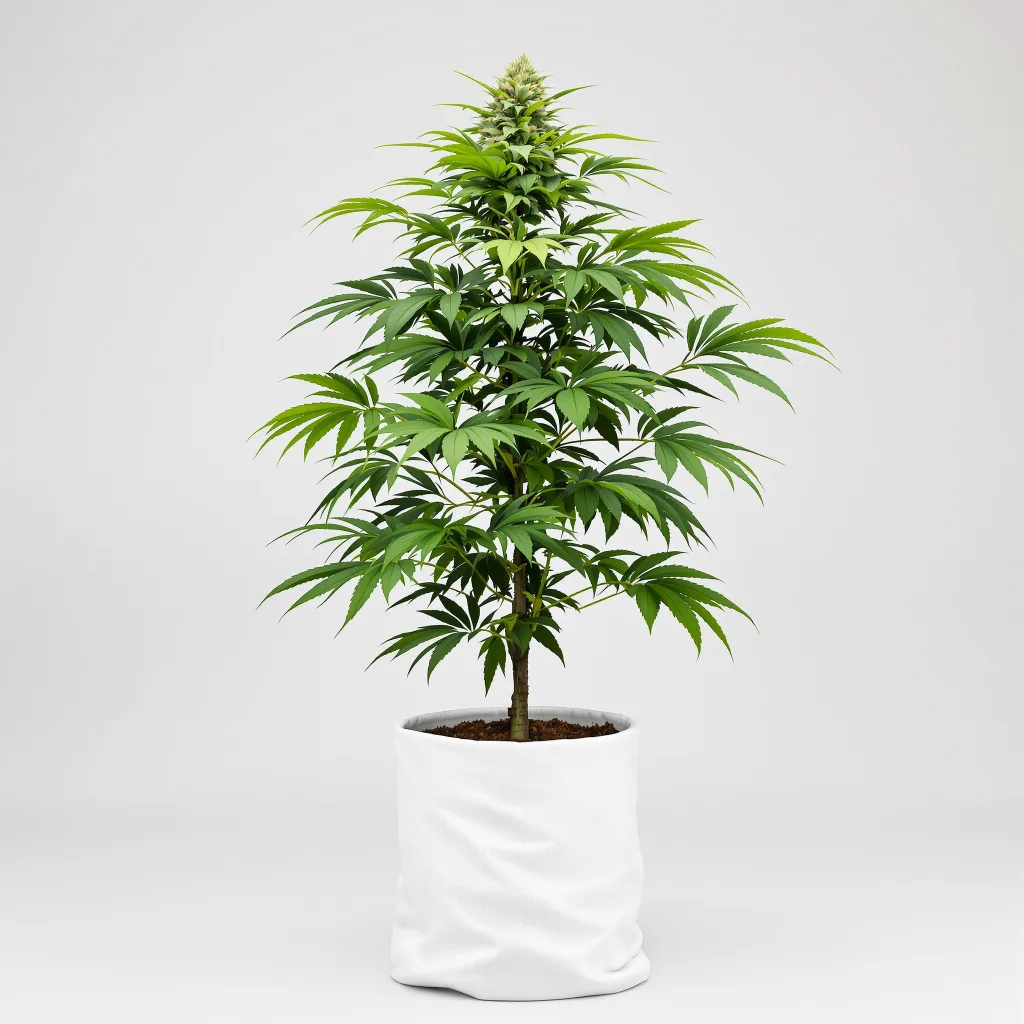
indica
9 Pound Hammer Auto
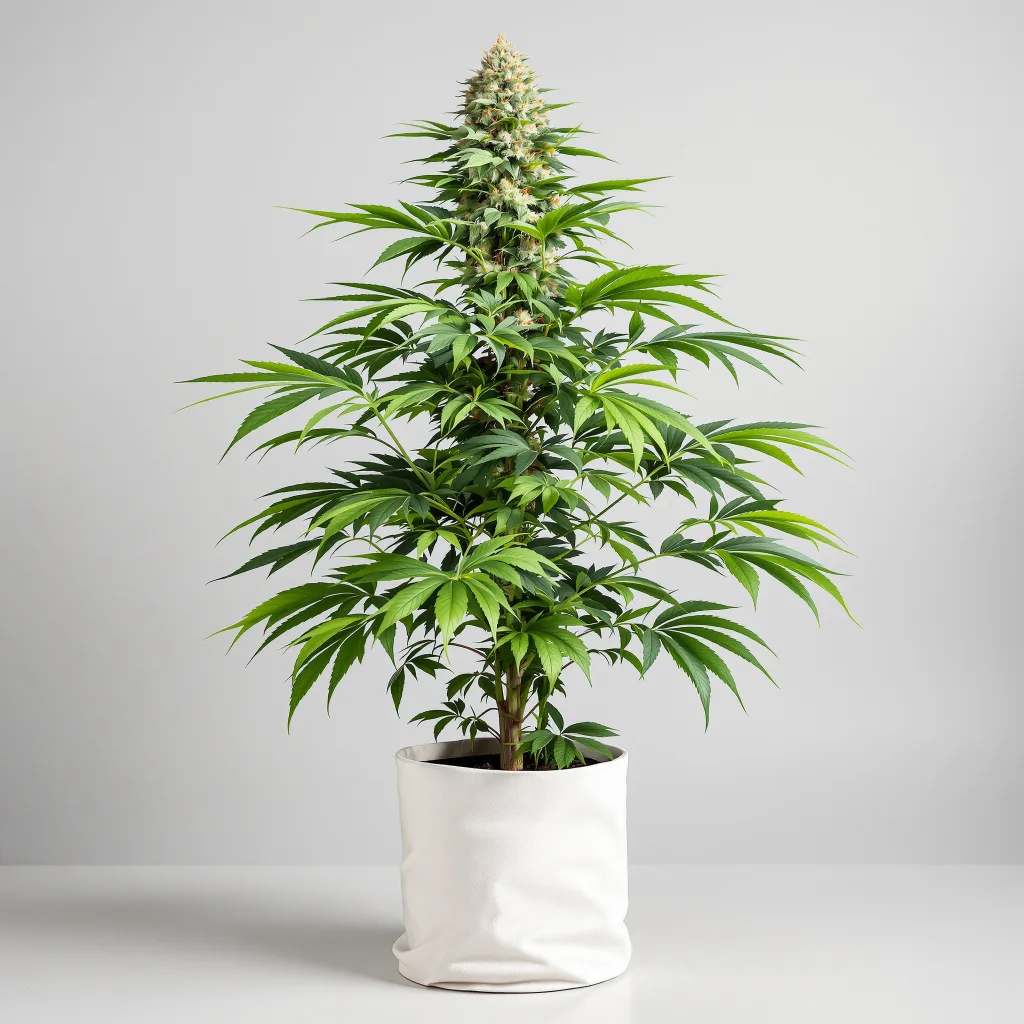
indica
Aliens On Moonshine Auto
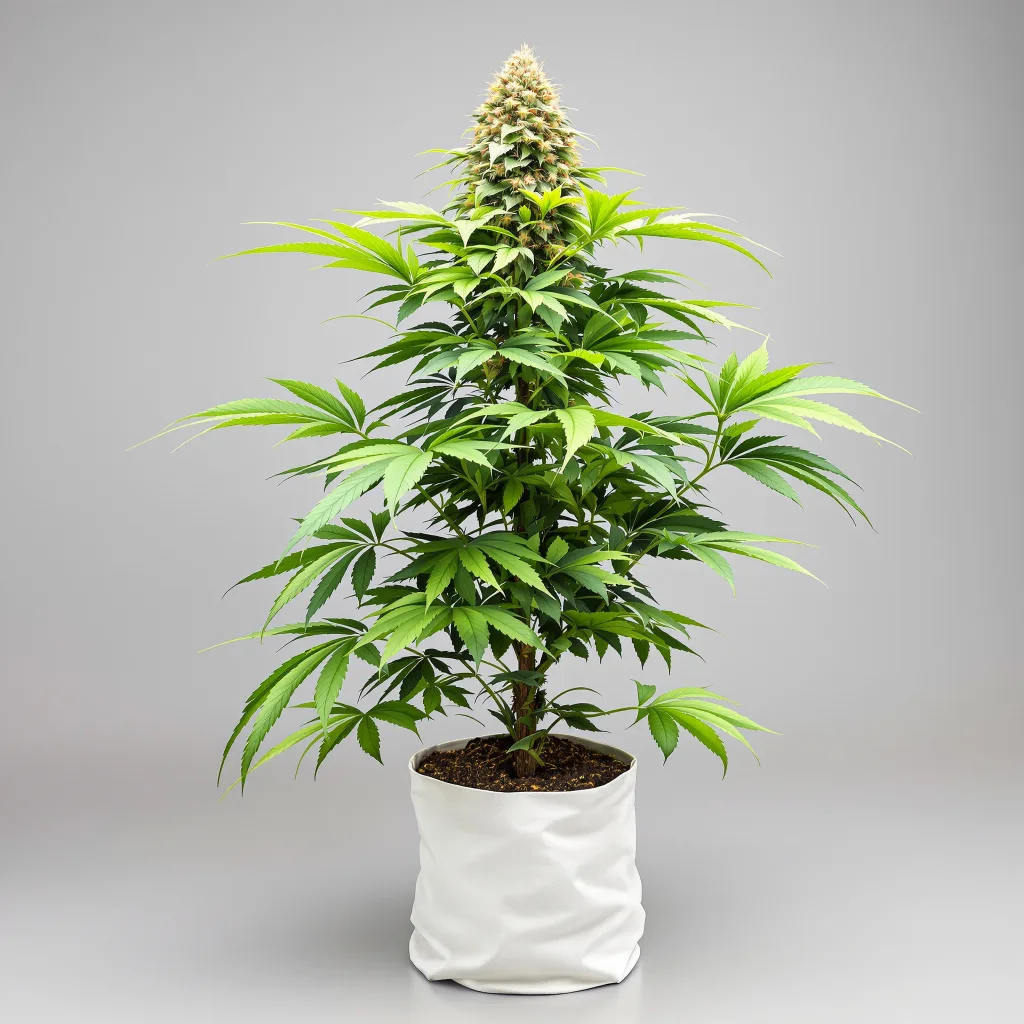
indica
Lee Roy Auto
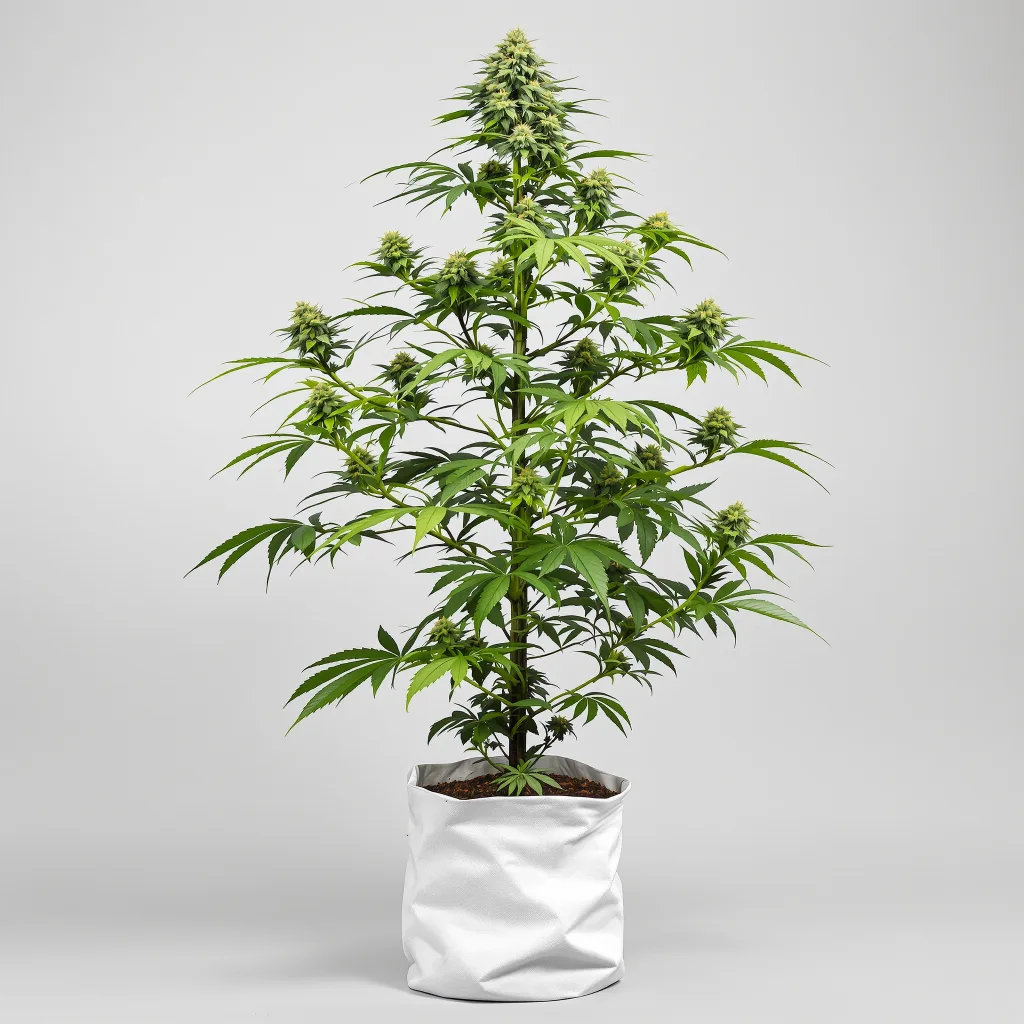
hybrid
NYC Diesel Auto
Related Buying Guides
Browse the full All Cannabis Seeds collection
Premium genetics, US-wide discreet shipping, germination guaranteed.
Related Articles
Ready to Start Growing?
Shop 1,600+ feminized, autoflower, and CBD strains with 95% germination, discreet US-wide shipping, and free delivery on orders over $150.
Shop Cannabis Seeds