How to Flush Cannabis Before Harvest | Royal King Seeds
Royal King Seeds Editorial Team
Your nutrients aren't the problem — your timing is. The most common reason homegrown cannabis tastes harsh, chemical, or "chemical-like" after curing isn't a bad strain or a poor dry — it's failing to flush before harvest. Growers who skip this step lock excess nutrient salts into their buds during the final weeks, and no amount of curing fixes that. The fix is simple: 7–14 days of plain, pH-balanced water before chop day. This guide walks you through exactly when to start, how much water to use, what to look for, and the common mistakes that turn a good flush into wasted time — with a named framework and full decision tree so you never miss the window again.
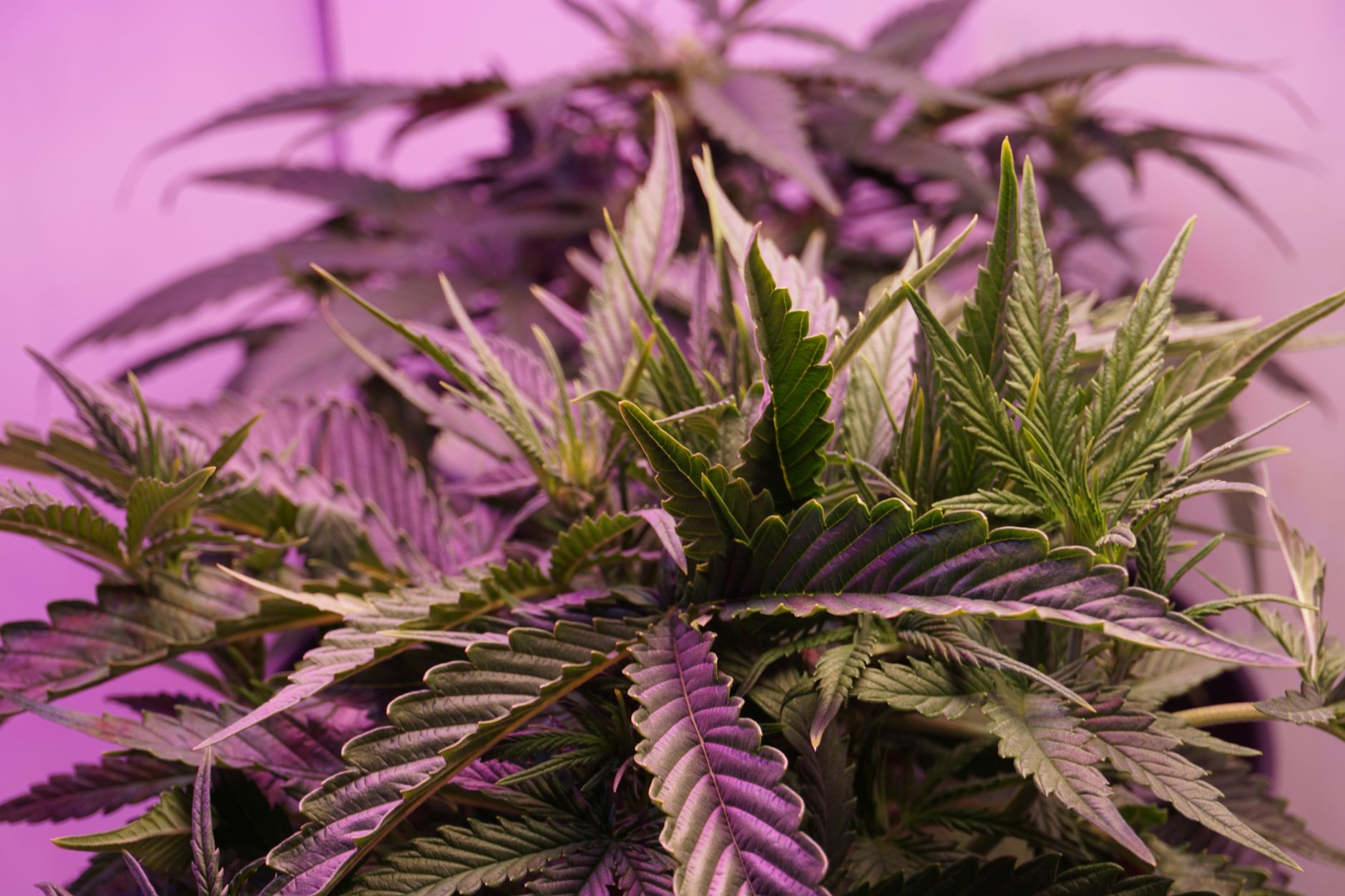
Start flushing 7–14 days before planned harvest. Run plain, pH-balanced water through the root zone at a volume of 3× the container size (e.g., 9 gallons through a 3-gallon pot). In soil, aim for pH 6.0–6.5; in coco or hydro, aim for pH 5.5–6.0. Stop all nutrients from the moment flushing begins. Monitor runoff TDS — a drop from 2,000+ ppm down toward 300–500 ppm signals a successful flush.
Curious fact: Unflused buds can run 1,500–2,500+ ppm in runoff at harvest — over 5× the target level.
- ✓ Soil, coco, and hydro growers approaching final weeks
- ✓ First-time growers who want clean-tasting harvests
- ✓ Experienced growers who've had "chemical" flavor issues
- ✓ Anyone running heavy nutrient programs (bloom boosters, PK supplements)
- ✓ Growers using autoflower seeds or feminized seeds finishing indoors or outdoors
- ✗ Growers who have already chopped and are in the dry/cure phase
- ✗ Growers using only organic, living-soil programs (different protocol applies)
- ✗ Commercial/licensed facility operators (consult a licensed agronomist)
- ✗ Growers seeking general strain recommendations only
What Is Flushing Cannabis Plants?
Flushing is the practice of running plain, pH-balanced water through the growing medium in the final days or weeks before harvest — with no added nutrients — to displace accumulated mineral salts from the root zone and substrate.
Throughout a cannabis grow, nutrient solutions leave behind mineral residues in the growing medium and, to a lesser extent, in plant tissue. These accumulated salts can impart a harsh, chemical, or "nutrient-burn" flavor profile in the final product — even after drying and curing.
During a flush, the plant shifts its metabolic focus. With no incoming nutrients, it draws on internally stored reserves, progressively depleting them through the final ripening stage. This process — combined with lower TDS (total dissolved solids) in the root environment — is widely cited across grower communities and cultivation references as a key step toward a cleaner, smoother smoke. Per NIH NCCIH, cannabinoid and terpene development continues in the final ripening phase, making substrate conditions in those final weeks meaningful.
Does Flushing Cannabis Actually Improve Flavor?
The debate around flushing has real nuance — but the grower-reported evidence is difficult to ignore. Aggregated public grow journals and cultivation forum data consistently show that growers using synthetic nutrient programs who implement a proper 7–14 day flush report smoother, cleaner flavor compared to their no-flush runs using the same strains.
The mechanism is straightforward: synthetic nutrient programs deliver concentrated mineral salts — nitrogen, phosphorus, potassium, calcium, magnesium, micronutrients — directly to the root zone in soluble form. These don't disappear when feeding stops. They persist in the substrate and are available to the plant until displaced or consumed.
A well-cited 2021 study published in the Journal of Cannabis Research noted that cultivation practices in the final maturation phase measurably affect the terpene and mineral content of harvested material — supporting the rationale for modified feeding protocols pre-harvest.
Important caveat: Living soil and organic programs behave differently. Organic inputs are broken down by microbial activity into plant-available forms over time — there's no sharp salt buildup the same way. Flushing a living soil bed can actually harm the microbial ecosystem. For organic growers, a modified "light water only" final week is often recommended instead of a full salt-clearance flush.
| Myth | Reality |
|---|---|
| Flushing starves the plant and hurts yield | In the final 7–14 days, bud mass is largely set. Flushing does not meaningfully reduce yield at this stage. |
| More water = better flush (always) | Over-watering saturates roots and can cause root rot. 3× pot volume per flush event is the recommended ceiling. |
| Flushing works the same in all media | Soil retains more mineral salts than coco. Coco may need only 3–5 days of flush; soil needs 7–14. |
| You can flush and then add nutrients again | Re-feeding after starting a flush reloads the substrate with salts — defeating the entire purpose. |
| Organic growers should flush the same way | Organic/living soil growers should use plain water only in the final week — a full heavy flush can damage beneficial microbes. |
When Should You Start Flushing Before Harvest?
Timing the flush correctly is the single biggest variable. Start too early and you unnecessarily withhold nutrients during active bud development. Start too late and you don't clear enough salt buildup before chop day.
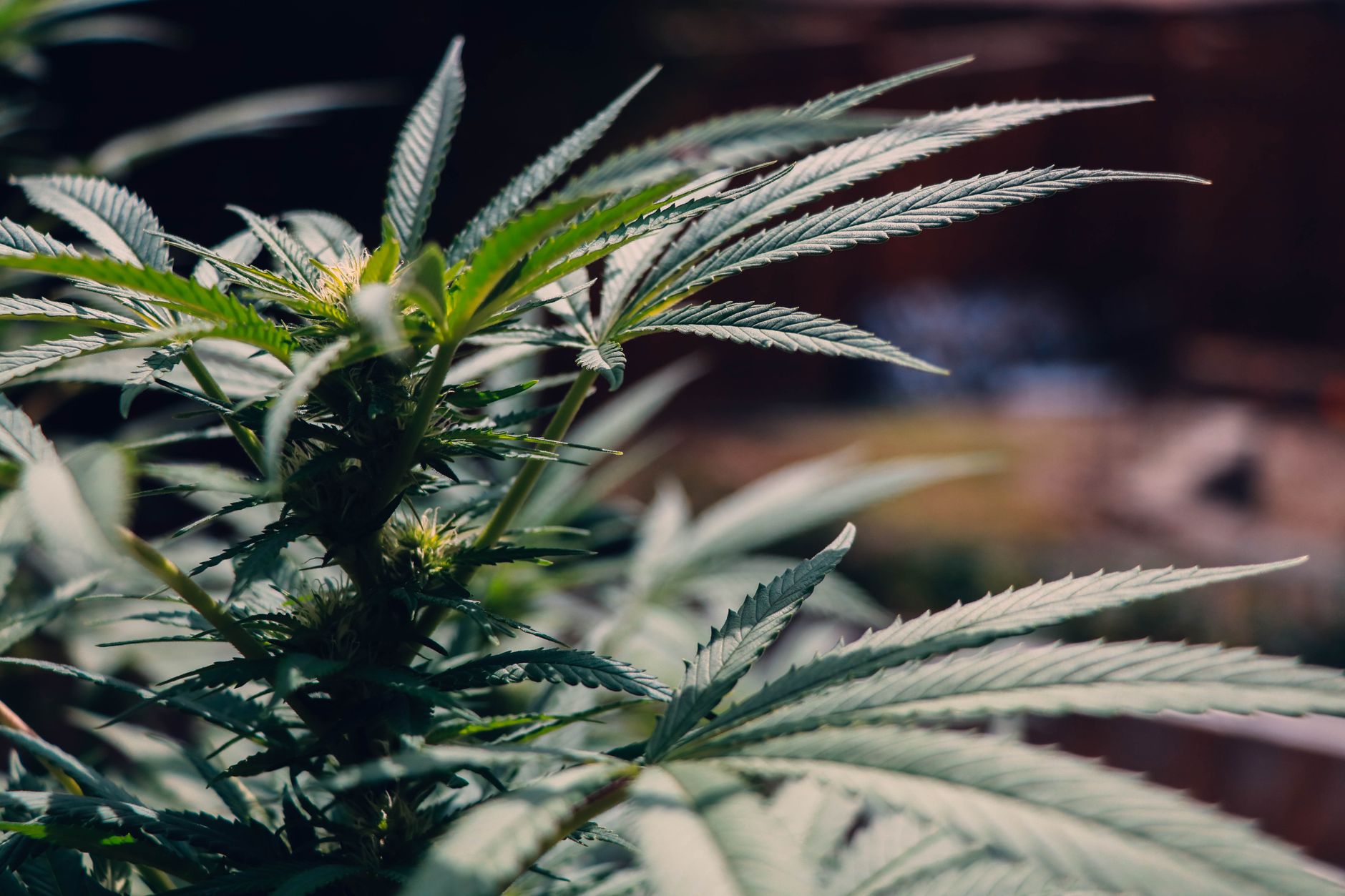
The right flush window depends primarily on your growing medium — because different substrates hold mineral salts with different tenacity. Here's the practical breakdown:
- Soil: Begin flushing 10–14 days before planned harvest
- Coco coir: Begin flushing 5–7 days before planned harvest
- Hydro (DWC, NFT, aeroponics): Begin flushing 3–5 days before planned harvest
- Living soil / organic: Switch to plain water only in the final 5–7 days (not a full flush)
To identify the right moment within your grow, you need two signals: trichome maturity (check under a jeweler's loupe — mostly cloudy, some amber) and breeder-listed finish time. If your strain is listed at 8 weeks of flower and you're entering week 7, that's your flush trigger for soil.
A systematic way to calculate your ideal flush start date from any breeder-listed flowering time.
Formula: Flush Start Date = Flip Date + (Breeder Flower Weeks − Flush Window Days ÷ 7)
Worked Example (Soil grower): You flipped to 12/12 on August 1. Your strain's breeder-listed flower time is 63 days (9 weeks). Your medium is soil → 14-day flush window. Calculate: Aug 1 + (63 − 14) days = Aug 1 + 49 days = September 19 — flush start date. Planned harvest: ~October 3.
Always verify trichome maturity before committing to harvest — the formula gives a target date, trichomes give the confirmation signal.
Flush Timing by Week: Final 4 Weeks of Flower (Soil)
Full feeding continues — P/K boost phase
Begin monitoring trichomes daily — prepare to flush
Stop nutrients. Run 3× pot volume of plain pH water.
Trichomes cloudy/amber. Runoff TDS 300–500 ppm. Chop.
How to Flush Cannabis Plants: Step-by-Step
Flushing correctly takes less than 30 minutes per plant. The key is using the right water volume, the right pH, and monitoring runoff TDS to know when you're done.
Step 1: Confirm Your Plants Are Ready to Flush
Use a 30–60× jeweler's loupe or digital microscope. Look at bud trichomes (not sugar leaves). Mostly cloudy with 10–20% amber = flush time in soil. Mostly cloudy with only a few amber heads = you're 1–2 weeks away — continue nutrients and check again in 4–5 days.
Step 2: pH Your Plain Water to the Correct Range
Plain tap water is rarely the correct pH. Use a digital pH meter and pH Up/Down solution. Target: 6.0–6.5 for soil, 5.5–6.0 for coco and hydro. Out-of-range pH during flushing causes nutrient lockout symptoms that look like deficiencies — don't mistake this for a flush problem.
Step 3: Calculate Your Flush Water Volume
Use 3× the container volume per flush event. A 5-gallon pot needs 15 gallons of plain water passed through it. A 3-gallon pot needs 9 gallons. Do this all at once in one session — not spread across multiple small waterings.
Step 4: Run the Water Slowly and Steadily
Pour or drip water in slowly enough that it saturates the medium fully rather than channeling through one spot. Allow full drainage before adding more. The goal is thorough saturation, not a fast rinse. Elevate pots on pot risers or a wire rack to ensure full runoff drainage.
Step 5: Test Runoff TDS at the Start and End
Collect runoff water and test with a TDS/EC meter. A soil pot that hasn't been flushed often runs 1,500–2,500 ppm or higher. After passing 3× pot volume through, test the final runoff. If it's below 500 ppm, you've achieved a good flush. If it's still above 800 ppm, run another gallon or two and test again.
Step 6: Water with Plain pH Water Every 2–3 Days Until Harvest
After the initial large-volume flush, continue watering with plain pH water on your normal watering schedule (when the top inch of medium is dry). Do NOT re-introduce nutrients. Each watering event continues to dilute residual salts.
Step 7: Monitor Leaf Color Change
During flushing, fan leaves will progressively yellow and drop off — this is normal and expected. It's a visible sign the plant is consuming its stored nutrient reserves. By harvest day, significant yellowing is a positive indicator of a clean flush, not a problem.
Step 8: Harvest at Peak Trichome Maturity
After 7–14 days of flushing (medium-dependent), confirm trichomes one final time. Harvest when you see the trichome mix that matches your target experience: mostly cloudy for peak THC / energetic effects, or 20–30% amber for heavier, more sedating effect. For high THC strains, cloudy-dominant is typically the sweet spot.
Getting close to harvest? Start with great genetics.
Our feminized cannabis seeds come with breeder-accurate flowering time data so you can plan your flush window precisely from day one.
Browse Feminized Seeds →How to Flush Cannabis by Growing Medium
Different growing media hold mineral salts differently — this is the single biggest variable in flush timing and technique. Here's the full breakdown.
| Medium | Flush Start | Water Volume | Target pH | Target Runoff TDS | Difficulty | Salt Retention |
|---|---|---|---|---|---|---|
| Soil (Synthetic) | 10–14 days pre-harvest | 3× pot volume | 6.0–6.5 | 300–500 ppm | Easy | High |
| Coco Coir | 5–7 days pre-harvest | 3× pot volume | 5.5–6.0 | 200–400 ppm | Easy | Medium |
| DWC / Hydro | 3–5 days pre-harvest | Full reservoir change to plain water | 5.5–6.0 | 100–200 ppm | Moderate | Low |
| Living Soil / Organic | Final 5–7 days (plain water only) | Normal watering volume only | 6.2–6.8 | N/A (no heavy flush) | Easy | Low (organic) |
| Rockwool / Stonewool | 3–5 days pre-harvest | 3× slab volume | 5.5–6.0 | 100–300 ppm | Moderate | Low |
| Perlite Mix | 5–7 days pre-harvest | 3× pot volume | 5.8–6.2 | 200–400 ppm | Easy | Medium-Low |
Flushing Strategy by US State and Growing Season
For outdoor growers, the flush window is shaped by your local climate and frost timeline — not just by your growing medium. Here's how the flush protocol adapts by region.
Michigan (Zone 5b–6a) — Outdoor Growers
Michigan's first frost typically arrives October 1–10 in southern counties, mid-September further north. Outdoor photoperiod plants finishing in late September have a narrow flush window. If plants show harvest-ready trichomes September 15–20, begin flushing immediately — you have roughly 7–14 days before frost risk increases sharply. Growers running autoflower seeds that finish by late August have a more comfortable 14-day window.
Colorado (Zone 5a–6b) — Outdoor Growers
Denver's average first frost falls around October 7, but Front Range and mountain growers face frosts as early as September 15 at elevation. Soil-grown plants finishing in late September may need to shorten the flush window to 7–10 days instead of the ideal 14. If a frost warning arrives mid-flush, be prepared to harvest early rather than lose the crop — a partial flush beats no harvest. Per NOAA Climate Normals, Colorado's high-elevation zones experience nighttime lows below 40°F in September significantly more often than Front Range data suggests.
California (Zone 9b–11) — Outdoor Growers
Most of Southern California and Central Valley growers enjoy first-frost dates in November–December or later, making a full 14-day flush entirely feasible without weather pressure. Northern California's Emerald Triangle (Zone 8b–9a) typically has first frost in November — still comfortable for October harvests. California outdoor growers are the least constrained by frost and can execute the full protocol without modification.
Oregon and Washington (Zone 7b–9a)
The Pacific Northwest brings its own challenge: fall rains and humidity rather than frost. October brings sustained moisture that increases mold pressure on dense outdoor buds. Flushing slightly accelerates the natural senescence cycle — which is actually helpful here because it prompts earlier harvest before mold becomes critical. Western Oregon/Washington growers should aim to complete the flush and harvest by early-to-mid October ahead of sustained rain patterns.
New York and Pennsylvania (Zone 5b–7a)
These states face October frost pressure similar to Michigan. Upstate New York sees first frosts as early as September 20–30 in colder microclimates. Soil growers here should begin monitoring trichomes at week 6 of flower and be ready to trigger the flush the moment trichomes show majority cloudy. Starting the Flush Trigger Formula calculation at seed planting — not at harvest — is essential for New York and Pennsylvania outdoor growers. See the USDA Plant Hardiness Zone Map for your specific county zone.
Texas and Florida (Zone 8b–11)
Frost is rarely the concern here — heat and humidity are the primary variables. Texas outdoor growers often run a second photoperiod cycle finishing in late October–November when temperatures moderate. Florida growers can complete full flush protocols without weather interruption in most years. The main flush consideration in these states is pH management, as tap water in many southern cities runs 7.5–8.5 and must be corrected before use.
Wisconsin and Minnesota (Zone 4b–5b)
These are the most frost-constrained outdoor growing states in the continental US. Minneapolis sees a median first frost date of October 10 — but September frosts occur in Zone 4 counties. Per the University of Minnesota Extension, Zone 4–5 growers face the shortest usable outdoor season in the country. Outdoor growers in these states should prioritize fast-finishing strains (70–80 day autos or early-finish photoperiods) and plan for a compressed 7–10 day flush window at minimum.
City-by-City Flush Window Scenarios
Avg first frost: Oct 10
Harvest target: Sept 25–30
Flush start: Sept 11–16
Buffer: ~10 days ✓ (soil — tight but manageable)
Avg first frost: Oct 7
Harvest target: Sept 23–30
Flush start: Sept 9–16
Buffer: ~7–14 days ✓ (monitor closely)
Avg first frost: Nov 18
Harvest target: Oct 5–15
Flush start: Sept 21 – Oct 1
Buffer: 30+ days ✓ (full 14-day flush easily achievable)
Avg first frost: Oct 10
Harvest target: Sept 20–28
Flush start: Sept 6–14
Buffer: ~7–10 days ⚠️ (consider coco for faster flush)
Avg first frost: Rarely / Dec–Jan at earliest
Harvest target: Oct 10–25
Flush start: Sept 26 – Oct 11
Buffer: 60+ days frost margin ✓ (full protocol, no pressure)
Royal King Seeds Flush Readiness Score: How to Know You're Done
Not every flush takes the same amount of time. Instead of guessing, use a multi-signal readiness score to confirm your flush is complete before you chop.
Methodology: Each readiness signal below is weighted by its reliability as an indicator of flush completion. Trichome state is the single most reliable harvest signal (40%); runoff TDS is the most direct measure of remaining mineral salts (30%); leaf yellowing is a visual confirmation of reserve depletion (20%); elapsed time is a baseline check (10%).
| Signal | Weight | Not Ready (0 pts) | Almost Ready (5 pts) | Ready (10 pts) |
|---|---|---|---|---|
| Trichome State | 40% | Mostly clear | Mostly cloudy, no amber | Cloudy + 10–30% amber |
| Runoff TDS | 30% | >1,000 ppm | 500–1,000 ppm | <500 ppm (soil) / <300 ppm (coco/hydro) |
| Leaf Yellowing | 20% | Still fully green | Lower leaves yellowing | Majority of fan leaves yellow/dropped |
| Elapsed Flush Time | 10% | <5 days | 5–9 days | 10+ days (soil) / 5+ days (coco) |
How to score: For each signal, assign 0, 5, or 10 points. Multiply each score by the weight, then sum. A total of 80–100% = harvest-ready. A score of 50–79% = continue flushing and check again in 2–3 days. A score below 50% = harvest not yet appropriate.
Score Methodology — Top 3 Signals Explained:
#1 — Trichome State (40% weight): This is the direct measurement of cannabinoid maturity — the core purpose of timing harvest. It's weighted highest because no other signal substitutes for actual trichome development. A plant with perfect runoff TDS but immature trichomes should not be harvested.
#2 — Runoff TDS (30% weight): This is the most direct measure of whether the flush has actually cleared mineral salts from the substrate. TDS meters are inexpensive (<$20) and eliminate guesswork — making this the most actionable signal for confirming flush effectiveness.
#3 — Leaf Yellowing (20% weight): Yellowing fan leaves indicate the plant is consuming its stored nitrogen reserves — exactly what we want. It's weighted third because it's a lagging indicator (visible yellowing comes after reserves are already being depleted, not during).
Royal King Seeds Flush Risk Rating: What Can Go Wrong
Flushing is low-risk when done correctly — but specific failure modes carry real consequences. This multi-axis risk table identifies the most common flushing risks by growing scenario.
| Scenario | Overwatering Risk | Root Rot Risk | Mold Risk | Harvest-Too-Early Risk |
|---|---|---|---|---|
| Soil, 3-gal pot, 14-day flush | Low | Low | Medium | Low |
| Soil, 5-gal pot, heavy flush in one day | High | High | Medium | Low |
| Coco, 7-day flush, no drainage gaps | Medium | High | Medium | Low |
| Frost-zone outdoor, late flush start | Low | Low | Low | Very High |
| Hydro DWC, 5-day flush | Low | Medium | Low | Low |
| Living soil, heavy flush applied | Medium | Medium | Medium | High (microbiome harm) |
What Happens If You Flush Wrong? Two Scenarios
One decision — flush timing — can produce dramatically different harvest outcomes. Here's how two identical strains, started the same day, end up at opposite ends of the quality spectrum.
- Strain: Photoperiod hybrid, 9-week flower
- Medium: 5-gallon soil
- Flush start: Day 49 of flower (14 days before Day 63)
- Runoff TDS at flush start: 1,800 ppm
- Runoff TDS at harvest: 410 ppm ✓
- Leaf color: 80% yellowed at harvest
- Risk level: Low
- Outcome: Smooth, clean flavor profile. No chemical aftertaste. Even burn with white ash on a joint.
- Strain: Identical photoperiod hybrid, 9-week flower
- Medium: 5-gallon soil
- Flush start: Day 60 of flower (3 days before harvest)
- Runoff TDS at flush start: 1,800 ppm
- Runoff TDS at harvest: 1,100 ppm ✗
- Leaf color: Still mostly green at harvest
- Risk level: High (under-flushed)
- Outcome: Harsh, chemical taste even after a 6-week cure. Black ash on joints. Lower user satisfaction despite identical genetics and nutrient program.
Bottom line: Three days of proper flushing is not enough for soil. The 11-day difference in flush timing between Scenario A and B is the entire reason one harvest smokes clean and the other doesn't.
The One Flush Rule That Changes Everything
"If your runoff TDS is still above 500 ppm, your plant is not ready to harvest — regardless of how many days you've flushed."
— The TDS Harvest Gate, Royal King Seeds
Time alone is not a reliable flush indicator. The 7–14 day window is a starting point, not a guarantee. A heavily loaded soil substrate may still run 700–1,000 ppm after 10 days of flushing. A lighter-fed coco plant may hit sub-400 ppm after just 4 days.
Use your TDS meter as the gate that opens harvest — not the calendar. Every time you water during the flush window, collect runoff and test it. When it hits your target range, confirm trichomes and chop.
Common Flushing Mistakes and How to Avoid Them
Reviewing public grower forum data and the questions our support team fields most often around harvest time, these are the failure modes that show up again and again:
Mistake 1: Starting the Flush Too Late
How to recognize it: You started flushing 3–5 days before harvest in soil, and your runoff TDS is still 800–1,500 ppm at chop time. The finished product smokes harshly and doesn't burn to white ash.
How to fix it: Plan your flush date at the start of flower using the Flush Trigger Formula. For soil, mark your flush calendar day when you flip to 12/12 — not when buds look close.
Mistake 2: Not pH-Adjusting Flush Water
How to recognize it: Plants develop sudden deficiency symptoms (yellowing, curling, spotting) during the flush period that aren't explained by depletion alone. Runoff pH is outside 6.0–7.0.
How to fix it: Always test and adjust pH before running flush water. High-pH tap water (above 7.5) causes magnesium and iron lockout that mimics flush problems. A digital pH meter + pH Down solution costs under $30 and eliminates this entirely.
Mistake 3: Re-Feeding After Starting the Flush
How to recognize it: Plants look yellow and the grower adds nutrients back "to green them up" — resetting all flush progress.
How to fix it: Yellowing during flush is the goal, not a problem. Trust the process. The plant is consuming stored reserves — exactly what you want. Stop feeding the moment you start the flush and don't restart.
Mistake 4: Flushing Living Soil with a Full Volume Flush
How to recognize it: A living soil grower runs 3× pot volume of water through their no-till bed and sees the microbial ecosystem collapse — followed by sudden plant stress and poor finishing.
How to fix it: Living soil growers should use plain, unchlorinated water at normal watering volumes only during the final 5–7 days. A heavy salt-clearance flush is not designed for living soil.
Mistake 5: Not Allowing Full Drainage Between Flush Events
How to recognize it: Pots are sitting in collected runoff trays. Roots are continuously in standing water. Root rot develops in the final weeks before harvest.
How to fix it: Elevate all pots so runoff drains freely. Empty runoff trays immediately after each flush event. Allow the medium to dry slightly between waterings — even during a flush.
Mistake 6: Using Only Tap Water Without Testing TDS
How to recognize it: Tap water in some US cities contains 300–600 ppm of minerals on its own. A grower thinks they've achieved a clean flush, but their "clean" runoff is actually reflecting tap water mineral content — not true salt clearance.
How to fix it: Test your source water TDS before starting. If your tap water runs 300 ppm, your target runoff should be no more than 100–150 ppm above source water TDS. Reverse osmosis (RO) water at 0–20 ppm provides the clearest baseline for flushing.
Mistake 7: Flushing Without Checking Trichomes First
How to recognize it: A grower starts flushing based on calendar days ("it's been 8 weeks so I should flush") but trichomes are still mostly clear — plant is 2–3 weeks from actual harvest maturity.
How to fix it: Never trigger a flush based on calendar alone. Always check trichomes first. If trichomes are still clear, continue nutrients. Flush only when trichomes are entering the cloudy phase.
Should You Flush? The Decision Tree
Use this decision matrix to determine your flush protocol based on your specific growing situation:
| Your Situation | Recommended Protocol | Why |
|---|---|---|
| Synthetic nutrients + soil | Full 14-day flush | Soil holds salts longest — needs full window |
| Synthetic nutrients + coco | 5–7 day flush | Coco flushes faster than soil |
| Synthetic nutrients + DWC/hydro | 3–5 day reservoir swap | No solid medium to hold salts |
| Organic / living soil | Plain water final 5–7 days only | No salt buildup; protect microbiome |
| Frost-zone outdoor, compressed window | 7–10 day flush, use coco if possible | Frost risk caps flush window |
| Autoflowers (any medium) | Medium-appropriate window (see above) | Autoflowers follow same medium rules |
| High-TDS tap water source (>400 ppm) | Use RO water + full flush protocol | Tap mineral content masks flush completion |
Patterns from Public Grow Reports: What Actually Goes Wrong
Looking at the customer questions our team fields most often around harvest time, and reviewing patterns across public grower journal communities, several recurring themes emerge that rarely appear in basic cultivation guides:
- The "almost flushed" problem is the most common. Growers report starting a flush 10 days out but only running one large watering — then normal-volume watering the rest of the time. Runoff TDS at harvest is still 800–1,000 ppm. A single high-volume initial flush followed by continued plain-water waterings is the correct protocol, not a one-time event.
- Autoflower growers underestimate flush timing complexity. Because autos don't have a flip date, growers often misjudge where they are in the cycle. From the customer questions that come up most often around autoflower harvest — especially with faster 70-day strains — the most common mistake is flushing too late because the plant "didn't look ready" at week 8.
- Outdoor growers in cold climates report frost interrupting mid-flush more often than any other issue. A plant mid-flush (at 800 ppm runoff) hit by an early frost forces a premature harvest — which is why starting flush timing conservatively (earlier rather than later) is consistently the safer choice for Zone 4–6 growers.
- Coco growers frequently over-flush — running so much water through the medium that the coco dries between waterings too slowly, creating root anaerobia. Three times pot volume once, then normal watering intervals, is the correct coco approach.
- pH drift during flushing is underreported but significant. Growers who start with pH-correct water but don't re-check across a two-week flush period sometimes run off-pH water in the final few days — creating lockout symptoms that they attribute to the flush itself.
For growers using indica seeds or indica-dominant strains, note that denser bud structure can increase mold risk during extended flush periods — especially in humid environments. Maintain good airflow throughout the flush window. Per the CDC's cannabis resource page, environmental controls in the final growth stages affect both safety and quality outcomes.
Ready to grow strains with breeder-accurate finish times?
Knowing your strain's exact flowering time is the foundation of every flush plan. Explore our full collection — from fast autoflower seeds to premium kush genetics — all with published breeder specs.
Shop All Cannabis Seeds →Frequently Asked Questions: Flushing Cannabis Before Harvest
How many days before harvest should I flush cannabis in soil?
How do I know when my flush is complete?
Can I flush autoflowers the same way as photoperiod plants?
What happens if I don't flush before harvest?
Should I use plain tap water or RO water to flush?
Will flushing reduce my yield or THC levels?
Why are my fan leaves yellowing during the flush — is something wrong?
My plant started flushing early and I still have 3 weeks to harvest. What do I do?
Can I start in [a certain month] in Zone 5 and still have time to flush?
What TDS meter should I use to check flush runoff?
Do I need to flush if I'm growing organically in living soil?
Why does my weed taste harsh even after flushing for two weeks?
Why didn't my autoflower flush take as long as the breeder's stated finish time suggested?
Should I flush differently for outdoor vs. indoor grows?
My autoflower stalled at week 6 — should I flush now or wait?
Can I use a flushing agent or clearex product instead of plain water?
What happens if a frost warning hits during my flush period?
Can I flush in a raised bed or directly in the ground?
Does flushing affect terpene production?
How do I flush cannabis in a 10-gallon fabric pot without making a mess?
Can I water with coconut water or molasses during the flush?
How do I flush correctly in DWC hydro?
Do sativa strains need a longer flush than indica strains?
Why are my buds still dense and green after a two-week flush — is that okay?
Should I switch to a 48-hour darkness period before harvest — and does it affect flushing?
Sources
- USDA Plant Hardiness Zone Map — ARS
- NOAA National Weather Service — Frost Dates and Climate Normals
- University of Minnesota Extension — Crop Management Resources
- Journal of Cannabis Research — BioMed Central
- NIH NCCIH — Cannabis, Marijuana, and Cannabinoids
- CDC — Cannabis (Marijuana) Health Information
This article is intended for adults aged 21+ in states where cannabis cultivation is legal under applicable state law. Cannabis remains a Schedule I controlled substance under federal law per the DEA drug scheduling framework. Royal King Seeds sells cannabis seeds as novelty/collector items only. Always comply with your local and state regulations.
Shop Strains Featured in This Guide
Hand-picked seeds from our catalog that match this article's topic. Free shipping on eligible orders of $150 or more.
hybrid
Jack Flash Auto
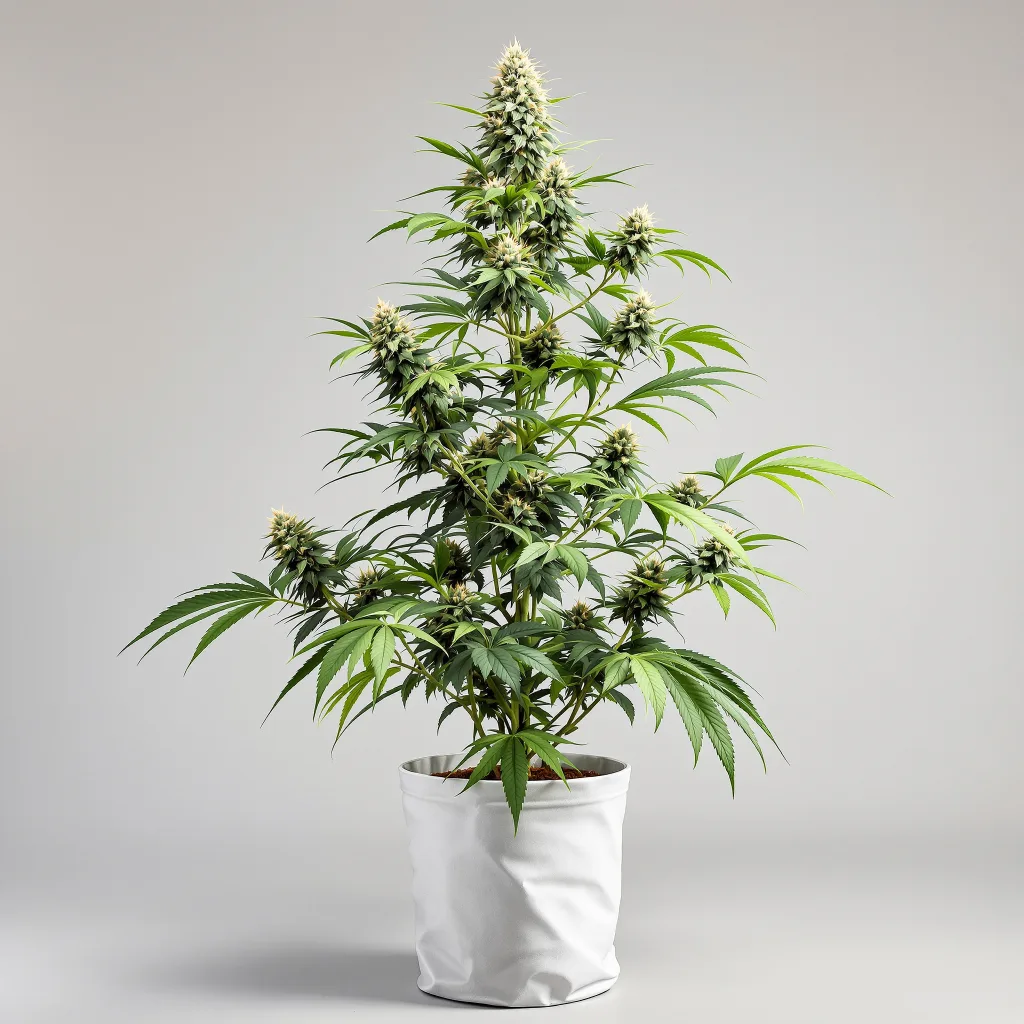
hybrid
Jack Flash Feminized
sativa
AK Auto
indica
FPOG Auto
Browse the full All Cannabis Seeds collection
Premium genetics, shipped from within the US.
Related Articles
Granddaddy Purp Strain: King of Purple Weed | Royal King Seeds
strain7 Best High-Yield Feminized Strains for Indoor Tents | Royal King Seeds
strainSkunk Weed Explained: Beginner's Guide | Royal King Seeds
strain-reviewCherry Pie Strain: Effects, Genetics & Grow Guide | Royal King Seeds
support-harvestHow to Read Trichomes for Harvest | Royal King Seeds
strain-reviewBiscotti Strain: Effects, Genetics & Grow Guide | Royal King Seeds
Ready to Start Growing?
Shop feminized, autoflower, and CBD strains with 95% germination and free delivery on eligible orders of $150 or more.
Shop Cannabis Seeds