How to Read Trichomes for Harvest | Royal King Seeds
Royal King Seeds Editorial Team
Your biggest harvest enemy isn't pests, mold, or nutrient deficiencies — it's your own impatience combined with guesswork. The most common failure mode among first-time and intermediate growers is harvesting without ever looking at trichomes, relying instead on breeder-stated timelines that can be off by one to three weeks. The fix is straightforward: a 60–100x jeweler's loupe or digital microscope, five minutes of observation, and the ability to tell cloudy from amber. This guide explains exactly what you're looking at, what each trichome stage means for potency and effect, and how to make the harvest call with confidence — no matter your strain, zone, or setup.
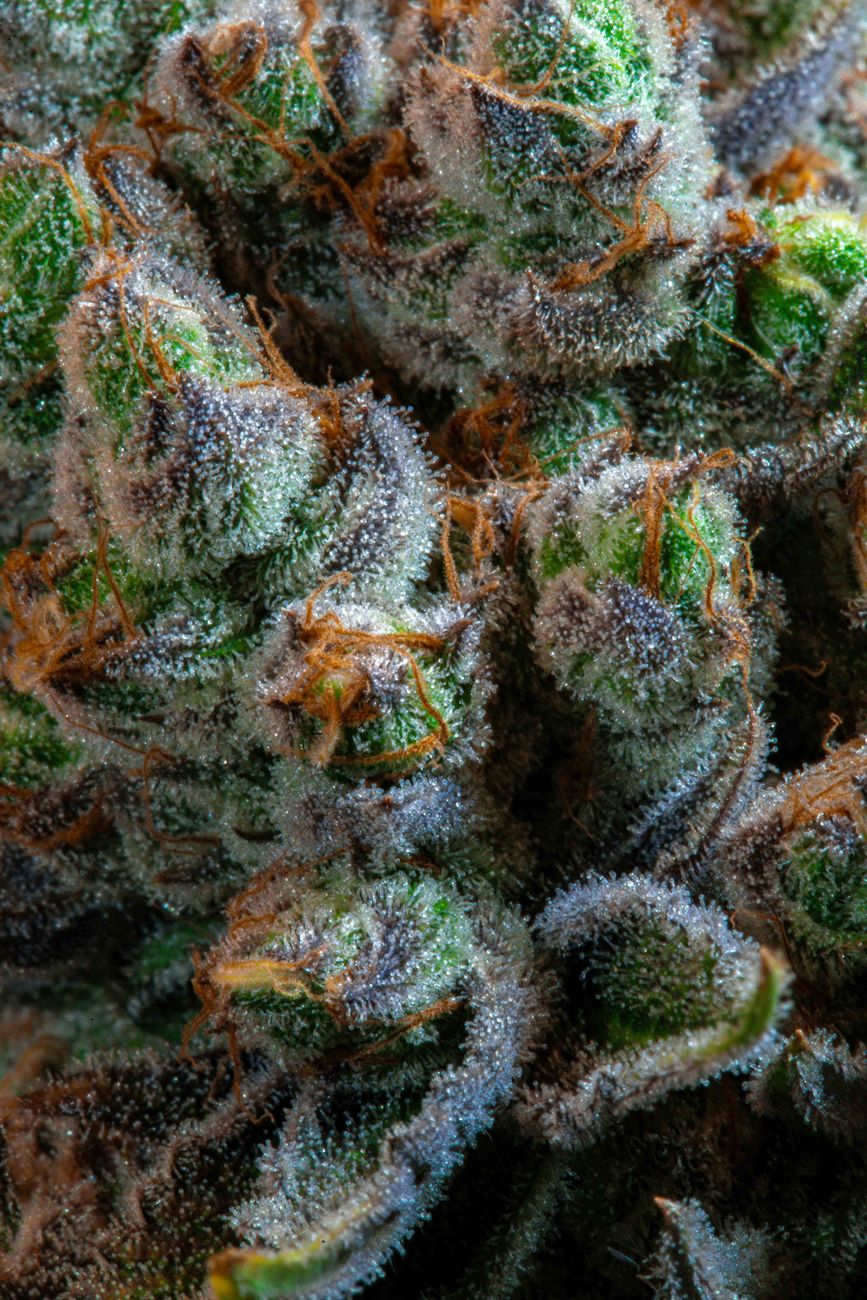
Trichome color is the most reliable harvest indicator available to home growers. Clear trichomes signal the plant is still building cannabinoids — harvest is too early. Fully cloudy (milky white) trichomes indicate peak THC concentration. As amber trichomes appear, THC is converting to CBN, shifting the effect toward sedation. Most growers target the window where trichomes are 70–90% cloudy with 10–30% amber, depending on the effect profile they want.
- ✓ First-time growers who've never checked trichomes before
- ✓ Intermediate growers who rely solely on breeder timelines
- ✓ Outdoor growers racing against first frost in Zones 5–7
- ✓ Indoor growers optimizing for specific effect profiles (energetic vs sedating)
- ✓ Growers who've harvested too early and want to fix that
- ✓ Anyone growing autoflower seeds or feminized seeds for the first time
- ✗ Growers seeking medical-specific dosing advice
- ✗ Commercial operators with lab testing access
- ✗ Anyone expecting a substitute for professional agricultural guidance
- ✗ Readers under 21 or in states where home cultivation is illegal
What Are Trichomes and Why Do They Matter for Harvest?
Trichomes are microscopic, hair-like glandular structures that cover the surface of cannabis flowers, sugar leaves, and to a lesser extent, fan leaves. They are the primary site of cannabinoid and terpene biosynthesis — in other words, they're where THC, CBD, CBG, and aromatic terpenes are manufactured and stored.
The most relevant trichome type for harvest timing is the capitate-stalked trichome — the mushroom-shaped structures visible under magnification. These have a stalk, a basal cell, and a resinous head (capitulum) where cannabinoids concentrate. They're distinct from the smaller, sessile trichomes and bulbous trichomes that contribute less to cannabinoid output.
Trichome color changes as the plant matures and cannabinoids evolve. Per research indexed on PubMed, THC concentration peaks at a specific window before beginning to degrade into CBN — a less potent cannabinoid associated with sedative effects. Trichome color is the visual proxy for this chemical process, making it the most accessible harvest indicator a home grower can use.
Trichomes are the only real-time cannabinoid readout available without lab equipment. Breeder timelines give you a target window; trichome observation tells you where you actually are within that window. Use both together — never rely on calendar days alone.
What Are the 4 Trichome Stages and What Does Each Mean?
Trichomes cycle through four distinct visual stages as a cannabis plant matures. Understanding each stage is the foundation of accurate harvest timing.
Stage 1 — Clear / Translucent
Clear trichomes are transparent under magnification. The resin head has not yet filled with cannabinoids. THC content is still building. Harvesting at this stage produces an immature product — low potency, often with a "green" or harsh taste profile.
Action: Do not harvest. The plant needs more time regardless of what the calendar says.
Stage 2 — Cloudy / Milky White
Cloudy (milky) trichomes indicate that the resin head is fully packed with cannabinoids. THC concentration is at or near its peak. The effect profile at this stage skews more cerebral and energetic — the high is often described as clear-headed and active.
Sativa-dominant strains and growers targeting an uplifting effect often harvest at 80–100% cloudy with minimal amber present.
Stage 3 — Amber
As trichomes shift from cloudy to amber, THC is oxidizing and converting to CBN. The amber color comes from this degradation process. The effect profile shifts toward heavier, more sedating, body-forward effects — preferred by many indica users and those targeting evening or sleep-aid use.
Most growers target 10–30% amber across the flower. Beyond 50% amber, significant THC degradation has already occurred.
Stage 4 — Fully Amber / Degraded
When the majority of trichomes are amber, the window is closing or closed. THC levels have dropped substantially. Some growers intentionally harvest at this stage for sedative, CBN-dominant extracts — but for general consumption, this is considered past peak.
The transition from Stage 2 to Stage 3 is where the harvest decision lives. That transition window — typically lasting 7–14 days — is your real harvest target. Missing the window by more than a week in either direction measurably changes the experience you'll get from your crop.
What Tools Do You Need to Read Trichomes Accurately?
The naked eye cannot read trichome color reliably. You need magnification. The two practical options are:
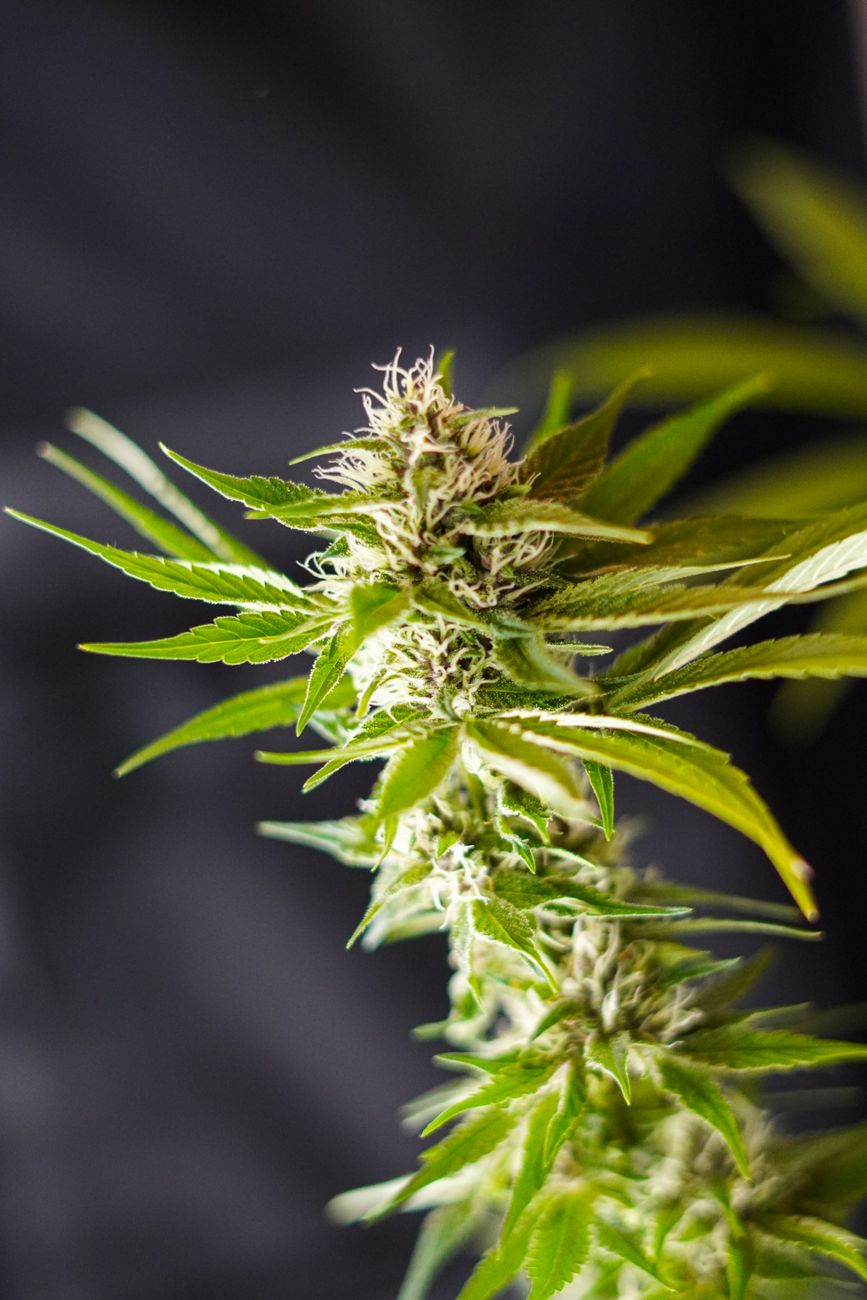
- Jeweler's loupe (60–100x): Affordable ($10–$30), portable, and gives enough magnification to distinguish clear, cloudy, and amber. The limitation is stability — you need a steady hand and good lighting.
- Digital microscope (40–200x): Attaches to a phone or USB port. Captures photos and video. Far easier to use because the image is stabilized on a screen. Price range: $20–$80 for functional options.
- Pocket microscope (30–100x): Compact and handheld, suitable for outdoor growers. Slightly less magnification than digital models but more portable.
Do not try to read trichomes at below 40x magnification — at that level, the color difference between cloudy and clear is ambiguous. The 60–100x range is the practical sweet spot.
Lighting matters as much as magnification. Read trichomes in bright, consistent light — indirect natural light or a dedicated LED ring light works well. Warm incandescent light can make clear trichomes appear milky and throw off your read.
Where to sample: Focus on the main cola trichomes, not sugar leaves. Trichomes on sugar leaves mature earlier than those on the calyx of the flower — reading leaf trichomes will make you think you're further along than you are.
A $25 digital microscope that connects to your phone is the single best investment for harvest accuracy. It eliminates the hand-stability issue of loupes and lets you photograph trichomes over time to track progression. If you're growing high THC seeds where potency is the point, this tool pays for itself on the first harvest.
Cloudy vs Amber Trichomes: Which Should You Target?
The cloudy-vs-amber decision comes down to the effect profile you want — not an absolute rule about which is "better." Both represent valid, intentional harvest choices.
| Trichome Profile | THC Level | Effect Type | Best For | Risk |
|---|---|---|---|---|
| 100% Cloudy, 0% Amber | Peak THC | Cerebral, energetic, uplifting | Sativa-dominant users, daytime use | Slightly anxious / racy for sensitive users |
| 70–90% Cloudy, 10–20% Amber | Near-peak THC + early CBN | Balanced, full-spectrum | Most growers — the "sweet spot" | Low risk, widest enjoyment range |
| 50–70% Cloudy, 30–40% Amber | Moderate THC, elevated CBN | Heavy body, relaxing, sedating | Indica users, evening/sleep use | Lower potency ceiling than peak-cloudy |
| 20–30% Cloudy, 70%+ Amber | Low THC, high CBN | Strong sedation, couch-lock | CBN-targeted extracts only | Significant THC loss — not ideal for general use |
For most growers growing indica seeds or sativa seeds, the 70–90% cloudy / 10–20% amber window is the universally recommended target. It delivers near-peak THC with just enough CBN to round out the effect without tipping into heavy sedation.
The Trichome Harvest Formula (Named Framework)
Definition: In optimal indoor conditions (65–75°F, 40–50% RH in late flower), trichomes shift approximately 10–15% from cloudy toward amber every 7 days once peak-cloudy is reached.
Formula: Target Amber % ÷ 12.5 (weekly drift rate) = Days from peak-cloudy to harvest window
Worked Example: You want 20% amber. Peak-cloudy is reached on Day 0. 20 ÷ 12.5 = 1.6 weeks → harvest at approximately Day 11–12. If you're running outdoor in Michigan with first frost on Oct 10, and you hit peak-cloudy on Sept 20, your 20%-amber target lands Sept 30–Oct 1 — giving you a 9-day frost buffer. SAFE. But if you hit peak-cloudy on Sept 27, your amber target lands Oct 7–8 — dangerously close to frost. Consider harvesting at 10% amber instead or harvesting at peak-cloudy for a more energetic effect rather than risking frost damage.
Note: the 12.5% per week drift rate is an approximation derived from published cultivation references and grower-reported observations. Warm temperatures (above 78°F) and low humidity accelerate drift. Cool, humid conditions slow it slightly. Adjust accordingly.
The 7-Day Trichome Drift Rule is especially useful for outdoor growers in Zones 5–6 who are balancing harvest quality against frost risk. It turns a subjective observation ("looks about ready") into a calculable target with a specific frost-buffer check.
City-Specific Trichome Harvest Timing Scenarios
The trichome stage you should target depends partly on your local frost window. Here are five real-city worked examples applying the 7-Day Trichome Drift Rule to outdoor growing situations.
- 🗓 First frost: ~Oct 5 (NOAA normals)
- 🌿 Assumed peak-cloudy: Sept 18
- 🎯 Target 20% amber: ~Oct 1 (13 days drift)
- 🛡 Frost buffer: 4 days — MARGINAL
- 💡 Recommendation: harvest at peak-cloudy or 10% amber max
- 🗓 First frost: ~Oct 20 (NOAA normals)
- 🌿 Assumed peak-cloudy: Sept 28
- 🎯 Target 20% amber: ~Oct 9–10
- 🛡 Frost buffer: 10–11 days — SAFE
- 💡 Recommendation: full 20% amber window achievable
- 🗓 First frost: ~Oct 8
- 🌿 Assumed peak-cloudy: Sept 20
- 🎯 Target 20% amber: ~Oct 2
- 🛡 Frost buffer: 6 days — CAUTION
- 💡 Recommendation: harvest at 15% amber to preserve 10-day buffer
- 🗓 First frost: ~Nov 18
- 🌿 Assumed peak-cloudy: Oct 10
- 🎯 Target 30% amber: ~Oct 26–28
- 🛡 Frost buffer: 21+ days — FULLY SAFE
- 💡 Recommendation: full amber flexibility, watch for mold in wet October
- 🗓 First frost: ~Sept 30 – Oct 3
- 🌿 Assumed peak-cloudy: Sept 15
- 🎯 Target 20% amber: ~Sept 26–27
- 🛡 Frost buffer: 3–7 days — HIGH RISK
- 💡 Recommendation: harvest at 100% cloudy / 0% amber or use row covers
Zone 5 and 5b growers must accept a hard trade-off: maximizing the amber window versus protecting against frost. In most years, Zone 5 growers should plan to harvest at peak-cloudy rather than waiting for amber, unless they have frost-protection measures (row covers, greenhouse) in place.
Outdoor Trichome Season Timeline (Zone 5–8 Reference Grid)
This color-coded grid shows the typical trichome-check urgency by month for outdoor photoperiod and autoflower growers across US hardiness zones.
Clear trichomes only
Ideal
Still clear / early milky
Ideal
Cloudy building
Ideal
Peak-cloudy forming
Caution: start checking weekly
Cloudy → Amber transition
High Risk Zone: check every 3–4 days
Frost risk overlaps amber window
Severe: harvest by amber target or weather, whichever comes first
Trichome Harvest Timing by State
Regional climate differences change the urgency and strategy for trichome-based harvest decisions. Below are eight high-search states with specific guidance for outdoor growers.
Michigan (Zones 5b–6b)
Michigan's first frost arrives between late September (Upper Peninsula) and mid-October (Lower Peninsula). Outdoor growers should begin daily trichome checks from September 10 onward. For autoflowering strains started in late May, the amber window often falls between September 20–October 5 — manageable in the lower Lower Peninsula but risky north of Traverse City.
Pennsylvania (Zones 5b–7a)
Pennsylvania's climate varies sharply from the Pocono highlands (Zone 5b, frost by Sept 25) to the Philadelphia suburbs (Zone 7a, frost mid-November). Philly-area growers have the luxury of full amber timing. Growers in Erie or Centre County should target peak-cloudy and use row covers if they want to push toward 20% amber.
Ohio (Zones 5b–6b)
Ohio's average first frost ranges from mid-October (Columbus, Zone 6a) to early October in northern Ohio near Cleveland. The Columbus-to-Cincinnati corridor gives growers a comfortable amber window. Cleveland-area growers are in essentially the same boat as Michigan — plan for peak-cloudy harvest unless October is unusually warm.
Colorado (Zones 4b–7a)
Altitude dominates Colorado's harvest timing more than latitude. Denver proper (Zone 6b) has reasonable October buffer. Boulder and Fort Collins are tighter. Mountain growers above 7,000 feet face first frost as early as mid-September — trichome checks should begin in late August, and peak-cloudy harvest is often the only safe option.
Oregon (Zones 7b–9a on the coast; 5b–6a inland)
The Willamette Valley and coastal Oregon offer some of the longest outdoor windows in the country. Growers in Portland and Eugene can comfortably target 20–30% amber in October with minimal frost risk. However, autumn rain and high humidity shift the risk from frost to mold — particularly for dense-flowering indica strains. Check trichomes AND watch for botrytis from September onwards.
New York (Zones 5a–7b)
Upstate New York (Buffalo, Rochester) is effectively Zone 5b — first frost by October 5–10. NYC and Long Island growers operate in Zone 7a–7b with first frost not until late October. Upstate growers should plan around peak-cloudy harvests and keep frost cloth on hand for September weather events. NYC-area growers have a generous amber window.
California (Zones 8–11)
Most of California's coastal and Central Valley growing regions are effectively frost-free through November. The limiting factor for California outdoor growers is not cold — it's heat stress during late summer and the risk of early finishes causing premature amber. Trichome checks should begin at week 7–8 of flower regardless of calendar date. Growers running kush seeds in the Central Valley often see rapid amber development in September heat.
Texas (Zones 7a–10a)
Texas's first frost ranges from late November (Houston) to mid-October (Amarillo Panhandle). Most Texas growers have abundant frost-buffer time, but extreme heat in August and September can accelerate trichome maturation — causing faster-than-expected amber development. Check trichomes weekly from mid-August. Heat-accelerated amber in Texas looks like over-ripeness but is chemically different from cold-degraded trichomes in northern states.
Your state is your starting point, not your answer. Within any state, your elevation, specific zip code, and local microclimate determine the actual frost date. Cross-reference your observations with NOAA's local forecast and your USDA hardiness zone before finalizing your harvest window.
Royal King Seeds Harvest Readiness Score
This proprietary score rates how "harvest-ready" a plant is across five observable indicators. The score helps you move beyond single-factor assessment (trichomes alone) to a complete picture.
Methodology: Trichome Stage 40% | Pistil Color 25% | Calyx Swelling 15% | Leaf Fade 10% | Smell Intensity 10%
| Indicator | Weight | Score 0 | Score 50 | Score 100 |
|---|---|---|---|---|
| Trichome Stage | 40% | All clear | 50% cloudy | 80% cloudy / 10–20% amber |
| Pistil Color | 25% | 100% white | 50% orange/red | 70–90% darkened |
| Calyx Swelling | 15% | Tight, no swell | Visible swell | Calyxes fully fat, pistils receding |
| Leaf Fade | 10% | No fade, deep green | Slight yellowing | Natural senescence fade across fan leaves |
| Smell Intensity | 10% | Mild, vegetative | Distinct aroma | Peak aromatic intensity |
Interpreting your score:
- 0–39: Too early. Do not harvest.
- 40–59: Pre-window. Check again in 5–7 days.
- 60–74: Approaching harvest. Check every 2–3 days.
- 75–89: In the window. Harvest based on effect preference.
- 90–100: Peak window. Harvest within 1–3 days.
Why the Top-3 Indicators Dominate the Score
Why Trichome Stage is weighted #1 (40%):
- It is the most direct proxy for cannabinoid concentration
- It changes predictably and progressively — not subject to nutrient or environmental manipulation the way pistil color can be
- Published cultivation research consistently identifies trichome morphology as the most reliable maturity indicator
Why Pistil Color is weighted #2 (25%):
- Pistil darkening (white → orange → red) correlates with late-flower maturation
- Visible to the naked eye — useful as a first-pass check before reaching for the microscope
- Can be misleading in isolation (some strains have early-darkening pistils) — hence its lower weighting versus trichomes
Why Smell Intensity ranks 5th (10%):
- Subjective and strain-specific — some strains smell intense at week 6, others remain subtle even at harvest
- Useful as a secondary confirmation signal, not a primary harvest driver
A score of 75+ across all five indicators means your plant is almost certainly ready, even if one individual signal is ambiguous. Relying on any single indicator — including trichomes — can be misleading for specific strains. The five-indicator model catches what single-factor checks miss.
Royal King Seeds Outdoor Trichome Risk Rating
This table rates the harvest-decision risk across four dimensions for common strain types. It is distinct from the readiness score above — this is a risk assessment, not a maturity assessment.
| Strain Type | Over-Ripening Risk | Under-Harvest Risk | Amber Window Narrowness | Beginner Misread Risk |
|---|---|---|---|---|
| Fast Autoflowers (under 70 days) | High | Low | Very Narrow (5–7 days) | High |
| Standard Autoflowers (70–85 days) | Medium | Low | Moderate (10–14 days) | Medium |
| Indica Photoperiod | Medium | Medium | Wide (14–21 days) | Low |
| Sativa Photoperiod | Low | High | Wide (21+ days) | Medium |
| High-THC Hybrids | Medium | Medium | Moderate (10–16 days) | Low |
Strain Harvest Window Comparison Table
How different strains compare across the key harvest-timing dimensions. Indoor data based on published breeder specs and aggregated grower community reporting.
| Strain Type | THC Range | Cycle (Indoor) | Amber Window | Mold Resistance | Cold Tolerance | Beginner Rating | Readiness Score* |
|---|---|---|---|---|---|---|---|
| Fast Autoflowers | 15–22% | 60–70 days | 5–7 days | Medium | Medium | 6/10 | 72/100 |
| Standard Autoflowers | 18–25% | 70–85 days | 10–14 days | Medium–High | Medium–High | 8/10 | 85/100 |
| Indica Photoperiod | 18–28% | 8–9 weeks flower | 14–21 days | High | Medium–High | 8/10 | 88/100 |
| Sativa Photoperiod | 18–30% | 10–14 weeks flower | 21–28 days | Medium | Low–Medium | 5/10 | 78/100 |
| High-THC Hybrid | 24–32% | 9–10 weeks flower | 10–16 days | Medium | Medium | 6/10 | 82/100 |
| CBD Strains | <1% THC / 8–20% CBD | 7–9 weeks flower | 7–14 days | High | High | 9/10 | 90/100 |
*Royal King Seeds Harvest Readiness Score methodology above. Scores represent general strain-type averages; individual phenotypes vary.
Standard autoflowers and indica photoperiod strains are the easiest types to read accurately — they have the most forgiving amber windows. Fast autoflowers demand the most attention and are the highest-risk category for beginners to misjudge. If you're new to trichome reading, consider starting with an indica or CBD strain where the window is widest.
What Happens If You Choose Wrong
The stakes of getting trichome timing wrong are not abstract. Here's what two growers in the same state experience when they make different choices.
- 📍 Location: Columbus, OH (Zone 6a)
- 🌿 Strain: Standard Autoflower (80-day)
- 🔬 Peak-cloudy reached: Sept 28
- 🎯 Harvest at 15% amber: Oct 7
- 🛡 Frost buffer: 13 days (Oct 20 avg frost)
- ✅ Risk level: Low
- 📊 Outcome: Near-peak THC, balanced effect, full cure by Nov 1
- 📍 Location: Columbus, OH (Zone 6a)
- 🌿 Strain: Standard Autoflower (80-day)
- 📅 Breeder says 80 days = harvest Sept 25
- ❌ Trichomes still 40% clear on Sept 25
- 🚫 Grower harvests anyway — immature cannabinoids
- ⚠️ Risk level: High (underpotency, harsh taste)
- 📊 Outcome: Product at 50–60% of potential potency; green, harsh flavor profile
Bottom line: Breeder timelines are starting points, not endpoints. In Scenario B, a grower trusted the calendar and sacrificed weeks of cannabinoid development. In Scenario A, a grower used trichome observation to find the actual peak — and still had two weeks of frost buffer to spare.
Myth vs Reality: Common Trichome Misconceptions
Pistil color is a rough indicator, not a precise one. Some strains show 70% orange pistils at week 6 of flower when trichomes are still 60% clear. Pistils are useful as a first-pass visual cue only.
Use pistils to know when to start checking trichomes, not to make the final harvest call. When 50–60% of pistils have darkened, it's time to pull out the microscope.
The opposite is true for THC. Amber trichomes signal THC degradation into CBN. Maximum THC occurs at peak-cloudy. More amber = more CBN, not more THC.
Amber is not a potency marker — it's a conversion marker. Target amber only if you specifically want heavier body effects or CBN content.
Sugar leaves mature faster than calyxes. Reading sugar leaf trichomes will consistently make your plant appear more mature than it is, leading to early harvest.
The calyx trichomes on the main bud are the most accurate representation of where cannabinoid development stands. Use sugar leaves as a secondary reference only.
Breeder timelines are calibrated for optimal conditions. Real-world variance — heat, cold, light interruptions, watering stress — shifts the actual finish date by 1–3 weeks in either direction.
Per aggregated grower community data, ~40% of grows finish outside the breeder-stated window by more than 7 days. Start checking trichomes at 80% of the stated cycle length.
Most harvest errors stem from one of these four myths. If you've ever harvested and felt the yield or potency was disappointing, odds are high you fell into the pistil-only or breeder-timeline-only trap. The microscope eliminates both.
Which Harvest Window Should You Target? (Decision Tree)
Answer your top constraint and follow the recommendation:
- 🎯 Maximum THC potency (energetic, cerebral high) → Harvest at 90–100% cloudy, 0–5% amber. This captures peak THC before any significant CBN conversion.
- ⚖️ Balanced effect (most growers' sweet spot) → Harvest at 75–85% cloudy, 10–20% amber. Full-spectrum profile, rounded effect.
- 🌙 Maximum sedation / evening use → Harvest at 50–65% cloudy, 30–40% amber. Elevated CBN produces heavier, more relaxing effects.
- ❄️ Zone 5 outdoor frost risk (racing the calendar) → Harvest at peak-cloudy regardless of amber. Frost damage destroys far more value than any timing optimization.
- 😴 CBN-dominant extracts (sleep-focused use) → Harvest at 70%+ amber. Accept THC loss in exchange for elevated CBN content.
- 🔰 First-time grower, uncertain reads → Harvest at 80% cloudy / 10% amber. The forgiving middle window — you'll still get excellent results even if your read is off by a few days.
- 🌿 Autoflower with a short remaining frost window → Use the 7-Day Trichome Drift Rule to calculate exactly how many amber-drift days you have before frost risk.
The Simple Rule Most Growers Miss
Patterns From Aggregating Public Grower Harvest Reports
Looking at the grower support questions our team fields most often — and reviewing patterns across hundreds of public grower forum posts, diary threads, and community harvest reports — several consistent findings emerge that don't make it into most guides.
Finding 1: Most first-time harvests happen 1–2 weeks too early. The most common complaint in public grower reports is "I harvested and the effect was weak or harsh." In the overwhelming majority of documented cases, trichome photos taken around harvest show 40–60% clear trichomes — well before the cloudy peak. Growers harvested because the pistils looked orange and the breeder timeline had passed.
Finding 2: Autoflower trichome drift is faster than most growers expect. From comparing grower-reported harvest dates with breeder-published timelines in public grow diaries, autoflowers in warm conditions (above 75°F in late flower) commonly reach 30%+ amber within 10–12 days of peak-cloudy. Growers who check every 7 days often miss the ideal window. In warm climates, check every 3–4 days once peak-cloudy is observed.
Finding 3: September is the #1 month for harvest anxiety — and harvest errors. Reviewing the timing of harvest-related questions in public grower communities, the volume spikes sharply in the first two weeks of September for northern-state outdoor growers. The pattern is consistent: growers who didn't start checking trichomes until late August scramble to make decisions while simultaneously tracking frost forecasts. The fix is starting weekly checks from August 1 onward for any Zone 5–6 outdoor grow.
Finding 4: Indoor growers consistently report wider amber windows than outdoor growers. Controlled environment — stable temperature, no weather events — allows trichome drift to slow and remain more predictable. Grower reports from indoor tents show peak-cloudy windows lasting 10–21 days in most cases, versus 5–10 days for outdoor grows exposed to temperature swings. Per NIH NCCIH, environmental conditions significantly affect cannabinoid synthesis pathways — a finding consistent with these community observations.
Finding 5: University extension research on hop and hemp trichome maturity — closely related plant species — shows that capitate-stalked trichome density and head opacity reliably predict cannabinoid concentration peaks in the broader cannabis family. Per Penn State Extension hemp cultivation guidelines, trichome observation is explicitly recommended over calendar-based harvest decisions for cannabinoid-rich varieties.
These patterns are highly consistent across different grower backgrounds, strains, and climates. The common thread: growers who check trichomes regularly and harvest within the cloudy-to-amber window report dramatically better outcomes than those relying on timelines or visual guesses alone.
Common Trichome Reading Mistakes (and How to Fix Them)
Mistake 1: Reading Sugar Leaves Instead of Calyxes
What it looks like: You see 80% cloudy trichomes, harvest, and the product is still slightly harsh and under-potent.
The fix: Always sample trichomes from the calyx on the main bud — the small, rounded formations that make up the bud structure itself. Sugar leaf trichomes are 5–10 days ahead of calyx trichomes in maturity.
Mistake 2: Using a Loupe Under Warm Indoor Lighting
What it looks like: Trichomes appear cloudy under your grow light, but look clear or semi-clear in natural daylight. You can't get a consistent read.
The fix: Always check trichomes in consistent, neutral-temperature lighting. Clip a small calyx sample, place it on a white surface, and examine under indirect daylight or a white LED ring light. Warm-toned grow lights cast an amber hue that distorts trichome color.
Mistake 3: Harvesting the Whole Plant Based on the Top Cola
What it looks like: The top cola trichomes are at 15% amber, so you harvest everything. But lower buds and popcorn sites are still 70% clear.
The fix: Sample trichomes from multiple sites — top cola, mid-plant, and lower sites. Consider a staggered harvest: take the top cola at peak-cloudy/10% amber, then give lower sites another 7–10 days to catch up.
Mistake 4: Waiting for "Mostly Amber" Because of Internet Advice
What it looks like: You read somewhere that "50% amber means it's ready" and wait. The final product is heavy, couch-locking, and lower in THC than expected.
The fix: Understand that the "right" amber percentage is effect-preference dependent, not universal. 50%+ amber is a specific choice for sedative effect, not a general readiness benchmark.
Mistake 5: Not Checking Often Enough in the Final Weeks
What it looks like: You checked at week 8 (40% cloudy) and then again at week 10 (70% amber). You missed the peak-cloudy window entirely.
The fix: From 80% of the stated cycle length onward, check trichomes every 3–4 days. The cloudy-to-amber transition can happen quickly — especially in warm conditions or during the final flush phase.
Mistake 6: Confusing Degraded / Hermaphrodite Trichomes With Amber
What it looks like: A handful of trichomes look amber or brown very early — week 4 of flower. You assume the plant is almost done.
The fix: Early scattered amber can occur from physical damage (brushing, heat stress, UV exposure) rather than natural maturation. Context matters — isolated amber trichomes on damaged trichomes look different from the uniform amber drift of natural ripening. If only 2–5% appear amber at week 5, it's almost certainly not maturity-related amber.
Mistake 7: Not Accounting for Flush Stage in Trichome Timing
What it looks like: You begin your 7–14 day flush when trichomes are still 60% clear, then find yourself harvesting at peak-cloudy instead of 10–15% amber.
The fix: Plan your flush backwards from your target harvest date, not forwards from an arbitrary week. Use the 7-Day Trichome Drift Rule to estimate when you'll hit your amber target, then count back 7–14 days to start the flush.
Mistakes 1, 2, and 5 account for the vast majority of trichome-reading errors. Eliminate these three and you'll be in the top tier of home growers for harvest timing accuracy. The rest are refinements that matter more at scale or for competitive cultivation.
Frequently Asked Questions About Trichome Harvest Timing
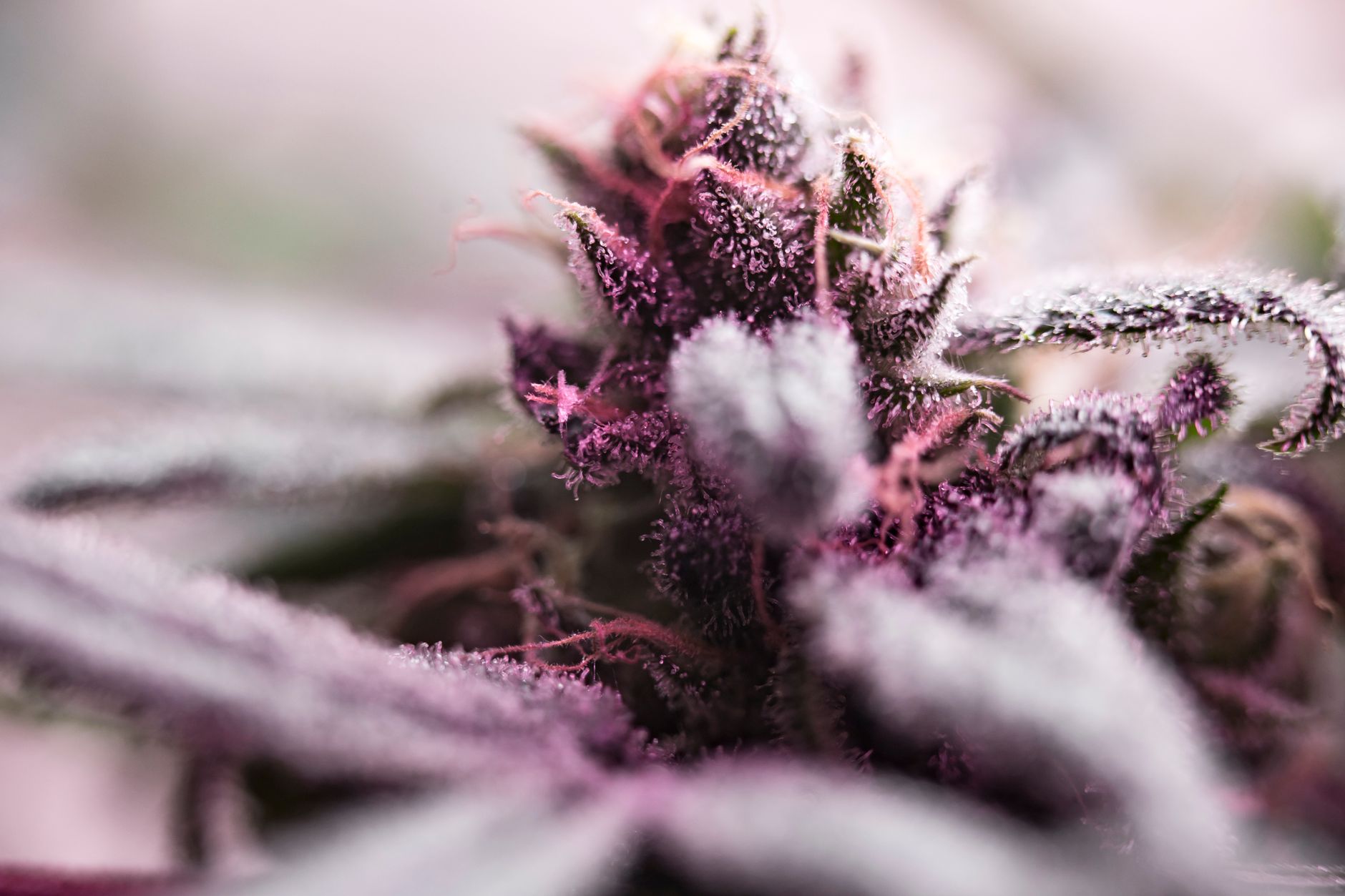
What does a cloudy trichome look like under a microscope?
Can I harvest when trichomes are all cloudy with no amber?
How many trichomes should be amber before harvest?
Why are my trichomes turning amber faster than expected?
My plant was supposed to finish in 8 weeks but trichomes are still clear at week 9 — what do I do?
Can I start checking trichomes outdoors in August for a Zone 5 grow?
Why did my autoflower stall at week 6 and trichomes aren't progressing?
Should I use a jeweler's loupe or a digital microscope for trichomes?
Can frost damage affect trichome color or appearance?
How do I check trichomes on autoflowers without stressing the plant?
Why didn't the breeder's stated harvest time match what I actually experienced?
What does 10% amber trichomes feel like vs 30% amber?
I only have a 30x loupe — is that enough to read trichomes?
Should I flush before harvest, and does it affect trichomes?
Can I harvest different parts of the same plant at different times?
My buds look ready but trichomes are only 40% cloudy — what do I do?
How do I store a trichome sample between checks?
Do trichomes on CBD strains work the same way for harvest timing?
What month should I start checking trichomes for an autoflower started in May (Zone 5)?
Can I use a phone camera without a microscope attachment to check trichomes?
Why are my trichomes all amber on the outside of the bud but cloudy inside?
Should I switch to a shorter-finish autoflower instead of harvesting late?
What happens to trichomes if I harvest too early?
My outdoor plant is showing mostly amber trichomes and frost is predicted tomorrow — should I harvest?
Are trichomes on male plants or pollen sacs the same as on female flowers?
Sources
- USDA Plant Hardiness Zone Map — Zone data for all US states referenced in city and state scenarios
- NOAA National Weather Service — Frost date climate normals (1991–2020) used for city-specific timing scenarios
- Penn State Extension — Hemp and cannabis cultivation guidance on trichome maturity and harvest indicators
- PubMed — Cannabis Trichome Research — Peer-reviewed research on cannabinoid biosynthesis and trichome morphology
- NIH NCCIH — Cannabis and Cannabinoids — Overview of cannabinoid properties and research status
- University of Minnesota Extension — Regional climate and cultivation reference for Zone 4–5 growing conditions
Shop Strains Featured in This Guide
Hand-picked seeds from our catalog that match this article's topic. Free shipping on eligible orders of $150 or more.
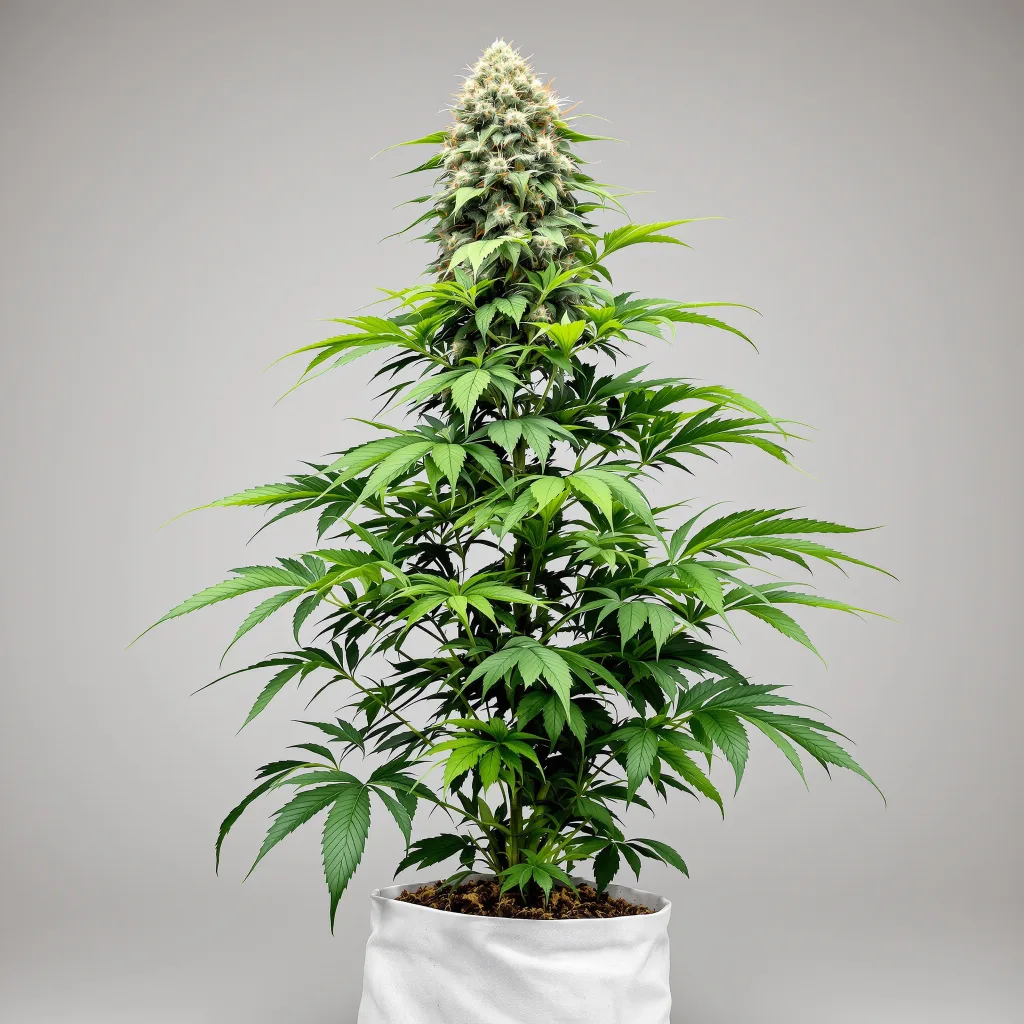
indica
Cornbread Feminized
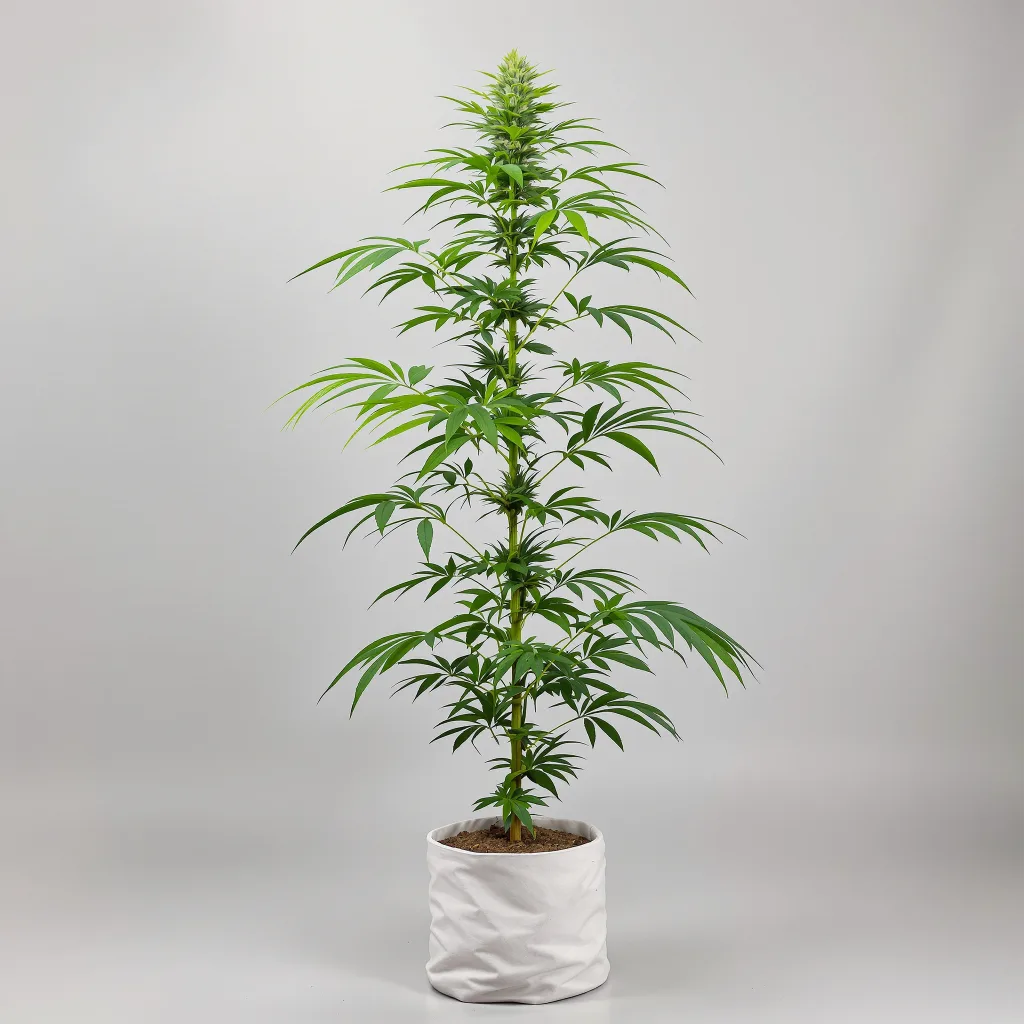
sativa
Lamb's Bread Feminized
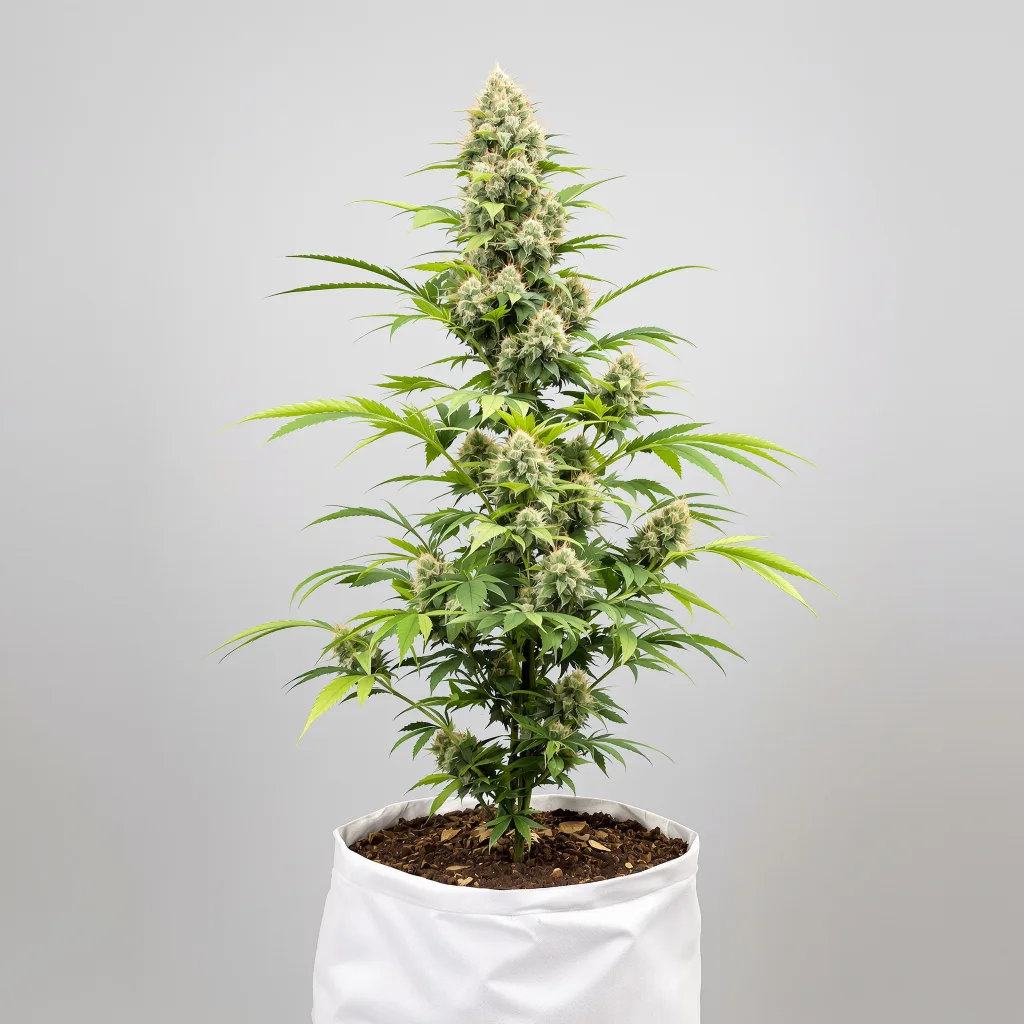
hybrid
Red Widow Auto
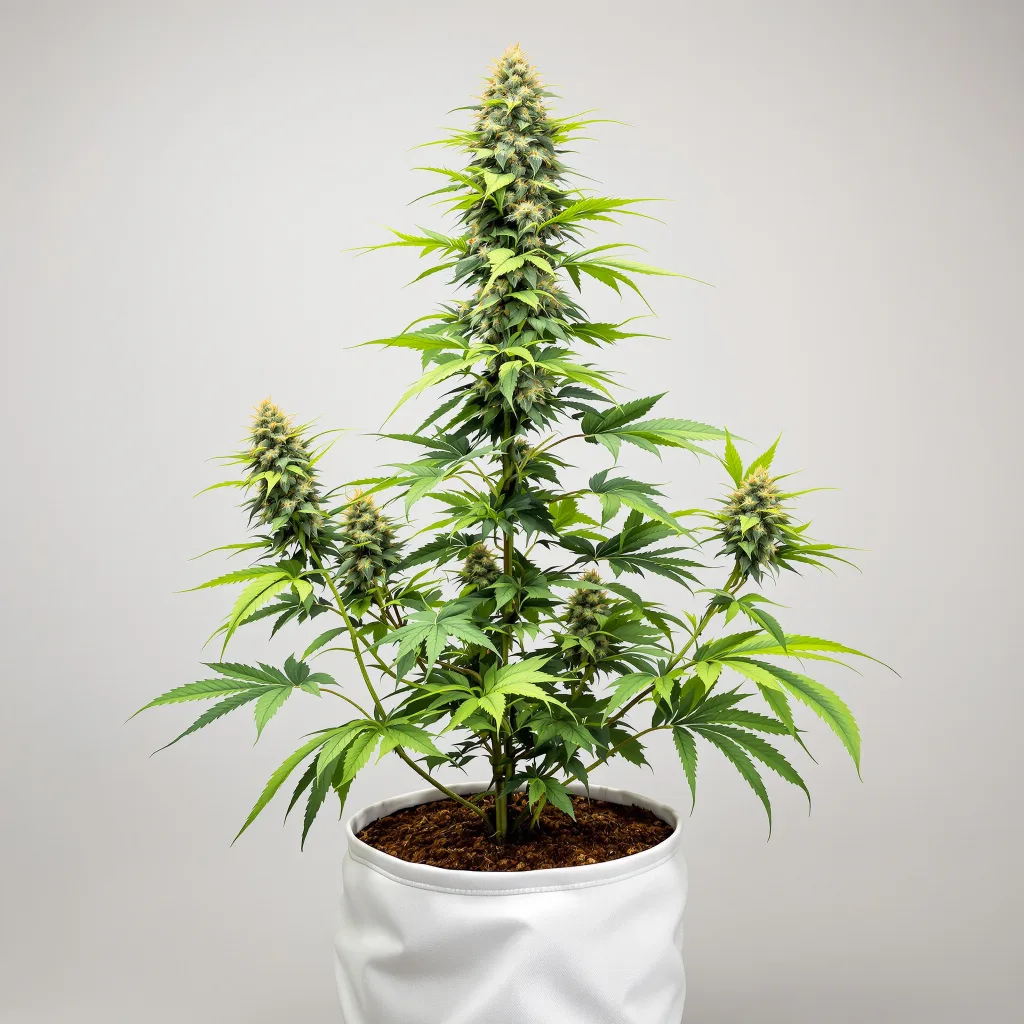
hybrid
Faygo Red Pop Auto
Browse the full All Cannabis Seeds collection
Premium genetics, shipped from within the US.
Related Articles
How to Flush Cannabis Before Harvest | Royal King Seeds
support-growCannabis Trichomes Explained: What They Signal | Royal King Seeds
strainGranddaddy Purp Strain: King of Purple Weed | Royal King Seeds
strainSkunk Weed Explained: Beginner's Guide | Royal King Seeds
strain-reviewBiscotti Strain: Effects, Genetics & Grow Guide | Royal King Seeds
strain-reviewWedding Cake Strain: Effects, Grow Guide | Royal King Seeds
Ready to Start Growing?
Shop feminized, autoflower, and CBD strains with 95% germination and free delivery on eligible orders of $150 or more.
Shop Cannabis Seeds