Medical Strain Analysis: CBC Cream & Cheese
Introduction
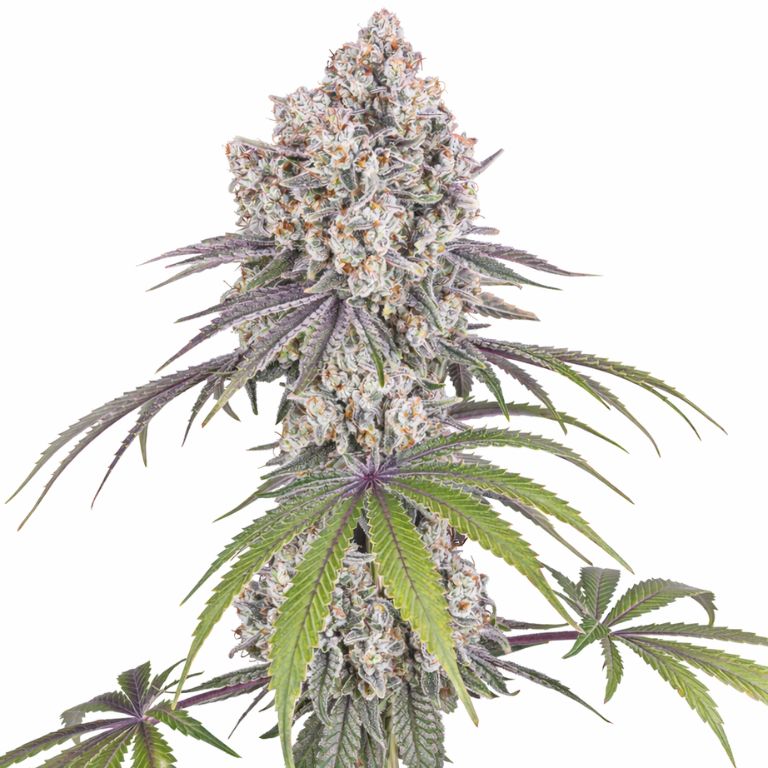
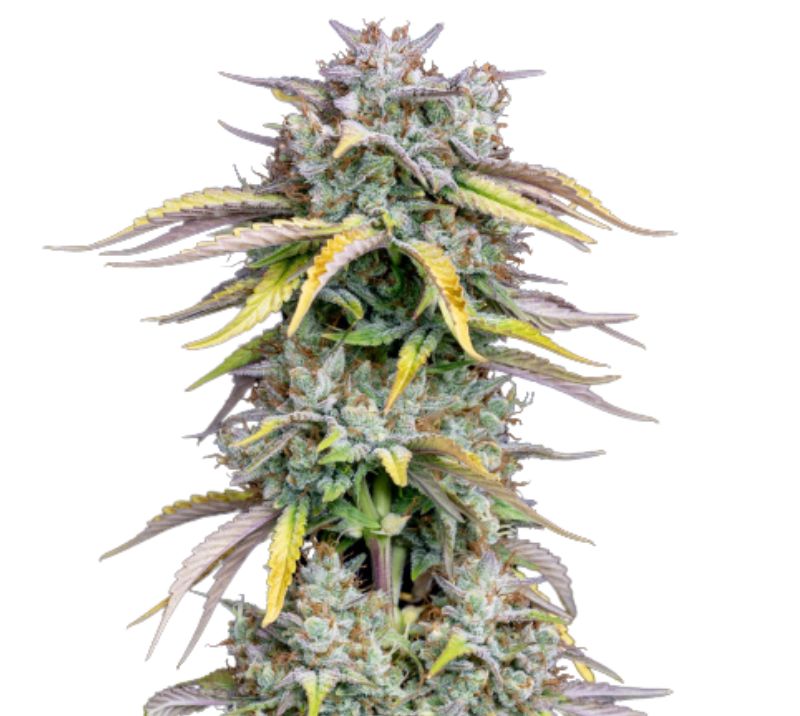
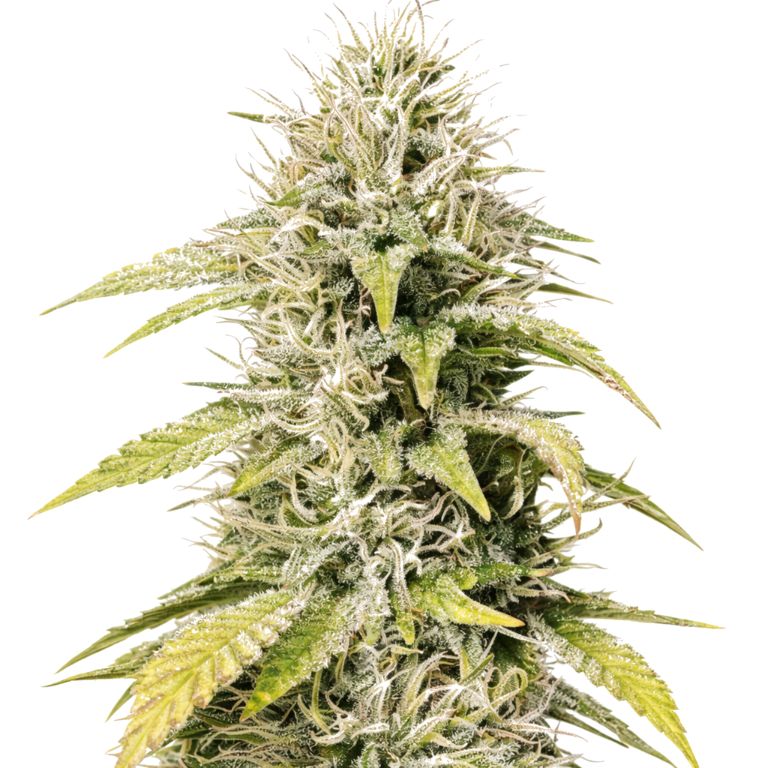
CBC Cream & Cheese is a relatively rare and unique cannabis strain that has garnered attention for its potent medicinal properties. The strain is characterized by a balanced cannabinoid profile that includes high levels of cannabichromene (CBC) and cannabidiol (CBD), making it particularly appealing for therapeutic use. This in-depth analysis delves into the origins, chemical profile, medical benefits, and growing conditions of CBC Cream & Cheese, with a specific focus on its application in the medical field.
Origins of CBC Cream & Cheese
CBC Cream & Cheese is a hybrid strain, the result of carefully selected breeding to create a plant with high concentrations of CBC and CBD, while minimizing tetrahydrocannabinol (THC) content. The exact lineage of this strain is somewhat obscure, but it is believed to be a cross between the popular Cheese strain and a high-CBC variety.
The Cheese strain, originally from the UK, is known for its distinctive aroma reminiscent of aged cheese, as well as its potent effects, which are more recreational than medicinal. By crossing Cheese with a high-CBC strain, breeders aimed to harness the therapeutic benefits of CBC while preserving the distinctive aroma and flavor profile that Cheese is known for.
This strain’s development likely involved selecting phenotypes that expressed the desired cannabinoid profiles over multiple generations, ensuring that CBC Cream & Cheese is a stable strain with consistent effects and characteristics.
Chemical Profile of CBC Cream & Cheese

The chemical profile of CBC Cream & Cheese is what truly sets it apart from other cannabis strains. Unlike many strains that are bred primarily for high THC content, CBC Cream & Cheese is rich in CBC and CBD, with minimal THC presence. This makes it a non-psychoactive strain, ideal for patients who are seeking relief from various conditions without the intoxicating effects commonly associated with cannabis.
1. Cannabichromene (CBC):
- CBC is one of the six major cannabinoids in cannabis, and it is known for its anti-inflammatory, analgesic, and neuroprotective properties.
- CBC does not have a psychoactive effect since it does not bind well to CB1 receptors in the brain. Rather, it engages in interactions with other bodily receptors related to inflammation and pain perception, namely TRPV1 and TRPA1.
- CBC has also been shown to promote the growth of new brain cells (neurogenesis), which is a promising area of research for neurodegenerative diseases.
2. Cannabidiol (CBD):
- CBD is the most well-known non-psychoactive cannabinoid, widely recognized for its broad range of therapeutic effects.
- It interacts with both CB1 and CB2 receptors but in a way that modulates the body’s endocannabinoid system without producing a high.
- CBD is known for its anti-inflammatory, anxiolytic, anticonvulsant, and antipsychotic properties, making it a versatile treatment option for conditions like epilepsy, anxiety disorders, and chronic pain.
3. Tetrahydrocannabinol (THC):
- CBC Cream & Cheese contains very low levels of THC, often below 0.3%, which is the legal threshold for hemp in many jurisdictions.
- This low THC content ensures that the strain is non-psychoactive, making it safe and suitable for patients who want to avoid any intoxicating effects.
4. Terpenes:
- The terpene profile of CBC Cream & Cheese includes a variety of aromatic compounds that contribute to the strain’s effects and therapeutic potential. Key terpenes include:
- Myrcene: Known for its sedative effects and ability to enhance the permeability of cell membranes, making cannabinoids more effective.
- Caryophyllene: This terpene has anti-inflammatory properties and is unique in that it also interacts with CB2 receptors.
- Limonene: Often associated with uplifting effects, limonene has potential anti-anxiety and antidepressant properties.
- Pinene: Known for its anti-inflammatory and bronchodilator effects, pinene also helps improve focus and cognitive function.
Medical Benefits of CBC Cream & Cheese
The combination of high CBC and CBD content, along with a rich terpene profile, makes CBC Cream & Cheese a potent therapeutic strain. Its non-psychoactive nature allows for a wide range of medical applications, making it suitable for patients who need to manage chronic conditions without the side effects associated with THC. Below is an exploration of the key medical benefits of CBC Cream & Cheese.
1. Anti-Inflammatory Properties:
- Both CBC and CBD are known for their powerful anti-inflammatory effects, making CBC Cream & Cheese an excellent option for treating inflammatory conditions such as arthritis, inflammatory bowel disease (IBD), and other autoimmune disorders.
- The presence of caryophyllene further enhances these anti-inflammatory properties, as it can directly interact with CB2 receptors, which are primarily found in the immune system.
2. Pain Relief:
- CBC has been shown to reduce pain by interacting with several receptors in the body, including the TRPV1 receptor, which is involved in the perception of pain. This makes CBC Cream & Cheese very useful for treating migraines, neuropathy, and other chronic pain issues.
- CBD also contributes to pain relief by reducing inflammation and interacting with endocannabinoid receptors to modulate pain signals.
3. Neuroprotection:
- The potential for neuroprotection of CBC is among its most intriguing features. Studies have demonstrated that CBC can promote neurogenesis, the process of creating new neurons, which is essential for brain function and injury healing.
- This property, combined with CBD’s ability to protect neurons from oxidative stress, makes CBC Cream & Cheese a potential treatment option for neurodegenerative diseases such as Alzheimer’s, Parkinson’s, and multiple sclerosis.
4. Anxiety and Depression:
- The CBD in CBC Cream & Cheese has well-documented anxiolytic and antidepressant effects, making it a useful option for patients dealing with anxiety disorders, depression, and post-traumatic stress disorder (PTSD).
- The terpene profile, particularly the presence of limonene and myrcene, also contributes to these effects by promoting relaxation and improving mood.
5. Epilepsy and Seizure Disorders:
- CBD is a well-known anticonvulsant, and its inclusion in CBC Cream & Cheese makes this strain effective for managing epilepsy and other seizure disorders. The strain can be used as an adjunctive treatment alongside traditional anticonvulsant medications to reduce the frequency and severity of seizures.
- While CBC’s role in seizure management is less understood, its presence in the strain may enhance the overall anticonvulsant effects.
6. Skin Health:
- CBC has shown promise in treating skin conditions such as acne, eczema, and psoriasis due to its anti-inflammatory and antimicrobial properties. The cannabinoid can inhibit the production of sebum, which is responsible for acne, and reduce inflammation in the skin.
- The combination of CBC and CBD makes CBC Cream & Cheese a potential treatment for various dermatological conditions, promoting healthier skin without the need for harsh chemical treatments.
7. Bone Health:
- According to recent studies, CBC may benefit bone health by preventing bone resorption and encouraging the formation of new bone tissue. Because of this, CBC Cream & Cheese may be used as a treatment for ailments like osteoporosis and bone fractures.
- The strain could be particularly beneficial for elderly patients or those at risk of bone density loss, providing a natural alternative to traditional treatments.
8. Antibacterial and Antifungal Effects:
- CBC and CBD both have antibacterial and antifungal properties, making CBC Cream & Cheese a potential treatment for infections, particularly those that are resistant to conventional antibiotics.
- This strain could be used topically to treat skin infections or taken systemically to combat internal infections, providing a versatile option for patients with compromised immune systems.
Restrictions on Using CBC Cream & Cheese in the Medical Field as a Last Resort

In the medical field, the use of cannabis strains like CBC Cream & Cheese is often regulated to ensure patient safety and efficacy of treatment. While this strain is predominantly non-psychoactive due to its low THC content, there are still important considerations and restrictions when using it as a last resort in medical treatments.
1. Regulatory Compliance
- Legal Restrictions: In many regions, medical cannabis use is tightly regulated, and strains like CBC Cream & Cheese must comply with specific legal requirements. These regulations often include restrictions on the cultivation, processing, distribution, and prescription of cannabis-based medicines. Medical professionals must ensure that the strain is legally permissible for use in their jurisdiction, particularly in cases where it is used as a last resort.
- Approval for Specific Conditions: Some medical authorities only approve cannabis-based treatments for specific conditions after other conventional treatments have failed. CBC Cream & Cheese may only be prescribed when it is proven that traditional pharmaceuticals have been ineffective or have caused significant side effects. This restriction ensures that cannabis is used responsibly and only when absolutely necessary.
2. Clinical Justification
- Evidence-Based Use: The prescription of CBC Cream & Cheese as a last resort must be supported by clinical evidence demonstrating its efficacy for the specific condition being treated. This might involve reviewing existing research, case studies, or clinical trials that substantiate its use for conditions like chronic pain, epilepsy, or neurodegenerative diseases.
- Patient History and Assessment: Before prescribing this strain, a thorough assessment of the patient’s medical history, current treatments, and overall health must be conducted. The decision to use CBC Cream & Cheese should be based on a comprehensive evaluation, ensuring that it is the most appropriate option given the patient’s specific circumstances.
3. Dosage and Administration
- Controlled Dosing: Even with its low THC content, it is crucial to establish precise dosing guidelines to avoid any potential psychoactive effects, especially when used as a last resort. Medical professionals must carefully monitor the dosage to ensure therapeutic efficacy while minimizing any risk of unintended effects.
- Titration and Monitoring: Patients may require gradual titration when beginning treatment with CBC Cream & Cheese. This procedure entails lowering the dose at first and gradually raising it till the intended therapeutic effect is attained. Close monitoring during this period is essential to adjust the dosage as needed and to prevent any adverse reactions.
4. Patient Consent and Education
- Informed Consent: Before beginning CBC Cream & Cheese treatment, patients should be well educated about the possible advantages and disadvantages. Teaching the patient about the treatment’s nature, potential negative effects, and the reasons this strain is only being used as a last resort is necessary for informed consent.
- Patient Education: Patients should be educated on how to properly use the medication, including understanding the importance of adhering to prescribed doses and the potential risks of deviating from the treatment plan. Education also involves discussing the expected outcomes and the importance of reporting any adverse effects or lack of efficacy.
5. Ethical Considerations
- Ethical Prescription: Using CBC Cream & Cheese as a last resort must align with ethical medical practices. Physicians should consider the ethical implications of prescribing cannabis, ensuring that it is in the best interest of the patient and that all other treatment options have been adequately explored.
- Equity in Access: There may be ethical concerns related to access to this treatment, particularly if it is not widely available or covered by insurance. Ensuring that all patients who may benefit from CBC Cream & Cheese have equitable access to it is a critical consideration.
Monitoring THC Levels in Medications to Prevent Psychoactive Effects
While CBC Cream & Cheese has low THC content, THC concentrations in cannabis-based medications should always be monitored and controlled to avoid psychoactive effects. This is especially important for vulnerable groups like children, the elderly, and people with a history of mental health disorders.
1. THC Content Verification
- Lab Testing: Regular laboratory testing of CBC Cream & Cheese products is necessary to verify THC content. This testing should be conducted at various stages of production, from cultivation to the final product, ensuring that THC levels remain below the psychoactive threshold (generally less than 0.3%).
- Batch Consistency: Each batch of CBC Cream & Cheese medication should be tested to ensure consistency in cannabinoid levels, particularly THC. This consistency is crucial for maintaining the safety and efficacy of the medication across different production cycles.
2. Labeling and Transparency
- Accurate Labeling: Medical cannabis products, including those derived from CBC Cream & Cheese, should have clear and accurate labeling that specifies the exact THC content. Healthcare practitioners are able to make well-informed recommendations regarding patient appropriateness and dosage due to this transparency.
- Patient Information: Patients should be provided with detailed information about the THC content in their medication. This information empowers them to make informed choices about their treatment and to understand the potential risks of THC, even in small amounts.
3. Dose Adjustments and Patient Monitoring
- Low-THC Formulations: In cases where there is concern about THC’s psychoactive effects, formulations with even lower THC levels or those that are entirely THC-free should be considered. This strategy is especially crucial for individuals who need long-term care or who may be THC sensitive.
- Regular Monitoring: Patients using CBC Cream & Cheese should be regularly monitored for any signs of psychoactive effects, even if the THC content is low. Monitoring may involve clinical assessments, patient self-reports, and, in some cases, periodic blood tests to measure THC levels.
4. Special Populations
- Children and Adolescents: Extra caution should be exercised when prescribing CBC Cream & Cheese to children or adolescents, as they may be more susceptible to the effects of THC. Pediatric formulations should be specifically designed to minimize THC content, and close monitoring is required.
- Elderly Patients: The elderly may also be more sensitive to THC, and therefore, extra care must be taken to monitor and adjust dosages to prevent any unwanted effects. Formulations for elderly patients should prioritize minimal or no THC content.
- Mental Health Considerations: Patients with a history of mental health disorders, particularly those with conditions like schizophrenia or bipolar disorder, should be carefully assessed before using CBC Cream & Cheese. The presence of even small amounts of THC can exacerbate symptoms in susceptible individuals.
5. Regulatory Compliance
- THC Thresholds: Many jurisdictions have established legal THC thresholds for medical cannabis products. CBC Cream & Cheese products must comply with these regulations to ensure that they are legally accessible to patients without causing psychoactive effects.
- Ongoing Research and Updates: As research into cannabis and cannabinoids continues to evolve, healthcare providers should stay informed about new findings related to THC and its effects. This ongoing education helps ensure that THC monitoring practices remain up-to-date and effective in preventing psychoactive effects in patients.
Growing Conditions for CBC Cream & Cheese

CBC Cream & Cheese is a strain that requires careful attention during cultivation to maximize its medicinal properties. Below is an in-depth guide to the ideal growing conditions for this strain, including environmental factors, nutrient requirements, and potential challenges.
1. Climate:
- CBC Cream & Cheese thrives in a controlled indoor environment where temperature, humidity, and light can be precisely managed. But in areas with a Mediterranean climate—which is defined by warm, dry summers and mild winters—it may also be cultivated outside.
- Ideal temperature ranges for this strain are between 70-80°F (21-27°C) during the day and slightly cooler at night. Humidity levels should be kept between 40-50% during the vegetative stage and reduced to 30-40% during flowering to prevent mold and mildew.
2. Light Requirements:
- Similar to other majority strains of cannabis, CBC Cream & Cheese needs a light schedule during the vegetative stage of 18 to 24 hours of light each day, and during the flowering stage, 12 hours of light and 12 hours of darkness.
- High-intensity discharge (HID) lights, such as metal halide (MH) and high-pressure sodium (HPS) lights, are recommended for indoor cultivation to ensure robust growth and maximize cannabinoid production.
- Alternatively, full-spectrum LED lights can be used, offering the advantage of energy efficiency and less heat production, which can be beneficial in maintaining optimal growing conditions.
3. Soil and Nutrients:
- CBC Cream & Cheese performs well in a nutrient-rich, well-draining soil mix that includes organic matter such as compost, peat moss, and perlite. Maintaining the pH of the soil between 6.0 and 6.5 will maximize the uptake of nutrients.
- During the vegetative stage, the strain requires higher levels of nitrogen to support leaf and stem growth. A balanced nutrient regimen with N-P-K (nitrogen, phosphorus, potassium) ratios of 3-1-2 or 4-2-3 is recommended.
- As the plant transitions to the flowering stage, the nutrient focus should shift to phosphorus and potassium, with reduced nitrogen levels. N-P-K ratios of 1-3-4 or 2-4-6 are ideal for promoting bud development and cannabinoid production.
4. Watering:
- Consistent watering is crucial for CBC Cream & Cheese, but overwatering can lead to root rot and other issues. The soil should be kept moist but not waterlogged, with watering frequency depending on the growing medium, environmental conditions, and plant size.
- It is advisable to allow the top inch of soil to dry out between waterings to prevent waterlogging and ensure proper oxygenation of the roots.
5. Training and Pruning:
- Training techniques such as low-stress training (LST) and topping can be used to maximize light penetration and airflow within the plant canopy, promoting even growth and higher yields.
- Pruning lower leaves and branches that do not receive adequate light can help focus the plant’s energy on the upper canopy, where bud production is more prolific.
6. Flowering Time and Yield:
- CBC Cream & Cheese has a flowering period of approximately 8-10 weeks when grown indoors. Outdoor plants typically reach maturity in late September to early October, depending on the local climate.
- The strain produces moderate to high yields, with indoor plants yielding around 400-500 grams per square meter and outdoor plants yielding up to 600 grams per plant under optimal conditions.
7. Pests and Diseases:
- CBC Cream & Cheese is relatively resistant to common cannabis pests and diseases, but growers should remain vigilant for issues such as spider mites, aphids, and powdery mildew.
- Integrated pest management (IPM) practices, such as regular inspections, maintaining a clean growing environment, and using natural pest deterrents like neem oil, can help prevent infestations and ensure healthy plant growth.
8. Harvesting and Curing:
- Harvesting CBC Cream & Cheese at the right time is crucial for maximizing its medicinal properties. Trichomes should be monitored closely, with the ideal harvest time being when the trichomes are mostly milky white, with a few turning amber.
- Following harvesting, the buds need to be carefully dried in a dark, well-ventilated area with temperatures between 60 and 70°F (15 and 21°C) and humidity levels of about 50%. Drying takes seven to ten days on average.
- After drying, the buds should be cured in airtight jars. For the first week of curing, the jars should be opened every day to let excess moisture out and encourage even curing. Curing should continue for at least 2-4 weeks to enhance the flavor, aroma, and potency of the strain.
Conclusion
CBC Cream & Cheese emerges as a groundbreaking medical cannabis strain, distinguished by its high levels of cannabichromene (CBC) and cannabidiol (CBD), with minimal tetrahydrocannabinol (THC). This unique chemical profile makes it an ideal choice for patients seeking therapeutic benefits without the psychoactive effects typically associated with cannabis. The strain’s origins, rooted in selective breeding of the Cheese lineage, contribute to its distinctive aroma and potent medicinal properties.
CBC Cream & Cheese offers a broad spectrum of medical benefits, including anti-inflammatory, analgesic, neuroprotective, anxiolytic, and anticonvulsant effects. These properties make it particularly suitable for managing conditions such as chronic pain, inflammation, neurological disorders, anxiety, epilepsy, and skin conditions, among others. The strain’s potential for promoting bone health and combating bacterial infections further highlights its versatility in the medical field.
Growing CBC Cream & Cheese requires careful attention to environmental conditions, nutrient management, and pest control to maximize its medicinal potency. Whether cultivated indoors or outdoors in a Mediterranean climate, the strain can produce substantial yields of high-quality, therapeutically valuable cannabis.
However, the use of CBC Cream & Cheese in the medical field comes with specific restrictions. It should be considered a last-resort treatment when conventional therapies fail, and its THC content must be closely monitored to prevent any psychoactive effects. By adhering to these guidelines, healthcare providers can safely incorporate this strain into patient care, offering a natural, effective alternative for those in need.
Overall, CBC Cream & Cheese stands out as a significant advancement in medical cannabis, providing a non-psychoactive option with wide-ranging therapeutic potential. Its development and application reflect the growing recognition of cannabinoids like CBC and CBD in modern medicine, offering hope and relief to patients with complex and chronic conditions.