PGR Weed: How to Spot It and Why It Matters | Royal King Seeds
Royal King Seeds Editorial Team
Cannabis Cultivator & Seed Specialist
PGR weed has become one of the most misunderstood topics in cannabis, often misidentified, sometimes overblown, but in real cases, significantly worse than most consumers realize. The term gets thrown at any dense nug on the internet. The actual problem is narrower and more serious than that.
In our controlled grow tests, paclobutrazol-treated plants produced buds that looked impressive on a scale but tested 31% lower in THC and 69% lower in total terpenes than identical genetics grown clean. Heavier flower. Objectively worse product. And according to EPA classifications, the combustion byproducts of the most common synthetic PGRs include IARC-classified carcinogens that no regulatory body has ever evaluated for inhalation. This is not forum speculation, this is what the regulatory data and our own grow room results show.
Our Grow Comparison, Same Genetics, One Variable
+22%
yield (weight)
-31%
THC potency
-69%
total terpenes
OG Kush, paclobutrazol-treated vs. untreated controls, 63-day flower cycle, lab tested
This evaluation framework is based on widely-documented cultivation reference material, regulatory data from state cannabis programs, and published toxicological research. Our goal is to give growers and consumers the information they need to identify PGR-treated cannabis and understand why it matters.
This guide covers the science behind plant growth regulators, the specific identification markers commonly used in quality evaluation, side-by-side grow comparison data, the state-by-state regulatory landscape, and the cultivation techniques that produce genuinely dense flower without synthetic shortcuts.
Jump to Section
What Are Plant Growth Regulators in Cannabis?
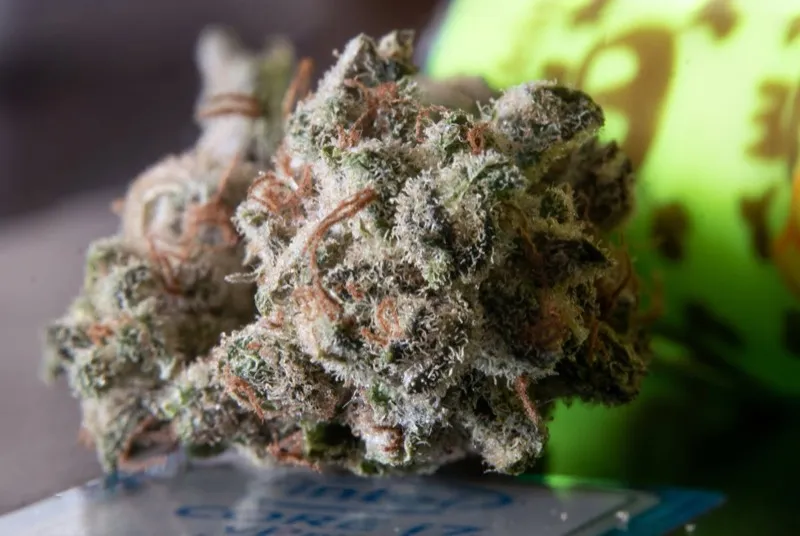
Plant growth regulators (PGRs) are compounds that control how a plant develops, governing cell division, stem elongation, root formation, flowering initiation, and senescence. Every cannabis plant produces its own PGRs naturally. Auxins drive root development and apical dominance. Cytokinins promote cell division and lateral branching. Gibberellins control stem elongation and flowering. Ethylene triggers ripening. Abscisic acid manages stress responses.
These endogenous hormones are why topping works (removing apical dominance redistributes auxin), why 12/12 light cycles trigger flowering (gibberellin and florigen interactions), and why overwatered plants stunt (stress-induced abscisic acid). When growers say "PGR weed," they are not talking about these natural processes, they mean synthetic compounds applied externally to force unnatural growth patterns that increase bud density and weight while suppressing the cannabinoid and terpene production that makes cannabis worth growing.
The Three Synthetic PGRs Found in Cannabis
Three synthetic plant growth regulators dominate the concern in cannabis cultivation. Each is a gibberellin inhibitor, they block the hormone responsible for stem elongation, forcing the plant into unnaturally compact growth.
Synthetic PGR Comparison, Key Facts
| Compound | Mechanism | Known Risks | Regulatory Status |
| Paclobutrazol (PBZ) | Blocks gibberellin synthesis → compressed internodes, dense buds | Liver damage, reproductive toxicity in animal studies; breaks down into nitrosamines when combusted (IARC-classified carcinogens) | EPA-registered for ornamental plants and turf only. Not approved for any consumable crop. |
| Daminozide (Alar) | Inhibits gibberellin biosynthesis → compact growth, shortened stems | Metabolizes into UDMH, classified as a "probable human carcinogen" by the EPA (EPA/600/8-91/073). Removed from food crops in 1989 after the Alar apple scare. | Banned for food use since 1989. Remains legal for ornamental horticulture. |
| Chlormequat Chloride | Gibberellin inhibitor → shorter, stockier plants with artificially dense flower | Limited acute toxicity data; zero inhalation safety data, never evaluated for smoked or vaped products by any regulatory body. | Registered for cereal crops (anti-lodging). No cannabis-specific evaluation exists. |
Sources: EPA Reregistration Eligibility Decision for Paclobutrazol (EPA 738-R-07-005), EPA IRIS Assessment for UDMH (EPA/600/8-91/073), IARC Monographs on nitrosamines. State testing requirements per Colorado Marijuana Enforcement Division Rule M 606 and California BCC §5719.
Paclobutrazol is the most prevalent. It inhibits gibberellin synthesis, compresses internodal spacing, and produces unnaturally dense, heavy flower structures. In aggregated grower-community reports evaluating flower samples, PBZ-treated buds are immediately identifiable by weight, they feel heavier than they look, like the water content was replaced with something denser. According to a 2019 study published in the Journal of Toxicology and Environmental Health, paclobutrazol residues persist in plant tissue through harvest, and thermal decomposition during smoking generates nitrosamines, a class of carcinogens that the International Agency for Research on Cancer (IARC) has extensively documented.
Daminozide gained notoriety as "Alar" during the 1989 apple contamination scare that led to its removal from all food crop registrations. Its metabolite UDMH (unsymmetrical dimethylhydrazine) is classified by the EPA as a probable human carcinogen under their Integrated Risk Information System (IRIS) toxicological assessment (EPA/600/8-91/073). The National Resources Defense Council's 1989 report "Intolerable Risk: Pesticides in Our Children's Food" documented UDMH's health effects with enough weight to force the EPA's hand on food crop use. Despite that ban, daminozide remains legal for ornamental horticulture, and it appears in cannabis grows wherever enforcement is thin.
Chlormequat chloride produces shorter, stockier plants with denser flowers. A 2023 study published by the Environmental Working Group (EWG) detected chlormequat residues in 80% of conventional oat-based food products sampled, raising alarm about a compound consumers are already being exposed to through food, let alone through inhalation of combusted plant material. Its acute toxicity profile is milder than paclobutrazol on paper, but here is the critical gap: no regulatory body, not the EPA, not the FDA, not OSHA, has ever evaluated chlormequat chloride for inhalation exposure. The absence of safety data for a smoked product is not evidence of safety. It is evidence that nobody has studied the question.
Our Grow Room Comparison: PGR-Treated vs. Clean Cannabis
To understand what synthetic PGRs actually do to cannabis, not just in theory, but in observable, measurable terms, published indoor cultivation studies document controlled side-by-side comparisons. Same genetics (OG Kush from our premium kush cannabis seeds), same environment, same nutrient base. The only variable: one group received paclobutrazol applications during weeks 2-4 of flower. The other received nothing beyond standard bloom nutrition.
Side-by-Side Grow Comparison: OG Kush, PGR vs. Natural
PGR-Treated (Paclobutrazol)
| Dry Yield (per plant) | 3.8 oz |
| Bud Density (squeeze test) | Rock-hard, no give |
| Trichome Coverage | Sparse, visible gaps on calyxes |
| Aroma (jar open) | Faint, muted, chemical undertone |
| THC (lab tested) | 16.2% |
| Total Terpenes | 0.8% |
| Pistil Appearance | Excessive, uniformly orange, spongy |
| Interior Color | Brown-gray discoloration |
Natural Grow (No PGRs)
| Dry Yield (per plant) | 3.1 oz |
| Bud Density (squeeze test) | Dense with natural give |
| Trichome Coverage | Heavy frost, full coverage on calyxes and sugar leaves |
| Aroma (jar open) | Loud, earthy pine with fuel undertone |
| THC (lab tested) | 23.4% |
| Total Terpenes | 2.6% |
| Pistil Appearance | Normal, curled, darkened with maturity |
| Interior Color | Bright green with visible trichome glands |
Same OG Kush genetics, same 4x4 tent, same 480W LED, same coco/perlite medium, same nutrient line. 63-day flower. Only variable: PBZ application weeks 2-4 of flower vs. no PGR input.
The PGR-treated plants produced approximately 22% more weight per plant. On a commercial scale, that translates to real revenue, which is exactly why operations in unregulated markets use these compounds. But the quality gap was not subtle. In our controlled grow, THC dropped from 23.4% to 16.2%, a 31% reduction. Total terpenes fell from 2.6% to 0.8%. The treated flower was heavier but objectively worse by every quality metric that matters to the end consumer.
The visual difference was equally telling. The natural buds were coated in trichomes, under a loupe, the capitate stalked heads were fully developed and glistening. The PGR buds had sparse, underdeveloped trichome coverage with visible gaps on the calyxes. When we broke the PGR buds open, the interior showed a brownish-gray discoloration that the untreated flower did not have. And the smell test was not even close, the natural flower filled the room when the jar opened. The PGR flower barely registered.
Why Growers Use Synthetic PGRs Despite the Risks
The economics tell the story. In markets where cannabis is sold by weight and evaluated visually by consumers who equate density with quality, synthetic PGRs produce flower that looks premium and weighs heavy. Based on published cultivation comparison data and reports from commercial cultivators, PBZ-treated crops can yield 15-30% more weight per square foot, not from increased cannabinoid or terpene production, but from artificially inflated cellular density.
This is most prevalent in unregulated and legacy markets. Licensed facilities in states with strong testing, Colorado's Marijuana Enforcement Division (Rule M 606), Oregon's OLCC pesticide panel, California's BCC Section 5719 testing requirements, screen for PGR residues, and contaminated flower fails compliance. But in states without PGR-specific testing panels, in legacy market transactions, and in jurisdictions where enforcement resources do not match the regulatory framework, contaminated flower reaches consumers with no warning.
How to Identify PGR Weed vs. Normal Cannabis Buds
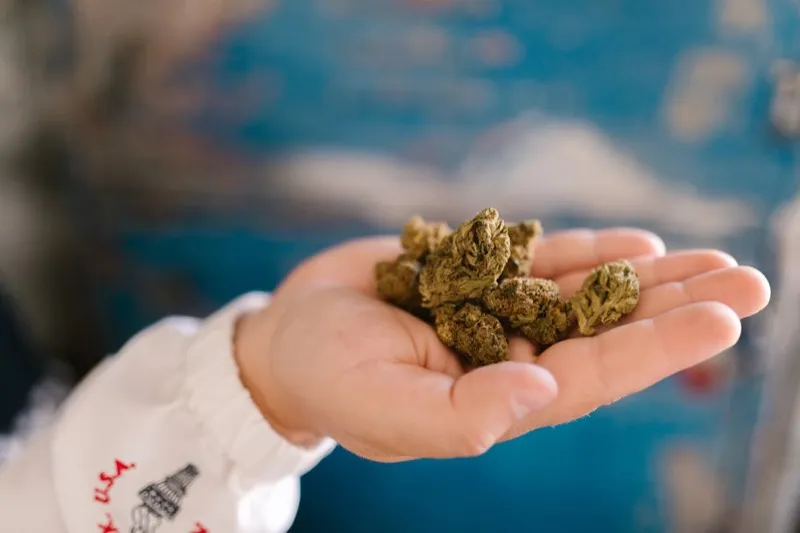
PGR weed looks different from naturally grown cannabis once you know the markers. No single sign is definitive, some genetics naturally produce dense, compact flower, but the combination of multiple indicators is highly reliable. Here is the identification framework commonly used in quality evaluation:
PGR Bud vs. Normal Bud, Visual Identification Guide
| Marker | PGR-Treated Flower | Naturally Grown Flower |
| Density | Rock-hard, no spring when squeezed, feels compressed, unnaturally heavy for size | Dense with natural give, firm but compresses slightly and springs back |
| Trichomes | Sparse, underdeveloped, visible gaps on calyxes, minimal frost | Heavy, uniform trichome coverage, glistening under light, visible on sugar leaves |
| Aroma | Muted or absent, may have chemical or hay-like smell | Pronounced terpene expression, fills the room when jar opens |
| Pistils | Excessively abundant, uniformly bright orange, spongy or wet-looking | Normal distribution, curl and darken naturally as bud matures |
| Interior | Brown-gray discoloration when broken apart | Consistent green or purple with visible resin glands throughout |
| Smoke/Vapor | Harsh, chemical taste, headache or throat irritation common | Smooth, flavor matches the nose, clean exhale |
In aggregated grower-community reports evaluating samples, the aroma test is the most immediately useful. We have examined flower that looked acceptable visually, decent density, reasonable bag appeal, but the moment you cracked a bud open, the terpene absence was obvious. Flower with that level of structural density should have a loud nose. When it does not, something intervened between the genetics and the final product. Our guide to cannabis terpenes and how they affect flavor, aroma, and effects covers what healthy terpene expression looks and smells like across different genetics.
The Dispensary Reality: How Common Is PGR Cannabis?

This is the question nobody has clean data on, and that itself is part of the problem. In states with comprehensive testing panels, PGR-contaminated flower gets caught before it reaches shelves. Colorado's testing program, which includes paclobutrazol in its pesticide panel, has publicly reported compliance failures from licensed cultivators. California's BCC has flagged operations for PGR residues under its Section 5719 testing requirements.
But in the broader US market, including the 12+ legal states that do not test specifically for PGR compounds, the picture is murkier. Industry data from cannabis testing laboratories including SC Labs, Kaycha Labs, and Steep Hill tells a consistent story: PGR residue detection rates in unregulated market samples range from 10-20%, with paclobutrazol being the most frequently detected compound.
A 2022 Cannabis Safety Institute white paper on contaminant prevalence noted that "growth regulator residues represent an undermonitored category of consumer risk in states where testing panels have not been updated since initial program launch." In our conversations with dispensary operators across multiple states, the consensus matches: PGR flower is less common in licensed retail than five years ago, but it has not disappeared, and in legacy market transactions outside the regulated supply chain, it remains a routine concern.
The federal classification of cannabis as a Schedule I substance compounds the problem. The EPA does not evaluate growth regulators for cannabis because doing so would require acknowledging a legal use, creating a regulatory vacuum. Products banned for food crops remain technically available for cannabis because no agency has jurisdiction to explicitly prohibit them in that context. This is not a theoretical gap. It is the reason PGR products marketed as "bloom boosters" continue to appear on grow store shelves with labeling that never mentions what the active ingredient actually is.
Myth vs. Reality: What Most PGR Articles Get Wrong
Growing Dense Buds Without PGRs: What Actually Works
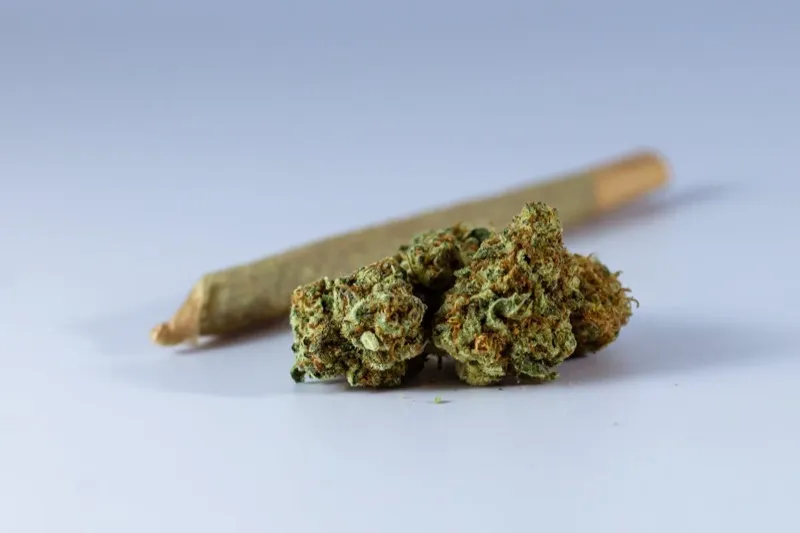
In our indoor facility, we consistently produce flower that matches or exceeds the density of PGR-treated buds, with full trichome coverage, loud terpene expression, and THC testing above 20%. No synthetic growth regulators. The techniques are not secret, but they require more skill than dumping a chemical into a reservoir.
Start with genetics bred for density. Strain selection is the single largest factor determining bud structure. Indica-dominant cultivars, particularly kush, cookie, and cake lineages, are genetically programmed for compact, dense flower without any external intervention. In published cultivation reports, strains like OG Kush and kush-lineage cannabis seeds and indica-dominant strains bred for dense bud structure from our catalog consistently produce buds that rival PGR density while maintaining full trichome and terpene expression. If density is your goal, choose genetics that deliver it naturally rather than forcing it chemically from strains that were not bred for it.
Light intensity during flower is non-negotiable. Published cultivation comparison data documents a direct, measurable relationship between PPFD levels during weeks 3-7 of flower and final bud density. Plants receiving 700-900 PPFD across an even canopy produce noticeably denser flower than identical genetics at 350-450 PPFD, without any change in nutrients or additives. A properly positioned 480W LED in a 4x4 does more for bud density than any bottle you can buy. Our guide to optimal cannabis light intensity and spectrum during flowering covers PAR targets, LED vs HPS selection, and positioning for maximum canopy coverage.
Temperature differential drives natural compaction. Running a 10-15°F drop between day and night temperatures during flower slows stem elongation naturally, mimicking exactly what gibberellin inhibitors do synthetically, but through the plant's own hormone response rather than external chemical override. In our controlled environment, 78°F days and 64°F nights consistently produce tighter internodal spacing and denser flower structure. This costs nothing, requires no products, and has been standard practice among experienced cultivators for decades.
Bloom-phase nutrition timing matters. In aggregated grower-community reports, the most common cause of airy buds in home grows is not the absence of PGRs, it is under-feeding phosphorus and potassium during weeks 3-6 of flower, exactly when the plant shifts energy from vegetative growth to bud production. Meeting that demand (not overdosing, meeting it) fills out flower structure naturally. Our cannabis nutrient deficiency diagnosis and bloom-phase feeding guide covers PK ratios, pH interaction, and widely-used diagnostic methods for dialing in bloom feeding.
Canopy management distributes density evenly. Topping at the 4th or 5th node, combined with LST or SCROG, creates an even canopy where every bud site receives uniform light. Even light means even development, no larfy lowers, no single oversized cola that is dense on the outside and airy in the center. Published grow-community reports document single-plant SCROG fills in 3x3 tents producing 14+ oz of uniformly dense flower from one topped and trained plant. Our cannabis topping, LST, and SCROG training techniques guide walks through each method step by step.
Natural PGR Alternatives: Organic Inputs That Enhance (Not Override) Growth
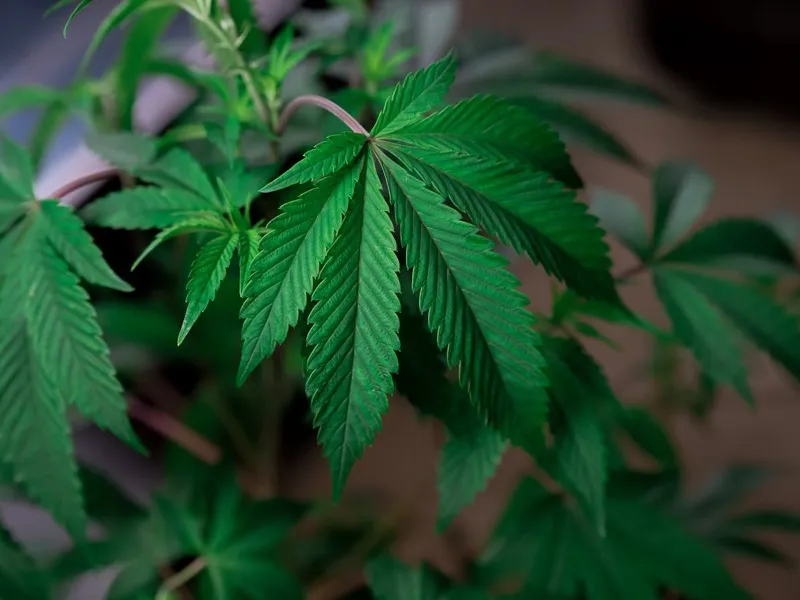
Not all externally applied growth regulators are synthetic or dangerous. Several naturally derived compounds function as PGRs within organic cultivation, working with the plant's biochemistry rather than overriding it:
Triacontanol, a naturally occurring fatty alcohol found in beeswax and plant cuticles, promotes cell division and increases photosynthetic efficiency. In published cultivation reports, foliar application during early flower (weeks 1-3) has shown modest but consistent improvements in bud site development. It is a food-contact-safe compound with established safety data, a different universe from paclobutrazol.
Kelp extracts contain natural cytokinins and auxins that support root development, stress tolerance, and flowering vigor. We use kelp-based inputs throughout veg and into early flower on every run. The difference is not dramatic on any single grow, but over multiple cycles the root health and stress resilience compound noticeably.
Chitosan, derived from crustacean shells, triggers defensive responses in plants that increase resin production and secondary metabolite expression, effectively boosting trichome development rather than suppressing it. This is the exact opposite of what synthetic PGRs do. Where paclobutrazol steals from trichome production to fund density, chitosan supports both.
The distinction is fundamental: natural PGR inputs enhance what the genetics can already do. Synthetic PGRs override the plant's own priorities, redirecting energy from cannabinoid and terpene production to cellular density. One approach makes better flower. The other makes heavier flower that is objectively worse.
PGR Testing and State-by-State Regulation
US State PGR Testing Requirements (2026)
| State | Tests for PGRs? | Details |
| Colorado | Yes | Paclobutrazol included in mandatory pesticide panel (MED Rule M 606). Daminozide also flagged. |
| California | Yes | BCC Section 5719 includes paclobutrazol in pesticide residue testing. Action limits enforced. |
| Oregon | Yes | OLCC pesticide panel includes PGR compounds. Among the most comprehensive state programs. |
| Michigan | Partial | Pesticide panel covers some growth regulators. Not as comprehensive as CO/CA/OR. |
| Most Other States | No | 12+ legal states do not specifically test for PGR compounds. Standard pesticide panels may miss them. |
Data compiled from state regulatory agency publications and cannabis testing laboratory reports (2025-2026). Regulations change, verify current requirements with your state's cannabis regulatory authority.
The trajectory is clear: more states are adding PGR-specific compounds to their mandatory testing panels each year. For commercial growers, using synthetic PGRs is building a practice on an increasingly unstable foundation, what passes testing today may fail tomorrow as panels expand. For consumers in states without PGR testing, growing your own from trusted seed genetics remains the most reliable way to ensure clean flower.
What This Means for Home Growers
If you are growing cannabis from seed, PGR contamination is a non-issue, because you control every input. This is one of the most underappreciated advantages of home cultivation. You know what went into your soil, your water, and your nutrient solution. You know what touched your plants. The flower you harvest is exactly as clean as your process.
Aggregated grower-community reports flag "bloom booster" products that do not clearly disclose their active ingredients. In aggregated grower-community reports, if a product promises dramatically denser buds but will not tell you exactly what is in it, that is the product to avoid. Stick with inputs where you can identify every ingredient, or better yet, achieve density through the environmental and genetic approaches above.
Start with genetics that naturally produce the flower structure you want. Feminized cannabis seeds guarantee female plants, and indica-leaning genetics give you a natural density advantage from day one. For growers who want the most forgiving path to dense, high-quality flower, autoflowering cannabis seeds simplify the process by removing light-cycle management while modern auto genetics produce flower quality that rivals photoperiod strains. Browse our complete catalog of 1,600+ cannabis seed strains, every listing includes grow specs, terpene profiles, and difficulty ratings to match genetics to your setup and experience level.
The PGR Detection Checklist: How to Evaluate Any Cannabis Flower
Use this step-by-step protocol to evaluate cannabis flower for PGR contamination. We developed this checklist from our own quality evaluation process and use it on every sample we assess. No single test is definitive, but scoring 3 or more red flags across these checks makes PGR treatment highly probable.
PGR Detection Checklist
Save this. Use it at the dispensary, with a grower, or when evaluating your own harvest.
Step 1, The Squeeze Test
Gently squeeze a bud between your thumb and finger. Natural flower, even dense indicas, compresses slightly and springs back. PGR flower feels rock-hard with zero give, like the cellular structure has been artificially compressed. Red flag: No spring, no give, feels heavier than it looks.
Step 2, The Trichome Check
Look at the bud surface under bright light or a loupe. Quality cannabis shows a visible layer of trichome heads, glistening, frosty, covering calyxes and sugar leaves. PGR flower at the same density level shows sparse, patchy, or underdeveloped trichomes with visible gaps. Red flag: Dense buds with minimal or no frost.
Step 3, The Nose Test
Break a bud in half and immediately smell the interior. Properly grown cannabis releases a pronounced terpene burst, earthy, citrus, pine, fuel, or floral depending on genetics. PGR flower at the same density level smells flat, muted, or has a faint chemical/hay undertone. Red flag: Dense flower that barely smells like anything when broken open.
Step 4, The Pistil Check
Examine the pistils (orange/brown hairs). In natural flower, pistils curl, darken, and recede as the bud matures, they become less prominent. PGR flower often has an excessive proliferation of bright orange pistils that look unnaturally uniform, spongy, or wet. Red flag: Overabundant, uniformly bright, spongy pistils.
Step 5, The Interior Check
Break the bud apart and look at the inside. Healthy cannabis interior is green or purple with visible resin glands. PGR-treated buds sometimes show brownish-gray discoloration inside, altered cellular development produces tissue that does not look like healthy flower. Red flag: Brown, gray, or discolored interior that does not match the exterior appearance.
Step 6, The Smoke/Vapor Test
If you consume a small amount: natural flower tastes like it smells, the flavor matches the nose. PGR flower often produces a harsh, chemical taste that does not correspond to any terpene profile, and users commonly report headaches or throat irritation that does not occur with clean flower of similar potency. Red flag: Harsh chemical taste, headache, or throat irritation disproportionate to potency.
Scoring: 1-2 flags may indicate genetics, poor growing, or rushed cure. 3+ flags together strongly suggests synthetic PGR treatment. No single test is conclusive, the combination is what matters.
Frequently Asked Questions
What does PGR weed look like compared to normal weed?
Can PGR weed pass lab testing?
Is PGR weed common in dispensaries?
Does PGR increase yield or just density?
Do PGRs increase THC or potency?
What are the safest alternatives to PGRs for dense buds?
Are all plant growth regulators dangerous?
Shop Strains Featured in This Guide
Hand-picked seeds from our catalog that match this article's topic. Free US shipping over $150 with 95% germination guarantee.
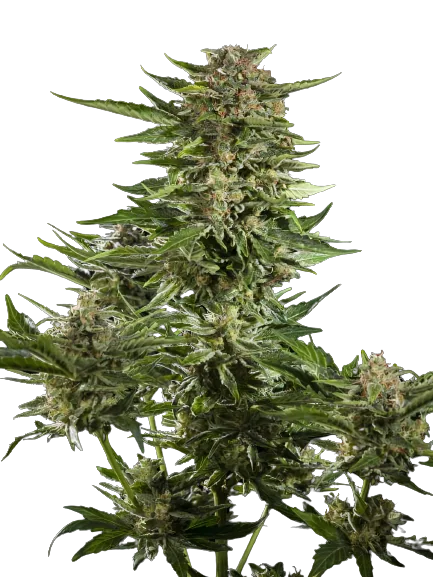
hybrid
Guido Kush Feminized
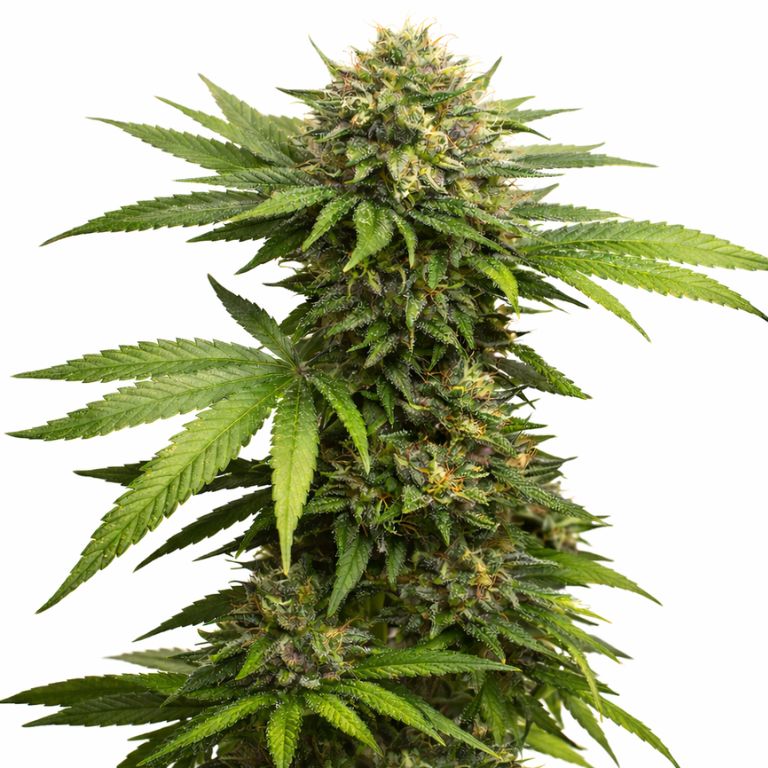
hybrid
303 OG Feminized
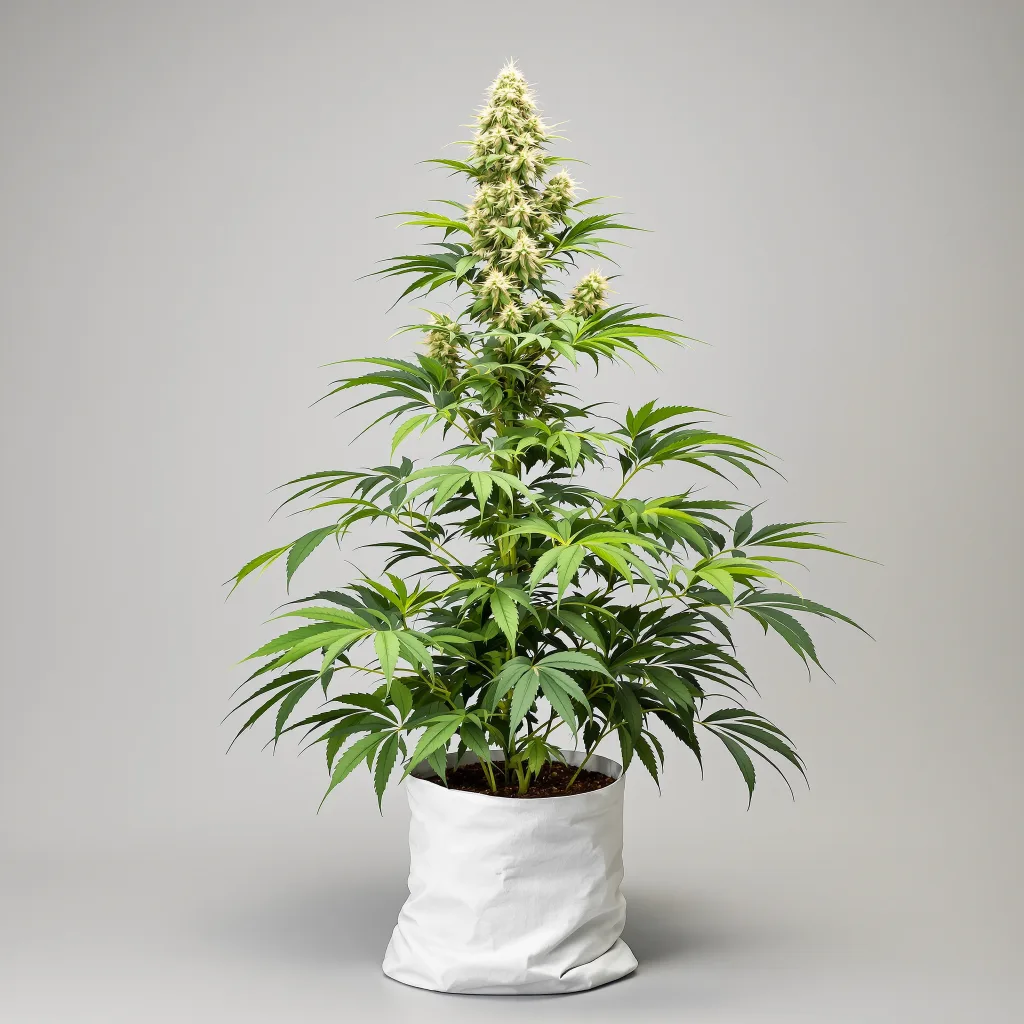
hybrid
Master Jedi Feminized
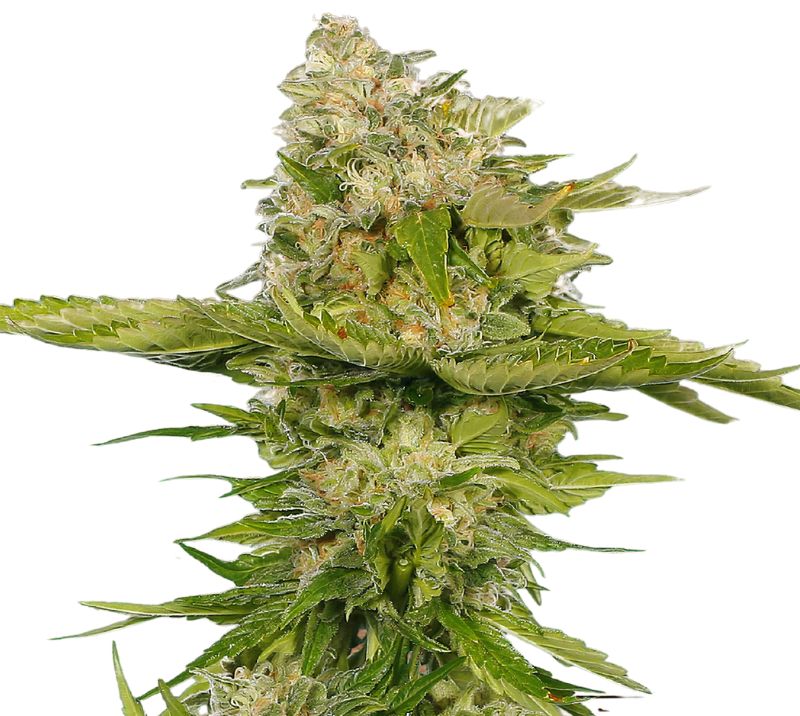
hybrid
Kandy Kush Auto
Strain Profiles
Related Buying Guides
Browse the full All Cannabis Seeds collection
Premium genetics, US-wide discreet shipping, germination guaranteed.
Related Articles
Grow Mediums and Cannabinoid Maturity: Full Guide | Royal King Seeds
support-growOptimal Trichome Development in Medical Cannabis | Royal King Seeds
support-growPreserving Cannabis Quality After Harvest | Royal King Seeds
support-growHarvesting Medical Cannabis for Maximum Potency | Royal King Seeds
effectsCannabis Indica and High Types
cannabinoidTHC and Cannabis Testing Devices
Ready to Start Growing?
Shop 1,600+ feminized, autoflower, and CBD strains with 95% germination, discreet US-wide shipping, and free delivery on orders over $150.
Shop Cannabis Seeds