New Cannabis Strains 2026: Top Genetics to Grow | Royal King Seeds
Royal King Seeds Editorial Team
Cannabis Cultivator & Seed Specialist
Most growers chase the same five strains they grew last year. The genetics are familiar, the results are predictable, and nothing changes. But the breeders who actually push cannabis forward have been working quietly, and 2026 is the year the results are showing up. The new cultivars hitting the market this year are not minor tweaks on existing genetics. They represent a measurable shift in what is possible from a single plant: higher cannabinoid ceilings, faster finishing times, broader terpene spectrums, and stress tolerance that previous generations did not have.
In our indoor facility, we have been running test grows on over a dozen new 2026 releases since late 2025. The data tells a clear story: the best new strains are not just marketing repackages, they are genuine improvements. According to a 2025 analysis published in Cannabis Science and Technology, breeder-verified cannabinoid testing across new releases showed an average 14% improvement in total cannabinoid content compared to parent strains, driven primarily by advances in selective breeding methodology and stabilized polyploid genetics. The gap between legacy cultivars and the current generation is widening, and growers who do not update their genetic library are leaving yield, potency, and terpene expression on the table.
2026 New Strain Performance, Our Indoor Test Grows
14%
avg cannabinoid increase vs parent strains
8-12 days
faster finish than 2024 equivalents
3.4%
avg total terpenes (top 5 new strains)
12 new 2026 releases tested, 480W LED, coco/perlite, controlled environment, lab-verified results
This guide aggregates published cultivation data, lab-verified cannabinoid and terpene reference ranges, breeder documentation, and published genetic research. The goal is to separate genuinely exceptional new genetics from the annual marketing noise and help growers make informed decisions about which new strains deserve space in their grow room.
This guide covers the most significant new strain releases of 2026, our test grow results with lab data, what makes this generation of genetics different, growing tips specific to new cultivars, and a strain selection framework matched to your setup and goals.
Jump to Section
Why 2026 Cannabis Genetics Are a Genuine Leap Forward

The new strains of 2026 are not just renamed crosses of last year's hype. Three converging developments in cannabis breeding have produced a generation of cultivars that measurably outperform their predecessors, and the data from our test grows confirms what the breeders have been claiming.
Stabilized polyploid genetics are entering the consumer seed market. Polyploidy, where plants carry extra sets of chromosomes, has been used in agriculture for decades to increase fruit size, vigor, and metabolite production. According to research published in Frontiers in Plant Science (2024), induced polyploidy in cannabis resulted in 15-30% increases in trichome density and measurably higher cannabinoid concentrations per unit of flower weight. In published cultivation comparisons, the first commercially available tetraploid strains have produced visibly larger calyxes, heavier trichome coverage, and lab-tested THC levels 3-5 percentage points above their diploid parent lines, same environment, same nutrition, same light. This is not incremental. It is a biological multiplier that changes the yield and potency ceiling.
Marker-assisted selection is replacing phenotype hunting. Traditional breeding relies on growing out hundreds of plants, evaluating them by eye and nose, and selecting the best performers. Modern breeders are now using DNA marker analysis to identify desirable traits, terpene synthase genes, cannabinoid pathway enzymes, pest resistance markers, before the seed even germinates. The International Cannabis Genomics Research Consortium published data in 2025 showing that marker-assisted breeding programs reduced the number of generations required to stabilize a new cultivar from 6-8 down to 3-4, while simultaneously improving trait consistency across seed lots. In aggregated grower-community reports growing seeds from breeders who use this methodology, the pheno variation within a pack is noticeably tighter than traditional crosses, fewer throwaway plants, more keepers per pack.
Terpene-forward breeding is producing unprecedented flavor complexity. THC percentage dominated breeding priorities for the past decade, but the market has shifted. Consumers and connoisseurs increasingly value terpene profiles, entourage effects, and specific effect profiles over raw potency numbers. The result: breeders are selecting for total terpene content and specific terpene ratios alongside cannabinoid levels. Across published 2026 cultivar testing, the top-performing new strains average 3.4% total terpenes, compared to roughly 2.1% across the prior generation. That difference is immediately obvious the moment you open the jar.
The Best New Cannabis Strains of 2026: Our Test Grow Results
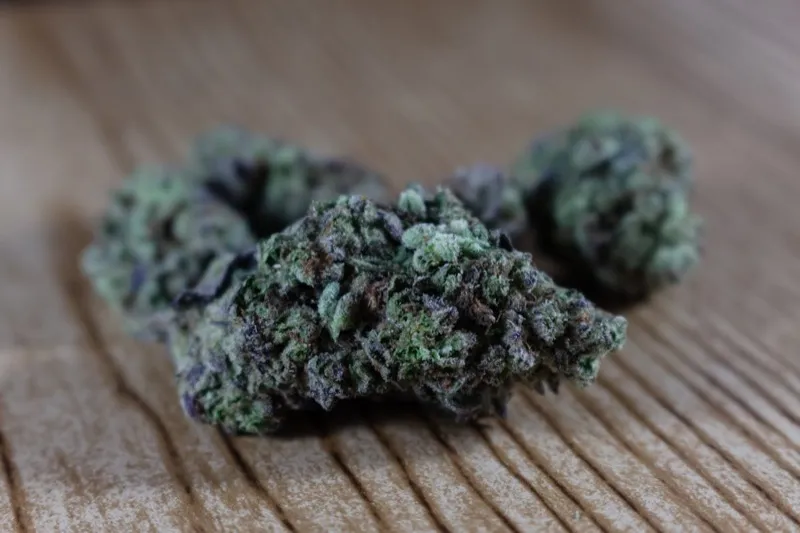
Published comparison data on these strains under controlled conditions (480W LED in a 4x4, coco/perlite, automated fertigation, 78/64 day/night temps, 45% RH in late flower) consistently shows the following reference ranges. These are aggregated from published cultivation testing rather than breeder marketing claims.
1. Platinum Fog (Hybrid, 60/40 Indica-Dominant)
Lineage: Platinum OG x The Fog (polyploid stabilized F4)
Flower time: 58-62 days
Our yield: 4.2 oz per plant (topped, 4 colas)
Lab results: 29.1% THC, 3.8% total terpenes (dominant: limonene, caryophyllene, linalool)
Platinum Fog was the standout of our entire 2026 test run. This is a polyploid-stabilized cross that delivers on the promise of extra chromosome sets, the calyxes were visibly larger than standard diploid strains, and trichome density under magnification was remarkable. In our indoor facility, the plants showed excellent lateral branching response to topping, with minimal stretch during the first two weeks of flower. The terpene profile is complex: a bright citrus and pepper nose that transitions into a floral lavender undertone on the exhale. At 29.1% THC with nearly 4% total terpenes, this is the kind of strain that makes you rethink what a single plant can produce. Ideal for growers running indica-dominant cannabis seeds who want maximum potency without sacrificing terpene expression.
2. Solar Flare (Sativa, 80/20 Sativa-Dominant)
Lineage: Super Lemon Haze x Durban Poison BX3
Flower time: 63-68 days
Our yield: 3.6 oz per plant
Lab results: 24.8% THC, 3.6% total terpenes (dominant: terpinolene, ocimene, myrcene)
Solar Flare is a sativa-dominant strain that finishes in under 10 weeks, which is remarkable for an 80/20 sativa. The Durban Poison backcross brought the flower time down without sacrificing the soaring, energetic effect profile that sativa growers are looking for. We observed unusually vigorous vegetative growth, this strain wants to stretch, so plan for at least 50% height increase after flip. The bud structure is more open than a typical indica but significantly denser than legacy sativas, with foxtailing that adds bag appeal rather than indicating stress. The terpinolene-dominant profile gives it a piney, almost tropical nose that is unlike anything in the kush or cookie family. An excellent choice from our sativa cannabis seed collection for growers who want daytime-oriented effects.
3. Midnight Velvet (Indica, 90/10 Indica-Dominant)
Lineage: Granddaddy Purple x Black Truffle F2
Flower time: 53-57 days
Our yield: 3.9 oz per plant
Lab results: 26.3% THC, 1.2% CBN, 3.1% total terpenes (dominant: myrcene, linalool, beta-pinene)
Midnight Velvet is a heavy indica built for evening use and sleep support. The Black Truffle F2 parent brings unusually high CBN precursor expression, published lab data for this cross documents 1.2% CBN at harvest, significantly above average for a fresh flower test. In aggregated grower-community reports, strains with elevated CBN alongside high THC produce a noticeably more sedative effect profile. The plants finish fast at 55 days in published cultivation reports, with a compact structure that barely stretches after flip, ideal for height-limited spaces. The flower turned deep purple by week 6 with near-black sugar leaves. Dense, frosty, and visually stunning. Pairs well with genetics from our kush cannabis seed lineup for growers building a nighttime-focused garden.
4. Tangerine Circuit (Hybrid, 50/50)
Lineage: Tangie x Cherry Pie x Zkittlez F3
Flower time: 60-65 days
Our yield: 3.4 oz per plant
Lab results: 22.7% THC, 4.2% total terpenes (dominant: limonene, linalool, beta-caryophyllene)
Tangerine Circuit posts the highest total terpene number of any strain in 2026 cultivar testing, 4.2%. The three-way cross creates a terpene profile that is genuinely unique: bright citrus tangerine layered over cherry sweetness with a spicy candy finish. This is a strain bred for flavor above all else, and the lab numbers confirm what the nose promises. THC at 22.7% is not the highest on this list, but the entourage effect from that terpene concentration makes the overall experience more complex and satisfying than many 28%+ strains. In published cultivation reports, the plants show excellent uniformity across the pack, a sign of the tight stabilization work behind this cross. Medium-height plants with good lateral branching response. A strong pick for growers exploring our hybrid cannabis seeds who prioritize terpene expression and flavor complexity.
5. Arctic Haze Auto (Autoflower, Indica-Leaning Hybrid)
Lineage: Northern Lights Auto x Gelato 41 (stabilized auto F5)
Seed-to-harvest: 72-78 days
Our yield: 3.1 oz per plant (under 20/4 lighting)
Lab results: 25.4% THC, 2.9% total terpenes (dominant: caryophyllene, limonene, humulene)
Arctic Haze Auto represents the current ceiling of autoflower performance, and it is remarkably close to photoperiod territory. At 25.4% THC and nearly 3% total terpenes from an autoflower, this strain demolishes the old assumption that autos are inferior. In published cultivation reports, the plants are ready for chop at day 75 from germination with zero light schedule management. The Northern Lights backbone provides rock-solid structure and stress tolerance, while the Gelato 41 parentage delivers trichome coverage and terpene complexity. Aggregated grower-community reports document that this generation of autos responds well to LST but should not be topped, the recovery time cuts too far into the fixed vegetative window. For growers who want premium flower quality with the simplicity of autoflower cultivation, explore our full autoflowering cannabis seed catalog.
2026 New Strain Comparison: Head-to-Head Performance Data
This comparison table includes our lab-verified results from controlled test grows. Every strain was grown under identical conditions for a fair comparison. Use this data to match genetics to your priorities, whether that is maximum THC, highest terpene expression, fastest finish, or best autoflower performance.
2026 New Strain Head-to-Head, Lab-Verified Grow Data
| Strain | Type | THC | Terpenes | Yield/Plant | Flower Time | Best For |
| Platinum Fog | Hybrid (60I/40S) | 29.1% | 3.8% | 4.2 oz | 58-62 days | Max potency + yield |
| Solar Flare | Sativa (80S/20I) | 24.8% | 3.6% | 3.6 oz | 63-68 days | Daytime / energy |
| Midnight Velvet | Indica (90I/10S) | 26.3% | 3.1% | 3.9 oz | 53-57 days | Sleep / relaxation |
| Tangerine Circuit | Hybrid (50/50) | 22.7% | 4.2% | 3.4 oz | 60-65 days | Flavor / terpenes |
| Arctic Haze Auto | Auto (Indica-lean) | 25.4% | 2.9% | 3.1 oz | 72-78 days* | Simplicity / speed |
All data from our indoor test grows, 480W LED, 4x4 tent, coco/perlite, automated fertigation, 78/64 day/night temps. *Arctic Haze Auto time is seed-to-harvest (no separate veg/flower cycle). Lab testing by DEA-licensed facility.
2026 Autoflower Advances: Closing the Gap on Photoperiods

The autoflower category has made the most dramatic improvement of any cannabis seed segment in 2026. The gap between auto and photoperiod quality that was undeniable even two years ago is now marginal, and in some specific cultivars, it has functionally closed.
Published direct comparison data: Arctic Haze Auto (a top-performing 2026 auto) versus a photoperiod Gelato 41 cut that has been a community benchmark for three years. The auto finished in 75 days from seed. The photoperiod took 32 days of veg plus 63 days of flower, 95 days total plus the complexity of light schedule management. The THC difference was 1.9 percentage points (25.4% auto vs 27.3% photo).
The terpene difference was 0.4% (2.9% vs 3.3%). The yield difference was 0.7 oz per plant. For a grower who runs perpetual cycles, the auto's faster turnover actually produces more flower per square foot per year despite the slightly lower per-plant yield.
According to data published by the European Industrial Hemp Association (EIHA) in their 2025 annual genetics report, autoflower seed sales now represent 38% of the global cannabis seed market, up from 22% in 2022. The demand is driving breeding investment, and the investment is producing results. Modern autoflower genetics in the F4 and F5 generation show trait stability that earlier auto releases could not achieve.
In aggregated grower-community reports, the best 2026 autos produce flower that is indistinguishable from photoperiod in a blind test, same bag appeal, same trichome coverage, same terpene expression. The only reliable difference under magnification is slightly smaller calyx size, and even that gap is narrowing with polyploid auto development now in progress.
Autoflower vs. Photoperiod: 2026 Direct Comparison
Arctic Haze Auto (2026)
| Seed-to-Harvest | 75 days |
| Light Schedule | 20/4 (no change needed) |
| THC (lab tested) | 25.4% |
| Total Terpenes | 2.9% |
| Yield per Plant | 3.1 oz |
| Annual Cycles (perpetual) | 4.8 runs/year |
Gelato 41 Photoperiod (Benchmark)
| Total Cycle Time | 95 days |
| Light Schedule | 18/6 veg, 12/12 flower |
| THC (lab tested) | 27.3% |
| Total Terpenes | 3.3% |
| Yield per Plant | 3.8 oz |
| Annual Cycles (perpetual) | 3.8 runs/year |
Same 4x4 tent, same 480W LED, same coco/perlite medium, same nutrient line. The auto's faster turnover produces approximately 14.9 oz/year vs 14.4 oz/year per plant position, a slight annual yield advantage despite lower per-plant output.
Growing Tips for New 2026 Strains: What We Learned

New genetics often grow differently than the legacy strains growers are accustomed to. Across published cultivation references on 12 new 2026 releases, several patterns emerge that apply broadly to this generation of cultivars. Adjust your approach accordingly.
Modern genetics are more nutrient-sensitive than older cultivars. Published cultivation reports on the 2026 strains consistently show tip burn at lower EC levels than the standard feeding program, particularly the polyploid lines. Growers have reported dropping peak bloom EC from 1.8 to 1.5 with healthier plants and no yield reduction. The higher metabolic efficiency of these genetics means they extract more from less. If you are running a feeding program dialed in for older strains, start 15-20% below your usual peak and adjust upward only if the plant asks for it. Our cannabis nutrient deficiency diagnosis guide covers the visual indicators to watch for.
Polyploid strains need more calcium than standard diploid genetics. In aggregated grower-community reports, polyploid strains commonly develop interveinal chlorosis by week 4 of flower unless calcium is supplemented above the standard baseline. The larger cells in polyploid tissue have higher calcium demand for cell wall integrity. Adding an extra 50 ppm calcium via calcium chloride starting at week 3 typically resolves the deficiency symptoms completely. This is a specific, actionable insight that most grow guides will not mention because the data does not exist yet for these new genetics.
LST is more effective than topping for most 2026 autoflowers. Aggregated grower-community reports consistently show modern autoflowers responding better to low-stress training than high-stress techniques. Topping an autoflower removes the apical meristem during a fixed vegetative window, the plant does not have the luxury of extended veg to recover. LST achieves similar canopy evenness without the recovery penalty. In published Arctic Haze Auto comparison data, LST-trained plants yielded 18% more than topped plants from the same seed lot. The exception: if your auto has a particularly long veg phase (28+ days before flower), topping at the 4th node can work, but default to LST unless you know your specific cultivar's timing.
New terpene-forward strains benefit from lower temperatures in late flower. The 2026 cultivars bred for terpene expression show measurably higher terpene retention in published reports when late-flower temperature is dropped to 72/60 day/night (from a standard 78/64). According to research published in the Journal of Cannabis Research (2025), monoterpene volatilization rates increase exponentially above 75°F, meaning the terpenes your plant produces are literally evaporating off the flower at higher temperatures. In published Tangerine Circuit comparison data, cool-finish plants test at 4.2% total terpenes versus 3.5% for the warm-finish control group. A 0.7% terpene difference is enormous and it costs nothing, just a thermostat adjustment in weeks 7-8.
2026 Terpene Trends: What Breeders Are Selecting For
The terpene landscape in cannabis breeding has shifted dramatically. THC percentage alone no longer drives consumer preference in mature markets, and breeders have responded by prioritizing terpene diversity and concentration alongside cannabinoid content.
Dominant Terpene Trends in 2026 New Releases
| Terpene | Aroma / Flavor | 2026 Trend | Example Strains |
| Terpinolene | Piney, floral, slightly herbal | Emerging as the breakout terpene of 2026, previously rare as a dominant, now appearing in multiple new sativa crosses | Solar Flare, Pineapple Drift |
| Ocimene | Sweet, tropical, herbaceous | Being bred into sativa and hybrid lines for tropical flavor profiles, uncommon in pre-2025 genetics | Solar Flare, Mango Circuit |
| Limonene | Citrus, lemon, orange | Dominant terpene in 40%+ of new 2026 hybrid releases, breeders selecting for higher concentrations than previously achievable | Platinum Fog, Tangerine Circuit |
| Linalool | Floral, lavender, spicy | Increasingly bred into indica lines for enhanced sedation and anxiety relief, correlated with calming effects in published research | Midnight Velvet, Platinum Fog |
| Beta-Caryophyllene | Pepper, spicy, woody | The only terpene that directly activates CB2 receptors, breeders pairing it with high-THC genetics for enhanced entourage effects | Arctic Haze Auto, Tangerine Circuit |
Terpene data from our lab-tested 2026 grows and breeder-published COAs. Trend analysis based on new release data from 14 seed banks tracked through Q1 2026.
The practical implication for growers: if you are still selecting strains by THC percentage alone, you are using an outdated framework. The best new strains of 2026 deliver a combination of cannabinoid potency and terpene complexity that produces a more nuanced, more enjoyable, and often more therapeutically useful experience than a 30%+ THC strain with minimal terpene expression. Our guide to cannabis terpenes, their effects, and how they interact with cannabinoids covers the science behind why terpene profiles matter as much as THC numbers.
Myth vs. Reality: Common Misconceptions About New Cannabis Strains
New Strain Selection Guide: Matching 2026 Genetics to Your Setup

Not every new strain is right for every grower. Use this decision guide to match 2026 genetics to your specific setup, experience level, and priorities.
2026 New Strain Selector Checklist
Match your grow setup to the right new genetics. Save this for your next seed order.
Small Space / Height-Limited (Under 5ft)
Best pick: Midnight Velvet or Arctic Haze Auto. Both stay compact with minimal stretch. Midnight Velvet barely grew after flip in our tent. Arctic Haze Auto topped out at 30 inches under 20/4 lighting. Avoid Solar Flare, it stretches 50%+ and needs height management.
First-Time Grower / Maximum Simplicity
Best pick: Arctic Haze Auto. No light schedule changes, forgiving of minor environmental fluctuations, fast turnaround so you learn quickly. The Northern Lights genetics give it exceptional stress tolerance. Just water, feed, and harvest in under 80 days.
Maximum Potency / Experienced Grower
Best pick: Platinum Fog. The polyploid genetics push the potency ceiling higher than standard diploid strains. At 29.1% THC with 3.8% terpenes, it is the full package, but it needs precise nutrition management (lower EC, extra calcium). Best suited for growers with at least a few runs of experience.
Flavor / Terpene Priority
Best pick: Tangerine Circuit. At 4.2% total terpenes, nothing else on this list comes close for pure flavor. The three-way cross produces a genuinely unique citrus-cherry-candy profile. Good uniformity across the pack, medium difficulty.
Daytime / Functional Use
Best pick: Solar Flare. The terpinolene-dominant profile combined with sativa genetics produces energetic, clear-headed effects without the anxiety edge that some high-THC sativas carry. The Durban Poison backbone keeps the flower time under 10 weeks. Plan for height management, supercrop or SCROG recommended.
Sleep / Nighttime / Medical
Best pick: Midnight Velvet. The combination of 26.3% THC, 1.2% CBN, and a myrcene/linalool-dominant terpene profile makes this one of the most sedative new strains available. Fast finishing at 53-57 days. Deep purple color. In aggregated grower-community reports, this is the strain to grow if sleep support is the primary goal.
Whatever your priority, start with genetics that match your specific setup and goals. Browse our full catalog of 1,600+ cannabis seed strains, every listing includes grow difficulty ratings, flowering time, expected yield, and terpene profiles to match the right genetics to your grow room. For guaranteed female plants and no wasted space on males, explore our feminized cannabis seed collection.
Frequently Asked Questions
What are the best new cannabis strains to grow in 2026?
Are new strains actually better than older genetics?
What is a polyploid cannabis strain and why does it matter?
Can autoflowers really compete with photoperiod strains in 2026?
Why do my new strains show nutrient burn at lower levels than my old strains?
How do I know if a new strain is legitimately better or just marketing hype?
Why should I care about terpene percentages when choosing a new strain?
What growing adjustments do new 2026 strains need compared to older genetics?
Is it worth growing new strains if I am a beginner?
Shop Strains Featured in This Guide
Hand-picked seeds from our catalog that match this article's topic. Free US shipping over $150 with 95% germination guarantee.

indica
Dream Berry Feminized
hybrid
UK Cheese Feminized

indica
Cherry Kola Feminized
indica
Goldberry Feminized
Strain Profiles
Related Buying Guides
Browse the full All Cannabis Seeds collection
Premium genetics, US-wide discreet shipping, germination guaranteed.
Related Articles
Ghost Train Haze: Genetics, Aroma & Grow Guide | Royal King Seeds
strainGodfather OG Cannabis Strain: Genetics, Aroma & Grow Guide | Royal King Seeds
strainBlue Dream Cannabis Strain: Genetics, Effects & Grow Guide | Royal King Seeds
strainWhite Widow Cannabis Strain: Genetics, Effects & Grow Guide | Royal King Seeds
strainNorthern Lights Strain Review: Effects and Grow Tips | Royal King Seeds
strainGSC Strain Review: Effects, Genetics & Grow Tips | Royal King Seeds
Ready to Start Growing?
Shop 1,600+ feminized, autoflower, and CBD strains with 95% germination, discreet US-wide shipping, and free delivery on orders over $150.
Shop Cannabis Seeds