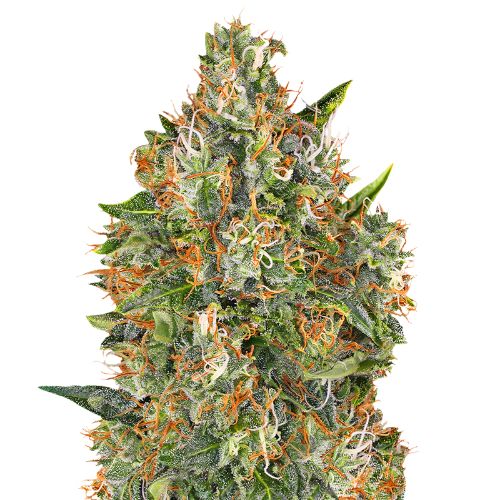
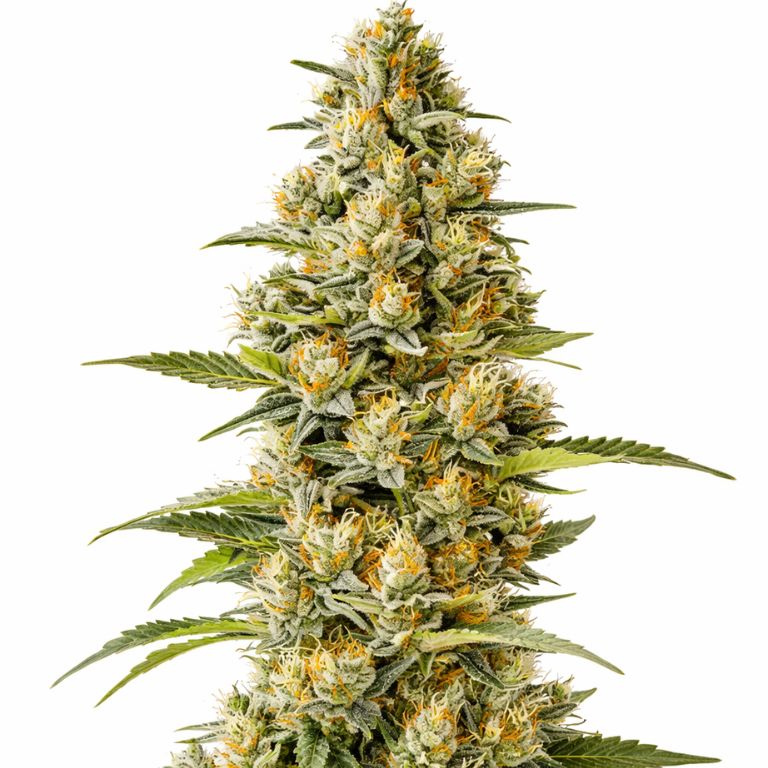
Medical Strain Analysis: G13 Widow
-
G13 Widow Cannabis SeedsFrom: $24.99
Introduction
G13 Widow is a hybrid cannabis strain that has garnered attention in the medical community for its potent effects and potential therapeutic applications. The strain is a cross between two legendary strains, G13 and White Widow, combining the best qualities of its parent strains. This detailed analysis delves into the origins, chemical profile, medical benefits, and growing conditions of G13 Widow, with a specific focus on its medical use, while excluding any recreational use and consumption methods.
Origins of G13 Widow
The Legend of G13
The origins of G13 are steeped in mystery and folklore, contributing to its status as a legendary strain. According to cannabis lore, G13 was allegedly developed in the 1960s or 1970s by the U.S. government at a top-secret research facility. The strain was reportedly part of a project aimed at breeding super-potent cannabis strains for undisclosed purposes. G13, also known as Government Indica Strain 13, was believed to be the result of crossbreeding various potent Afghanica strains.
Although the veracity of this story remains questionable, what is certain is that G13 is a potent indica strain with a high THC content. It gained popularity for its powerful effects, including deep relaxation and pain relief, making it a sought-after strain for medical use.
The Creation of White Widow
White Widow, the other parent strain of G13 Widow, was first bred in the Netherlands in the 1990s. It is a balanced hybrid, created by crossing a Brazilian sativa landrace with a South Indian indica. White Widow is renowned for its resin production, frosty appearance, and balanced effects, which offer a blend of cerebral stimulation and physical relaxation.
The Birth of G13 Widow
G13 Widow was created by crossing G13 with White Widow, resulting in a hybrid that carries the potent therapeutic qualities of both parent strains. This combination leads to a strain that is not only powerful in terms of effects but also versatile in its medical applications. G13 Widow inherits the resin production and balanced effects of White Widow, while also benefiting from the deep relaxation and pain-relieving properties of G13.
Chemical Profile of G13 Widow

Cannabinoid Content
The chemical profile of G13 Widow is characterized by its high cannabinoid content, particularly THC (tetrahydrocannabinol) and CBD (cannabidiol), though the exact ratios can vary depending on the specific phenotype and growing conditions.
- THC: G13 Widow typically has a high THC content, ranging from 18% to 24%. The main psychoactive ingredient in cannabis, THC, is what gives users of the drug a “high” when using it recreationally. However, in a medical context, THC is valued for its analgesic, anti-inflammatory, and antiemetic properties.
- CBD: The CBD content in G13 Widow is generally low, usually below 1%. Despite its low CBD levels, G13 Widow’s therapeutic potential is enhanced by the presence of other cannabinoids and terpenes that work synergistically with THC.
Terpene Profile
The terpene profile of G13 Widow contributes significantly to its aroma, flavor, and therapeutic effects. Terpenes are aromatic compounds found in cannabis that also play a role in modulating the effects of cannabinoids. The primary terpenes found in G13 Widow include:
- Myrcene: Myrcene is the most abundant terpene in G13 Widow. It is renowned for having a musky, earthy scent that is slightly sweet. Myrcene is believed to have sedative and muscle-relaxant properties, which contribute to the strain’s ability to induce relaxation and alleviate pain.
- Caryophyllene: The capacity of the peppery, spicy terpene caryophyllene to directly interact with the endocannabinoid system (ECS) makes it special. Because of its analgesic and anti-inflammatory qualities, it is a useful part of G13 Widow’s medicinal profile.
- Limonene: Limonene is responsible for the citrusy notes in G13 Widow’s aroma. It is known for its uplifting and anti-anxiety effects, which can help counterbalance the sedative properties of myrcene and enhance the strain’s ability to manage stress and mood disorders.
- Pinene: Pinene, as the name suggests, has a pine-like aroma and is known for its bronchodilator effects, which can help improve airflow to the lungs. It also has anti-inflammatory and cognitive-enhancing properties, making it useful for patients with respiratory issues and cognitive impairments.
- Linalool: Linalool is a floral-scented terpene that is known for its calming and anti-anxiety effects. It also has potential analgesic properties, further contributing to G13 Widow’s pain-relieving abilities.
Medical Benefits of G13 Widow

G13 Widow’s medical benefits are largely attributed to its high THC content, balanced by its diverse terpene profile. The strain’s effects can be categorized into several therapeutic areas, each of which is explored in detail below.
Pain Management
One of the most significant medical applications of G13 Widow is in pain management. The high THC content, combined with the presence of myrcene and caryophyllene, makes G13 Widow an effective analgesic. Patients with persistent pain problems like fibromyalgia, neuropathy, and arthritis may find it very helpful.
- Chronic Pain: G13 Widow provides long-lasting pain relief for those with chronic pain without requiring regular dosage adjustments. Its sedative effects can help patients manage pain more effectively, allowing them to rest and recuperate.
- Neuropathic Pain: Neuropathic pain, often caused by nerve damage or dysfunction, can be challenging to treat with conventional painkillers. G13 Widow’s high THC content can help interrupt pain signals, providing relief for patients with conditions like multiple sclerosis (MS) or diabetic neuropathy.
Anxiety and Stress Relief
Despite its high THC content, G13 Widow’s terpene profile, particularly the presence of limonene and linalool, makes it a suitable option for managing anxiety and stress. The strain’s ability to induce relaxation without causing excessive sedation allows patients to remain functional while experiencing relief from their symptoms.
- Generalized Anxiety Disorder (GAD): G13 Widow can assist GAD sufferers in feeling less anxious and uncomfortable while fostering a sense of peace and wellbeing. Since the strain’s effects endure for a long time, it’s a good choice for anxiety management all day.
- Stress-Induced Insomnia: G13 Widow’s relaxing properties can also be beneficial for patients who experience insomnia due to stress. By alleviating the underlying stress and anxiety, the strain can help patients achieve a more restful sleep.
Anti-Inflammatory Effects
The anti-inflammatory properties of G13 Widow are primarily due to the presence of caryophyllene, pinene, and THC. This makes the strain a great option for people suffering from inflammatory diseases like asthma, inflammatory bowel disease (IBD), and rheumatoid arthritis.
- Rheumatoid Arthritis: Patients with rheumatoid arthritis can benefit from G13 Widow’s ability to reduce inflammation and alleviate pain. The strain’s effects can help improve joint mobility and reduce stiffness, allowing for better quality of life.
- Inflammatory Bowel Disease (IBD): G13 Widow’s anti-inflammatory properties can also be beneficial for patients with IBD, helping to reduce inflammation in the digestive tract and alleviate symptoms such as abdominal pain and cramping.
Muscle Relaxation and Spasticity
G13 Widow’s muscle-relaxant properties make it an effective option for patients with conditions that cause muscle tension and spasticity, such as multiple sclerosis (MS) and cerebral palsy.
- Multiple Sclerosis (MS): MS patients often experience muscle spasticity, which can be painful and debilitating. G13 Widow’s ability to relax muscles can help reduce spasticity, improving mobility and reducing discomfort.
- Cerebral Palsy: For patients with cerebral palsy, G13 Widow can provide relief from muscle stiffness and spasms, allowing for greater ease of movement and improved quality of life.
Appetite Stimulation
Like many high-THC strains, G13 Widow has the potential to stimulate appetite, making it useful for patients with conditions such as cancer, HIV/AIDS, and eating disorders that cause appetite loss and weight loss.
- Cancer and HIV/AIDS: Patients undergoing chemotherapy or antiretroviral therapy often experience a loss of appetite, leading to weight loss and malnutrition. G13 Widow can help stimulate appetite, encouraging patients to eat and maintain their nutritional intake.
- Eating Disorders: For patients with eating disorders such as anorexia nervosa, G13 Widow can help increase appetite and reduce anxiety around food, supporting recovery and weight gain.
Neuroprotective Properties
Emerging research suggests that cannabinoids, particularly THC, may have neuroprotective properties that could benefit patients with neurodegenerative conditions such as Alzheimer’s disease and Parkinson’s disease. G13 Widow’s high THC content, combined with its terpene profile, makes it a potential candidate for further research in this area.
- Alzheimer’s Disease: G13 Widow’s neuroprotective properties could help slow the progression of Alzheimer’s disease by reducing inflammation and oxidative stress in the brain. Additionally, the strain’s ability to manage symptoms such as anxiety and agitation can improve the quality of life for patients and their caregivers.
- Parkinson’s Disease: For patients with Parkinson’s disease, G13 Widow may help reduce tremors and muscle rigidity, improving mobility and reducing discomfort. The strain’s potential neuroprotective effects could also contribute to slowing the disease’s progression.
Restrictions on Using G13 Widow in the Medical Field as a Last Resort and Monitoring THC Levels
Restrictions on Use as a Last Resort
In the medical field, the use of high-THC strains like G13 Widow is often considered a last resort due to its potent psychoactive effects. Medical professionals typically reserve such strains for patients who have not responded well to conventional treatments or lower-THC cannabis strains. The following restrictions are commonly observed:
- Patient Evaluation: An extensive assessment of the patient’s medical history, present state, and past treatment results is necessary prior to writing a prescription for G13 Widow. This ensures that all other less potent options have been exhausted.
- Informed Consent: Patients must be fully informed about the potential psychoactive effects and other side effects of high-THC strains like G13 Widow. Consent should be documented, ensuring the patient understands the risks involved.
- Medical Supervision: The use of G13 Widow should be closely monitored by a healthcare professional, particularly when first introduced. Regular check-ins are necessary to assess the strain’s effectiveness and adjust the dosage as needed.
- Contraindications: G13 Widow may not be suitable for patients with a history of mental health disorders, particularly those prone to anxiety or psychosis, due to its high THC content. Medical professionals should exercise caution and consider alternative treatments in such cases.
Monitoring THC Levels to Prevent Psychoactive Effects
To minimize the psychoactive effects of G13 Widow in medical treatments, careful monitoring of THC levels is crucial. This can be achieved through the following measures:
- Precise Dosing: Medical formulations derived from G13 Widow should be standardized to contain specific, controlled amounts of THC. This ensures consistency in treatment and reduces the risk of unintentional overdose.
- Regular Testing: THC levels in medical products should be regularly tested to ensure they remain within safe and effective ranges. This is particularly important in formulations intended for patients sensitive to THC.
- Balanced Formulations: Combining G13 Widow with higher-CBD strains or adding CBD to the formulation can help counteract THC’s psychoactive effects, making the treatment more tolerable for patients.
- Patient Monitoring: Patients using G13 Widow should be regularly monitored for signs of excessive psychoactivity, such as dizziness, confusion, or anxiety. If such symptoms occur, the dosage should be adjusted, or an alternative strain should be considered.
- Clear Labeling: G13 Widow-containing medical products should have unambiguous labeling that states the amount of THC and the suggested dosage. This makes it possible to guarantee that medical professionals and patients may safely give it and are aware of its potency.
Growing Conditions for G13 Widow

G13 Widow, like its parent strains, is a relatively easy strain to cultivate, making it a popular choice for both novice and experienced growers. The strain’s hardy nature and adaptability to various growing conditions contribute to its widespread cultivation. This section provides a detailed overview of the optimal growing conditions for G13 Widow, including considerations for indoor and outdoor cultivation, as well as the strain’s flowering time, yield, and potential challenges.
Climate and Environment
G13 Widow is a versatile strain that can thrive in a variety of climates, but it performs best in a controlled environment where temperature and humidity can be carefully regulated.
- Indoor Cultivation: G13 Widow is well-suited for indoor cultivation, where growers can maintain a stable environment. The ideal temperature range for growing G13 Widow indoors is between 70°F and 80°F (21°C to 27°C) during the day, with a slight drop at night. Humidity levels should be kept between 40% and 50% during the vegetative stage, decreasing to 30% to 40% during the flowering stage to prevent mold and mildew.
- Outdoor Cultivation: G13 Widow grows best outside in an environment that is similar to that of the Mediterranean, with lots of sunshine and warm temperatures. The strain can tolerate slightly cooler temperatures but should be protected from frost and heavy rain, which can damage the plants and reduce yield.
Soil and Nutrients
G13 Widow thrives in well-draining, nutrient-rich soil with a pH level between 6.0 and 7.0. To promote healthy root development, growers should make sure the soil is well-aerated and has a decent mixture of organic materials, such as compost or worm castings.
- Nutrient Requirements: Like most cannabis strains, G13 Widow has specific nutrient requirements during different stages of growth. The plant needs more nitrogen during the vegetative stage in order to sustain the growth of its leaves and stem. In the flowering stage, phosphorus and potassium levels should be increased to promote bud formation and resin production. The general health of plants also depends on micronutrients like sulfur, calcium, and magnesium.
- Watering: G13 Widow should be watered regularly but not overwatered, as excess moisture can lead to root rot. The soil should be allowed to dry out slightly between waterings to prevent waterlogging and encourage strong root growth.
Flowering Time and Yield
G13 Widow is a desirable choice for growers seeking a speedy turnaround because of its very short flowering time. When grown indoors, the strain usually flowers in 8 to 10 weeks, and depending on the local temperature, outdoor plants are ready for harvest in late September or early October.
- Yield: G13 Widow is known for its generous yield, producing dense, resinous buds that are covered in trichomes. Indoor growers can expect to harvest between 14 and 18 ounces per square meter, while outdoor plants can yield between 18 and 22 ounces per plant, depending on the growing conditions and care provided.
Training and Pruning
To maximize yield and ensure even light distribution, growers may want to employ training techniques such as topping, low-stress training (LST), or the Screen of Green (SCROG) method.
- Topping: Topping involves cutting off the top of the main stem to encourage the plant to grow multiple colas instead of a single main cola. This technique can increase yield and create a bushier plant structure.
- Low-Stress Training (LST): To create a more equal canopy, LST entails gently bending and tying down branches. This promotes healthy bud development and lowers the chance of mold by improving light penetration and airflow.
- Screen of Green (SCROG): SCROG is a technique that involves placing a screen or netting above the plants and weaving the branches through the screen as they grow. This method helps create an even canopy and maximizes light exposure to all parts of the plant, leading to increased yield.
Pest and Disease Management
While G13 Widow is generally resistant to common pests and diseases, growers should still be vigilant and take preventive measures to protect their plants.
- Pests: Common cannabis pests such as spider mites, aphids, and whiteflies can pose a threat to G13 Widow. Infestations can be managed with the use of routine observation and the application of organic pest management techniques like insecticidal soap or neem oil.
- Diseases: G13 Widow is relatively resistant to mold and mildew, but high humidity levels during the flowering stage can increase the risk of these issues. Ensuring proper ventilation, maintaining optimal humidity levels, and removing any dead or decaying plant material can help prevent disease outbreaks.
- Nutrient Deficiencies: Potential nutrient deficits should also be recognized by growers, as they may show up as stunted growth, yellowing leaves, or poor bud development. It is possible to prevent deficits and guarantee healthy plant growth by routinely checking pH levels and nutrient intake.
Harvesting and Curing
Harvesting G13 Widow at the right time is crucial to preserving its potency and maximizing its therapeutic potential. When the buds have a few amber-colored trichomes mixed in with their milky white trichomes, it’s ready to harvest. This suggests that the strength of the cannabis has peaked.
- Harvesting: To harvest G13 Widow, growers should use sharp, sterilized scissors or shears to cut the branches. The buds should be trimmed carefully to remove excess leaves while preserving the resinous trichomes.
- Drying and Curing: Following harvesting, the buds should be hung upside down in a dark, well-ventilated area that is between 60° and 70°F (15°C and 21°C) in temperature and between 50% and 60% humid. Usually, the drying process takes seven to ten days. After the buds are completely dry, they should be put in airtight jars and let to cure for a minimum of two weeks. Every day, the jars should be opened to let out any remaining moisture. A proper curing process lessens harshness while enhancing the flavor and potency of the buds.
Conclusion
G13 Widow is a remarkable medical cannabis strain that offers a potent combination of therapeutic benefits, particularly for patients suffering from chronic pain, inflammation, muscle spasticity, anxiety, and appetite loss. Its origins, rooted in the legendary G13 and the well-regarded White Widow, contribute to its robust chemical profile, which is rich in THC and complemented by a diverse range of terpenes like myrcene, caryophyllene, and limonene. These compounds work synergistically to provide powerful analgesic, anti-inflammatory, and muscle-relaxant effects, making G13 Widow a valuable tool in the medical cannabis arsenal.
However, the strain’s high THC content also necessitates careful consideration and strict monitoring in medical use. As a last-resort treatment, G13 Widow should be prescribed only after thorough patient evaluation and when other options have been exhausted. Monitoring THC levels in medications derived from this strain is critical to prevent excessive psychoactivity, ensuring that patients receive the therapeutic benefits without undesirable side effects.
From a cultivation perspective, G13 Widow is a relatively easy strain to grow, offering generous yields and adaptability to both indoor and outdoor environments. Its resilience to common pests and diseases makes it an attractive option for growers, while its therapeutic potential continues to make it a valuable resource for medical practitioners.
In conclusion, G13 Widow is a remarkable and adaptable medical strain that has the ability to greatly enhance the quality of life for individuals suffering from a range of ailments. To guarantee safety and effectiveness, its use must be carefully controlled, especially considering its strong psychotropic qualities. Strains like G13 Widow will probably become more significant in medicinal treatments as cannabis research advances, providing new avenues for symptom control and patient care.